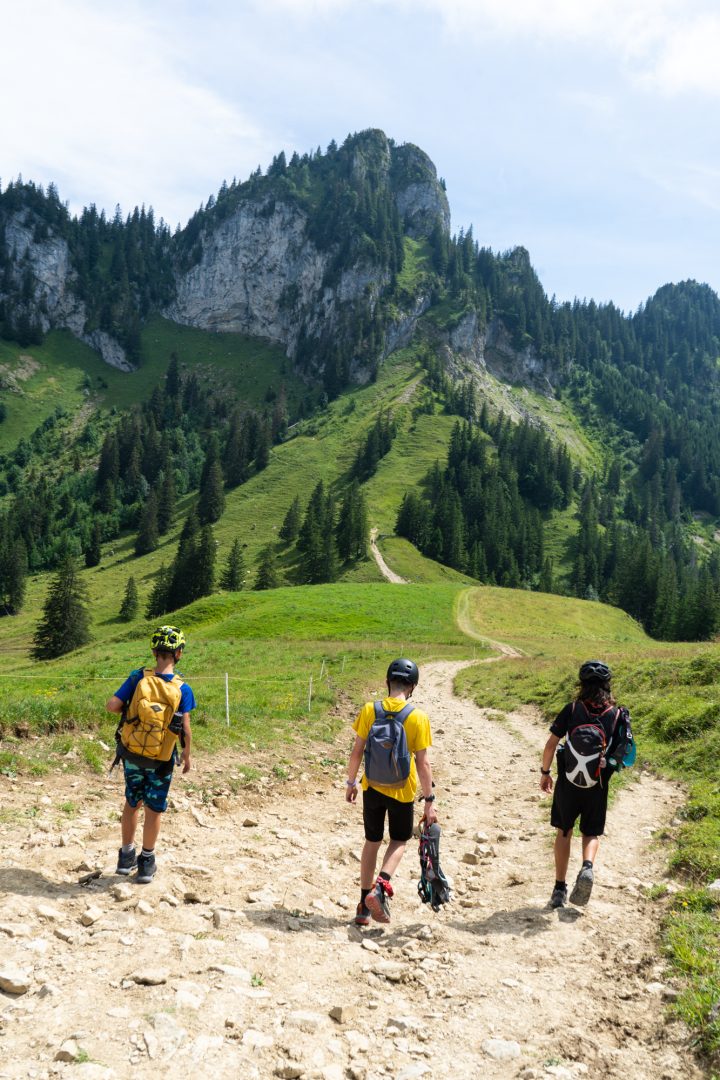
Academic Summer Programs In Switzerland
Swiss academic summer programs: ETH, EPFL, CERN; language, hospitality & credit options. Apply Jan-Mar. Budget CHF200-12k.
Academic summer programs in Switzerland
Overview
Academic summer programs in Switzerland mainly run June–August, though many extend May–September. Durations vary from 1 to 13 weeks. Offerings include high‑school tasters, undergraduate credit courses, research internships and executive or specialist language and hospitality modules. English is the dominant teaching language; German, French or Italian are usually available depending on the canton. Top hosts include ETH Zurich, EPFL, CERN, University of Geneva, UZH, Basel, Bern, UNIL, IMD, Glion and Les Roches. Each provider differs by focus and intensity.
Applications generally open in January–March, with many deadlines by April–May. ECTS credits commonly run 1–6; you will usually need written pre‑approval from your home university to transfer them. Budget for tuition (roughly CHF 200–12,000), monthly living costs (about CHF 1,500–2,500) plus visa, insurance and housing.
Key Takeaways
-
Timing & format
Most programs run June–August, with some extending May–September. Durations span 1–13 weeks. Research internships typically last 8–13 weeks. Class sizes range from tiny lab placements to 15–40 students in taught modules.
-
Program fit & hosts
Choose programs that match your goals. For STEM and research, target ETH, EPFL or CERN. For multidisciplinary study or language work, consider University of Geneva or UNIL. For executive training, look to IMD. For hospitality and industry skills, consider Glion or Les Roches.
-
Applications & academic credit
Start research planning in autumn. Apply between January and March; competitive programs may set earlier deadlines. Obtain written pre‑approval to transfer ECTS to your home institution.
Typical application materials:
- CV
- Up‑to‑date transcripts
- Concise motivation letter
- Strong references
-
Costs & funding
Tuition typically runs CHF 200–12,000 depending on program type. Plan for living costs of about CHF 1,500–2,500 per month. Apply early for program scholarships, Erasmus+ funding or home‑university grants.
-
Logistics & compliance
Non‑EU/EFTA visitors staying under 90 days generally need a Schengen Type C visa. Apply six to eight weeks before travel. Carry mandatory health insurance and ensure you meet any institutional compliance requirements.
Housing options to secure quickly:
- Dorms
- Shared rooms
- Short‑stay rentals
Seasonal window & program types
We, at the Young Explorers Club, see most academic summer activity concentrate in June–August, though many programs run broadly May–September. Program lengths span 1–13 weeks: short academic modules usually 1–2 weeks; most credit-bearing courses run 2–6 weeks; research internships commonly last 8–13 weeks. Typical class sizes are 15–40 students for taught courses, while research placements often place 1–10 students per research group. The majority of international programs use English as the language of instruction, and local-language options in German, French or Italian are available depending on the canton.
Program types
Below are the main program categories so applicants can self-select the best fit.
- High-school / Pre-university: Targeted at high-school students, these short pre-university summer Switzerland programs run mostly 1–3 weeks. Content includes academic taster courses, campus life experiences and language immersion. We recommend these for students who want a low-commitment sample of university study and daily campus routines.
- Undergraduate: Includes short academic courses, credit-bearing summer school Switzerland and research internships Switzerland. Durations range 2–13 weeks and options mix credit and non-credit formats. We recommend credit-bearing modules for transfer credits and research internships for CV-building. Class sizes tend to be moderate for courses and small for lab placements.
- Graduate / Research: These are longer research internships (8–13 weeks) and research-focused placements at labs and university groups. Programs at selective institutions—CERN, ETH or EPFL groups—match students with supervisors and expect proven academic readiness. We advise preparing a concise research statement and faculty contacts well ahead of application deadlines.
- Professionals & Executives: Executive education and short professional courses are fee-based and selective. Durations vary from a few days to several weeks. They focus on upskilling, intensive workshops and networking. We suggest checking prerequisites and cohort profiles before committing.
- Language & Specialist Schools: Dedicated language schools teach French, German or Italian, while industry-focused hospitality modules run at institutions like Glion and Les Roches. For immersive language learning, consider bilingual courses; resources on why bilingual camps accelerate learning can help frame expectations.
Top hosts and standout programs
We assess Swiss academic summer options by focus, intensity and selection criteria so you can match program to ambition and timing. Below I summarise the leaders and what each delivers for undergraduates, graduates and professionals.
ETH Zurich — ETH Summer School
We view ETH Summer School as the go-to for STEM and interdisciplinary short modules. The program runs intensive, short courses that suit both undergraduate and graduate audiences. You can pick credit or non-credit modules depending on your degree needs, and the curriculum leans heavily on theory plus project work. ETH Zurich remains a national leader in science and engineering instruction.
EPFL — EPFL Summer Programs
EPFL Summer School emphasizes engineering, computer science and data science. Expect lab-based, hands-on modules and team projects that simulate real research or product cycles. The modules target undergrads and grads who want practical coding, hardware or data-lab experience and a strong portfolio piece.
CERN — CERN Summer Student Programme
CERN’s Summer Student placement typically runs 8–13 weeks and attracts highly motivated physics and engineering undergraduates. CERN hosts roughly 100–200 summer students annually, making selection competitive. Applications rely on CV strength, reference letters and close project fit. We recommend early applications and tailoring your CV to experimental or computational skills.
University of Geneva — Geneva Summer School
Geneva offers multidisciplinary sessions with language-rich options. Courses appear in English and French and include both credit and non-credit formats. This suits students who want academic breadth plus language immersion.
UZH, Basel, Bern, UNIL/HEC Lausanne — University summer schools
Each university runs short courses spanning humanities, sciences and social sciences. Many modules award ECTS credit, which helps transfer coursework back to home universities. We advise checking ECTS equivalence and assessment methods before enrolling.
IMD Lausanne — IMD short executive programs
IMD runs fee-based, selective executive courses and professional development modules. Admission weighs professional CV, sponsorship and demonstrated leadership potential. Expect cohort-driven case work, short residencies and rigorous application windows. IMD and CERN both set high admission bars; plan ahead and confirm deadlines.
Glion Institute of Higher Education and Les Roches
These hospitality-focused institutions run short industry modules and practical workshops. You’ll find revenue-management, operations and guest-experience labs that industry recruiters respect. Modules suit career changers and hospitality students who want applied skills and networking.
Quick fit guide — which program to pick
Use the list below to match program strengths to your goals and timeline. If you want help choosing between academic intensity and practical experience, choose the best camp that fits your academic profile.
- STEM research & experimental labs: CERN (for research placements), EPFL, ETH Zurich.
- Engineering, data science, hands-on projects: EPFL, ETH Zurich.
- Business, leadership & exec training: IMD Lausanne.
- Hospitality and industry skills: Glion, Les Roches.
- Language-rich or multidisciplinary study: University of Geneva, UNIL/HEC Lausanne.
- Credit-bearing university courses (ECTS): UZH, Basel, Bern, Lausanne — check transfer rules.
We recommend prioritising application windows and selection criteria early. Competitive programs require polished CVs, specific project interests and strong references. Plan for travel logistics and funding if programs are fee-based or have limited scholarships.
Costs, budget examples and funding options
We, at the Young Explorers Club, break down the core tuition categories so you can budget with confidence.
- Short non-credit courses: typically run CHF 200–1,500.
- University credit-bearing summer schools: usually fall between CHF 500–3,000.
- Executive or professional short courses: start around CHF 2,000 and can exceed CHF 12,000.
- Hospitality and specialist schools: commonly charge CHF 1,000–4,000.
Expect living costs of roughly CHF 1,500–2,500 per month for food, local transport, groceries and modest leisure. Zurich and Geneva sit at the high end of that range. Lausanne, Basel and Bern are generally less expensive.
Accommodation options vary:
- Student dormitories: CHF 500–1,500/month.
- Budget private or shared rooms: CHF 600–1,200/month.
- Short-stay apartments or Airbnb: higher nightly rates, which can quickly raise totals.
Plan for extra charges such as insurance, visa fees, travel and local excursion costs. Ask programs what’s included; meals and housing can cut your monthly spend significantly.
Funding options are practical and often partial. Many programs offer institutional scholarships or program-specific merit and need-based waivers that cover part of fees or housing; full waivers for short courses are uncommon. The Swiss Government Excellence Scholarships mainly support degree research and rarely fund short summer courses. EU students should check Erasmus+ for possible support for traineeships or short mobility. Also explore travel grants from your home university and any program-specific stipends. Apply early and confirm deadlines; housing support is often allocated first-come, first-served.
Sample 4-week budget (mid-range)
Below is a clear example to model your planning on before you commit:
- Tuition / Program fee: CHF 1,200
- Accommodation (student dorm/shared): CHF 1,000
- Food & local transport: CHF 1,000
- Insurance & visa contingencies: CHF 100
- Incidentals & excursions: CHF 200
Total: CHF 3,500 (approx.)
Practical steps to keep costs down: Prioritize programs that include housing or meals. Compare locations carefully; Zurich and Geneva will raise your monthly budget. Request program scholarships early and document financial need clearly. Check Erasmus+ and your home university for mobility or travel grants. If you’re weighing options, consult our best summer camp guide to match program style, cost and support.

How to apply, deadlines and academic credit recognition
We, at the Young Explorers Club, lay out the application rhythm, required paperwork and credit steps so you can apply with confidence. I’ll cover typical windows, what selection committees look for, how ECTS recognition usually works and the practical steps to lock in visas and housing.
Application windows, selection and credit recognition
Applications for most academic summer programs in Switzerland open in January–March, with many deadlines in April–May. Highly competitive placements and research internships often close earlier; some programs finalize selections by March. We advise starting program research in the autumn so you won’t rush important documents.
Required documents you should have ready:
- CV / résumé and academic transcripts.
- A motivation letter or statement of purpose explaining academic fit and learning goals.
- One to two reference letters from professors or supervisors.
- Proof of language proficiency if requested.
- Project proposals or a portfolio for research placements or creative programs.
Selection committees focus on academic fit, demonstrated motivation, strength of references and language ability. For research placements they also weigh project alignment; for high-profile programs like CERN or IMD they emphasize a sharp CV, strong references and clear alignment with host projects or executive-level experience.
Many university summer courses award ECTS credits. Short modules commonly range from 1–6 ECTS; longer research placements can carry more. Transferability depends on your home institution’s policy. We always recommend getting pre-approval before you travel and keeping syllabi, learning outcomes and assessment details for credit transfer. Typical assessment formats include exams, course projects, presentations and final research reports.
We handle common pitfalls by advising you to:
- Get written pre-approval from your registrar before the program starts.
- Save official syllabi, assessment rubrics and any graded work.
- Confirm how the host institution records and issues ECTS so you can show official proof to your home university.
Clear application timeline and pre-approval template
Follow this concise timeline to stay on track:
- Research & shortlist programs: Oct–Dec
- Prepare & request refs/transcripts: Dec–Feb
- Submit applications: Jan–May (competitive programs earlier)
- Arrange visa & housing: Mar–Jun
Use this template to request pre-approval of ECTS transfer (edit and send to your home registrar or department):
Subject: Request for Pre-Approval of ECTS Credit Transfer — [Program Name], [Dates]
Dear [Advisor/Registrar Name],
We plan to attend [Program Name] at [Host Institution, Switzerland] from [start date] to [end date]. The course(s) are expected to carry [X] ECTS and cover [brief description of topics]. Could you please advise on procedures for pre-approval of these credits for our [degree/program]? Attached: program syllabus, expected learning outcomes and assessment methods.
Thank you for your guidance,
[Your name, student ID, program/year]
We always tell students to edit the template to match their situation, attach the official syllabus and send it well before the program start date. If you need help narrowing program options, see our how to choose guide for practical selection criteria and camp comparisons.

Visa, insurance, housing and student life logistics
We, at the Young Explorers Club, handle logistics with clear rules and practical tips so you can focus on study and exploration. Short visits under 90 days require a Schengen short-stay visa (Type C) for non-EU/EFTA nationals; start the application 6–8 weeks before travel. For stays longer than 90 days you’ll likely need a short-term residence permit (L) or a student permit, and non-EU/EFTA residents must register with cantonal migration authorities on arrival.
Health insurance is mandatory. EU/EFTA nationals often use the EHIC for temporary stays. Other international students must buy travel or health insurance that’s recognized in Switzerland. Programs usually require proof of coverage for enrollment, so get the certificate before you fly.
Housing options vary and availability moves fast. Expect:
- Campus dorms (allocated first-come or by merit), with typical costs CHF 500–1,500/month.
- Shared private rooms, CHF 600–1,200/month.
- Host families, short-stay apartments, private rentals, or hotels/Airbnb for brief stays.
If you need help deciding where to stay, see our guide to choose the best summer camp for pointers on location and amenities.
Student life is active and safe. Switzerland records low violent crime, though petty theft can happen in tourist areas. Use public transport for reliable travel and real-time planning via the SBB (Swiss Federal Railways) app. Programs commonly include alpine hikes, city tours and networking events; attend these to build friends and practical local knowledge.
Do this before you go (checklist)
Follow this checklist to avoid last-minute issues:
- Check visa requirements for your nationality and apply early (start 6–8 weeks before travel).
- Purchase adequate health insurance and get proof of coverage (EHIC for EU/EFTA or an accepted private policy for others).
- Secure proof of accommodation and program acceptance letters.
- Prepare documents for cantonal registration if staying longer than 90 days.
- Bring photocopies or digital copies of passport, insurance, acceptance letter and accommodation confirmation.
Key practical facts to remember:
- The Schengen 90-day threshold applies (Schengen short-stay visa (Type C)).
- Recommended visa application start: 6–8 weeks prior.
- Typical campus dorm costs: CHF 500–1,500/month.
- Use the SBB (Swiss Federal Railways) app for travel planning.
Outcomes, networking benefits and practical pre-departure tips
We, at the young explorers club, see academic summer programs in Switzerland as career accelerators. Research placements at top institutions strengthen grad-school and job applications (ETH/EPFL/CERN). Executive short courses add leadership credentials employers respect (IMD). Short hospitality modules give direct industry exposure and valuable contacts for hotel and service careers.
Career impact and networking
Research projects often convert into conference posters, co-authored papers or CV-worthy internships — highlight any ETH/EPFL/CERN affiliation on applications. Executive program certificates from IMD signal leadership training and raise your profile for management roles. International summer programs pack together peers, faculty and industry partners; that density speeds relationship-building and creates referral pathways. Ask program coordinators for measurable outcomes like alumni placements, publications and internships converted to longer positions. Track those metrics and add them to your LinkedIn and CV after completion.
I recommend checking program fit early; for practical selection advice see best summer camp.
Pre-departure practical tips & packing checklist
Below are focused lists to prepare quickly and avoid last-minute issues.
- Administrative essentials:
- Obtain visa and travel insurance well in advance.
- Secure housing and get pre-approval for academic credits.
- Carry printed acceptance letters and emergency contacts.
- Register local emergency contacts with family and program staff.
- Tech and documents:
- Laptop, chargers and a power bank.
- Type J plug adapter (Swiss mains Type J).
- Copies of passport and insurance; keep digital and paper versions.
- Student ID (ISIC or university ID) for discounts.
- Clothing and gear:
- Layered clothing for variable mountain weather.
- Comfortable walking shoes and a light rain jacket.
- Small daypack for campus and fieldwork.
- Apps and travel:
- Download the SBB app and local transit apps before arrival.
- Consider a Swiss Travel Pass if you plan more than three days of travel.
- Load offline maps and emergency numbers on your phone.
- Recommended timeline reminders:
- 2–3 months out: finalize acceptance, apply for visa, confirm housing and buy insurance.
- 1 month out: confirm travel, sort arrival logistics, order adapter and phone plan.
- 1 week out: pack documents, check weather, withdraw some CHF cash and verify cards work abroad.
Quick operational tips: request outcome statistics from coordinators, register emergency contacts with program staff, and emphasize ETH/EPFL/CERN or IMD affiliations on your CV and LinkedIn after the program to maximize academic and career returns.

Sources
Official program pages and government resources consulted:
ETH Zurich — Summer and Winter Schools
EPFL — Summer Schools
University of Geneva — Geneva Summer School
University of Zurich (UZH) — Summer School
CERN — Summer Student Programme
IMD Lausanne — Executive Education / Short Programmes
Glion Institute of Higher Education — Summer Programmes
Les Roches — Summer Courses
State Secretariat for Migration (SEM) — Kurzaufenthalt / Short-stay
Federal Office of Public Health (FOPH / BAG) — Health insurance in Switzerland
Numbeo — Cost of Living in Zurich
swissuniversities — Swiss higher education and mobility
Erasmus+ — Opportunities for studies and traineeships
SBB / Swiss Travel System — Swiss Travel Pass