Affordable Summer Camps In Switzerland: Budget-friendly Options
Affordable summer camps in Switzerland: CHF 50–900/week day/J+S; CHF 600–2,500 residential. Apply early, check safety.
Affordable Summer Camps in Switzerland
We see affordable summer camps in Switzerland range from municipal Ferienpass day programs and J+S‑subsidized sports weeks to NGO and youth‑hostel residential options. Day and subsidized camps usually cost CHF 50–900 per week. Premium international residential camps run CHF 600–2,500 a week. Families cut out-of-pocket costs by booking early and applying for J+S or municipal subsidies. Choosing day or shorter sessions also helps. We recommend confirming what’s included and checking safety details like staff ratios, insurance, and medical procedures before enrolling.
Key Takeaways
- Costs: Budget options usually cost CHF 50–900 per week (day camps and subsidized sports on the low end). Premium residential programs cost CHF 600–2,500 per week.
- Main types: Municipal Ferienpass day camps (ages 4–12), J+S‑subsidized sports camps (ages 6–17), and NGO or youth‑hostel residential weeks (ages 8–17).
- Maximize savings: Sign up early, apply for J+S or municipal subsidies, use sibling or multi‑week discounts, choose shorter sessions, or arrange volunteer/helper roles.
- Verify fees: Confirm whether the fee covers meals, transport, excursions, equipment, and insurance to avoid hidden costs.
- Prioritize safety: Check staff-to-child ratios (recommended 1:6–1:15 depending on age), first‑aid qualifications, background checks, and written emergency and medical procedures.
Details and Practical Tips
Types and typical costs
- Municipal Ferienpass day camps: Good for younger children (typically 4–12 years), often the most affordable option.
- J+S‑subsidized sports weeks: For active kids (6–17 years), partially funded through the national youth sports scheme.
- NGO / youth-hostel residential weeks: Mid-range residential options with social and outdoor programming (8–17 years).
- Premium international residential camps: Higher-end programs with specialized instruction and international participants (typically CHF 600–2,500/week).
How families can save
- Book early to access early-bird discounts and secure spots.
- Apply for subsidies — check municipal programs and J+S funding eligibility.
- Use discounts such as sibling, multi-week, or repeat-family rates.
- Choose day or shorter sessions to reduce weekly costs.
- Volunteer or helper roles — some organizations reduce fees in exchange for parent or teen helpers.
What the fee should cover
Always verify exactly what is included so you avoid unexpected charges.
- Meals (number and type: packed lunch vs. catered).
- Transport (pick-up/drop-off, excursion transport, or not included).
- Excursions and activities (are off-site trips extra?).
- Equipment and materials (sports gear, art supplies, safety equipment).
- Insurance (accident, liability — what is covered and what you must provide).
- Registration or administrative fees that may be separate from weekly costs.
Safety checklist before enrolling
- Staff-to-child ratios: Confirm recommended ratios for the child’s age group (typical guideline 1:6–1:15 depending on activities and ages).
- Staff qualifications: First-aid training, certifications, and sport-specific qualifications where relevant.
- Background checks: Ask whether staff undergo criminal-record or reference checks.
- Emergency procedures: Request written policies for medical emergencies, evacuations, and lost-child protocols.
- Medical handling: Clarify medication administration rules, allergy procedures, and on-site medical staff or access to local care.
- Insurance and liability: Understand what the camp’s insurance covers and what your family must insure separately.
Final recommendation
Before enrolling, confirm the total cost, what is included, and the camp’s safety and medical procedures. For many families, combining subsidies, early booking, and shorter or day sessions yields the best balance of affordability and quality.
Big savings up front: How affordable camps compare to premium options
Cost comparison and what the numbers mean
We break the math down so you can decide fast. Premium private residential camps commonly run about CHF 1,000–2,500 per week (approx. 2024). Local municipal or smaller residential options often range from CHF 150–900 per week (approx. 2024). That difference can equal roughly 50%–80% less per week for budget-friendly camps versus elite international programs.
Verify current fees with each provider before booking. Prices vary by location, activity mix, length of stay and included meals or transport. Note that summer day camps usually sit at the lower end of the range, while residential camps add accommodation and supervision costs.
Who benefits and practical ways to save
Families who gain most include:
- Households on tight budgets where weekly savings add up quickly
- Expat families seeking high-quality but affordable local options
- Families with multiple siblings attending the same session
- Single-parent households needing lower upfront costs
Use these practical tips to cut costs further:
- Book earlier for early-bird discounts and better session choices
- Choose summer day camps over residential camps when overnight care isn’t required
- Look for shorter-week sessions; four- or five-day options often cost less per week
- Ask about sibling discounts and multi-week packages
- Check whether meals, transport and insurance are included to avoid surprise fees
- Apply for municipal subsidies or voucher programs before paying the full price
- Consider Jugend+Sport (J+S) supported activities; they can reduce fees or support qualifying families
- Use the municipal Ferienpass in many Swiss towns for low-cost day activities and excursions
We, at the young explorers club, recommend researching both municipal offers and private local providers. For a practical starting point and comparison tips, see our guide on summer camp in Switzerland.
Types of budget-friendly camps, ages and typical durations
We break budget-friendly options into five practical categories that cover ages 4–17. Each type has predictable durations and price bands so you can match needs, childcare windows and budgets quickly.
Camp types, ages, typical durations and approximate weekly costs
Below we list the types, age ranges, typical session lengths and rough weekly cost brackets so you can compare at a glance.
-
Day camps / municipal programs (Ferienpass / Passeport Vacances): Ages 4–12. Most run as day camps in 1-week blocks, with common lengths of 1 week, 2 weeks or multi-week sessions during July–August. These holiday schemes suit parents who need daytime care and activity structure. Typical cost: CHF 120–400/week (approx. 2024). Book early; municipal programs fill fast and often offer sibling discounts.
-
Youth sports camps (local clubs + J+S subsidy): Ages 6–17. Sport-focused weeks run from single-day clinics to week-long residential options, with intensity tailored by age and skill. Local clubs frequently benefit from J+S subsidies which cut the price. Typical cost: CHF 50–300/week (approx. 2024). Sign up through clubs to access subsidies and lower rates.
-
Language camps and NGO camps (Pro Juventute, Caritas): Ages 8–17. Nonprofit and specialist residential camps focus on language immersion, social skills and lower-cost residential options. Sessions typically last 1–2 weeks, with some longer multi-week programs. Typical cost: CHF 200–900/week (approx. 2024). Many NGOs offer financial aid or sliding scales — ask when you apply.
-
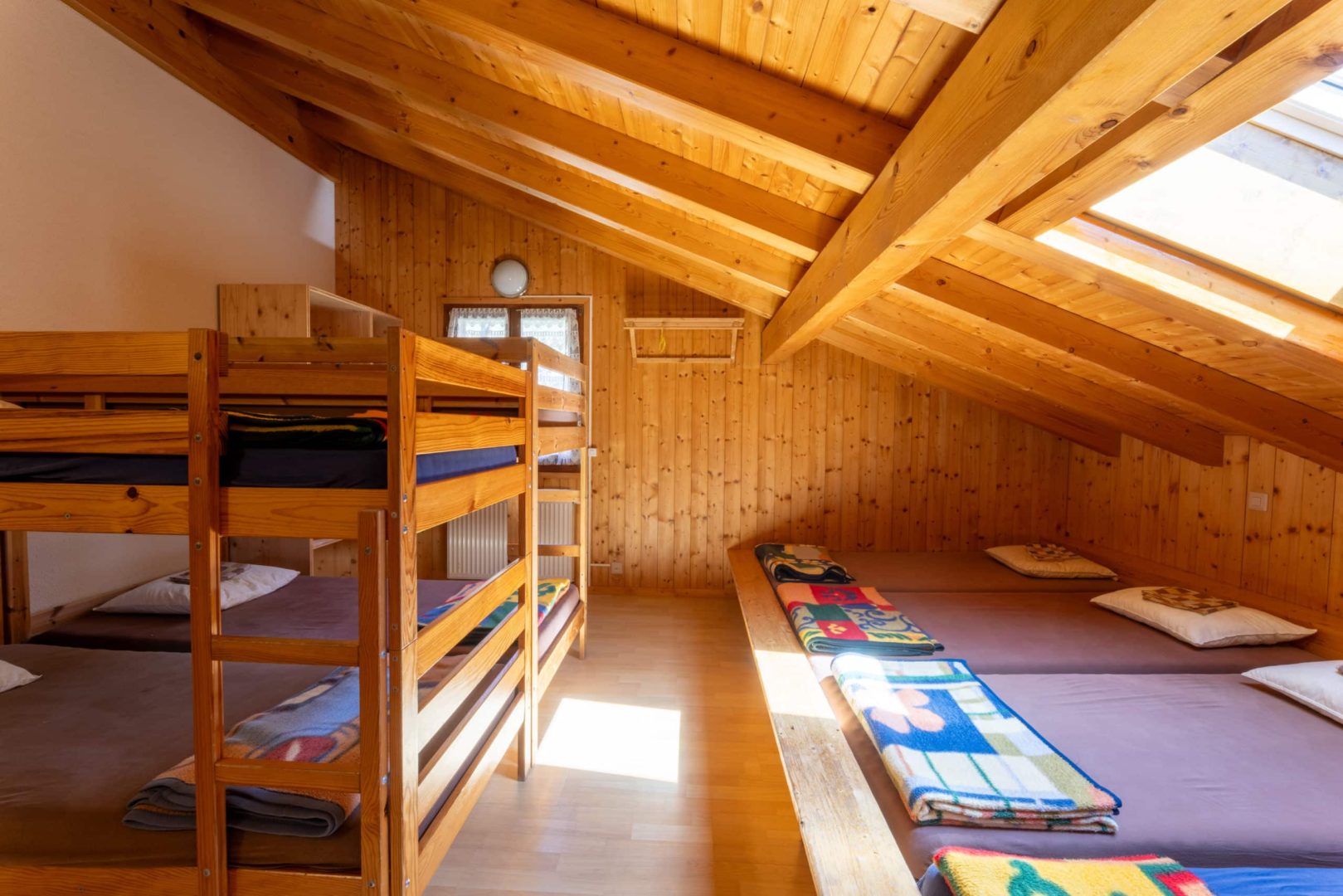
Youth hostels / overnight residential camps: Ages 8–17. Youth-hostel based camps provide affordable overnight stays and structured days, usually in 1–2 week blocks during school holidays. They often sit within the lower-to-mid residential pricing range and are ideal for first-time overnight campers. Expect costs broadly aligned with NGO residential camps (roughly CHF 200–900/week depending on program).
-
Private international residential camps (contrast only): Ages vary. These are full-service, often themed residential camps with international staff and high activity ratios. Typical cost: CHF 600–2,500/week (approx. 2024). We include them for price contrast rather than as budget options.
Safety and group-size cues we recommend you check before booking:
-
Younger children (ages 4–6): aim for staff-to-child ratios around 1:6.
-
Primary ages (7–12): a practical ratio is 1:8–10 depending on activity risk.
-
Teens (13–17): 1:12–15 is common for low-risk programs; specialist or high-risk activities should lower that number.
Always verify first-aid qualifications, DBS-style checks and emergency plans with the provider; these details matter more than glossy brochures.
If you want help comparing programs or choosing based on activity mix, check our guide to selecting the best summer camp for practical decision steps and planning tips.
Typical costs and sample weekly budgets
Typical cost ranges (approx. 2024)
We, at the Young Explorers Club, break down common camp costs so you get a quick sense of camp costs in Switzerland and cost-per-week expectations. Check inclusions for each option — meals, excursions, transport, insurance, and equipment can change the headline price.
- Day camps (municipal/community/club): CHF 120–400 per week — confirm meal inclusion and local transport.
- Subsidized sports/club camps (J+S/club): CHF 50–200 per week — often subsidised but check whether kit or insurance is extra.
- NGO youth camps / youth hostels: CHF 200–900 per week — some include full board and activities; others charge extras.
- Private international residential camps: CHF 600–2,500 per week — luxury programs usually bundle meals and excursions; basic rates may exclude extras.
- Activity fees in municipal Ferienpass programs: CHF 5–40 per session — typical session fees rarely include equipment or transfers.
Sample weekly budgets and what to watch for
We, at the Young Explorers Club, recommend preparing a small contingency fund for optional extras.
Low-budget 1-week day-camp example:
- Camp fee: CHF 150
- Lunch/snacks: CHF 40 (if not included)
- Local transport: CHF 30
- Supplies/optional extras: CHF 20
Total example: CHF 240/week (approx. €240–€250 or ~$250–$260 at time of writing).
Subsidized residential 1-week example:
- Camp fee (subsidized NGO): CHF 300
- Insurance/meds: CHF 20
- Travel: CHF 30
Total example: CHF 350/week (approx. €350 / ~$370 at time of writing).
Always verify what the price covers:
- Meals and snacks;
- Excursions and day trips;
- Transport to and from site;
- Basic insurance and first aid;
- Equipment and rental fees.
We, at the Young Explorers Club, also point out a few practical moves to reduce cost per week:
- Book early to catch early-bird discounts.
- Apply for local subsidies or club support.
- Pick day camps or Ferienpass sessions to keep transport costs low.
- Compare programs before booking; consult guides and reviews for value and included services.
Currency clarity: all figures are shown in CHF. International families should convert to EUR/USD at booking; the illustrative conversions above are indicative and may shift with markets. Keep a short checklist for meal inclusion and transport costs before you commit.

Where to find budget-friendly camps — programs, organizations and city quick guide
We, at the Young Explorers Club, map out the low-cost options so families can plan with confidence. Check dates and exact fees on local municipal sites for 2024/2025, since availability and languages offered change by canton.
Programs and typical cost brackets
Below are the main programs and what you can expect to pay:
- Ferienpass Zürich — municipal holiday scheme with many low-cost activities; typical fees CHF 5–40 per session (Ferienpass Zürich).
- Passeport Vacances / Passeport Vacances Genève — regional holiday activity schemes with many low-cost sessions; CHF 5–40 per session (Passeport Vacances / Passeport Vacances Genève).
- Jugend+Sport (J+S) — Swiss Federal Office of Sport subsidized local sports camps; J+S camps often CHF 50–200/week (Jugend+Sport).
- Pro Juventute — NGO camps and subsidies; typical bracket CHF 200–900/week (Pro Juventute).
- Jugendherbergen Schweiz / Hostelling International Switzerland — youth-hostel based camps that often present lower-cost residential options (Jugendherbergen Schweiz / Hostelling International Switzerland).
- Schweizerisches Rotes Kreuz — local youth and children’s camps and social programs (Schweizerisches Rotes Kreuz).
- Local sports clubs and community centers — football, hockey, tennis clubs often run the cheapest week-long sports camps.
- Caritas and other NGOs — charity holiday schemes operate in some cantons and can cut costs significantly (Caritas).
Use these program names as search terms on your municipal portal. We recommend you apply early for subsidized spots.
City quick guide and practical tips
Zurich: Ferienpass Zürich is strong for ages 4–12. Expect CHF 10–40 per activity (Ferienpass Zürich). Geneva and Vaud: Passeport Vacances offers many low-cost sessions, often CHF 5–40/session (Passeport Vacances / Passeport Vacances Genève). Basel, Bern, Lausanne: municipal Ferienpass-style programs run similar activity-price ranges. Urban camps tend to cost about 20%–50% more than rural equivalents; smaller Valais or Graubünden overnight options sometimes have lower accommodation fees.
Practical pointers we follow and share with families:
- Look for J+S logos on sports camps to get subsidized weeks (Jugend+Sport).
- Ask Pro Juventute and Swiss Red Cross organizers about hardship subsidies (Pro Juventute; Schweizerisches Rotes Kreuz).
- Book hostel-based residential weeks through Swiss Youth Hostels for lower-cost overnight stays (Jugendherbergen Schweiz / Hostelling International Switzerland).
- Contact local clubs directly — community centers often run the cheapest week-long camps.
- Check languages offered early; many urban programs run bilingual sessions, but rural camps may be single-language.
- Apply early and ask about subsidies — many organizers reserve limited discounted places.
If you want a compact primer on choosing camps, read our guide to the best summer camp in Switzerland for practical selection tips.
Subsidies, discounts, booking timing and money-saving hacks
We, at the young explorers club, focus on practical ways families cut camp costs without losing the fun. Camps often offer multiple discount layers: subsidized J+S places, municipal or social subsidies, early-bird and sibling discounts, plus volunteer-for-fee reductions. J+S (Jugend+Sport) subsidized places can lower fees to about CHF 50–200 per week. For more on camp selection and budgeting, see our summer camp guide.
Step-by-step actions to save
Follow these actions in order to maximize savings:
- Check J+S availability via local sports clubs and ask whether a subsidized block is open for your child’s age group.
- Contact municipal social services (Sozialamt / sociale) to ask about means-tested municipal support or family allowance schemes.
- Ask camp organizers about sibling discounts, early-bird discounts and any scholarship slots; confirm amounts and dates in writing.
- Search NGOs such as Pro Juventute or Caritas for targeted grants and fee support programs.
- Apply early, join waitlists for low-cost municipal spots, and request payment plans or reserve-and-pay-later options if cash flow is tight.
Booking timing, payment and practical hacks
Book as soon as spring registration opens — often March–May for July/August weeks. Early-bird discounts commonly fall between 5%–15% off, so locking in a slot early returns quick value. Waitlists are common for inexpensive municipal spots; register immediately and keep a backup camp on hold. Many affordable camps accept installment payment plans or let you reserve a place with a small deposit.
Use these real-world hacks to cut expenses further:
- Organize carpool rosters with neighbors to reduce transport costs.
- Ask about half-day sessions; they typically cost 40%–70% of full-day rates and suit younger kids or families with tight budgets.
- Volunteer or leader-in-training roles can significantly cut fees — some camps offer “helper-for-free-week” arrangements or work-exchange options.
- Buying a family multi-ride public transport pass often pays for itself if children use buses or trams regularly.
“If family qualifies for a municipal subsidy that covers 50% of a CHF 300/week camp, out-of-pocket cost becomes CHF 150/week — always request written confirmation of subsidy.”
Always confirm cancellation policy and any fine print on sibling discounts, scholarship deadlines, and payment plans before you pay. We, at the young explorers club, recommend collecting written confirmations for any subsidy or scholarship promise and keeping digital copies of all receipts and correspondence.
Evaluating value, safety and hidden costs — checklist before enrolling
We treat staff-to-child ratio as a core safety metric and expect camps to meet sensible benchmarks. Safe ranges run roughly 1:6–1:15, with a typical breakdown of 1:6 for under-7s, 1:8–10 for 7–12s, and 1:10–15 for older teens. We insist on visible staff qualifications: first aid certification, J+S leader training or an equivalent credential, and clear background checks and child safeguarding procedures. Those items tell us whether supervision ratio and practical emergency response are credible.
We verify health, insurance and legal arrangements before any booking. Confirm whether accident insurance and liability insurance are included; if they’re not included, we recommend families rely on the compulsory Swiss basic health insurance (OKP) and consider private accident cover. We always require a completed medical form with medication instructions and emergency contact details on file. Emergency medical info and valid health coverage are non‑negotiable in Switzerland.
We watch for hidden costs that often creep into the final bill. Expect local transport per week on public transit to cost about CHF 10–60. Midday meals, when not included, typically run CHF 5–15/day (around CHF 25–75/week). Excursions and entrance fees usually add CHF 10–50 per outing. If insurance isn’t included, budget roughly CHF 10–30/week extra for accident/liability cover. We calculate total weekly cost before committing so value matches expectations.
Enrollment checklist
Before we enroll a child we confirm the following items:
- Full price and payment schedule, including deposit terms and refundability.
- Clear list of inclusions: whether meals, excursions, equipment and transport are included.
- Completed medical form and written medication instructions.
- Emergency contacts and formal pickup authorization.
- Confirmation that insurance is included or explicit instructions for families about OKP/accident insurance.
- Cancellation and refund policy, plus inclement‑weather procedures.
- Staff qualifications and exact staff-to-child ratio; ask for the specific ratio.
- Language of instruction and any language support available.
- Proof of background checks and first aid coverage.
We always use specific prompts when speaking to providers:
- Describe your staff vetting procedures.
- Confirm the staff/child ratio (ask for exact numbers by age group).
- Explain health and medication procedures, including storage and administration of medication.
- Outline cancellation and inclement‑weather policies and any associated refund rules.
- List emergency contact and notification methods (how and when families are informed).
For families comparing options, we point them to our guide on the best summer camp to help weigh safety, cost and program value.
Sources
Below are official organizations and municipal program pages useful when researching affordable summer camps and subsidy options in Switzerland.
Jugend+Sport (J+S) — Official program information (Jugend+Sport camps and subsidies)
Swiss Federal Office of Sport (BASPO) — Jugend+Sport (J+S) overview and BASPO resources
City of Zürich — Ferienpass Zürich municipal holiday program (Ferienpass details and activities)
City of Geneva — Passeport Vacances Genève (municipal holiday activities and registration)
City of Lausanne — Passeport Vacances / youth leisure programs (municipal information)
City of Bern — Ferienpass / municipal holiday activities (local program details)
Pro Juventute — Camps and family-support programs (youth camps and subsidies)
Schweizerisches Rotes Kreuz (Swiss Red Cross) — Youth and social programs (local camp initiatives)
Caritas Switzerland — Social and holiday schemes for families and children
SwissInfo — Reporting and guides about childcare, summer activities and family issues in Switzerland