Choosing Between Swiss Mountain Experiences For Families
Choose the right Swiss mountain day for your family—Easy, Active or High‑Alpine. Tips on bases, altitude safety, transport & gear.
Choosing Swiss mountain experiences for families
We match your family’s mobility, children’s ages and travel-time tolerance to one of three profiles—Easy scenic & convenient (best for ages 0–4), Active/adventure (5–14) or High‑alpine/glacier (10–17). This gives a fast, defensible way to choose Swiss mountain experiences. Prioritise short transfers and rail or cable access for comfort. Treat sites above about 2,500 m as higher risk. Ascend gradually, pack layers and sun protection, and buy insurance that covers mountain rescue. At the Young Explorers Club, we’ll help refine your plan and advise on gear and passes.
Key Takeaways
- Use the triage order mobility → ages → travel time to pick a profile (Easy scenic, Active/adventure, High‑alpine).
- Match bases to priorities: Lucerne/Pilatus/Rigi for short transfers and young kids; Grindelwald/Interlaken for multi-activity adventure; Zermatt/Saas‑Fee for glacier views and iconic photos.
- Prefer cable cars, cogwheel or rack railways for the easiest summit access and check stroller/wheelchair access with operators.
- Manage altitude risk above ~2,500 m by ascending gradually, hydrating, limiting exertion and monitoring children for symptoms.
- Book peak-season activities early, and don’t forget to use public transport and relevant passes to lower costs and ease logistics.
The three family profiles
- Easy scenic & convenient — Best for infants and toddlers (0–4). Focus on short transfers, gentle viewpoints, and rides on cogwheel or rack railways and cable cars. Prioritise comfort and stroller access.
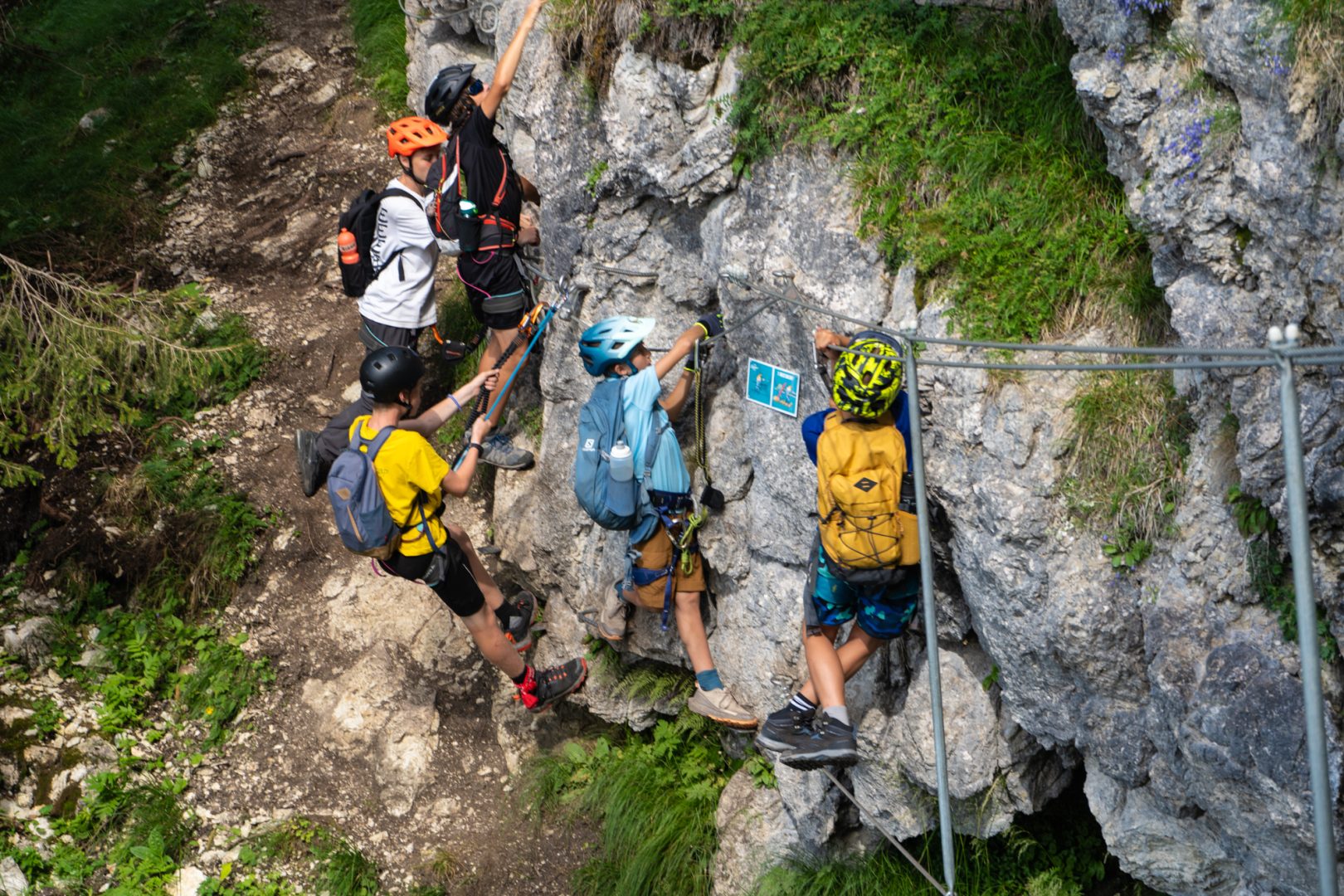
- Active/adventure — Ideal for school-age children (5–14). Combine hiking, easy via ferrata sections for supervised kids, lake activities and mountain playgrounds. Choose bases with multiple activity options to minimize repeated transfers.
- High‑alpine/glacier — For older children and teens (10–17) who tolerate higher altitude and longer excursions. Emphasise glacier viewpoints and high ridges, but treat these as higher risk and plan for gradual acclimatisation.
How to use the triage
- Start with mobility — assess stroller, wheelchair or limited-walking needs and select bases with appropriate access.
- Then match ages — pick the profile that fits your children’s developmental stage and energy levels.
- Finally check travel time — prioritise short transfers for younger kids and longer transfers only when the activity payoff justifies them.
Access, logistics and comfort
Prefer cable cars, cogwheel or rack railways for summit access to keep transfers short and comfortable. Always check operators’ websites or contact them directly for stroller/wheelchair access, luggage rules and seasonal schedules. Use public transport and tourist passes where possible to reduce cost and simplify connections.
Altitude risk and safety
Treat sites above about 2,500 m as higher risk. Key precautions:
- Ascend gradually—allow a day of lower-altitude activity before going higher.
- Hydrate and rest—encourage frequent water and avoid overexertion.
- Pack layers and sun protection—weather changes quickly at altitude and UV is stronger.
- Monitor children—look for headache, nausea, dizziness or unusual fatigue.
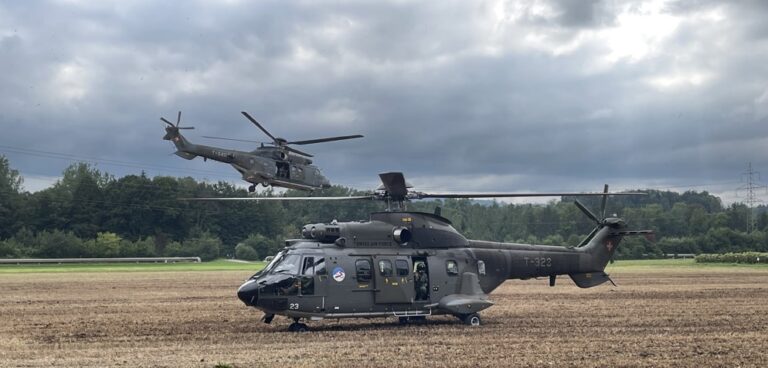
- Buy insurance that explicitly covers mountain rescue and helicopter evacuation where appropriate.
Recommended bases by priority
- Lucerne / Pilatus / Rigi — short transfers, great for families with young children and stroller access.
- Grindelwald / Interlaken — excellent for multi-activity trips: hiking, lakes, beginner alpine activities and adventure parks.
- Zermatt / Saas‑Fee — iconic glacier views and high-alpine photo opportunities; better suited to older children who can handle altitude.
Booking and passes
- Book peak-season activities early—popular cable cars, guided walks and adventure facilities fill up.
- Use regional passes (e.g., Swiss Travel Pass, local guest cards) to save on public transport and mountain lifts.
- Confirm accessibility and baggage transfer options with providers before arrival.
Young Explorers Club — if you’d like help refining a customised plan, selecting appropriate gear or choosing the right passes, we’ll assist with detailed recommendations and itinerary adjustments based on your family’s mobility, ages and travel-time preferences.
https://youtu.be/WNsfsFtJCWo
Quick decision framework — Which Swiss mountain experience fits your family?
Profiles and accessibility
We, at the Young Explorers Club, sort Swiss mountain options into three clear family profiles so you can match energy, age and comfort quickly.
-
Easy scenic & convenient: Short transfers, stroller-friendly viewpoints and gentle boats or trains. Best for ages 0–4 and families who prioritise comfort. Expect paved viewing areas, short cogwheel or cable rides and lake cruises. If you want a relaxed lake-and-mountain day near Lucerne, see our family trip resource for ideas.
-
Active / adventure: A mix of short hikes, alpine playgrounds, summer toboggans, beginner via ferrata and bike options. Best for ages 5–14. Choose compact bases where you can swap activities in a day — alpine playgrounds and First’s cliff walk and sleds deliver big thrills with short approaches.
-
High-alpine / glacier: Iconic summits, glacier stations and high viewpoints reached by cable car or mountain train. Best for older kids and teens (10–17) and families comfortable with altitude. Pick these when you want summit photos, glacier viewing platforms and dramatic alpine railways.
Accessibility factor — quick rules we recommend you follow:
-
Prefer cable cars, cogwheel or rack railways for the shortest, easiest access to high viewpoints.
-
Long hikes and exposed ridges aren’t stroller or wheelchair friendly.
-
Many mountain stations have lifts and level zones, but verify accessibility with each operator before you book.
-
If you need paved viewpoints or level routes, bias toward lake-adjacent mountains and lower-elevation peaks.
Quick triage checklist
Use this checklist to triage fast: match mobility constraints + travel-time budget + age-suitability.
-
Mobility: Stroller or wheelchair required? Yes → favour short trains/cable cars and paved, level viewpoints. No → you can consider short family hikes and alpine playgrounds.
-
Children’s ages: Pick the profile that aligns with energy and safety:
-
0–4 → Easy scenic & convenient.
-
5–9 → Active/adventure suits most kids in this range.
-
10–17 → High-alpine/glacier options become realistic, especially for teens.
-
-
Travel-time budget from Zurich (approx): Keep travel limits in mind when choosing a base:
-
Zurich to Lucerne ~45–60 min.
-
Zurich to Interlaken ~2 hours.
-
Zurich to Zermatt ~3h15 (approx).
-
-
Decision cutoffs:
-
If travel-time must be under 1 hour → choose Lucerne / Pilatus / Rigi or nearby lake options.
-
If you want iconic mountains in a compact base → choose Zermatt (Matterhorn) or Grindelwald (Jungfrau approaches).
-
If you want multi-activity lakes + mountains → choose Interlaken / Lucerne.
-
Quick comparison checklist to match profile to base and highlights:
-
Easy scenic & convenient | Best bases: Lucerne, Rigi, Pilatus | Travel time from Zurich: ~45–60 min | Best ages: 0–4, 5–9 | Highlights: lake cruises, short cogwheel/cable rides, panoramic viewpoints
-
Active / adventure | Best bases: Grindelwald, Interlaken | Travel time from Zurich: ~2 hours | Best ages: 5–14 | Highlights: alpine playgrounds, First (Cliff Walk), alpine toboggan / summer sleds
-
High-alpine / glacier | Best bases: Zermatt, Saas-Fee, Jungfrau region | Travel time from Zurich: ~3h15 (Zermatt) / ~2 hours (to Interlaken) | Best ages: 10–17 | Highlights: Gornergrat, Matterhorn Glacier Paradise, Jungfraujoch (Top of Europe)
Recommendation: We recommend running this filter in order: mobility → ages → travel time. That gives a fast, defensible pick and avoids overpromising on activity difficulty or accessibility. If you want a relaxed lake-centred day close to Zurich, explore our family trip page for concrete itineraries and logistics.
https://youtu.be/Hg6e28rzzfA
Iconic glacier & summit experiences (Jungfraujoch, Matterhorn, Gornergrat, Titlis, Pilatus)
We plan family outings with two priorities: safety and wow moments for kids. Jungfraujoch feels like visiting another planet — the Jungfrau Railway climbs to 3,454 m with a sheltered main station, Sphinx Observatory views and the Ice Palace. Expect a full day from Interlaken via Grindelwald or Wengen. Station areas are level and stroller-friendly, but the altitude can hit toddlers; we advise short stays inside and watching for breathlessness or irritability.
From Zermatt the Matterhorn dominates every photo. We split the Matterhorn experience into two family-friendly options: the Gornergrat train to 3,089 m for panoramic ridgeline views and easy rail-level access, and the Matterhorn Glacier Paradise cable cars up to 3,883 m for glacier exhibits. Both are full-day possibilities from Zermatt; exposure on ridge walks rules out strollers beyond station areas.
Titlis is compact and practical from Lucerne via Engelberg. The Titlis Rotair gondola lifts to 3,238 m; highlights are the Ice Palace and the Titlis Cliff Walk suspension bridge. Exhibits and short glacier walks work well for children, but the bridge may unsettle the youngest. Plan for a 3–6 hour outing and keep little ones close on exposed sections.
Pilatus sits lower at Pilatus Kulm 2,132 m and makes a quick, dramatic daytrip from Lucerne. The Pilatus cogwheel railway climbs at up to a 48% gradient and is an attraction in itself. Summit areas offer short level walks, panoramic restaurants and family-friendly facilities — perfect for strollers and nervous first-timers.
Watch altitude carefully: symptoms can begin above about 2,500 m. Sites above that elevation — Titlis (3,238 m), Jungfraujoch (3,454 m), Gornergrat (3,089 m) and Matterhorn Glacier Paradise (3,883 m) — raise the risk. Ascend gradually, hydrate, limit active play for the first hours, and monitor children for headaches, nausea or excessive tiredness. We also recommend packing warm layers, sun protection and basic snacks; on-site cafés and restrooms are available at the main stations but can be busy in peak season. For additional planning tips for a family trip in Switzerland, we point families to our practical guides.
Quick comparison
Here’s a compact at-a-glance list to help you choose:
- Jungfraujoch: easy train access; high altitude (3,454 m) — risk; station areas stroller-friendly; indoor Ice Palace and cafés; extremely photogenic for kids.
- Gornergrat: straightforward train; high but lower altitude (3,089 m); rail-level viewpoints good for photos; limited stroller access off-station; restaurants and toilets at summit.
- Matterhorn Glacier Paradise: cable car to 3,883 m; very high altitude — higher risk; glacier exhibits and facilities; exposed viewpoints give dramatic photos.
- Titlis: easy gondola from Engelberg; glacier elevation (3,238 m) — risk; Ice Palace and accessible exhibits; Cliff Walk is exposed and not stroller-friendly.
- Pilatus: cogwheel or cable access; lower altitude (2,132 m) — minimal altitude concerns; summit very stroller-friendly with restaurants and short walks.

Best family bases and quick comparison checklist
At the Young Explorers Club, we recommend picking a base that matches how your family likes to spend its days — iconic peaks, busy adventure hubs, or calm lake-side downtime. Below I break down the practical trade-offs and give clear tips for making each place work for families.
Zermatt
Zermatt gives direct access to Gornergrat and Matterhorn Glacier Paradise, and the iconic Matterhorn rises to 4,478 m. The village is car-free, so kids can run safely and photo ops are everywhere.
We like Zermatt for families prioritising glacier experiences and postcard views.
- Pros: pedestrian village, family-friendly hotels and apartments, easy trains from Visp.
- Cons: longer travel from Zurich (around 3h15), alpine prices, and the need to plan parking.
- Accommodation: family rooms, self-catering apartments, ski schools and seasonal childcare.
- Practical tip: park at Täsch and take the frequent shuttle train to Zermatt for smooth logistics.
Grindelwald / Interlaken — Jungfrau region
The Jungfrau region centres on Jungfraujoch and offers First activities, Bachalpsee hikes and quick access to lakes Brienz and Thun. It suits families who want lots of varied activity.
We find it ideal for multi-day adventure: plenty of playgrounds, summer adventure parks, and easy daytrips to Jungfraujoch. Expect crowds in peak season and premium prices for top attractions. Choose Interlaken as a transport hub to shorten transfers and keep days flexible.
Lucerne
Lucerne pairs a compact city with nearby Pilatus and Rigi for lake-and-mountain days. Travel from Zurich takes about 45–60 minutes, so Lucerne works well for families with limited travel time or shorter stays.
It won’t match high-alpine glacier options, but it delivers scenic, child-friendly excursions, lakeside promenades and family rooms. Combine a city day with a Pilatus cogwheel or Rigi daytrip to get the most from a short itinerary.
Engelberg (Titlis)
Engelberg gives access to Titlis (3,238 m) and the Rotair gondola, plus beginner slopes and a compact resort atmosphere. It’s ideal for families wanting a dependable glacier daytrip from the Lucerne area.
You’ll find family hotels, ski schools and seasonal childcare, though Engelberg offers fewer multi-day non-ski activities compared with the Jungfrau region.
Saas-Fee
Saas-Fee is a high-altitude, car-free village with reliable glacier access and snow-sure summer options. It’s one of the top picks for summer snow experiences for families.
Travel times can be lengthy and some kids may need time to acclimatise at higher altitude. Expect family hotels, glacier-guided walks and ski schools to be available.
Practical planning note
For a compact primer on planning a family trip in Switzerland, see our family trip guide — it covers transport, parking and choosing accommodation to match your kids’ ages.
Quick comparison checklist
Use this checklist to make a fast decision based on priorities; each point is kept tight for packing into an itinerary or booking call.
- Best for iconic photos: Zermatt (Matterhorn 4,478 m)
- Best high-alpine glacier access: Zermatt (Matterhorn Glacier Paradise 3,883 m), Jungfraujoch 3,454 m, Titlis 3,238 m
- Best short-travel base from Zurich: Lucerne (~45–60 min)
- Best multi-activity/adventure base: Grindelwald / Interlaken — Jungfrau region
- Best car-free family village: Zermatt and Saas-Fee
If your family values dramatic glacier views and iconic shots, pick Zermatt or Saas-Fee. If you want varied activities and easier logistics for multiple days, opt for Grindelwald/Interlaken. For short stays or younger kids who dislike long transfers, choose Lucerne or Engelberg.

Family activities by age group — what to book and what to skip (and accessibility notes)
We, at the young explorers club, split recommendations by age so you can pick safe, fun options without overplanning.
Age 0–4
Keep outings short and predictable. Good choices are short scenic train or cable-car rides, indoor play areas at mountain stations and gentle lakefront promenades. Examples include the Pilatus cogwheel train with a short summit promenade (20–60 min) and an indoor visit to the Jungfraujoch Ice Palace (30–60 min) — note that Jungfraujoch is high altitude for toddlers. Confirm stroller access, baby-changing facilities and carriage step heights before you go. Skip exposed ridge walks and long uphill transfers; toddlers tire fast.
Age 5–9
Choose active but protected options: easy themed family hikes, playgrounds, alpine toboggans and mountain fun parks. First in Grindelwald (Cliff Walk + alpine toboggan) suits many families (20–120 minutes depending on activities), while Titlis Ice Palace plus the suspension bridge is a 1–3 hour outing that can alarm nervous kids. Check minimum age and height for alpine coasters and toboggans. We recommend booking the toboggan slots in advance in high season.
Age 10–14
This group can handle guided via ferrata sections, short e-bike loops, longer hikes to alpine huts and beginner ski or snowboard lessons. A solid day option is the Bachalpsee hike from First (2–3 hours moderate). Book via ferrata with a certified guide and confirm helmets, harnesses and any weight/age limits with operators. Parents should ask about supervised group sizes and emergency plans.
Teens / 15+
Teens can do multi-day hut-to-hut hikes, high-ropes or zipline parks and paragliding tandems where age and weight allow. Paragliding tandems from Interlaken are a memorable 1–2 hour experience but carry strict age/weight restrictions. Plan multi-day treks carefully for gear, route difficulty and weather.
Accessibility & logistics
Below are practical checks we use before booking:
- Stroller/wheelchair access: many major mountain railways and summit viewpoints offer level access or lifts (Jungfraujoch station has lifts; Titlis provides level access to some exhibits), but narrow ridge trails and high-alpine walks do not.
- Car-free villages: Zermatt and Saas-Fee require parking at hubs (park at Täsch and take the shuttle/train to Zermatt); plan luggage transfers.
- Trains and carriages: cogwheel trains may have high steps or require folding strollers; ask stations about assistance.
- Operator rules: minimum age/height and safety-equipment requirements apply to alpine coasters, paragliding, via ferrata and toboggans — always verify with the operator.
Booking tips
Reserve high-season activities early. Add a slow acclimatisation day before Jungfraujoch, Titlis or Matterhorn Glacier Paradise. Confirm seasonal openings and operator age/height rules before you pack. For more family options, consult our guide to family activities.

Seasonality, health & safety — altitude, weather and insurance essentials
We, at the Young Explorers Club, plan family mountain time around the seasons and safety constraints. Summer hiking runs roughly June–mid‑September on most alpine trails; lower routes open earlier and can stay accessible later. Winter ski season is typically December–April; high‑altitude glacier skiing lasts longer, with year‑round access at places like Matterhorn Glacier Paradise (3,883 m). Shoulder seasons — spring and autumn — reduce crowds and cost, but expect some lifts and huts to be closed. For base-specific timing, plan Grindelwald hikes June–September and family ski weeks December–March. For help planning a family trip, see our family trip guide.
Altitude and medical safety require respect and a clear plan. Symptoms can start above 2,500 m; be especially cautious at high points such as Jungfraujoch (3,454 m), Titlis (3,238 m), Gornergrat (3,089 m) and Matterhorn Glacier Paradise (3,883 m). Mountain weather shifts fast. Always pack for cold and wet conditions even in summer and wear layers so you can react to a sudden drop of 5–10°C.
Medical and rescue coverage must be explicit before you leave. Switzerland has efficient mountain rescue services and aerial evacuations through REGA. Buy travel insurance that specifically covers mountain rescue and helicopter evacuation, since many policies exclude high‑risk alpine activities unless you add them.
Practical safety checklist
Use the following quick checklist when you head to high alpine points:
- Ascend gradually and avoid big altitude gains on the first day.
- Hydrate well and limit heavy exertion for the first 24 hours at altitude.
- Watch children closely for early signs of distress. If a child develops headache, nausea, or dizziness at high altitude, descend to a lower elevation and seek medical help promptly.
- Pack sun protection: sunscreen, sunglasses and hats — UV rises with elevation.
- Dress in layers and include a warm, waterproof outer layer. Temperatures can drop 5–10°C at altitude.
- Check daily weather, avalanche bulletins and lift opening status before you go.
- Carry a phone, local emergency numbers, and consider a personal locator or Swiss SIM for coverage.
- Confirm your insurance covers specific activities you plan (via written policy wording) and carry proof.
We recommend rehearsing a simple evacuation plan with kids before you set out and keeping emergency contacts handy. Small preparation prevents big problems on the mountain.

Practical travel, budget, sample itineraries and packing essentials
Transport, passes and trails
We, at the Young Explorers Club, push public transport first for family trips. Switzerland’s rail network is dense and reliable; the Glacier Express runs about eight hours and the Bernina Express around four hours — check SBB timetables for exact schedules (SBB timetables). The Swiss Travel Pass (3, 4, 8 or 15 days) gives unlimited consecutive-day travel and can cut costs if you plan several train, boat or bus trips. Add the Swiss Family Card where relevant: children aged 6–15 often travel free, but verify current rules at booking.
Plan hikes using the marked trail network — roughly 65,000 km of paths covers everything from stroller-friendly lakeside promenades to alpine ridgelines. Choosing car-free bases reduces driving stress, gives predictable timetables and simplifies transfers for families. I recommend booking cable-car or cogwheel seats in advance on busy routes to avoid queues.
Sample family itineraries, rainy-day options and packing (quick lists)
Below are sample itineraries with key elevations, travel notes and practical tips.
-
3-day easy scenic (base: Lucerne)
- Day 1: Lucerne city & lake strolls, playgrounds.
- Day 2: Pilatus via steep cogwheel; Pilatus Kulm 2,132 m — half to full day.
- Day 3: Rigi or lake cruise; Zurich–Lucerne ~45–60 min.
Tip: keep Day 1 low-key and book cogwheel return times early.
-
4–5 day active family (base: Grindelwald)
- Highlights: First Cliff Walk, Trottibike or alpine toboggan, Bachalpsee hike.
- Jungfraujoch daytrip: 3,454 m — allow a full day; Zurich–Interlaken ~2 hours plus local transfers.
Tip: book First activities early and schedule a slow recovery day after Jungfraujoch.
-
5–7 day glacier & peak (base: Zermatt)
- Highlights: Gornergrat sunrise (3,089 m), Matterhorn Glacier Paradise (3,883 m) and glacier palace.
- Transfers: park at Täsch and shuttle to car-free Zermatt; Zurich–Zermatt ≈ 3h15.
Tip: allow a day for acclimatisation and a weather buffer.
Rainy-day / slow-day alternatives worth keeping on the list:
- Museums, indoor pools, indoor playgrounds and regional visitor centres.
- Lakeside parks and easy trains for scenic views without hiking.
Packing and photography essentials (brief checklist):
- Clothing: layers, warm mid-layer, waterproof outer layer; expect temps to drop 5–10°C at altitude.
- Sun & health: high-altitude UV — sunscreen, hats and sunglasses.
- Daypack basics: water, snacks, small first-aid kit, child warm layer, rain cover, phone + portable charger, printed documents.
- Infant/toddler items: portable sunshade, insulated bottles, lightweight child carrier for rough trails.
- Photo gear: wide-angle for panoramas, telephoto for wildlife, spare batteries (cold drains them faster).
We suggest balancing higher alpine costs (cable-car roundtrips and summit restaurants often CHF 20–100+ per adult) with cost-savers: Swiss Travel Pass, Swiss Family Card, local guest cards and picnic lunches. For packing tips, see our essential guide on what to pack. For broader planning ideas, explore our family trip resources.

Sources
Switzerland Tourism — Family holidays in Switzerland
Swiss Federal Railways (SBB) — Timetable & travel planner
Swiss Travel System — Swiss Travel Pass
Jungfrau Railways — Jungfraujoch – Top of Europe
Matterhorn Glacier Paradise (Zermatt) — Matterhorn Glacier Paradise
Gornergrat Bahn — Gornergrat Railway
Pilatus Bahnen — Pilatus Railway (world’s steepest cogwheel railway)
Glacier Express (Rhaetian Railway) — Glacier Express scenic train
Titlis (Engelberg) — Mount Titlis: Rotair & Cliff Walk
Swiss Alpine Club (SAC) — Mountain safety and hiking information