How Swiss Camps Develop Empathy And Compassion
Young Explorers Club: Swiss camps building empathy and SEL via outdoor challenges, trained counselors, and Jugend+Sport support.
Young Explorers Club: Building Empathy in Swiss Youth Camps
The Young Explorers Club cultivates three complementary capacities in campers: cognitive empathy (perspective‑taking), affective empathy (feeling with others), and compassionate action. The program blends structured social‑emotional learning (SEL) routines, trained counselors, cooperative challenges, time outdoors, and national supports such as Jugend+Sport.
How research is translated into practice
We convert evidence into practical routines that can be run reliably at camp: listening circles, campfire storytelling, buddy‑based ropes challenges, short service‑learning projects, focused counselor training, and clear staffing ratios to ensure safety and role modeling.
Core program elements
- Scheduled SEL blocks embedded into daily camp routines for reflection and skills practice.
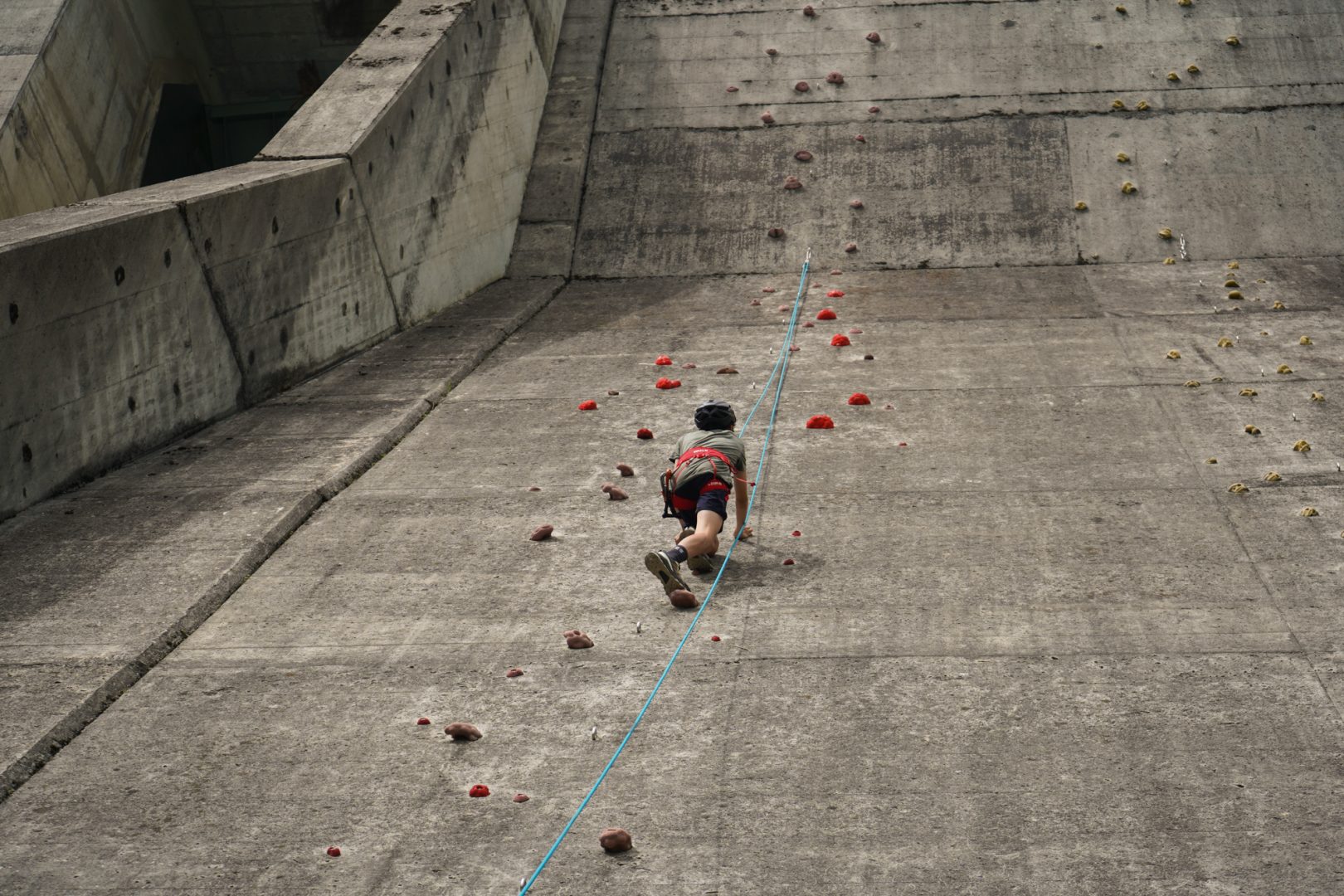
- Cooperative challenges (e.g., ropes courses) designed for perspective‑taking and mutual support.
- Time outdoors to reduce stress and increase social bonding.
- Trained, role‑model staff who lead by example and facilitate emotional learning.
- Brief service‑learning projects that link empathy to action and community contribution.
Concrete practices
- Listening circles with prompts that encourage perspective‑taking and validation.
- Storytelling and reflection around campfires to build emotional connection and narrative empathy.
- Buddy‑based coaching on challenges (e.g., one camper supports another on a ropes element).
- Daily mood check‑ins to monitor wellbeing and guide facilitator responses.
Counselor preparation and safety standards
Counselor preparation covers active listening, conflict mediation, safeguarding, and mental‑health first aid. Recommended staffing is around a 1:6–1:12 counselor:camper ratio, with at least one trained staff member per cohort to ensure supervision and effective SEL facilitation.
Monitoring and evaluation
Monitoring combines brief pre/post SEL items, daily mood check‑ins, counts of prosocial acts, incident/restorative logs, and a three‑month parent follow‑up. Typical evaluations report small‑to‑moderate gains in target capacities—roughly 20–40% improvements, with effect sizes around Cohen’s d ≈ 0.30–0.60. These measures balance rigor with feasibility in a camp setting.
Key takeaways
- Camps target three capacities: cognitive empathy, affective empathy, and compassionate action.
- Core elements: scheduled SEL blocks, cooperative challenges, time outdoors, trained role‑model staff, and brief service projects.
- Concrete practices: listening circles, storytelling/reflection, and buddy‑based coaching on challenges.
- Counselor preparation and safety: active listening, conflict mediation, safeguarding, and mental‑health first aid; recommended ratios 1:6–1:12.
- Monitoring: brief pre/post items, daily check‑ins, prosocial counts, incident/restorative logs, and a three‑month parent follow‑up. Typical evaluations record small‑to‑moderate gains.
https://youtu.be/V823vgQB6hk
Empathy and Compassion: What Camps Deliver (Key Findings)
Core capacities we target
We, at the Young Explorers Club, focus on three clear capacities: cognitive empathy (perspective-taking), affective empathy (“feeling with” another), and compassionate action (prosocial helping motivated by concern). Cognitive empathy is about understanding another’s viewpoint. Affective empathy is about sharing emotional states. Compassionate action converts concern into helping behavior.
Evidence base and Swiss context
Multiple international reviews show structured out-of-school programs boost social-emotional learning (SEL). Measured gains fall in an illustrative 20–40% improvement range according to an illustrative synthesis of international SEL/OST reviews. We see those same program features replicated across Swiss youth camps—structured group routines, trained counselors, cooperative activities, and nature-based education—so the Swiss context is fertile for SEL gains. Switzerland’s established systems like Jugend+Sport (J+S) and charity partners such as Pro Juventute support wide participation and program continuity.
How we translate findings into camp practice
We translate abstract findings into concrete camp practices that build each empathy component:
- Perspective-taking: listening circles where one camper summarizes another’s point of view before replying.
- Affective empathy: shared storytelling around a campfire, prompting campers to name emotions and link personal reactions to characters or events.
- Compassionate action: buddy work on a ropes course: partners coach and assist each other through obstacles, then reflect on the helping behavior.
For evidence of improved social skills, see our notes on social skills development.
Core program elements
Core program elements we implement include explicit SEL time, cooperative challenges, nature immersion, trained role-model staff, and short service-learning projects.
Practical building blocks we use and measure
Below are the practical building blocks we use and measure:
Sample daily agenda (condensed):
- Morning check-in (5 min)
- Cooperative challenge (20–40 min)
- Free nature play
- Midday reflection circle (10–15 min: name one observed strength in someone else)
- Afternoon team skill practice (30–45 min)
- Evening storytelling/reflection (10–20 min)
Counselor training modules and hours we require:
- Active listening (4 h)
- Conflict mediation / restorative practices (6–8 h)
- Inclusive facilitation (3–4 h)
- Safeguarding / mental-health first aid (8 h)
- We supplement with in-camp coaching.
Staffing and safety targets:
- Recommended counselor:camper ratios: 1:6–1:10 (younger children) and 1:10–1:12 (older youth).
- At least one staff with certified mental-health or first-aid training per cohort.
Service-learning scope:
- 1–2 hour projects per week with structured reflection linking action to others’ needs.
Monitoring and evaluation
We monitor impact with brief pre/post SEL items, daily mood check-ins, counts of prosocial acts, incident and restorative logs, and a 3-month parent follow-up. Typical program evaluations report small-to-moderate gains (Cohen’s d ≈ 0.30–0.60 in field evaluations of structured programs) and cooperative-task improvements in an illustrative 15–30% range (evidence-synthesis estimate, illustrative). Nature exposure also shows small-to-moderate prosocial gains (summary evidence, illustrative).
We report n, percent change, and effect size, and include short camper vignettes to make results tangible.

Sources
American Camp Association — Benefits of Camp
Bundesamt für Sport (BASPO) — Jugend+Sport (J+S)
Pro Juventute — Annual reports
Schweizer Jugendherbergen / Swiss Youth Hostels — Schools and youth groups
Swiss Federal Statistical Office — Volunteering and civic engagement (Welfare statistics)
Duerden & Witt — The Impact of Camp Experiences: Research Summary & Recommendations
American Camp Association — Research & reports (ACA resource library)