Luxury Summer Camps In Switzerland: Premium Experiences
Luxury summer camps in Switzerland — five‑star alpine adventure & lake sports. Immersive 1–4 week residential programs for ages 5–18.
Luxury summer camps in Switzerland
Overview
Luxury summer camps in Switzerland combine high‑alpine adventure and lake sports with five‑star hospitality. Programs are typically run as residential, immersive sessions lasting one to four weeks, aimed at campers roughly 5–18 years old. Providers group campers into cohorts of about 50–200, maintain high staff‑to‑camper ratios (typically 1:4–1:8), hire certified guides, and station medical and concierge teams on site. Many camps also offer VIP transfers and optional extras for families seeking a more tailored experience.
Key Takeaways
- Program format: Residential, immersive 1–4 week sessions for ages ~5–18, with cohort sizes usually between 50 and 200.
- Premium offerings: Five‑star resort rooms, boutique chalets, or upgraded campus accommodation with single‑occupancy and en‑suite options. Concierge support and gourmet dining come standard at top programs.
- Activities and credentials: Alpine hiking, glacier walks, climbing, mountain biking, and lake sports delivered by certified instructors (for example UIAGM/IFMGA guides, RYA, Red Cross first‑aid). Programs balance skill progression with fun and age‑appropriate programming.
- Safety and logistics: On‑site medical teams, formal rescue partnerships (including air rescue where required), mandatory PPE, and clear emergency SOPs. Camps commonly arrange VIP transfers and provide visa assistance.
- Cost and planning: Typical tuition ranges from CHF 2,500 to CHF 12,000 per week, plus extras such as transfers, private lessons, helicopter or yacht charters. We recommend booking 6–12 months ahead and planning for 20–50% deposits.
Quick Facts: What to Expect from Luxury Summer Camps in Switzerland
At the young explorers club, we describe Swiss luxury camps as a compact mix of Alpine activity, crystal lakes and premium hospitality. Programs tend to be residential and immersive. Families select multi-week stays rather than day-only childcare. Most options fit a 1–4 week cadence so schedules stay flexible and impactful.
Core details you should expect
Below are the usual program parameters that define a luxury experience:
- Duration: 1–4 weeks (common choices: 1 week, 2 weeks, 3 weeks, 4 weeks)
- Ages served: Primary range 7–18, with many programs adding 5–7 for younger children and 15–18+ leadership or junior-staff tracks
- Typical group size / capacity: 50–200 campers per session
We recommend planning around session length and age brackets. Short stays suit first-timers and holiday breaks. Longer options deliver deeper skill progression and stronger social bonds.
How luxury programs differ from mainstream camps
Luxury residential programs raise the bar across staffing, facilities and logistics. Expect higher staff-to-camper ratios and a roster of specialized instructors for activities like mountain guiding, watersports and language immersion. Accommodation ranges from five-star resort rooms to boutique chalets or renovated boarding-school campuses that prioritize comfort and privacy.
Medical and concierge services are standard. On-site healthcare teams and 24/7 support reduce stress for families. Private transport options—VIP transfers, chauffeured vans or even helicopter sightseeing—remove daily drop-off logistics and make arrival smooth. Programming bundles often include private lessons, specialist equipment and concierge-curated excursions.
We suggest checking these practical points before booking:
- Staff credentials and instructor-to-camper ratio
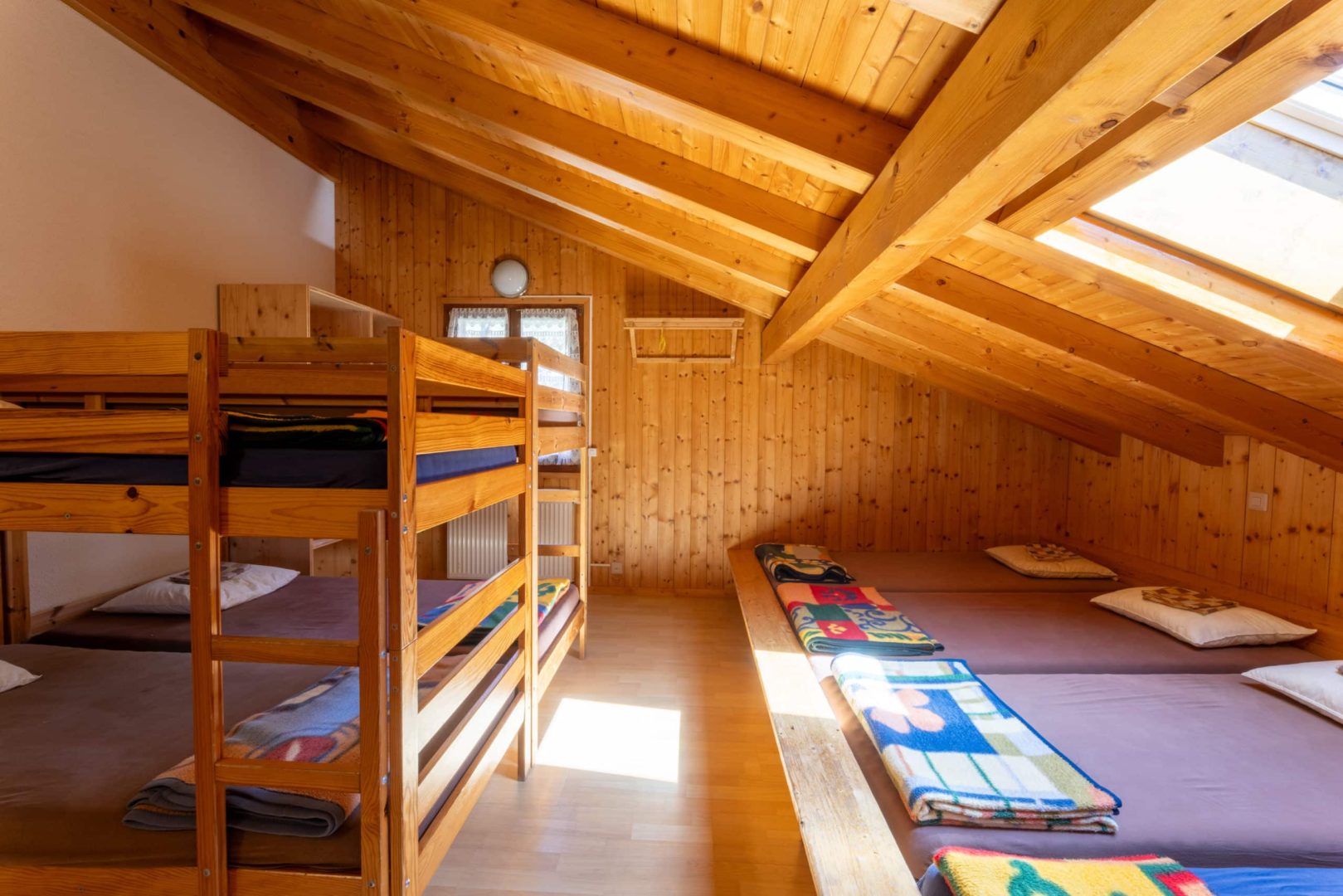
- Exact sleeping arrangements and bathroom configuration
- What’s included in “VIP extras” and what costs extra
- Medical coverage, emergency plans and onsite facilities
At the young explorers club, we also encourage comparing program sizes. Smaller cohorts mean more personalized attention. Larger boutique-style sessions still keep high service levels but may offer broader activity choices and richer social dynamics.
For families weighing options, our overview of summer camps in Switzerland helps match program style with goals and dates.

Why Switzerland: Natural Assets, Seasonality and Access
Alpine terrain, lakes and seasonal windows
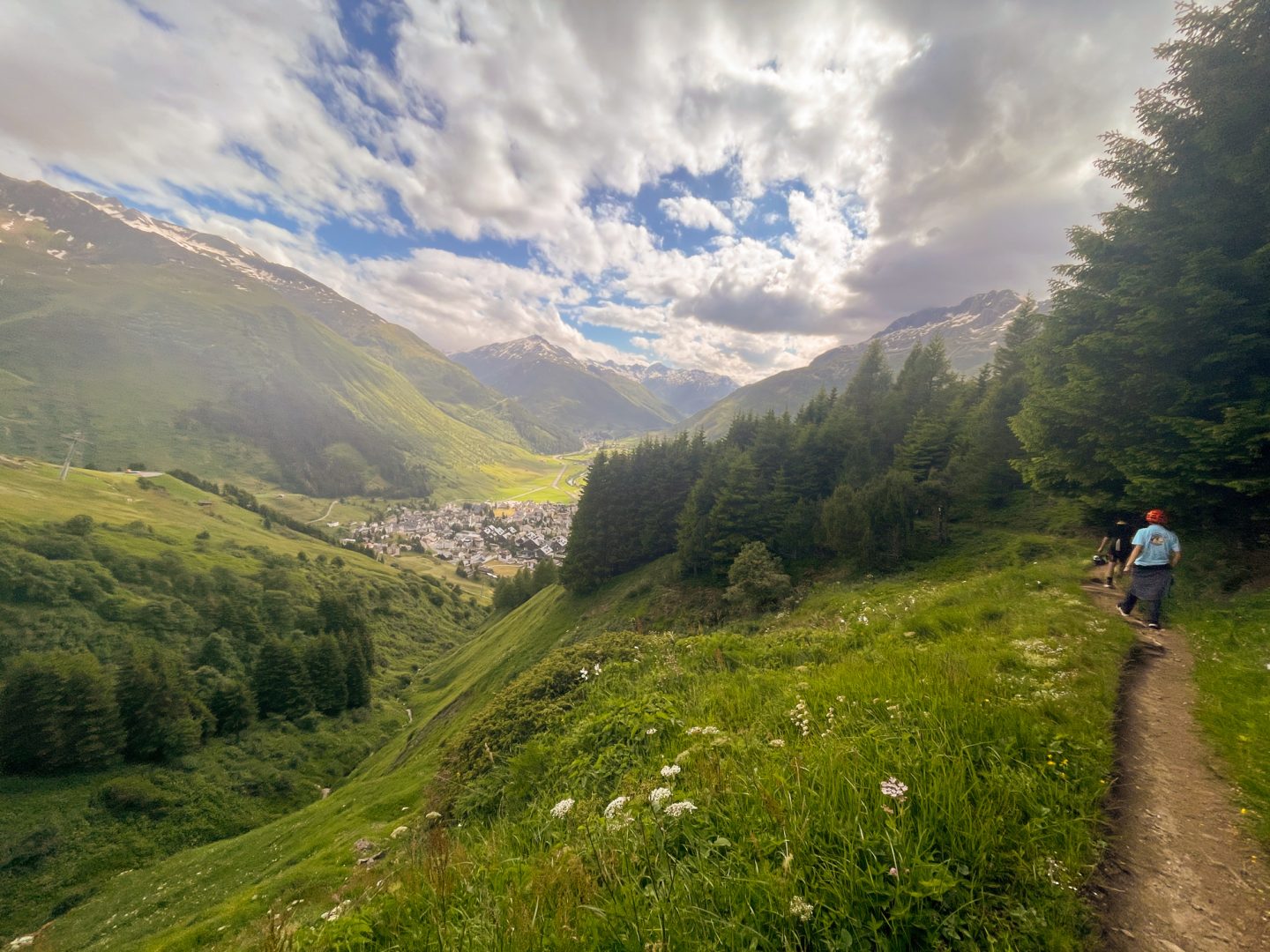
We, at the young explorers club, pick Switzerland for its dramatic variety. The Swiss Alps cover roughly 60% of the country’s land area and the highest peak, Dufourspitze, reaches 4,634 m. High alpine ridges sit beside large lakes — Lake Geneva, Lake Thun and Lake Lucerne — so camps can mix high-mountain and water-based programs in a single week. That mix supports activities like alpine hiking, glacier walks, rock climbing, mountain biking, sailing and paddle sports, plus low-altitude nature programs for younger campers.
Peak season runs June–August, when trails and water sports are at their best. Many camps also offer shoulder-month sessions in May and September for extended stays, quieter villages and cooler-weather skill courses. We recommend choosing season and altitude to match your child’s stamina: higher-altitude camps hold snow later, while lakeside venues warm earlier.
Transport, safety and practical reassurances
Switzerland’s transport network makes transfers simple. Major international gateways are Zurich and Geneva airports, backed by efficient rail and private transfer services to mountain resorts. Typical transfer times from Zurich or Geneva include:
- Verbier: about 2.5–3 hours
- Crans-Montana: about 2–3 hours
- St. Moritz: about 3–4 hours
Safety and healthcare rank very highly here. REGA air-rescue and established mountain rescue services operate across alpine zones. Camps routinely publish their emergency response partners and expected response times. We insist on clear medical provisions at every site: on-site medical stations or on-call physicians, formal MOUs with rescue services, and explicit transfer protocols for international arrivals. Parents tell us that seeing those arrangements in writing calms travel nerves.
For more on why families choose Switzerland for secure, high-quality camp experiences, see our page on the safest destination.

Program Types, Notable Providers and Who They Serve
We, at the Young Explorers Club, split luxury Swiss summer offerings into clear program types so families can match goals to format and service level.
- Elite boarding-school style programs — focus on leadership, academic enrichment and immersive campus life (examples: Le Rosey summer program; Aiglon College summer).
- Adventure and sports-focused camps — concentrate on mountain biking, rock-climbing and paragliding with certified guides and progressive skill tracks (example: Les Elfes Verbier).
- Luxury resort camp programs — run supervised kids’ activities that sync with high-end accommodation and concierge services (examples: Badrutt’s Palace supervised summer offerings; Kulm Hotel kids programs).
- Short masterclasses in hospitality and service — build CV-ready skills for teens and introduce industry pathways (examples: EHL summer school; Les Roches summer program).
- Hybrid summer schools — blend academics and athletics for balanced weeks of study and outdoor challenge (examples: Institut Montana; Lyceum Alpinum Zuoz).
Notable provider snapshots
- Le Rosey summer program — Ages: typically 8–18. Pricing: approx CHF 6,000–15,000+ per week. Signature: elite boarding-school enrichment and multilingual campus life. Quality: longstanding boarding-school accreditation and high staff qualifications.
- Aiglon College summer — Ages: 11–18. Pricing: approx CHF 2,500–6,000 per week. Signature: character and leadership training with multi-day outdoor expeditions. Quality: British-style boarding accreditation.
- Les Elfes Verbier — Ages: 7–17. Pricing: approx CHF 1,800–4,000 per week. Signature: peak-to-valley mountain-sports programs; summer focuses include mountain biking and rock-climbing. Quality: sports-focused staff with certified guides.
- EHL summer school — Ages: teens 15–18 for short courses. Pricing: approx CHF 1,000–3,000 per short course. Signature: hospitality masterclasses that boost CVs. Quality: EHL brand recognition and industry links.
- Les Roches summer program — Ages: 15–18. Pricing: approx CHF 1,000–3,500 per short course. Signature: hospitality and business masterclasses aimed at future hotel managers and entrepreneurs.
- Luxury resort kids programs (Badrutt’s Palace / Kulm) — Ages: vary. Pricing: depends on accommodation and add-ons; often included as family-stay features. Signature: integrated resort amenities with supervised day programming.
Staff-to-camper ratios typically run from about 1:4 to 1:8, scaled by age and activity risk. Younger groups (5–11) usually get 1:4–1:6. Mid-teens hover around 1:6–1:8. Older teens in leadership or pre-college cohorts often operate with 1:8 or cohort-based supervision.
We serve a clear client mix: high-net-worth families, expatriates, private-education households and international teens chasing pre-college enrichment. Age clusters fall into 8–12 (younger campers), 13–15 (mid-teens) and 16–18 (leadership or college-prep).
Parents prioritize exclusivity, privacy, bilingual instruction, cross-cultural peer groups and concierge logistics including secure transfers and single-occupancy, en-suite options. We guide families to match those priorities with program format and provider reputation.
Persona snapshots
- Persona A: HNW family wanting a private chalet plus full activity concierge for children aged 8–12; priority: privacy and single-occupancy en-suite rooms.
- Persona B: 16–18 teen seeking leadership and pre-college boost via an elite boarding program; priority: academic rigor and small seminar groups.
- Persona C: Family wanting resort-based supervised programming alongside an adult resort stay; priority: integrated childcare and resort amenities.
For a concise comparison of options and real-week examples see our roundup of best summer camps.
Signature Activities, Sample 7‑Day Itinerary and Safety Measures
We, at the young explorers club, run a luxury activity palette that mixes high-mountain adventure with lake-based sports and white-glove extras. I design programs around typical activity-base elevations of 1,000–2,500 m so guests get genuine alpine exposure without unnecessary altitude strain. Guided day hikes and technical climbs sit alongside via ferrata, rock climbing, mountain biking and high-ropes courses. I schedule half-day and full-day formats so kids and teens get intensity and recovery in the right balance.
Lake and water programs take place on Lake Geneva, Lake Thun and Lake Lucerne and include lake sailing, paddleboarding and wakeboarding. VIP extras are available as add-ons and often include helicopter sightseeing and private yacht charters. Private instructors for tennis or golf, culinary masterclasses and language immersion with private tutors round out the premium options. Helicopter sightseeing and private yacht charters are common premium add-ons and we price them transparently.
Activity logistics stay simple and predictable. Most alpine experiences are half-day technical sessions or full-day excursions with built-in briefings and debriefs. I always require personal protective equipment and run route checks and gate permits before any outing. For higher-risk elements we drop group size and increase staff ratio to keep response times and supervision tight.
Safety staffing and certifications are front and center in our operations. I staff UIAGM / IFMGA-certified mountain guides for technical mountain work and include Red Cross first-aid certified staff among our core team. Multilingual counselors accompany every group, and we have on-call physicians or nurse stations depending on the site. Emergency procedures list local mountain rescue services and often reference REGA for air rescue support. I also advise parents to confirm insurance and evacuation coverage before arrival.
I measure outcomes for older teens with recognized certifications that translate to real-world skills. Courses and testing often lead to RYA sailing certificates, Red Cross first-aid certifications, and introductory mountain-guide taster experiences run under certified guides. Those measurable credentials help families see tangible value from a short stay.
I keep the guest experience seamless by handling permits, transport logistics and most equipment on-site. That lets parents pack light and campers focus on skills, confidence and fun. If you want a deeper read on why Switzerland remains a top safety choice for family camps, see this write-up on the safest destination for summer camps.
Sample 7‑Day Itinerary
Below is a practical sequence that balances activity load with rest and learning; times are typically half-day or full-day blocks.
- Day 1: Arrival, acclimatization, orientation, safety briefing and a short local hike (half-day).
- Day 2: Full-day alpine adventure combining mountain biking and via ferrata, then an evening debrief (full-day).
- Day 3: Cultural half-day (chocolate or watchmaking factory visit) followed by an afternoon skills workshop (half-day + half-day).
- Day 4: Full day on the lake for sailing and paddleboarding on Lake Geneva (full-day).
- Day 5: VIP excursion — helicopter sightseeing or private yacht with a guided picnic (half-day + half-day).
- Day 6: Leadership or hospitality masterclass in the morning, then a team challenge and awards in the afternoon (half-day + half-day).
- Day 7: Rest and recuperation, packing, parent handover and departure prep (half-day).
Safety notes embedded in the schedule include pre-departure briefings, mandatory PPE checks, reduced group size for technical days and an established emergency SOP for each excursion.

Accommodation, Amenities and Staff Credentials (What Makes Luxury)
Accommodation standards and room norms
We, at the young explorers club, expect accommodation to match a five-star hospitality standard. Many luxury programs use resort rooms and suites, boutique chalets and refurbished boarding-school dorms upgraded with suite-level finishes. Premium tiers guarantee single occupancy; standard luxury tiers usually offer single or twin rooms with en-suite bathrooms. I look for private laundry service, blackout curtains and climate control as baseline features. Camp operators often advertise single-occupancy for older teens and guaranteed en-suite rooms for families who pay a premium. Campus options that partner with elite hospitality schools will often present dorms that feel like hotel suites.
Amenities, staffing and what separates luxury from standard
Common amenities I demand are practical and experiential. Typical luxury packages include:
- En-suite bathrooms, private laundry and high-speed Wi‑Fi throughout
- Concierge services and dedicated teen lounges
- Gourmet dining with multi-course menus, local sourcing and allergy-aware customization
- In-house spa, indoor/outdoor pools and fitness facilities
- Private instructor time and VIP extras arranged on request (helicopter sightseeing, private yacht charter)
Staff composition matters as much as facilities. I expect international program directors, UIAGM/IFMGA-certified mountain guides for alpine programs and specialty instructors for tennis, sailing and climbing. Counselors should hold Red Cross first-aid or equivalent certification and speak multiple languages. On-call medical staff are standard at top-tier camps. Staff-to-camper ratios usually sit between 1:4 and 1:8; younger age groups and high-risk activities get lower ratios.
Luxury contrasts are clear when you compare features side-by-side. Single-occupancy en-suite rooms replace shared cabins. Multi-course gourmet dinners with allergy-aware substitutions replace standard buffet lines. Private instructor hours and concierge-arranged VIP extras replace group-only activities. Formal partnerships or accreditation with hospitality schools like EHL or Les Roches add credibility and often bring a higher service cadence.
We recommend checking detailed amenity lists and staff credentials before booking. For a vetted roundup of properties that meet these standards, see our guide to best summer camps.

Pricing, Booking, Logistics and Practical Parent Checklist
We, at the Young Explorers Club, break down the numbers and logistics so parents can plan with confidence. Typical luxury camp tuition ranges from CHF 2,500–CHF 12,000 per week (approx. USD 2,700–13,000), depending on inclusions, exclusivity and private services. These figures reflect common market ranges as of 2025.
Additional typical costs include:
- Airport transfers: CHF 200–1,000 (private car vs helicopter).
- Equipment rental: CHF 50–300.
- Optional private lessons: CHF 60–150 per hour.
- Helicopter tours: CHF 600–3,000.
Swiss luxury camps commonly run 10–30% higher than comparable luxury camps in the U.S. or U.K. because local labor and hospitality costs are higher.
Booking timing: Flagship weeks fill early. Book 6–12 months ahead for peak July–August sessions. Expect deposits of 20–50% at booking. Cancellation policies vary and are often strict during peak season. For help on program selection and timing see choose the best summer camp.
Visa and travel documents: Schengen visa rules apply for non-visa-exempt nationals. Many camps will supply invitation letters or proof of enrolment to support Schengen visa applications. Always verify passport validity requirements before booking international travel.
Tech and connectivity: Confirm the camp’s Wi‑Fi and device policy before departure; some programs limit screen time to protect activity schedules. Pack Swiss plug type C/SE adapters for many chargers and devices.
Insurance and medical: We strongly recommend international medical and evacuation insurance. Camps typically require proof of coverage and signed parental waivers. Parents should also provide vaccination records, a list of allergies, medication details and any special care instructions.
Sample three-tier pricing scenario for a 2-week stay (illustrative):
-
Premium Tier (shared twin, standard activities):
- Base tuition: CHF 5,000/week x 2 = CHF 10,000
- Airport transfers (shared): CHF 300
- Equipment rental: CHF 150
- Total approx CHF 10,450
-
Deluxe Tier (single en-suite, private lessons):
- Base tuition: CHF 8,000/week x 2 = CHF 16,000
- Private transfers: CHF 600
- 4 private lessons @ CHF 120/hr = CHF 480
- Equipment rental: CHF 150
- Total approx CHF 17,230
-
Bespoke Tier (single luxury chalet suite + VIP extras):
- Base tuition: CHF 12,000/week x 2 = CHF 24,000
- Private helicopter transfer: CHF 2,000
- Optional helicopter sightseeing: CHF 1,200
- Private instructor 10 hrs @ CHF 150/hr = CHF 1,500
- Equipment rental: CHF 300
- Total approx CHF 28,000
Booking checklist for parents
Below is a short checklist to use at booking and before travel:
- Confirm program dates and session length.
- Secure deposit (20–50%) and get written payment schedule.
- Request invitation letter for Schengen visa if needed.
- Verify medical requirements and vaccination records.
- Buy travel insurance and evacuation coverage; provide proof to camp.
- Confirm Wi‑Fi and device policies and pack Swiss plug type C/SE adapters.
- Pack layered outdoor clothing and hiking boots (mountain temps can be single digits at altitude), sun protection and swimwear.
- Prepare travel meds, copies of travel insurance and medical forms.
- Supply allergy, medication info and signed parental consents.
- Confirm transfer details and emergency contact procedures with the camp.
Sources
Switzerland Tourism — Summer in Switzerland
Federal Office of Topography (swisstopo) — Swiss topography & mapping
Dufourspitze — Wikipedia article on Dufourspitze (4,634 m)
REGA Swiss Air-Rescue — About REGA and emergency air rescue services
Zurich Airport — Official site and international connectivity
Geneva Airport — Official site and international connectivity
Swiss Federal Statistical Office — Tourism statistics
Swiss Travel System — Rail passes & travel information for Switzerland
myclimate — Carbon offsetting & climate protection projects
Swiss Ecolabel — Environmental certification for Swiss products & services
Green Globe — Sustainable tourism certification and standards
UNWTO — Seasonality in tourism
Statista — Tourism in Switzerland statistics
Knight Frank — The Wealth Report (market insights on HNW trends)
Condé Nast Traveler — Best Places to Visit in Switzerland (luxury travel features)