Summer Camp Staff Qualifications: What Parents Should Know
Get our camp safety checklist: demand annual background checks, training hours, RN/medical director, activity certifications and staff-to-camper ratios.
Recommendations from the Young Explorers Club
We, at the Young Explorers Club, recommend parents confirm that summer camp staff meet clear, repeatable hiring and screening standards. These standards should include annual criminal and sex‑offender checks, reference verifications, and re‑screening at least every 12 months. Ask camps to provide written policies and proof on request. We also advise parents to obtain documentation of pre‑camp training hours and syllabi (benchmarks: 16–40 hours for residential; 8–16 hours for day). Request activity certifications, medical staffing details (for example, an RN on‑site or on‑call and a named medical director), age‑appropriate staff‑to‑camper ratios, and written emergency and medication plans before enrollment.
What to Ask and Request Before Enrollment
Screening & Hiring
- Require annual criminal and sex‑offender checks, plus multi‑state background searches where applicable.
- Ask for at least two reference verifications and request proof of these checks.
- Request re‑screening every 12 months and include FBI fingerprint checks where applicable.
Pre‑Camp Training & Certifications
- Verify pre‑camp training and request the syllabus and hours (benchmarks: 16–40 hours for residential; 8–16 hours for day).
- Check current CPR/AED and First Aid certificates for staff.
- Confirm child protection and behavior‑management training, and ask for evidence of scenario drills.
Medical Coverage & Policies
- Confirm medical coverage and request written policies.
- Expect an RN on‑site for residential camps or clear on‑call arrangements for day programs.
- Insist on a named medical director and written medication administration rules.
- Verify EpiPen and inhaler protocols and individualized plans for chronic conditions.
Activity‑Specific Credentials & Supervision
- Check for certified lifeguards and a qualified waterfront director.
- Require ACCT/AEE or equivalent certification for ropes and climbing activities.
- Expect Wilderness First Aid for remote programs.
- Seek reduced ratios for high‑risk activities (for example, 1:4–1:6 for belay/climbing).
Documentation to Request
- Copies of accreditation and relevant certificates.
- Training logs and syllabi.
- Emergency and evacuation plans, and written policies (behavior, medication, medical care).
- Named medical director and details of medical staffing (RN on‑site or on‑call).
Key Takeaways
- Require annual criminal and sex‑offender checks, multi‑state background searches, and at least two reference verifications. Ask for proof and re‑screening every 12 months. Include FBI fingerprint checks where applicable.
- Verify pre‑camp training and certifications. Request the syllabus and hours (16–40 residential; 8–16 day). Check current CPR/AED and First Aid certificates. Confirm child protection and behavior‑management training and evidence of scenario drills.
- Confirm medical coverage and written policies. Expect an RN on‑site for residential camps or clear on‑call arrangements. Insist on a named medical director and written medication administration rules. Verify EpiPen and inhaler protocols and individualized plans for chronic conditions.
- Check activity‑specific credentials and supervision. Look for certified lifeguards and a qualified waterfront director. Require ACCT/AEE or equivalent for ropes and climbing. Expect Wilderness First Aid for remote programs and reduced ratios for high‑risk activities (for example, 1:4–1:6 for belay/climbing).
- Request copies of accreditation, certificates, training logs, emergency and evacuation plans, and written policies. Treat vague answers, refusal to provide documents, missing CPR/First Aid proof, no emergency plan, or very low staff retention as red flags.
Red Flags to Watch For
Refusal to provide documents, vague answers about background checks or training, missing proof of CPR/First Aid, no written emergency plan, lack of a named medical director, or very low staff retention should prompt further questions and consideration of alternative programs.
Final Note
Before you enroll your child, ask for written policies and copies of the documents listed above. A camp that is transparent and provides clear, documented answers demonstrates a commitment to safety and professional standards.
What Parents Should Ask: A Compact, Copy‑Paste Checklist
Approximately 11 million children attend summer camps in the U.S. each year (American Camp Association — Camp Industry: Facts & Figures). We provide a short, practical checklist you can copy and paste into an email to any camp director. Ask for documentation and keep copies on file.
Copy‑paste questions to send
- “Do all staff undergo criminal background and sex offender registry checks annually?”
- “How many hours of pre-camp training do staff receive? Please provide a training syllabus.”
- “Is an RN on-site or on-call? Who is the medical director?”
- “Which specific certifications do your lifeguards and adventure staff hold?”
- “What is your staff-to-camper ratio for my child’s age and for high-risk activities?”
- “What is your policy for medication administration, EpiPens, and asthma inhalers?”
- “Are you ACA-accredited? Please provide accreditation documentation.”
- “Please email copies of certificates, training logs, accreditation/license numbers, and your written policies.”
We recommend you also write one short covering line before sending, such as: I’m preparing my child for camp and would like the items below on file before enrollment. Please reply with attachments.
What to expect in the replies and what to verify
- Background checks: Confirm they ran a full background check and re-check sex offender registries annually. Don’t accept vague answers.
- Training syllabus: Inspect the syllabus for topics like child protection, first aid response, behaviour management, and emergency procedures. Ask for hours and assessment methods.
- Medical coverage: Verify medical coverage: an RN on-site is ideal; an RN on-call should have clear response times and a named medical director.
- Certifications: Check lifeguard and adventure staff certifications by name and expiry date. Ask whether training includes scenario drills and rescue practice.
- Staff-to-camper ratios: Compare the stated ratio against the ratio for high-risk activities; ratios should drop during swimming, ropes, or water sports.
- Medication policies: Confirm written medication policies, including who can administer meds, EpiPen protocols, and permission for kids to carry inhalers.
- Accreditation: If they claim ACA-accredited status, request the accreditation document and accreditation number and cross-check it against their response.
We, at the young explorers club, keep parents’ documentation checklist simple and repeatable. Email this checklist to camp directors and save their replies and attached documents in a dedicated folder. For broader selection tips and safety-focused priorities, see our summer camp guide.

Sample Acceptable Answers and Red Flags: What Good and Bad Responses Look Like
We, at the young explorers club, recommend you carry these exact replies when you call camps and compare answers line by line. Use the quoted responses as a checklist — any deviation deserves a follow-up.
Ready-to-use answers
Use these verbatim when evaluating responses:
- “Yes — all direct-care staff and overnight counselors undergo national/state criminal checks, sex offender registry checks, and references; these are re-run annually.”
- “Counselors complete 24–40 hours pre-camp training that includes CPR/AED and First Aid (in-person), behavior management, and cabin supervision.”
- “An RN is on-site for residential sessions; a physician is the medical director; urgent care is X miles away.”
- “We maintain staff-to-camper ratios of 1:6 (ages 4–5), 1:8 (6–8), 1:10 (9–12), and reduce to 1:4–1:6 for high-risk activities.”
Ask camps to repeat these statements exactly and to show proof when possible. Request certificates, policy pages, training rosters, and the name and contact for the medical director. Keep a copy of whatever they provide.
Watch for these red flags and act on them quickly.
- If a program refuses to explain background-check policies or to show documentation, that alone is a red flag.
- If a staffer admits to “no CPR training” or can’t show current First Aid/CPR certificates, pull back.
- A representative saying there’s “no emergency plan” for serious incidents is unacceptable.
- Accreditation or licensing gaps should trigger more questions; inability to produce proof is also worrying.
- Pay attention to staff continuity. Camps where fewer than 30% of instructors return from year to year are often flagged as having high staff turnover. High turnover usually lowers institutional memory, weakens training carryover, and increases onboarding burden — all things you should probe.
- If a camp can’t name an on-site RN for residential sessions or can’t give the distance to the nearest urgent care, that’s another practical red flag.
When you probe, use direct requests:
- Ask to see written emergency procedures and evacuation plans.
- Request dates and scope of pre-camp training and examples of training materials.
- Ask whether background checks are re-run and how often.
If a camp won’t provide proof of policies or certificates, treat that as cause for concern and consider alternatives.
You can learn more about how we staff and train at our summer camps in the linked overview on safety and staffing: summer camps.
Screening, Background Checks and Staff Retention: The Hiring Basics Parents Should Expect
We, at the Young Explorers Club, require transparent, repeatable hiring steps that parents can verify. We expect an online application, at least two reference checks, an interview, a criminal background check and a sex offender registry check as standard. We also follow best practices for written reference verification and year-by-year work and education history.
Typical screening steps and checks
- Online application with a year-by-year work and education history.
- Two or more reference verifications; many accredited camps require these in writing.
- A live interview (phone or video plus in-person where practical).
- National criminal background check and state criminal check.
- Sex offender registry check.
- Multi-state/multi-jurisdiction search (often called a multi-state background search).
- Fingerprint-based FBI checks where legally required or for international staff.
90%+ of accredited camps conduct criminal background checks (American Camp Association guidelines — ACA Accreditation Standards). Repeat screening is a best practice; staff should be re-checked at least every 12 months.
Policy wording and retention you can ask for
Ask the camp to put policy in writing. A clear, acceptable statement to request is: “All staff undergo national and state criminal checks, sex offender registry checks, and two reference verifications; checks are repeated annually.” We recommend that any camp also include confirmation of multi-state background search capability and whether they perform an FBI fingerprint check for applicants who lived abroad or in multiple jurisdictions.
We, at the Young Explorers Club, re-check staff every 12 months as an operational rule (annual re-check). Ask for the camp’s staff retention numbers and compare them. Camps that retain >40–50% of staff year-to-year tend to offer stronger training continuity and institutional memory; a higher staff retention often translates to safer, more consistent supervision and smoother camper transitions. For additional context about international hires and retention practices, see our page on staff retention.
If a camp hesitates to share this information, consider that a red flag. We advise parents to request copies of screening policies, the frequency of re-checks, and the method used for criminal background checks so they can confirm whether a camp uses national searches, state checks, sex offender registry searches, multi-state background search tools, or fingerprint-based FBI checks.

Certifications, Pre‑Camp Training Hours and Specialized Activity Credentials
We, at the young explorers club, expect direct‑care staff to hold core certifications such as CPR/AED certification and First Aid from recognized bodies like the American Red Cross or American Heart Association. We also require child abuse prevention training, behavior management/positive discipline instruction, and medication administration training when staff will handle medicines. Always confirm staff hold a current CPR/AED certification on file.
Typical pre‑camp training varies by program length and risk level. For planning, use these benchmarks: 16–40 hours for residential camps; 8–16 hours for day camps. Those hours should cover emergency response drills, safeguarding refreshers, medication administration protocols, and activity‑specific skills. I recommend reviewing the training syllabus before camp starts so you know what’s covered and how often skills are practiced.
Waterfront and aquatics demand stricter credentials. Acceptable lifeguard certifying bodies include American Red Cross Lifeguarding, YMCA Lifeguard, and Ellis & Associates. We expect at least 1 certified lifeguard per waterfront; ideally more during peak use or large groups. A qualified waterfront director must oversee operations and hold advanced rescue and boat/operator certifications whenever boating is offered. Ask how shifts, backups, and on‑call rescue coverage are arranged.
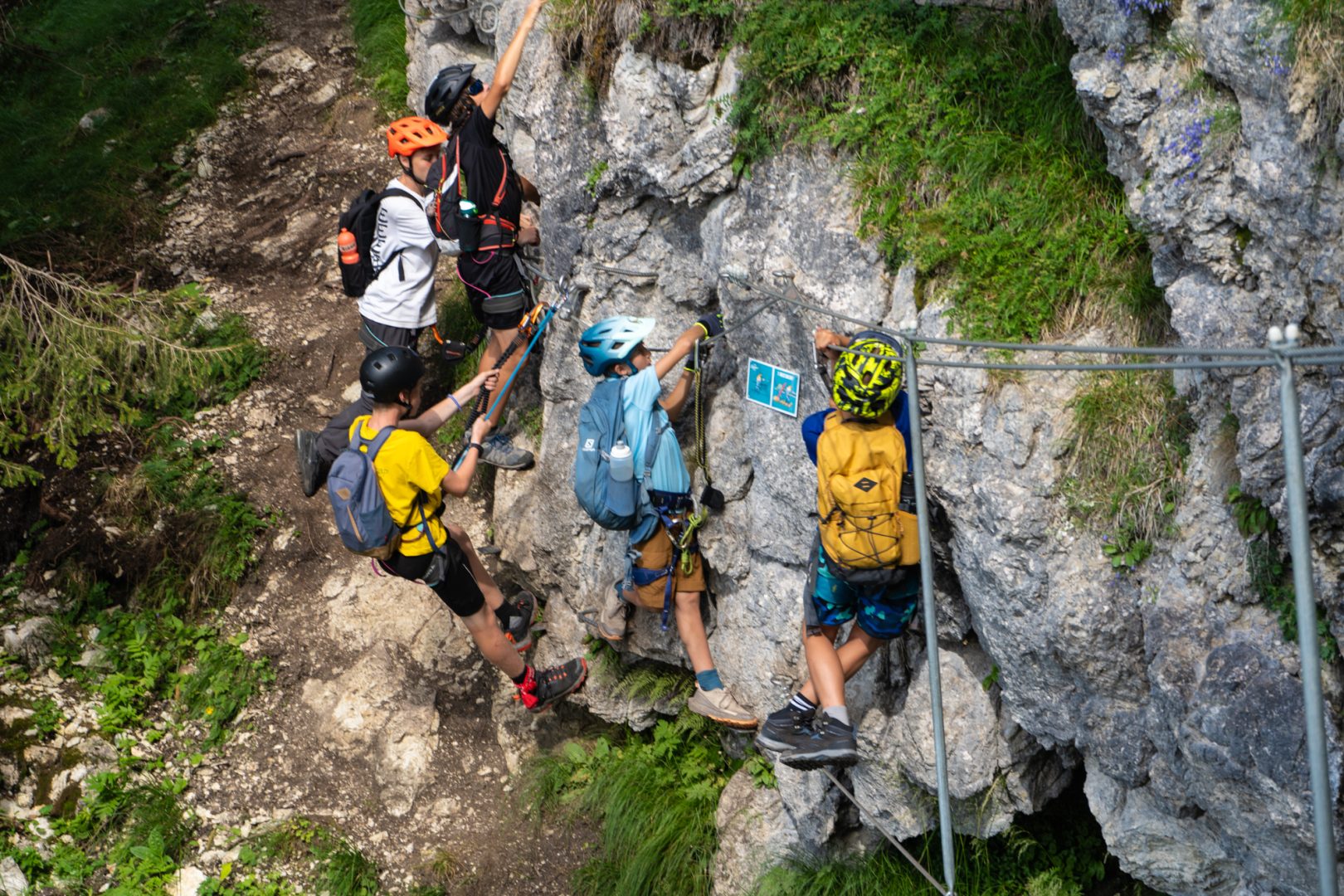
Ropes, climbing and adventure activities need targeted credentials and medical readiness. Look for ACCT or AEE affiliations, documented harness and anchor inspection training, and Wilderness First Aid for staff running remote programs. Instructional ratios should be conservative; a good guideline is a 1:4–1:6 ratio for belay and climbing instruction. That keeps skills coaching intensive and risk manageable.
Documents you should request
Requesting a short packet will clarify standards and reduce surprises. At minimum ask for:
- Copies of core certificates (CPR/AED certification, First Aid, lifeguard certificates).
- Proof of child abuse prevention and behavior management training.
- Medication administration policy and names of trained med‑admin staff.
- The full training agenda/syllabus showing the 16–40 hours for residential camps; 8–16 hours for day camps.
- Waterfront and adventure staffing plan, including designation of the waterfront director and rescue/boat operator certifications.
- Adventure credentials (ACCT/AEE), harness/anchor inspection records, and Wilderness First Aid documentation.
I’ll always encourage parents to review these documents and ask for clarification on any gaps before camp begins.
Medical Coverage, Medication Policies, Chronic Conditions and Emergency Plans
We, at the Young Explorers Club, expect clear medical staffing and written policies before families enroll. Residential camps should have a Registered Nurse on-site or explicit on-call physician coverage with a named medical director. Day camps should post a trained health supervisor and an emergency transport plan.
We recommend an RN on-site for overnight programs and a medical director available for clinical oversight. Staff who give medications must follow a documented medication administration policy and show proof of training. Camps should keep written medication logs and secure storage for controlled substances.
Chronic conditions need individual plans. We require an asthma plan, diabetic care plan and documented allergy/EpiPen instructions for campers with severe allergies. Camps must stock EpiPens and train multiple staff in EpiPen administration. For clarity, ask this exact question: “Is an RN on-site 24/7? If not, what are the hours and on-call arrangements?”
Emergency planning and drills
Every camp should maintain a written emergency plan covering medical emergencies, severe weather (tornado, wildfire), lost camper procedures and full evacuation. We expect many camps to run emergency drills at least once per session. Communication rules should be explicit. For example, we will contact parents within 30–60 minutes for medical evacuations. Emergency plans should name the medical director, describe transport options, and include local hospital contacts.
For details on why we staff a Registered Nurse on-site, read our explanation on why our camps.
Medical checklist to request
Ask camps for these items and documents before you commit. Below are the core items we request:
- Vaccine requirements and exemption policy
- Written medication administration policy and staff training records
- Allergy policy, EpiPen availability, and EpiPen administration training proof
- Asthma plan including inhaler administration rules and storage instructions
- Diabetic care plan with blood glucose monitoring schedule and insulin administration protocols
- Name and contact of medical director and RN schedule (on-site hours / on-call details)
- Written emergency plan and drill schedule
- Parent notification policy, including statement: “We will contact parents within 30–60 minutes for medical evacuations.”
I recommend families verify documentation and get copies of plans that affect their child. We also suggest confirming who will administer medications during nighttime hours and how long it takes to reach off-site medical care.

Staff‑to‑Camper Ratios, Supervision Standards, Child Protection and Overnight Policies
We, at the Young Explorers Club, set clear staffing and supervision expectations so parents know what to expect. We require age-specific minimums and tighter limits for higher-risk programming so supervision stays effective and predictable.
Age-based staff-to-camper ratios
Below are the ratios we use as baseline guidance for daily activities and room assignments. We use these exact figures to calculate staffing needs and emergency planning:
- Ages 4–5: 1:6
- Ages 6–8: 1:8
- Ages 9–12: 1:10
- Ages 13–17: 1:12–15
We tighten those numbers for high-risk activities to reflect increased supervision needs. For any swimming, climbing, or off-site trips we reduce ratios to between 1:4–1:8, and for belay or focused climbing instruction we hold to 1:4–1:6. Parents should ask for the camp’s published high-risk activity ratios and certifications for activity leaders so expectations match practice.
Overnight supervision, child protection policy and practical parent questions
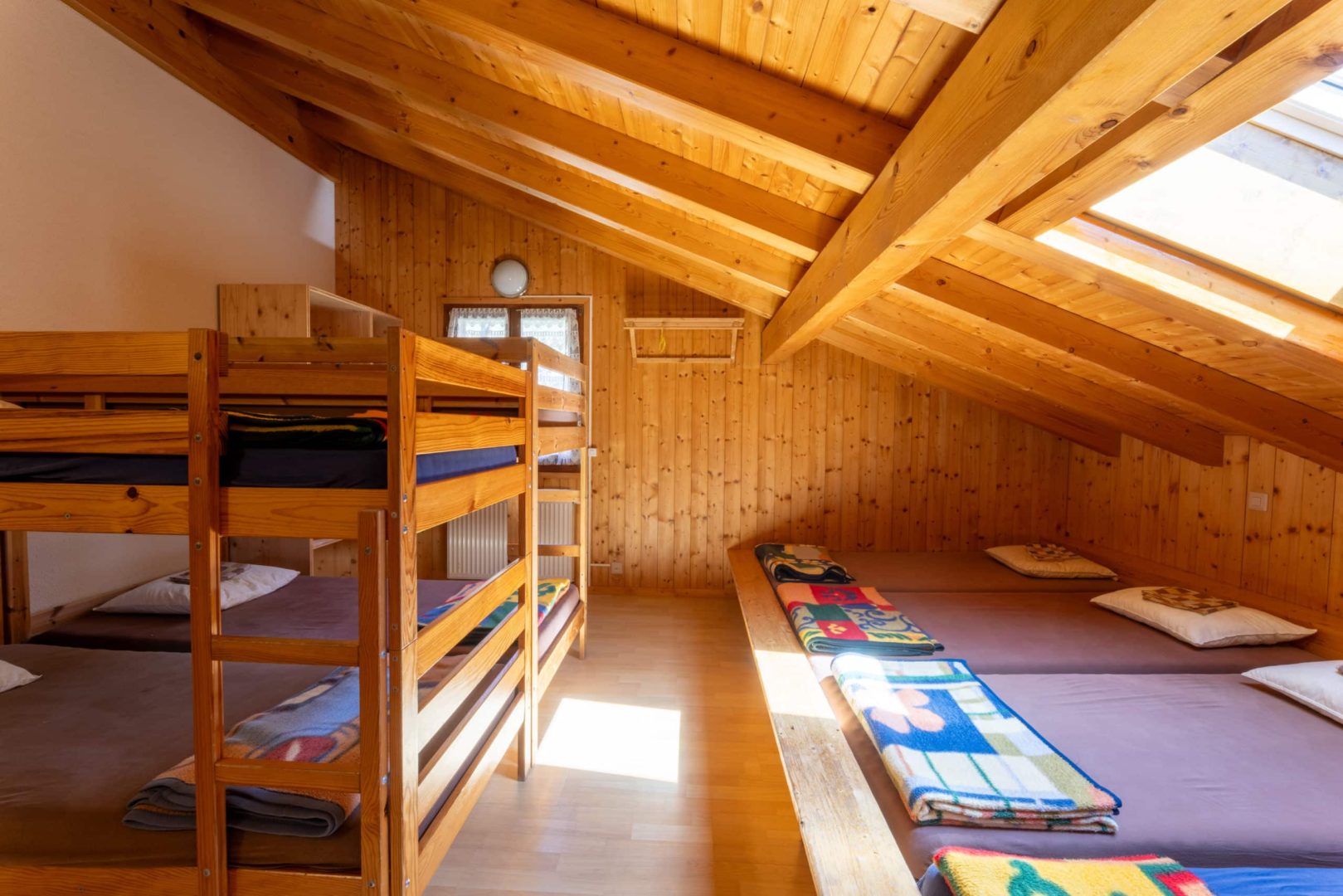
We staff cabins with one counselor per cabin or at ratios of 1:6–1:10 depending on age, plus an on-site supervisor present each night. We sometimes add a separate night monitor; camps will describe whether they use a dedicated night monitor or rotate supervisors. We train staff in positive behavior supports, de-escalation techniques, mandated reporter responsibilities, and anti-bullying procedures. We require a written child protection policy that covers staff boundaries, one-on-one interaction rules, cabin-door policies, and the two-adult rule for private interactions.
We recommend parents request written policies for:
- incident response and reporting procedures
- disciplinary approaches and appeal paths
- overnight check procedures and who sleeps in cabins
We suggest these practical questions for parents to ask during enrollment: “Who sleeps in the cabins? What are night check procedures?” We also advise parents to request a copy of the camp’s written incident response and disciplinary policies before arrival.
We maintain strict hiring, training and supervision practices so mandated reporter duties are clear and documented. We apply the two-adult rule whenever private conversations or first-aid situations require privacy. We log night checks and supervisor rounds and make that logging available on request so parents can confirm the camp’s overnight supervision routines.
For guidance on preparing children and parents for multi-night stays, we link practical preparation resources for an overnight camp.
Sources
American Camp Association — Camp Industry Facts & Figures
American Camp Association — Accreditation Standards
American Red Cross — Lifeguarding
American Red Cross — First Aid / CPR / AED
American Heart Association — CPR & First Aid Guidelines
ACCT (Association for Challenge Course Technology) — Standards & Training
NOLS Wilderness Medicine — Wilderness First Aid / WFR Courses
ServSafe (National Restaurant Association) — Food Safety Training
Ellis & Associates / StarGuard — Waterfront & Lifeguard Training Standards
Centers for Disease Control and Prevention (CDC) — Healthy & Safe Swimming / Drowning Prevention
National Association of School Nurses — Guidance for School Health & Camp Nursing
New York State Office of Children & Family Services — Day Camp Regulations & Guidance