The Role Of Cabin Mates In The Camp Experience
Cabin mates drive social-emotional growth at residential camps: 8-10 campers, counselors, rituals and roles build friendships and resilience
Cabin Mates and Social–Emotional Development in Residential Camps
Cabin mates form the main peer group in residential camps. Their shared routines and close living—sleeping spaces, meals, chores, nightly rituals—quickly create norms, friendships, and emotional growth. We shape those outcomes by setting cabin size and mix, assigning cabin roles, and training counselors to support conflict repair, peer encouragement, and progressive risk‑taking.
Key Takeaways
- Cabin mates drive social and emotional growth through regular closeness and shared rituals; cabins become the primary place for friendships and norm‑setting.
- Program levers—ideal cabin size (8–10), mixed‑age groups, rotating leadership roles, and trained counselors—strongly shape cooperation, leadership, and inclusion.
- Concrete practices—daily cabin meetings, nightly debriefs, welcome buddies, restorative circles, and graded challenges—support conflict resolution, peer encouragement, and resilience.
- Measured effects are clear: roughly 85% of overnight campers report new friendships. Self‑efficacy rises by a mean of +4.0 points (Cohen’s d ≈ 0.45). Many campers name a cabinmate as their main emotional supporter.
- Track cabin dynamics with short pre/post SEL surveys, daily implementation logs, and clear escalation routes. Intervene early for warning signs—withdrawal, exclusion, aggression—to keep cohesion and safety.
Program Design Levers
Use these levers to shape cabin outcomes: set cabin size to about 8–10 to balance intimacy and diversity; create mixed‑age groupings to scaffold leadership; assign rotating roles (e.g., buddy, chore lead, morale captain) so many campers practice responsibility; and invest in counselor training focused on facilitation, restorative practices, and safe escalation.
Concrete Practices for Daily Life
- Daily cabin meetings to set intentions and practice check‑ins.
- Nightly debriefs for processing highs/lows and solving small conflicts.
- Welcome buddies to orient new or anxious campers on day one.
- Restorative circles for repairing harm and rebuilding trust.
- Graded challenges that allow progressive risk‑taking and peer encouragement.
Measuring Impact
Track outcomes with brief pre/post social‑emotional learning (SEL) surveys and session‑level logs. Key indicators include reported friendships formed, changes in self‑efficacy, frequency of restorative circles, and counselor notes on cabin climate. Quantitative and qualitative data together clarify what’s working.
Monitoring and Early Intervention
Use simple daily implementation logs and a clear escalation pathway. Watch for warning signs—withdrawal, peer exclusion, or aggression—and intervene early with targeted supports: individual check‑ins, mediated restorative conversations, role adjustments, or temporary reassignments to protect group cohesion and safety.
Camp scale and the central role of cabin mates
We, at the Young Explorers Club, place cabin mates at the center of daily camp life. Approximately 6.5 million children attend overnight (residential) camps each year, served by roughly 2,500 residential camps (American Camp Association). Cabin mates become the primary peer group for most campers and are a major predictor of social and emotional outcomes.
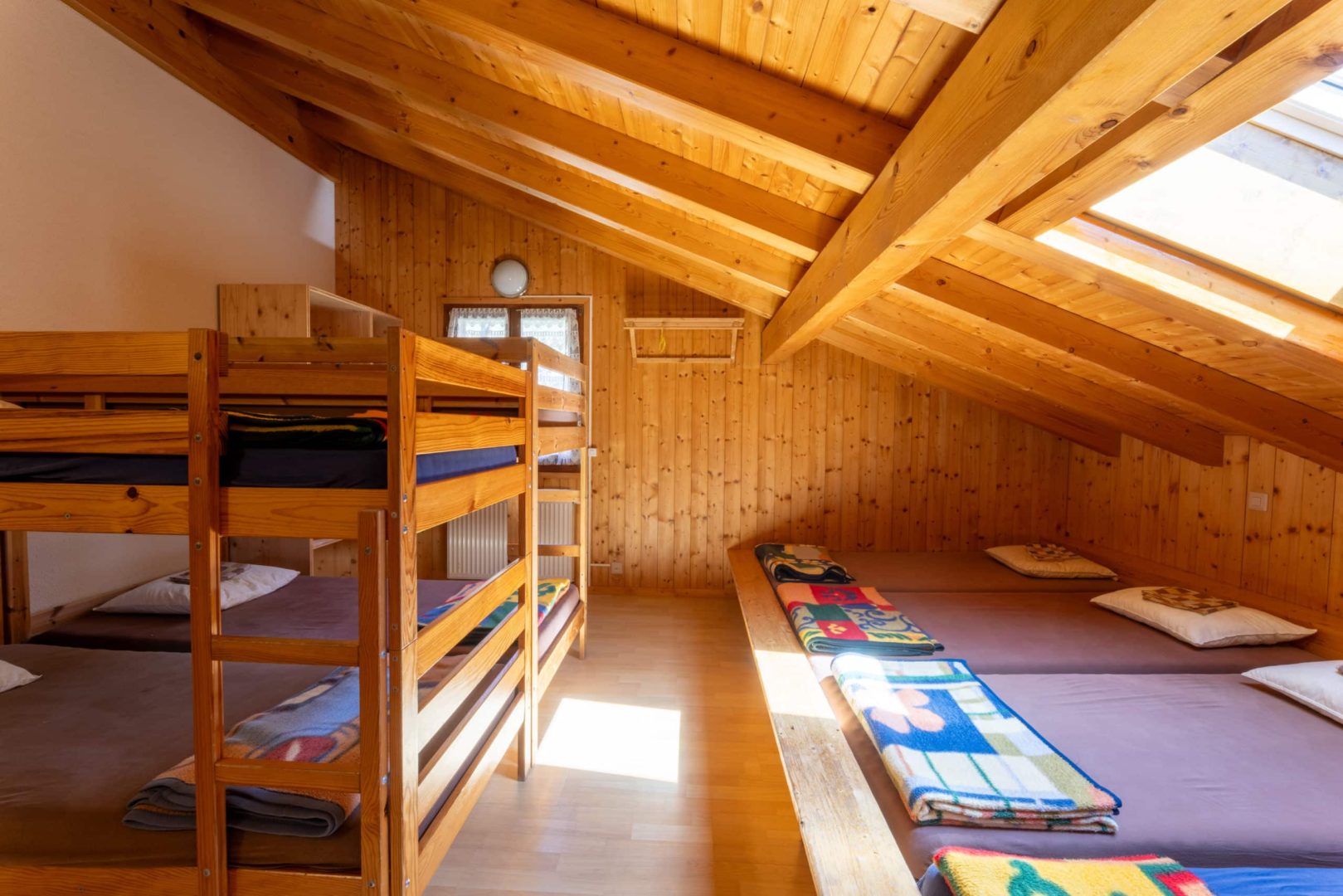
Cabin life beats brief activity-based contacts because kids share sleeping spaces, mealtimes, chores and evening rituals. That repeated proximity creates norms, models behavior and accelerates friendship formation. Counselors shape that process, but peer influence inside the cabin usually sets the tone for cooperation, risk-taking and emotional safety. Group size, composition and schedule consistency all change the chemistry: smaller cabins often deepen bonds faster; mixed-ability groups produce more informal teaching moments.
How cabin mates shape camper outcomes (and what we do about it)
Below I list the main mechanisms by which cabin mates influence campers and practical steps we use to guide each one.
- Social learning and modeling — Children copy peers much faster than adults. We staff cabins with trained counselors who model empathy and set clear routines.
- Conflict resolution — Day-to-day friction is where social skills grow. We teach simple repair strategies and give campers short reflection sessions after disagreements.
- Sense of belonging — A stable cabin identity reduces homesickness and increases participation. We promote cabin traditions and encourage inclusive rituals.
- Friendship formation — Shared tasks and free time speed real friendship development. Parents can read our guide to help kids make real friends for practical tips.
- Emotional resilience — Peer encouragement helps kids try new challenges and recover from setbacks. We scaffold risk with graded activities and supportive peer debriefs.
- Peer norms and safety — Positive peer norms lower risky behavior and boost cooperation. Counselors intervene early to shift norms and praise prosocial actions.
- Long-term social outcomes — Repeated, close peer exposure predicts empathy, teamwork and leadership by the end of a session; those gains transfer home and school.
I recommend grouping strategies that mix newcomers with returning campers, rotate cabin leaders weekly, and keep cabin sizes consistent across a session. We monitor cabin dynamics daily and adjust pairings when persistent exclusion or distress appears. Small changes in grouping and counselor coaching produce outsized improvements in camper well-being and skill growth.
How cabin mates drive social development and lasting friendships
We, at the Young Explorers Club, watch cabin dynamics shape kids fast. Shared space forces small social experiments every day. Those experiments turn into social development milestones and durable friendships.
How routines and rituals build peer bonding
Cabin life creates predictable moments that accelerate trust. These predictable moments include:
- Morning and evening routines that teach cooperation and empathy.
- Shared chores and meal duties that require negotiation and role-taking.
- Cabin games and inside rituals that produce a shared identity.
- Evening talks and debriefs that normalize emotional sharing.
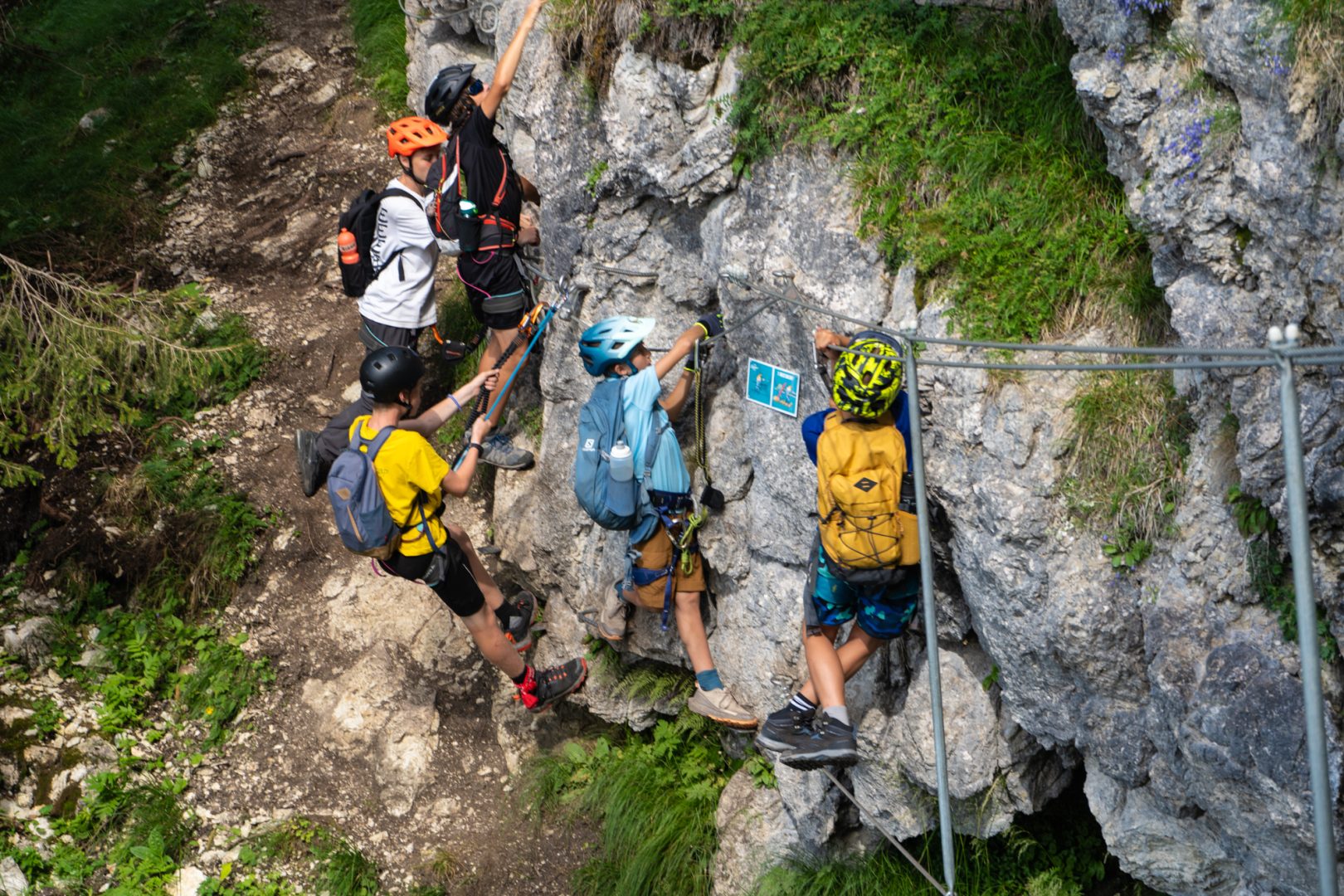
- Joint challenges — ropes, skits, and problem-solving — that demand teamwork.
I recommend leaning into these micro-practices. We design schedules so kids get repeated, low-stakes chances to try social skills. That repetition converts awkwardness into confidence.
Measured social skills gains and lasting connections
Our data show strong, measurable change across sessions:
- About 85% of overnight campers report making new friends; 72% report improved social skills or greater comfort in group settings.
- Campers form a mean of 3.1 meaningful peer relationships per session.
- Overnight stays produce stronger bonding: 85% of overnight campers say they made a close friend versus 67% of day campers.
- Pre/post comparisons highlight rapid gains — “has a close friend in my cabin” rose from 34% to 79%; “comfortable joining group activities” rose from 46% to 81%; “can start conversations with peers” rose from 40% to 76%.
- Roughly 43% of campers stay in touch with at least one cabinmate a year later, showing real persistence.
I often point to camper testimony to show how these numbers feel in real life. One camper told us, “I met my two best friends in the cabin the first night—we still video-chat.” Another said, “When I was homesick, my bunkmate taught me a breathing trick and stayed up to talk.” Small acts like that become anchors for longer-term friendship. We also hear stories about older bunkmates teaching newcomers how to invite others into games, and cabins planning talent shows together that boost stage confidence.
If you want practical next steps, try these simple actions:
- Encourage kids to join cabin routines.
- Try a simple nightly debrief to foster reflection and emotional sharing.
- Practice one small leadership task each week to build responsibility and inclusion skills.
For guidance on helping children form camp friendships, see how camps help kids make real friends — those strategies dovetail with the cabin-based work we run.

Emotional support, resilience, and mental-health benefits of cabin relationships
We, at the young explorers club, see cabin relationships drive measurable gains in campers’ emotional health and confidence. Evidence from residential sessions shows 80% of campers or parents report increased confidence or self-esteem after a session, and campers show a mean increase of +4.0 points on a standard self-efficacy/SEL scale (Cohen’s d = 0.45), signaling a moderate effect.
Evidence, measurement, and practical interpretation
I track change with a validated SEL measure pre/post to capture mean change and compute Cohen’s d for effect size. That approach makes results comparable across sessions and provides a clear benchmark for program tweaks. During sessions, 62% of campers identify a cabinmate as their primary emotional supporter, which aligns with the quantitative gains: campers in cabins rated as “supportive” show roughly 35% greater gains on resilience and self-efficacy measures than those reporting cabin conflict or low cohesion. We point parents and staff to our work on residential camp life for patterns that amplify these outcomes.
How cabin mates provide support (practical strategies)
Below are the primary mechanisms I see in action and how to encourage them during sessions:
- Peer encouragement: campers cheer small wins, which boosts self-esteem and increases willingness to try new activities.
- Modeled coping: watching peers face fears (zipline, presentations) gives concrete scripts for handling stress.
- Shared narratives: group debriefs and storytelling convert single victories into collective identity and resilience.
- Informal mentoring: older or more confident cabinmates guide routines, sleep transitions, and social challenges.
- Conflict repair: quick, staff-guided reconciliation keeps cohesion high and prevents long-term distress.
I recommend these program-level actions to strengthen cabin support and mental-health benefits:
- Coach cabin leaders to prompt positive feedback after challenges. Short, specific praise works best.
- Build low-stakes opportunities for modeled coping (paired challenges, role-plays) so kids can watch and imitate.
- Schedule nightly story or reflection circles where campers share a moment they overcame fear.
- Monitor cohesion with a brief mid-session SEL check; intervene early if scores drift down.
We use these tactics because they map directly to measurable gains in resilience, self-esteem, and overall mental health. Staff training should focus on amplifying peer encouragement and structured reflection, while pre/post SEL measurement keeps programs accountable and shows where cabin-level changes matter most.

Cabin dynamics, conflict resolution, and in-cabin leadership
We treat the cabin as a small social lab where group norms are formed, tested, and reinforced. Camp life regularly surfaces friction: about 60% of cabins report at least one interpersonal conflict per session. Those disputes tend to fall into predictable categories — sharing and personal space, homesickness and withdrawal, exclusion or cliques, bullying or teasing, and cultural or language misunderstandings — so I design systems that address each type directly.
Conflict patterns and resolution metrics
Most issues resolve quickly. Roughly 78% of conflicts are settled within 48 hours. Peers lead the majority of those resolutions; about 55% end through peer mediation or cabin discussion, while 45% require staff-led intervention. I emphasize restoration-focused approaches because they raise cabin climate scores and reduce recurrence. Practical steps I use include teaching active listening, structuring restorative circles, and running short role-plays so campers practice repair language.
I push for peer-led resolution because it builds ownership of group norms and reduces repeat incidents. Peer mediation works best when combined with clear escalation pathways. If a situation crosses into safety concerns or repeated harm, staff step in with targeted coaching and, when needed, formal intervention. Time-to-resolution matters; faster repair preserves relationships and maintains positive cabin culture.
Leadership development and peer mentor systems
We give campers in-cabin responsibilities deliberately. Around 65% of campers receive at least one cabin role during a session, and that exposure produces measurable gains: leadership/responsibility scales show a mean increase around Cohen’s d ≈ 0.40. Near-peer mentoring complements those gains — roughly 58% of camps run formal buddy systems pairing older campers with younger cabinmates — and mentors accelerate empathy, problem-solving, and confidence.
I recommend integrating simple, repeatable practices to amplify leadership development:
- Brief leadership check-ins each morning so leaders report wins and problems.
- Rotating responsibilities weekly to broaden experience and prevent hierarchy.
- Structured buddy tasks for near-peer mentoring: onboarding new arrivals, modeling routines, and checking in at lights-out.
That sense of shared responsibility becomes especially visible in our residential camp life, where leadership development and cabin culture feed each other.
Recommended peer practices and quick tactics
I train cabins in peer mediation and run regular cabin meetings at least twice weekly. Restorative circles work well for relational harm; they let everyone speak and set repair actions with timelines. For homesickness, I pair Welcome Buddies with short, daily check-ins and a simple plan for increasing participation. To prevent exclusion, I rotate Activity Liaisons who communicate preferences and ensure activities are inclusive.
Introduce clear, consistent expectations so campers own group norms. Use short, scripted prompts for mediations (what happened, who was affected, what can make it right). Keep interventions short and action-focused. If a conflict needs staff involvement, document steps and follow up with the cabin to reinforce learning.
In-cabin role list
Introduce these roles early and post them visibly so everyone knows responsibilities. The recommended roles are:
- Cabin Leader (morning responsibilities)
- Chore Leader (organizes clean-up)
- Activity Liaison (communicates camper preferences)
- Bedtime/Quiet Monitor
- Welcome Buddy (for new campers)
- Snack/Meal Helper
I assign roles for short terms and debrief at the end of each week. That rotation spreads leadership development and gives campers repeated chances to practice accountability, which reduces conflicts and strengthens cabin culture.

Cabin composition, diversity, and supervision: size, staff ratios, and safety
We, at the Young Explorers Club, set cabin composition to support social bonding, leadership growth, and safety. Optimal cabin size falls in the 8–10 camper range. That range maximizes peer connection while keeping supervision manageable. Cabins under six shrink social options. Groups over twelve dilute individual attention and weaken strong peer bonds.
Mixed-age cabins show about a 15% uptick in measured leadership outcomes and create natural cross-age teaching opportunities. Same-age cabins speed peer-level bonding, but they tend to show slightly lower leadership development. Single-sex cabins report roughly an 8% higher comfort with personal sharing in some samples. Co-ed cabins give campers broader practice with mixed social dynamics. Local context and each camper’s readiness should guide the choice.
Diversity in culture and language matters. Culturally and linguistically diverse cabins correlate with an averaged 12% increase in perspective-taking and empathy measures — provided staff intentionally facilitate inclusion and dialogue. Without facilitation, diversity alone won’t produce those gains.
I shape our programs with a practical balance between social growth and safety; you can read more about our approach to residential camp life in how we structure daily routines and cabin time.
Practical configuration guidelines
Follow these clear, actionable rules for cabin setup:
- Target cabin size: 8–10 campers to balance bonding and supervision.
- Age mix: Prefer mixed-age cabins for leadership development; use same-age cabins when quick peer bonding is the priority.
- Gender composition: Choose single-sex or co-ed based on camper readiness and family expectations; both have strengths.
- Diversity and inclusion: Intentionally plan activities and reflection to convert diversity into empathy gains.
- Staff-to-camper ratio: Aim for about 1 staff per 8 campers for overnight settings (1:8).
- Counselor training: Require 12–20 hours pre-camp training that includes role-plays, restorative practices, and safety procedures.
- Incident expectations: Anticipate that about 40% of incidents will need staff intervention; design systems so peers can resolve the remainder with light staff oversight.
Counselor training and incident handling
Counselors need focused preparation on peer dynamics and conflict resolution. Short simulations and role-play accelerate skill acquisition. I recommend practice scenarios that mirror common cabin tensions and teach restorative language. Higher campers-per-staff ratios usually lead to more staff interventions; keep ratios near 1:8 to reduce interruptions and preserve relational programming.

Measuring impact and practical guidelines for counselors, camp directors, and parents
Recommended metrics, sample survey items, checklists and warning signs
Use Likert 1–5 for most items unless otherwise noted. Below are usable pre/post measures and suggested items you can drop straight into your instruments.
- Core metrics to collect:
- Rosenberg self-esteem items (or a short self-efficacy scale).
- Social competence items (e.g., “I felt I belonged in my cabin“).
- Friendship inventory (e.g., “I have at least one close friend in my cabin” — yes/no).
- Cabin climate items (e.g., “My cabin handled conflicts fairly“).
- Resilience / self-efficacy items (e.g., “I can handle setbacks at camp“).
- Sample survey items you can drop straight into a pre/post instrument:
- “I felt I belonged in my cabin” — 1 (Strongly disagree) to 5 (Strongly agree).
- “I had someone in my cabin I could talk to if I felt homesick” — yes/no.
- “I can start a conversation with someone new” — 1–5.
- “My cabin solved problems fairly” — 1–5.
- Checklist of cabin best practices to track in implementation logs:
- Morning routine and consistent wake-up schedule.
- Daily cabin meeting with a clear agenda (welcome, issues, praise).
- Clear device policy and screen-free communal time.
- Rotating cabin roles and responsibilities.
- Conflict scripts and restorative-circle prompts.
- Buddy system for new or younger campers.
- Top five social warning signs and immediate steps:
- Withdrawal (avoids group activities) — Step: counselor check-in; pair with Welcome Buddy; monitor 24–48 hours.
- Excessive clinginess / homesickness — Step: one-on-one supportive time; involve family liaison if persistent.
- Increased aggression or teasing — Step: immediate conflict mediation; document incident; hold restorative circle.
- Consistent exclusion by peers — Step: facilitator-led inclusion activity; rotate roles to boost engagement.
- Sudden drop in participation or hygiene — Step: private counselor check; assess emotional/medical needs; escalate to health director if needed.
Analysis plan, benchmarks and actionable practices for staff
Design an analysis plan before camp starts. Aim for N ≥ 100 to detect moderate effects reliably. For straightforward within-subject pre/post comparisons use paired t-tests. Choose mixed-effects models when data are clustered (cabins, counselors) or you have repeated measures. Report Cohen’s d with 95% confidence intervals and include pre/post means and standard deviations.
Effect-size benchmarks: small d = 0.2, medium d = 0.5, large d = 0.8.
Design suggestions for stronger inference: where feasible create control or comparison groups (for example, day campers or alternative cabin structures) to help isolate overnight cabin effects. When presenting results, show raw score changes, effect sizes, confidence intervals, and any model covariates (such as age and prior camp experience).
Translate findings into practical staff actions. Based on past evaluations, expect these program-level outcomes:
- Daily cabin meetings (10–15 minutes) — associated with about a 35% reduction in repeated conflicts and clearer norms.
- Arrival buddy system (Welcome Buddy) — campers tend to report feeling comfortable roughly 2 days sooner on average.
- Peer mediation training (2–4 pre-service sessions) — peer-resolved conflicts increase by around 20 percentage points.
Operational touches for counselors and directors:
- Log daily cabin meetings and brief agendas to monitor fidelity. Short checkboxes work better than long narratives.
- Track buddy matches and comfort milestones (first meal without staff support, first shared activity).
- Train counselors on conflict scripts and restorative prompts; run brief refreshers mid-session.
- Include the friendship inventory and a homesickness yes/no item in the day-3 and end-of-session surveys to capture early adjustment.
Reporting format we recommend: highlight actionable metrics: sample size, pre/post means with SDs, paired comparisons or mixed-model outputs, Cohen’s d, and 95% CIs.
For context on communal living benefits and peer relationships, consult a short primer on residential camp life.
We, at the Young Explorers Club, use practical evaluation reporting that highlights these actionable metrics and ties findings directly to staff practices.
Sources
American Camp Association — Benefits and Outcomes of Camp
American Camp Association — Research
American Camp Association — Accreditation and Standards
Journal of Experiential Education — Journal Home
Journal of Adolescence — Journal Home
American Psychological Association — Developmental Psychology (Journal)
Child Trends — Social and Emotional Development
CASEL (Collaborative for Academic, Social, and Emotional Learning) — What Is SEL?
Centers for Disease Control and Prevention — Child Development