Why Adventure Camps Are Great For Shy Or Introverted Kids
Adventure & outdoor camps for shy or introverted children: low-pressure social exposure, nature-based mastery, and confidence-building.
Recommendation
I recommend adventure and outdoor camps for shy or introverted children. I’ve seen them offer evidence-informed, low-pressure social opportunities, predictable routines, and skill-focused activities. Kids can practice social behavior in gradual, controllable steps and build independence. By combining graded exposure in small groups, nature-based attention restoration, and progressive mastery experiences, these programs reduce social pressure, boost confidence, and give parents measurable, low-risk supports to try before clinical intervention.
Key Takeaways
- Camps scaffold graded exposure with short, time-limited, low-stakes tasks and predictable schedules to help shy children move from observing to participating.
- Small-group formats (roughly 6–12 peers) and activity ratios (recommended 1:4–1:8) lower stimulation, build cohesion, and accelerate peer modeling.
- Nature exposure and mastery-based activities restore attention, reduce rumination, and translate skill wins into greater social confidence.
- Essential program features include built-in downtime/quiet spaces, optional participation, consistent cohorts, and counselors trained to scaffold gentle transitions.
- Parental supports: use pre-camp orientation, micro-goals, and simple measurement tools (e.g., brief validated scales and daily logs) to prepare, track, and adjust support.
Why Outdoor Camps Help
Graded Exposure in a Low-Pressure Setting
Short, manageable tasks allow children to try social behaviors without being overwhelmed. Predictable schedules and clear expectations reduce anxiety and make transitions easier.
Small Group Dynamics
Smaller cohorts decrease sensory load and make it easier for a child to form connections. Peer modeling in these groups allows shy children to observe before they join in.
Nature and Attention Restoration
Nature exposure reduces rumination and mental fatigue, which improves capacity for social engagement. Physical, mastery-oriented activities give tangible wins that transfer to social confidence.
Essential Program Features to Look For
- Optional participation for certain activities so children can join at their own pace.
- Consistent cohorts and predictable daily routines to build safety and familiarity.
- Built-in downtime and quiet spaces for regulation and recovery.
- Counselors trained in gentle scaffolding, social coaching, and graded exposure techniques.
- Activity ratios that allow close adult support (recommendation: 1:4–1:8 depending on age and needs).
Practical Steps for Parents
- Pre-camp orientation: visit the site, meet staff, and review schedules to reduce uncertainty.
- Set micro-goals: define small, achievable targets (e.g., say hi to one peer, try one group activity for five minutes) and celebrate progress.
- Use simple measurement tools: brief validated scales, daily logs, or a sticker chart to track participation and mood.
- Plan supports: arrange for familiar items, quiet breaks, or a check-in routine with a counselor if needed.
- Review outcomes: after camp, evaluate what changed (confidence, specific skills, tolerance for social situations) and decide if further supports are needed.
When to Consider Clinical Intervention
Outdoor camps are a low-risk, evidence-informed first step. If, after consistent attempts with program and home supports, a child shows persistent functional impairment (e.g., extreme avoidance, severe distress, or developmental concerns), consider consulting a mental health professional for assessment and individualized treatment.
Bottom Line
Adventure and outdoor camps provide structured, low-pressure environments where shy children can practice social skills, gain mastery, and build confidence. With the right program features and simple parent-led tracking, they offer a practical, measurable step before more intensive clinical care.
Shyness and Social Needs: Why This Matters Now
Many children quietly withdraw at recess, refuse playdates, or avoid new activities, which often worries parents and teachers. I view adventure and outdoor camps as an evidence-informed option that gives shy or reserved kids repeated, low-pressure social chances, built-in downtime, and skill-focused activities that let them practice social behavior in predictable steps while building independence and confidence.
I distinguish three common patterns so parents can match supports to needs. I define shy as a behavioral tendency to pull back or feel uneasy in social situations. I define introverted as a temperament preferring lower-stimulation settings and reflection. I describe clinically anxious as social anxiety disorder — a persistent, impairing fear of social situations. These labels can overlap but they don’t mean the same thing, and the best response changes with severity and context.
Know the scale. A sizable temperamental subgroup shows early inhibition: 15–20% behavioral inhibition in young children (Kagan). Clinical social anxiety is less common: 9–12% adolescent social anxiety prevalence (NCS-A). For scale and access, many programs exist: over 14 million U.S. campers annually (American Camp Association). Those numbers tell a clear story: lots of kids are temperamentally inhibited, only a portion meet clinical thresholds, and there are many camp options that can provide practical support.
I translate those figures into practical expectations for parents. Temperamentally shy children often benefit from structured, scaffolded chances to practice social skills. Try evidence-informed, low-risk supports like outdoor or adventure programs that emphasize gradual participation. If avoidance becomes severe, persistent, or harms school or home life, seek clinical assessment or therapy. Use prevalence as a guide rather than a rule: start with accessible supports first, escalate care when impairment is clear.
I recommend looking for programs that intentionally support quieter kids. One natural option is an adventure camp, which combines activity-based engagement with predictable structure — a strong fit for both shy kids and introverted children.
Features to prioritize in a camp
- Repeated, low-pressure social opportunities: activities that invite cooperation without spotlighting one child.
- Small-group formats or pods: fewer peers lowers stimulation and increases chances for comfortable interaction.
- Predictable routines and clear signals for transitions: structure reduces anxiety and conserves emotional energy.
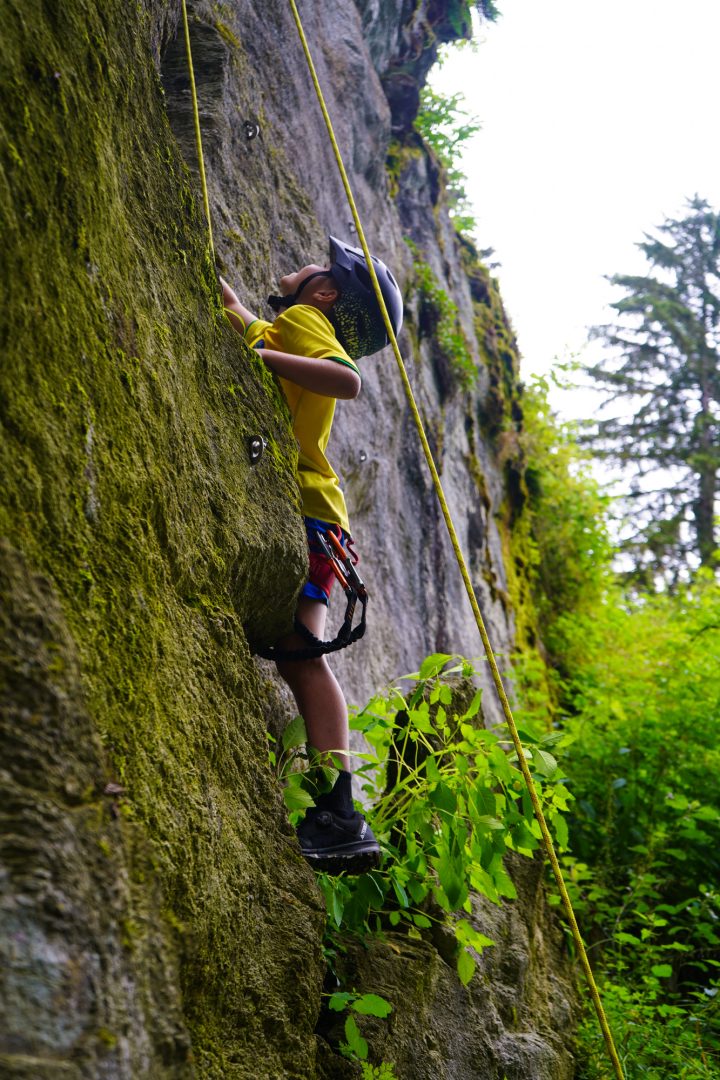
- Skill-focused activities with tangible tasks: climbing, orienteering, and project work let kids connect through doing.
- Built-in downtime and quiet spaces: introverted children need recovery time; quiet options are essential.
- Staff trained to scaffold participation: counselors who can prompt gently and allow optional stepping-up work best.
- Optional participation and gradual exposure pathways: look for programs that let kids opt in at their own pace.
- Pre-camp orientation and parent communication: familiarization ahead of time lowers surprises and builds trust.
I advise parents to set realistic goals: aim for steady, observable steps rather than overnight transformation. Track simple markers like trying one new activity, initiating one small conversation, or staying for a full day without distress. If a child shows intense fear or avoidance that lasts weeks, causes school refusal, or disrupts family functioning, arrange a clinical evaluation rather than relying on camp alone. Camps are a powerful, low-risk first step for many shy kids and introverted children; used thoughtfully, they can become a bridge from withdrawal to confident participation.
How Adventure Camps Reduce Social Pressure and Build Social Confidence
I use behavioral science when I assess how adventure camps help shy or introverted kids. Graded exposure is the core principle. Camps scaffold social exposure with short, time-limited, low-stakes group tasks so kids move from watching to doing without overwhelm. That progression mirrors CBT exposure hierarchies and reduces the chance of shutdown from sudden, high-pressure demands.
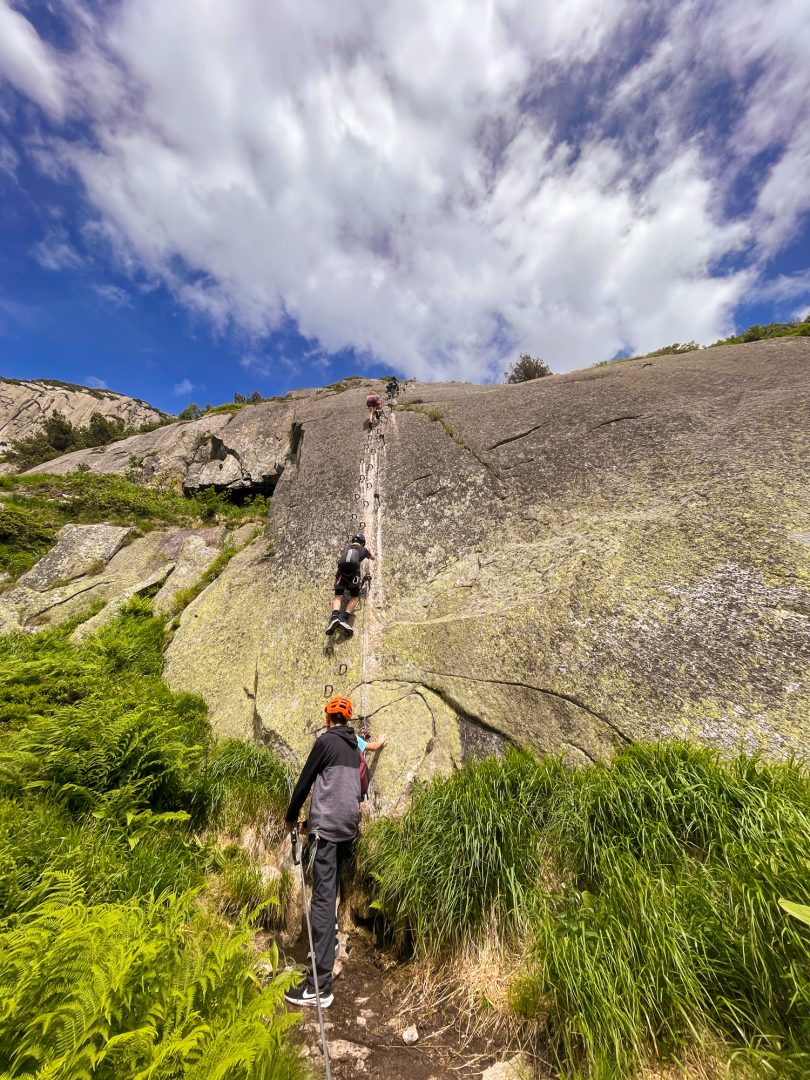
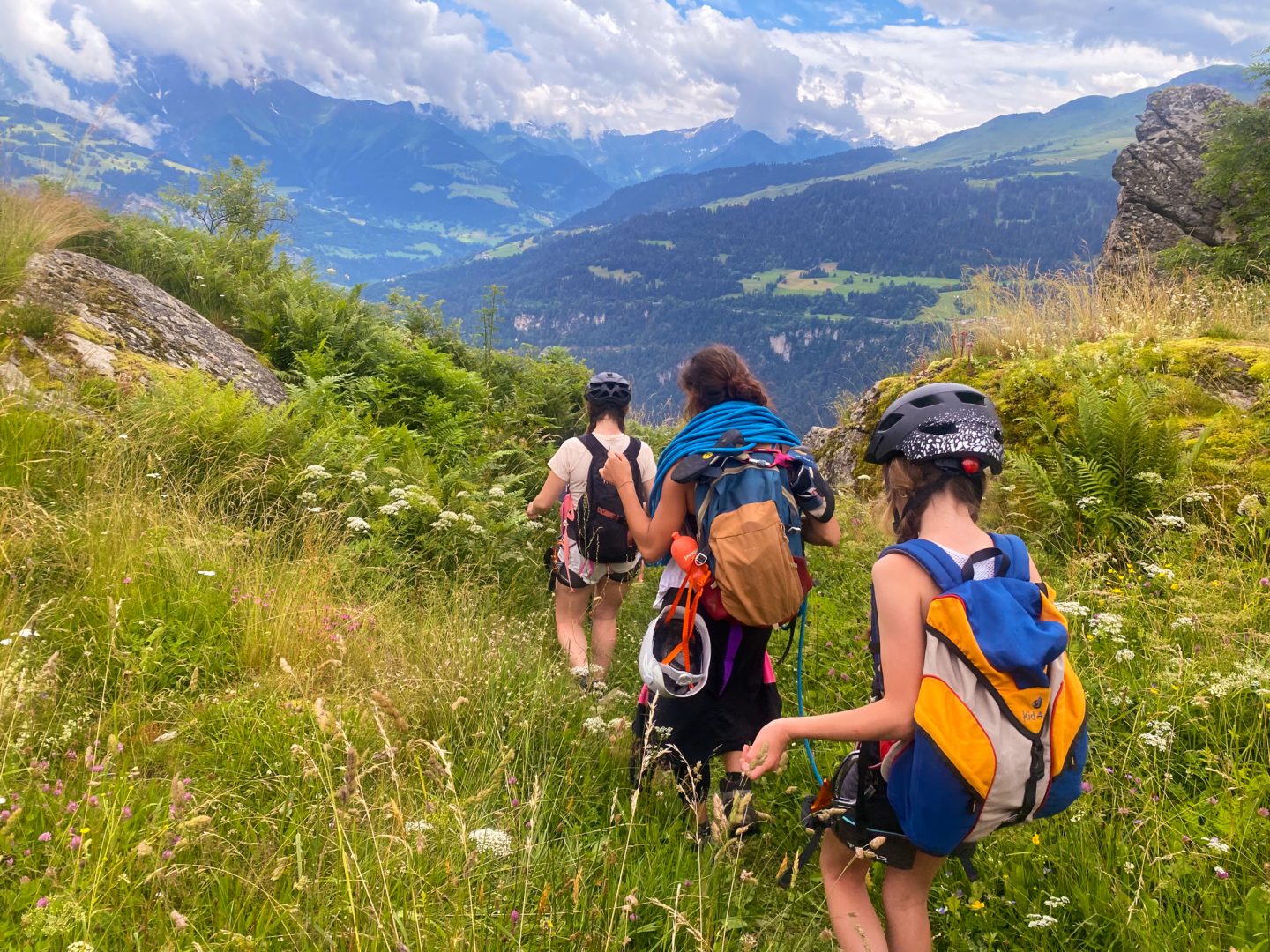
Activities like ropes courses, canoeing, and team hikes work especially well. They’re goal-oriented, end on a clear time point, and create natural roles. Those features let a child try a brief task, step back, then try again with more responsibility. I call this low-pressure socialization: repeated, predictable interactions where success is measured by participation rather than performance.
Small-group learning and peer modeling matter a lot. Cabins, activity teams, and communal meals create predictable social scripts. Regular, short exposures add up—daily meals plus two to three activities provide dozens of natural social exposures per week. Effective programs aim for 1:4–1:8 small-group activity ratios (recommended target for scaffolded interaction). I also recommend parents prefer camps with consistent 6–12 peer activity groups for cohesion; consistent grouping builds trust fast and reduces anxiety about constantly meeting new peers.
I find the most reliable progress follows a clear exposure ladder. Here’s a practical weekly example for one shy child:
- Day 1–2: Observe from the periphery during an activity and sit with a counselor nearby.
- Day 3: Try a short solo attempt (5–10 minutes) with counselor support.
- Day 4: Do a paired activity with one peer.
- Day 5–7: Join a small-group task (3–6 peers) in a low-pressure role.
- Week 2: Rotate roles to include supporting and co-leading, and increase activity duration.
That ladder keeps demands gradual and predictable. I coach counselors to frame each step as a short experiment, not a test. Framing matters. When progress is described as observe → try → lead, kids perceive control and safety.
Here’s a brief counselor/parent vignette I’ve used in training. Camper A watches archery for two days. On day three they do a 10-minute solo target session with a counselor nearby. The next day they shoot paired with one peer. By day five they volunteer to hand arrows. In week two they lead a short warm-up for the group. Each move was small, scaffolded, and visible to peers—so the gains were social and skill-based.
I prioritize programs that structure those exposures intentionally. That starts with good ratios, consistent groups, and predictable schedules. If you want to learn more about what a first experience should look like, I suggest checking practical pre-camp resources like your first summer camp for parents and kids.
Program design metrics I look for
Below are the specific elements I inspect when evaluating camps:
- Counselor-to-camper ratio and clear supervision levels to support graded exposure.
- 1:4–1:8 small-group activity ratios (recommended target for scaffolded interaction) for most skill-based tasks.
- Consistent peer cohorts—prefer camps with consistent 6–12 peer activity groups for cohesion.
- Predictable daily schedule with short, time-limited activities to reduce anticipatory anxiety.
- Built-in roles and rotating responsibilities so shy kids can practice leadership gradually.
- Opportunities for peer modeling and use of social scripts during meals and transitions.
Nature, Mastery, and Mental-Health Mechanisms That Help Introverted Kids Engage
Time outdoors calms the brain and frees attention for social learning. I use nature therapy principles to explain why shy children often open up more easily at adventure camps. Research ties measurable brain and cognitive changes to these settings: “Nature walks reduced neural activity linked to rumination (Bratman et al., PNAS 2015).” Likewise, “50‑minute nature walks linked to improved working memory (Berman et al., 2008).” These effects lower repetitive negative thinking and boost the cognitive bandwidth kids need to follow social cues and try new behaviors.
I focus on two complementary pathways: attention restoration plus reduced rumination, and progressive mastery that builds self-efficacy. Reduced rumination quiets the internal dialogue that fuels withdrawal. Improved attention helps children hold and follow social scripts, tune into peers, and learn new social behaviors. Bandura’s theory predicts that repeated mastery experiences translate into broader confidence; when a child learns to paddle or navigate, they gain a sense of competence that carries into group interactions.
How the mechanisms translate into practical gains
I break the key changes into observable outcomes and what leaders can do to encourage them:
- Attention restoration and rumination reduction — Time in green settings produces cognitive relief. “Nature walks reduced neural activity linked to rumination (Bratman et al., PNAS 2015).” That quiet gives kids space to notice others and respond instead of retreating.
- Working memory gains — Short, focused nature exposure improves cognitive control. “50‑minute nature walks linked to improved working memory (Berman et al., 2008).” Better working memory helps a child remember names, follow group tasks, and keep up with social scripts.
- Mastery experiences build self-efficacy — Teaching stepwise skills (paddling, climbing, fire-building, navigation) creates visible wins. I structure challenges so each camper collects small, repeatable successes that make them more willing to speak up or take a small leadership role.
- Transfer into social domains — As confidence grows, shy kids typically try low-risk social moves: asking a question, joining a small group, or offering help. These moves compound into sustained engagement.
- Program outcomes — Evaluations back this up: “Campers report measurable increases in confidence and independence in post-camp surveys (see American Camp Association program outcome summaries).” I use those outcome measures to refine session pacing and feedback loops.
I recommend camps that emphasize gradual skill progression and quiet natural time. For parents considering an introduction that respects an introverted temperament, I often point them to helpful planning resources like this first summer camp guide: first summer camp.

Flexibility, Safety, and Program Design: What to Look For in an Introvert-Friendly Camp
I look for program features that lower sensory load and allow slow social engagement. Choose camps that offer clear optional activities so a child can join at their own pace. I prefer buddy systems, deferred participation policies, designated quiet tents or quiet spaces, and built-in downtime. Insist the camp follows this recommendation: “Recommended daily quiet/unstructured buffer of 30–60 minutes for sensitive children (programming best practice).”
I favor camps that make optional activities genuinely optional — not stigmatized. I ask if counselors receive training in trauma-informed care and youth mental health first aid. I also check accreditation and operational standards; ACA accreditation is a good baseline for safety and policies. I ask camps directly for the metrics they should be ready to share: “Seek camps with counselor training in youth development and a track record of staff continuity (ask camps for staff turnover rates and training hours).”
Group size matters for social safety and cohesion. I use this guideline when screening programs: “Consider camps with activity groups of 6–12 peers for day camps, cabins of 6–10 for overnight programs; many programs aim for those ranges for cohesion.” Smaller groups let introverted kids form bonds without being overwhelmed.
I probe operational details that translate into safety and predictability:
- Daily rhythms and visible schedules so a child knows what to expect.
- Quiet spaces and clear rules about when a camper can step away.
- Concrete return plans for deferred participation (a counselor check-in schedule or gradual activity re-entry).
- Staff continuity and explicit counselor training hours.
Use the following link for a practical camp checklist when comparing programs: introvert-friendly camp
Screening questions and sample language
- What are your background-check policies, counselor training hours, and staff turnover rates?
- What mental-health resources are on-site or what’s your referral process for campers who need additional support?
- How do you handle opt-out/downtime requests and what formal gentle-transition plans do you use?
- Sample gentle-transition request (use during application/intake): “My child takes time to warm up in new groups. Could we set a gentle-transition plan: counselor check-ins first 48 hours, a buddy assignment, and an agreed signal if they need a quiet break?”
I document answers and compare programs on transparency and follow-through. I prioritize camps that combine clear policies, trained staff, and practical design features to give introverted kids space, safety, and choices.
Preparing Your Child and Measuring Progress at Camp
Pre-camp practical strategies
I recommend a handful of concrete prep steps before departure. Use the following to build confidence and reduce stress:
- Start gradual exposure at home: short playdates, a quick site visit to the campgrounds, or a virtual meet-and-greet with counselors. These small steps lower novelty and make the first day easier.
- Build a brief “social script” cheat-sheet: three opening lines (e.g., “Hi, I’m ___,” “Do you like ___?”) and two safe topics (games, snacks). Encourage your child to keep the sheet in a pocket or backpack.
- Pack transitional items and notify counselors: a favorite stuffed toy, a scent cloth, or a small photo. Tell staff about the item and how it soothes your child so they can prompt its use if needed.
- Set realistic micro-goals to celebrate incremental wins: aim for one to two tiny social targets per day early on (a smile, one initiated question). Mark wins with stickers or a quick note home.
If this is your child’s first camp, I also suggest reading Your first summer camp for practical checklists and timelines.
Measurement plan and tools
I pair validated instruments with simple trackers to capture real change without overburdening staff or families. Use the Strengths and Difficulties Questionnaire (SDQ), Social Skills Improvement System (SSIS), and the Rosenberg Self-Esteem Scale alongside brief parent/caregiver Likert items and behavioral counts (for example, social initiations per day). Short daily logs are easy to complete and map directly to behaviors you want to change.
Sample mini-evaluation plan for a 2-week camp:
“Baseline SDQ + 3 weekly 5‑item parent/counselor Likert forms + endline SSIS + camper self-report journal entry.”
I recommend these reporting basics for clarity and decision-making:
- Report percent improved from baseline.
- Show mean score changes and standard deviations.
- Always include N (sample size) so readers know how robust the results are.
Daily micro-goal guidance remains practical and precise. Aim for 1–2 small social goals per day for early sessions and increase them as tolerance grows. Celebrate micro-goals with targeted feedback: one initiated conversation, one cooperative task completed, or one independent mealtime. Ask counselors to provide brief notes daily; I use those comments to adjust next-day goals and to spot patterns quickly.
I track both quantitative signals (SDQ, SSIS, counts) and qualitative notes (camper journal entries, counselor impressions). That mix gives a clear portrait of progress and tells me what to change mid-camp to support a shy or introverted child.
Choosing, Cost, and Practical Resources for Parents (Checklist and Next Steps)
Decision checklist for parents
Use a 1-page checklist for parents to assess camp fit before visiting or calling. I recommend you run through these items during calls or tours:
- Match camp type to your child: consider small-group wilderness, day camp, skill-based camp, or therapeutic camp and pick the setting that aligns with your child’s energy and comfort.
- Confirm small group sizes and optional activities: ask exact counselor-to-camper ratios for core activities and whether participation is optional or structured.
- Ask about quiet zones and transition supports: verify where kids can retreat, how transitions are managed, and whether staff use graduated exposure for new activities.
- Request counselor training hours and staff turnover rates: ask how many formal training hours counselors receive, what topics are covered, and average staff tenure.
- Ask about scholarships/financial aid and percentages of campers receiving aid: request both the types of aid and the percentage of families awarded support.
Objections parents raise, sample responses, and next steps
Overwhelm: If you’re worried about overwhelm, tell the camp you need a clear opt-out policy and daily quiet buffers. Ask: “What’s your opt-out policy and how many minutes per day do you schedule quiet or reset time?” A practical response to share with anxious kids is: “You can try any activity and step back whenever you need a break.”
Safety concerns: For safety-related questions, request proof of American Camp Association (ACA) accreditation and training documentation. Ask to see recent inspection reports, emergency plans, and staff first-aid certifications. A suggested line: “Please send your ACA accreditation details and the latest staff training log.”
Cost is a barrier: When cost prevents enrollment, ask about sliding-scale fees, scholarships, and what percentage of families receive aid. Suggested question: “Do you offer payment plans, sliding-scale tuition, or a set scholarship pool, and how many campers use these options?”
Practical next steps — request these materials before a visit:
- Sample daily schedules
- Staff training curriculums
- Mental-health resource protocols
- Gentle-transition plans for new campers
- References from parents of introverted campers
For evaluation and follow-up: consider assessment tools such as the SDQ (Strengths and Difficulties Questionnaire), SSIS (Social Skills Improvement System), and the Rosenberg Self-Esteem Scale to measure changes pre/post camp. Consult American Camp Association resources for accreditation standards and program outcomes. For temperament context, I suggest reading Quiet by Susan Cain. If you need an accessible primer on getting a child started, see my link about a first summer camp for practical tips: first summer camp.
Note: 1,800–2,500 words recommended for comprehensive SEO content.
Sources:
American Camp Association — Program outcome summaries; “over 14 million U.S. campers annually (American Camp Association)”
National Institute of Mental Health (NIMH) — National Comorbidity Survey–Adolescent (NCS‑A)
Proceedings of the National Academy of Sciences (PNAS) — “Nature experience reduces rumination and subgenual prefrontal cortex activation” (Bratman et al., PNAS, 2015)
Psychological Science — “The cognitive benefits of interacting with nature” (Berman et al., 2008)
Jerome Kagan — research on behavioral inhibition (15–20% behavioral inhibition in young children)
Albert Bandura — work on self‑efficacy and mastery effects
Susan Cain — Quiet (book)
Strengths and Difficulties Questionnaire (SDQ) — instrument/source referenced
Social Skills Improvement System (SSIS) — instrument (Pearson)
Rosenberg Self‑Esteem Scale — instrument