Why Short Adventure Camps Can Be Powerful For Child Growth
Short adventure camps (1-7 days) with nature play that boosts physical activity, attention, mood and SEL, affordable, scalable mini-adventures.
Short Adventure Camps — Program Summary
What we do
We run short adventure camps (1–7 days) that deliver high-dose, low-duration nature play and steady physical activity. These programs rapidly boost attention, working memory, mood, fitness, and social-emotional skills. By swapping typical home screen time for structured outdoor challenges, micro-lessons, and scaffolded risk-taking, we produce measurable gains—higher MVPA and step counts, better mood scores, and increases in SEL/self-efficacy. These concentrated programs cost less and scale well for more families.
Key Takeaways
Core impacts
- Short, concentrated sessions work as high-impact interventions: they rapidly raise daily MVPA (often 60–180+ minutes), cut screen time, and lift mood.
- Brief nature contact and practical outdoor tasks restore attention and strengthen working memory, helping protect against summer learning loss.
- Scaffolded, supervised challenges plus daily debriefs accelerate SEL gains—kids build confidence, teamwork, emotional regulation, and resilience within days.
- One- to three-day formats reduce logistics and cost, enabling families to attend repeatedly and allowing partnership with schools and community centers to widen access.
Measurement and scalability
Lightweight, persuasive metrics let programs demonstrate immediate impact to families and funders. Use concise, easy-to-collect measures rather than heavy assessments.
- Minutes of MVPA (daily totals)
- Step counts (wearable-friendly)
- Simple mood Likert scores (pre/post or daily)
- Brief pre/post SEL/self-efficacy measures (2–5 item scales)
Why this model scales
The combination of short duration, clear measurable outcomes, and lower per-family cost makes this model attractive to parents, schools, and funders. Repeating compact sessions increases reach and cumulative benefit while keeping logistics manageable.
https://youtu.be/
Big-picture benefits: short, concentrated doses that solve urgent gaps
Cooper et al. (1996): ~1 month reading loss and ~2 months math loss over summer. Berman et al. (2008): ~20% working-memory improvement after nature walk. CDC: ~24% of youth meet 60 min/day physical activity guideline. Common Sense Media: tweens ~4–5 hours/day; teens ~7+ hours/day screen time.
These headlines frame the problem and point to a clear solution: short adventure camp and mini-adventure formats act as high-dose, low-duration interventions that close urgent gaps in learning, fitness, attention, and social skills.
We structure 1–7 day short adventure camp sessions to pack nature-based play, sustained physical activity, and structured risk-taking into concentrated blocks. Participants get prolonged outdoor exposure that boosts working memory and attention (Berman et al. 2008). They move far more than on an average home day, which combats the screen-heavy routines Common Sense Media documents and addresses the CDC physical-activity shortfall.
Short formats deliver measurable gains across four domains:
- Physical activity: short camps create 8–10 hours/day of active outdoor time in multi-day minis, increasing moderate-to-vigorous activity and coordination.
- Cognition: focused nature-based play and outdoor education yield quick improvements in attention and working memory.
- Social-emotional learning and resilience: structured challenges accelerate cooperation, emotional regulation, and confidence through achievable risk and teamwork.
- Accessibility: lower cost and simplified logistics reduce barriers to entry, so benefits reach more families and can stack with repeat attendance to offset summer learning loss (Cooper et al. 1996).
How a short adventure camp beats the typical home day
Compare typical home-day metrics with a camp-day to see why short, concentrated doses matter:
- Home day: high screen time (tweens 4–5 hrs, teens 7+ hrs per Common Sense Media), limited MVPA, fragmented outdoor exposure.
- Camp day: sustained outdoor play and guided challenges, low screen exposure, social-emotional learning built into every activity.
- Cognitive lift: a single nature walk can yield measurable gains in working memory (Berman et al. 2008), so a few focused days compound fast.
- Learning protection: short camps interrupt the pattern that causes summer learning loss described by Cooper et al. (1996).
We, at the young explorers club, design short adventure camp schedules that maximize active hours, intentionally reduce screens, and embed quick wins for resilience and SEL. Parents often pick a day camp as a practical screen-time break that still fits busy calendars, and repeat mini-adventures create cumulative gains in fitness, cognition, and social skills that rival longer residential options.

Immediate physical activity gains and mood benefits from nature contact
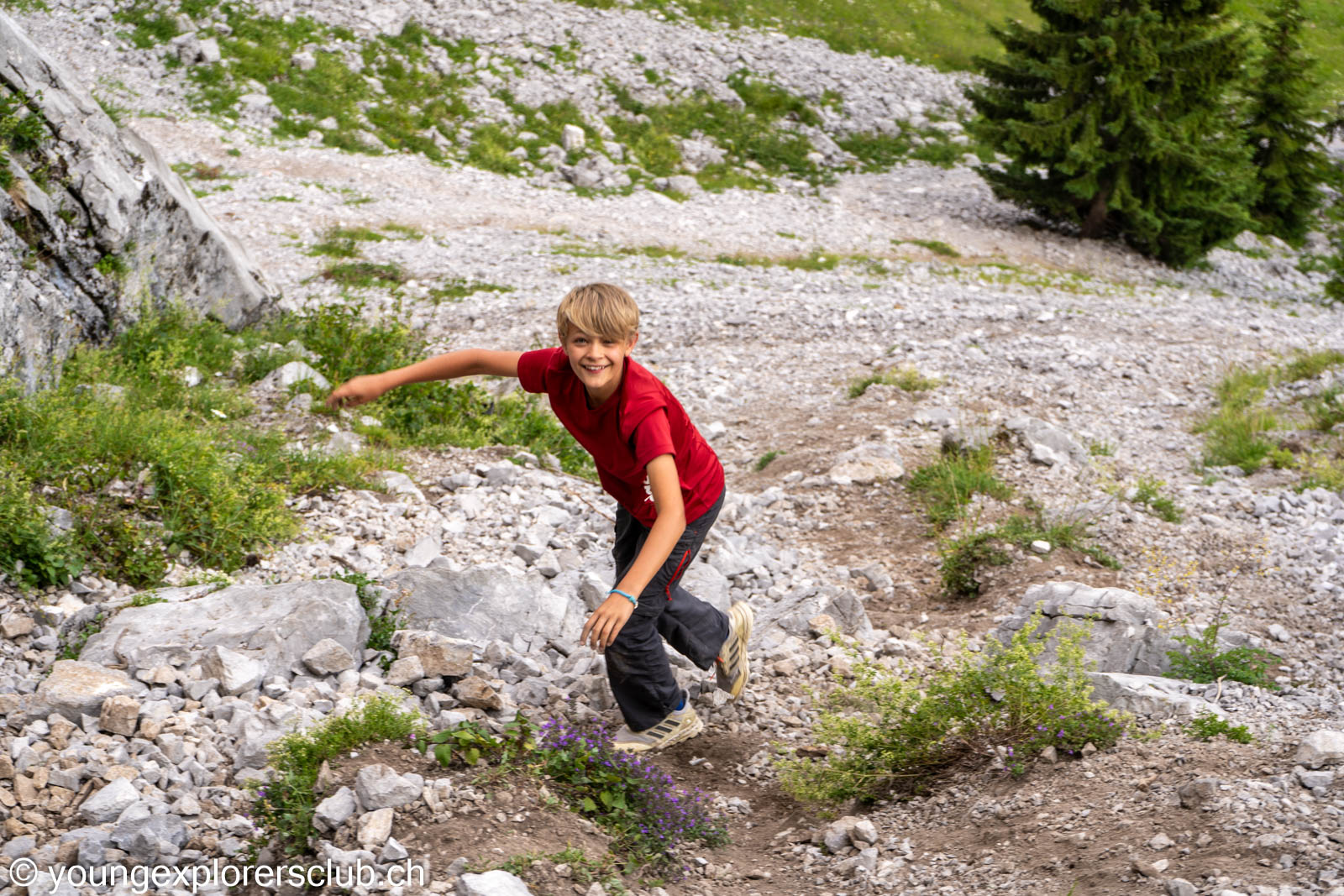
Short adventure camps deliver repeated bursts of moderate-to-vigorous physical activity (MVPA) that push kids toward the 60 minutes/day target. The CDC estimates roughly 24% of youth meet the 60 min/day physical activity guideline, so a short camp can close a big gap fast. Inevitable movement comes from structured hikes, games, and active free play.
To document change, track minutes of MVPA per day, daily step counts, and the share meeting 60+ minutes on camp days versus baseline.
Screen-time norms make the contrast obvious. According to Common Sense Media, tweens average about 4–5 hours/day and teens about 7+ hours/day of screen time. A 3-day camp that replaces ~8–10 hours/day of screens with outdoor activity flips daily behavior and yields concrete gains: higher MVPA, far more steps, and near-zero screen exposure while on site. We, at the young explorers club, show how camp activities improve physical fitness and coordination and we use simple numbers to prove it.
Nature contact boosts mood and lowers stress quickly. Meta-analysis evidence links greenspace exposure to better mental health and lower physiological stress markers (Twohig-Bennett & Jones, 2018). Short camps produce measurable mood improvements across a single day: kids report higher positive affect, lower tension, and better sleep that night.
Use straightforward, trackable measures to document immediate benefits. We recommend the following:
Trackable metrics and example day comparison
- Core metrics to collect regularly: “minutes of MVPA per day”, “daily step counts”, and “mood score change (Likert points)”.
- Recommended tools: wrist accelerometers for MVPA, pedometers for steps, and a brief 1–7 Likert mood scale pre/post each day.
- Baseline day (home/school): screen time = 4–7 hours; MVPA = 20–35 minutes; steps = 4,000–6,000; mood score = baseline.
- Camp day (structured 8–10 hours outdoor): screen time ≈ 0–30 minutes; MVPA = 60–180+ minutes (schedule-dependent); steps = 10,000+; expected mood score increase = 1–2 Likert points.
- Compare proportions meeting the 60 min/day benchmark: baseline vs. camp-day to quantify impact.
Practical protocols that fit camp logistics include issuing fit bands at check-in, a one-question mood rating before breakfast and after evening activities, and daily step summaries shared with families. These simple measures let staff and parents see immediate physical and mental health returns and justify repeat short camps as a practical health intervention.

Cognitive protection: short camps as an anti–summer-slide and attention booster
We, at the Young Explorers Club, treat short, hands-on outdoor enrichment as a direct counter to summer learning loss. Cooper et al. (1996) found approximately ~1 month reading loss and ~2 months math loss over summer, a gap that creates pressure to catch up in fall. Short adventure camps deliver concentrated, applied experiences that protect academic gains while boosting attention and executive function.
Nature exposure and active problem-solving work together. Attention Restoration Theory explains how brief contact with natural settings restores directed attention capacity. Berman et al. (2008) reported about a ~20% working-memory improvement after a nature walk, showing that short doses of nature produce measurable cognitive lift. When kids combine that restored attention with applied STEM—navigation, field science, map-based problem-solving—they practice the same executive skills teachers expect in classrooms: working memory, task switching, and inhibitory control. Those skills transfer back to reading and math tasks and provide tangible academic protection.
Simple in-camp measures and metrics
- Two short pre/post attention tasks (5–20 minutes total) to capture immediate gains and attention restoration.
- Short academic/skill checks tied to camp activities (mini reading or math probes, 10–15 minutes).
- Estimated percentage reduction in expected summer-slide for attendees (report percent of expected loss averted based on pre/post change against baseline summer-loss rates).
- Optional short working-memory measures to highlight the ~20% improvement pattern seen in Berman et al. (2008).
I recommend running these measures on day one and day last, and repeating midweek for multi-day sessions. Use the results to show academic protection and to refine which activities best boost attention.
Short adventure enrichment complements traditional tutoring and academic camps. Tutoring focuses on direct skill practice; we focus on executive function, problem-solving, and applied STEM that primes attention for later learning. Combine both approaches: use camp to restore and strengthen attention, then follow with targeted academic practice for efficient skill retention. For practical design tips and evidence about time outdoors, see our piece on time in nature, which helps justify short, high-impact interventions.

Social-emotional learning, confidence, teamwork, and healthy risk
We design short adventure camps (1–7 days) to compress high-impact social-emotional learning (SEL) into focused experiences that produce rapid, observable change. Cooperative challenges force campers to communicate, negotiate roles, resolve conflicts and show empathy in real time. Tasks are short, repeatable and scaffolded so campers get immediate feedback on teamwork and leadership choices. That repetition accelerates gains in independence and self-efficacy.
Short stays often show clear, facilitator- or parent-observed improvements in social competence and confidence. We document these using measurable outcomes such as “pre/post SEL scale scores”, “percentage of campers showing improved confidence”, “pre/post resilience/self-efficacy scores”, and incident rates vs. perceived risk. Quick cycles of action plus reflection let campers rehearse new behaviors and consolidate them before they leave camp.
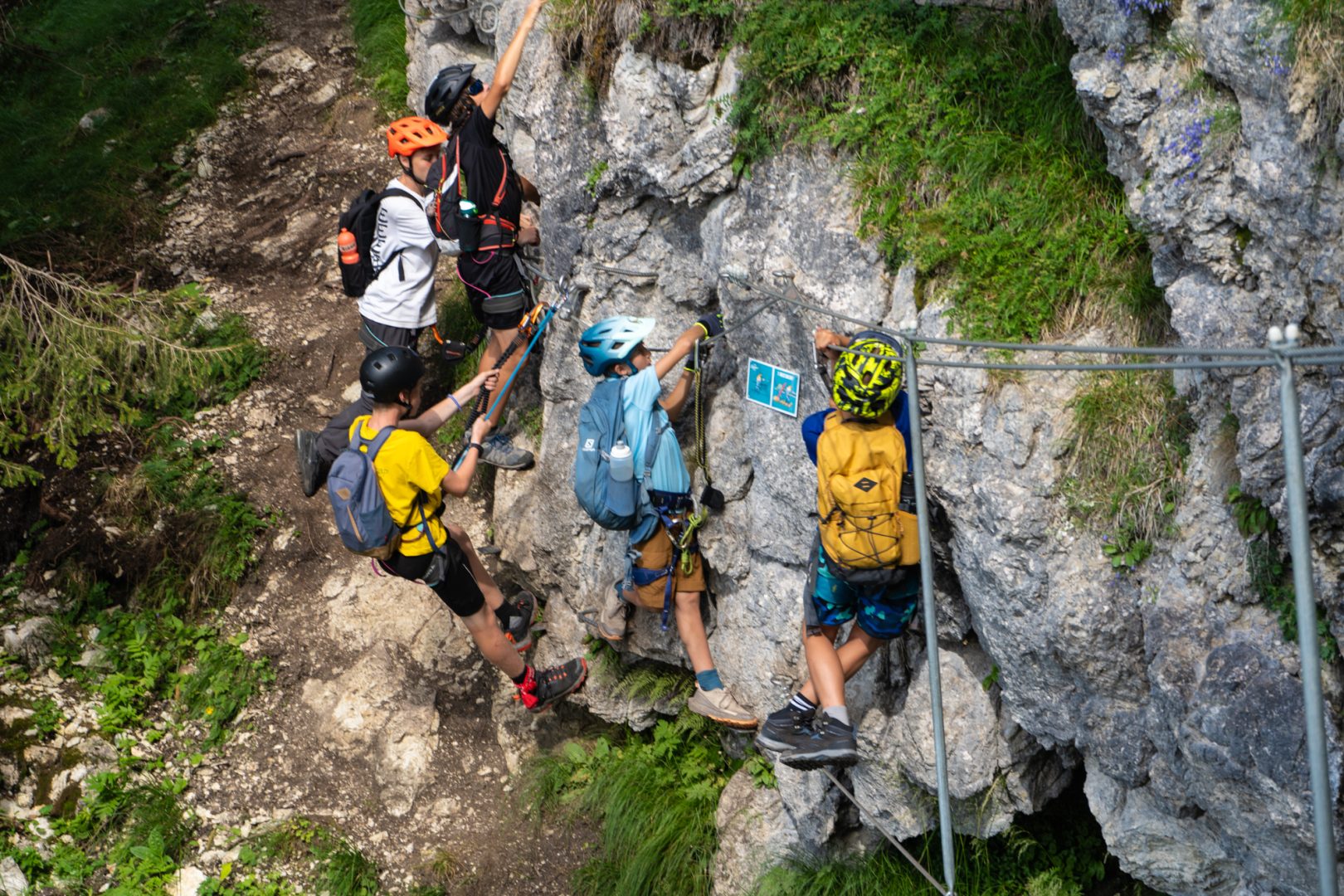
Controlled exposure to risk builds practical risk literacy and resilience. We use a challenge-by-choice framework so each child opts in at their own pace. That preserves autonomy while teaching risk assessment, self-reliance and coping. When a child chooses a slightly harder task and succeeds, their self-efficacy grows. When they choose, attempt, or step back, they practice judgement. Those decisions transfer to school and home: campers learn how to size up a situation, ask for help and accept responsibility for outcomes.
We often move kids up a progressive risk ladder to build skills in small, safe steps:
Practical measures and data collection
Below are the simple tools and routines we use to measure SEL, track progress and keep safety front of mind.
- Quick validated instruments: 3–5 item SEL measures and brief self-efficacy scales that fit pre/post designs.
- Daily facilitator tracking: one-line ratings each afternoon for key domains (communication, leadership, conflict resolution, emotional regulation).
- Camper reflection: a one-line reflection at day’s end that records intent, feeling or takeaway.
- Parent follow-up: a short parent report about observed changes at 1 week to capture persistence beyond camp.
- Observational tools: a simple checklist for cooperative behaviors and a notes field for short staff quotes. Triangulate these with parent and staff comments for richer evidence.
- Outcome metrics to report: “pre/post SEL scale scores”, “percentage of campers showing improved confidence”, “pre/post resilience/self-efficacy scores”, and incident rates vs. perceived risk.
For staged risk progression we use a three-step ladder that staff can adapt by age and ability:
- Balance course (low height, stable footing)
- Low-ropes (team-supported, brief exposure to height and coordination)
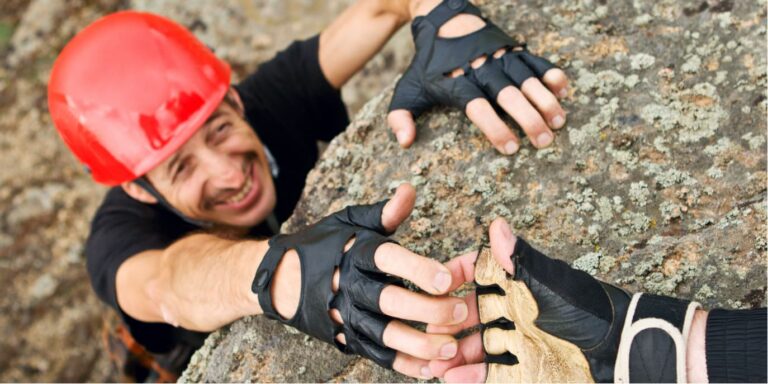
- Supervised climbing (belay system, teacher-led goal setting)
We pair each step with a short debrief where campers name what felt risky, what they tried and what they learned. That reflection multiplies learning. Short exposures followed by targeted debriefs produce faster gains than exposure alone.
Practical tips we apply every session: keep challenges time-limited, rotate roles so shy children lead one task, coach conflict-resolution language before tackling a team task, and capture one concrete behavior per camper to praise during the debrief. Those small moves drive measurable change in SEL and teamwork.
We, at the young explorers club, emphasize healthy risk-taking that’s supervised, progressive and choice-driven. Parents and staff notice quick gains in confidence and teamwork exactly because the design forces practice, feedback and reflection within a short, intensive window. For more background on how camp builds confidence and achievement, see this note on self-esteem.

Design, safety, and accessibility: making short formats scalable and safe
We, at the Young Explorers Club, build 1–7 day camps and mini-camps to concentrate learning and growth into short, repeatable bursts. Our focus is on high-frequency active blocks, quick micro-lessons, scaffolded challenge ladders, and short reflection windows so kids get practice, feedback, and confidence fast.
We design micro-learning sessions of 20–60 minutes to teach a single skill or SEL concept, then follow with an applied activity. That sequence — teach, do, reflect — multiplies retention in a compressed timeframe. We schedule session lengths between 20–90 minutes and aim for an outdoor:indoor ratio near 70:30 to maximize active time while keeping shelter for transitions or bad weather. We add daily debriefs of 15–20 minutes to surface emotions, reinforce social-emotional learning, and capture quick assessments.
Safety is non-negotiable. We maintain trained staff, clear emergency plans, routine equipment checks, and an incident reporting system. We track safety as the number of incidents per 1,000 camper-days and publish that aggregate metric alongside confidence and satisfaction scores so partners and families can evaluate risk and benefit objectively.
We use short formats to reduce cost and time barriers and to scale via partnerships with schools, parks, and community centers. Those relationships let us offer single-day options and sliding-scale pricing. You can learn why short formats are winning interest in many places by exploring our thinking on weekend adventure camps.
Operational checklist
- Staff:child ratios by activity and age:
- 1:4 for high-risk activities (e.g., climbing)
- 1:8 for general outdoor activities with younger children (5–8 years)
- 1:10–1:12 for older youth in structured activities
- Required certifications: first aid and CPR for all leadership; lifeguard certification where swimming is part of programming; wilderness first aid for remote sites.
- Session timing and mix: micro-lessons 20–60 minutes; active challenges 60–90 minutes; daily debriefs 15–20 minutes; target outdoor:indoor ~70:30.
- Safety measurement and transparency: log injuries and near-misses; report incidents per 1,000 camper-days in aggregate each season.
- Accessibility measures: sliding-fee scales, targeted scholarships, school partnerships, and single-day drop-in options to reduce barriers.
- Pricing tiers for logistics: set per-child pricing that scales (1-day < 3-day < weeklong overnight) so families choose based on time and budget.
- Equipment and site checks: daily pre-opening inspections, seasonal maintenance logs, and vendor receipts for major gear replacements.
- Emergency protocols: written evacuation routes, designated medical lead, parent notification templates, and annual drills for staff.
Sample 3-day mini-adventure rhythm
- Day 1:
- 08:30 arrival/warm-up
- 09:00 skills micro-session (30–45m)
- 10:00 active challenge (60–90m)
- 12:00 lunch
- 13:00 nature exploration / applied STEM micro-lesson (30–45m)
- 14:30 team challenge
- 16:00 debrief/reflection (15–20m)
- 16:30 dismissal
- Day 2–3: repeat with a progressive challenge ladder (balance course → low-ropes → supervised climbing). Keep daily reflection prompts such as “What risk did I take?” and “What did I learn?”
Practical notes on scaling and equity
We schedule short blocks to fit school calendars and weekend slots, which simplifies staffing and reduces overnight logistics. That lowers per-child cost and opens time-limited offerings for families who can’t commit to weeklong stays. We allocate scholarship funds and coordinate with local schools and community centers to reach kids who’d otherwise miss out.
We also encourage programs to track objective safety data (injury and near-miss) and to publish those figures alongside satisfaction surveys so administrators can see a favorable risk–benefit profile quickly.

Measuring impact simply and persuasively for families and funders
We keep measurement light and persuasive so families and funders actually read the report. I focus on a mix of quick numbers and short stories: minutes of MVPA per day, pre/post self-efficacy score change (%), mood score change (Likert points), step-count summaries, plus a few parent quotes and camper reflections. Those pieces together tell a clear, credible story without heavy lifting.
I recommend these core elements for every short camp report:
- Quantitative
- Daily MVPA minutes
- Average step counts
- Pre/post self-efficacy % change
- Mood change in Likert points
- Attendance
- Safety events
- Qualitative
- Two short parent quotes
- One camper reflection
- One staff observation that highlights a visible change
Quick templates and reporting elements
Below are practical templates you can copy into intake forms and final reports.
-
3-question pre/post camper survey (very brief)
- Mood today (1–7 Likert)
- How confident do you feel trying new things? (1–5 Likert)
- How comfortable are you working with others? (1–5 Likert)
-
Daily staff log (one line per activity)
- Activity name, duration (minutes), intensity (low/moderate/high), attendance, safety events (yes/no), brief notes
-
Parent follow-up (1 week)
- Short form asking perceived change in mood, confidence, and willingness to repeat
-
Suggested simple observational SEL rubric (start and end)
- Three items scored 1–4: communication, leadership, cooperation
- Record at program start and finish and report percent improving
-
Example visual elements to include in reports
- Bar chart: MVPA minutes (baseline vs. camp-day)
- Line chart: average mood score across days
- Pie/stacked bar: percent of campers improving on SEL items
- One-page spread with 2 parent quotes and a camper reflection that shows how camp builds self-esteem builds self-esteem
-
Sample N guidance and aggregation strategy
- N = 30 recommended to detect moderate self-report changes
- If individual minis are smaller, pool cohorts or repeat identical short camps and aggregate results to increase power
- Repeated attendance strengthens the evidence and lets us show cumulative effects to families and funders
I encourage teams to automate data capture where possible: a shared spreadsheet for daily logs, a form for pre/post surveys, and a simple dashboard that updates MVPA and mood graphs. I keep reports under two pages for families and add a one-page technical appendix for funders that explains N, measures, and improvement thresholds.

Sources
Centers for Disease Control and Prevention — How much physical activity do children need?
Common Sense Media — The Common Sense Census: Media Use by Tweens and Teens (2019)
American Academy of Pediatrics — The Importance of Play in Promoting Healthy Child Development and Maintaining Strong Parent-Child Bonds (2018)
American Camp Association — Research and resources on camp outcomes
American Camp Association — Accreditation and Safety Standards
Centers for Disease Control and Prevention — Youth Risk Behavior Surveillance System (YRBSS)