
How Swiss Camps Develop Time Management Skills
Swiss punctuality meets hands-on camp routines: visible schedules, timed activities and role-rotation to teach kids (6-18) time-management.
Camp Time-Skills Program Overview
We translate Swiss punctuality and structured schooling into daily camp routines. Our approach uses predictable rhythms and visible schedules. We add short timed segments and daily reflection to teach campers (ages 6–18) how to estimate, prioritize and finish tasks. Staff rotate roles like timekeeper and planner while running hands-on timed activities such as orienteering, cooking and campsite setup. We don’t rely on lectures; we coach through timed practice. Age-adjusted scaffolding and low staff-to-child ratios support skill growth. This combination builds punctuality, task-chunking, smooth transitions and self-monitoring. We track progress with simple metrics and use results to refine programming.
Approach and Implementation
Daily routines emphasize visibility and predictability: posted schedules, visible clocks and timers, and clearly defined daily blocks make forecasting and transitions explicit and repeatable. Active methods turn abstract time concepts into practiced skills—using goal-setting, backward planning, chunking and prioritization drills tailored by age. Role rotation and peer mentoring create on-the-spot accountability and practice: campers serve as timekeepers, planners and logbook managers, while staff model and coach in a ratio of roughly 1:6–1:12. Hands-on timed field activities provide realistic constraints that accelerate time-awareness and adaptation. Progress is captured with straightforward measures and fed back into program design for continuous improvement.
Key Takeaways
- Predictable daily blocks, visible clocks and timers, plus posted schedules make forecasting and transitions explicit and repeatable.
- Active methods—goal-setting, backward planning, chunking and prioritization drills—turn abstract time concepts into practiced skills.
- Role rotation and peer mentoring (timekeeper, planner, logbook manager), combined with staff modeling and 1:6–1:12 ratios, enable on-the-spot coaching and accountability.
- Hands-on timed field activities (orienteering, cooking, campsite races) create realistic constraints that speed up time-awareness and adaptation.
- Simple measurement—pre/post self-efficacy surveys, time-use logs, on-time arrival rates and task completion counts—documents gains and guides program improvement.
https://youtu.be/4yjhBlgkw1U
Executive summary — Why Swiss camps are a strong model for teaching time management
We, at the young explorers club, take Swiss punctuality and structured schooling and turn them into daily camp practice. That cultural emphasis appears across day camps, residential summer programs, Pfadi Schweiz scout units, language camps and youth initiatives run by Pro Juventute or FOSPO. These programs commonly serve ages 6–18 and use predictable rhythms to teach skillful time use.
Residential camps usually run 7–14 days and specialised language or skills courses often run 2–4 weeks; scout units meet in weekly cycles. Staff-to-child ratios typically range from about 1:6 to 1:12, letting staff give rapid, targeted feedback on timing and transitions. As one camp director put it, “We teach kids to read the clock as much as the map — routines make independence possible” (camp director, 12-year scout program).
We design schedules so kids practise small time-management moves repeatedly. Short windows for tasks, visible timers, checklist cards and structured transitions build habits fast. I use role-modelling and quick debriefs after activities so campers learn to estimate how long tasks take and to adjust plans on the fly. We also escalate expectation with age: younger children get tighter scaffolding; teens run mini-projects with planning roles and flexible deadlines.
Core time-management outcomes we target
Below are the specific skills we embed in daily programming:
- Punctuality — arriving and starting on time.
- Planning and prioritization — choosing what matters first.
- Task chunking — breaking activities into manageable steps.
- Smooth transitions — moving quickly between stations.
- Estimation of time-on-task — predicting how long things take.
- Self-monitoring — tracking progress and adjusting pace.
Practical design choices that reinforce those outcomes
Key, repeatable practices we use:
- Predictable daily blocks and visible clocks in cabins and activity areas.
- Timed challenges that reward planning and realistic estimates.
- Role rotations (timekeeper, planner) so every camper practices responsibility.
- Reflection sessions where kids compare estimates to real outcomes and adjust next plans.
- Small group sizes based on staff ratios so mentors can coach time strategy one-on-one.
We link longer-form practice to confidence: multi-day residential camps let kids test planning across several days; day camps and weekly scout meetings let them refine short-cycle habits. For more on how camp structure builds responsibility, see our page on residential camps.
How camp schedule design teaches practical time-management
We organize daily schedules into predictable blocks so campers learn forecasting, switching and routine. Clear repetitions—wake-up, meals, skills sessions, reflection and lights-out—help campers estimate durations and practice shifting focus.
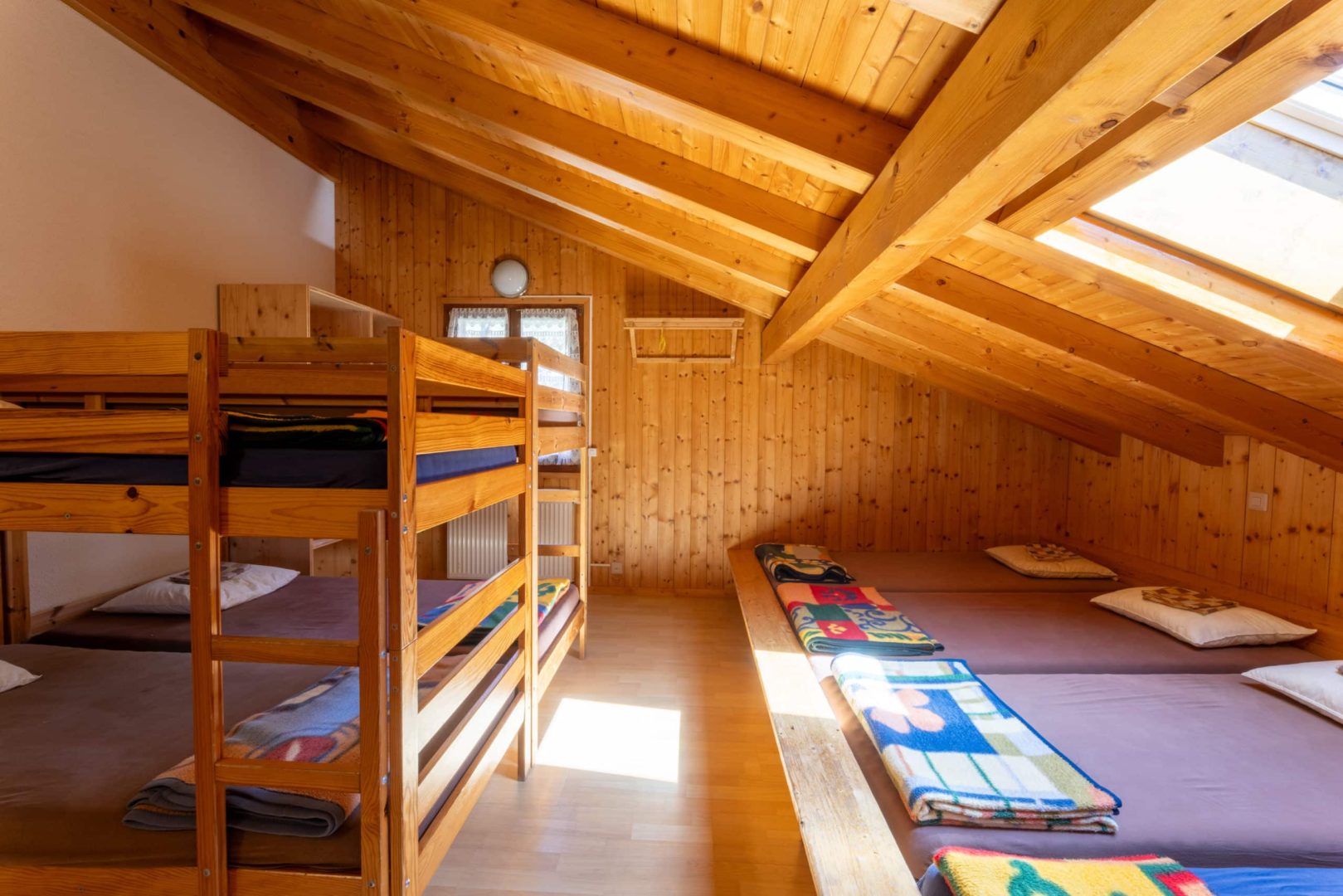
Time blocks vary by intensity and age. Most run 30–120 minutes; skill-learning blocks commonly sit in the 30–90 minute range. Longer, focused blocks (60–90 minutes) let campers dive deep into a task. Shorter slots and transition windows teach quick shifts and reorientation. We post a visible schedule in every cabin — a feature of our residential camp life — so planning becomes a daily habit.
Visualizing a typical day helps campers forecast and switch reliably:
- 07:30–08:00 Wake & cabin tidy (30 min)
- 08:00–08:30 Breakfast (30 min)
- 09:00–10:15 Morning skills session (75 min)
- 10:15–10:30 Transition/snack (15 min)
- 10:30–12:00 Activity block / workshops (90 min)
- 12:00–13:00 Lunch + rest (60 min)
- 13:30–15:00 Afternoon expedition / sport (90 min)
- 15:00–15:30 Snack & reflection huddle (30 min)
- 15:30–17:00 Choice activities / free play (90 min)
- 17:30–18:30 Dinner (60 min)
- 19:00–20:00 Evening program / debrief (60 min)
- 21:30 Lights-out (variable)
That layout mixes longer skill sessions with short reflection and transition slots so campers practice estimating time and switching tasks. Reflection huddles serve two jobs: they consolidate what happened and reinforce future planning. We coach campers to predict how long a task will take before they start, then compare their estimate to reality.
We adjust structure by age. Younger campers typically get 60:40 or 70:30 structured-to-free ratios so adults scaffold transitions. Older teens move closer to 50:50, which forces them to manage time with less prompting. Transition cues make time visible and reduce friction. We use bells or chimes, quick group huddles, posted timetables, laminated countdown cards and time timers at activity stations so children see time passing and learn to act on it.
Practical tools we use
- One visible schedule per cabin: campers check it every morning to forecast the day.
- Time-timers at activity stations: they externalize time and support independent transitions.
- Laminated timetables in common areas: durable, low-tech references that reinforce routine.
- Countdown cards for small groups: hands-on prompts for the last five minutes of a task.
- Short reflection huddles after sessions: three-minute check-ins where campers note what took longer than expected and plan the next step.

Pedagogical methods and outdoor/adventure activities that accelerate time-awareness
Core pedagogical methods we use
Below are the practical techniques we teach explicitly and reinforce through practice:
- Goal-setting: we break days into clear daily and weekly objectives so campers know outcomes before they start. I have campers write one measurable goal each morning and check it at day’s end.
- Backward planning: we train teams to plan from the end time, then schedule backwards to set realistic milestones. This sharpens time estimation exercises and reveals hidden tasks.
- Chunking: larger tasks get split into manageable steps with short deadlines. Chunking reduces cognitive load and speeds execution.
- Prioritization drills: we run fast exercises where campers must rank tasks under time pressure, forcing quick trade-off decisions.
- Simple checklists: we model concise checklists for setups like campsite routines or cooking. Checklists cut rework and anchor responsibility.
- Reflection sessions: every day or every other day we hold debriefs where campers compare estimates to reality, identify delays, and practice contingency planning.
Field activities that impose authentic time constraints
We pair instruction with hands-on exercises that demand real-time decisions. Timed orienteering legs force teams to estimate route times and adjust pace; cooking on schedule teaches synchronous task coordination; campsite setup races reward efficient role assignment; multi-station skill circuits build rapid task-switching; and multi-leg hikes develop expedition planning skills. Timed practice blocks typically run 30–90 minutes for skill work, while expedition legs span roughly 20–120 minutes with contingency margins of about 10–30% built into plans. For safety and effective coordination we keep groups around 6–12 participants per leader.
I use a compact activity template to teach estimation and adaptation. Example: a 60-minute campfire cooking exercise.
- Objective: prepare a simple team meal.
- Materials: stove, cookware, ingredients, water and a cleaning kit.
- Time budget: prep 30 minutes, cook 20 minutes, clean 10 minutes.
Process:
- Estimate time for each step.
- Assign roles and start the clock.
- Execute and adapt when delays occur.
- Debrief — were estimates accurate, what caused delays, and how did the team reprioritize?
That full cycle — plan, act, reflect — accelerates time-awareness far faster than lectures alone.
I often point campers to resources about how outdoor camps reinforce these habits, and I design sessions so goal-setting, backward planning, chunking and reflection sessions become second nature.

Role of staff, mentoring, and peer leadership
We set the tempo for camp life by modeling punctuality and enforcing clear routines every day. Staff carry visible timing responsibilities and coach campers in practical time skills during transitions, meals and activity briefings. Counsellor training emphasizes short, repeatable cues so campers learn to estimate and respect time without nagging.
Roles are explicit and rotated so responsibility spreads naturally. Common assignments include the timekeeper role, schedule lead, logbook manager and team planner. Each role has simple deliverables: start times, check-ins, and a quick handover to the next holder. That repetition turns abstract ideas about time into repeatable habits.
Pre-camp orientation runs one to three days and focuses on routines, safe transitions and coaching techniques for time management. We train staff to use visible schedules, calming transition cues and quick reflective prompts after activities. Safety gets special timing protocols; water activities and technical expeditions require smaller groups and extra safeguards, and staff adjust supervision accordingly.
I use clear supervision targets: roughly a 1:6 ratio for younger campers and 1:8–1:12 for older youth, adjusting by activity risk. Those staff-to-child ratio 1:6–1:12 guidelines make it easier to spot timing gaps and coach on the spot. In higher-risk settings we tighten groups and add checkpoint timing so no one falls behind.
Mentorship and peer leadership amplify adult instruction. Older campers run planning huddles, mentor younger groups on timing tasks and lead post-activity reflections. That peer feedback has two effects: it increases accountability and it makes time management social and immediate. We also embed small leadership tasks—like running warm-ups or announcing transitions—so mentors practice both planning and punctuality. For more on how camps promote responsibility, see our page on how we teach accountability.
I expect staff to measure progress, not just enforce it. We track on-time arrival metrics in simple logbooks and review them at daily debriefs. Quick data lets staff and peer leaders spot patterns, coach specific campers and rotate roles to build competence. That combination of structure, role rotation and mentorship turns punctuality into an earned skill rather than an imposed rule.
Suggested staff training checklist
Use the following checklist during counsellor training to operationalize time practice before and during camp:
- Daily schedule use and posting: standardize boards and digital reminders for every group.
- Transition cue protocols (bells, huddles): define audible and visual cues and practice them.
- Coaching time-estimation techniques: teach simple exercises (estimate, perform, compare).
- Assigning and rotating timekeeper roles: set rotation cadence and handover script.
- Managing and recording on-time arrival metrics: keep a brief logbook entry system.
- Safety ratios and emergency timing protocols: confirm adjusted supervision for water and expeditions.

Measurement — how camps assess time-management gains and how to qualify claims
We at the Young Explorers Club use a mix of simple quantitative and qualitative methods to assess time-management gains. We balance quick, replicable tools with observational checks so results are practical and believable.
Common methods I rely on include daily logs called a time-use diary, brief pre/post self-report scales (five-item surveys work well), staff observational checklists, and behavioural metrics such as on-time arrival rates and task completion rates. Each method captures a different slice of behaviour: self-efficacy shows confidence, diaries capture patterns, checklists document observed routines, and rates quantify outcomes.
I recommend reporting a small set of clear indicators so stakeholders can compare across sessions. Useful indicators are:
- Percentage change in on-time arrivals to activities
- Mean minutes early/late (or mean absolute deviation from planned times)
- Count of successful timed tasks per session (task completion per slot)
Interpretation requires care. Educational literature (e.g., Britton & Tesser; Claessens et al.; Macan et al.) links time-management instruction to better academic and wellbeing outcomes, but effect sizes vary by age, measurement method and program intensity. Camps often report measurable improvements across a 7–14 day residential period in punctuality and task completion, yet it’s more accurate to frame those as program-associated changes rather than definitive causal effects. Participants typically show observable improvements, but results can reflect reactivity to measurement, social-desirability bias in self-reports, or staff expectations.
I advise to combine measures to reduce bias and to report raw and change scores. Train staff on a short observational protocol to improve inter-rater consistency. Note baseline variability — younger campers will show larger absolute swings but smaller proportional gains.
Mini-methods you can replicate
- Run a pre-camp five-item self-efficacy survey that asks campers to rate planning, prioritizing, time-estimating, transitions and punctuality (simple 1–5 scale).
- Keep daily time-use logs for one key activity block (record planned vs actual start/end times). Use those entries to compute on-time arrivals and task completion for that block.
- At camp end compute change scores: mean pre/post difference for the survey, % improvement in on-time arrival rate, and mean minutes early/late change. Report both absolute and percentage changes and note sample size and missing data.
I monitor these simple metrics every session and report them as associated gains with clear caveats. This approach keeps measurement practical, repeatable and useful for program improvement.

Case-study templates and sample activities to include in the post
We, at the young explorers club, offer plug-and-play templates that you can adapt to different ages and goals. Each case-study focuses on clear time blocks, role assignment and short reflection loops so campers learn to estimate, execute and adjust. Below I give ready-to-run outlines and a full activity template you can copy into your schedules.
Ready-to-adapt templates and schedules
Use the following templates as-is or shorten/lengthen segments to match terrain and group energy.
- Scout-week model (ages 10–14): 7 days; group size 8–12; daily time blocks 45–90 min. Mornings run structured skills sessions (45–75 min) and afternoons feature timed expeditions. Assign a rotating timekeeper per cabin and require teams to submit a 5-minute time plan before each expedition.
- Language immersion (ages 12–17): 2-week program with scheduled lessons, conversational sessions and social activities. Emphasize punctuality through role-based timekeeping: conversation host, timer, and feedback scribe. Use short timed warm-ups (15–20 min) to reinforce on-time starts.
- Adventure camp (ages 14–18): multi-day expedition where teams lead planning, timing and contingency decisions. Give teams a fixed daily time budget and a mandatory 10–30% buffer. Require a written contingency plan and time estimates for each leg.
- Full activity template — 60-minute campfire cooking (use this as an exemplar activity template):
- Objective: plan and execute a simple meal while staying within a time budget.
- Materials: cooking kit, fuel, utensils, ingredients, stopwatch.
- Time budget: prep 30 min, cook 20 min, clean 10 min.
- Roles: chef, sous-chef, timekeeper, cleaner.
- Measurement: teams submit estimated times vs actual times; compare gaps.
- Reflection prompts: accuracy of estimates; causes of delay; what they’d change next time.
- Sample day (scout week): a compact, timed daily plan you can paste into rosters. See a full sample day for inspiration: sample day
- 07:30–08:00 Wake & cabin tidy (30 min)
- 08:00–08:30 Breakfast (30 min)
- 09:00–10:15 Knot & shelter skills (75 min)
- 10:30–12:00 Orienteering practice (90 min: 3-leg loop 20/40/30 min)
- 12:00–13:00 Lunch & rest (60 min)
- 13:30–15:00 Expedition leg (timed hike 60–90 min with checkpoints)
- 15:30–16:00 Snack + debrief (30 min)
- 16:00–17:30 Team games / free choice (90 min)
- 18:00–19:00 Dinner (60 min)
- 19:30–20:30 Evening reflection & planning for tomorrow (60 min)
- 21:30 Lights-out
- Timed-orienteering plan (replicable): pre-trip planning (10 min) — leg 1: 20 min — regroup & quick check (5–10 min) — leg 2: 40 min — regroup (10 min) — leg 3: 30 min — full debrief (15–20 min).
- Contingency planning rule: build a 10–30% time buffer into every plan and assign a timekeeper in each team to call adjustments.
- Before/after reflection examples to include in reports:
- Camper pre-camp: “I forget how long things take.”
- Camper post-camp: “Now I can guess how much time I need and get ready earlier.”
- Staff note: By day three, on-time arrivals rose from 62% to 88% for scheduled activities.
I encourage you to copy these templates, run a single day trial, collect the time estimates and run the reflection prompts immediately after activities to cement learning.
Sources
Bundesamt für Statistik (BFS) — Zeitverwendung
Jugend+Sport (J+S) — Startseite
Bundesamt für Sport (BASPO) — Startseite
Britton, B. K., & Tesser, A. — Effects of time-management practices on college grades
OECD — Skills for Social Progress: The Power of Social and Emotional Skills
Schweizer Jugendherbergen (YouthHostel.ch) — Startseite / Angebote für Kinder & Jugend
Pfadi Schweiz — Lagern / Lagerangebote (Informationen für Leitende)