
How To Choose The Best Summer Camp In Switzerland For Your Child
Choose the right Swiss summer camp: match canton & language, prioritise safety, qualified staff and clear language curriculum for best results.
Choosing a summer camp in Switzerland
Choosing a summer camp in Switzerland means matching your child’s age, temperament and language goals to the camp’s canton, instruction language and session length. Day camps usually last one week. Residential sessions run one to two weeks, and some extend to about eight weeks. We’d recommend prioritising verified safety, qualified staff and a clear language curriculum or immersion model. Check transparent fees and logistics. Use a simple scoring rubric to compare finalists objectively.
Key Takeaways
- Match the camp’s canton and instruction language to your child’s goals, noting German, French and Italian regional differences, and pick a session length and format that suit their stamina and independence.
- Verify safety credentials: J+S or equivalent accreditation, Swiss Red Cross first‑aid, canton licences, criminal‑record checks, proper staff‑to‑child ratios and technical certifications.
- For language progress, demand a published curriculum, qualified instructors, small classes (≈6–12) and 10–15 structured contact hours per week for measurable gains.
- Confirm logistics and communication: travel and transfer plans, packing lists, emergency procedures, a pre‑camp call and weekly substantive updates to parents.
- Compare total cost and inclusions line‑by‑line, budget for extras like transfers, rentals and insurance, and apply a weighted rubric (safety, staff, activities, language, cost, location, communication) to choose the best option.
Practical checklists
Safety checklist
- Accreditations: J+S or national equivalents; canton licence if required.
- Medical preparedness: Swiss Red Cross or equivalent first‑aid training for staff; clear medication policies.
- Background checks: Criminal‑record checks for all staff working with children.
- Staffing ratios: Published staff‑to‑child ratios and contingency plans for absences.
- Technical certifications: For activities like climbing, watersports or ropes courses.
Language and teaching
- Curriculum: Ask for a published syllabus or lesson plan describing objectives and outcomes.
- Instructor qualifications: Native or certified language teachers, with experience in immersion teaching.
- Class size: Aim for ≈6–12 students for effective interaction.
- Contact hours: Look for 10–15 structured hours per week of language activity for measurable progress.
Logistics & communication
- Travel plans: Clear arrival/departure logistics, transfer options and costs.
- Packing list: Detailed list including clothing, medication and activity‑specific kit.
- Emergency procedures: Written protocols and local emergency contacts.
- Parent communication: Pre‑camp briefing call and weekly substantive updates (not just photos).
Cost comparison
- Inclusions: Meals, activities, equipment, transfers—check what’s included vs extra.
- Insurance: Confirm liability and medical insurance requirements and options.
- Extras: Budget for rentals, optional trips and incidental expenses.
How to apply a simple scoring rubric
Use a weighted rubric to compare finalists objectively. Assign weights to core categories, score each camp, then calculate weighted totals to rank choices.
- Set weights (example): Safety 25%, Staff 20%, Activities 15%, Language 15%, Cost 10%, Location 10%, Communication 5%.
- Score each camp 1–10 in every category based on evidence (documents, testimonials, inspections).
- Multiply each score by its weight and sum to get a final score.
- Compare finalists and prioritise camps with the highest weighted score and clear, documented safety and language evidence.
If you want, I can help build a ready‑to‑use rubric spreadsheet template or review two to three specific camps and score them together. Tell me which camps you’re considering and any non‑negotiable requirements.
Essential snapshot: timing, languages and session lengths
Switzerland has 26 cantons and four national languages: German, French, Italian and Romansh. German speakers make up roughly 62–63% of the population, French about 23%, Italian around 8% and Romansh under 1%. That language map affects camp availability and the likely immersion experience.
School holidays run late June through August, but exact start and end dates vary by canton. Plan around your child’s local canton calendar to avoid overlap or gaps. Day camps commonly run in one-week blocks; residential camp sessions are most often 1–2 weeks, with some providers offering multi-week options up to about eight weeks. Match session length to your child’s stamina, language goals and travel logistics.
Language immersion matters because the majority of the population is German-speaking and substantial communities speak French and Italian. Choose the instruction language strategically: a camp taught in the target language boosts both confidence and practical use. Check whether activities are conducted in one language or switch between languages during the day. Staff fluency and training make a big difference to learning outcomes and to how comfortable your child will feel.
We, at the Young Explorers Club, recommend you confirm these points before booking — and if you want detailed selection guidance, see our guide to choose the best camp.
Quick canton notes and action checklist
Below are concise notes and concrete checks to run before you commit:
- Zurich (German-speaking): many camps operate in German or German/English. If your child needs English support, ask about bilingual groups.
- Vaud (French-speaking): French-language and French/English camps are common; look for certified language staff if you want measurable progress.
- Ticino (Italian-speaking): expect Italian or Italian/English immersion; bilingual camps often blend everyday activities in both languages.
-
Session length considerations:
- Day camps: typically 1 week — good for testing interest or short stays.
- Residential camps: most common 1–2 weeks — best for social and language immersion.
- Extended stays: up to ~8 weeks at select providers — choose only if your child is ready for longer separation.
-
Essential questions to ask the camp:
- What language(s) are used for instruction and informal activities?
- Is instruction monolingual or bilingual, and how do you schedule language transitions?
- Are staff native speakers or trained language teachers, and how are language levels managed across groups?
- How do you support children who don’t yet speak the camp language?
Use these checks to match the canton, session length and language format to your child’s goals. Keep options flexible and prioritize staff qualifications and the language model over promotional claims.
Safety, accreditation and staff qualifications — essential checks
We verify accreditation and health procedures before recommending a camp. We look specifically for Jugend+Sport (J+S) accreditation on sports programmes and Swiss Red Cross first-aid certification (SRK). We also confirm any required canton-level youth or education office licence for the camp’s location.
We check health and insurance rules early. We confirm Swiss residents are covered by compulsory basic health insurance (LAMal / KVG). We advise international families to arrange travel and medical insurance plus emergency evacuation coverage. We compare camp infectious-disease policies with current FOPH guidance and review the camp’s COVID and general health rules for clarity and enforceability. For quick reference on standards, we link to a camp safety page where we list what to expect: camp safety.
We audit staff qualifications, age-grouping and staffing ratios. We expect typical programme age groups to be labelled mini/junior/teen and split roughly as ages 4–7, 8–11, 12–17. We use recommended staff:child ratios (industry standards) as a baseline:
- ages 4–7: ~1:6–8
- ages 8–11: ~1:8–10
- ages 12+: ~1:10–12
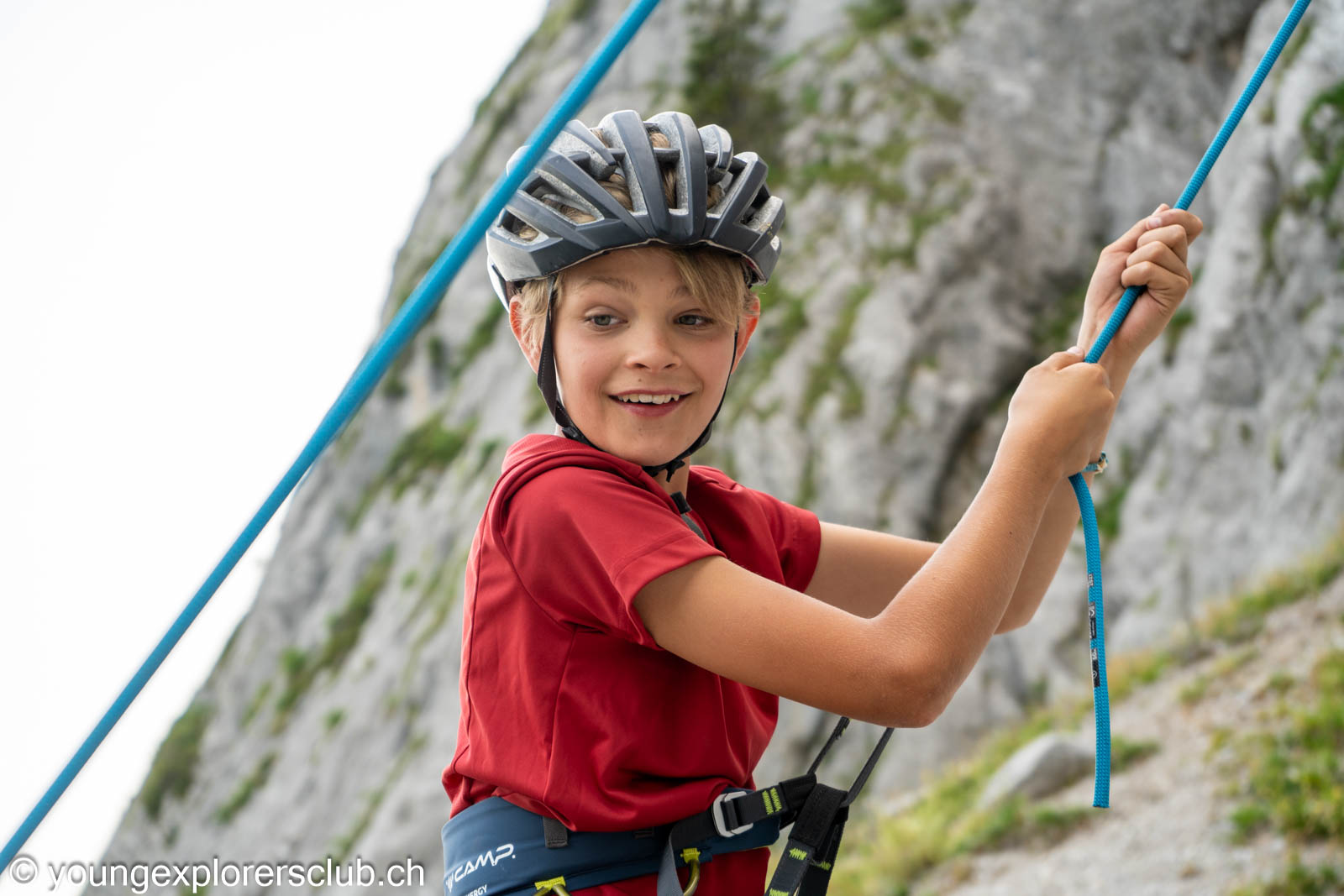
We demand minimum staff vetting and training. We require criminal-record checks, Swiss Red Cross first aid (SRK) or equivalent certification, child safeguarding/child protection training, and specific technical certifications for activities such as ropes, climbing, mountain guiding or water sports. We request documentation of regular refresher training, emergency response drills and a named on-site medical lead.
We insist on written, dated evidence before enrolment. We review sample policies, recent inspection reports and staff qualification lists. We prioritise camps that provide transparent follow-up for incidents, clear chain-of-command for medical emergencies, and an emergency evacuation plan tied to the insurers they accept.
Checklist to request from camps
- Proof of Jugend+Sport (J+S) accreditation for sports-focused programmes.
- Copies of Swiss Red Cross first-aid certificates (SRK) for key staff.
- Canton-level licence or registration where required.
- Evidence of criminal-record checks (Strafregisterauszug / extrait du casier judiciaire).
- Written infectious-disease policy aligned with FOPH guidance and the camp’s specific COVID rules.
- Confirmation of insurance expectations: LAMal / KVG status for Swiss residents; recommended travel/medical and evacuation cover for internationals.
- A roster showing staff names, roles, qualifications and which age groups they supervise.
- Staff:child ratios stated per age group (compare to industry standards).
- Technical certifications for adventure activities and a schedule of refresher training.
- “Ask for proof: criminal-record check (Strafregisterauszug / extrait du casier judiciaire), First Aid (SRK/Swiss Red Cross), J+S accreditation if sports-focused.”

Types of camps, activities and language learning — match to your child
We, at the Young Explorers Club, recommend matching camp format to your child’s age, temperament and goals. Choose a format that supports the level of independence and supervision your child needs.
- Day camps — suit younger kids or families who want daily drop-off and pick-up.
- Residential (sleepaway) camps — build independence and social skills quickly but require more preparation and a readiness check.
- Family camps — keep parents involved; ideal for very young children or multigenerational trips.
- International camps — deliver cultural exposure and often use English as the common language.
- Specialized camps — sports, STEM, arts, adventure, equestrian and watersports focus on skill development and can accelerate progress in a single area.
I prioritize safety and instructor credentials across every format. For climbing, look for UIAA or equivalent certification. For aquatic programmes, confirm lifeguard or water-safety certification. For specialized coaching, ask about coach licenses and experience with youth.
Common activities
Below are the typical activities you’ll find at Swiss camps; use this list to match interests and physical ability.
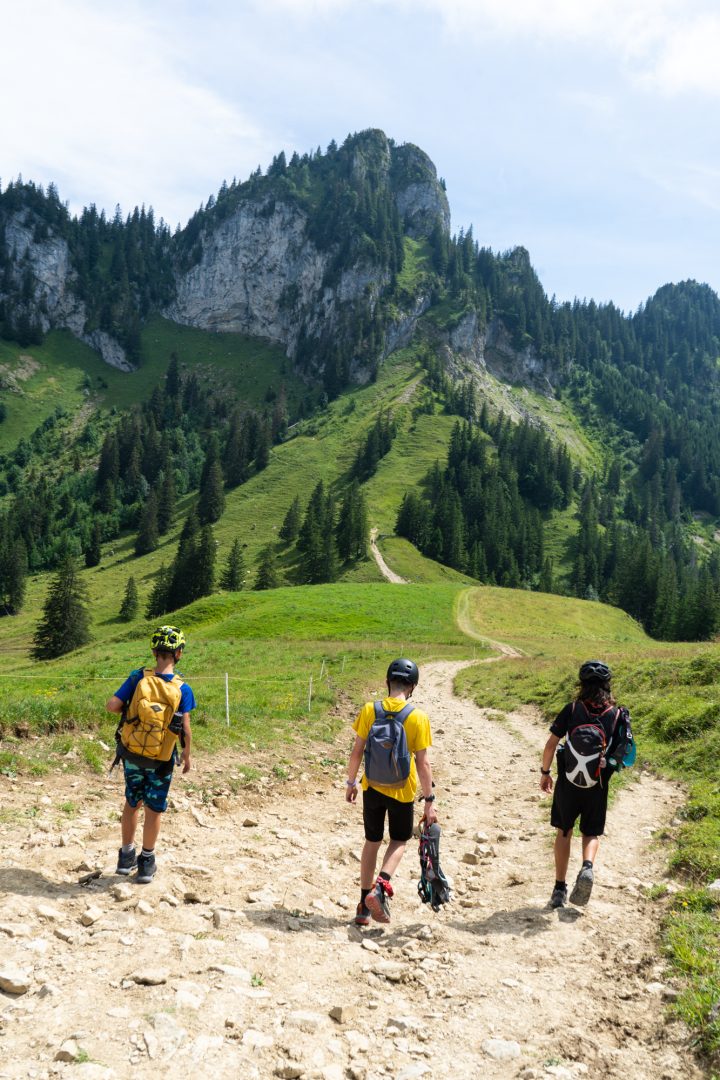
- Hiking — day hikes to alpine meadows or longer treks for older kids.
- Climbing — crag and via ferrata options with certified guides.
- Mountain biking — trail and enduro sessions that scale by skill level.
- Watersports — kayaking and sailing with on-water supervision.
- Ropes courses — low and high elements for confidence building.
- Skiing/snowboarding — summer glacier programmes for technique work.
- Arts & crafts — studio time and project-based learning.
- Theater — performance camps with staged productions.
- Robotics/STEM — hands-on projects and competitions.
- Soccer & tennis — skill clinics and small-sided games.
Language immersion — what actually produces results
Language camps are widespread in Switzerland and are often paired with outdoor activities for daily practice. For measurable gains, seek programmes with a clear curriculum and stated teacher qualifications. Class size matters; groups of roughly 6–12 are typical and allow meaningful speaking time. Ask whether the camp runs pre- and post-assessments to track progress. I recommend at least 10–15 contact hours per week of structured instruction for short-term improvement. Lower-intensity exposure plus constant social use can still boost confidence but yields slower measurable change.
Practical checklist I use when evaluating camps:
- Confirm instructor and lifeguard certifications.
- Verify class sizes and sample daily schedules.
- Request curriculum details and assessment methods.
- Check the balance of free play vs supervised skill sessions.
For a curated list of options and comparisons, see our best summer camps and narrow by activity or language.
https://youtu.be/5n7h0J-X1WI
Location, transport, booking timeline, packing and parent communication
We, at the young explorers club, break choices down by location and logistics so you can match camp type to setting and travel needs. Mountain cantons like Valais, Graubünden and Bern work best for alpine and adventure programs. Lakeside cantons such as Vaud, Geneva and Ticino suit watersports and sailing. Urban options around Zurich and Basel are ideal for day camps and short commutes. If you want help narrowing regions, see choose the best camp.
Transport and on-site logistics
Many camps are reachable by SBB Swiss Federal Railways, and regional buses link smaller stations to camp sites. We advise you to confirm these details with the camp before you book. Ask for station pick-up points, expected travel time, and the number of transfers. Verify whether airport pickups or transfers are offered if you’re arriving from abroad. Camps often publish recommended travel itineraries; use them to test arrival times and buffer for delays. Always confirm whether luggage limits, child supervision at transfer points, and staff escort procedures are included.
Packing essentials (what to bring)
Below are the items we require or strongly recommend parents pack for a Swiss camp stay.
- Layered clothing for warm days and cool evenings.
- Waterproof jacket for rain and wind.
- Sturdy hiking boots and comfortable trainers.
- Water shoes for lakes and river activities.
- Sun protection: hat, high-SPF sunscreen, sunglasses.
- Refillable water bottle and small daypack.
- Waterproof bag for wet clothes and electronics.
- Personal first-aid items and any prescribed medication with instructions.
- Label all items so lost property returns quickly.
Pack duplicates of key items and keep electronics minimal. We recommend a simple list taped inside a suitcase to speed inspections at drop-off.
We, at the young explorers club, also advise checking the camp’s detailed packing list; regional differences (altitude, lake vs. mountain) change priorities. For example, alpine camps need stronger boots while lakeside camps need snorkel-friendly footwear.
Booking timeline, cancellation and parent communication
I recommend you book early. Aim to book 3–9 months ahead to secure preferred weeks and cabins. Many popular programs fill quickly — some by January–March — so don’t wait if dates matter. Look for early-bird discount offers and confirm any deposit required and its deadline. Read the refund policy carefully. Compare cancellation rules and consider camp cancellation insurance if your plans might change.
Confirm communication protocols before drop-off. We expect daily logistics to be handled clearly and prefer at least one substantive update each week. State your expectation early with the camp: “I expect at least one full update per week and immediate contact for injuries requiring medical attention.” Ask whether updates come as daily reports, weekly newsletters, photo galleries (with privacy controls), or via a secure parent portal. Verify emergency contact procedures and after-hours escalation steps. Get names and mobile numbers for the camp director and medical lead, and confirm who will authorize medical treatment if needed.
We suggest scheduling a pre-camp call to run through travel plans, medication, dietary needs and communication norms. Keep contact info current during the camp. That keeps everyone calm and lets kids focus on activities.
Price, budgeting and financial assistance
We, at the young explorers club, split costs into two simple buckets so you can compare offers quickly. Day camps typically run about CHF 150–450 per week, while residential stays range from CHF 600 to CHF 2,500+ per week depending on boarding level, location and programme intensity — international residential camps sit at the premium end.
Hidden extras are where budgets blow up fast. Travel and airport transfers, equipment rentals, insurance, activity-specific fees, deposits and late pickup charges all add up. Before booking ask for a full fee schedule stating exactly what is included (meals, excursions, equipment) and the refund/cancellation policy. I also advise asking whether taxes, VAT or tourist fees are already part of the headline price.
We push families to ask about discounts and flexible payment options. Many camps offer a sibling discount (typically 5–15%) and some accept staged payments or card instalments. For families in genuine financial need, check eligibility for Pro Juventute financial aid and local cantonal youth funds; these programmes sometimes provide subsidies or grants that cover part or all of camp fees. Apply early — some funds need several weeks for approval.
I recommend comparing the per-week cost and the “what’s included” line by line. A higher sticker price can be cheaper overall if it covers transfers, all activities and meals. Conversely, a low weekly rate that skips equipment and excursions will add hidden costs.
For a detailed breakdown you can review our price guide to see how packages and extras typically affect the final bill.
Budget checklist
Below are the items I always check before committing to a camp:
- Confirm inclusions: meals, bedtime supervision, excursions, and equipment.
- Travel and transfers: budget for flights, trains and airport pickups.
- Activity fees: specialist sessions (climbing, horse riding, watersports) may cost extra.
- Equipment rentals: water gear, bikes or technical kit are often charged separately.
- Insurance: travel, accident and cancellation insurance — factor the premium.
- Deposits and payment schedule: note non-refundable deposits and instalment deadlines.
- Cancellation policy: check timelines for partial or full refunds.
- Discounts and payment plans: ask explicitly about sibling discounts (5–15%) and instalments.
- Financial aid options: contact Pro Juventute financial aid and your cantonal youth fund early.
- Deadlines and administrative fees: late registration or late pickup fees can be steep.

How to compare camps, special needs, sample questions and final checklist
We score finalists across seven categories and suggest these weightings so choices stay objective and repeatable. Safety and accreditation carry the most weight at 25%. Staff qualifications and child ratios follow at 20%. Activities and fit with your child’s interests get 15%. Language and educational quality account for 10%. Cost, value and fee transparency are 10%. Location and logistics are 10%. Parent communication and reputation complete the rubric with 10%. Use these percentages to produce a simple total score for each camp and compare finalists side‑by‑side.
If you want a step‑by‑step framework to pick, see our guide on how to choose the best summer camp.
Special needs and medical care
We confirm written care plans before we book. Ask camps to provide a signed, specific plan that lists symptoms, triggers, medications, emergency steps and who’s authorized to administer drugs. Verify that staff have training for allergies, asthma and diabetes. Request details on medication administration protocols: locked medication storage, written logs, and who will give doses during activities and trips.
We insist on knowing whether an on‑site nurse or medic is present and what hours they cover. Get the camp’s emergency and evacuation procedure in writing and compare it to local emergency services response times. Keep copies of all safety and medical policies in your files and on your phone. Contact at least two parent references and save their written answers. Finally, obtain written confirmation for any special‑needs accommodations and store that confirmation with your child’s medical forms.
Copy-and-send parent questions and final checklist
Use the following questions verbatim when you contact camps — paste and send exactly as listed to get clear, comparable answers:
- What certifications do staff hold? (criminal record check, first aid, technical qualifications)
- What is your staff:child ratio for my child’s age group?
- What exactly is included in the fee? What are extra costs?
- Describe the daily schedule and a sample weekend/overnight trip.
- What is your medical policy and how are medications administered?
- How do you handle allergies, dietary restrictions, and special needs?
- What is the emergency/evacuation procedure?
- Can you provide references from parents of children in my child’s age group?
Before you commit, tick off these must‑haves and reminders:
- Accreditation verified and displayed.
- Clear, accessible safety policy with incident reporting.
- Acceptable staff:child ratios for the relevant age group.
- Full cost transparency including extras and refundable items.
- Activities that align with your child’s interests and energy level.
- Reliable parent communication plan (daily contact, incident alerts, trip updates).
- Contact at least two parent references and keep their responses.
- Written confirmation for any special‑needs accommodations.
- Keep copies of all safety and medical policies and your child’s care plan.
- Book 3–9 months ahead for peak sessions and best availability.
We recommend scoring each finalist against the rubric, logging written answers from camps, and confirming special‑needs arrangements in writing before you pay.

Sources
Swiss Federal Statistical Office — Population and languages in Switzerland
Federal Office of Public Health (FOPH) — Vaccination recommendations and public health guidance
Swiss Red Cross — First Aid courses and child safety
Pro Juventute — Support for children & families (including financial assistance)
MySwitzerland / Switzerland Tourism — Family activities and summer holidays in Switzerland
Swiss Federal Railways (SBB) — Travel information and group travel options
American Camp Association (ACA) — Camp industry research and recommended standards
ch.ch — School holidays in Switzerland
ch.ch — Health insurance in Switzerland (LAMal / KVG)
Federal Office of Public Health (FOPH) — COVID-19 guidance and infectious-disease recommendations