How to Make Friends at Camp: Tips for Kids and Teens
Learn how to make friends at camp with simple, effective tips that boost your confidence and help you connect easily with others.
TL;DR:
- Starting camp feeling unfamiliar can be overcome by making small, friendly gestures like smiling and introducing yourself. Bringing shareable items and preparing easy conversation starters help build connections quickly, even with shy campers. Consistently engaging in activities and staying in touch after camp foster lasting friendships beyond the summer.
Starting camp without knowing anyone can feel like walking into a room where everyone already has their group. Learning how to make friends at camp is one of the most valuable skills you’ll practice all summer, and the good news is it’s more about small actions than big, bold moves. You don’t need to be the loudest person in the cabin or have some secret trick. You just need a few smart strategies, a little courage, and the willingness to try. This guide gives you exactly that.
Table of Contents
- Key takeaways
- How to make friends at camp before you even arrive
- First-day actions that actually work
- Dealing with the hard parts of making new friends
- Building stronger bonds and keeping them after camp
- My honest take on camp friendships
- Ready to put these tips to the test?
- FAQ
Key takeaways
| Point | Details |
|---|---|
| Start with small moves | A smile and a simple “hi” are enough to open doors with new campers. |
| Pack social tools | Bring sharable items like card games or snacks to naturally break the ice. |
| Don’t wait to be approached | Taking the first small step speeds up friendship by days. |
| Friendship takes time | It takes 40 to 60 hours of shared time to move from stranger to casual friend. |
| Stay connected after camp | Exchange contact info early and keep in touch once camp ends. |
How to make friends at camp before you even arrive
Most people think friendship starts when you get to camp. It actually starts before you pack your bag. The mindset and items you bring with you set the tone for your first 48 hours, and those first two days matter more than most people realize.
Pack social tools, not just personal gear. Small sharable items like glow sticks, card games, or a fun deck of Uno cards act like magnets in a cabin. When you pull one out, people naturally lean in and ask to play. Bring a few extra snacks you’re happy to share too. It sounds simple, but offering someone a piece of gum or a granola bar is one of the easiest ways to start a conversation.
Prepare a few conversation starters ahead of time. You don’t need a script, but having two or three easy questions in your head helps when your brain goes blank. Think: “What’s your favorite thing to do at camp?” or “Where are you from?” or “Have you been here before?” These questions work because they’re low-pressure and open-ended, which means the other person can answer in a lot of ways.
Here are some items worth adding to your packing list specifically for making friends:
- A small card game (Uno, Taco Cat Goat Cheese Pizza, or similar)
- Glow sticks for nighttime activities or cabin fun
- A few extra snacks in resealable bags
- A small notebook or your phone to exchange contact info
- Earbuds you can offer to share while listening to music
Pro Tip: Write down three questions you feel comfortable asking before you leave home. Knowing them by heart means you’ll use them naturally instead of freezing up when you meet someone new.
Adopt a friendly, open attitude before you even get on the bus. Making friends at camp starts with deciding you’re going to try, even if it feels a little awkward. Awkward is fine. Awkward is normal. Most other campers feel the exact same way.
| Preparation item | Why it helps |
|---|---|
| Card games or small toys | Gives you a reason to invite others to join you |
| Conversation starter questions | Reduces anxiety when meeting new people |
| Extra snacks to share | Creates an immediate friendly gesture |
| Contact info method | Lets you connect with new friends after camp ends |
First-day actions that actually work
Day one at camp is noisy, exciting, and a little overwhelming. Here’s the thing: everyone is looking for connection at the same time. That means you have a huge window right at the start.
1. Introduce yourself within the first hour. You don’t need to approach the whole cabin at once. Just walk up to one person nearby, make eye contact, smile, and say your name. A genuine smile and a quick introduction are genuinely all it takes to open a connection. Most people respond warmly when someone takes that first step.
2. Look for someone who seems open or alone. Scan the room. Is there someone sitting by themselves or looking around like they’re not sure what to do? That person is probably feeling exactly what you feel. Walk over. It takes about five seconds of bravery, and it can start a friendship that lasts way beyond camp.
3. Join group activities even when you feel shy. Joining group activities and staying off your phone gives you shared moments to talk about afterward. “That was wild, right?” is a perfectly fine conversation starter after a team game.
4. Ask open-ended questions and actually listen. Instead of asking yes or no questions, ask things that invite stories. “What’s been the most fun thing you’ve done at camp?” will get a much better conversation going than “Do you like camp?”
5. Offer to share something. Pull out that card game. Offer a snack. Ask if they want to walk to the next activity together. These small, friendly gestures create little bids of trust that build friendship over time.
6. Sit with different people at meals. Meals are one of the best friendship activities for camp because they’re relaxed and regular. Don’t sit in the same spot every time. Move around, meet different people, and let conversations happen naturally.
Pro Tip: If you feel nervous about talking to a whole group, find one person on the edge of the group and start there. One real connection is worth more than ten surface-level hi’s.
Dealing with the hard parts of making new friends
Not every friendship clicks on day one. That’s not a sign something is wrong. It just means you need a bit more time, and here’s what you can do about it.
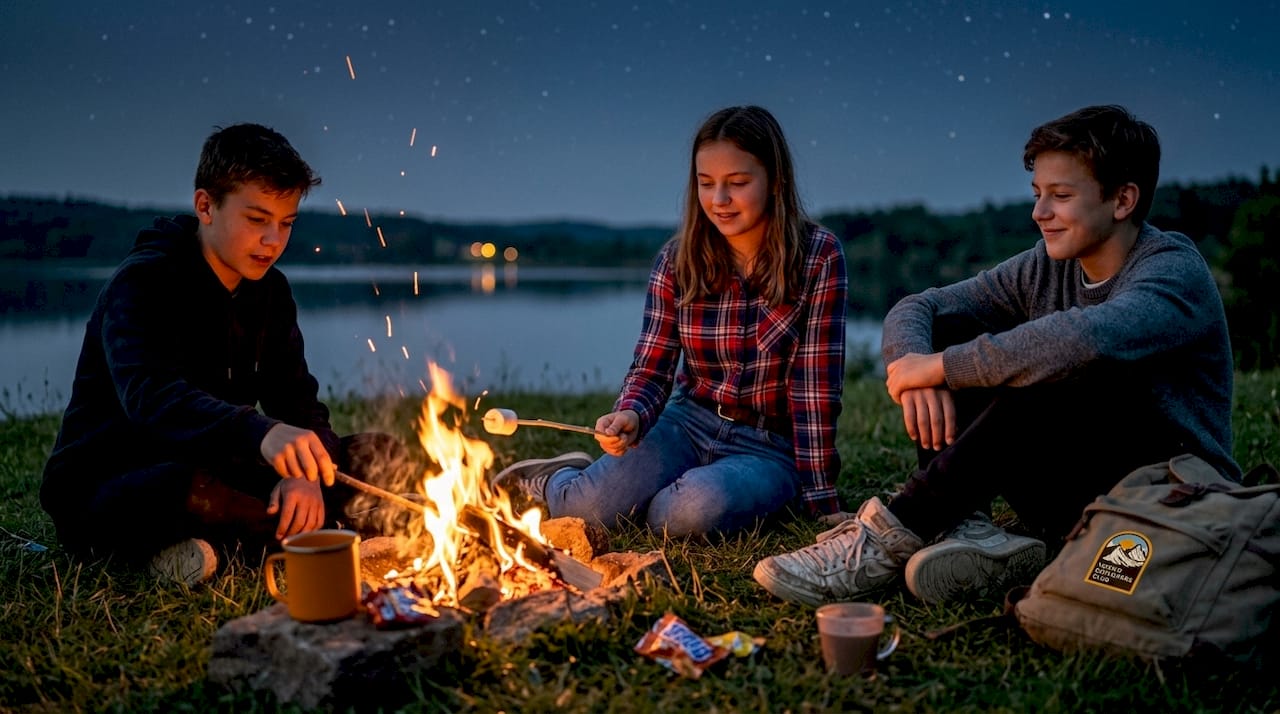
The biggest mistake campers make is waiting for someone else to start the friendship. Waiting for others to come to you slows the whole process down. Low-stakes moves like asking to walk together, sitting nearby, or saying hi again the next morning add up fast. You don’t need a big moment. You just need to keep showing up.
Homesickness can make the first few days feel even harder. When you’re missing home, making friends feels like the last thing you want to do. The counterintuitive truth is that getting more involved, not less, is what actually helps. The more time you spend in activities and with other campers, the less space there is for homesickness to take over.
Here’s what to remind yourself when things feel slow:
- It’s completely normal to take a few days to feel comfortable.
- Introversion is not a barrier to friendship. You don’t need to be the life of the party.
- Friendships build from repeated small moments, not one perfect conversation.
- Other campers are nervous too, even if they don’t show it.
- You can learn more about starting conversations as a shy camper if you need specific ideas.
“Friendship at camp is a process of small, brave moves repeated over time. It’s normal to take days to feel fully comfortable. Keep saying hi, keep showing up, and the connections will come.” — camp counselor advice from experienced camp staff
The shared environment at camp actually works in your favor. Sharing tight quarters and outdoor spaces speeds up how quickly people let their guard down and feel real around each other. That thing that feels uncomfortable at first, like being around people all day, is exactly what makes camp friendships so strong.
Building stronger bonds and keeping them after camp
Getting to a first conversation is step one. Turning that into a real friendship takes a bit more, but it’s not complicated.
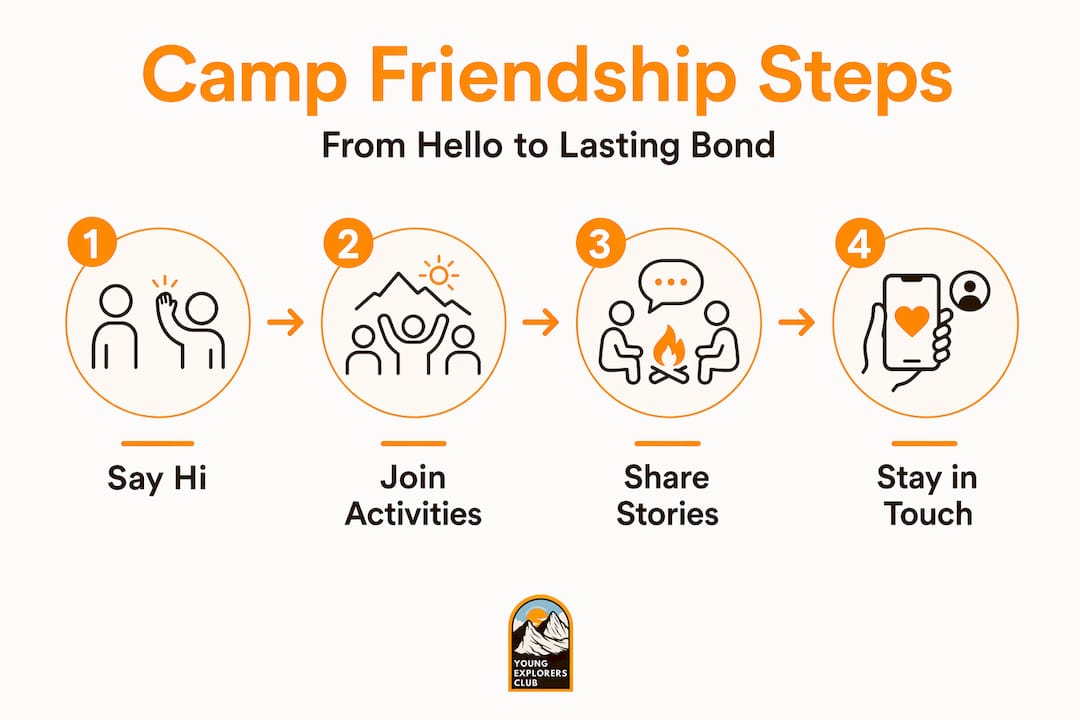
The science is straightforward: repeated contact over time predicts closeness more than any single deep talk. So the goal is consistency. See the same people at activities. Eat with them again. Remember something they told you and bring it up the next day. That kind of attention tells someone you actually care about them.
Here’s what to do to deepen friendships during your stay:
- Say yes to shared activities and downtime with people you like.
- Use team challenges and outdoor adventures as bonding time.
- Share stories, jokes, and your real personality. Authenticity moves friendships forward faster than trying to seem cool.
- Exchange contact info early, not on the last night when everything is rushed.
Keeping up with camp friends once you’re home is where most people drop the ball. Don’t let that happen. Plan to send a message within a day or two of leaving camp. Even a short “that was so fun, glad we met” is enough to keep the connection alive.
| During camp | After camp |
|---|---|
| Join shared activities | Send a message within two days |
| Sit with the same people multiple times | Follow each other on social platforms |
| Exchange contact info early | Plan a meetup if possible |
| Be reliable and show up | Keep in touch through regular check-ins |
For more on keeping those connections going, read about staying in touch with camp friends once the summer ends.
My honest take on camp friendships
I’ve seen hundreds of campers walk through the gates convinced they’ll never connect with anyone. And I’ve watched those same kids leave a week later with friendships that genuinely changed them.
What I’ve learned is that the campers who struggle most are usually the ones waiting for a “moment.” They want one perfect conversation that makes everything click. It doesn’t work that way. The kids who make the most friends are the ones doing the same small things over and over: saying hi, offering to share, showing up, remembering a name.
Introverts often become the most deeply connected campers by the end. They start slower, but they go deeper. And the outdoor camp environment accelerates all of this. You can’t fake it when you’re tired from a hike or genuinely scared on a climbing wall. That’s when real friendships form. Not at the party. In the moments in between.
My advice: give yourself permission to be awkward. Stop waiting to feel ready. The campers who make friends fastest aren’t the most confident ones. They’re just the ones willing to feel a little uncomfortable and say hi anyway.
— Guillem
Ready to put these tips to the test?
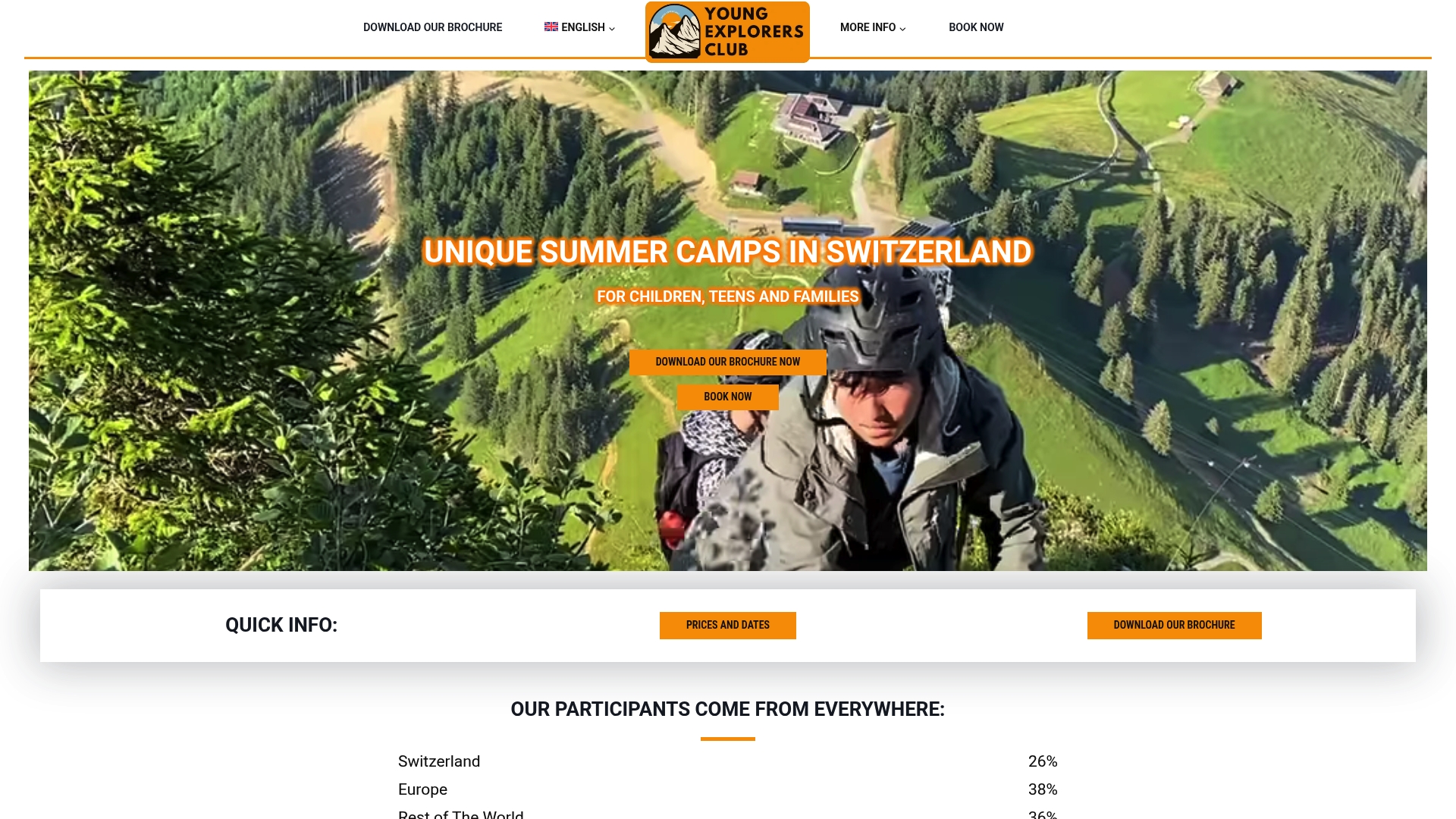
Youngexplorersclub runs international summer camps in Switzerland where making new friends isn’t just possible, it’s practically built into every activity. Campers from over 30 countries come together for mountain biking, climbing, survival skills, and more, which means you get real opportunities to connect with people from around the world. The global camp community here is designed to make every camper feel like they belong from day one. Counselors are trained to help shy and nervous campers find their footing socially.
Visit Youngexplorersclub to explore camp options, browse activities, and find out how to register for a summer that changes how you think about friendship.
FAQ
What is the easiest way to start a conversation at camp?
The easiest way is to ask a simple question about something you’re both experiencing, like “Have you done this activity before?” A smile and your name are all the introduction you need.
How long does it take to make real friends at camp?
Research shows it takes 40 to 60 hours of shared time to move from acquaintance to casual friend. At camp, where you’re together all day, that can happen in under a week.
What if I’m shy and find it hard to approach people?
Introversion is not a barrier to camp friendships. Starting with one person rather than a group, asking simple questions, and bringing something sharable are all low-pressure ways to connect.
What should I bring to help make friends at camp?
Pack small sharable items like card games, glow sticks, and extra snacks. These give you a natural reason to invite others to join you and immediately create friendly interactions.
How do I keep camp friends after the summer ends?
Exchange contact info before the last day and send a message within 48 hours of leaving. Regular check-ins and following each other on social platforms help maintain camp friendships long after summer ends.
Recommended
- How To Help Your Child Make Friends Quickly At Camp | Young Explorers Club Switzerland
- How Camps Encourage Healthy Peer Relationships | Young Explorers Club Switzerland
- Why Teamwork In Camps Boosts Confidence And Growth
- How Outdoor Camps Help Kids Make Real Friends | Young Explorers Club Switzerland