International Summer Camp In Switzerland: A Global Community
Swiss international summer camps — language immersion, outdoor adventure & certified programs for ages 8–18. Young Explorers Club.
International summer camps in Switzerland
International summer camps in Switzerland bring together large global cohorts—often 25–60 nationalities—in multilingual alpine settings. Sessions usually run 1–4 weeks, with two-week options the most common. Camps serve children roughly 8–18 and host groups from about 40 up to 400+ participants. Staff-to-student ratios typically fall between 1:4 and 1:12. Programs mix language immersion, outdoor and adventure, sports, arts, STEM and leadership tracks. Providers measure results with pre/post CEFR gains, certified awards like RYA, skill logs and documented instruction hours. All programs follow strict safety and accreditation standards. We are the Young Explorers Club, and we assess key features and give practical advice.
Key Takeaways
- Typical program norms: Sessions run 1–4 weeks (two weeks most common), ages 8–18, cohorts about 40–400+, staff:student ratios ~1:4–1:12.
- Measurable outcomes: Pre/post CEFR testing for language, skill logs, certificates (RYA, challenge awards), project deliverables and leadership rubrics.
- Costs and inclusions: Day camps CHF 150–500/week; residential CHF 1,000–4,000/week; premium academies much higher; most camps include accommodation, meals, activities, excursions, insurance and airport pickup, with extra charges for add-ons.
- Locations and logistics: Major gateways Geneva/Zurich/Basel with typical transfers (e.g., Geneva–Montreux 1–1.5h, Geneva/Zurich–Interlaken 2–3h); altitude affects packing, UV and acclimatization.
- Safety and quality markers: Background checks, first‑aid and child‑safeguarding training, certified mountain/water instructors, on-site medical staff and written emergency procedures are standard requirements.
Program norms
Duration, ages and cohort size
Most camps run 1–4 week sessions, with the two-week option being the most common. Programs typically accept children aged 8–18. Cohort sizes range from about 40 participants to 400+, depending on the provider and campus.
Staffing and program mix
Expect staff-to-student ratios of around 1:4–1:12. Program tracks usually include a blend of language immersion, outdoor/adventure, sports, arts, STEM and leadership modules, allowing tailored choices for different interests and skill levels.
Measurable outcomes
Reputable providers document learning and progression. Typical measures include:
- Pre/post CEFR testing for language progress.
- Skill logs and documented instruction hours.
- Certified awards (for example, RYA sailing certifications or national challenge awards).
- Project deliverables and leadership rubrics assessed by staff.
Costs and inclusions
Costs vary widely by format and level:
- Day camps: CHF 150–500/week.
- Residential camps: CHF 1,000–4,000/week.
- Premium academies and bespoke programs can be significantly higher.
Most fees include accommodation, meals, planned activities, excursions, basic insurance and airport pickup. Expect extra charges for add-ons such as private lessons, specialist equipment rental, extended insurance, or bespoke excursions.
Locations and logistics
Primary gateways are Geneva, Zurich and Basel. Typical transfer times by road/rail:
- Geneva–Montreux: ~1–1.5 hours.
- Geneva/Zurich–Interlaken: ~2–3 hours.
Altitude and alpine weather affect packing and acclimatization. Important considerations include UV protection, layered clothing, and time for campers to adjust to higher elevation to avoid altitude-related issues.
Safety and quality markers
Look for these minimum standards when assessing providers:
- Background checks and vetting for all staff.
- First-aid and child-safeguarding training for personnel.
- Certified mountain and water instructors where relevant (e.g., RYA for sailing).
- On-site medical staff or rapid access to medical services.
- Written emergency procedures, clear incident reporting and parent communication protocols.
- Accreditations and third-party audits where available.
Practical advice from Young Explorers Club
- Choose length and intensity based on your child’s prior experience and resilience — shorter stays suit first-timers.
- Verify measurable outcomes: request sample CEFR reports, certificates and sample skill logs.
- Confirm inclusions and ask for an itemized list of likely extras (equipment, excursions, travel insurance).
- Check safety paperwork: staff vetting, qualifications, medical cover and emergency plans.
- Plan logistics around major gateways and realistic transfer times; allow buffer time for travel delays.
- Packing: emphasize UV protection, layered clothing for alpine weather and any specialist kit recommended by the camp.
About Young Explorers Club
The Young Explorers Club assesses camps based on program quality, measurable outcomes, safety standards and logistical practicality. We provide families with straightforward comparisons and practical recommendations so they can choose the right international summer camp with confidence.
https://youtu.be/2po0j_UFi_I
Quick Facts: Snapshot of International Summer Camps in Switzerland
We, at the young explorers club, collect the essential numbers families ask for so planning stays simple. I’ll keep entries short and practical to help you compare options fast.
Key facts at a glance
Here are the main figures and program norms you’ll see across Swiss international camps:
- Country basics: population ~8.7–8.8 million; four official languages (German, French, Italian, Romansh); currency = Swiss franc (CHF); area ≈ 41,285 km².
- Typical program lengths: 1–4 weeks (most common: 2 weeks); some elite programs 4–8 weeks; seasonal academies up to 8–12 weeks — these are the typical lengths you’ll encounter, but check each camp page for exact dates.
- Typical age range: 8–18 years old, with many teen leadership or academic tracks focused on 13–18.
- Typical cohort sizes: small camps 40–80 participants, medium 80–200, large international camps 200–400+.
- Staff-to-student ratios: generally 1:4 to 1:12; many reputable residential camps advertise 1:6–1:8.
- Language immersion: regional language zones (German, French, Italian, Romansh) create very strong immersion environments for language programs.
- Practical note: CHF pricing, travel within a compact country, and regional language contexts all affect logistics and program fit.
I encourage families to review program pages for exact session lengths and dates. For a broader overview of offerings and how camps form a global community, see our page on international summer camps.
We recommend prioritizing staff ratios and cohort size based on your child’s needs. Smaller groups fit kids who thrive with close supervision. Larger cohorts are better for kids who want a big international social scene. We also suggest picking a language region if immersion is a major goal.

What Programs Offer: Types, Typical Daily Schedules and Measurable Outcomes
We, at the Young Explorers Club, run a wide range of program types that mix languages, skills and outdoor experiences. Our menus let families combine strengths — for example English plus afternoon climbing or STEM with leadership labs.
Program categories
Below are the main program types I offer, with a short note on what each delivers:
- Language immersion (English, French, German): intensive lessons plus social practice in activities; we use pre/post CEFR placement tests to measure gains.
- Adventure/outdoor: hiking, climbing, via ferrata with skill logs and climbing-grade progression.
- Sports: tennis, sailing, waterskiing — sailing tracks lead to RYA sailing certificates.
- Arts & music: rock bands, classical ensembles, digital media projects with public showings.
- Academics & university prep: STEM, robotics and coding with project deliverables and challenge certificates.
- Leadership & Model UN: workshops, mock sessions and leadership rubrics for measurable growth.
- Specialist academies: mountain/ski, equestrian, hospitality & culinary, each with skill assessments and certificates.
- Service & community projects: documented hours and project impact reports.
Please review our options and combination formats on our international summer camps page for program pairings and examples.
Typical daily schedules and measurable outcomes
A representative residential day runs tight and balanced. Breakfast is 08:00. Morning instruction or lessons start 09:00 and run to 12:00. Lunch is 12:30. Afternoons hold activities or excursions from 14:00–17:00. Evenings include workshops or free time 18:30–21:00 and lights out at 22:00.
For language immersion I recommend 15–20 hours/week of English instruction; camps frequently schedule 09:00–12:00 daily and add afternoon practice. Camps use pre/post language assessment (CEFR placement tests) to document measurable movement; an intensive 2‑week program typically shows about 0.5–1 CEFR sub-level change. We log documented hours, show CEFR score change and keep an activity skill log for each camper.
A sample Language + Adventure week looks like this:
- 15–20 hours of language lessons (09:00–12:00 daily)
- 8–12 hours of outdoor adventure (afternoons/excursions)
- Pre/post CEFR testing and an activity progress record
STEM + Leadership weeks shift focus to project-based assessment. Mornings hold STEM modules (09:00–12:00, 15–18 hours/week). Afternoons are leadership workshops and team projects (14:00–17:00). Evenings run Model UN or mock leadership sessions (18:30–20:30). Measurable outcomes include project deliverables, leadership rubric scores and certificates (for example robotics-challenge completion). We document supervised instruction hours and supply certificates of completion.
I insist on clear, measurable outcomes: CEFR movement, RYA or other formal certificates, climbing-grade logs, leadership rubrics and documented instruction hours. Those metrics let families compare programs and track real progress.

Costs, What’s Typically Included and How to Compare Programs
We, at the Young Explorers Club, present clear price ranges so families can budget accurately. Day camps typically run CHF 150–500 per week. Residential or sleepaway camps generally cost CHF 1,000–4,000 per week. Premium or specialized academies usually sit at CHF 3,000–10,000+ per week, with multi-week residential academies often CHF 8,000–25,000+.
Verify these typical inclusions before you book. Most reputable Swiss camps will include:
- Accommodation
- Three meals per day
- Program activities and equipment
- Local excursions
- Travel insurance
- Airport pickup
- Visa support
- Language learning materials and a final certificate
Expect common add-ons that raise the final cost:
- Private lessons
- Enhanced medical services
- Off-site excursions
- International flights
- Extended insurance
Ask for exact pricing on each add-on. We always recommend getting itemized quotes so hidden fees don’t surprise you.
Swiss residential camps frequently cost more than UK and US equivalents because of accommodation standards and alpine resources. Factor that into comparisons and remember a higher price can reflect smaller cohorts, higher staff ratios, and more specialized equipment.
Data-driven checklist to compare programs
Use the checklist below to compare programs numerically. Fill in each numeric field from the brochure.
- Price per week (CHF):
- Cohort size:
- Staff-to-student ratio (staff:student):
- Number of nationalities per cohort:
- Hours of instruction per week:
- Number of excursions (per program):
- Accreditation status:
- Medical staffing level (on-site nurse/doctor; hours per day):
Copy and fill this sample comparison format into a spreadsheet for side-by-side evaluation:
Camp name | Location | Price/week (CHF) | Program length | Ages | Staff:student | Nationalities represented | Accreditation
Practical comparison tips I use when evaluating camps
- Divide price by hours of instruction to see instructional value.
- Check staff:student; a 1:6 ratio is very different from 1:12.
- Look at nationalities represented—diversity affects social learning and language practice.
- Verify accreditation and local licensing; they reduce risk.
- Confirm medical staffing level and emergency procedures in writing.
- Ask whether the quoted price includes airport pickup and travel insurance; if not, add those costs to your budget.
I also recommend reviewing mission-aligned extras. If language immersion is your priority, prioritize hours of instruction and small language groups. If outdoor sports matter, inspect equipment lists and rescue/guide qualifications.
For more on why parents choose Swiss stays and how they shape global connections, read our page on international summer camps.
Locations, Geography and Travel Logistics
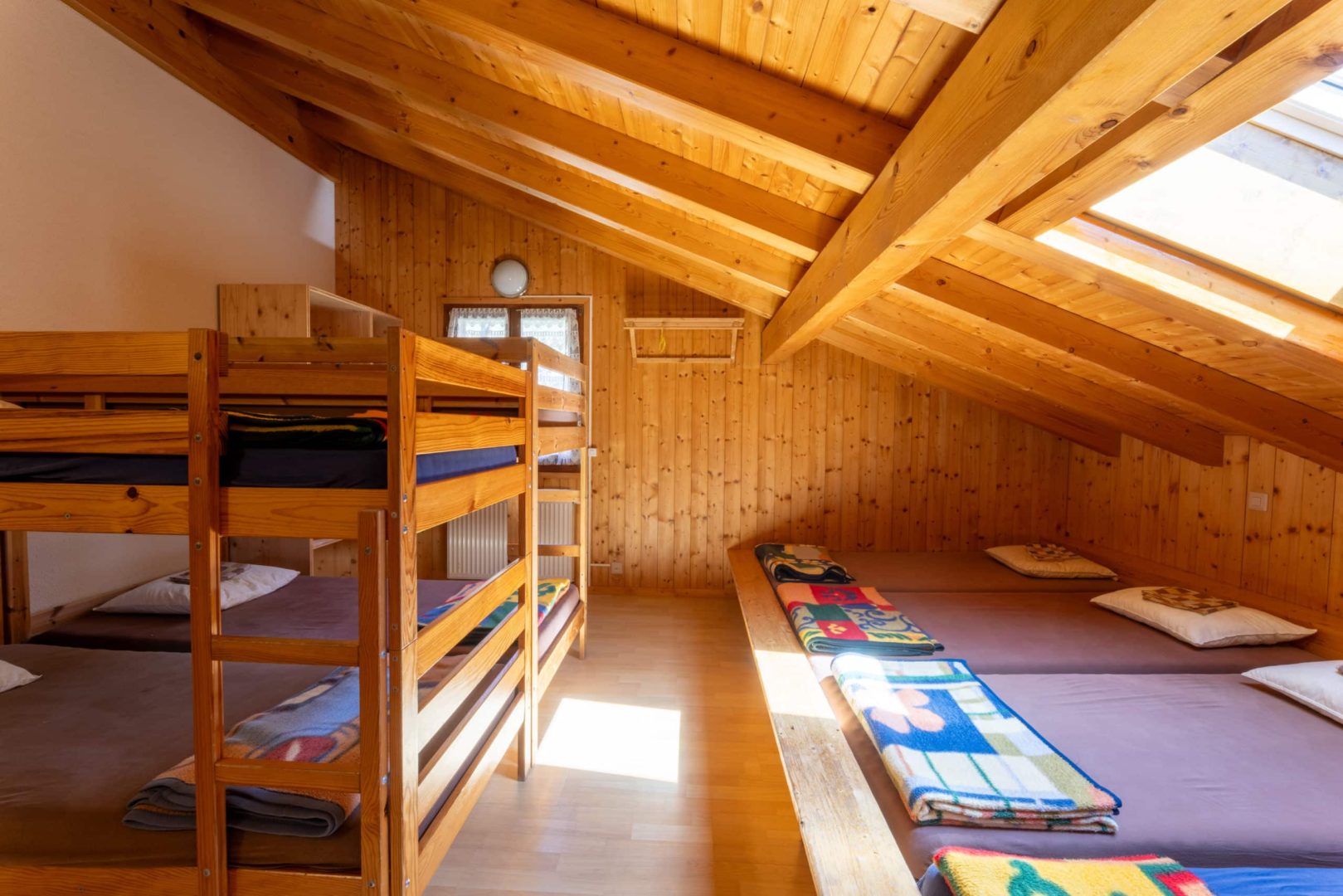
We, at the Young Explorers Club, operate camps across Switzerland‘s most scenic regions and plan logistics with parents in mind. Locations include Montreux and Vevey on Lake Geneva, Interlaken in the Bernese Oberland, Zermatt/Valais, Verbier, Davos in Graubünden, Lucerne, the Zurich region and Geneva. You’ll get lakeside days, alpine ridges and high-mountain villages within short travel times.
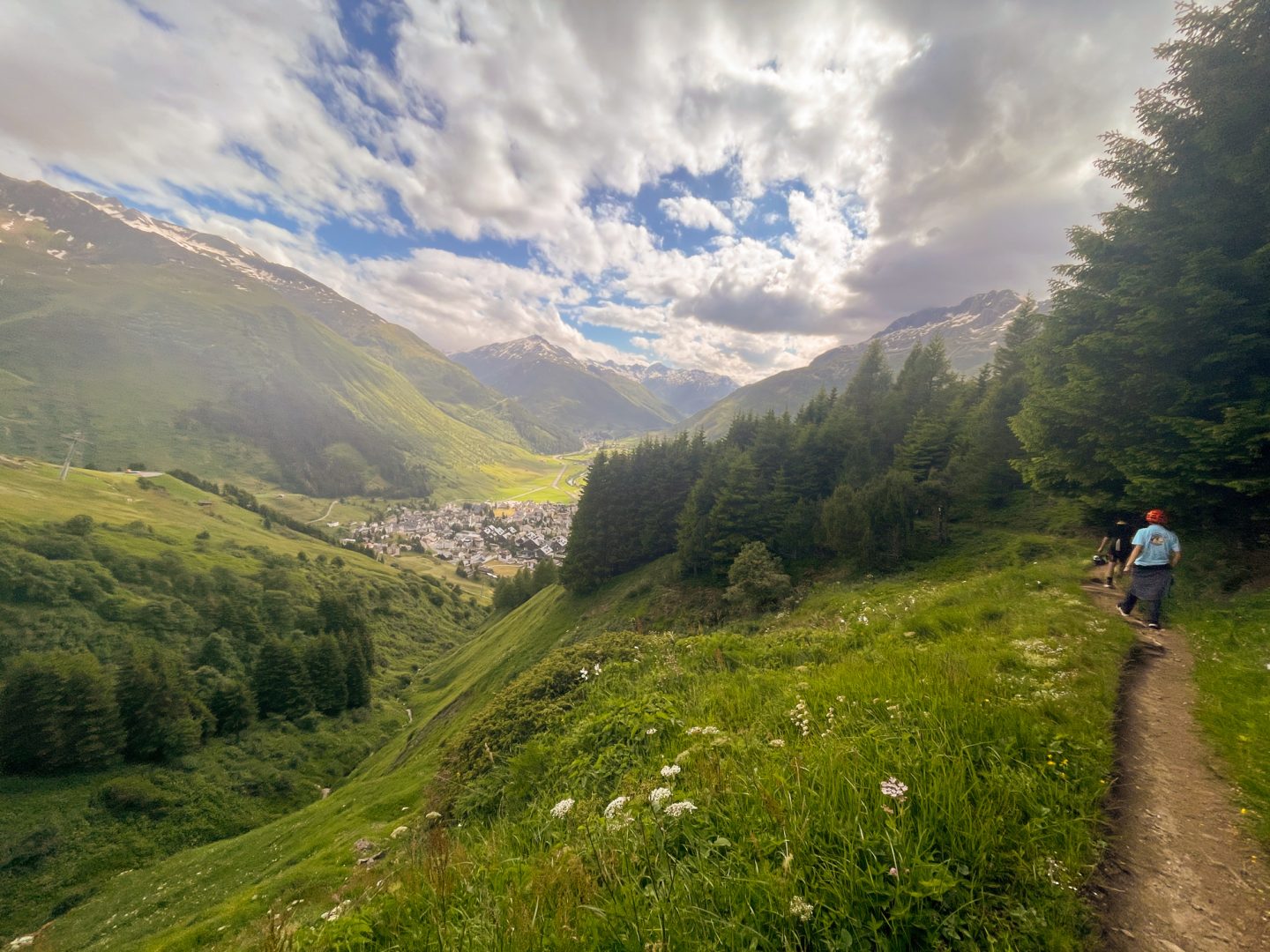
Alpine geography shapes programming. The Swiss Alps feature peaks above 4,000 m and deep glacial valleys. Freshwater lakes like Lake Geneva, Lake Zurich and Lake Thun offer low-elevation water sports. Forests and national parks provide classroom-like biodiversity. Camps at lower elevations (roughly 400–600 m asl) allow warmer evenings and easy access to lakes. Mountain-base camps (around 1,000–1,600 m asl) give direct access to alpine trails and winter-sport terrain, but require more acclimatization and different gear. Expect cooler nights and stronger UV at higher elevations; plan layers and reliable sun protection.
Air travel and transfers are straightforward if you plan ahead. Main international gateways are Geneva (GVA), Zurich (ZRH) and Basel (BSL); Bern (BRN) serves regional flights and Sion runs seasonal services. Typical transfers: Geneva to Montreux about 1–1.5 hours by road or train, Zurich to Lucerne around 1 hour by train, and Geneva or Zurich to Interlaken roughly 2–3 hours by rail. Many camps provide airport pickups from Geneva and Zurich, and we coordinate arrival windows to simplify connections. For Schengen visa applicants, a camp invitation letter often supports the application; confirm passport validity of at least six months beyond travel dates.
Practical travel checklist — read this before you book:
Essential items and procedures
- Passport valid at least six months beyond travel dates.
- Schengen visa documents if required, plus camp invitation letter.
- Designated arrival windows and airport pickup instructions from camp.
- Train vs. private transfer options and approximate times (Geneva–Montreux 1–1.5h; Zurich–Lucerne ~1h; Geneva/Zurich–Interlaken 2–3h).
- Layered clothing, warm-nights gear for 1,000–1,600 m sites, and strong sunscreen for high-UV days.
- Any prescription meds with labeled instructions and health forms.
- Travel insurance that covers mountain activities.
- Emergency contacts, local camp phone and transit tickets or passes.
For details on our program placements and how camps build a global community, see our page about international summer camps.

Participants, Staff Profiles and Safety & Accreditation Standards
We, at the young explorers club, host students from 25–60 different nationalities and build a global community.
The typical regional mix we see in large international camps runs Europe 35–50%, Asia 20–35%, Americas 10–25% and Middle East & Africa 5–15%.
Camps are often co‑ed, and we also offer single‑sex options for families who prefer them.
We assess language levels with placement testing and run multi‑level groups from beginner to advanced so learners progress in comfortable peer groups.
The staff team combines an international director and management, activity specialists, language teachers, residential counselors, medical staff and kitchen/support personnel, and we fill those roles with experienced people.
We typically hire counsellors aged 18–30, while senior staff are older and hold professional qualifications and leadership experience.
Certifications matter: we require first‑aid certification, child‑safeguarding training and activity‑specific credentials for relevant roles.
High‑altitude programs use mountain guides with UIAGM/IFMGA or local alpine qualifications, and we staff water sessions with lifeguard‑ and RO‑certified personnel. We also expect native speakers for language teaching and certified coaches for competitive activities.
For safety, we maintain staff‑to‑student ratios between 1:4 and 1:12, with many reputable camps aiming for 1:6–1:8 to ensure close supervision. We keep on‑site medical staff for residential programs and run clear emergency evacuation and response protocols that are rehearsed and documented. We carry out background checks equivalent to DBS/Police checks, and we enforce written child safeguarding policies across all sites.
Safety checklist for families — what we recommend you verify
Before you book, we advise families to confirm the following items with camp organisers:
- Accreditation and reputation (for example British Accreditation Council (BAC) or recognised international camp associations)
- DBS/Police checks or local equivalents for all staff
- First‑aid training levels and staff‑to‑first‑aid ratios
- Certified mountain instructors (UIAGM/IFMGA or local equivalent) for alpine activities
- Lifeguard and RO‑certified staff for water programs
- On‑site nurse or doctor during residential sessions
- Written emergency evacuation and medical response plans
- Clear, published child safeguarding and behaviour policies

Practical Preparation, Sustainability and Community Impact
We, at the young explorers club, expect campers to arrive ready for alpine weather and full activity days. Pack layered clothing, sturdy hiking boots, swimwear and sunscreen SPF 30+ for reliable sun protection in high-UV conditions.
Packing and health checklist
Below are the essentials we recommend every family include in luggage and carry-on:
- Layered clothing for variable alpine temperatures (base, insulating, waterproof shell).
- Sturdy hiking boots and broken-in trainers.
- Swimwear and quick-dry towels.
- Sunscreen SPF 30+ and a wide-brim hat.
- Personal medications with completed medical forms and clear dosing instructions.
- Travel adapter for Swiss Type J outlets and a small power bank.
- Travel/health insurance details and a photocopy of the policy.
- Emergency contact card with local camp phone numbers and home contacts.
- Small first-aid items for daily blisters or cuts.
We advise families to consult their physician about recommended vaccinations for their country and age group well before travel. We remind campers that altitude and stronger UV mean shorter exposure times; we stress regular hydration and sunscreen reapplication. We require completed medical forms and disclosure of allergies so we can act quickly if needed.
Sustainability practices are central to our operation and to campers’ learning. We reduce waste through clear recycling stations and reusable dishware for most meals. Up to 60% of food can be sourced locally when verified, which lowers transport footprints and supports regional producers. Camp staff prioritize public transport and group shuttles for outings. Our curriculum includes alpine ecology education and leave-no-trace policies so campers learn to respect fragile habitats. We also maintain partnerships with local NGOs to coordinate meaningful conservation work.
We design community engagement to be practical and measurable. Typical service commitments run 4–8 hours per camper per week, depending on the program. Examples include:
- Short service projects in nearby villages: trail maintenance, community garden work and local clean-ups.
- Cultural exchanges with Swiss students and hosted visits to local schools.
- Language buddy programs that pair international campers with Swiss teens for guided conversation practice.
We document learning and outcomes. Many campers show measurable language gains in CEFR snapshots taken before and after sessions. Activity certifications are offered when earned; common examples include sailing awards such as RYA Level 2. We recommend parents plan pocket money of CHF 50–150 per week for small personal expenses; this range covers snacks and souvenir purchases without excess. Financial access options exist: scholarships or partial tuition discounts are available in selected years, typically ranging from 10–50% when offered.
We handle logistics so families feel confident. For practical how-to planning and detailed family guidance, see our summer camp in Switzerland guide. Staff carry clear emergency procedures, and local contacts are posted at camp sites for fast response. We measure impact through service hours logged, CEFR progress reports and certificates issued, and we share those results with families at program end.
Sources
Swiss Federal Statistical Office — Key figures on Switzerland
Switzerland Tourism — Annual Report
Institute for Economics & Peace — Global Peace Index
United Nations Development Programme (UNDP) — Human Development Report
EF Education First — EF English Proficiency Index
British Accreditation Council — Accreditation for independent further and higher education
Royal Yachting Association (RYA) — Sailing and Powerboat Training Syllabuses
IFMGA / UIAGM — International Mountain Guide Qualifications
Swiss Red Cross — Health and First Aid
Swiss Federal Office of Public Health (FOPH) — Travel and Vaccination Advice
ch.ch — Official languages of Switzerland
Jungfrau Region — Jungfrau Region – Interlaken, Grindelwald & Lauterbrunnen