Kids and Nature: Why Outdoor Play Matters More Than Ever
Swiss guide to outdoor play for children: tips, safety checklists and routines to boost physical health, mood and social skills.
Every child benefits from more time outside. This guide summarises the evidence, practical tips and Swiss examples to help families, educators and communities expand high-quality outdoor time for children. Use the quick actions, templates and safety checklists below to plan realistic weekly routines that boost physical health, mental well-being and social development — whether you live in a dense city quarter or a rural canton. The suggestions are designed to be practical, measurable and adaptable to local cantonal rules.
Table of contents
- Quick facts & snapshot — The case for outdoor play in numbers
- Physical health benefits of outdoor play
- Mental health and cognitive benefits
- Social, emotional and creative development
- Types of outdoor play and recommended “doses”
- Barriers, inequities and common obstacles
- Practical tips for parents, educators and caregivers
- Nature-based programs, school policies and community solutions
- Safety, health precautions and risk management
- FAQs — Parents’ and educators’ most-asked questions
- Conclusion & next steps (CTA)
Quick facts & snapshot — The case for outdoor play in numbers
WHO estimates that 81% of adolescents aged 11–17 are insufficiently active, and the WHO recommends at least 60 minutes per day of moderate-to-vigorous physical activity (MVPA) for children and teens aged 5–17. We use that 60-minute target as the baseline for daily playtime and planning.
Childhood health trends show why outdoor play matters. The CDC reports a U.S. childhood obesity prevalence around 19.7% (2017–2020), and Swiss FOPH/SwissHealth surveys show rising sedentary behaviour locally. We combine these signals with international findings on vision, attention and mental health to shape practical guidance.
A few headline figures we keep in mind when designing activities and advice: spending 1–2 hours per day outdoors is linked to roughly a 30–50% lower risk of developing myopia; 20–50 minutes of nature exposure can produce about a 20% improvement on some attention and working-memory tasks; and several large cohort analyses associate high early-life green-space exposure with up to a ~55% lower risk of certain psychiatric disorders later in childhood.
For visuals and quick reference, we recommend a simple bar chart that compares average daily activity against the WHO 60-minute MVPA target and a compact map of Switzerland highlighting the Swiss National Park, regional parks and urban green corridors. Seasonal and regional context matters: Alpine and Ticino families can often extend outdoor windows with snow play and milder winter sun, while urban families in Basel or Geneva can use riverbanks and city parks.
Quick actions families can take today
Below are simple, age-appropriate steps we recommend to increase outdoor time and meet movement goals.
- Break the WHO 60-minute MVPA recommendation into chunks: 3 × 20 minutes (playground sprinting, bike ride, forest game) for ages 5–12; older teens can aim for continuous 60 minutes of cycling, brisk hiking or sports.
- Use a 1–2 hour daily outdoor target to help protect vision — mix active play with low-screen quiet time outside for preschool and school-aged kids.
- Add short nature breaks of 20–50 minutes before homework to improve attention and working memory.
- Check your canton’s school recess policies and green-space access; if recess is short, arrange an outdoor after-school club or playground swap with local parents.
- Leverage seasons: schedule snow play and sledging in Alpine areas; plan wet-weather hikes with waterproofs and puddle-focused games in urban parks.
- Create micro-routines: put shoes by the door, keep a bag with snacks and a mini-first-aid kit in the car, and post simple bilingual prompts near the door to make leaving simple.
- Map local green spaces: include Swiss National Park, nearby regional parks and urban green corridors on a shared family map so you always have a quick nearby option.
- Encourage schools to adopt outdoor learning blocks or extended recess; bring sample activity lists and local evidence from FOPH/SwissHealth when talking with administrators.
Physical health benefits of outdoor play (outdoor activity, obesity prevention, vision, motor skills)
Outdoor play and the 60‑minute target
We rely on outdoor play to help children reach the WHO recommendation of at least 60 minutes of MVPA every day. Active games like running, jumping and cycling produce MVPA and feel like play rather than exercise. A realistic Swiss family target is 1–2 hours outdoors daily when possible: active transport, playground breaks and family bike rides add minutes without a strict timetable.
A simple mapping of typical MVPA yields by play type helps planning: tag/free play (20–40 min), bike ride (30–60 min), playground climbing (15–30 min of MVPA within longer play), trail running/hiking (30–90 min depending on pace). Use that to combine short bursts with longer active blocks.
Below are age-appropriate activity examples to help structure outdoor time.
- Toddlers (1–3 years): supervised sandbox exploration, low climbing, short balance walks — 15–30 minutes several times a day.
- Preschoolers (3–5 years): obstacle courses, tree stump balancing, scooter rides — 30–90 minutes daily split across play sessions.
- School‑age (6–12 years): playground climbing, cycling to school, trail runs and sports club sessions — 60+ minutes of MVPA ideally every day.
How outdoor play lowers obesity risk, protects eyes, builds bones and supports immunity
Regular outdoor activity links to a lower risk of childhood overweight and obesity by replacing sedentary screen time and shifting energy balance toward higher expenditure. Practical swaps — replace 30 minutes of screen time with a scooter ride or park play — accumulate meaningfully over weeks.
Vision benefits are striking: children who spend roughly 1–2 hours outdoors daily have about a 30–50% lower incidence of myopia in many studies. Brighter outdoor light stimulates retinal dopamine and helps slow axial elongation of the eye. We recommend at least one sustained outdoor block (45–90 minutes) midday or afternoon when natural light is strong.
Weight-bearing outdoor play builds bone health and motor competence: climbing, jumping and running on uneven terrain improves bone density, balance and coordination. We encourage barefoot play on grass, climbing routes at playgrounds and easy forest trails that challenge coordination.
Outdoor microbiomes also support immune development. Exposure to diverse soils and plants associates with richer skin and gut microbial communities and, in several cohorts, lower allergy rates. Balance enthusiasm with individual medical advice for allergic children.
Practical steps to apply this week: choose active routes (walk or cycle to school), schedule a post-lunch outdoor play window, swap one evening screen session for family bike time, and let kids explore varied terrain at local greenspaces like Basel’s Botanical Garden or canton forests. Sign children up for a local Sportverein or nature playgroup and keep play unstructured as well as guided.
Mental health and cognitive benefits (attention restoration, mood, long-term outcomes)
Outdoor play is a powerful, low-cost tool for children’s mental health and cognition. Time in green spaces lowers stress, restores attention, supports sleep and can shift long-term risk trajectories for psychiatric problems.
Reduced stress and improved mood happen quickly: short nature breaks — even 15–30 minutes — reduce physiological stress markers and lift mood. Attention Restoration Theory explains part of this: natural settings rest directed attention so kids return to tasks with fresher focus. Studies find 20–50 minute nature exposures can produce roughly 20% gains on attention and working-memory tasks.
Long-term follow-up studies show associations between childhood green-space exposure and lower later-life psychiatric risk — some cohorts report up to ~55% lower risk for the most vs. least green-space exposure. Effect sizes vary by study and green space is one part of a child’s mental-health mix alongside socioeconomic factors and family history.
Outdoor play also supports sleep and screen hygiene. Natural light during the day helps set circadian rhythms, improving sleep onset and depth. Swap late-afternoon screen time for active outdoor play and limit screens for at least one hour before bed to protect sleep quality.
Practical, age-appropriate strategies for classrooms and families
Use these simple steps to get measurable benefits from nature time.
- Short nature breaks for schools: schedule 15–30 minute outdoor sessions before tests or after long lessons. Run quick pre/post attention tasks and have teachers rate classroom focus.
- Daily pockets of green for preschoolers (2–5 years): offer two to three 20–30 minute outdoor play windows where exploration and loose parts play are encouraged.
- Older children (6–15 years): aim for one 20–50 minute nature walk or unstructured outdoor activity daily to boost working memory and attention.
- Sleep and screen rules: set a “no screens” rule for at least one hour before bedtime and schedule outdoor time in the morning and late afternoon for natural light exposure.
- Small classroom study design: use a 1-week indoor baseline, then introduce daily 20-minute outdoor breaks for 2 weeks and measure attention tasks and teacher ratings before and after.
- Local Swiss options: Uetliberg or Sihlwald near Zürich, Aare riverbanks in Bern, lakeside promenades around Geneva and Lugano, or Jura trails for varied natural settings.
- Regulatory context: many Swiss cantons support outdoor education and “Friluftsschule” initiatives — check kanton school boards for guidance and insurance rules for outdoor lessons.
When you start, keep sessions predictable and non-competitive. Choose diverse settings — forests, meadows, streams and urban parks — to maximise attention restoration. Track simple mood ratings and attention scores to see change within weeks. For families dealing with anxiety, increase daily outdoor time gradually and pair walks with relaxation games or breathing exercises.
Social, emotional and creative development (free play, risky play, creativity)
How outdoor free play grows social skills, courage and imagination
Children learn more than physical skills when they play outside. Unstructured group play on natural playgrounds pushes kids to negotiate roles, lead small teams, solve conflicts and cooperate without adult scripts.
Observational studies show higher peer cooperation in playgrounds with natural features compared with equipment-focused playgrounds. Natural edges, loose parts and uneven ground create moments for shared decision-making that packaged playgrounds rarely offer.
Free play helps with emotional regulation: calmer classroom and daycare transitions are commonly reported after outdoor free play. Teachers and parents note children return more patient, less reactive and more able to self-soothe. That improvement links to self-directed play where autonomy and choice support intrinsic motivation and self-regulation.
“Risky play” — climbing, balancing and exploring modest heights — builds confidence, resilience and motor competence when adults supervise appropriately. We recommend supervision ratios as a starting point: toddlers 1:3 and preschoolers 1:6, adjusted by environment and activity.
Open-ended natural settings fuel creativity and problem solving. Loose parts like stones, sticks, pinecones, water and mud let children invent roles, stories and makeshift tools. These spaces produce more pretend-play and divergent thinking than many structured indoor environments.
Try these activities, age-appropriate ideas and safety tools in your next outdoor session:
- Team activities that develop cooperative play:
- Team scavenger hunts with shared goals (ages 4+, adaptable for toddlers).
- Collective den-building: rotate leadership roles (ages 5+).
- Shared gardening projects at community gardens or school plots — each child manages a small bed (ages 3+).
- Creative, loose-parts play by age:
- Toddlers: sensory treasure baskets with wooden spoons, soft pinecones and fabric scraps for tactile exploration.
- Preschool: mud kitchens and stick sculptures — encourage pretend recipes and cooperative construction.
- School-age: habitat design and shelter-building — set a design brief, sketch plans, test stability and improve together.
- Risky play guidelines and parent checklist:
- Set clear boundaries before play: mark safe zones and no-go zones.
- Choose age-appropriate challenges and offer gradual increases in complexity.
- Allow minor failures and teach recovery: show how to get up safely and check for hazards.
- Follow supervision ratios (toddlers 1:3, preschoolers 1:6) and increase supervision in unfamiliar terrain.
- Simple prompts to scaffold social-emotional learning:
- Encourage turn-taking with tools and space — use timers if needed.
- Model negotiation language: “Let’s take turns being leader” or “How can we solve this together?”.
- Debrief after play: ask what went well and what they’d try next time to strengthen reflection and resilience.
Adapt activities to local Swiss contexts and regulations: check canton rules for access to protected areas (in Swiss National Park you must follow strict trails) and verify that permanent playground equipment meets SN EN 1176 standards where applicable. When planning outings, pack a simple first-aid kit, set clear expectations, scout terrain for hazards and bring loose parts from the local area to spark creativity.
Types of outdoor play and recommended “doses” (age-based guidance + Swiss seasons)
We break outdoor play into clear types so you can plan balanced weeks that fit Swiss seasons, local rules and your family’s rhythm.
Four types of play, age-based “doses” and daily/weekly template
Below are the play types with quick examples, then age-specific time targets and a printable-friendly schedule you can adapt.
- Structured: organized sports, lessons, guided nature education. Examples: football club training in Basel, kids’ ski school in Davos, or a guided pond study at the Naturama in Aargau.
- Free / unstructured: neighborhood play, spontaneous games. Examples: building dens in a Zurich Grüngürtel, street games in Geneva’s Quartier des Grottes, or after-school park play.
- Nature play: sensory exploration, habitat study, citizen science. Examples: leaf rubbings in the Emmental, insect hunting on the Sihlwald trails, or contributing observations to a local biodiversity app.
- Risky / unmanaged (supervised): climbing, rough-and-tumble play, controlled risk-taking. Examples: scrambling on Prealpine rocks, supervised tree-climbing in a local forest, or sled runs in the Alps — always with adult supervision and local-safety awareness.
Recommended daily/weekly “doses” by age — aim for these age-appropriate activities and outdoor time recommendations:
- Toddlers (1–3): multiple short outings daily (15–30 min each). Total target: 60–120 minutes spread across the day. Focus: sensory exploration and safe free movement.
- Preschool (3–5): 30–90 minute outdoor sessions 1–3 times/day. Total target: 60–120 minutes; nature-preschool models suggest most of the day outdoors when weather and local rules allow.
- School-age (6–12): at least 60 minutes MVPA daily plus extra unstructured outdoor time. Aim for 1–2 hours outdoors daily, mixing sports, free play and nature exploration.
- Teens (13–17): at least 60 minutes MVPA daily. Encourage club sport, active commuting (walking, biking), and longer weekend wilderness trips in Jura or the Alps.
- Swiss season adaptations: winter — snow play, sledding and cross-country skiing in Alpine/Prealpine regions; summer — prioritise sun protection, shade breaks and strict supervision around lakes and rivers (Zürichsee, Lac Léman, Ticino waterways).
Daily template and printable weekly schedule you can copy:
- Weekday micro-dose: Morning 15–20 min nature walk → After-school 30–60 min free play → Evening family 10–20 min outdoor tidy-up or walk.
- Weekend: One 2–4 hour longer nature outing (hike in the Alps, forest exploration, lake trip) and one lighter day with short active errands or play in a local park.
- Visual suggestion: make a printable “Daily outdoor time template” infographic with boxes for morning, after-school and evening activities and a weekend checkbox for a long outing.
Structured sports vs free play vs nature-based learning — pros, cons and a suggested weekly mix
Structured sports — Pros: clear skill-building, predictable MVPA, social-team benefits. Cons: less spontaneous creativity and rigid schedules can crowd out free play.
Free play — Pros: develops creativity, negotiation, self-regulation and risk assessment. Cons: can lack sustained MVPA and needs safe outdoor spaces; supervise risky moments and follow local park rules.
Nature-based learning — Pros: blends cognitive, physical and emotional gains. Cons: needs facilitation and sometimes permits for sensitive areas (e.g., Swiss National Park).
Suggested weekly mix: roughly 30% structured, 40% free/unstructured, 25% nature play and 5% supervised risky play for a balanced week. For toddlers shift toward more nature play sensory moments; for teens tilt more toward structured sport plus long nature trips.
Practical steps: pack a small “weather kit” (layers, sun protection, small first-aid), check local cantonal fire bans and trail rules before long trips, and print the daily template to pin on your fridge. Encourage active commuting to school where safe and use local resources to plan age-appropriate adventures.
Barriers, inequities and common obstacles (Swiss-specific access and cultural issues)
Park access, “play deserts” and urban–rural differences
Access to quality outdoor spaces is uneven across Switzerland. Cities like Zürich, Genève and Basel have green corridors and parks, but dense neighbourhoods often depend on small schoolyards and pocket parks. In some low-income urban areas access to safe, stimulating green space is limited — what people call “play deserts.”
Rural families usually live closer to forests, lakes and Alpine meadows, yet distance, transport time and parents’ schedules can make daily green-time hard to achieve. Cantonal reports vary: some cantons prioritise schoolyard greening and pedestrian routes, while others leave these projects to underfunded communes.
We suggest a simple visual tool: a map overlay showing green-space proximity by municipality so families can plan routes, identify under-served pockets and bring evidence to local councils when requesting improvements.
Age-appropriate recommendations:
- 0–5 years: prioritise nearby, safe, fenced play areas for frequent short visits.
- 6–10 years: aim for a mix of imaginative play in schoolyards and supervised routes to a larger park twice a week.
- 11–15 years: encourage independent short trips to green spaces (with agreed boundaries) to build confidence and autonomy.
Time pressures, safety perceptions, screens and policy — practical actions
Parental work schedules, packed extracurricular calendars and strong academic expectations cut into spontaneous outdoor play. Tagesstrukturen (after-school care) availability differs by commune and directly affects whether children get outdoors after school. Traffic and perceived stranger danger also limit independent play, despite traffic posing a larger measurable risk than strangers in most contexts. Screens compete for free time and often reduce sleep for children of all ages.
Concrete, actionable steps families and communities can take right away:
- Micro-dosing outdoor time: swap one 20–30 minute screen slot each day for an outdoors-first activity and track changes with a simple weekly log.
- Active commuting and walking buses: organise a parent rota for walking groups to school and contact your Gemeinde to map low-traffic paths and request crossing supervisors.
- After-school strategy: if Tagesstrukturen are limited, split duties with neighbours for staggered pick-ups so children get outdoor time; ask local programmes to integrate daily outdoor sessions.
- Community safety interventions: petition for improved street lighting near parks, traffic-calming measures and supervised play schemes during key hours.
- Screen-time trade-in and family rules: set a household rule that a specific recreational screen period is “trade-in” eligible for outdoors.
- Advocacy and school policy: send a concise letter to your Schule/Commune requesting longer outdoor recess and outdoor lessons; include a short map, suggested times, and number of supporting families.
- Small-scale greening projects: start a school or neighbourhood campaign for planter boxes, climbing logs or a pocket-garden — these are often low-cost and suited to community fundraising.
Practical tips for parents, educators and caregivers — routines, prompts, and measuring impact
Turn outdoor time into a habit
Build habits the same way we build trails — one small step at a time. Short, regular outdoor “micro-doses” work: even 20–30 minutes produce measurable mood and attention boosts. Start with tiny wins and stack them into daily life.
Simple, repeatable routines reduce friction and help children of every age get outside more reliably. Try these concrete patterns:
– Morning walk before school: a brisk 10–20 minute loop to wake up bodies and brains.
– After-school play block: protect a 30–60 minute window for free play on the Spielplatz or local forest patch.
– Family weekend nature outing: schedule a 2–4 hour hike or creek exploration in the Jura, Alpstein, or Swiss National Park once a week.
Tailor time and intensity by age: toddlers benefit from multiple short outings (15–30 min), preschoolers thrive in 30–90 minute exploratory sessions, school-age kids should aim for 60+ minutes, and teens need at least 60 minutes of MVPA combined with longer adventures like multi-day camps.
Practical lists, templates and metrics
Below are ready-to-use lists and paste-in templates you can copy into a fridge note, school folder, or newsletter.
- Sample weekly schedule (paste into calendar):
- Mon: 07:30 Morgen-Spaziergang / Prom. matin (20 min)
- Tue: 16:00 Spielplatz / Récré (30–45 min)
- Wed: 07:30 Morgen-Spaziergang / Prom. matin (20 min)
- Thu: 16:30 Nature-Club walk / Club nature (45–60 min)
- Fri: 17:00 Backyard free play / Jeux libre (30 min)
- Sat: Family hike (Alpen/Schlucht) / Randonnée (2–4 hrs)
- Sun: Short local outing + chores / Sortie locale (30–60 min)
- Age-appropriate play ideas:
- Toddlers (15–30 min × multiple): sensory baskets, push-trike in park, puddle-jumping.
- Preschool (30–90 min): den-building, mud kitchens, nature scavenger hunts.
- School-age (60+ min): biking, climbing on boulders, longer trail exploration, citizen science projects.
- Teens (≥60 min MVPA): team sports, long hikes (e.g., Säntis or Pilatus), overnight camps, conservation volunteering.
- Reduce friction — gear & routines:
- Create an outdoor station by the door with spare gloves/boots; keep a set in the car for spontaneous trips.
- Choose durable waterproof outerwear and lightweight rain layers to cope with Swiss weather.
- Pack simple engagement tools: child binoculars, magnifier kit, small net for pond dipping, and a reusable bag for treasures.
- Partnering with schools — script and evidence bullets:
- Script: “Hello, we’d like to support more outdoor time. Could we pilot an extra 15 minutes of supervised outdoor learning twice weekly? We can help with volunteers and simple materials.”
- Evidence bullets: WHO recommends 60 minutes of daily MVPA; attention restoration studies show 20–50 minute outdoor bouts help focus; increased recess links to better behaviour and classroom attention.
- Measuring impact — one-week log template & metrics:
- Use this simple row format for each day: Date | Minutes outdoors | Activity type | Mood (1–5) | Attention (1–5).
- Track metrics: daily outdoor minutes, MVPA minutes, screen-time hours, and mood/attention ratings by parent or teacher.
- Do a pre/post comparison after 4 weeks: mean minutes outdoors and percent meeting the 60-min target. Create a before/after bar chart for newsletters or parent meetings.
Nature-based programs, school policies and community solutions (Swiss examples & how to start local initiatives)
Practical models, partners and actions to get started
Forest school and nature preschool approaches make daily outdoor time routine rather than occasional. Waldkindergarten/Waldspielgruppe and nature preschool models put children mostly outdoors, using natural materials and risk-managed play to build physical fitness, social skills and resilience. For primary pupils, outdoor learning blocks, regular nature days and learning gardens boost active minutes, attention and cooperative problem-solving.
In Switzerland you’ll find many local examples: Waldspielgruppen and Waldkindergärten in cantons such as Zürich, Bern and Aargau; jardins d’enfants en plein air in Vaud and Genève; and asili nel bosco initiatives in Ticino. Contact your Gemeinde or the kantonale Jugendsekretariat for current lists and guidance on recognition and safety rules.
When planning a nature program we recommend age-appropriate frameworks:
- Preschool (3–6): daily outdoor play, shelter options for rain/cold, focus on free play and basic risk skills.
- Lower primary (6–9): regular forest sessions linked to the curriculum, simple tool use (school-approved), group challenges.
- Upper primary (9–12) and teens: project-based outdoor learning, navigation, citizen-science and leadership roles.
Schoolyard greening transforms asphalt into active, cooler, friendlier spaces. We design measurable pilots so local leaders see results quickly: minutes of active play per break, teacher-rated classroom behaviour, shade/temperature readings and minor injury logs.
Community actions to scale include weekend family nature clubs, parent-run supervised play sessions, pedestrianised school streets and walking-bus programmes. A stepwise approach to start:
- Form a parent group and name a contact person for the Gemeinderat.
- Map current assets (parks, schoolyards, safe cycle paths) and list immediate needs.
- Pilot a small intervention (a weekend nature club or a single greening bed) to gather data and photos.
- Meet the Gemeinderat and Schulpflege with a short project pitch showing measurable goals.
- Apply for cantonal grants, municipal budgets or small local foundations; mention potential community health partnerships where relevant.
Start small, document impact and use early wins to scale — expand a Waldkindergarten, green another schoolyard, or create nature prescription partnerships with local pediatricians and Gesundheitszentren.
Safety, health precautions and risk management (practical checklist for families and schools)
Sun safety, hydration and seasonal considerations
Prioritise sun safety, hydration and seasonal adjustments so kids can play all year with lower risk. For summer outings use sunscreen SPF 30+ applied 15–30 minutes before exposure and re-applied every two hours or after swimming. Pair sunscreen with wide-brim hats and UV-protective clothing; for infants under six months favour shade and clothing over sunscreen whenever possible.
Avoid the strongest sun between roughly 11:00 and 15:00 in lowland Switzerland and consider shorter exposure times at high altitude. Snow and bright water reflect UV too; expect higher exposure on ski days and at alpine lakes. Keep hydration simple and scheduled: carry enough water and build in regular drink and shade breaks, especially on hikes. For toddlers prompt a drink every 15–20 minutes in hot weather.
Watch seasonal risks: spring and early summer pollen can spike — use MeteoSwiss pollen forecasts and cantonal allergy resources to plan low-pollen outings. In winter account for cold-water shock at alpine lakes and rivers; teach children to enter slowly, wear buoyant aids or wetsuits where appropriate, and never jump into unknown waters.
Supervision, tick & insect prevention, water safety, illness guidance — checklist for families and schools
Balance managed risky play with clear hazard mitigation and maintain age-appropriate supervision ratios. Below are practical before-you-go items, on-site rules and emergency contacts you can print and use.
- Before you go — pack and check these items:
- First-aid kit with plasters, antiseptic, tweezers (for ticks), blister care and any prescribed meds
- Sunscreen SPF 30+, spare hat, UV clothing and sunglasses for older children
- Enough water and insulated bottles; snacks for energy
- Life jackets for toddlers and non-swimmers near water; wetsuit or thermal layer for alpine lake visits
- Map, whistle, charged phone and an emergency contact list with canton emergency numbers
- Tick removal tool and insect repellent (DEET or picaridin options for appropriate ages)
- Allergy meds or auto-injectors if prescribed, plus written instructions from a healthcare provider
- On-site rules to post for kids and supervisors:
- No unsupervised water play — designated shoreline with one adult per small group
- Allow managed risky play but stop activities with hazards like broken glass, deep unknown water or unstable rock
- Perform tick checks after forest or tall-grass outings; remove ticks promptly with a proper tool
- Follow canton signage and obey Badeverbot zones at lakes and rivers
- Emergency contacts & protocols:
- List leader and deputy with mobile numbers; parent/emergency contact for each child
- Canton emergency number (144 for ambulance in Switzerland) and local rescue (Rega for alpine incidents)
- Location notes: nearest road access point, landmark and GPS coordinates
- Supervision ratios and acceptable risk:
- Toddlers: 1 adult : 3 children
- Preschoolers: 1 : 6
- School-age: adjust 1 : 8–1 : 15 depending on terrain and activity; lower ratios near water or steep terrain
- Acceptable risk includes supervised climbing, tree exploration and minor scrapes; hazards include sharp litter, unknown deep water and unstable ledges
- Health, insect and allergy management:
- Use repellents appropriately for age; check product labels and cantonal health advice
- Know local tick-borne disease prevalence—report fevers or rashes after a bite to a provider
- Track pollen via MeteoSwiss and plan low-pollen windows; follow medical advice on antihistamines or inhalers
- For respiratory safety follow current FOPH guidance, keep acutely ill children at home and favour outdoor gatherings when possible
FAQs — Parents’ and educators’ most-asked questions
Quick answers you can use at home, school or on social media (shareable cards in DE/FR available)
Below are short, actionable replies to common parent and educator questions — save them, print them or share them with your school board.
- How much time outdoors does my child really need each day? WHO recommends at least 60 minutes MVPA daily for ages 5–17; aim for 1–2 hours total outdoor time when possible. Short “micro‑doses” (10–20 minute bursts) add up across the day.
- Is it safe for my toddler to play outside in all weather? Yes with the right clothing: layered wool/technical base, waterproof outer layer and warm hat in winter; sun hat and light layers in summer. Shorten outings in extreme cold or heat.
- Will outdoor time really help my child’s eyesight? Spending 1–2 hours a day outside has been shown to lower myopia incidence by roughly 30–50% in many studies.
- How can we fit outdoor play into a busy weekday schedule? Use micro‑doses: a 10–15 minute morning walk, 30–60 minutes after school, an active commute or outdoor lunch.
- What about allergies and pollen? Check MeteoSwiss pollen forecasts, plan outings for low‑pollen times (early evening or after rain), follow medication plans, and choose lower‑pollen routes like lakeside promenades.
- How do I encourage risky play without legal or school trouble? Promote supervised risky play that follows your school’s policy. Train staff in basic risk assessment, document routines, and share evidence of benefits with administrators.
- Are nature preschools worth it? Yes — forest and outdoor preschools (Waldspielgruppen / jardins d’enfants en plein air) boost motor skills, resilience and social growth. Visit local groups before enrolling to see ratios and routines.
- How can our community improve park access? Form a parent group, gather local signatures, present a measurable goal (e.g., every family within a 10‑minute walk) and apply for municipal grants or civic budgets.
- How much supervision do kids need on trails or at the lake? Use age‑appropriate supervision: toddlers need 1:1 or 1:3 close supervision near water; primary‑school kids need clear rules and situational oversight; teens benefit from check‑ins and emergency plans.
- What equipment is essential for outdoor play in Switzerland? Waterproof outer layers, sturdy boots, sun protection, a warm hat, a small first‑aid kit and a child‑sized magnifier or binoculars for exploration. In alpine areas add extra warm layers and an emergency whistle.
- How do I measure whether more outdoor time helps my child? Track minutes outdoors, mood and attention ratings weekly using a tracking sheet. Compare before/after results and include teacher feedback for a fuller picture.
- How do I talk to my child’s pediatrician about a “nature prescription”? Bring concise bullets: reduced anxiety, better attention, motor benefits and myopia prevention. Ask whether the clinic partners with local parks or will write a note to support outdoor time at daycare or school.
Turn each short answer into a single social card in German and French for quick sharing with schools and parent groups.
Conclusion & next steps
Outdoor time is one of the highest-impact, low-cost investments families and communities can make for children’s health, learning and happiness. Start small with micro-doses, measure simple outcomes, and scale what works locally. Use the templates above to pilot changes in your household or school and gather quick wins to share with your Gemeinde.
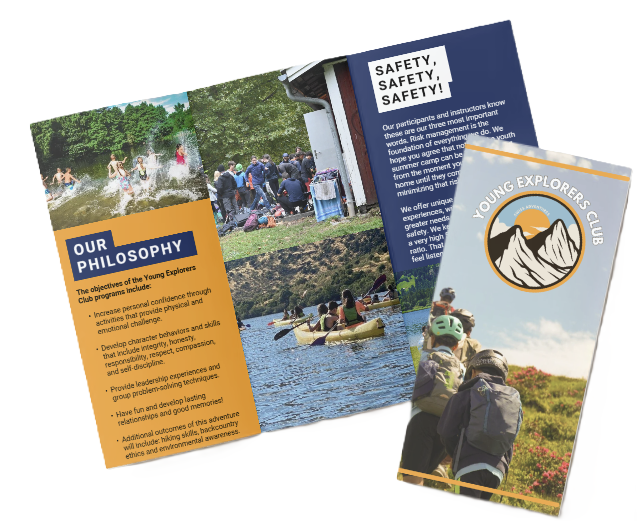
Ready to act? Join a local nature playgroup, start a walking-bus rota, or present a short pilot to your Schulpflege — even a 2-week trial with daily 20-minute outdoor breaks can show measurable gains. For resources, activity lists and printable templates visit Young Explorers Club and connect with local Waldspielgruppen or kantonale Jugendsekretariate.
Call to action: Choose one next step right now:
- Commit to one daily 20–30 minute outdoor micro-dose this week and log the minutes.
- Contact three neighbours or parents to start a walking-bus or after-school outdoor rota.
- Bring a short proposal to your Schule/Commune requesting a 2-week outdoor break pilot and offer to help collect before/after metrics.