Summer Camp In Switzerland Vs. Summer Camp In Germany: A Comparison
Compare Swiss vs German summer camps: premium alpine residentials and higher costs vs affordable day/residential options, check fees, safety, staff.
Summer camps in Switzerland vs Germany
Summer camps in Switzerland tend toward premium, residential alpine and lakeside experiences with higher fees and many international or multilingual programmes. Germany offers a broader, more affordable mix of day camps, municipal-subsidised options and youth-hostel residential programmes, giving families easier local access and more variety. Families can pick Switzerland for scenery and full immersion or choose Germany for cost savings and convenience. Budget for transfers, deposits and insurance, and verify staff qualifications and written safety protocols before booking.
Key Takeaways
Cost gap
- Switzerland: day CHF 150–600/week; residential CHF 700–3,500+/week; multi-week CHF 1,500–5,500+.
- Germany: day €80–350/week; residential €300–1,200/week; multi-week €800–2,500.
Program profile
- Switzerland favours alpine and lakeside outdoor programmes, smaller group sizes and many international or multilingual residential camps.
- Germany focuses on day camps, DJH/youth-hostel residentials, municipal support and German-language or community-oriented programmes.
Booking and extras
Timing: Book 3–6 months ahead for common options and 6–12 months for elite or popular programmes.
- Deposits: Expect 20–30% in many cases.
- Cancellation insurance: Around 5–8% of the fee is typical.
- Transfers: Remote Swiss camps often charge ~CHF 50–200 one-way for pickups.
- Step 1: Check total price inclusions (meals, equipment, transport).
- Step 2: Confirm deposit and cancellation terms.
- Step 3: Buy cancellation/medical insurance if not included.
Safety and staffing
- Switzerland: Alpine camps more often provide on-site medical staff, mountain-rescue links and higher staff-to-camper ratios.
- Germany: Camps comply with state, youth-hostel and municipal regulations and standards.
How to choose
Match location and format to your goals — choose full immersion and landscape (Switzerland) versus affordability and local convenience (Germany). Verify total price inclusions, staff credentials, actual ratios and written emergency/medical policies before you confirm a booking.
Practical recommendation
Budget for extras (transfers, deposits and insurance), ask for written staff certifications and emergency procedures, and request references or recent inspection reports if available. Doing these checks will help ensure a safe and appropriate match for your child’s needs.
Executive summary: quick comparison and cost-at-a-glance
We, at the young explorers club, see two distinct markets. Switzerland offers higher-priced, mountain-and-lake settings with premium residential camps and many international or boarding-style programs. Germany gives a broader, more affordable market with strong day-camp options, municipal subsidies, and a developed youth-hostel/residential network. I recommend families pick by priorities: scenery and full-immersion programs in Switzerland; variety, lower cost, and local access in Germany.
At-a-glance costs & basics
Below are the headline figures and quick facts to compare at a glance.
- Switzerland summer camp costs (CHF): day camps CHF 150–600/week. Residential camps CHF 700–3,500+/week. Multi-week specialty programs CHF 1,500–5,500+.
- Germany summer camp costs (EUR): day camps €80–350/week. Residential camps €300–1,200/week. Multi-week language or sports camps ~€800–2,500.
- Typical age groups (6–16): most providers split into roughly 6–8, 9–12 and 13–16 cohorts. We advise checking specific camp groupings before booking.
- Residential vs day camp: Switzerland tends to emphasize residential and international formats; Germany has a larger share of affordable day camps and municipal options.
- Peak season: July–August season is busiest; many providers run half- and full-day options from late June through early September.
- Value signals to watch:
- Program length (single week vs multi-week)
- Included meals and transfers
- Instructor-to-child ratios
- Accreditation and on-site medical care
- Pricing note: Prices approximate as of 2023–2024; verify final fees, discounts and subsidies directly with providers.
For a focused look at Swiss pricing and what drives higher fees, see our page on Swiss costs.

Cost, what’s included and booking logistics
We, at the young explorers club, break down the numbers so families can budget with confidence. For clarity I repeat the broad ranges:
- Switzerland: day camps CHF 150–600/week; residential CHF 700–3,500+/week. Highly specialized or elite programs (elite sports, equestrian, private-language boarding) can exceed CHF 5,000 for multi-week stays.
- Germany: day camps €80–350/week; residential €300–1,200/week. High-end specialized multi-week programs sit around €1,000–2,500.
Prices are shown in local currency; approx. conversions will vary with exchange rates, so treat ranges as broad guidance. You can also check our page on the average camp price Switzerland CHF for a focused look at Swiss fees.
Included fees, extra charges and cost drivers
- Swiss residential included: accommodation, meals and basic excursions are normally part of the package. Extra charges commonly apply for equipment rental, specialist lessons (coaching, riding) and airport transfers.
- German residential included: accommodation and meals are often covered. Day camps frequently exclude transport — parents usually arrange drop-off or pay for a shuttle. Extra charges may include specialist tuition, equipment and off-site excursions.
- Typical cost drivers: program length, staff-to-child ratio, language tuition, specialist coaching (sports/equestrian), location (mountain vs city) and boarding standards. Luxury or elite offerings push prices well above the mid-range.
- Transfers and logistics: Swiss mountain camps may charge airport transfer fees roughly CHF 50–200 one-way depending on distance and remoteness; add these to your budget when comparing total costs.
Booking timing, deposits and cancellation
- Booking timing: book 3–6 months in advance for most camps; elite booking 6–12 months for top-tier programs that fill fast.
- Deposit: 20–30% is the norm at booking. Expect this to secure the place.
- Cancellation insurance: 5–8% of the trip price is strongly recommended; it protects you from last-minute changes and reduces financial risk.
- Waiting lists: peak July–August weeks commonly put families on waiting lists, so plan alternatives if your first choice is full.
Concrete price examples to validate the ranges
- Alpine Adventure Camp (Interlaken) — CHF 1,200 for a 2-week residential session.
- Lakefront Language Weeks (Lake Geneva) — CHF 450/week (day program, includes lunch & 10 hours language tuition).
- Black Forest Sports Camp (Germany) — €320/week residential (1-week session, meals included).
- Berlin City Language Camp (Germany) — €180/week day camp (5 days, includes daily language classes).
Practical tips
I recommend the following when comparing totals:
- Always add included fees and anticipated extra charges before comparing headline prices.
- Factor in the deposit (20–30%) and the potential cost of cancellation insurance (5–8%).
- Budget for transfers (CHF 50–200 one-way for remote Swiss camps).
- Start your search early: respect the 3–6 month booking norms and plan for elite booking 6–12 months in advance for premium programs.

Types of camps, regions and activity implications
Camp types and where they fit
Below I list the common camp formats you’ll find in both countries and the activity profiles that suit them best:
- Language camps — intense language immersion programs in English, French or German; great for teens wanting daily practice and cultural excursions.
- Sports camps — football/soccer, tennis, sailing and mountain biking options; ideal for athletes sharpening skills or trying a new discipline.
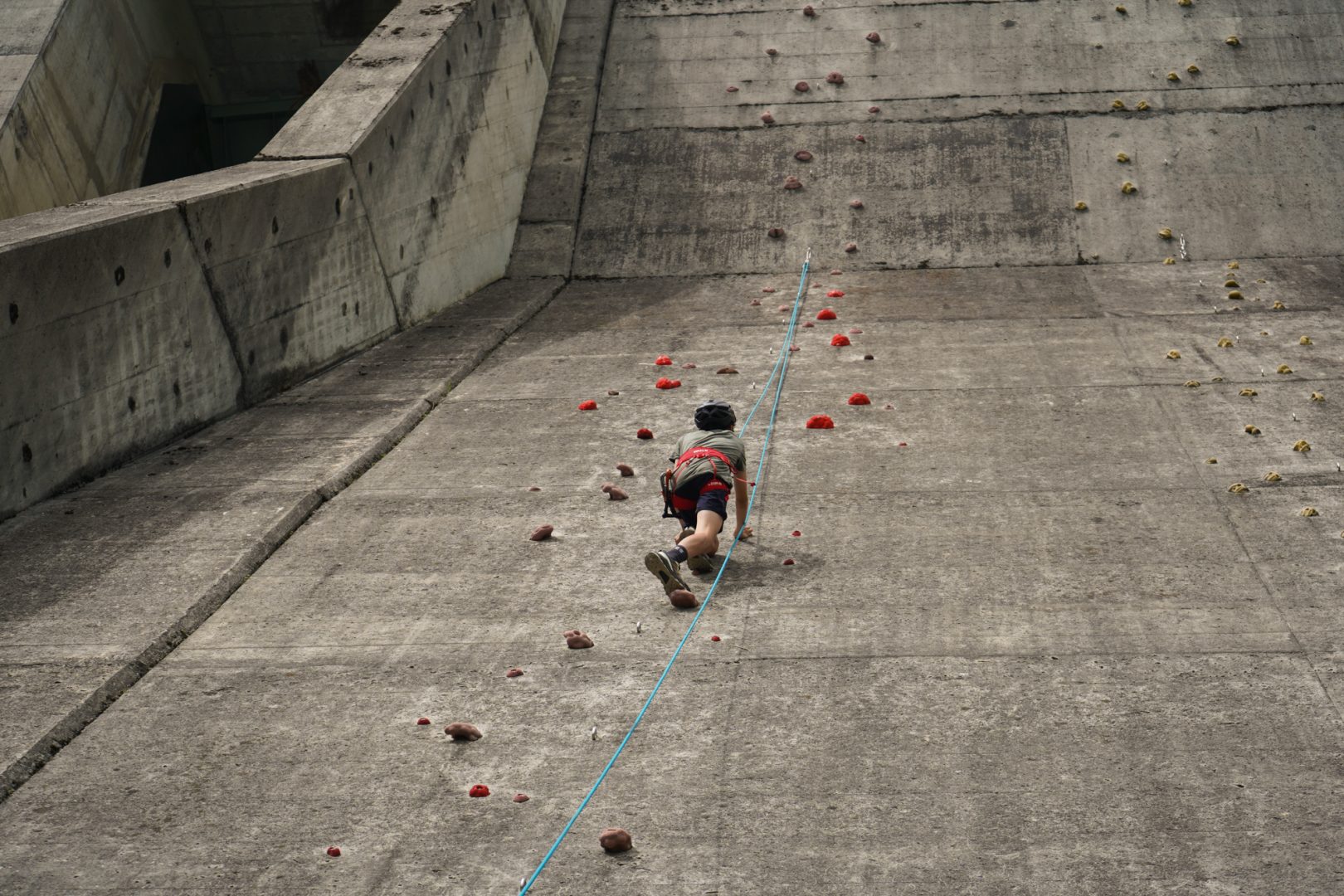
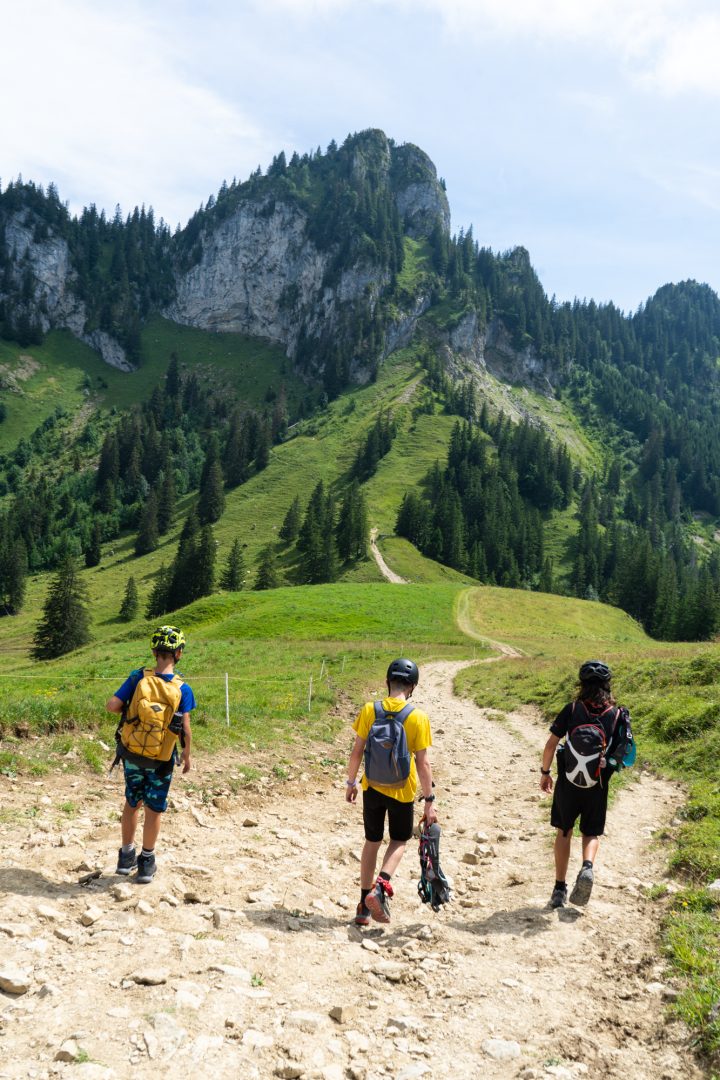
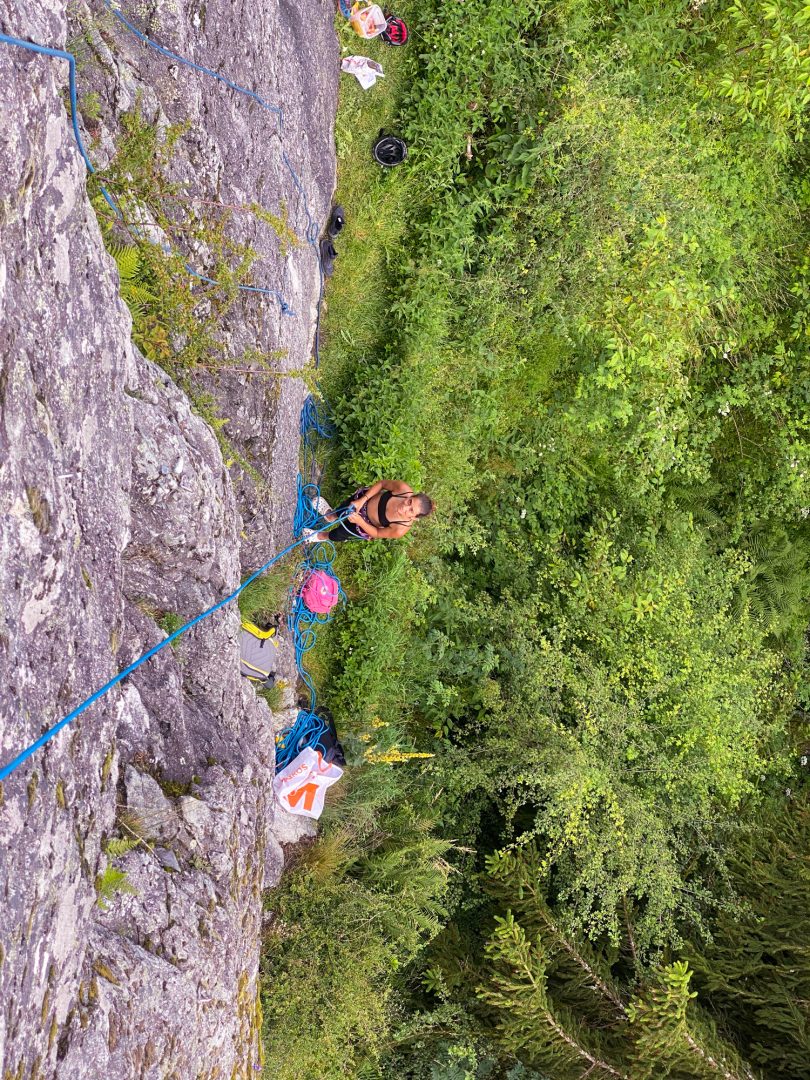
- Adventure/outdoor — hiking, climbing and canoeing; these fit multi-day residential camp models that emphasize route planning and wilderness skills.
- Arts & STEM — music, theatre and robotics; well suited to week-long day camp modules or project-based residential camps.
- Specialty — equestrian programs, sailing academies and elite sports tracks; often run as focused residential camps with coaching staff.
- Day camp vs. residential camp — day camp works for families wanting local intensity without overnight logistics; residential camp gives deeper bonding, full-day instruction and structured evening programs.
We, at the young explorers club, recommend matching the format to the desired outcome: choose residential camp for immersion and continuity, pick a day camp for sampling activities or for families based in the host region.
Country tendencies and what they mean for programming
Switzerland emphasizes alpine/outdoor experiences and premium residential camps. This yields a strong market for alpine camps Switzerland that combine technical guiding, high-altitude safety protocols and international boarding-style programs. Expect smaller group sizes, higher staff-to-camper ratios, and a focus on multi-day treks or climb programs.
Germany offers a broader mix. Municipal day camp offerings and Deutsches Jugendherbergswerk (DJH) youth-hostel-based residential camps create lots of local options. NGOs and private providers fill gaps with urban STEM weeks, forest-school style nature programs and affordable sports camp options. Larger cities run day camp networks that let families combine work schedules with quality supervision.
Top regions and activity fit — how I recommend choosing locations
Switzerland:
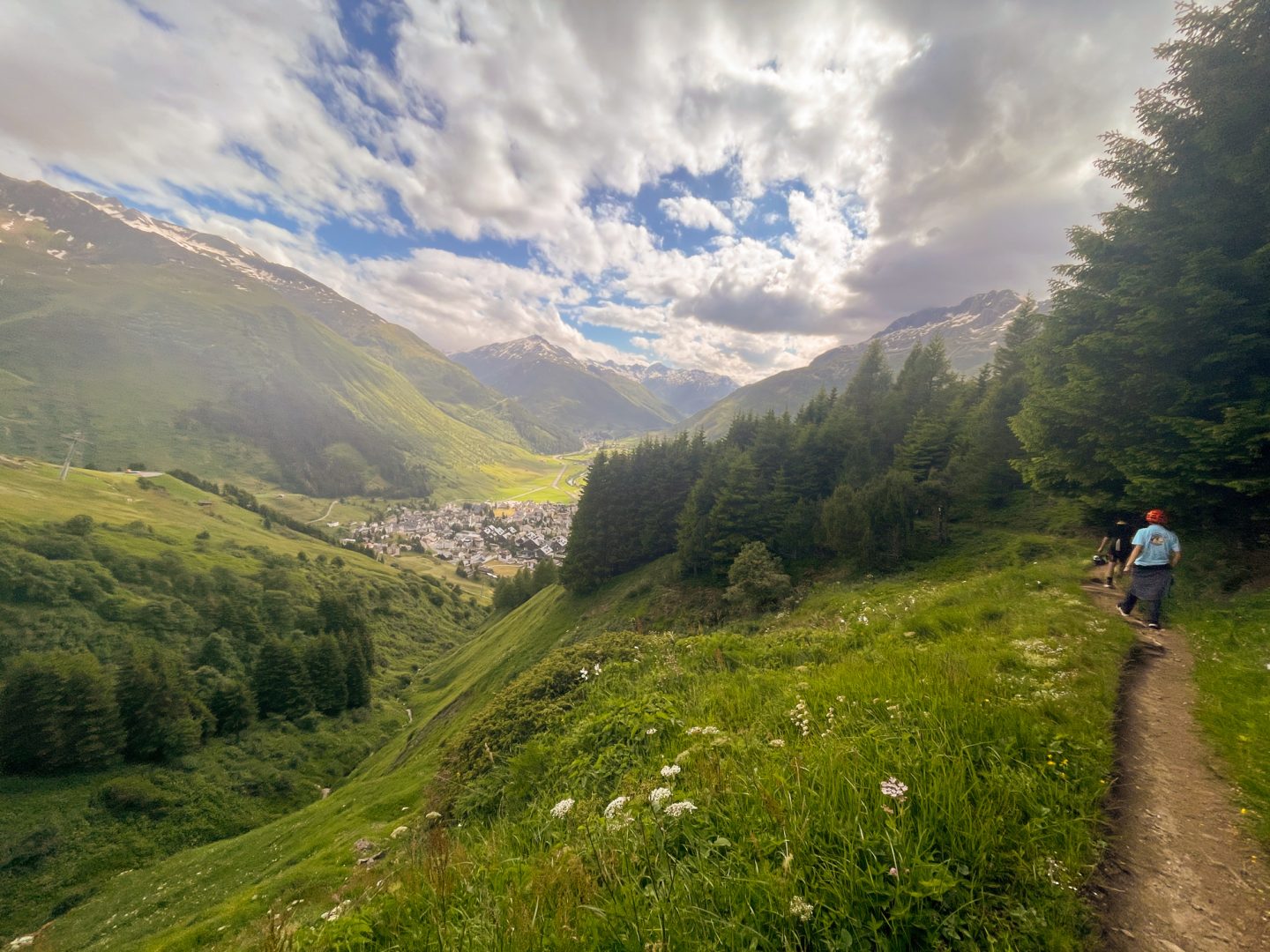
- Interlaken, Zermatt, Davos, Lake Geneva and Lake Lucerne — top picks for hiking, climbing, mountain biking and water sports.
- Remote alpine villages — deliver authentic mountain adventure but expect longer transfer times.
Germany:
- Bavaria/Alps and the Black Forest — suit forest-based education, mountain biking and traditional alpine sports.
- Baltic coast and North Sea — offer sailing and coastal water sports.
- Rhine and Moselle river valleys — ideal for canoeing and combined culture-plus-outdoor weeks.
- Major cities like Berlin and Munich — let you combine urban arts or STEM projects with nearby nature day trips.
Accessibility and logistics implications
Remote Swiss mountain camps often require additional bus, train or private transfers. This raises total logistics costs and can add arrival windows you need to plan around. I advise budgeting extra time and a transfer contingency for alpine camps.
German sites usually have easier road and rail access and more local shuttle options, especially those tied to DJH hostels or municipal centers.
Practical selection tips
- Choose language immersion in a region where the target language is widely used.
- Pick a sports camp near specialized facilities (tennis at a club, sailing on large lakes or coast).
- Opt for residential camp when you want deep progression and social development.
- Favor day camp for local convenience or when testing interest in a new activity.
- Factor transfers, medical protocols and staff qualifications into the total price and packing list.
I always weigh activity fit, access and program length first. That approach keeps logistics manageable and maximizes learning and fun for the camper.
https://youtu.be/CQ0P2d38mDM
Seasonality, durations, program content and language focus
We, at the Young Explorers Club, run most programs in the peak months of July and August, with many offerings starting in late June and running through early September. Camps in both Switzerland and Germany concentrate activity in that window, but the shape of the programs differs.
Switzerland favors international and multilingual formats. We often offer language immersion English/German/French tracks, plus regional French, German or Italian immersion, and many bilingual camps that rotate languages across activities.
Germany leans toward German-language programs, especially in municipal and NGO camps, while larger cities and private providers host more English-language international options. We see German camps emphasizing social skills, outdoor education and local cultural projects.
Typical durations and daily intensity
We structure sessions to match family needs and typical availability.
- Day camps: single days up to weekly blocks; 1–2 week blocks are common for family-friendly options.
- Residential camps: commonly 1–4 weeks; international boarding camps often offer 2–3 week sessions.
We recommend 1–4 weeks for a good balance between immersion and family logistics.
Classroom formats and pedagogy
We keep language groups small to accelerate learning. Typical small-group language classes of 6–10 students let instructors personalize feedback. Daily language classes of 1–3 hours/day are common across both countries, but the emphasis differs by country:
- Switzerland: language immersion tends to mix classroom instruction with cultural workshops, project-based learning and strong conversational practice during free-time and evening programs.
- Germany: more classroom-forward German instruction in municipal offerings, with practical outdoor-led language use during hikes, local excursions and community projects in NGO camps.
We prioritize communicative methods, real-world tasks and rapid corrective feedback. You’ll notice Swiss programs advertise multicultural contact and informal language practice, while German municipal camps often pair language with civic and social skill development.
Program content and recommended choices
We suggest picking Switzerland if you want a strong international environment and exposure to multiple languages in one session. Camps here are ideal for students who benefit from mixed-language peer groups and bilingual camps that switch contexts across activities. Choose Germany when your goal is intensive German-language immersion or community-based learning with a focus on outdoor skills and social development.
Operational notes that matter
We limit class sizes and recommend verifying advertised group numbers—6–10 students is standard, but premium providers may go smaller. Expect daily language classes 1–3 hours/day; the remainder of the day reinforces language through hands-on activities. Families concerned about supervision and staffing should read our guidance on staff supervision and consult the camp’s policies. Those prioritizing safety can review our assessment on camp safety standards before deciding.
Sample daily schedules
Below are two representative day plans we use to illustrate differences between a language-immersion and an adventure-focused program.
Language-immersion day (residential):
- 08:00 — breakfast
- 09:00–11:00 — language class (small-group language classes 6–10 students)
- 11:30 — cultural workshop or project
- 13:00 — lunch
- 14:30 — activity (sports/arts)
- 17:30 — free time
- 19:00 — dinner
- 20:30 — evening program/social language practice
Adventure day (day or residential):
- 07:30 — breakfast
- 09:00 — gear briefing & safety
- 09:30–12:30 — guided hiking/climbing session
- 13:00 — lunch
- 14:30 — water-sports or skills clinics
- 17:00 — return/cleanup
- 18:30 — debrief and group games
We advise families to weigh session length, intensity and language goals when choosing between Switzerland and Germany. Shorter 1–2 week blocks work well for first-time campers; 2–3 week stays give true immersion. For deep language gains, aim for consecutive daily language classes and consistent practice across meals, free time and evening programs.

Safety, staff qualifications, regulation and health requirements
We, at the Young Explorers Club, expect clear answers on safety and staff before a family commits. Swiss and German camps both run strong safety systems, but they differ in emphasis. Swiss alpine camps more often have on-site medical staff and direct mountain rescue access. German providers commonly follow strict municipal and state rules and frequently work with local youth-hostel (DJH) standards.
Staffing and qualifications
I outline the typical staffing patterns you’ll see so you can compare offers quickly. Day camps usually operate a staff-to-camper ratio of 1:6–1:12 depending on age and activity. Residential adventure programs tend to range from a staff-to-camper ratio of 1:4–1:8 for younger children, and 1:8–1:12 for teens. Every camp should list qualifications for leaders: verified first aid, child safeguarding training, and formal background checks are standard. We insist on seeing staff CVs and evidence of criminal-record checks before enrollment.
Health, safety infrastructure and insurance
Camps in high Alpine zones often factor mountain rescue into their emergency planning. Higher-end Swiss camps are more likely to have an on-site nurse or clinician and formal ties to local mountain-rescue teams. German camps may rely more on rapid ambulance transfer to nearby hospitals and strong coordination with municipal services. Providers typically carry liability insurance; parents must still confirm required personal travel, health and accident cover for international trips. Cancellation insurance usually costs about 5–8% of the trip price. I recommend you ask camps for current COVID and vaccination policies, and get written confirmation of sanitation and isolation procedures if needed.
Regulation and accreditation
Look for third-party accreditation or adherence to national youth-hostel standards in Germany and Switzerland. Swiss camps that advertise medical staff and mountain-rescue access tend to follow additional clinical and safety protocols. In Germany, state-level youth welfare regulations and DJH affiliation provide predictable minimums for staffing and facilities.
What parents should ask and verify
Request the following in writing so you can compare offers side by side:
- Staff-to-camper ratio: Confirm the exact ratio (1:4–1:12) by age group and by specific activities.
- Staff credentials: Ask for copies of staff CVs, copies of first aid certificates, proof of child safeguarding training and details of background checks.
- Insurance: Get the camp’s liability insurance details and a statement on what parent-held insurance is required.
- Cancellation costs: Request the cancellation policy and typical costs for cancellation insurance (5–8%) so you can budget.
- Emergency planning: Ask for emergency protocols, evacuation plans and the distance/time to the nearest hospital.
- On-site medical arrangements: Verify whether there is an on-site nurse, clinician, or a dedicated first-aid post.
- Medication policies: Confirm storage, administration, and who’s authorized to give medications.
- Mountain activities: If activities involve mountains, verify mountain rescue access, response times and communication methods.
- Health policies: Request current COVID/health and sanitation policies and any vaccination-related requirements.
I encourage you to compare specific documents from camps. For reassurance about Swiss standards and safety expectations, see why Switzerland is the safest and ask providers to match those practices in writing.

Accommodation, food, subsidies and a practical parent checklist
Accommodation & facilities
We, at the young explorers club, see clear contrasts in where kids sleep and play. In Switzerland camps often use mountain chalets, private boarding schools, lakeside resorts and dedicated camp centres. Premium programs bring modern leisure facilities like climbing walls, pools and purpose-built activity zones; consider booking one of the premium camps Switzerland if you want that level of comfort and programming.
Germany tends to favour youth hostels (DJH), school gyms, sports centres and rural campsites. Multipurpose halls and outdoor fields are common, which keeps costs down and lets programs run large-group activities easily. Typical rooming in both countries is a dormitory setup of 4–8 campers per room. Single or private rooms appear mainly in premium programs and usually cost extra. Ask specifically about bathroom arrangements and same‑gender grouping if that matters to you.
Food, dietary options, subsidies and a practical parent checklist
Residential fees usually include 3 meals/day plus snacks; day camps may either include lunch or expect a packed lunch. Most reputable providers offer dietary accommodations for vegetarian, vegan, gluten‑free needs and common allergies, but specialty or medical diets can carry added charges—confirm those costs when you book.
Subsidies vary by country. Germany has broader municipal support and reduced‑fee spots administered via Jugendamt and through the DJH network, which makes budget camps Germany an accessible option for many families. Switzerland has fewer nationwide subsidies; you’ll find some cantonal or private grants but they’re less widespread. If cost is a deciding factor, check local Jugendamt schemes or ask camps whether they hold reduced‑fee places. You can also review typical camp cost details on how much when comparing programs.
Ask these 10 must‑ask items before you book — this is the must ask camp checklist I use with parents:
- Exact total price and what’s included.
- Staff-to-camper ratios by age.
- Staff qualifications and background checks.
- Health/medical policy — on-site clinician? medication policy?
- Emergency & evacuation protocols.
- Accommodation details (rooming, bathrooms).
- Activity risk levels and instructor certification (e.g., climbing, sailing).
- Food/allergy policy and sample menus.
- Communication policy (frequency of updates, photos).
- Cancellation & refund policy + insurance recommendations.
For buyer guidance I give short, actionable advice. If budget is primary, prefer Germany for low‑cost day camps, broader municipal support and those Jugendamt or DJH reduced‑fee spots. If landscape or a premium residential experience matters, Switzerland’s alpine settings, chalets and private-school options deliver stronger scenic and international-program experiences but at higher cost. For language immersion, pick the country where the target language is dominant — German in Germany or German‑speaking Switzerland will give the best exposure.
For safety and quality we insist on transparent staff qualifications, clear ratios and written emergency plans. Parents can check our recommended safety checklist and staff supervision standards by reviewing published safety standards before committing.
Sources
Bundesministerium für Familie, Senioren, Frauen und Jugend — Jugend
Deutsches Jugendherbergswerk (DJH) — Angebote & Ferienprogramme
Federal Office of Public Health (BAG / FOPH) — Health guidance
EDK — Schweizerische Konferenz der kantonalen Erziehungsdirektoren
Federal Statistical Office (FSO) — Tourism statistics
Eurostat — Tourism seasonality
Numbeo — Cost of Living Comparison Between Switzerland and Germany
Hostelling International Switzerland — YouthHostel.ch
SummerCamps.com — Summer Camps in Germany
GoOverseas — Summer Camps in Switzerland
Allianz Travel — Travel insurance and guides