Walking Tours Of Swiss Cities For Families
Family walking tours in Switzerland: stroller-friendly 1–4 km loops. Plan at 4 km/h + 30–60 min per child stop. Use SBB app & Swiss Travel Pass
Family Walking Tours — Young Explorers Club
We, at the Young Explorers Club, plan family walking tours of Swiss cities around realistic distances and frequent pauses. Base timings on a 4 km/h walking speed and add 30–60 minutes for each child-friendly stop. Favor short city loops of 1–4 km and include tram or short train hops to avoid steep or cobbled sections. Don’t forget stroller-friendly gear and other essentials. Use SBB Mobile with the Swiss Travel Pass and Swiss Family Card to simplify transport and costs.
Planning and timing
Baseline timing
Plan walk time using a baseline of 4 km/h. Then add 30–60 minutes for each child-friendly stop (playgrounds, museums, snack breaks). Example: a 3 km loop = 45 minutes walking + stops. For multiple stops, sum the extra 30–60 minutes per stop.
When to use transit hops
Use short tram or train hops to avoid long uphill stretches, cobbles, or when the route would exceed the family’s comfort. Transit also helps convert a full-day route into a comfortable half- or full-day experience with breaks.
Routes and distances
Loop lengths and expectations
Favor city-center loops of 1–4 km for families:
- Short (1–2 km): ideal for a relaxed half-day with multiple stops.
- Medium (2–4 km): good for half- to full-day outings with a couple of stops and a transit hop if needed.
- Long (4+ km): plan as a full-day with transit breaks, stroller rests, and extra snacks.
Transport and tickets
Use trams, short trains and travel passes
Favor local trams and short train hops to reduce climbing and avoid rough surfaces. Use the SBB Mobile app for schedules and platform information. With the Swiss Travel Pass and Swiss Family Card, children under 16 travel free with a parent pass—this saves on ticket costs and simplifies planning.
Pack list & stroller gear
Essentials to bring
Pack stroller-friendly gear and basic supplies for a smooth family outing:
- All-terrain or compact stroller (depending on cobbles and tram access)
- Carrier for steeper sections or very young children
- Rain cover and weather-appropriate layers
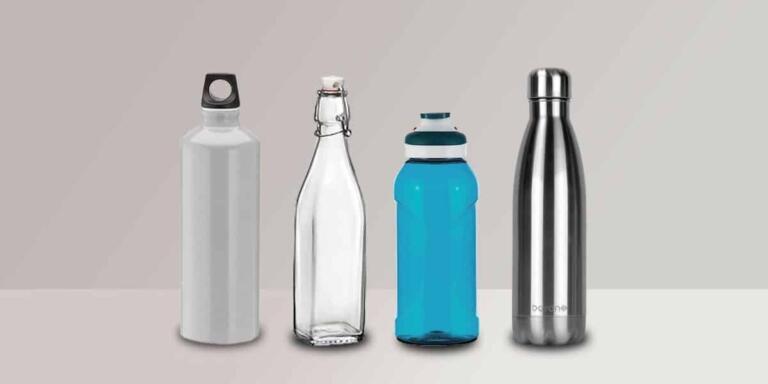
- Water and easy-to-eat snacks
- Small first-aid kit
- Portable phone charger
- Copies of tickets or passes stored in the SBB Mobile app and offline maps saved
Safety, timing and apps
Routine and emergency prep
Schedule snacks and rests every 45–60 minutes. Check the weather forecast before leaving and save offline maps. Note emergency numbers: 112 (general EU emergency) and 144 (Swiss ambulance). Use SBB Mobile for route planning, platform details, and ticket purchases.
Key Takeaways
- Plan with a 4 km/h baseline and add 30–60 minutes per child-friendly stop for timing.
- Pick city-center loops of 1–4 km for families: short (1–2 km) for half-day, medium (2–4 km) for half- to full-day, long (4+ km) for full-day with transit breaks.
- Use trams and short trains and travel passes; children under 16 travel free with a parent pass via the Swiss Family Card to reduce uphill stroller effort and ticket costs.
- Pack stroller-friendly gear: an all-terrain or compact stroller, a carrier, a rain cover, water, snacks, a small first-aid kit and a portable phone charger.
- Schedule snacks and rests every 45–60 minutes, check the forecast, save offline maps, note emergency numbers (112 and 144) and use SBB Mobile for route and ticket planning.
Quick planning essentials for family walking tours in Switzerland
We, at the young explorers club, plan routes around realistic distances and kid-friendly pauses. City centers cluster main sights within 1–4 km (0.6–2.5 miles). Short visits typically run 30–120 minutes. I use 4 km/h as a conservative planning speed and add stop time for children.
Best seasons are late spring to early autumn (May–September). Average summer temperatures in the lowlands sit around 18–22 °C. Aim your longest walking days for dry, mild weather and keep a rain plan for sudden showers.
Mentioned transport rules matter on family days out. Children under 16 travel free with a parent holding a Travel Pass when the Swiss Family Card is issued. The Swiss Travel Pass covers many regional transports and gives free or discounted museum access. Factor tram or short train hops into long itineraries to limit uphill stroller struggles.
Conversion rules and stop-time examples
- Conversion rule: time (minutes) = (distance km / 4 km/h) * 60. Examples: 1 km → 15 minutes walking; 2 km → 30 minutes; 3 km → 45 minutes; 4 km → 60 minutes.
- Typical stop durations to add per attraction: playground 20–45 minutes; interactive museum 45–90 minutes; café/snack 15–30 minutes. Default add-on per child-friendly stop: 30–60 minutes.
- Planning tips: add 30–60 minutes per child stop and an extra 10–15 minutes per child for transitions. If you expect heavy crowds or queues, pad the schedule.
Itinerary types, stroller notes and family logistics
- Short itinerary — Distance: 1–2 km. Walking time: 15–30 minutes at 4 km/h. Typical total time including one stop: 2–3 hours. Sample stops: playground, short museum, lakefront promenade. Stroller difficulty: low to medium; watch for cobbles.
- Medium itinerary — Distance: 2–4 km. Walking time: 30–60 minutes. Typical total time including two stops: 3–5 hours. Sample stops: main square, interactive museum, café/park. Stroller difficulty: medium; expect uneven paving in old towns.
- Long itinerary — Distance: 4+ km. Walking time: 60+ minutes. Typical total time including 2–4 stops: 5–8+ hours. Sample stops: boat ride, museum, playground, scenic viewpoint. Stroller difficulty: variable — plan tram or taxi options for steep sections.
I recommend these practical logistics. Major train stations and large museums usually offer family toilets and changing rooms; carry a few Swiss francs for pay toilets. Schedule snacks and brief rests every 45–60 minutes for young kids. For more activity ideas for a family trip, see family trip. Final planning metric: use 4 km/h walking speed plus 30–60 minutes per child-friendly stop as your baseline.

Practical logistics and family gear (accessibility, transport, tickets, pack list)
We, at the Young Explorers Club, plan around terrain and convenience so kids stay happy and days stay smooth. Historic city centers often have cobbles and narrow lanes; expect about 30–60% of old-town walking routes to include uneven pavement. Bring an all-terrain stroller or a compact carrier for steps and very narrow sections. Pack a rain cover and keep carry straps handy for short lifts and stairs.
Historic surfaces influence decisions about routing and timing. Compact strollers fold fast for trams and café corners. Carriers make steep alleys and crowded market streets far easier. Keep one adult free-handed for a curious child and a camera.
Most major train stations and large museums have baby-changing rooms and family toilets. Small cafés or public loos may charge a small fee, so carry some Swiss francs though many places accept cards. I recommend scouting a station or big museum as your first stop when you arrive; they often double as reliable pit stops.
City-center tram and bus networks are dense. Most major sights sit within a 10–20 minute tram ride of each other, which makes combining walking and public transport simple. Swiss Travel Pass covers regional transport and gives free or discounted museum access. The Swiss Family Card is free with a parent pass and covers children under 16. For route ideas on a family trip, check schedules and pass options before you leave.
Transport options — quick comparison:
- Walking: Cost is zero. Time is slower but direct; ideal for short hops of 1–3 km. Accessibility can be variable thanks to cobbles and steps, so stroller use may be limited.
- Tram (or bus): Cost is low to moderate unless covered by a Travel Pass. Typical ride times between main sights are 10–20 minutes. Accessibility is high; most trams have low-floor boarding for strollers.
- Taxi: Costs more, but gives door-to-door service and helps on late nights or when children are exhausted. Narrow old-town lanes can limit access.
Visualise a 2-km radius from Zurich Hauptbahnhof: Bahnhofstrasse, Old Town loops, major museums and large lakeside sections usually fall inside. At a 4 km/h pace you’ll cross that radius in roughly 30 minutes walking; factor in one child-friendly stop and add 30–60 minutes.
Practical metric reminders I use for planning include a 4 km/h baseline walking speed, planning for 30–60% uneven old-town surfaces for strollers, and remembering most sights are reachable in 10–20 minutes by tram if walking gets tiring.
Pack list for walking days — family essentials
Here’s what I stock in my daypack for reliability and comfort:
- Water bottles and healthy snacks
- Sunscreen, wet wipes and tissues
- Compact stroller and/or baby carrier
- Lightweight rain shells for adults and children
- Small first-aid kit (plasters, antiseptic wipes, sting relief) and any medications
- Portable phone charger for maps, tickets and photos

Top family walking tours: Zurich, Bern, Geneva, Lucerne, Basel, Lausanne
We, at the young explorers club, pick routes that keep walking times short, sights frequent and options for transit close by. Start each city loop at a clear landmark so kids stay oriented. Carry a stroller-friendly plan and one backup activity for weather or tired feet. Aim for 4 km/h pacing for estimates, then add generous stop time.
Suggested family loops (quick-reference)
-
Zurich — Bahnhofstrasse → Paradeplatz → Old Town (Niederdorf) → Grossmünster → Limmatquai → Lake Zurich promenade.
- Distance: ~2.5 km
- Walking estimate: 30–40 min plus stops = 60–90 min+
- Kid highlights: Zurich Zoo (Masala Hall), Swiss National Museum, lakeside playgrounds
- Accessibility: Bahnhofstrasse and promenades mostly paved; Old Town has cobbles and narrow streets (expect ~20–40% uneven surfaces)
-
Bern — Zytglogge (Clock Tower) → Einstein Museum area → Rosengarten viewpoint → Bern Münster → Old Town arcades.
- Distance: ~3 km
- Walking estimate: 45 min plus stops = 90–120 min
- Kid highlights: Bern Historical Museum (Einstein Museum), Bear Park, riverside swim zones and playgrounds
- Accessibility: Covered arcades (Lauben) provide rain shelter and easier stroller routes; watch for cobbles and a few steps near viewpoints
-
Geneva — Jet d’Eau / Lake Geneva promenade → English Garden (Flower Clock) → Old Town (St. Pierre Cathedral) → Rues Basses.
- Distance: ~3 km
- Walking estimate: 45 min plus stops = 90–120 min
- Kid highlights: Natural History Museum, Bains des Pâquis beaches and family facilities
- Accessibility: Lake promenade and English Garden are paved and stroller-friendly; Old Town includes steeper, narrow lanes
-
Lucerne — Chapel Bridge → Old Town squares → Lion Monument → Lakeshore promenade.
- Distance: ~2 km
- Walking estimate: 30 min plus stops = 60–90 min
- Kid highlights: Swiss Museum of Transport (very interactive), boat rides on Lake Lucerne
- Accessibility: Lakeside promenades and main bridge are paved and stroller-friendly; some alleys are narrow or cobbled
- Planning resource: See our family trip in Switzerland guide
-
Basel — Basel Minster → Marktplatz → Tinguely Fountain (Theaterplatz) → Rhine promenade.
- Distance: ~2–3 km
- Walking estimate: 30–45 min plus stops = 60–120 min
- Kid highlights: Toy Museum (Spielzeug Welten), Natural History Museum, Basler Papiermühle
- Accessibility: River promenades and main squares are paved; Old Town has cobbles and a few steps near the cathedral
-
Lausanne — Ouchy lakeside (Olympic Museum) → boat pier → uphill to Cathedral / Old Town viewpoint.
- Distance: 2–3 km
- Walking estimate: 30–45 min but allow extra time for elevation — total 90–150 min depending on transit help
- Kid highlights: Olympic Museum, Ouchy parks and lakeside playgrounds
- Accessibility: Lakeside promenades are stroller-friendly; steep hills make trams, funicular or taxis useful with strollers
Practical tips we follow
-
Schedule: Plan one major stop every 20–30 minutes to keep energy and interest high.
-
Clothing: Pack layered clothing for changing weather.
-
Safety: Carry a small first-aid kit.
-
Mobility options: If hills or cobbles look tough, switch to a short tram ride or ferry to keep the kids happy and the day on track.
-
Timing: Allow extra time for stops, snacks and photos — the goal is enjoyment, not speed.
Sample family itineraries and time/cost framing
Itinerary formats and timing rules
- Short half-day (best for toddlers): 1–2 km walking (15–30 min) plus 60–90 min at a playground or small museum — total about 2–3 hours.
- Full-day mixed: 3–5 km walking (45–75 min) plus a 1–2 hour museum or boat ride and meals/naps — total about 5–8 hours.
- Typical museum visit for families: 45–90 min. Check Swiss Museum Pass lists and individual museum family discounts before you go.
- Energy budget: plan a snack or short rest every 45–60 minutes of activity or walking. That keeps moods steady and legs fresh.
- Timing assumption: walking times use a 4 km/h average; add transit buffer for trams, funiculars or short boat legs.
Zurich
- Morning-only (city essentials): Bahnhofstrasse → Paradeplatz → Niederdorf. Distance 1.6 km; walking ~24 min. Stop for window-shopping and a playground break (30 min). Expect about 1.5–2 hours total. No transit needed.
- Half-day (family loop): Bahnhofstrasse to Grossmünster (0.6 km, ~9 min) then to the Lake Zurich promenade (1.4 km, ~21 min). Fit a 45–60 min museum or lakefront playground stop. Total ~3–4 hours.
- Full-day (boat + zoo): Lakeside stroll to the boat pier (0.5 km, ~8 min), 1-hour boat ride, then tram to Zurich Zoo (20–30 min transit). Zoo visit 2–3 hours. Plan for a 6–8 hour day.
Bern
- Morning-only: Zytglogge → Old Town arcades with a short coffee stop. Distance 1.2 km; walking ~18 min; total ~1.5–2 hours.
- Half-day: Zytglogge to Einstein Museum area (0.6 km, ~9 min) then Rose Garden viewpoint (1 km, ~15 min). Include picnic and playground time; expect ~3–4 hours.
- Full-day: Old Town loop plus Bern Historical Museum (1–1.5 hours) and afternoon at Bear Park or riverside swimming. Use tram or a short taxi for uphill transfers to save energy. Total ~6–8 hours.
Geneva
- Morning-only: Jet d’Eau → English Garden/Flower Clock → lakeside bench. Distance 1.5 km; walking ~22 min; total ~1.5–2 hours.
- Half-day: Lakeside promenade to the Natural History Museum (45–60 min visit) then a gentle Old Town stroll. Walking ~2.5 km total; plan for ~3–4 hours.
- Full-day: Boat or paddle experience on Lake Geneva (1–2 hours) plus Old Town museum visit and extended park/playground time. Use tram between lakeside and Old Town as needed. Expect ~6–8 hours.
Lucerne
- Morning-only: Chapel Bridge → Old Town squares → quick coffee. Distance 1.2 km; walking ~18 min; total ~1.5–2 hours.
- Half-day: Chapel Bridge to the Lion Monument then short lakeshore walk. Add Verkehrshaus (Swiss Museum of Transport) via bus or boat (10–20 min transit). Museum visit 90–120 min. Total ~4–5 hours.
- Full-day: Boat on Lake Lucerne (1–1.5 hours) plus an extended Verkehrshaus visit (≈2 hours) and Old Town time. Use public transport and boat legs to reduce walking. For broader planning ideas see our family trip suggestions.
Basel
- Morning-only: Minster → Marktplatz → Rhine promenade. Distance 1.5 km; walking ~22 min; total ~1.5–2 hours.
- Half-day: Minster to the Toy Museum (Spielzeug Welten) and Tinguely Fountain. Short tram hops connect points; museum time 45–90 min. Total ~3–4 hours.
- Full-day: Old Town in the morning, then Natural History Museum and Basler Papiermühle interactive visit in the afternoon. Use tram or bus to cut uphill legs. Total ~6–8 hours.
Lausanne
- Morning-only: Ouchy lakeside stroll and playground. Distance 1–2 km; walking 15–30 min; total ~1.5–2 hours.
- Half-day: Ouchy to the Olympic Museum (1–2 hour visit) and then ride the funicular or tram uphill to Old Town viewpoints. Allow extra time for elevation. Total ~3–4 hours.
- Full-day: Combine a lakeside boat ride, Olympic Museum, cathedral and park visits. Use funiculars to keep little legs happy. Expect ~6–9 hours.
Snack/rest cadence example: on a 3-hour outing with 45 minutes walking and 90 minutes in a museum plan 2–3 snack/rest moments — at the start, mid-museum, and after the museum — to maintain the energy budget and keep the day pleasant.

Safety, health, weather and emergency planning
We, at the young explorers club, treat safety as part of the itinerary. Here are simple rules on safety, weather and emergencies for family walking tours in Swiss cities. Keep directions short and flexible. Make choices that reduce stress and keep kids comfortable.
General safety and weather
I recommend basic city precautions. Keep an eye on belongings and use well-lit routes at night. Pick quieter streets for strollers and avoid isolated shortcuts after dark. Switzerland has low crime overall, but petty theft can happen in crowded places.
Dress in layers. Swiss lowland summers average about 18–22 °C, while late spring and early autumn can be mild but changeable. Winters are cold and streets often have icy cobbles; bring warm coats and shoes with good grip. Pack sunscreen and hats for sunny days. For hydration, plan water and snacks every 45–60 minutes for children; short, frequent breaks keep moods and energy stable.
Health and emergency checklist
Below I list the essentials we always save before a walk and keep handy in a small backpack:
- Emergency numbers: 112 (general emergency) and 144 (Swiss ambulance).
- Pharmacy info: note the nearest Apotheke for each stop.
- Clinic/hospital: record the closest hospital or urgent-care clinic in every city you visit.
- Offline navigation: download offline maps and save map areas on your phone.
- Transport app: install SBB Mobile for tram, bus and train planning and ticket purchases.
- Copies of documents: keep a photo or photocopy of passports, insurance details and emergency contacts.
- Local help: save the tourist office phone number for each town in your itinerary.
Practical apps and tips
We always test apps before leaving wifi. Save map tiles and try a quick route offline. SBB Mobile covers most public-transport options and lets you buy tickets on the go. Keep a lightweight first-aid kit with plasters, antiseptic wipes and any family prescriptions. If coverage looks patchy, write clinic addresses on paper and tuck them into the daypack.
Pack with weather and walking in mind. I suggest checking forecasts the evening before and adding one extra warm layer for children. For a compact packing checklist for Switzerland, consult our guide on what to pack. We also recommend planning routes with frequent cafes or parks so kids can rest, rehydrate and use toilets without stress.
Keep communication simple. Teach children to find a uniformed staff member or shop worker if they get separated. Program two local numbers and a meeting point into each child’s memory before you start a walk.
https://youtu.be/WNsfsFtJCWo
Practical resources and official links for planning and tickets
We, at the young explorers club, use a short list of official tools for smooth family city walks. Check live hours and prices on official pages before you travel; policies and opening times change frequently.
Official transport and tourism links
My go-to transport planner is SBB Mobile for trains, trams and tickets. For nationwide passes and family rules consult the Swiss Travel System and Swiss Travel Pass pages; children under 16 travel free with a parent pass per the Swiss Travel System. For national tourism info and city links use MySwitzerland and then follow each city office for local details: Zurich Tourism, Geneva Tourism, Bern Tourism, Lucerne Tourism, Basel Tourism and Lausanne Tourism. For Lucerne-specific family museum info check Verkehrshaus.
How we use SBB Mobile
- Enter origin and destination; SBB Mobile shows walking plus tram/bus combinations and journey times.
- Pick the ticket type: single, day pass or Travel Pass, then add children or the Swiss Family Card where applicable.
- Save journeys and download tickets to your phone so you can show them offline.
- Use the “connections” view to preview platform changes and transfer walking times with strollers or small kids.
City planning tips we follow
We always review the city tourist office pages to confirm family services, stroller accessibility and current opening times. Elevation matters in places like Lausanne; use mapping tools with elevation overlays and plan to take funiculars or trams for the steep legs. For hands-on days in Lucerne add Verkehrshaus to the agenda for interactive exhibits aimed at kids. For inspiration and broader itineraries see our family trip in Switzerland content.
Quick checklist
- SBB Mobile
- Swiss Travel Pass
- Swiss Family Card
- MySwitzerland
- Verkehrshaus
We advise confirming child fares and Family Card rules directly with the listed city tourist offices before you buy.
Sources
Swiss Federal Statistical Office — Population and population changes of the major Swiss cities
Swiss Travel System — Swiss Family Card
Swiss Travel System — Swiss Travel Pass
MySwitzerland (Switzerland Tourism) — Family holidays in Switzerland
SBB CFF FFS — SBB Mobile (app and timetables)
UNESCO World Heritage Centre — Switzerland
Zurich Tourism — Bahnhofstrasse
Bern Tourism — Lauben (arcades)
Luzern Tourism — Chapel Bridge (Kapellbrücke)
Swiss Museum of Transport (Verkehrshaus der Schweiz) — Visitor information