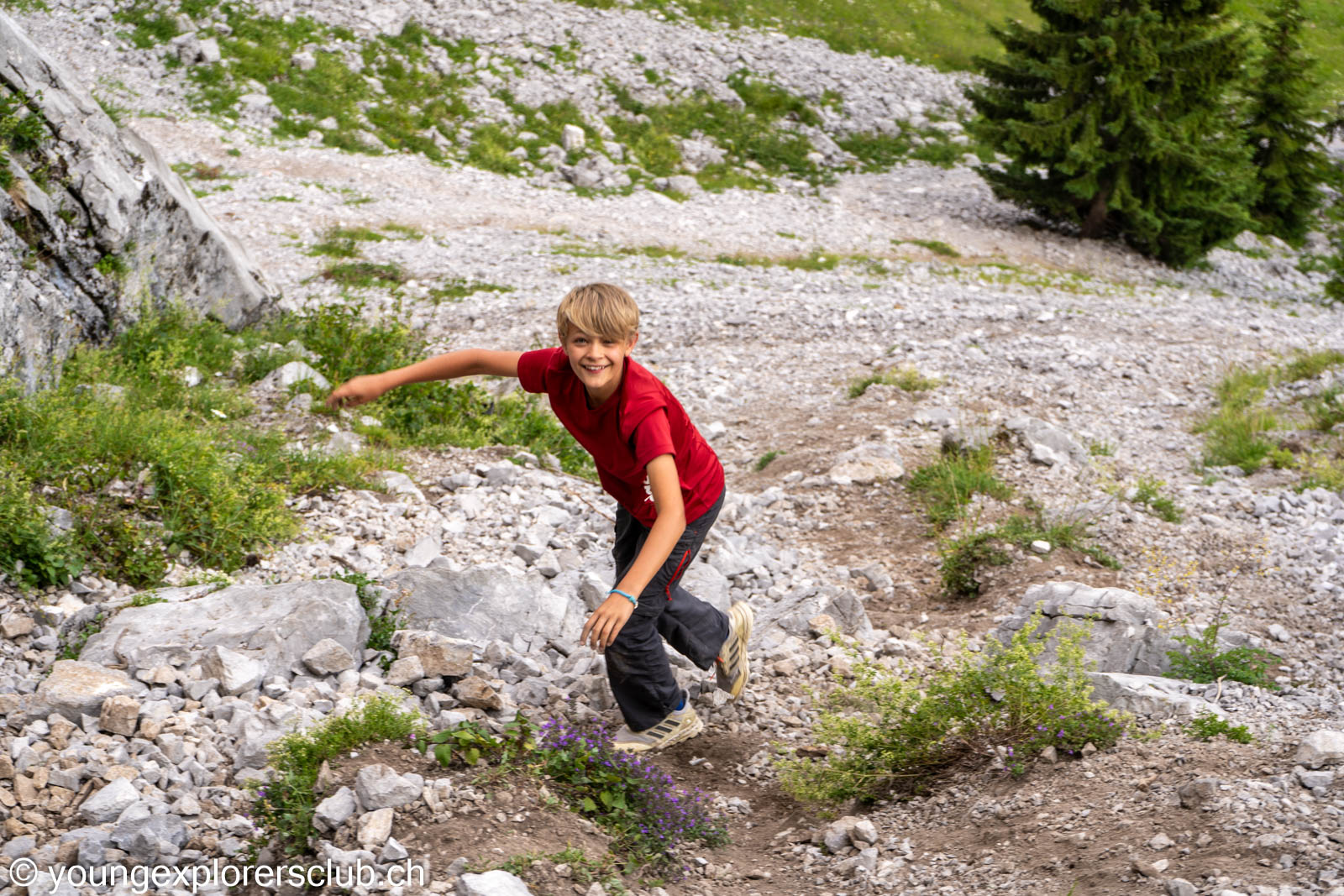
Why Scottish Families Explore Swiss Highlands Comparisons
Scottish Highlands vs Swiss Alps for families: compare elevation, glaciers, transport and costs to choose low-cost walks or lift-served trips
Comparison: Scottish Highlands vs Swiss high Alps
We compare the Highlands with the Swiss high Alps to show how differences in elevation, glaciers and mountain infrastructure affect route difficulty, weather exposure and family access. Clear statistics on peak heights, transport times and typical costs help parents pick between lower-elevation, lower-cost wild walking in Scotland and higher-altitude, lift-served glacier adventures in Switzerland.
Key Takeaways
-
Elevation and terrain drive expectations: Ben Nevis is 1,345 m. Dufourspitze reaches 4,634 m. Swiss treelines sit much higher, so expect more snowfields, stronger UV and altitude effects in Switzerland.
-
Transport and access differ: Switzerland’s frequent trains, cable cars and mountain railways, plus options like the Swiss Travel Pass, make high routes easy to reach for families without alpine driving.
-
Cost contrasts matter: Switzerland typically costs 30–70% more for lodging, food and lifts. Self-catering, travel in the shoulder season and selective rail-pass use cut overall expenses.
-
Activity windows and suitability vary: Swiss high trails and reliable ski seasons favour late June–September and winter at high resorts. Scottish lower hills offer rugged, walkable terrain from May–September.
-
Safety and preparation: plan acclimatisation above ~2,000 m. Carry layered clothing and strong sun protection. Prebook childcare and lessons. Make sure travel insurance covers mountain rescue and helicopter evacuation.
Practical tips for families
-
Choose the right target: For first-time family mountain trips prefer lower-altitude routes in the Highlands or lift-accessed, glacier-free Swiss valleys.
-
Plan transport: In Switzerland rely on public transport and cable cars; in Scotland expect longer drives and more remote approaches.
-
Budget smartly: Use self-catering, staggered itineraries and off-peak travel to reduce Swiss costs.
-
Packing checklist: layered waterproofs, strong sunscreen, sunglasses, basic first-aid, and supplies for slower-moving children.
-
Training and lessons: For glacier or high-altitude routes, prebook guided lessons and consider short acclimatisation hikes before attempting higher summits.
Bottom line: If your priority is rugged, lower-cost, wild walking close to sea level and easier weather patterns, the Scottish Highlands are ideal. If you want high-altitude scenery, reliable lift access and well-served facilities (and can accept higher costs and increased altitude risks), the Swiss high Alps are unmatched.
https://youtu.be/y1MtieihXwk
Headline snapshot: Ben Nevis to Dufourspitze — quick facts for busy families
We, at the Young Explorers Club, map the essentials for families comparing the Scottish Highlands with the Swiss high Alps. This gives busy parents a fast read to weigh scale, transport and cost differences without digging through long guides. Mountain culture feels familiar in both places, but elevations, infrastructure and typical activities diverge sharply. We suggest a quick look at the stats, then decide whether you want wild, low-cost hills or higher, glacier-fed adventures.
Quick facts
A short list of headline stats to scan quickly:
- Ben Nevis — 1,345 m
- Scotland — 282 Munros
- Dufourspitze — 4,634 m
- Switzerland — 48 Alpine 4,000 m peaks
- Edinburgh → Zurich — ~2 hours (direct flight)
- Swiss Travel Pass — 3‑day approx. CHF 232 (2nd class) — verify current price
One-line family comparison: Scotland = lower elevations, easily accessible wild mountain culture and lower costs; Switzerland = much higher peaks, glaciers, extensive mountain transport and higher costs.
For practical planning on where to book and what to expect from routes and services, see our family trip page for Switzerland: family trip.

Landscape and scale: mountains, glaciers and what elevation means for families
At the young explorers club, we compare vertical scale directly: Ben Nevis tops out at 1,345 m while the Dufourspitze reaches 4,634 m. Our head-to-head shows Scotland’s highest mountain sits well under 1,500 m, and Scotland lists 282 Munros compared with Switzerland’s 48 peaks above 4,000 m. We use those numbers to set expectations for difficulty, weather and the type of scenery families will actually meet on the trail.
We track glaciers as a family planning factor. The Aletsch Glacier runs roughly 23 km and has retreated noticeably in recent decades, so we advise checking current conditions before planning glacier viewpoints. Our elevation maps highlight the contrast in tree line: Swiss forests often end between about 1,800–2,200 m, while Scottish tree line sits near 600–700 m. That difference shapes available shelter, wind exposure and picnic spots for children.
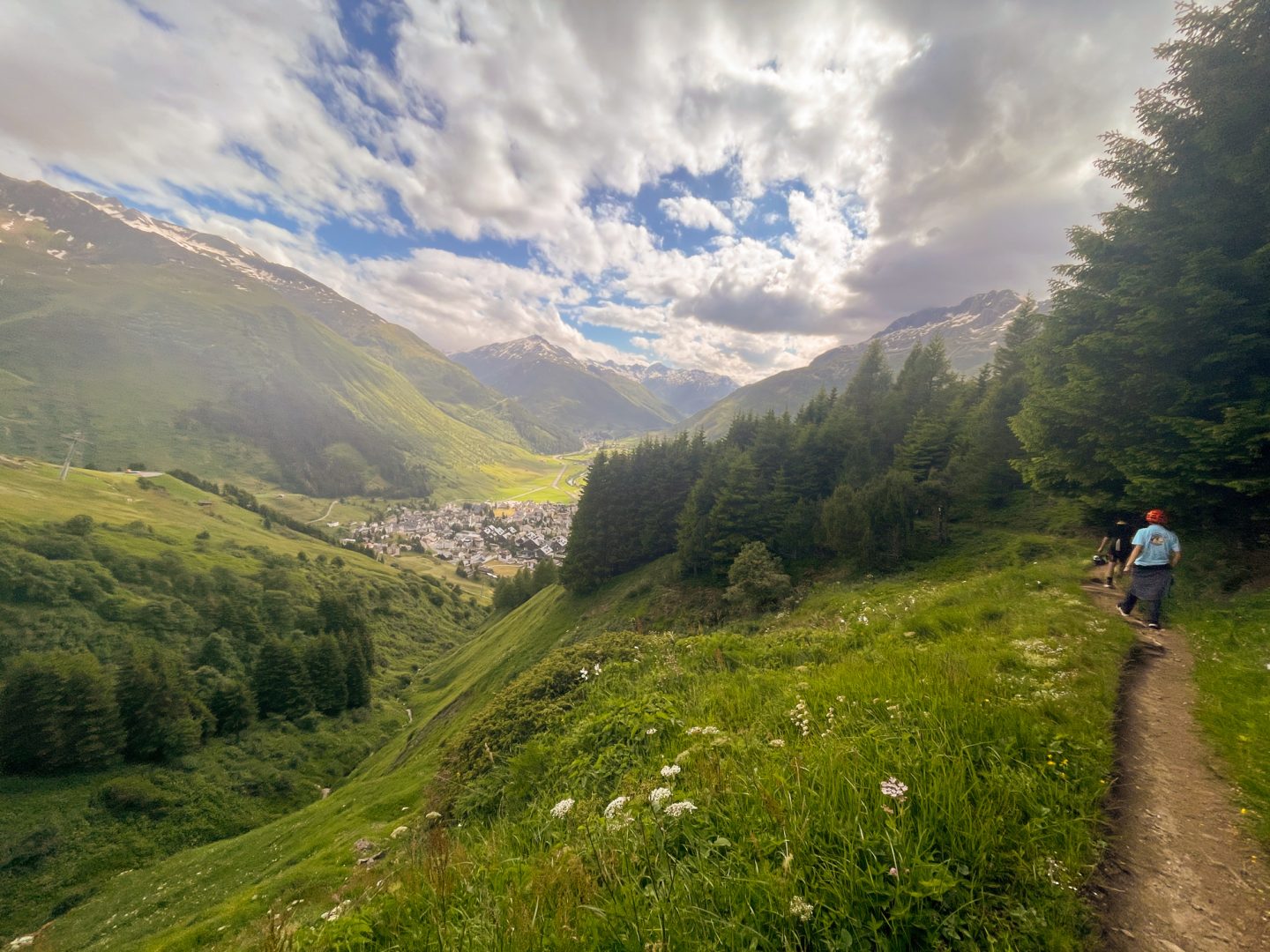
We turn those physical differences into practical guidance. Higher Swiss elevations mean longer snowfields into late spring, distinct alpine vegetation belts and dramatic vertical terrain that lifts and cable cars can access for families who prefer less climbing. Scotland’s montane character gives softer slopes, tussock grass, heather and a lower tree line that puts wild, walkable landscapes within easy reach of younger kids.
Practical takeaways for family trips
Below are clear actions we recommend when choosing between Scottish and Swiss highland options:
- Pack for altitude and sun in Switzerland: we bring layered clothing, stronger sun protection and warmer nights for hikes that cross tree line.
- Use lifts strategically: we plan routes that combine easy uphill access by cable car with short, scenic walks at altitude to keep kids engaged.
- Favor lower summits in Scotland for beginners: we pick Munros or coastal hills with gentler terrain and reliable shelter.
- Check glacier outlooks ahead: we confirm viewing points and safe distances rather than assuming easy access.
- Match itinerary to biodiversity goals: we choose Swiss alpine zones for flower-rich summer walks and Scottish montane areas for birdwatching and heather landscapes.
- Start with a short acclimatisation day: we schedule gentle activities after travel so children adjust to thinner air and new temperatures.
For planning specifics and route ideas, we recommend using our family trip guide to align expectations and gear with the elevation and terrain you’ll encounter.

Getting there and getting around: flights, trains and travel times
International access and fares
We, at the Young Explorers Club, recommend flying into Zurich or Geneva for most Scottish family itineraries. Direct Edinburgh–Zurich flights take about 2 hours. Geneva also sees many UK services and can shave transfer time for western alpine destinations. Return fares between the UK and Switzerland typically fall in the range of £80–£400, depending on season and how early you book. I advise booking early for school holidays and major festivals to lock in lower fares.
I suggest adding a short buffer for airport procedures and family checks. Factor in:
- early boarding for families
- potential baggage fees
- time for ground transport to mountain bases
Internal travel: trains, driving and sample door-to-door times
Swiss rail is my go-to for families. Trains run frequently and reliably, with punctuality around 90–95% (annual variation). They remove the stress of alpine driving and usually offer family compartments or easy carriage access for buggies and luggage. For multi-day hops or sightseeing, consider a Swiss Travel Pass; a 3-day pass in 2nd class is roughly CHF 232 — check the current price at booking.
Below are practical travel-time examples and transfer options for planning a smooth trip:
- Edinburgh (airport transfer) + flight ~2 hours + transfer to mountain base 1–3 hours, depending on destination.
- Zurich to Interlaken by car ~2 hours; by train roughly the same with scenic changes.
- Geneva to major alpine hubs typically 1.5–2.5 hours by road; trains vary by connection.
- Use regional trains and postbuses for final legs into villages; they run to ski lifts and trailheads.
I recommend this approach for families:
- Fly into the closest international airport to your alpine base to cut transfer time.
- Use trains for long transfers to avoid tired kids and alpine traffic.
- Rent a car for late-night arrivals, remote chalets, or when you need door-to-door flexibility.
We always factor in luggage logistics. Trains are great for carrying kits and daypacks. Driving gives door-to-door convenience but requires confidence on mountain roads and time for parking. For a sample family itinerary, plan: airport transfer to terminal, direct flight ~2 hours, then a 1–3 hour transfer to your mountain base — that keeps a full travel day realistic and kid-friendly.
For practical prep for a family trip, pack compact carry-on items, plan a mid-transfer snack, and reserve rail seats or car hires ahead of time to secure the best options.

Cost and accommodation: sample family budgets and money-saving tips
We, at the Young Explorers Club, note Switzerland runs significantly higher than the UK for accommodation, dining and transport — common items are often 30–70% pricier depending on category and season. That premium shows up most in peak-season mountain towns and ski resorts.
Accommodation price ranges are clear and easy to plan around. In the mid-2020s typical Swiss mid-range apartments or hotels cost about CHF 120–300 per night for a family-sized room or apartment. In the Scottish Highlands you’ll find B&Bs at roughly £70–£150 per night, while self-cater cottages commonly fall between £70–£200 per night.
Dining and activities add up fast if you don’t plan. A restaurant meal in Switzerland usually costs CHF 15–40 per person. Comparable pub or restaurant meals in Scotland commonly run £10–£25 per person. Lift tickets and ski gear follow the same pattern: a ski-lift day pass in Switzerland is typically CHF 40–80+ and ski hire about CHF 20–50 per day.
For planning clarity I use a sample family budget for a 7-day trip (family of four). Expect a wide range: £2,500–£6,000 total, depending on travel style, season and exchange rates. That covers flights/travel, mid-range lodging, food, local transport and two or three paid activities.
Practical money-saving tips
- Choose a self-cater apartment or chalet to slash food bills. Cooking breakfast and a few dinners cuts a big chunk from the total. See our family trip guidance for realistic meal ideas.
- Travel in the shoulder season to reduce accommodation and activity prices while avoiding crowds.
- Pre-book mountain railways, lift passes and ski schools to secure lower rates and available slots.
- Use self-transfer options and book multi-day car hires when rural trains are infrequent. That often beats last-minute taxis.
- Buy Swiss Travel Pass days selectively. Pick the days with costly mountain legs or intercity hops to get the best value.
- Prioritise one paid highlight per day (guided hike, lift ticket, museum) and fill the rest with low-cost outdoor play.
- Check family or group discounts and book directly with smaller chalets or B&Bs — you’ll often get flexible offers for kids.
We balance comfort and cost by mixing a few paid experiences with lots of self-guided outdoor time. Practical choices like self-catering, shoulder-season travel and selective rail pass use keep Swiss highs affordable for Scottish families without compromising on adventure.
https://youtu.be/y1MtieihXwk
Activities for families: hiking, skiing and season-by-season options
Hiking and trails
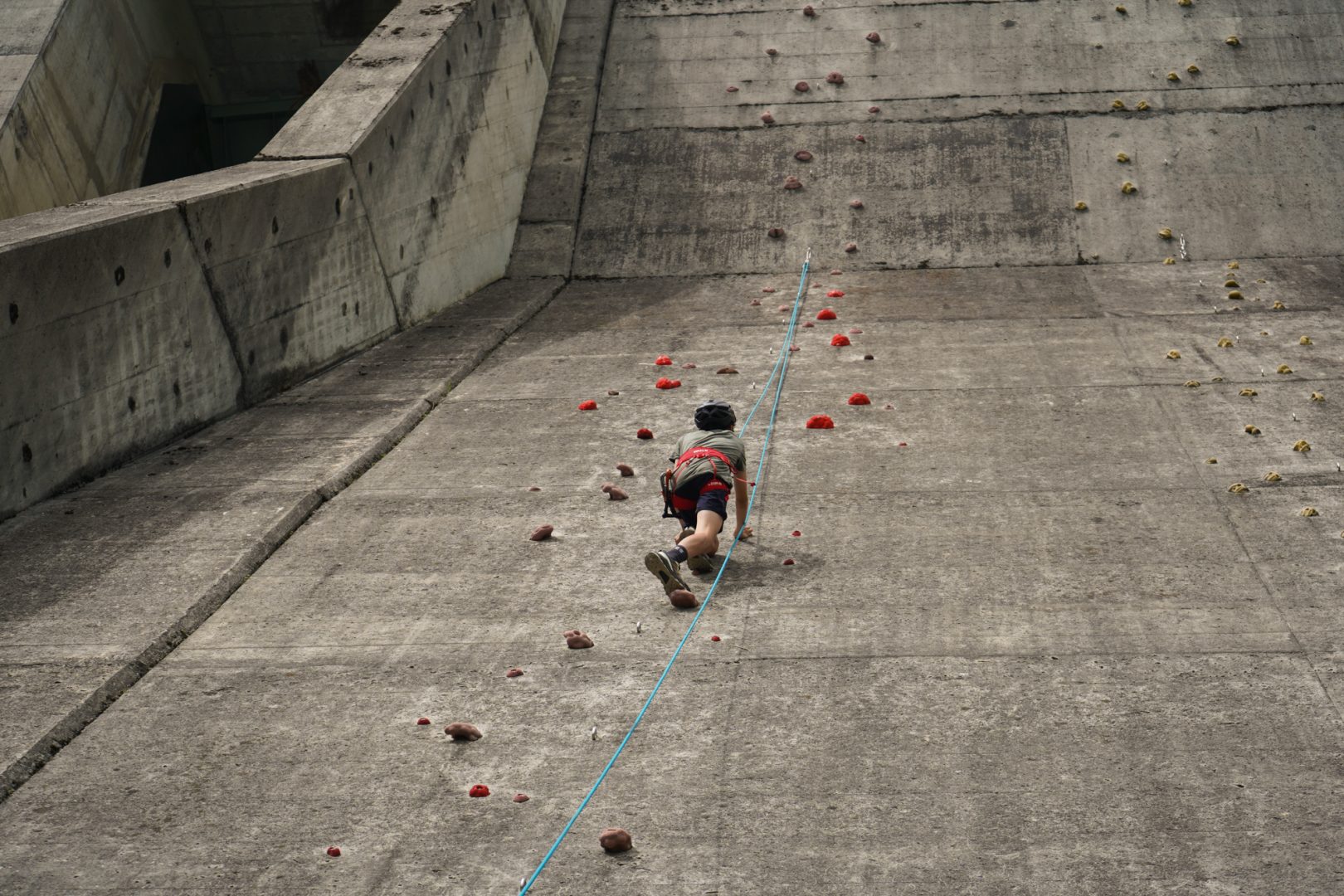
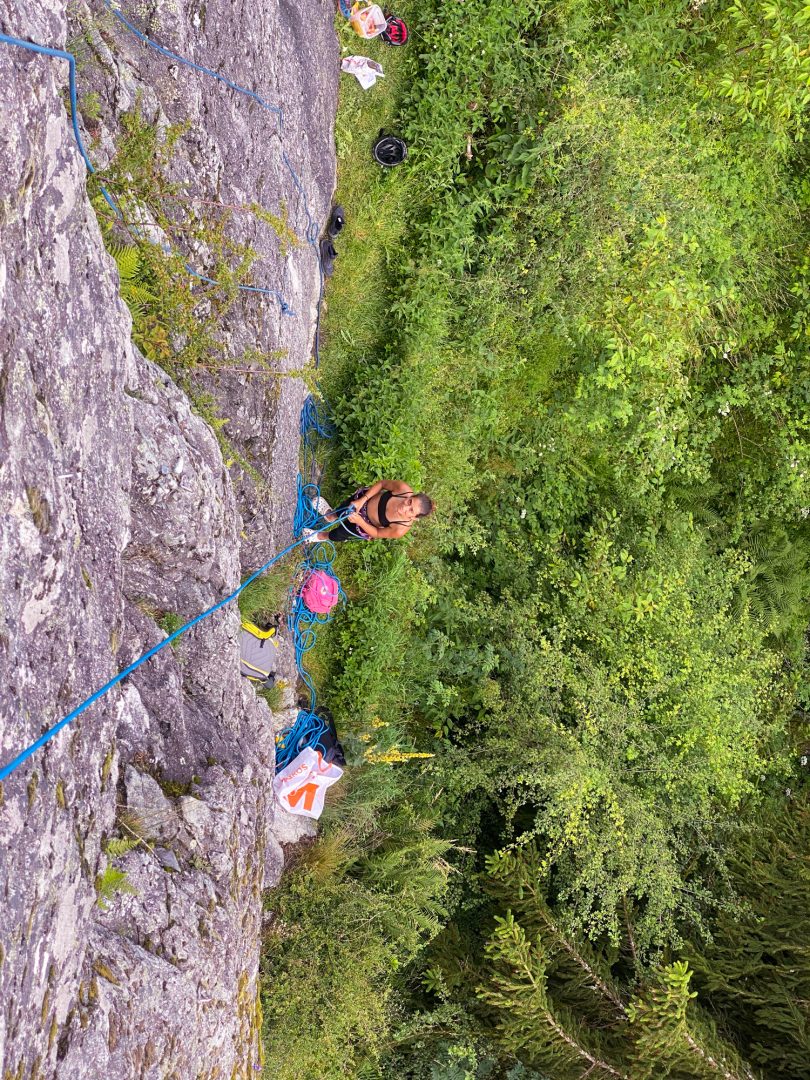
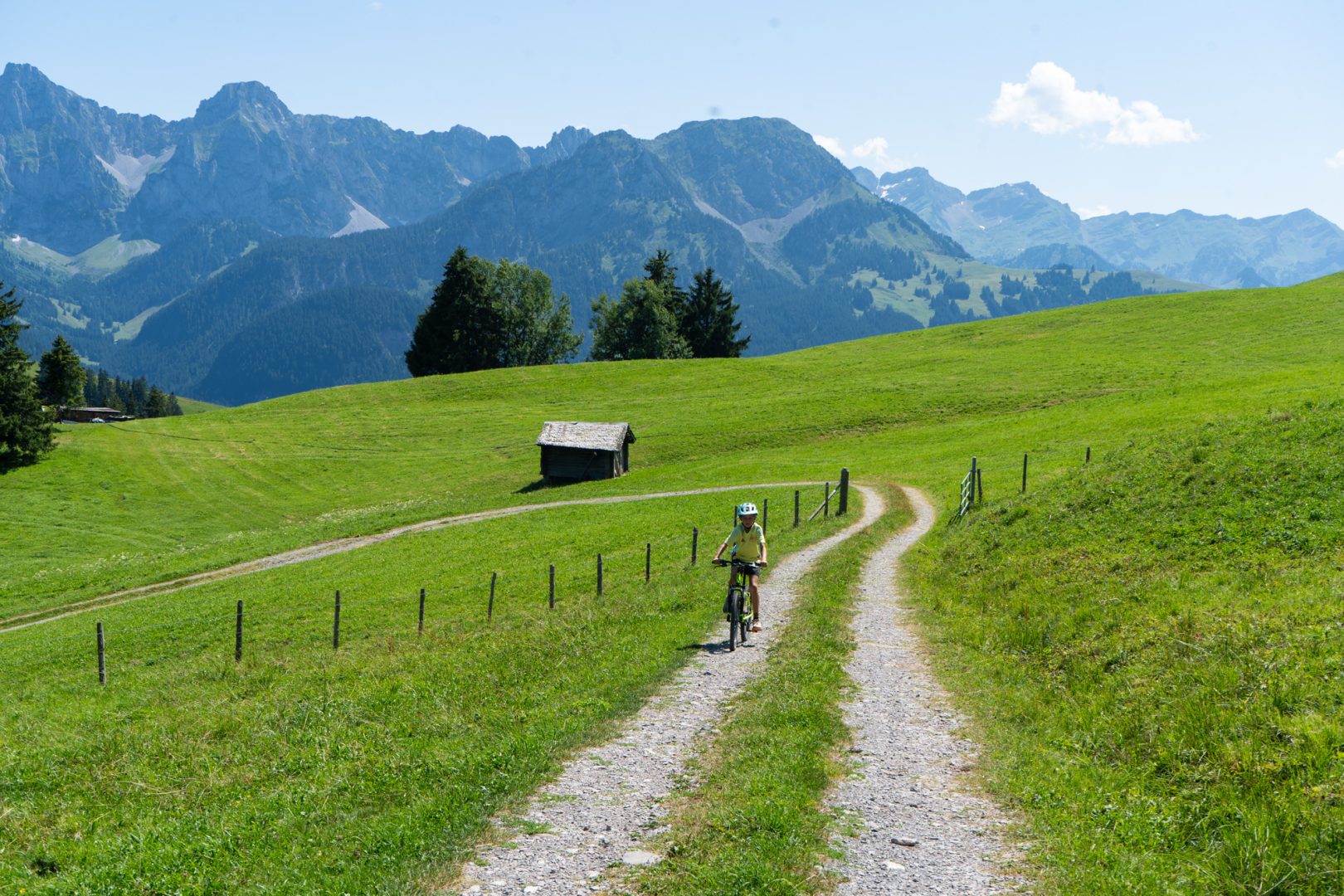
We recognise Scottish families arrive with strong hillwalking experience and Munro-bagging confidence. Many Scottish routes sit at lower elevations yet stay rugged and demanding underfoot. Swiss terrain offers a different mix: long valley strolls, high routes you reach by cable car, via ferrata sections for older kids and many genuinely family-friendly paths that lifts and mountain railways make accessible even with strollers or toddlers.
Practical hiking advice I give families:
- Choose stages that match kids’ energy: short summit snacks beat long marches.
- Use cable cars to gain altitude quickly and save legs for scenic ridge walks.
- Try a via ferrata only with proper harnesses and guides; it’s rewarding but technical.
- Check our note on what to bring for layered clothing, sun protection and snack systems.
Skiing and snow reliability
Snow conditions are often the deciding factor for families who compare Scotland and Switzerland. Scottish ski areas usually sit between about 300 and 1,200 m and depend heavily on local weather and snowmaking. Swiss high-altitude resorts commonly exceed 1,600–2,000 m — think Zermatt, Saas-Fee and Verbier — so you’ll get longer, more reliable seasons and greater consistency of snow quality.
I recommend:
- Pick high-altitude Swiss resorts if you want a predictable season and extensive beginner slopes.
- Keep children on gentle nursery slopes for their first days; progress slowly to build confidence.
- Consider glacier areas for late-season skiing, but expect colder temperatures and specific safety briefings.
Family infrastructure and services
Swiss resorts excel at family-focused infrastructure. Cable cars and mountain railways give you fast, comfortable access to high trails and play areas. Child ski schools run themed lessons and wear-friendly progression systems. You’ll find summer toboggan runs, adventure playgrounds on plateaus and mountain childcare at many bases.
We, at the Young Explorers Club, highlight these operational benefits:
- Consistent lift schedules that work with nap times and toddler routines.
- Themed trails and treasure hunts that keep younger children engaged.
- Widespread availability of mountain crèches and professionally run kids’ clubs — book early in peak weeks.
Costs and logistics
Budget for lift passes, equipment hire and tuition. Typical Swiss day lift passes often start around CHF 40 and can rise much higher in prime resorts. Ski hire commonly begins near CHF 20–50 per day depending on kit and quality. These are approximate figures; plan on peak-season premiums and extra charges for childcare or private tuition.
I advise families to:
- Pre-book lessons and childcare — spaces fill quickly in popular resorts.
- Rent equipment for the first day or two to confirm sizes, then switch to longer-term hire if it fits.
- Factor in transfers and luggage: high-altitude villages sometimes require gondola shuttles or short walks from drop-off.
Season timing and practical tips
Below are clear seasonal windows and quick tips to help schedule a family trip:
- Swiss high trails: late June–September. Choose late July–August for the fullest alpine flower displays and open mountain huts.
- Scottish lower hills: May–September. Expect muddy patches early and stable weather more often from June.
- Swiss ski season: typically December–April, and extends longer at resorts above 2,000 m. Peak crowds arrive around Christmas and February half-term.
Packing and timing tips:
- Travel with a flexible day plan: have an indoor fallback for rain or low clouds.
- Reserve childcare and beginner lessons before travel for quieter mornings on the slopes.
- Use lift-served trails for stroller-friendly alpine walks and for turning a hard day into a relaxed family outing.
We at the Young Explorers Club help families weigh rugged Scottish character against Swiss accessibility and infrastructure so you can pick the option that fits your pace, budget and appetite for alpine adventure.

Safety, timing and practical family tips: climate, health, documents and packing
We, at the Young Explorers Club, compare Scottish and Swiss conditions so families can plan with confidence. Summers in the western Scottish Highlands average about 12–16°C and often bring rain. Swiss valley summers typically hit 20°C or higher, while alpine summits stay cold even in mid-summer. We advise packing for both cool, wet days and bright, warm valley afternoons.
We remind families that altitude changes fast. Symptoms can start above roughly 2,000–2,500 m, so we favour gradual ascents. Keep everyone well hydrated and rest a day after big altitude gains. Watch children closely; they can show tiredness, headache or nausea before adults do.
We stress health and emergency readiness. Switzerland offers excellent healthcare and widespread mountain rescue, including helicopter EMS. The local emergency numbers are 112 and 144 in Switzerland; the Scotland/UK numbers are 999 and 112. We always recommend travel insurance that explicitly covers mountain rescue and helicopter evacuation. Carry insurance details where you can reach them quickly.
We tell families to sort documents well before departure. Post-Brexit rules still affect travel, so check passports and Schengen entry requirements early. Confirm EHIC or GHIC validity and how it interacts with your travel insurance. We keep digital and paper copies of passports, insurance policies and proof of any vaccinations.
We encourage booking key services ahead of time. Childcare slots and ski school places fill fast in popular resorts, so we reserve these before travel. Equipment hire is widely available in Swiss resorts; expect ski hire to be around CHF 20–50 per day. That makes light packing viable, especially for shorter stays.
Practical packing and on-trail tips
We recommend a layered system over single heavy garments. Base layers that wick moisture, an insulating mid-layer and a lightweight waterproof shell form a compact, effective set. Include sun protection—thin air at altitude increases UV exposure. Choose sturdy, grippy footwear and bring child carriers for rougher trails or longer days. If you prefer to travel light, hire larger items locally and reserve them in advance.
Short family checklist
Below is a concise checklist to run through before you leave and carry with you on the first day.
- Travel insurance policy and confirmation that mountain rescue and helicopter evacuation are covered.
- Emergency numbers (Swiss 112/144; Scotland/UK 999/112) and contact for nearest medical facility.
- Passports checked for Schengen entry requirements; EHIC/GHIC card if applicable.
- Reservations for childcare or ski school, plus equipment hire confirmations.
- Clothing for mixed conditions: waterproof shell, insulating mid-layer, sun hat and gloves for higher altitudes.
- Sturdy hiking boots and a child carrier for steep trails.
- First-aid basics, electrolyte sachets and any regular medications.
- Printed and digital copies of all important documents.
We also point families to planning resources if they want help matching routes and services to ages and ability. For practical trip planning, we link useful reading on a family trip in Switzerland that explains options and booking tips.
Sources
Scottish Mountaineering Club — Munros
UIAA — The UIAA list of Alpine 4000m Peaks
swisstopo — Swiss Federal Office of Topography
UNESCO — Swiss Alps Jungfrau-Aletsch
Switzerland Tourism — MySwitzerland
Swiss Federal Railways (SBB) — Annual report
Swiss Travel System — Swiss Travel Pass
VisitScotland — Facts and Figures
UK Civil Aviation Authority — Airport data
Numbeo — Cost of Living Comparison: Switzerland vs United Kingdom