Autism-friendly Camps In Switzerland
Autism-friendly camps in Switzerland: respite, sensory-aware programmes, trained staff, low ratios and funding tips for families.
Overview
About 1% of Switzerland’s population—roughly 87,000 people—is driving rising demand for specialised autism-friendly camps. Families seek respite, targeted skill-building and inclusive recreation that respect sensory and communication needs. High-quality programs combine predictable routines, trained staff, low camper-to-staff ratios, sensory-aware spaces, communication supports and integrated therapy blocks, while meeting clear medical and documentation standards. This summary tracks demand and shares practical guidance.
Key Takeaways
- Prevalence & demand: Estimated prevalence (~1%, ≈87,000) and rising diagnoses raise demand for autism-specific camp places. Verify cantonal or national data when advocating for supports.
- Core program features: Prioritise predictable visual schedules, low camper-to-staff ratios (approximately 1:1–1:4 for high needs), sensory rooms, flexible activities and communication supports (PECS, signs, choice boards).
- Staffing & safety benchmarks: Request autism-specific training (aim for ≥70% of frontline staff), behaviour/therapy specialists (BCBA/OT/SLP), written medication protocols and seizure action plans, and documented emergency/ambulance procedures.
- Formats, timing & costs: Day, residential, family, therapy and adapted sports camps are common. Typical booking windows run 6–12 weeks, with 3–6 months lead time for peak season. Expect roughly CHF 30–150/day for day camps and CHF 100–500+/day for residential. Check cantonal subsidies, IV/AI and scholarships.
- Evaluation metrics: Use concrete measures: staff-to-camper ratios, percent trained, trial days, anonymised incident stats, written individual support plans and measurable outcome reporting.
Core Program Features
Predictability & Routines
Visual schedules, clear transition cues and consistent daily routines reduce anxiety and increase participation. Build in choice and flexible pacing for differing arousal levels.
Staffing & Ratios
Low ratios are essential: for campers with higher support needs, aim for 1:1 to 1:4. Require a minimum proportion of frontline staff to have autism-specific training (target ≥70% where possible). Ensure access to behaviour and therapy specialists (BCBA, OT, SLP) for assessment, planning and crisis support.
Sensory & Communication Supports
Provide sensory-aware spaces (quiet rooms, dimmable lighting, noise reduction) and communication supports such as PECS, sign systems, augmentative devices and choice boards. Flexible activity options and sensory breaks should be integrated into daily schedules.
Medical & Documentation Standards
Maintain written medication protocols, seizure action plans where relevant, and clear emergency/ambulance procedures. Require up-to-date health documentation and consent forms. Use anonymised incident reporting and store individual support plans securely.
Formats, Timing & Costs
- Formats: Day camps, residential camps, family camps, therapy-focused camps and adapted sports camps.
- Timing: Typical session booking windows are 6–12 weeks; peak-season planning often requires 3–6 months lead time.
- Costs: Expect roughly CHF 30–150/day for day camps and CHF 100–500+/day for residential programs. Look into cantonal subsidies, IV/AI funding and scholarship options to reduce out-of-pocket costs.
Evaluating Camps — Concrete Metrics
- Staff-to-camper ratios by support level and by activity (not just overall averages).
- Percent of staff trained in autism-specific strategies and first aid; names/roles of on-site specialists (BCBA/OT/SLP).
- Trial days or phased intake options to assess fit.
- Anonymised incident statistics (frequency, type, response) over recent seasons.
- Written individual support plans (ISPs) with measurable goals and caregiver input.
- Outcome reporting: measurable progress markers (communication, independence, behaviour) aggregated and shared periodically.
- Medical readiness: documented medication administration procedures, seizure action plans and emergency transport arrangements.
Practical Recommendations for Advocates & Providers
- Verify prevalence data at cantonal and national levels before making funding requests.
- Set training targets (aim for ≥70% frontline staff trained) and require continuing education.
- Standardise documentation: ISPs, medication protocols, seizure plans and anonymised incident logs.
- Offer flexible formats (trial days, family-inclusive sessions, therapy blocks) to broaden accessibility.
- Track demand and waiting lists to support grant and subsidy applications.
- Measure outcomes with simple, repeatable metrics to demonstrate impact and inform continuous improvement.
Next Steps
Use these guidelines to inform program design, parent advisories and funding applications. Prioritise predictability, trained staff, sensory supports and clear medical/documentation standards to meet growing demand effectively.
Why autism-friendly camps matter in Switzerland
I start with a quick prevalence estimate to frame demand. Using the WHO/Autism-Europe benchmark of ~1% prevalence gives an approximate autistic population of ~87,000 people (1% of 8.7M) in Switzerland (WHO/Autism-Europe). This is a working figure — I recommend updating it with the latest Swiss Federal Statistical Office or Autismus Schweiz data before publication.
Rising diagnosis rates in children internationally are increasing demand for specialised services. Families now expect more than basic supervision: they want respite, targeted skill-building and inclusive recreation that respects sensory and communication needs. I use the WHO/Autism-Europe ~1% figure to show scale, but I flag the limitation that official Swiss prevalence studies may be limited and local counts vary; always check national organisations for current numbers (Swiss Federal Statistical Office, Autismus Schweiz).
Autism-friendly camps reduce pressure on families and build independence in young people. I look for programs that combine predictable routines, trained staff, and individualized supports. Practical features that matter include:
- Low camper-to-staff ratios and staff trained in autism-specific strategies.
- Clear daily schedules with visual supports and transition warnings.
- Sensory-aware spaces and flexible activity options to prevent overload.
- Communication supports (PECS, simple sign, choice boards) and staff who can use them.
- Integration of therapy-focused blocks (speech, OT, behavioural) with recreational goals.
Immediate takeaways for families
Consider these points when assessing the need for autism-friendly camps and choosing one:
- Respite for carers: A well-run camp gives families reliable breaks. Confirm staff qualifications, emergency protocols and how they handle medication and medical plans.
- Social-skill practice in supported settings: Camps can be a safe place to practice turn-taking, group games and conversation with scaffolding. Ask about small-group peer activities and role-play opportunities.
- Therapy-focused blocks: Look for camps that offer blocks of speech therapy, occupational therapy or behaviour support built into the day — not just drop-in sessions. Verify credentials for therapists and how progress is tracked.
- Safe recreation tailored to sensory and communication needs: Camps should offer quiet zones, sensory toolkits, predictable transitions and alternative participation modes for noisy or high-stimulation activities.
- Practical logistics: Check transportation options, meal accommodations, nap/rest policies and staffing ratios. Request sample schedules and incident reporting procedures.
- Measurable goals and reporting: Good programs set simple, achievable targets (e.g., initiating one greeting a day) and share brief progress notes with families.
- Trial days and phased stays: If available, use shorter trial sessions to assess fit. Camps that allow phased stays reduce anxiety and improve success.
- Financial and scheduling supports: Ask about scholarships, sliding scales and flexible session dates to match family needs.
For guidance on picking a program that aligns with these priorities, I suggest reading our piece on autism-friendly camps which outlines practical checks and questions to ask before you book.
Use “autism prevalence Switzerland” and “autism statistics Switzerland” as tools for advocacy. Present local figures to schools and funders when requesting supports or subsidies. I base program development on clear needs: measurable outcomes, staff training and sensory-conscious programming make autism-friendly camps valuable resources for families and communities.

Types of camps, target ages and regional/language notes
We organise and advise on camp options that match different needs and communication preferences across Switzerland. Below I list the formats you’ll find, typical age brackets, and common session lengths.
Camp types, age ranges and session lengths
Here are the main camp formats, their usual age ranges and typical session lengths:
- Day camp — Age ranges: 3–6, 6–12, 12–18; camp length: 1–14 days. Mornings are highly structured with sensory breaks; afternoons include one or two activity blocks and a quiet room at midday. Typical staffing: lead instructor + 1:4–1:8 assistants, with 1:1 support as required.
- Residential camp — Age ranges: 6–12, 12–18, 18+; session lengths: one-day taster sessions up to multi-week summer programmes. Daily rhythm: morning activity blocks, afternoon skill-building or free play, evening low-stimulation wind-down and bedtime routines. Overnight staffing: onsite wake/sleep checks and a nurse or medication manager.
- Family camp — Best for: 3–12 and mixed-age family groups; session lengths: weekend retreats to week-long stays. Programmes mix parent–child activities with parallel support sessions and optional coaching for caregivers.
- Therapy camp — Age ranges: 3–18; usually week-long blocks but can extend over multiple weeks for intensive programmes. Focus: small-group therapy blocks (OT/SLP/behavioural), individualised goals, and higher ratios (1:1 to 1:4) with family reporting built into each session.
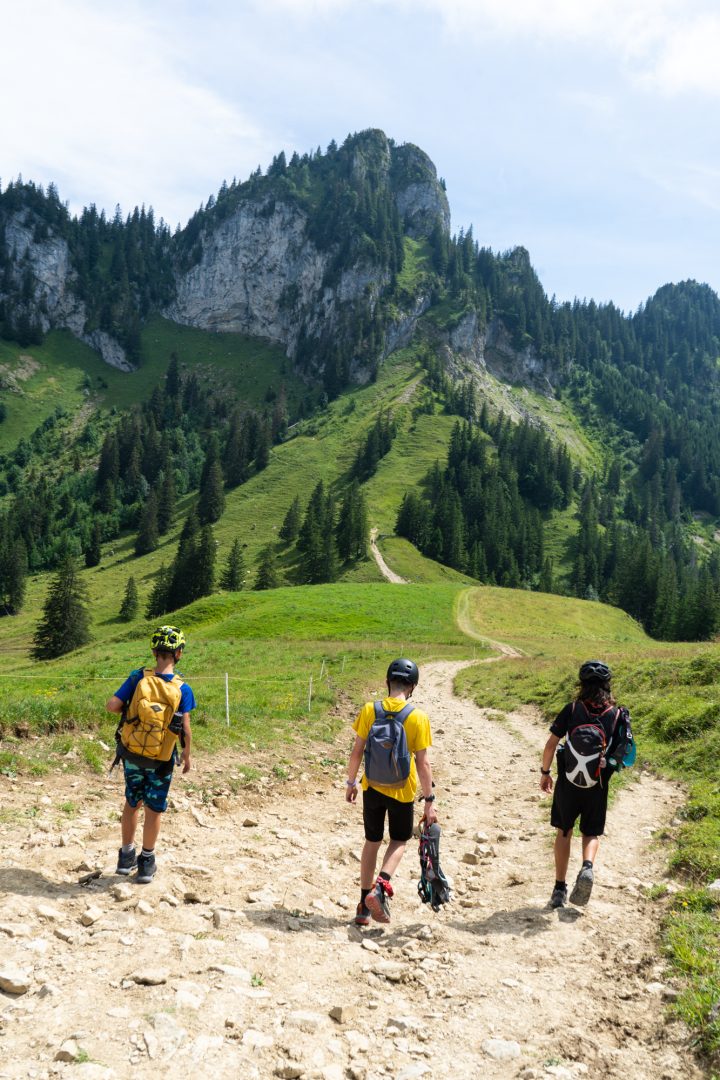
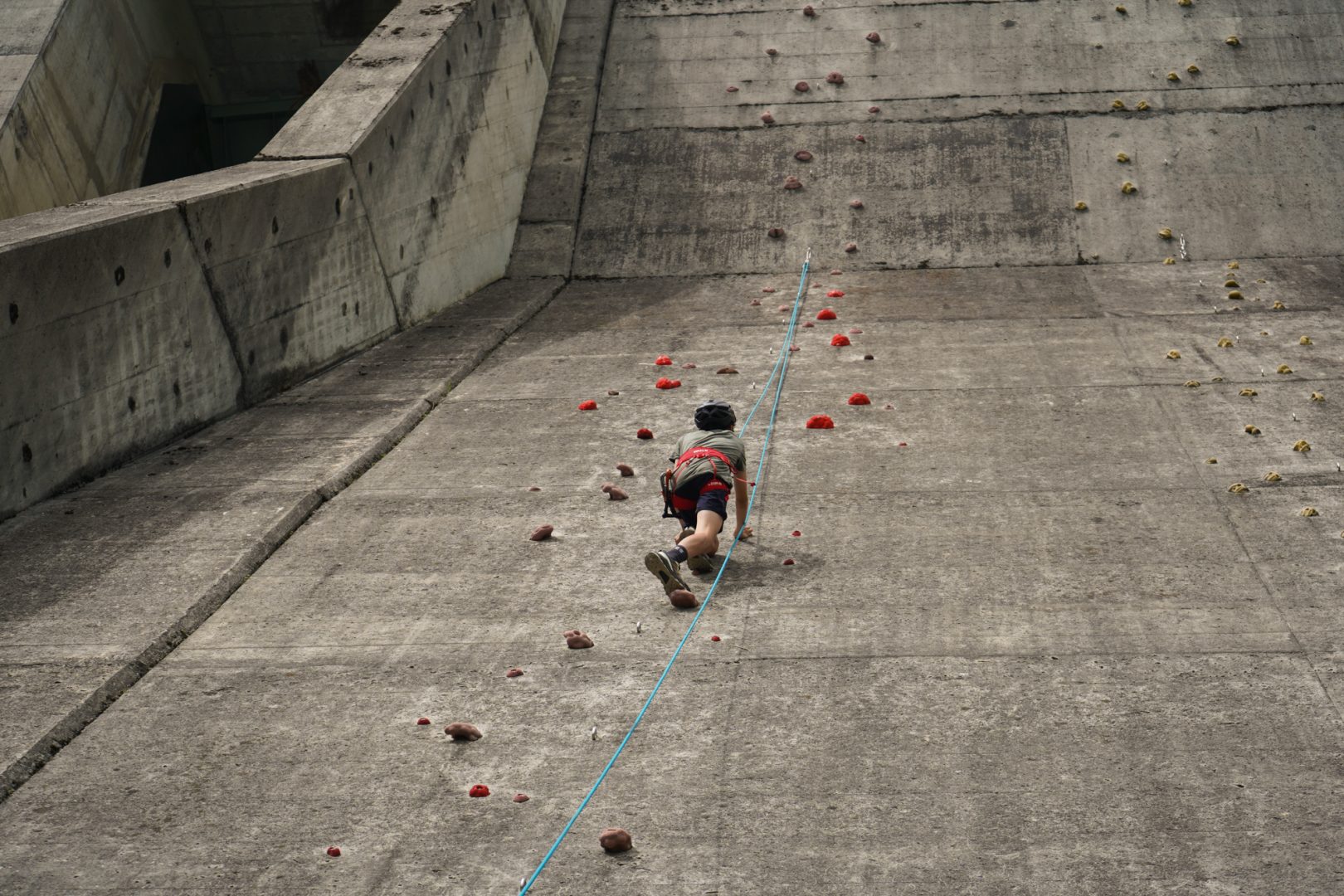
- Sports/adventure camp with specialised support — Age ranges: 6–18; typically week-long to multi-week. Staff include trained instructors plus autism-aware coaches and adapted equipment; schedules blend guided challenge with predictable routines.
- Inclusive mainstream camp — Age ranges: 3–18; session lengths: vary widely. Camps hire autism support workers to integrate campers into general activities while preserving sensory and routine supports.
Regional and language notes
Switzerland’s language distribution (DE/FR/IT/EN) affects staff language and written materials. Camps usually operate in the canton’s main language, so check the advertised language before booking. Bilingual staff give huge advantages for non-local families and for children who rely on specific language cues. We, at the Young Explorers Club, recommend you confirm staff languages and request key-term lists (e.g., routines, comfort words) in the child’s preferred language.
Timing and practical booking tip
Canton school holidays vary; check canton school holidays to time bookings and avoid unexpected closures or peak demand. To help families pick a suitable option, you can also see materials that explain how to choose a camp and compare language offerings.
Practical examples of daily schedules and staffing models
- Day camp example: 08:30–09:15 structured arrival routine, 09:30–11:30 morning activity with two sensory breaks, 12:00–13:00 lunch and quiet room, 13:00–15:30 two afternoon activity blocks, 15:30–16:00 predictable departure routine. Staffing: 1 lead instructor, assistants at a 1:4–1:8 ratio, and on-call 1:1 support for identified needs.
- Residential camp example: 07:30 wake-up routine, 08:30 morning activities, 12:30 lunch and rest, 14:00 skill-building groups or supervised free play, 18:00 dinner, 19:30 low-stimulation wind-down and bedtime routines. Overnight team: scheduled wake/sleep checks; a nurse or medication manager handles medication and health logs.
- Therapy camp example: mornings split into small-group therapy blocks (OT, SLP, behavioural), afternoons dedicated to generalisation activities and family workshops. Staffing: 1:1 where needed, otherwise 1:2–1:4 for therapy groups. Each child leaves with a short family report and practical home strategies.
Operational notes I stress when advising families
- Confirm exact age brackets for each session; some camps group 3–6 together while others use narrower bands.
- Ask about quiet spaces, sensory tools, and predictable visual schedules.
- Verify emergency medical procedures and medication management.
- Prioritise camps with bilingual staff if you or your child prefer non-local languages; that often improves communication and reduces stress.
For practical guidance on selecting a programme in Switzerland, consult resources that help you choose camp options and align them with language and holiday calendars.

Accessibility, sensory and communication accommodations
We, at the young explorers club, build camps that respect sensory needs and clear communication. Our approach mixes low-stimulation rooms, predictable visual schedules and staff who can match a family’s language. I work to create quiet spaces and routines that reduce overload and boost participation. For more on calming program design see our sensory-friendly practices.
Common autism-friendly features I include:
- Dedicated quiet/sensory rooms and low-stimulation dining areas to limit background noise.
- Predictable visual schedules and PECS for every daily routine.
- Small cohorts and consistent staff to reduce transition stress.
- Sensory equipment: weighted blankets, fidget tools, ear defenders and adjustable lighting.
- Clear signage and visuals at key decision points (bathrooms, activity zones, mealtimes).
- Multilingual labeling and supports so families see schedules and PECS in their language.
Practical checklist and measurable standards
Use the following checklist when evaluating camps or when we design a session. These are concrete, measurable items I insist on:
- Space ratio: “recommended sensory-room to camper ratio (1 dedicated sensory space per 8–20 campers depending on camp size)”.
- Quiet-time windows: schedule short rests such as 15–30 minutes twice daily to allow regrouping.
- Noise target: set activity and dining areas so that “<60 dB recommended during quiet activities”.
- Sensory-room specs: ask for square metres and photos of layout, seating, lighting and escape routes.
- Visual supports: request sample visual schedules and PECS in the family’s language before booking.
- Multilingual staff: recruit or confirm staff who speak DE/FR/IT/EN and label routines accordingly.
- Trial access: offer a trial visit or short trial session so campers can test the space and staff fit.
- Kit inventory: confirm availability of weighted blankets, ear defenders and fidget tools for every cohort.
- Cohort size: limit group sizes and maintain consistent staff-to-camper pairings for transitions.
I encourage families to request written routine examples, sensory-room photos and a sample visual schedule in their language. We verify tools and language supports during booking and we run trial sessions whenever possible to confirm fit.

Staffing, training, comorbidities and medical safety
We, at the young explorers club, set clear expectations for staff mixes and clinical coverage. Recommended staff-to-camper ratios for autism-focused camps commonly sit at 1:1 to 1:4. Inclusive programmes often aim for 1:4–1:8 while providing additional 1:1 support where needed. Ask camps to show how they allocate those 1:1 supports across daily activities and evenings.
Staff roles to request explicitly include:
- Camp director (child-safety certified)
- Behaviour specialist or BCBA
- Speech therapist (SLP)
- Occupational therapist (OT)
- Nurse or medication manager
We insist that a BCBA or experienced behaviour specialist oversees individual support plans and that OTs and SLPs have input into activity adaptations.
Training benchmarks and competence checks
Frontline staff should be trained in autism-specific strategies such as ABA, TEACCH or positive behavioural approaches. Baseline training should also include:
- De-escalation
- First aid/CPR
- Medication administration
- Epilepsy first-aid
Target: at least 70% of frontline staff trained in autism-specific strategies. Ask whether 1:1 support workers receive a longer induction and shadow shifts with families or therapists before independent duties.
We also recommend regular competency refreshers. Quarterly skill drills for medication and seizure response keep teams sharp, while annual re-certification for first aid/CPR is non-negotiable. Request evidence of these schedules and recent attendance logs.
Comorbidity planning: what to expect and how to prepare
Plan for common comorbidities and make them part of the admission conversation. Use these prevalence figures when assessing camp readiness:
- ADHD comorbidity: ~30–50%
- ID prevalence among autistic people: ~30–40%
- Epilepsy: up to 20–30% in some subgroups
Remember risk rises where intellectual disability (ID) is present. For children with seizure histories, require a written seizure action plan that covers typical triggers, rescue medication dosing and monitoring intervals.
Make sure behaviour plans reflect ADHD-related impulsivity and sensory differences tied to ID. We recommend camps run sensory audits of sleeping areas and activity zones and adapt schedules for attention variability.
Medical and emergency policies to verify
Demand written medication protocols and proof of trained medication administrators. Confirm who can administer rescue meds and whether they carry authority for intramuscular or rectal dosing where required. Verify IV/ambulance access protocols and the location of the nearest emergency department, plus typical response times for ambulance transfer.
Check these specifics:
- Written medication protocol and medication log
- Documented seizure action plans with parent-signed permissions
- On-site nurse hours and out-of-hours medical cover
- Clear IV/ambulance escalation steps and hospital contact details
- Refresher training frequency and competency assessment records
We advise families to ask for anonymised examples of medication logs and a scenario-based description of how the camp handled a past medical emergency.
Documentation to request
Request these documents before enrolment; they answer most safety questions:
- Anonymised staff qualification breakdown (roles and certifications)
- Evidence of induction program and shadowing for 1:1 staff
- Staffing plan showing allocation of 1:1 to 1:4 or 1:4–1:8 ratios and how 1:1 supports are scheduled
- Training records showing percentage of frontline staff trained (to meet the Target: at least 70% of frontline staff trained in autism-specific strategies benchmark)
- Copies of sample seizure action plans and medication protocols
- Emergency escalation and ambulance/hospital access procedures
We, at the young explorers club, help families compare these documents and can point you to practical checks to confirm claims. If you want more guidance on how to choose, use our choose the best camp resource to frame questions for directors.

Costs, funding and booking logistics in Switzerland
I’ll lay out real numbers, how to access support, and a practical timeline so families can plan with confidence. Typical prices vary widely by support level, staff ratios and included services; always verify final figures with the camp. The outline below gives a working frame: example ranges: day CHF 30–150/day; residential CHF 100–500+/day.
Costs and what drives them
The headline figures reflect basic vs supported places. Low-end day places often cover supervision and activities only. High-end residential figures include overnight staffing, specialised support, therapy input, specialised meals and equipment.
- 1:1 or dedicated behavioural support can double or triple the daily rate. Transport, medication administration and extra staff time are common add-ons.
- Request a detailed invoice from any camp — that invoice is often required to obtain a cantonal subsidy or IV/AI support.
Where families commonly find funding
- Cantonal social services and municipal subsidies handle many applications for children with documented needs (cantonal subsidy).
- Disability insurance (IV/AI) can contribute when camp care forms part of a therapeutic or reintegration plan.
- Family allowances, charitable grants, nonprofit scholarships and local foundations also help; ask the camp if they maintain a list of potential funders (scholarships, camp funding).
How to prepare a subsidy application
- Gather medical and functional documentation: diagnosis letters, therapist reports and any current individual support plan. A single clear packet speeds approvals.
- Obtain a detailed cost estimate from the camp that separates accommodation, staffing, transport and equipment.
- Contact your canton’s social services or disability office early and confirm IV/AI criteria and required forms. Ask whether the camp’s programme can be considered therapy-related; this may open additional funding.
Timing and booking recommendations
I set a timeline that balances paperwork and practical trial runs: contact camp 6–12 weeks before start; request a trial 1–2 weeks before camp start. For busy summer dates I advise a longer lead time: recommended booking window: 3–6 months before peak season.
Start earlier if your child needs:
- Bespoke staffing or medical oversight
- Approval of IV/AI funding
- Specialized equipment that must be sourced in advance
Practical application tips
- Send the camp the exact list of documents your canton requires. Ask the canton to confirm receipt and expected decision time.
- Request the camp to invoice you in the line-item format required by social services. That speeds reimbursement.
- If possible, set the camp trial day as a paid short stay. It reduces last-minute cancellations and gives the child and staff a chance to adapt.
- We, at the young explorers club, can help prepare the cost estimate and trial request to improve clarity for a subsidy application; contact us early in the process.
Sample budget line-items (use this list when requesting a subsidy)
- Camp fee (daily or residential)
- Transport (door-to-camp return)
- Medication administration fee
- Insurance (accident and liability)
- Equipment / sensory kit
- Additional staff-support charges (1:1 support, nursing)
Keywords to keep in your files: camp cost Switzerland CHF, cantonal subsidy, disability insurance (IV/AI), scholarships, camp funding. Use those exact terms on forms and when speaking with officials to avoid ambiguity.
How to evaluate, compare and prepare: checklist, interview questions and outcome measures
We, at the Young Explorers Club, assess camps using clear, measurable criteria so families can compare options quickly. Ask camps for concrete numbers and documents rather than general statements. Record answers and insist on anonymised, aggregated reporting wherever possible.
Core evaluation metrics to request and compare include:
- Staff-to-camper ratio (state the number)
- Percent of staff with autism-specific training (percentage)
- Number of specialised staff (OT/SLP/nurse)
- Written individual support plan (yes/no)
- Trial days/transition sessions offered (number)
- Languages spoken by staff
- Incident rate reporting / child-safety record (ask for anonymised stats)
- Parent satisfaction scores
I’ll list sample interview questions and acceptable benchmarks here, and provide model answers you can expect:
- “What is your staff-to-camper ratio for children with high support needs?” — acceptable range: 1:1 to 1:4; sample acceptable answer: “Yes — at least 70% of frontline staff trained; 1:2 ratio for high-support campers.”
- “How many staff have autism-specific training and what does that training include?” — benchmark: target at least 70% of frontline staff trained in autism-specific strategies.
- “Do you offer trial days or transition sessions?” — benchmark: specify the number offered and provide a written transition plan.
When camps give vague answers or refuse to quantify training or ratios, flag that as a concern.
Essential checklist and documents to request
- “Ask camps to provide their last 12 months’ anonymised incident numbers”
- Anonymised staff qualification breakdowns and turnover rates
- Examples of written individual support plans and sample transition plans
- Staff-to-camper ratio (overall and for high-support campers)
- % of frontline staff with autism-specific training and a description of the curriculum
- Number of specialised staff (OT/SLP/nurse) on site
- Languages spoken by staff and availability of translators
- Trial days/transition sessions offered (number)
- Written medication policy and sample administration log
- Parent satisfaction score (1–5) and latest aggregated results
- Packing essentials to bring:
- Communication book / visual schedule
- Sensory kit (ear defenders, sunglasses, preferred fidgets)
- Medication with clear administration instructions
- Recent doctor summary
- Emergency contacts
- Photo of key staff
- Transitional stories / social narratives
- Printable forms to request: “All About Me” camper sheet and printable call checklist
Recommended timelines: contact camp 6–12 weeks before start; request a trial 1–2 weeks before camp start. Book early — recommended booking window: 3–6 months before peak season.
Track outcome measures and insist reports are anonymised. Key outcome types to request:
- Functional outcomes (e.g., % improvement in independent dressing / eating / toileting during camp week)
- Social outcomes (peer interactions initiated per day)
- Safety / medical outcomes (incidents per 100 camper-days)
- Parent outcomes (parent satisfaction score 1–5, parent stress pre/post)
Ask camps to report changes in % (for example, “30% improvement in independent dressing tasks”) so progress is measurable.
Watch for red flags: no written medication policy, refusal to provide anonymised incident data, no autism-specific training, inconsistent staff ratios, or no examples of individual support plans.
For emotional prep resources, we link families to a short guide to help them prepare emotionally before arrival: prepare emotionally.

Sources
Autismus Schweiz — Zahlen und Fakten zu Autismus
Bundesamt für Statistik (BFS) — Bevölkerung
World Health Organization — Autism spectrum disorders
Autism-Europe — National autism organisations
Centers for Disease Control and Prevention (CDC) — Data & Statistics on Autism Spectrum Disorder
The Lancet — Autism
PubMed — Global prevalence of autism and other pervasive developmental disorders
Federal Social Insurance Office (FSIO/BSV) — Invalidity insurance
Pro Infirmis — Freizeit, Ferien
Federal Office of Public Health (FOPH/BAG) — Epilepsy