Cultural Etiquette In Switzerland For Families
Moving to Switzerland with kids? Check canton rules, register on arrival, arrange school/healthcare, learn local etiquette, waste & punctuality.
Moving to Switzerland with Children: Practical Guide
Moving to or visiting Switzerland with children requires early attention to canton and municipal rules. Service languages, school starting ages, childcare subsidies, waste regulations and quiet hours can differ a lot by canton and commune. On arrival we’ll handle a few administrative must-dos right away and teach children local etiquette: punctuality, formal greetings, privacy, queuing and correct waste sorting.
Key Takeaways
- Check canton and commune rules first: service languages, school starting ages, childcare subsidies and local regulations vary widely.
- Complete immediate administrative tasks on arrival: register at the commune, set up basic health insurance, open a CHF bank account and contact cantonal family services for school or childcare.
- Teach children local social norms: use formal greetings and titles until invited to relax them, arrive on time for appointments and public transport, and model quiet, respectful behaviour.
- Follow municipal waste and recycling rules exactly: buy official waste bags, sort streams correctly and post collection schedules at home to avoid fines.
- Start childcare and school applications early: assess language of instruction and cost differences between public, subsidised and international or private options.
Before or Immediately After Arrival
Check Local Rules
Confirm the service language, official school starting age, availability of childcare subsidies and any special local regulations at the commune or canton level. These affect which schools your children attend and what financial support you can expect.
Administrative Must-Dos
- Register at the commune (Wohnsitz anmelden or Anmeldung) within the required deadline for your canton.
- Set up basic health insurance (mandatory in Switzerland) as soon as you have your residence details.
- Open a CHF bank account for salary, utilities and local payments.
- Contact cantonal family services or the education office to start school or childcare enrolment and to learn about subsidies.
School, Childcare and Language
Application Timing
Start early. Public school enrollment windows, places at subsidised daycares and international school admissions can fill quickly. Apply as soon as you have an address and official registration.
Language of Instruction
Identify the language of instruction (German, French, Italian, Romansh or bilingual/international). Public schools often support non-native speakers with integration or language classes, but timescales and availability vary by canton.
Costs and Options
- Public schools: typically free and high quality; language transition support varies.
- Subsidised childcare: available in many cantons but eligibility and fees depend on income and municipal rules.
- International/private schools: offer different language curricula but can be significantly more expensive.
Teaching Local Etiquette to Children
Key Social Norms
- Punctuality: always arrive on time for appointments and public transport.
- Formal greetings: use titles and last names until invited to use first names.
- Privacy and calm: Swiss social interactions tend to be reserved; teach children to respect personal space and quiet public behaviour.
- Queuing: stand in line and wait your turn — jumping the queue is frowned upon.
Waste Rules and Quiet Hours
Waste Sorting and Fees
Municipal waste rules are enforced strictly. Buy the official waste bags or follow the local system (weight-based bins, deposit tags, recycling centres). Separate streams (paper, glass, organic, residual) exactly as required and post the collection schedule at home to avoid fines.
Quiet Hours
Many communes have legally defined quiet hours (usually nights and Sundays). Teach children to keep noise low during these times, especially in apartment buildings.
Practical Checklist for Families
- Confirm canton/commune requirements for schools, childcare and waste rules.
- Register at the commune and obtain any residence documents promptly.
- Arrange mandatory health insurance and open a CHF bank account.
- Apply early for schools and childcare; check language support programs.
- Buy official waste bags and learn collection schedules.
- Model and teach local etiquette to children: punctuality, formality, privacy and queuing.
If you want, I can create a printable one-page checklist tailored to your canton and family situation — tell me the canton and ages of your children.
Essentials at a Glance (quick facts and first-week checklist)
Quick facts
We, at the young explorers club, keep these headline figures handy for planning. Population is roughly 8.7 million (FSO, 2023). German is the largest language group at about 62–63%, French about 22–23%, Italian 8–9% and Romansh around 0.5% (FSO, 2020). Average household size sits near 2.2 persons per household (FSO, 2021).
Expect strong cantonal variation in rules and services. School starting ages, child benefits and waste regulations can differ by canton. Always check canton-specific rules before you commit to schedules or registrations. For guidance on helping kids adapt quickly to local norms, see our piece on cultural immersion.
Immediate administrative must-dos on arrival are non-negotiable. Register at the commune on arrival. Arrange mandatory basic health insurance within the statutory deadline. Open a local bank account in Swiss francs (CHF). Contact your canton family services to start childcare or school enrolment.
First-week checklist
Use this order to reduce friction and avoid fines; follow each item with the practical notes that matter.
- Register at the commune on arrival
- Bring passports, rental contract and proof of address. Originals plus copies speed the visit.
- Arrange mandatory basic health insurance
- Keep your enrollment receipt; you’ll need it for benefits and subsidies later.
- Register children for school or childcare
- Contact canton family services immediately to confirm local admission windows and required documents.
- Open a local bank account (CHF)
- Choose a bank or post office account that handles everyday family payments and international transfers.
- Set up utilities (electricity, water, waste)
- Ask the commune for supplier recommendations and billing cycles.
- Buy correct local waste bags and check collection schedule
- Waste rules are canton- and sometimes municipal-specific; wrong bags can mean fines.
Quick practical notes to keep top of mind. Keep identity papers and proof of address handy when registering. Retain receipts for health-insurance enrollment and any municipal registrations for later subsidy or benefit applications. If you need extra help, we can point you to canton offices and family services contacts.
https://youtu.be/4yjhBlgkw1U
Communication, greetings and punctuality
Switzerland is multilingual by habit: many families already speak two or more languages and schoolchildren often learn an additional national language. Public services operate in the canton’s main language, so expect French in Geneva, German in Zurich, Italian in Ticino and Romansh in parts of Graubünden. English gets you far in cities and tourist spots, but it’s less common in rural villages; when we help families prepare for a family trip in Switzerland, we stress local-language basics.
Greetings and how children should behave
Adults usually greet with a firm handshake and direct eye contact. Formal first contact calls for Herr or Frau plus the surname; switch to first names only after you’re invited. We train kids to mirror that formality at first meetings and to greet adults politely each time.
Teach a few short phrases and have children practice them aloud. Useful phrases include:
- Hello (appropriate local variant)
- Please
- Thank you
- Excuse me / sorry
- Goodbye
We model the formal greeting during initial meetings so children see the expected tone and body language. Encourage a firm handshake for older kids and a polite nod for younger ones. Remind children to use titles with adults until told otherwise. Role-play brief introductions before outings and school events; that builds confidence and reduces awkwardness.
Punctuality: practical rules and tips
Timeliness matters. Swiss culture treats appointments, school start times, playdates and transport connections seriously. Use the SBB punctuality figure—around 85–92% as an anecdote to show why being on time matters (SBB, 2022). Missed connections can create real delays, and strangers often expect punctual behaviour.
Practical steps we recommend:
- Set alarms and timers for departures; add a 10-minute buffer for small children.
- Aim to arrive five minutes early for appointments and playdates.
- Teach children that public transport runs to the minute and that being late inconveniences others.
- Role-model punctuality: leave home with time to spare and explain why you’re early.
We incorporate short exercises in our programs to make punctuality habitual, like timed packing drills and countdown routines before leaving the house. Small, consistent habits—packing backpacks the night before, checking shoes and jackets five minutes earlier—reduce morning stress and teach respect for other people’s time.

Family life, childcare, parental leave and schooling
Young Explorers Club keeps family logistics simple and clear so you can focus on settling in. Federal parental leave sets a baseline: maternity leave is 14 weeks (98 days) paid at roughly 80% of salary under social insurance, and paternity leave is two weeks paid (FSIO, 2022). Local cantons and municipalities often add top-ups or run local schemes, so check canton-specific rules and employer arrangements early.
Childcare provision and costs shift dramatically by canton. Many families mix public daycare, private centres, family-based care and nannies to cover hours and language needs. Subsidised places depend on the canton or municipality and on household income, so availability can be very local; check municipal family services for eligibility. Expect fees to vary widely between neighbouring towns. I recommend starting applications well before your intended start date: some subsidised places have waiting lists and strict deadlines.
Schooling is compulsory for nine years, but the exact starting age and structure vary by canton — most children start between ages four and six (EDK, 2023). Public schools are high quality and free for residents. Instruction uses the local national language, so language placement can affect which class your child joins. International and private schools charge tuition; many fall in the CHF 20,000–40,000+ per year range depending on level and services.
We handle common family questions directly and advise you to confirm specifics with canton family or education services as soon as you arrive. If you plan a move with school-age children, check school start ages, language arrangements and whether a local school offers integration classes. For short stays or bilingual goals, compare international school options and factor in transport and extracurricular costs.
Practical tips and checklist
Below are the actions we suggest you take right away:
- Contact canton family and education services to confirm start ages, language support and subsidy rules.
- Verify parental leave entitlements with your employer and consult FSIO, 2022 for the federal baseline.
- Compare local childcare costs and application deadlines across nearby municipalities.
- Apply early for subsidised daycare places and register on waiting lists if required; check municipal family services for details.
- Assess language of instruction for your child and plan short immersion or support if needed; consider international school fees in your budget.
- For travel and family planning resources, consult our family trip notes to align holiday plans with school calendars and local offerings.

Daily life rules: privacy, noise, queuing, waste and recycling
Everyday etiquette: queues, privacy and quiet hours
We, at the Young Explorers Club, expect families to respect orderly queues. Cutting ahead is frowned upon and can draw sharp looks. Keep a calm tone when someone takes longer than expected; patience pays off.
Respect for privacy and personal space matters. Loud phone calls, raised voices or prolonged shouting in public are generally avoided. We model polite distance around strangers and keep children’s play moderated in shared spaces.
Many municipalities enforce strict quiet hours at night and on Sundays, and some add midday quiet periods. Check house rules and apartment regulations before you unpack. If you rent a flat or stay in a chalet, post the building’s quiet hours where kids can see them.
Recycling and waste are taken seriously across Switzerland. Municipal recycling rates commonly hover around 50–60% for household streams (FOEN, 2021). Many towns require separate bins or bags for paper, glass, PET and organic waste. Mixed-waste is often restricted to special official bags or pay-as-you-throw schemes. We tell families to buy the right official bags and follow the local separation rules to avoid fines and complaints.
Practical tips for families
Use the following actions to make daily life smoother for everyone:
- Post the local waste collection schedule on the fridge so kids and adults know pickup days.
- Buy official waste bags early; stores often sell them locally and they vary by municipality.
- Show children how to sort paper, glass, PET and organic waste with a simple game: color labels or stickers work well.
- Respect building quiet hours by moving active play to parks and playgrounds after 9 p.m. and limiting indoor foot traffic.
- Keep phone calls low-volume in public and step aside if you need to speak loudly.
- Teach queuing courtesy: let people finish a transaction before the next person steps forward.
- Carry a small reusable bag for recyclables when you’re out; it reduces mixed-waste mistakes.
- Check local rules on arrival and add them to a family checklist for quick reference.
We encourage families planning a stay to review cultural tips and logistics on our family trip in Switzerland page so children get both fun and good habits.

Transport, safety, healthcare and household costs
Public transport — practical tips
Public transport in Switzerland is punctual and comprehensive; trains, trams and buses work well for families. Here are quick practical steps to make trips smoother:
- Bring a foldable stroller for busy services and station stairs; many vehicles have limited space for bulky strollers and bikes.
- Plan connections with a buffer: SBB punctuality averages around 85–92% (SBB, 2022), so allow extra time for tight transfers.
- Use trains with stroller/bicycle spaces whenever possible; regional services often advertise family-friendly carriages.
- Check regional family passes and season tickets for savings — these can cut fares dramatically on repeated trips.
- Buy tickets in advance on the national app to avoid queues and to secure family discounts during peak periods.
I recommend downloading the national timetable app and saving usual routes. That reduces stress and gives live delay alerts.
Safety, healthcare and household costs
We, at the young explorers club, find Switzerland exceptionally safe for families. Violent crime and homicides are low (homicide roughly 0.6–1 per 100,000 in recent years), so you can feel comfortable walking at night and letting older kids travel short distances independently. Still, I advise teaching children basic street-safety rules and keeping emergency numbers handy.
Healthcare is high quality but requires planning. All residents must take out mandatory basic health insurance. Average adult monthly premiums typically fall between CHF 300–500 depending on canton, age and deductible (FOPH, 2023). Children’s premiums are lower. I suggest you:
- Compare plans across cantons and insurers before you commit.
- Choose a deductible that balances premium savings with likely out-of-pocket costs for your family.
- Check municipal subsidies if your household income is modest; many communes offer support for families.
Expect housing, groceries and childcare to cost more than in most countries; Switzerland ranks among the highest-cost nations (OECD/UBS, 2023). Salaries tend to match the price level, but budgeting still matters. Use these tactics to manage expenses:
- Take advantage of local subsidies, child allowances and family fares.
- Opt for regional passes for regular travel instead of single tickets.
- Keep some CHF cash for small purchases, local markets and municipal fees that may not accept cards.
If you’re planning a Family trip in Switzerland, book transport and accommodation early to lock in better rates and to secure family compartments on trains. We’ll also check municipal resources for childcare options and financial assistance before you set dates.

Social life, hospitality and outdoor etiquette (what to teach kids and how to integrate)
I explain table manners simply and consistently so children learn fast. Wait to be invited to sit and keep elbows off the table. Teach proper use of cutlery from the start: fork in the left, knife in the right, unless you show otherwise.
When a Swiss family invites you home, bring a small gift — flowers, chocolates or a bottle of wine work well. Warn children that flowers should not be given in even numbers because of a funeral superstition.
Tipping is modest here. Service is usually included, so rounding up is common. For exceptional service, leave about 5–10%. Remind kids that tipping is polite but not expected in every situation. Public holidays change by canton, so always check the local calendar before planning visits or expecting shops to be open.
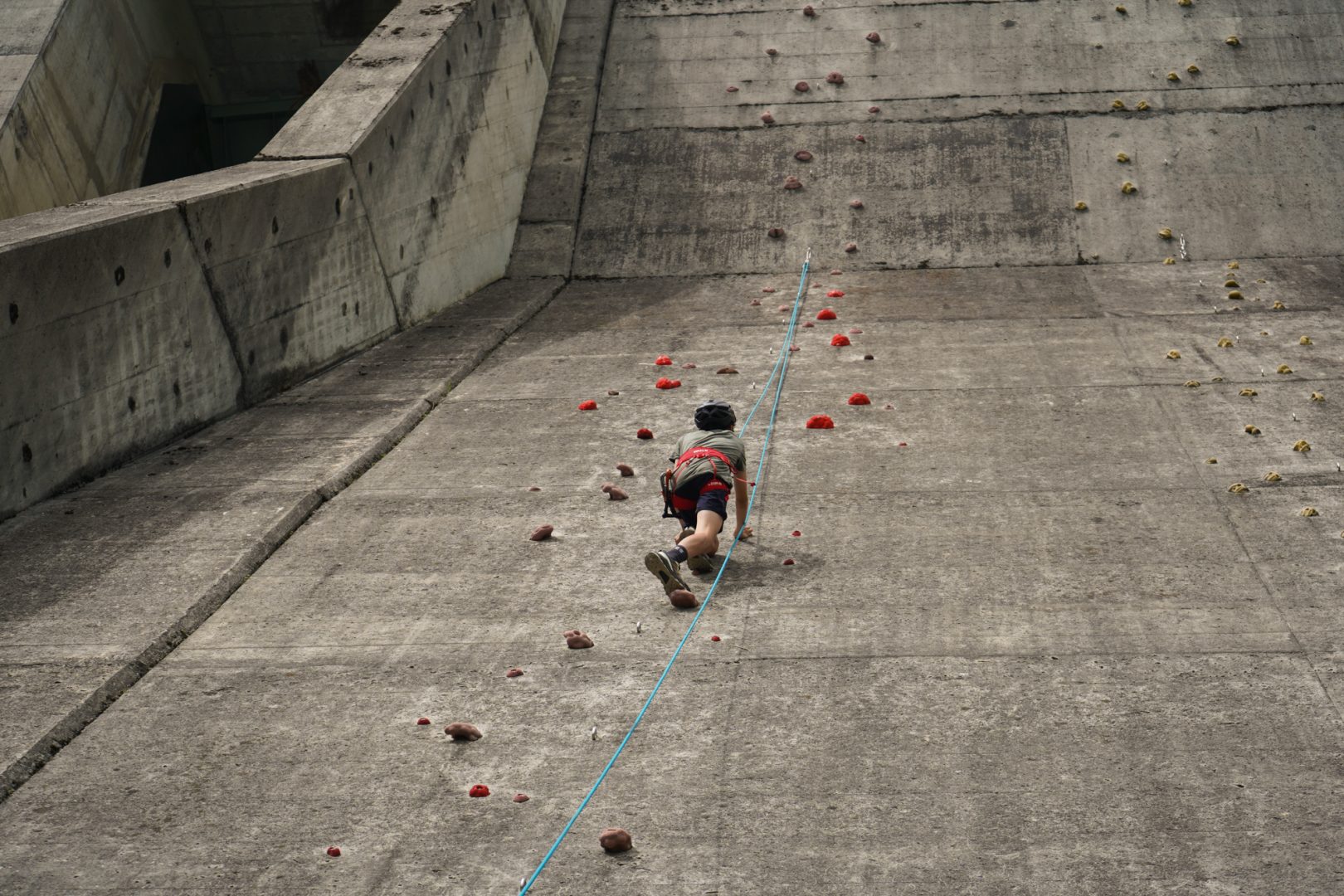
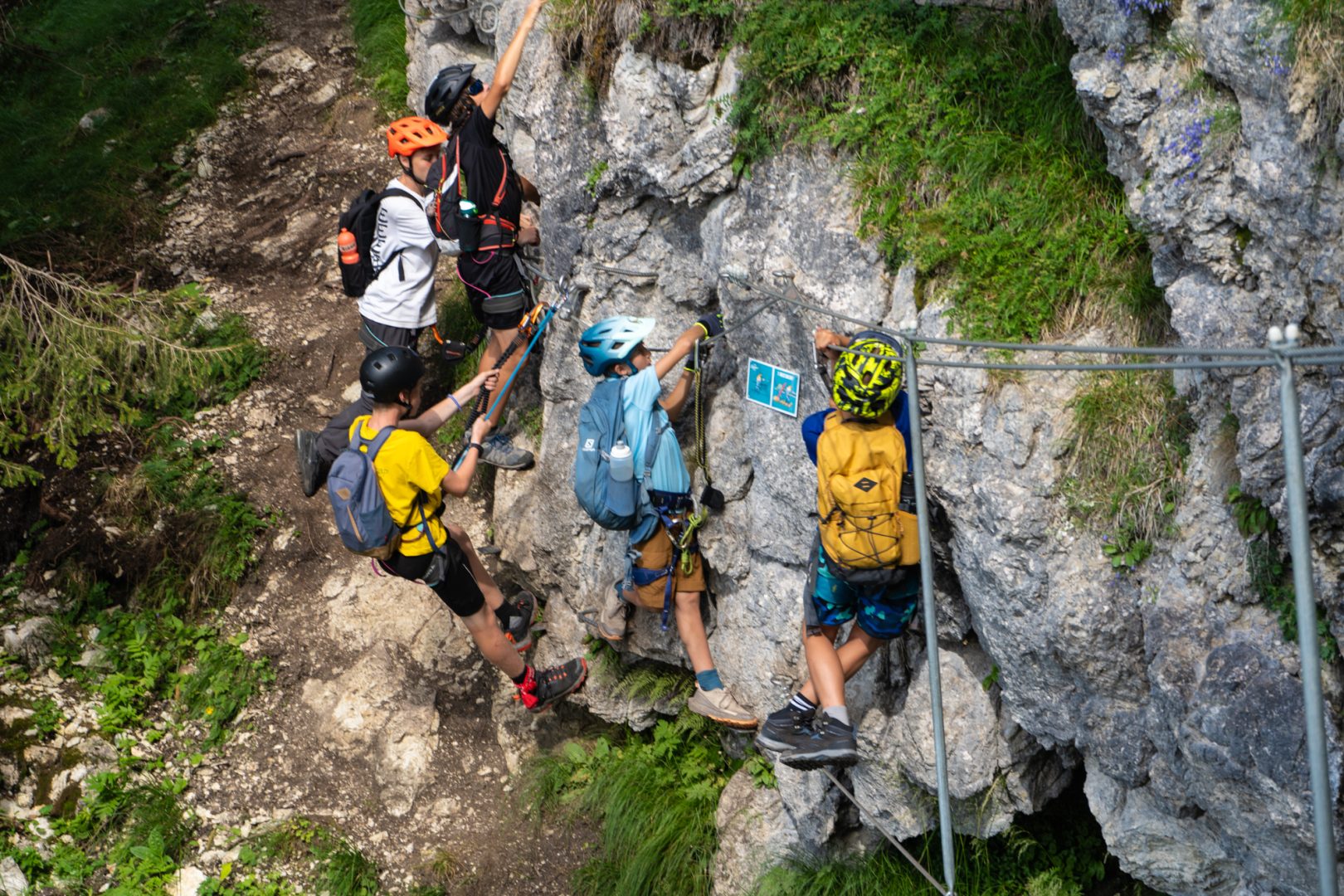
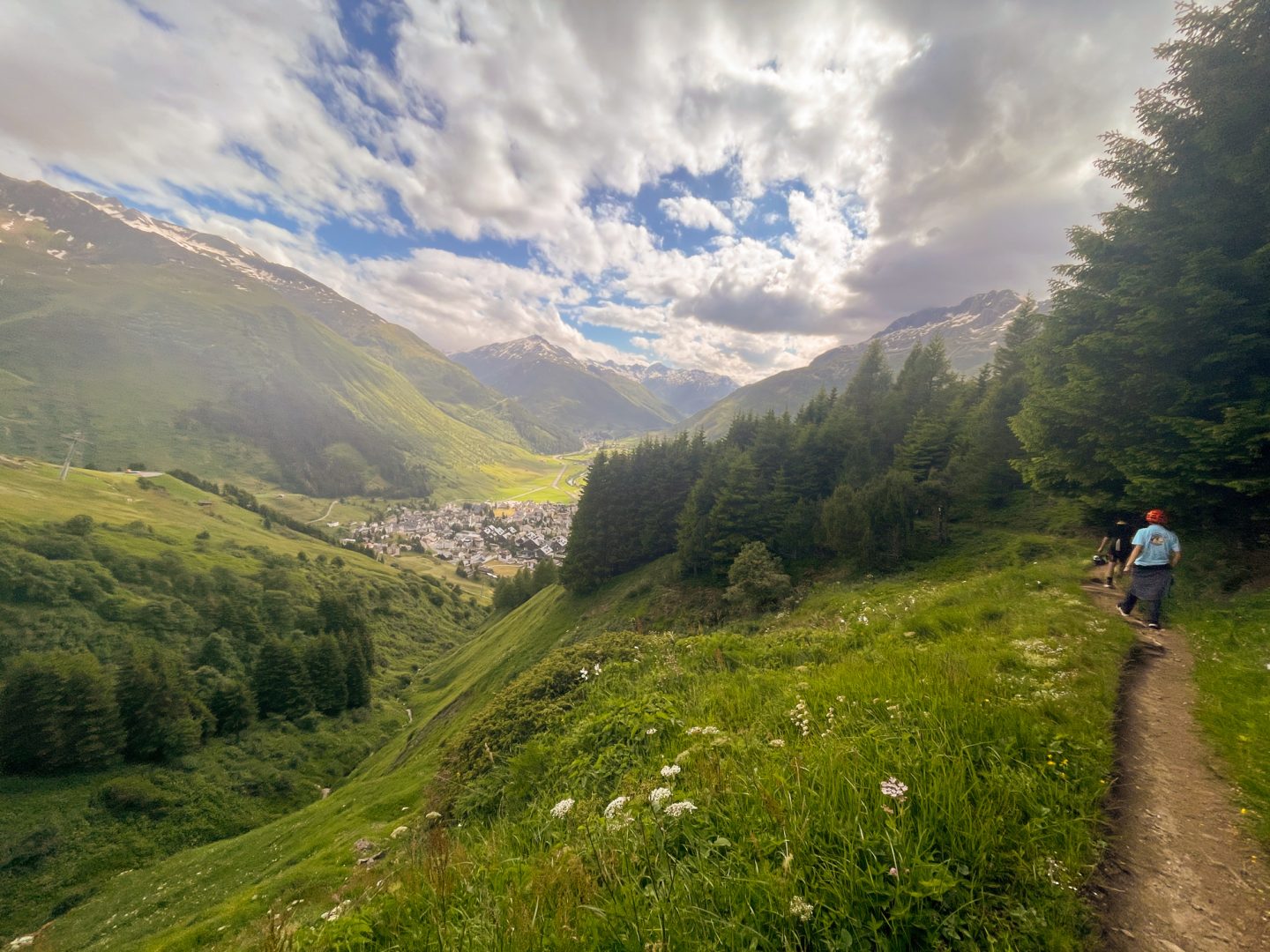
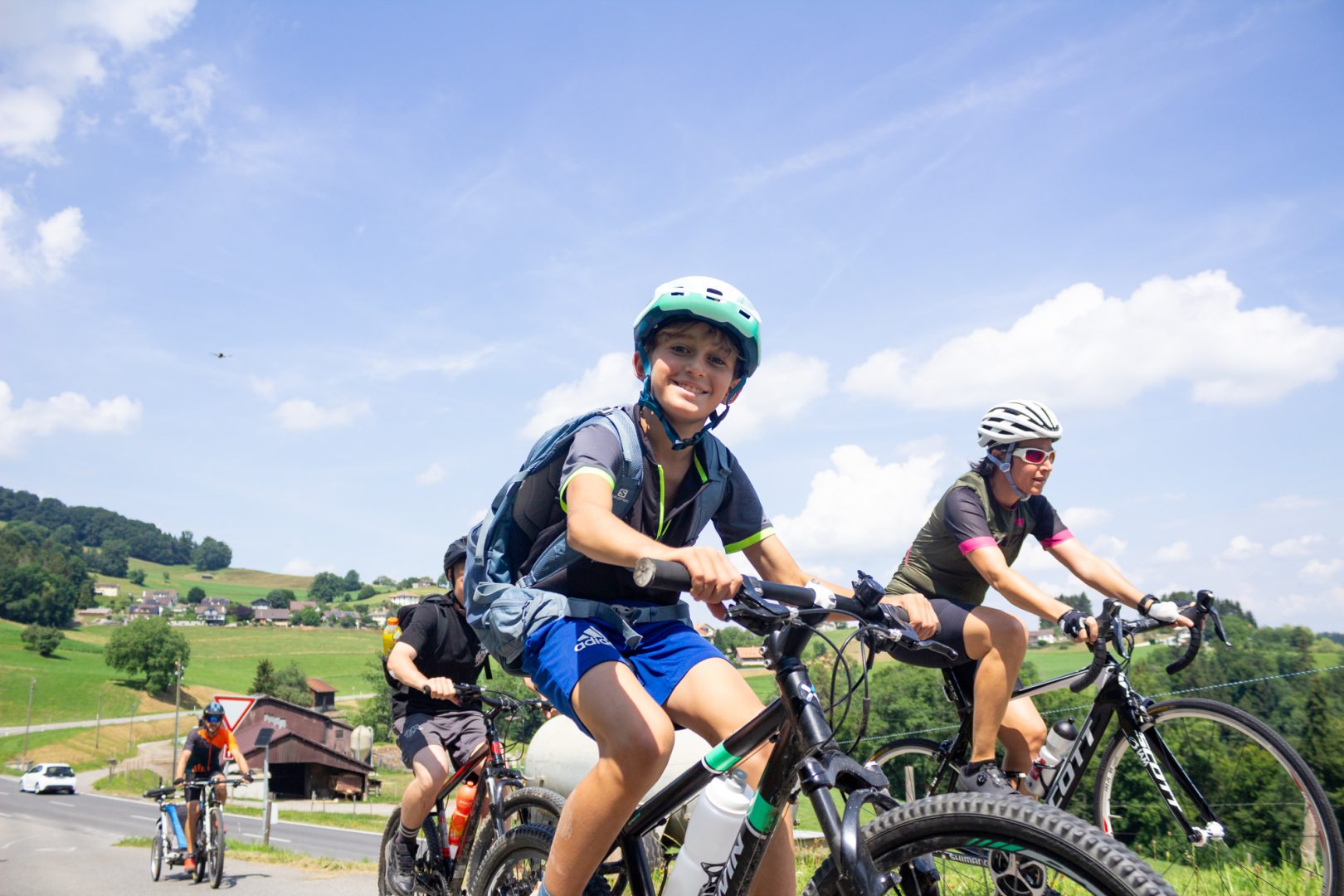
Outdoor life is essential to family routines. Hiking, biking and lakes are common weekend plans. Teach children to obey trail signs and stay on paths. Respect farmland and leave areas as you found them. Dog rules differ by canton and municipality; leashes may be required and owners must pick up waste. Point out local rules before you head out so kids know what to expect.
I recommend practical steps to integrate quickly. Attend local fêtes and markets to meet neighbours and practice short phrases. Prepare a simple phrase list in the canton language and keep it visible. Put a printed fridge checklist of first-week tasks and important phone numbers so everyone sees routines at a glance. When you plan a family trip, use resources for ideas and local tips: family trip.
Do’s and don’ts to teach kids
Here are clear behaviors to practice at home and out in public:
- Do be punctual; Swiss families value on-time arrivals.
- Do greet adults politely with a handshake or brief “hello.”
- Do sort recycling; teach which bins take glass, paper and organic waste.
- Do speak quietly in shared spaces and respect quiet hours in apartment buildings.
- Do follow playground safety rules and show consideration for other children.
- Don’t cut queues; waiting your turn matters.
- Don’t be overly loud in apartment blocks or public transport.
- Don’t ignore quiet/siesta hours in smaller towns.
- Don’t leave trash behind; always carry out what you bring in.

Sources
Swiss Federal Statistical Office (FSO) — Languages and religions
Swiss Federal Statistical Office (FSO) — Population and households
Swiss Federal Social Insurance Office (FSIO/BSV) — Maternity insurance
Federal Office of Public Health (FOPH/BAG) — Mandatory health insurance
Swiss Conference of Cantonal Ministers of Education (EDK) — Education in Switzerland
Swiss Federal Railways (SBB) — Punctuality
Federal Office for the Environment (FOEN/BAFU) — Waste and recycling