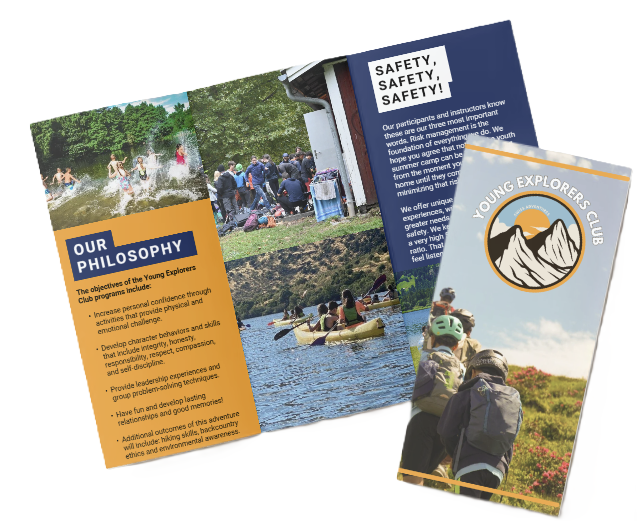
How Much Does Summer Camp In Switzerland Really Cost?
Swiss summer camp costs: CHF 100–7,000+/week. Plan deposits and extras (gear, transfers, insurance). Use early‑bird and sibling discounts.
Summer camp prices in Switzerland
Summer camp prices in Switzerland span a wide range. Local day camps cost about CHF 100–400 per week. Activity‑specialist programs typically fall in the CHF 400–1,200 weekly band. Residential camps usually run CHF 800–3,500 per week. Elite international academies can reach CHF 2,500–7,000+ weekly. We recommend families budget for deposits of 10–30% and pay final balances 6–8 weeks before the start date. Expect extras such as equipment, excursions, transfers, insurance and visas. Use early‑bird discounts, sibling or multi‑week reductions and scholarships to bring totals down.
Key Takeaways
- Typical weekly ranges: day camps CHF 100–400; activity‑specialist CHF 400–1,200; residential CHF 800–3,500; elite/international CHF 2,500–7,000+ (multi‑week totals commonly CHF 5,000–20,000).
- Deposits and payment timing: Expect deposits of 10–30% and final balances due 6–8 weeks before start.
- Common extras: equipment rentals (CHF 50–300), excursions (CHF 30–300), transfers (CHF 50–400), insurance (3–7% of trip cost) and pocket money (CHF 50–200/week).
- What providers usually include: tuition, basic activities, accommodation/meals for residential programs, on‑site equipment and staffing. They often exclude international travel, specialist gear, visas and some insurance.
- Typical overseas extras: can add approximately CHF 1,200–1,400 for flights, transfers, insurance and visas.
- Sample family totals: range from ~CHF 650 (local day, 2 weeks) to ~CHF 12,900 (elite 3‑week international).
- How to reduce costs: book early (5–15% early‑bird), use sibling or multi‑week discounts, rent specialist gear when cheaper, pool transfers, apply for scholarships, and insist on a line‑item fee breakdown plus clear cancellation terms.
Typical extras and estimated amounts
- Equipment rentals: CHF 50–300
- Excursions: CHF 30–300
- Transfers: CHF 50–400
- Insurance: about 3–7% of the trip cost
- Pocket money: CHF 50–200/week
Practical budgeting advice
- Get a line‑item fee breakdown so you can identify optional extras and potential savings.
- Book early to access early‑bird discounts (commonly 5–15%).
- Combine weeks or siblings to access discounts and spread fixed costs.
- Rent specialist gear when it’s cheaper than buying.
- Pool transfers with other families to reduce transport costs.
- Apply for scholarships or bursaries offered by some providers.
- Confirm cancellation and refund terms before paying deposits.
https://youtu.be/4yjhBlgkw1U
Quick headline figures — what to expect
We cut straight to the numbers you need. These ranges reflect what families typically pay across Switzerland and will help you compare options fast.
Typical weekly price ranges (CHF)
Below are the core categories and the usual weekly brackets you’ll see:
- Day camps (local / municipal / activity camps): CHF 100–400/week.
- Activity-specific day/boarding (sailing, horse riding, mountain sports): CHF 400–1,200/week.
- Standard residential/overnight camps: CHF 800–3,500/week.
- High-end international boarding / elite summer academies: CHF 2,500–7,000+/week (multi‑week programs frequently CHF 5,000–20,000 total).
Use these as baseline filters when you shop. If you want a quick guide to typical program tiers and extras, see our summer camp Switzerland cost overview.
Deposits, timing, currency and extra costs
We usually see a deposit of 10–30% on booking. Final balances commonly arrive 6–8 weeks before the start date — plan for that timing in your budget and calendar. Expect add-ons such as equipment rental, special excursions, lessons, insurance and travel to push totals higher. Pack pocket money and incidental fees into your estimate.
For currency context (approx. 2024) we use 1 CHF ≈ 1.08–1.12 USD. That conversion helps families outside Switzerland compare value quickly.
We also push early booking because it often saves money and secures spots in popular programs. Check our early-bird discounts if you want practical ways to lower costs.
What the camp fee covers (and what it usually doesn’t)
Pricing can feel opaque. We, at the Young Explorers Club, break down the typical components so you can budget smart. Camp operators often bundle several services into one marketed fee, but a number of extras tend to sit outside that headline price.
I separate the main inclusions from the common extras so you see where the money goes and where you should expect add-ons. For quick context on overall levels, check our price guide for sampled fees and ranges.
What’s usually included — and what usually isn’t
Below we list the typical inclusions first, then the extras you should plan for.
- Usually included:
- Tuition and program activities — This is the biggest chunk, usually about 50–70% of the marketed fee. It covers daily classes, basic activity instruction and standard program materials.
- Accommodation and meals (for residential camps) — Expect roughly 20–40% of the fee to cover lodging and board. Meal quality varies by camp level.
- On-site equipment and basic materials — Camps provide shared kit for general activities: balls, nets, classroom supplies, craft materials. Specialist kit may be excluded.
- Supervision and staffing — The fee covers staff salaries, background checks and on-site leadership. Typical staff-to-camper ratio 1:6–1:10, which affects safety and activity choice.
- Common extras / not included:
- International travel and local transfers — Flights and long-distance travel to Switzerland usually fall outside the camp fee. Also plan for local transfers: transfer costs CHF 50–400. Many families arrange private taxis or group shuttles, which adds to the total.
- Special equipment rentals — Horse tack, personal climbing harnesses, or bespoke water-sport gear often carry rental charges. Budget CHF 50–300 per specialist rental depending on duration.
- Excursions and off-site trips — Off-site visits, alpine excursions or city trips are frequently optional extras and can range from CHF 30–300 per excursion.
- Medical, cancellation and travel insurance — Camps may require proof of coverage but rarely include it in the fee. Factor in insurance 3–7% of trip cost to cover medical emergencies and cancellations.
- Pocket money and laundry — Personal spending and incidental services aren’t usually covered. I recommend pocket money CHF 50–200/week depending on age and planned excursions. Laundry services are often charged separately.
- Visa fees, vaccination requirements and specialist medical supplies — These are the family’s responsibility and can add a few hundred CHF depending on circumstances.
Practical advice and trade-offs
- Ask camps for a line-item breakdown. Insist on seeing what the marketed fee includes so you avoid surprises.
- Compare rental vs. bringing personal kit if your child needs specialist gear. Rentals avoid baggage hassles but can add CHF 50–300 per item.
- Use early payment windows to save; see our page on early bird discounts for typical savings windows.
- Check staff ratios before you book. A lower staff-to-camper ratio (1:6–1:10) often means smaller groups and more individual attention.
- Build a contingency line in your budget for transfers and excursions. Even a single unplanned private transfer can hit the CHF 50–400 range.
I keep these line items front and center when advising families so budgets match expectations and the experience stays fun rather than stressful.
https://youtu.be/MO0jS3NJzys
Types of camps and typical price points (concrete examples)
We break Swiss camps into clear price bands so families can compare apples with apples. Day camps run affordably; activity specialists add costs for equipment and expert instructors; residential offers more supervision and facilities; elite international programs command premium fees. Below I list the common categories and typical ranges you’ll see across Switzerland.
Price brackets and what they include
-
Day camp CHF 100–400/week — This covers municipal sports or arts day camps. Fees usually include staff, basic equipment and snacks. Transport and special outings often cost extra. Prices at the low end suit neighbourhood programmes; the high end reflects private operators with smaller groups.
-
Activity-specialist day/boarding (e.g., equestrian, sailing) CHF 400–1,200/week — Specialist camps add trained coaches, insurance, and gear. Stabling, tack and individual lessons push equestrian prices upward. Boarding options in this category raise the weekly rate further.
-
Residential camp CHF 800–3,500/week — Multi-activity youth camps with full boarding sit here. That fee covers accommodation, three meals, standard excursions, and a structured activity programme. Premium facilities, small staff-to-child ratios or extra certifications increase costs toward CHF 3,500/week.
-
International summer programs CHF 2,500–7,000+/week — Language immersion, leadership courses, pre-college programmes and sports academies charge a premium. Multi-week totals commonly reach CHF 5,000–20,000 for programmes that include testing, accreditation, or elite coaching. Families often pay extra for airport transfers, visas or specialist assessments.
Peak season (July–August) — Camps schedule their flagship sessions in July and August and price them at a premium. Booking outside peak months often reduces weekly fees or unlocks discounts.
For a practical price breakdown you can consult our summer camp cost guide to compare options and plan budgets.
Concrete examples
-
A municipal Zurich sports day camp: CHF 150/week — low-cost city-run programme with coached sessions, minimal extras and local pickup.
-
A weekend mountain-bike clinic (day format): CHF 350/week — expert coaching and lift tickets included; rental bikes may be extra.
-
A 2-week specialist horse-camp near Interlaken: CHF 1,000–2,000/week — includes stabling, daily lessons and trail rides; stabling and instructors increase cost beyond standard equestrian rates.
-
A residential multi-activity camp for teens (1 week): CHF 1,200/week — boarding, meals, evening programmes and one excursion. Extra medical support or small-group coaching raises the fee.
-
A four-week international language and leadership academy: CHF 10,000 total — roughly CHF 2,500/week; includes accommodation, tuition, cultural excursions and certificates.
I recommend families list must-haves first (meals, medical care, transport), then compare programmes within the corresponding price band. We flag peak-season sessions early since they often demand higher deposits and sell out faster.
https://youtu.be/V0k0kCVlY_w
Travel, visas, and insurance — extra line items to budget
At the Young Explorers Club, we treat travel as a predictable extra line item and build it into every quote. Flight prices for international routes range widely, and we budget accordingly: within Europe CHF 100–400; transatlantic flight cost CHF 600–1,500+ during peak season.
We plan local travel based on arrival time and luggage: SBB fares or private transfers typically CHF 20–150, and private airport transfer CHF 50–400 covers door-to-door service. We suggest checking schedules early and comparing train vs private transfers to avoid surprises; for details on transfers and pocket-money handling see our currency exchange guidance.
We account for visa requirements where applicable. Schengen visa fee €80 applies for nationalities requiring a short-stay permit, and we advise starting that process well before travel. We also factor travel and cancellation insurance at roughly 3–7% of trip cost to protect prepaid fees.
We verify health insurance and emergency medical coverage before departure. We confirm whether national plans cover minors abroad, and we add emergency coverage if they don’t. We also recommend reading refund terms, and we link families to our refund policies page for common scenarios.
Typical extra costs (sample breakdown)
Below are the typical add-ons we include in final budgets and how we calculate them:
- Flight: CHF 900 — an average transatlantic example that fits the flight cost CHF 600–1,500+ range.
- Transfer: CHF 150 — a mid-range private transfer between airport and camp; see options for an airport transfer CHF 50–400.
- Insurance: CHF 150 — based on travel insurance 3–7% of trip cost for a CHF 2,000 prepaid sum.
- Visa: €80 — Schengen visa fee where required.
- Total: We estimate ≈ CHF 1,200–1,400 extra for a one-child trip from overseas.
We also point families to resources that help reduce these extras: early-bird discounts, sibling discounts, and scholarships. We contrast budget and premium choices on our affordable camps and luxury camps pages. We time bookings using the registration timeline and advise on broader family logistics via our budget travel guide.

Sample budgets: three realistic family scenarios
Three practical examples with line-item totals
We, at the young explorers club, share three realistic family scenarios so you can see how costs stack up. I recommend checking our camp costs guide for wider context. Below are concise budgets and quick notes on what to watch for.
-
Scenario A — Local family, day camp, 1 child, 2 weeks
- Camp fees: 2 × CHF 250/week = CHF 500
- Local transport & meals: CHF 50
- Pocket money & extras: CHF 100
- Total: ≈ CHF 650 (sample budget day camp CHF 650)
- Notes: This is the lean option. Expect small add-ons for field trips or special sessions.
-
Scenario B — Regional residential camp, 1 child, 2 weeks
- Camp fees: 2 × CHF 1,200/week = CHF 2,400
- Transfers (train + taxi): CHF 150
- Insurance & gear rental: CHF 200
- Pocket money: CHF 150
- Total: ≈ CHF 2,900 (residential camp 2 weeks CHF ~2,900)
- Notes: Factor in refundable deposits and mandatory medical coverage. Booking early often helps.
-
Scenario C — International family, 1 child, 3-week elite program
- Program fees: 3 × CHF 3,500/week = CHF 10,500
- Return flights: CHF 1,200
- Airport transfers & local travel: CHF 250
- Insurance & visa: CHF 500
- Equipment/pocket money: CHF 450
- Total: ≈ CHF 12,900 (elite 3-week total CHF ~12,900)
- Notes: Expect premium camps to include extras like advanced coaching and excursions. Visa timelines can add cost if rushed.
I advise families to build a 10–15% contingency into any budget for unforeseen fees or optional activities. For ways to save on registration and fees, see our page on early-bird discounts.
https://youtu.be/3zuB-YMjPmI
Discounts, financial aid, tax notes, money-saving tactics, and questions to ask camps
We, at the Young Explorers Club, break costs down so families can plan with confidence. I list common reductions we encounter and how to stack them: early-bird 5–15% is often offered for bookings made months in advance; sibling discount 5–10% applies at many camps; multi-week discounts show up frequently for consecutive sessions; and scholarships (partial to full) are offered by some programs with an application and proof of need.
Check canton rules on tax treatment before you pay — summer camp and childcare costs may be partly tax-deductible. I always recommend saving receipts and asking the camp for an invoice that names the child and dates.
Practical money-saving tactics I use with families include booking early to claim early-bird 5–15% (see our page on early-bird discounts), choosing local day camps instead of boarding when travel eats the budget, renting specialist gear locally, pooling transfers for group rates, and applying for scholarships or municipal subsidies. Two concrete examples show how small choices add up:
- A 10% early-bird on CHF 2,500 saves CHF 250.
- Renting boots at CHF 30/week for a three-week session (CHF 90) instead of buying CHF 150 saves CHF 60; for a full season the difference can be CHF 120 or more depending on length.
I press camps to be explicit about extras. Hidden charges for transfers, special trips, uniforms, equipment or photos push final costs up fast. Always confirm payment schedules and the fine print on cancellations.
Essential questions to ask before you book
- What does the fee include and what is excluded? Ask “what is included” to confirm final costs.
- Is transport to/from the camp included? If not, how much is it?
- What are the deposit and cancellation policy? Confirm deadlines, refund amounts, and any non-refundable fees.
- Are there extra charges for uniforms, photos, special trips?
- What scholarships or payment plans are available? Ask about eligibility, deadlines, and required documentation.
- How are staff vetted and what is the staff-to-camper ratio? Understanding supervision levels and staff checks is important for safety.
We encourage families to record answers in writing and compare final quotes. That makes budgeting straightforward and prevents surprises.

Sources
Swiss Federal Statistical Office — Consumer Price Index (CPI) / Prices
SWI swissinfo.ch — How expensive is Switzerland?
Expatica — Childcare in Switzerland: costs, options and benefits
SBB CFF FFS — Fares and ticket information
European Commission — Visa policy (Schengen)
Federal Department of Foreign Affairs (FDFA) — Visa requirements for Switzerland
Zurich Insurance — Travel insurance
ch.ch — Childcare in Switzerland
Zurich Cantonal Tax Office — Tax information (English)
Federal Office of Public Health (FOPH) — Travel and health / Reisen und Gesundheit