How To Manage Expectations Before First Camp Experience
Set realistic expectations for your child’s first camp: rehearse drop-offs, pack meds, confirm safety and communication for smoother adjustment.
At the Young Explorers Club: Preparing for a Child’s First Camp
At the Young Explorers Club, we set realistic expectations before a child’s first camp. That approach cuts drop-off friction, lowers anxiety, and speeds social bonding and camper satisfaction. We ask families to review written policies and daily schedules, rehearse separations and drop-off routines, agree on a communication plan, and pack labeled essentials with medication authorizations for a smoother first experience.
Key Takeaways
- Set clear, achievable goals: For example, aim for one new friend or one new skill. Discuss daily routines so the child knows what to expect.
- Practice separations: Role-play arrival and bedtime routines and include a familiar comfort item to ease homesickness.
- Verify safety and staffing: Ask about accreditation, staff training and certificates, counselor-to-camper ratios, and written medical and emergency protocols. We can explain what to look for if you want help.
- Agree on communication: Set expectations for frequency and channels (photo portals, check-in days, phone policy). Get emergency-contact procedures in writing and confirm how the camp will reach you.
- Prepare logistics:
- Label gear clearly.
- Bring medications in original bottles with a signed authorization.
- Build a complete budget that includes fees, supplies, and any extra activities.
- Plan a 24–72 hour post-camp reflection to talk with your child about what they learned and enjoyed.
Need assistance?
If you’d like, we can walk you through what to check on a camp’s safety documents and staff qualifications, or help you create a simple drop-off script and communication plan tailored to your child.
https://youtu.be/MO0jS3NJzys
The Big Picture: Why Setting Realistic Expectations Improves Camp Outcomes
We, at the young explorers club, see outcomes improve when families set realistic expectations before a child’s first camp. About 14,000 camps operate in the U.S., serving roughly 11 million children annually, so getting expectations right helps a lot of families. Expectations shape engagement, coping, and the speed of social bonding. Kids and parents who set clear, achievable expectations adjust faster and report higher camper satisfaction.
Clear expectations cut drop-off friction and keep campers participating. Early conversations about routines, goals, and communication remove guesswork. Practical prep before arrival reduces anxiety for both parents and children.
Quick data-driven comparison (at-a-glance)
- Day camps: Commonly run half- to full-day sessions lasting 1–8 weeks. Contact is daily at pick-up/drop-off and parents check in more often. Typical ages range from preschool through early teens.
- Overnight camps: Sessions typically run 1–4 weeks, with some full-season options around 6–8 weeks. Phone contact is limited; campers gain more independence. Most overnight programs accept ages 7+ depending on activities.
Address these five common concerns before arrival
Homesickness
Plan for it and the intensity will drop. Practice short separations at home, pack a familiar comfort item, and agree on a simple plan for check-ins. Role-play drop-off and rehearse a quick goodbye routine so children know what to expect.
Safety
Ask for written policies and talk through activity-specific risks. Verify staff training, certifications, and emergency procedures. Request a daily schedule so you know when higher-risk activities occur.
Skill-level mismatch
Be honest about your child’s experience and learning style. Tell camp staff what your child can and can’t do so they can place them in the right group or modify activities. Encourage a growth mindset—frame the stay as a chance to learn rather than perform.
Communication frequency
Agree on how often you’ll hear from camp. Day camps usually offer frequent updates; overnight programs limit phone calls but often send photos or emails. Set a realistic contact plan so parents aren’t waiting for a call and kids don’t feel pressured to report.
Cost
Build a complete budget that includes tuition, travel, gear, and incidental expenses. Ask about payment plans, scholarships, and what the fee covers. Label gear clearly to avoid replacement costs.
Concrete steps I recommend you take before arrival
- Read the program’s daily schedule and parent handbook.
- Talk about realistic goals (one new friend, learning one skill).
- Practice separations and low-stakes independence tasks at home.
- Confirm emergency and communication procedures with staff.
- Pack a comfort item and essential clothing labeled with your child’s name.
For parents prepping for a first summer camp, go over these steps together and set one or two simple goals for the week. Doing that reduces early attrition, speeds up social adjustment, and boosts camper satisfaction.

Homesickness and Emotional Adjustment: What to Expect and How to Practice
We, at the Young Explorers Club, treat homesickness as a normal, short-lived reaction many kids face on their first overnight stay. Roughly 20–50% of first-time overnight campers experience some level of homesickness (mild to moderate), with feelings commonly peaking in the first 48–72 hours and then easing as kids form bonds and routines (camp surveys and studies).
Framing matters. If we present homesickness as temporary and expected, kids feel less ashamed and more willing to use coping tools. Managed homesickness often builds resilience; prolonged separation distress lowers enjoyment and participation. For practical prevention and solutions, see our homesickness prevention guide.
Practical prep steps
Use these practical prep steps to reduce shock and build confidence before camp:
- Practice separations: start with short daytime breaks, progress to playdates and then trial sleepovers so the child learns they’re okay away from home.
- Role-play arrival and bedtime routines: simulate check-in, cabin assignments, lights-out and how counselors respond to a child who’s sad.
- Rehearse coping strategies: teach deep breathing and simple journaling; set a plan for counselor check-ins and easy distractions like songs or packing a comfort item.
- Schedule a gradual exposure: plan a few hours away, then an overnight, then a full session to stretch the child’s comfort incrementally.
Scripts, coaching goals and lead-up plan
Age-tailored parent scripts:
- Ages 4–7: “It’s okay to miss home. You’ll have leaders to help at night and friends to play with. We’ll pick you up after [time period], and you can tell me about your favorite thing when you get home.”
- Ages 8–11: “Most kids miss home the first couple days, and that’s normal. Try one new activity and talk to your counselor if you feel sad — they’ll help.”
- Ages 12+: “You might feel homesick the first 48–72 hours. That’s normal and temporary. Focus on trying something new and connecting with people — we’ll check in by [agreed method].”
Two-sentence parent expectation line to use at drop-off:
“It’s normal to miss home the first couple days. Most kids feel better after 48–72 hours once they’re busy and making friends.”
Sample child script (age 6–9):
“Camp is a place where kids sleep in cabins, eat together, and try new games. You might miss home the first night — that’s normal. You’ll have counselors to help, and we’ll get a special letter from you soon.”
Coaching goals:
- Try one new activity
- Make one new friend
- Send two letters home or one photo
Two-week lead-up plan —
- Week 1:
- Practice separations with half-days and an overnight.
- Week 2:
- Pack together, role-play arrival/bedtime, rehearse coping tools and agree on a simple goodbye routine.

Practical Preparation: Packing, Medications, Tech, and Daily Routines
Packing and organization
At the young explorers club, we tell families to think light, durable, and clearly labeled. Below are the core items to include on your packing checklist; take photos of everything before you send the bag so you have a photo inventory for claims or returns.
- Clothing: enough daily outfits, extra socks, weather-appropriate outerwear, and swimwear.
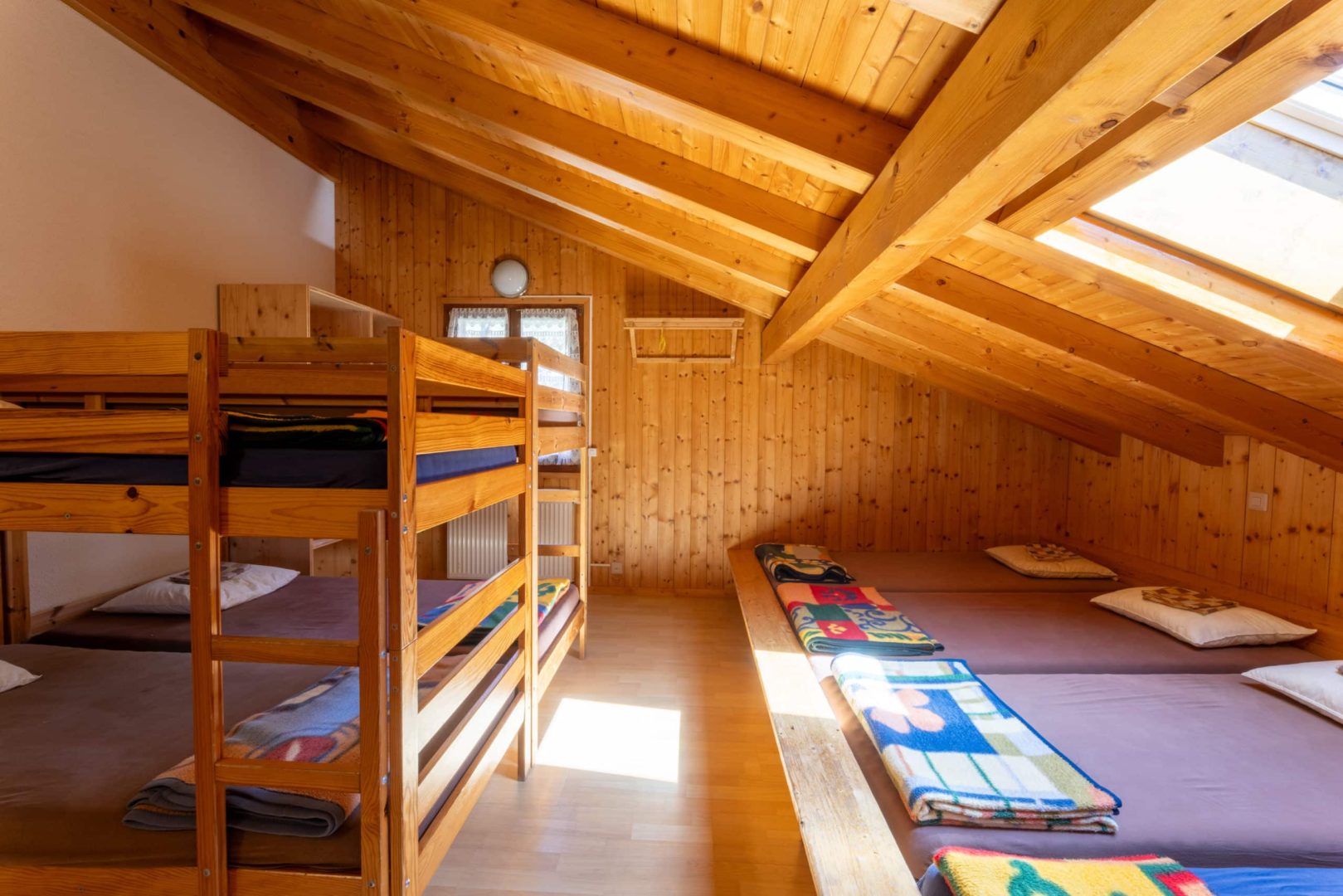
- Sleep/bed: pillow, sheets or sleeping bag (as required), and a small comfort item like a photo or soft toy.
- Hygiene: toothbrush, toothpaste, biodegradable soap, towel, and a labeled toiletry bag.
- Health & medicine gear: original pharmacy bottles for all prescriptions, written medication authorization, and copies of insurance card.
- Activity-specific gear: water shoes, closed-toe shoes, reusable water bottle, sunscreen, and bug spray.
- Organization extras parents often forget: extra shoelaces, zip-lock bags, a laundry bag, extra socks, and copies of allergy action plans.
Label everything clearly with permanent marker tape, heat-transfer name labels, or name-label stickers. We also recommend packing a small, clearly marked envelope with duplicates of critical documents.
Medications, tech expectations, and daily routines
We require medications in original pharmacy bottles and a written medication authorization form. Hand meds to health staff at drop-off with a written schedule, emergency contacts, and explicit allergy/EpiPen instructions. Keep copies of the insurance card and any asthma or allergy action plans in the same envelope.
Confirm the camp’s phone policy well before departure so family expectations match reality. If devices are restricted, set an email or mail schedule and plan care packages or scheduled letters so kids still feel connected. We find that agreeing on check-in days prevents disappointment.
Prepare kids for daily rhythms by sharing a mock schedule at home: wake-up, communal meals, activity blocks, free time, and lights-out. Practice similar wake and bedtimes for at least a week so campers adjust faster. Encourage independence by asking them to pack a small bag for one night and manage simple tasks like refilling a reusable water bottle.
We, at the young explorers club, keep these steps practical and repeatable so first-time campers arrive confident and families stay relaxed.
Health, Safety, and What to Ask During Selection & Registration
We, at the Young Explorers Club, treat safety as a decision point families should confirm before they sign up. Ask for hard evidence, not just promises. Get written policies and examples you can read.
Accreditation, staff training, ratios, and health services
Ask whether the camp is ACA-accredited and insist on documentation. The American Camp Association accredits camps that meet 300+ standards, so ACA-accredited status is a reliable indicator of formal safety and operational practices. If accreditation isn’t present, ask how the program compensates with internal audits and external inspections.
Check staff credentials and turnover. Typical requirements include background checks, CPR/First Aid certification, lifeguard certification for waterfront staff, and child-protection training. Request staff training summaries or sample certification records and ask about turnover so you know how often new counselors cycle through.
Get clear counselor-to-camper ratios. Common ranges run from a 1:4–1:10 ratio, depending on age and activity. Younger campers and high-risk activities need lower ratios. Ask for concrete examples by area: cabin groups, waterfront supervision, and ropes courses.
Confirm medical capacity on site. Many camps operate an onsite health center; request written protocols for medication management, immunization records, allergy action plans, and communicable disease procedures, including any current COVID-era measures. Ask who handles medical emergencies and how they coordinate with local hospitals.
I recommend checking our guide on accreditation as part of your prep: if you want to confirm accreditation status, ask whether a program is ACA-accredited.
Essential questions and documents to request
Request these items and ask these questions ahead of enrollment so you can compare programs directly:
- “Are you ACA-accredited?”
- “What are counselor:camper ratios by age/activity?” (include cabin, waterfront, ropes)
- “What training do staff receive and can you provide turnover stats?”
- “Who handles medications and medical emergencies?”
- Sample daily schedule
- Staff bios or training summaries
- Health center description and staffing
- Immunization and medical forms plus allergy action plans
- Communicable disease protocols, including current COVID procedures
- References from current families
We urge you to keep copies of all responses and forms. Clear answers now prevent surprises later and help you make an informed enrollment choice.
Communication During Camp: How Often, What to Expect, and Emergency Protocols
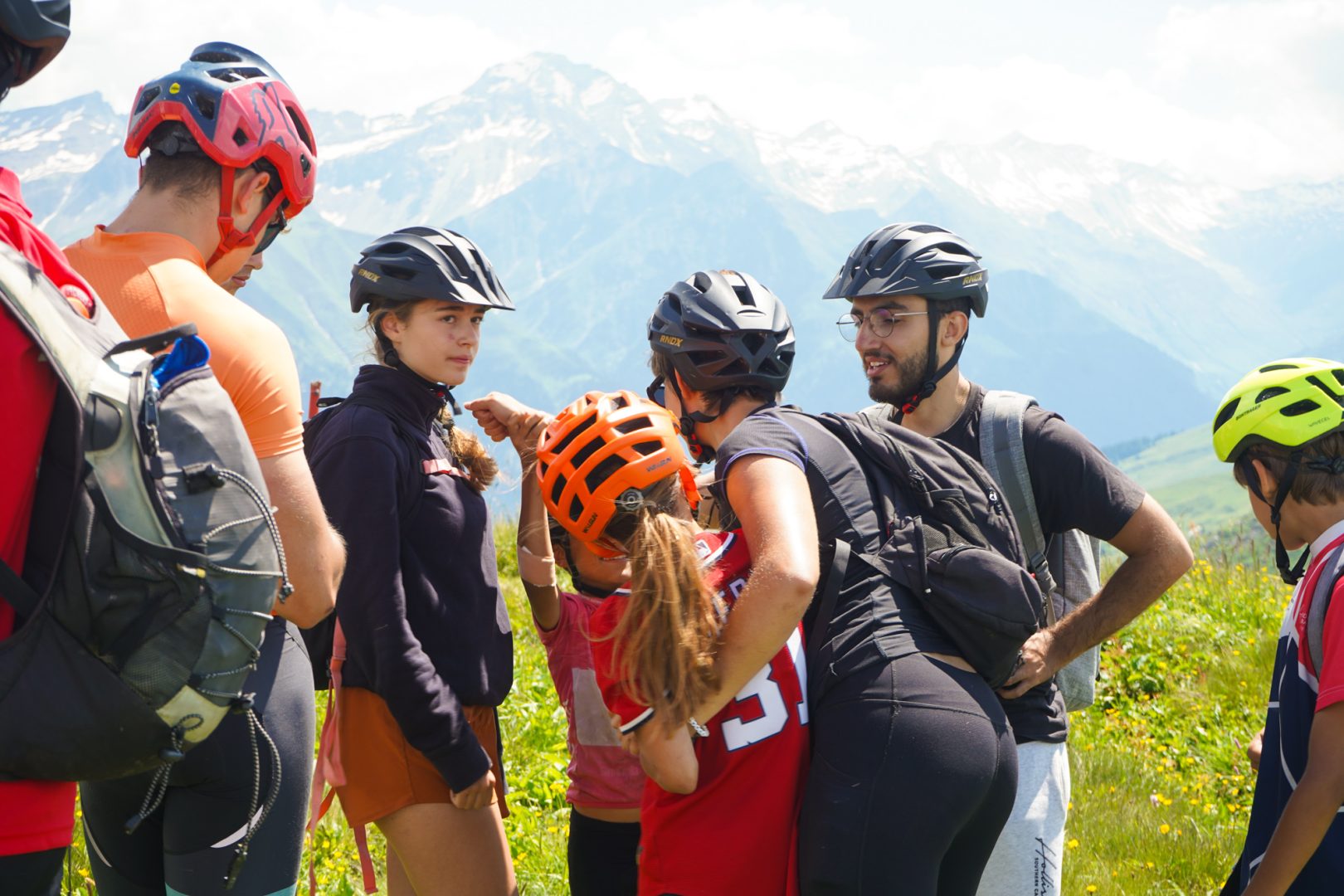
We, at the Young Explorers Club, set clear expectations about communication before campers arrive. Camps vary: some send daily photo updates, others send weekly emails or do periodic mail calls. Overnight programs commonly limit phone contact to reduce homesickness, so expect that phone calls will usually be restricted.
Ask the camp for a written schedule of updates and confirm the channels they use. Confirm whether they post photos on a parent portal or send group emails. Find out which platform they use—common systems include CampMinder, UltraCamp, Bunk1 and Campanion—and get login details before drop-off. I also recommend checking the camp’s photo cadence and noting any blackout days or delayed uploads. If you want a clear example of typical update patterns, read our piece on daily photo updates.
We require camps to share their emergency contact procedures in writing. That document should list:
- Who the primary on-site contact is.
- The chain of command for medical and safety incidents.
- Expected response times for routine and urgent messages.
Ask for a named staff member and a backup, plus phone numbers and an email for urgent contact. Confirm how the camp will reach you if something needs immediate attention.
Practical communication steps I follow with families:
Family actions to set expectations
Use the following checklist to lock down communication before camp starts:
- Agree on update frequency: pick whether you want weekly emails, periodic photos, or just major-event messages.
- Decide on phone protocol: agree ahead of time if you’ll respect limited phone contact for overnight campers.
- Plan mail and packages: set rules about letters and care packages and how many to send.
- Request written emergency-contact procedures and keep a printed copy in your travel bag.
- Confirm parent-portal access and save login credentials on your phone. If you prefer a specific platform, ask the camp if they use CampMinder, UltraCamp, or Bunk1 and practice logging in before arrival.
Use a short “communication expectations” paragraph in confirmation emails or orientation materials. A sample line you can paste directly is:
“Please expect weekly emails and periodic photo updates via [platform]. Overnight campers have limited phone contact; in emergencies, the camp will contact the primary emergency contact immediately.”
I tell parents to treat communication like a service level agreement. Clear, pre-set expectations prevent misunderstandings and reduce stress when uploads are slow or schedules change. If an expected update doesn’t arrive, call the primary contact once—then follow the camp’s escalation path only if you don’t get the promised response time.
If you want a deeper sense of what kids experience and how supervision shapes contact rules, see our summary of camp supervision.

What Camp Will Deliver (and What It Won’t): Social, Skill, Financial, and Post-Camp Expectations
We expect camps to deliver exposure to social skills, independence, problem-solving, and physical activity more than instant mastery. ACA research and camp evaluations often report >75% confidence gains or social-skill improvements among campers, but those gains usually reflect comfort and practice rather than finished expertise. We encourage kids to try something new; a single session will typically build routine familiarity and peer comfort, not full technical mastery.
Learning progression and measurable benchmarks
Session-by-session expectations are simple. Session 1 focuses on orientation and bonding; the main goal is acclimation. Later sessions add skill-building, leadership roles, and deeper friendships. Trackable outcomes help families see progress. Consider these measurable signals of positive change:
- Number of new activities tried.
- Daily tasks completed independently (bedmaking, gear-care, following schedule).
- Number of new friends or meaningful peer contacts.
- Self-reported confidence on simple scales (e.g., 1–5).
- Leadership moments observed (group helper, team lead).
Use these concrete markers when you talk with your child after camp. We, at the Young Explorers Club, guide parents to focus on small wins and repeated attempts.
Cost realities, refund rules, and post-camp reflection
Expect typical price ranges of $100–$400 per week (day camp) and $600–$1,500+ per week (overnight). Full-summer residential programs can exceed several thousand dollars. Ask about scholarships; many camps offer sliding-scale tuition, sibling discounts, early-bird rates, and formal scholarship programs. Get the refund policy in writing, note deposit requirements, and review force-majeure language. Consider cancellation insurance if you want added coverage. Build your budget as tuition + travel + gear + sundries. Save money by buying used gear and sharing shipping for sibling packs.
Do a post-camp reflection 24–72 hours after return to capture fresh memories and emotions. Schedule a one-month check-in to evaluate lasting changes and plan next steps. Use a short 10-question post-camp reflection checklist with your child:
- Favorite moment
- Three new things tried
- Number of new friends
- What got easier
- What felt hard
- Independence gains
- New skills to continue
- Favorite counselor or memory
- What to try next session
- Overall camper satisfaction
Seek pediatrician or counselor follow-up if your child shows persistent severe mood changes, withdrawal, trouble sleeping, or school refusal after camp. For families preparing for their first trip, read more on Your first summer camp to set realistic expectations and practical next steps.

Sources
American Camp Association — Camp Benefits & Research
American Camp Association — Accreditation
Centers for Disease Control and Prevention — Operational Considerations for Youth and Summer Camps
HealthyChildren (American Academy of Pediatrics) — Preparing Your Child for Summer Camp
Child Mind Institute — Helping Kids Deal With Homesickness
Mayo Clinic — Homesickness: Symptoms and causes
KidsHealth (Nemours) — Camp: Preparing Your Child
PubMed (NCBI) — Homesickness in children and adolescents (search results)
American Camp Association — Research & Industry Data
CampMinder — CampMinder: Camp management software
UltraCamp — UltraCamp: Camp registration and management software
Bunk1 — Bunk1: Camp management software