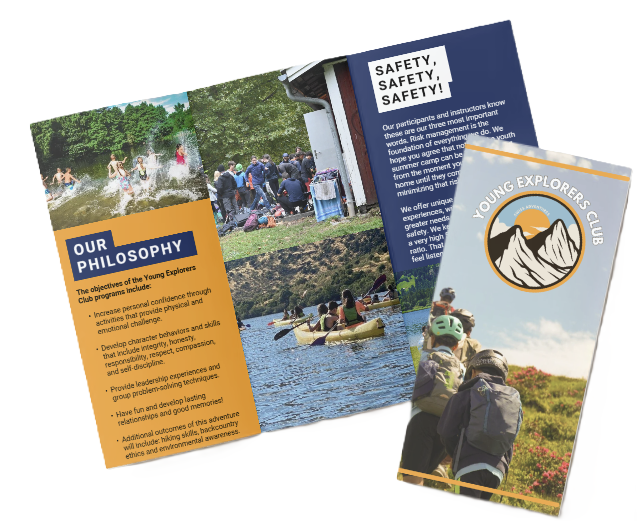
6 Must-Try Outdoor Activities for Teens in Switzerland
Discover 6 must-try outdoor activities for teens in Switzerland. Learn how these tips build skills, confidence, and personal growth at summer camps.
Helping your teenager build confidence and social skills can feel overwhelming, especially if traditional approaches are falling short. You want more than just lessons—they need real-world experiences that push boundaries and create lasting growth. The good news is Swiss summer camps offer active, hands-on strategies proven to boost self-esteem, resilience, and teamwork.
Research shows that sports like mountain biking and football enhance not just physical ability but also self-confidence, leadership, and genuine connection with peers. Each activity delivers unique lessons, from emotional regulation on the trail to communication and trust on the field. Get ready to discover actionable ways your teen can grow through adventure, make new friends, and unlock strengths they never knew they had.
Table of Contents
- 1. Exploring Mountain Biking for Adventure and Confidence
- 2. Climbing Techniques to Build Teamwork and Strength
- 3. Survival Skills for Self-Reliance in the Outdoors
- 4. Football Skills to Foster Leadership and Cooperation
- 5. Multisport Adventures for Personal Development
- 6. Bilingual Learning Through Experiential Outdoor Activities
Quick Summary
| Takeaway | Explanation |
|---|---|
| 1. Mountain biking builds self-esteem. | Completing challenging trails boosts teenagers’ confidence and sense of achievement. |
| 2. Climbing fosters teamwork and trust. | Climbing teaches the importance of communication and mutual support between partners, enhancing social bonds. |
| 3. Survival skills promote self-reliance. | Learning essential outdoor skills empowers teens to handle emergencies and boosts their decision-making abilities. |
| 4. Football enhances leadership and cooperation. | Football encourages teens to communicate effectively and understand the value of supporting teammates for collective success. |
| 5. Multisport activities support holistic growth. | Engaging in various sports helps develop diverse skills and emotional resilience, preventing burnout from specializing in one sport. |
1. 1. Exploring Mountain Biking for Adventure and Confidence
Mountain biking offers far more than physical exercise—it builds genuine confidence in teenagers while strengthening social bonds. The combination of technical skill development, outdoor adventure, and peer support creates a powerful environment for personal growth.
Your teens face real psychological benefits when tackling mountain trails. Research on adolescent well-being through mountain biking shows that the activity contributes significantly to self-confidence, social connection, and resilience. The sport works because it demands focus, courage, and problem-solving—qualities that transfer directly to everyday life.
Why mountain biking stands out for teens:
- Builds self-esteem through achievement – Completing a challenging trail creates measurable proof of capability
- Develops emotional regulation – Navigating technical terrain requires staying calm under pressure
- Strengthens peer relationships – Group rides foster genuine friendships through shared challenge
- Connects them to nature – Green exercise reduces stress while building confidence in natural settings
Swiss terrain provides the ideal classroom for this growth. The Alpine trails near Zurich and beyond offer varying difficulty levels, allowing your teen to progress at their own pace. Mentorship from experienced guides helps riders overcome fear while building competence on increasingly difficult sections.
Mountain biking isn’t just about riding bikes—it’s about discovering what your teenager is capable of when they push their limits in a supportive environment.
The confidence gain extends beyond the trail. Teens who develop mountain biking skills report improved emotional regulation, better stress management, and stronger social connections. They learn that physical challenge leads to personal breakthrough, a lesson with applications far beyond sports.
Swiss summer camps specializing in mountain biking pair adventure with structured progression. Your teen won’t just ride trails; they’ll develop technical skills, learn trail etiquette, and build friendships with peers who share their adventurous spirit.
Pro tip: Start your teen on beginner-friendly trails and let them progress naturally—rushing progression reduces confidence gains and increases injury risk. The journey of improvement matters more than reaching advanced trails quickly.
2. 2. Climbing Techniques to Build Teamwork and Strength
Climbing is one of the most effective ways to develop both physical strength and deep teamwork skills in teenagers. Unlike solo sports, climbing demands mutual trust, clear communication, and shared responsibility—qualities that create unbreakable bonds between climbers.
Your teen learns that climbing success depends entirely on their partner. The belayer holds the climber’s life in their hands, creating a relationship built on absolute trust. This responsibility transforms how teens interact with peers and understand accountability in real situations.
The teamwork element works through structured roles:
- Climber focuses on technique and courage – Managing fear while executing moves
- Belayer provides safety and encouragement – Managing the rope and offering verbal support
- Both communicate constantly – Checking equipment, calling out holds, confirming readiness
- Team celebrates each success – Building confidence through shared achievement
Physical development happens naturally through climbing progression. Sport climbing performance depends on strength, endurance, and psychological factors that improve through structured training. Your teen develops grip strength, core stability, and problem-solving abilities while building muscle coordination across their entire body.
Teamwork in climbing operates differently than traditional team sports. There’s no competing against each other—only competing against the wall together. This shifts mindset from individual achievement to collective success, an invaluable lesson for teenagers navigating complex social dynamics.
Climbing teaches teens that their strength means nothing without a trusted partner, and their partner’s trust depends on their reliability and focus.
Swiss climbing programs emphasize both technical progression and team development. Your teen works with experienced instructors who model leadership, trust-building, and supportive communication. Indoor climbing walls provide perfect progression environments before outdoor rock climbing adventures.
The confidence transfer is remarkable. Teens who climb together develop genuine friendships rooted in vulnerability and trust, not surface-level social connection.
Pro tip: Pair your teen with a consistent climbing partner throughout the program rather than rotating partners—deep trust develops through repeated experience, making both climbers more confident and capable.
3. 3. Survival Skills for Self-Reliance in the Outdoors
Survival skills transform teenagers from outdoor enthusiasts into confident, capable adventurers. Learning to handle emergencies, manage resources, and solve problems independently builds genuine self-reliance and decision-making ability that extends far beyond the wilderness.
Your teen gains practical knowledge about shelter, water, fire, and navigation. These skills aren’t about dramatic survival situations—they’re about feeling secure in natural environments and knowing how to respond when things don’t go as planned. The confidence comes from competence, not bravado.
Survival training teaches essential outdoor management:
- Water safety and sourcing – Identifying safe water sources and purification methods
- Shelter building – Creating protection from weather using available materials
- Fire management – Building, maintaining, and safely extinguishing fires
- Navigation skills – Reading maps, using compasses, and understanding terrain
- Emergency response – First aid basics and signaling for help
Swiss outdoor programs integrate survival skills progressively throughout the summer experience. Your teen starts with fundamental concepts in controlled settings, then applies learning on actual trails and camping trips. This scaffolded approach ensures competence before independence.
The psychological benefit is remarkable. Teenagers who master survival basics experience a dramatic shift in outdoor confidence. They stop seeing nature as something to fear and start seeing it as an environment they can navigate successfully.
Self-reliance isn’t about never needing help—it’s about knowing you can handle challenges when they arise, and understanding when to ask for support.
Practical survival knowledge also builds risk awareness. Your teen learns to anticipate problems, prepare appropriately, and make sound decisions under pressure. These abilities transfer directly to academic work, social situations, and future career challenges.
Group survival activities create powerful bonding experiences. Working together to build shelter or navigate unfamiliar terrain strengthens friendships while developing genuine respect for peers’ strengths and capabilities. Your teen sees others solving problems creatively and learns from their approaches.
The skills your teen develops aren’t just for wilderness trips. Decision-making under pressure, resource management, problem-solving, and staying calm during challenges apply everywhere in life.
Pro tip: Encourage your teen to keep a survival skills journal during camp—sketching shelter designs, noting water sources, and documenting challenges they overcame. This reflection deepens learning and creates a practical reference guide they can use on future outdoor adventures.
4. 4. Football Skills to Foster Leadership and Cooperation
Football is one of the most powerful environments for developing leadership and cooperation in teenagers. The sport demands constant communication, strategic thinking, and collective problem-solving—skills that translate directly into academic and professional success.
Your teen learns that individual talent means nothing without team coordination. Football forces players to understand different perspectives, adjust strategies on the fly, and support teammates unconditionally. These experiences reshape how adolescents think about themselves and their roles within groups.
Leadership emerges naturally through football participation. Players discover leadership isn’t about being the loudest or most skilled—it’s about making teammates better, staying calm under pressure, and holding others accountable. Your teen sees leaders emerge from different positions and personalities, broadening their understanding of what leadership actually looks like.
Football develops essential cooperation abilities:
- Communication under pressure – Calling plays, organizing defense, coordinating attacks
- Conflict resolution – Managing disagreements about tactics or play selection
- Role understanding – Accepting different positions and responsibilities
- Mutual accountability – Depending on teammates and being dependable
- Shared celebration – Building team culture through collective success
Team sports participation significantly enhances social skills including communication, cooperation, and leadership that transfer into broader social and professional contexts.
Swiss football camps create diverse teams mixing nationalities and ages. Your teen interacts with players from different cultures and backgrounds, expanding their perspective while developing genuine friendships across language barriers. The shared language of the sport transcends verbal communication.
Football teaches teens that their success depends entirely on how well they make their teammates successful—a lesson that applies everywhere.
The competitive element drives growth while cooperation ensures sustainability. Your teen learns to compete fiercely while respecting opponents, celebrate victories while acknowledging good opposition, and accept defeats as learning opportunities.
Coaches emphasize decision-making over perfection. Your teen learns that making the right choice for the team (passing rather than shooting) matters more than individual statistics. This mindset shift has profound effects on how teenagers approach group projects, family dynamics, and future workplace collaboration.
Pro tip: Encourage your teen to rotate through different positions during camp—playing defense, midfield, and forward develops fuller understanding of team dynamics and builds appreciation for every role’s importance.
5. 5. Multisport Adventures for Personal Development
Multisport programs expose your teen to diverse physical challenges, preventing specialization fatigue while building well-rounded capabilities. By rotating through different activities, your teen develops motor skills, cognitive flexibility, and emotional resilience that single-sport participation cannot match.
The beauty of multisport is variety preventing boredom while deepening learning. Your teen might climb in the morning, mountain bike in the afternoon, and play football in the evening. This diversity keeps engagement high while allowing muscles and mind to recover between different activity types.
Multisport engagement in youth promotes holistic growth through diverse physical activities that support motor, cognitive, and socio-emotional development across multiple domains. Each sport teaches different lessons while reinforcing universal principles about teamwork, persistence, and personal limits.
Personal development happens through exposure to varied challenges:
- Motor skill diversity – Building coordination, balance, and strength across different movement patterns
- Cognitive adaptation – Learning new strategies and problem-solving approaches for each activity
- Emotional growth – Experiencing success and failure in different contexts builds resilience
- Confidence across domains – Discovering competence in unexpected areas
- Injury prevention – Balancing activity types reduces overuse injuries common in single-sport athletes
Your teen experiences genuine self-discovery through multisport participation. They might discover unexpected talents in activities they never considered. A rock climber might excel at football. A mountain biker might find surprising strength in survival challenges. These discoveries reshape self-perception and expand possibilities.
Multisport adventures teach teens that they’re more capable and adaptable than they realized—a belief that transforms how they approach future challenges.
The social benefits amplify personal development. Your teen builds friendships across different activity groups, developing broader peer networks than single-sport programs offer. They learn from peers with different strengths and perspectives, accelerating their own growth.
Swiss multisport camps intentionally sequence activities to maximize learning and recovery. Coaches understand how different sports complement each other and structure the experience accordingly. Your teen isn’t just trying six activities—they’re building an integrated skill set where each activity reinforces others.
Pro tip: Encourage your teen to track which activities feel most challenging and which feel easiest—this self-awareness reveals growth areas and identifies activities worth pursuing deeper after camp ends.
6. 6. Bilingual Learning Through Experiential Outdoor Activities
Bilingual learning through outdoor activities creates powerful language acquisition opportunities that classroom instruction alone cannot match. Your teen absorbs English and French naturally while focused on climbing, biking, or survival challenges, making language learning feel effortless rather than forced.
Experiential learning in outdoor settings accelerates language development significantly. When your teen learns climbing terminology while actually climbing, the vocabulary sticks because it’s connected to real experience and genuine challenge. The brain processes language more deeply when combined with physical activity and emotional engagement.
Bilingual immersion in outdoor and experiential contexts supports language proficiency and cognitive development across different levels of instruction. Swiss programs intentionally design activities where language serves a purpose beyond testing—communication becomes essential for safety, success, and fun.
Bilingual outdoor learning develops multiple capabilities simultaneously:
- Vocabulary absorption – Learning technical terms through direct experience rather than memorization
- Conversational fluency – Speaking naturally under pressure during physical activities
- Cultural understanding – Interacting with peers from different language backgrounds
- Cognitive flexibility – Switching between languages while problem-solving
- Confidence in communication – Speaking despite imperfect grammar when focused on adventure
Your teen’s confidence in the new language grows alongside their outdoor skills. Pushing through a challenging climb in French builds linguistic courage. Explaining climbing techniques to a peer develops communication depth beyond textbook lessons.
Outdoor bilingual experiences teach teens that languages are tools for connection and achievement, not subjects to master for grades.
Outdoor personal development programs using experiential learning increase self-efficacy, resilience, and growth mindset while supporting language acquisition. Your teen develops belief in their ability to learn and adapt—confidence that transfers to language learning beyond camp.
Swiss multicultural camp environments provide natural immersion. Your teen eats meals with French speakers, receives instructions in English, and works with international peers daily. Language becomes the vehicle for friendship, not an academic exercise.
The bilingual advantage compounds over time. Your teen returns home with improved language skills, greater confidence speaking, and genuine friendships with international peers. They’ve discovered that language learning feels natural when purposeful.
Pro tip: Encourage your teen to actively use both languages during camp rather than defaulting to their native language—the discomfort of speaking a new language while rock climbing disappears quickly and produces the fastest learning gains.
Below is a comprehensive table summarizing key aspects and unique benefits discussed throughout the article on adventure activities for personal development in teenagers.
| Activity | Core Focus | Key Benefits |
|---|---|---|
| Mountain Biking | Building confidence through technical skill development and peer support. | Develops self-esteem, emotional regulation, social connection, and resilience. |
| Climbing | Fostering teamwork and trust between climber and belayer. | Encourages accountability, communication, and physical strength. |
| Survival Skills | Enhancing self-reliance and problem-solving in outdoor settings. | Builds decision-making ability, resource management, and confidence. |
| Football | Cultivating leadership and cooperation within a team environment. | Strengthens teamwork, communication, and collective strategic thinking. |
| Multisport Adventures | Providing diverse challenges to avoid burnout and build holistic skills. | Enhances motor skills, emotional growth, and confidence. |
| Bilingual Learning | Promoting language acquisition through immersive outdoor activities. | Improves conversational fluency, cultural understanding, and cognitive flexibility. |
Unlock Your Teen’s Potential with Tailored Outdoor Adventures in Switzerland
The article highlights important challenges faced by teens today including building confidence, fostering teamwork, and developing self-reliance through engaging outdoor activities. Your teen may struggle with finding meaningful experiences that combine adventure, social connection, and practical skill-building in a supportive environment. Concepts like technical skill development, emotional regulation, and bilingual learning emphasize how teens thrive when immersed in experiential activities that stretch their limits and boost their self-esteem.
At Young Explorers Club, we address these goals directly with our specialized international summer camp programs in Switzerland. Our camps offer immersive mountain biking, climbing, football, survival skills, and multisport adventures designed to unlock personal growth through challenge and teamwork. The bilingual setting reinforces language skills naturally while your teen engages with peers from around the world. Our expert instructors create safe, progressive learning environments so your teen advances at their own pace while gaining confidence that lasts beyond camp.
Discover how your teen can find courage, build trustful friendships, and boost resilience through the rich outdoor experiences featured in our summer camp programs.
Give your teen the chance to reveal their true potential this summer. Visit Young Explorers Club now and register early for a transformative adventure where skill development meets personal empowerment.
Frequently Asked Questions
What are the benefits of mountain biking for teenagers?
Mountain biking provides physical exercise, builds self-confidence, and fosters social connections among teens. Encourage your teen to join a local mountain biking group to experience these benefits firsthand and develop skills at their own pace.
How can climbing help my teen develop teamwork skills?
Climbing inherently requires trust, communication, and shared responsibilities between partners. To maximize these benefits, pair your teen with a consistent climbing partner to foster deeper connections and improve their collaboration skills over time.
What essential survival skills should teenagers learn for outdoor adventures?
Key survival skills include water safety, shelter building, fire management, and navigation. Sign up your teen for a comprehensive outdoor program that gradually teaches these skills, ensuring they become more confident and prepared for outdoor challenges.
How can football foster leadership and cooperation in teens?
Football teaches teens to communicate, strategize, and work together toward common goals, fostering both individual and collective growth. Encourage your teen to take on various roles during football practice to develop a well-rounded understanding of teamwork and leadership.
Why should my teen participate in multisport activities?
Multisport participation promotes physical and cognitive development while reducing the risk of burnout associated with specialization in a single sport. Have your teen engage in diverse activities like climbing, mountain biking, and football to build a well-rounded skill set and discover new interests.
How does bilingual learning during outdoor activities benefit my teen?
Experiential bilingual learning in outdoor settings encourages natural language acquisition and boosts confidence in communication. Support your teen by encouraging them to use both languages actively during activities, which reinforces language skills while having fun.