Soccer Camps In Switzerland: Training Programs
Guide to Swiss soccer camps: summer day, week, residential & academy options for players 5–18—training, safety, costs and booking tips.
Swiss Soccer Camps: Concise Guide for Parents and Players
We present a concise guide to Swiss soccer camps for parents and players. Most programs concentrate activity in summer (June–August) and offer day, week-long, residential and multi-week academy formats that serve players roughly aged 5–18. Camps prioritize five core training pillars — technical, tactical, physical, psychological and injury-prevention/nutrition — using LTAD-style progressions, measurable pre/post testing and variable coach-to-player ratios that reflect program intensity.
Key Takeaways
- Seasonality: About 65–80% of camp activity takes place in summer (June–Aug). Winter and shoulder months still have indoor clinics, holiday weeks and short sessions.
- Formats & target ages: Camps run day, short, week-long, residential and multi-week academy formats for players roughly 5–18. Choose the format that fits parents’ schedules and the player’s development goals.
- Curriculum & assessment: Training covers the five pillars and uses LTAD-style progressions. Programs recommend measurable pre/post tests and coach-rated metrics.
- Staffing & safeguarding: Strong programs hire SFV/UEFA-qualified coaches, conduct background checks and maintain written child-protection policies with onsite first aid or physio.
- Costs & logistics: Prices vary by format and service level. Summer registrations commonly open in spring — confirm inclusions, transport, refund policies and available scholarships before booking.
Details
Seasonality
Summer is the primary season for soccer camps in Switzerland, with the majority of activity concentrated in June–August. During winter and shoulder months, expect fewer full-week residential options but indoor clinics, holiday-week programs and short sessions that maintain skill work and conditioning.
Formats & target ages
Camps typically offer several delivery formats to match family needs and player development stages:
- Day camps — short days for younger players or local convenience.
- Week-long camps — focused, intensive blocks (common for ages 7–16).
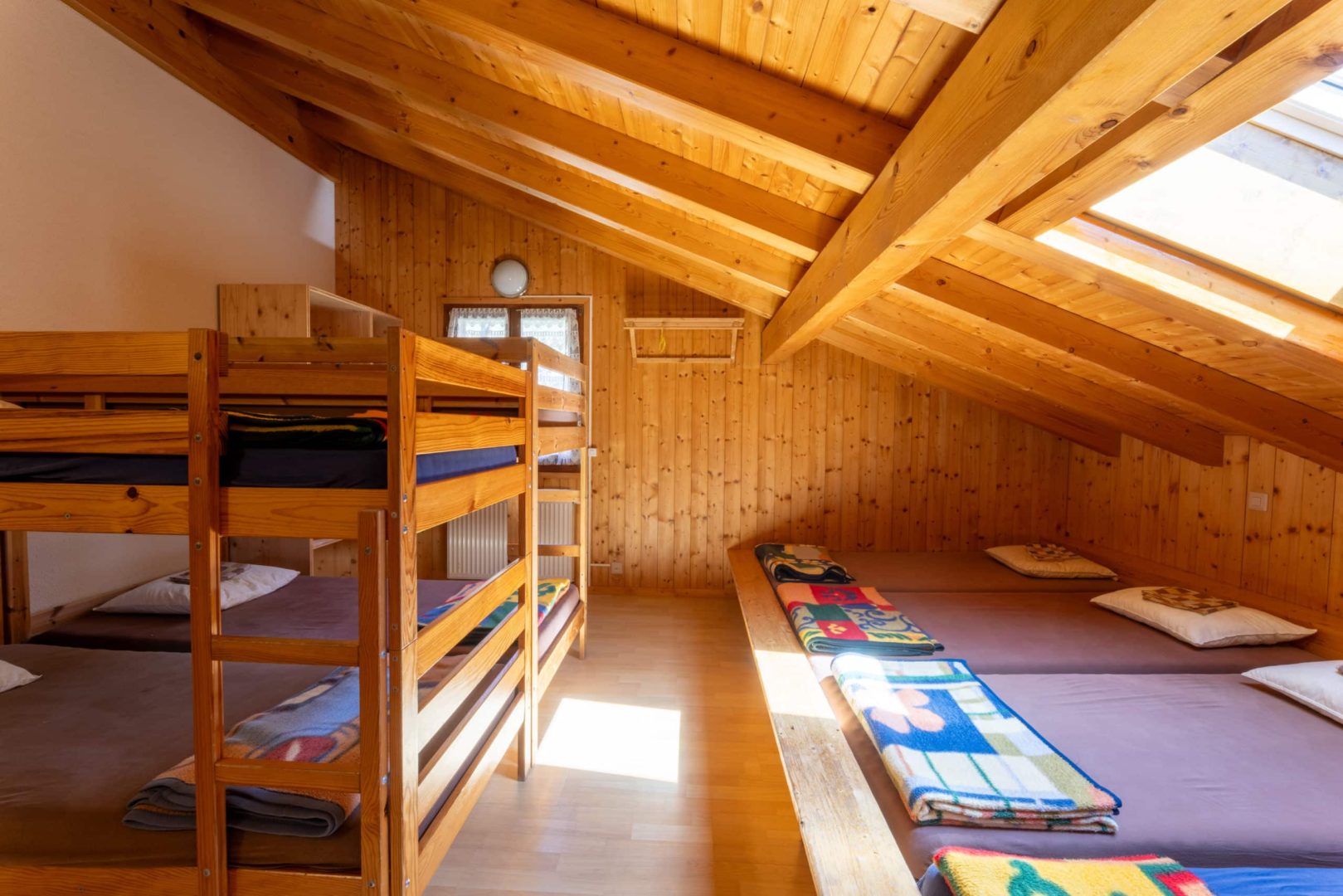
- Residential camps — multi-day boarding options with structured daily schedules.
- Multi-week academies — extended development environments for higher-level or older players.
Target ages generally span 5–18, though specific entry ages depend on camp goals and supervision ratios. We recommend matching format to the player’s development stage and the family’s schedule.
Curriculum & assessment
Programs focus on five integrated pillars: technical, tactical, physical, psychological and injury-prevention/nutrition. Many use Long-Term Athlete Development (LTAD) progressions and include measurable testing to track improvement.
Common recommended pre/post tests include:
- Sprints (e.g., 10–30 m)
- Agility tests (e.g., T-test or shuttle)
- Passing accuracy or technical skill drills
- Vertical jump or power assessments
- Coach-rated metrics for decision-making and game intelligence
Staffing & safeguarding
Quality camps employ SFV/UEFA-qualified coaches where possible, carry out background checks, and maintain written child-protection and emergency plans. Onsite first aid or access to a physiotherapist is a hallmark of well-run programs. Ask camps for documentation of their safeguarding policies and staff qualifications.
Costs & logistics
Prices vary by format (day vs. residential), coach-to-player ratios and added services (meals, physio, transport). Summer programs typically open registration in spring. Before booking, confirm:
- What’s included in the price (meals, kit, insurance).
- Transport options and drop-off/pick-up times.
- Refund and cancellation policies.
- Scholarships or financial-aid availability.
Practical Recommendations
Before booking: Verify coach qualifications, safeguarding documentation, and sample daily schedules. For performance tracking, choose camps that provide clear pre/post testing and feedback. For younger players, prioritize camps with appropriate supervision and a development-first curriculum.
Next steps: Make a short checklist of non-negotiables (dates, supervision, medical support, cost inclusions) and contact camps early in spring for best availability and early-bird options.
Top-line market snapshot and seasonality
We, at the Young Explorers Club, present the core metrics and seasonal patterns that shape soccer camps in Switzerland. For parents deciding on timing and intensity, consult our short guide to choose the best summer camp for practical criteria and timing. For context on why Swiss summer camps are popular, see our overview of summer camps in Switzerland.
Key data points (headlines) and seasonality
- Registered players: SFV reports X registered players in year YYYY (SFV Annual Report YYYY).
- Estimate — annual camp attendees (labelled estimate): ~XX,000–YY,000 children attend soccer camps per year in Switzerland (estimate; method noted below).
- Peak season: majority of camps run in summer months (June–August).
- Age groups served: 5–18, segmented typically as 5–8, 9–12, 13–15, 16–18.
Seasonality estimates (labelled estimates):
- Summer peak (June–August): ~65–80% of annual camp activity.
- Winter/indoor (Dec–Feb): ~10–20% concentrated in indoor halls and holiday weeks.
- Shoulder months (Mar–May, Sep–Nov): remaining activity—weekend clinics, seasonal academy sessions, and mini-camps.
- Indoor vs outdoor: typical split ~60–80% outdoor (synthetic turf/grass) and 20–40% indoor (halls/futsal); regional weather and provider mix shift that range.
Participation and provider patterns (examples / labelled estimates):
- SFV and grassroots clubs: run hundreds of one- to multi-day local camps each year; top clubs (FC Basel, BSC Young Boys, Grasshopper Club Zürich, FC Zürich) typically run multiple regional weeks — roughly 10–30 weeks per club per summer (estimate).
- Busiest months: July and August host the highest volume of week-long camps; late June and early September fill with short weeks and festivals.
- Weekday vs weekend: summer camps are primarily weekday (Mon–Fri) programs; winter offerings skew to weekend clinics and holiday-week day camps.
Estimate methodology (labelled estimate)
I combine SFV grassroots reported participants (if published) + sample top-club camp capacities (club camp weeks × participants per week) + private-provider volumes (typical camp size 40–120 per week × estimated number of providers). All aggregated numbers are estimates and should be verified against the SFV Annual Report and named provider pages.

Types of camps, program formats and where they run
We, at the young explorers club, classify soccer offerings by format so families can match time, intensity and logistics quickly.
Formats and typical durations
- Day camp — Typical: 1–5 days (commonly 1–3 days or week-long 5 days); Coach supervision: 1:8–1:15; Accommodation: no; Recommended ages: 5–12.
- Week-long camp — Typical: 5–7 days; Coach supervision: 1:6–1:12; Accommodation: usually no (day); some residential options; Recommended ages: 7–15.
- Residential camp — Typical: 3–14 days (common 5–7 days); Coach supervision: 1:6–1:10 with 24/7 staffing; Accommodation: yes; Recommended ages: 10–18.
- Short camps — Typical: 1–3 days; Coach supervision: 1:8–1:15; Accommodation: no; Recommended ages: 5–14.
- Multi-week / seasonal academy — Typical: several weeks to full season; Coach supervision: 1:6–1:12; Accommodation: no; Recommended ages: 8–18.
Note: all durations and supervision figures are ranges — always verify on the specific camp page.
Schedules, supervision and locations
A typical day camp runs 4–6 hours: quick warm-up (20–30 minutes), technical station (60–90 minutes), small-sided games (about 60 minutes), conditioning/fun (30–60 minutes) and a short cool-down/feedback slot.
Residential programs usually run two sessions a day (morning 1.5–2 hours, afternoon 1–2 hours), plus evening review, supervised free time and round-the-clock staff including medical on-call.
Inequalities in coach ratios are purposeful. Recreational day camps commonly sit at 1:10–1:15. Club or elite week-long camps tighten that to 1:6–1:10. Specialist goalkeeper groups often go 1:4–1:6.
I design program choices around practical needs: parents who need daily drop-off choose day options; players chasing concentrated skill gains prefer week-long or residential formats; those aiming for long-term development join multi-week academies. You can get help to pick when you choose a camp.
Specialist modules are widely available — goalkeeping, elite performance, positional tactics, futsal and high-altitude conditioning. Many private and international operators offer English or bilingual instruction for expat families. Facility types include:
- Synthetic turf (common)
- Indoor halls for winter
- Natural grass in season
- Alpine/high-altitude sites in Valais and Grisons
Major regional hubs are Basel, Zurich, Bern, Geneva/Lausanne, Ticino and the Valais/Grisons alpine zones.
Named examples you can verify on operator pages include FC Basel Youth Camps, BSC Young Boys camps, Grasshopper Club Zürich camps, FC Zürich camps, and SFV grassroots camps (SFV Annual Report / SFV pages). Providers may offer hybrid formats (day plus optional lodging) so check each listing carefully.

Curriculum, coaching methodology, training load and measurable outcomes (including tech)
Core training pillars
Our program is built around five core pillars that guide session design and progression.
- Technical: Ball mastery, first touch, passing drills and varied shooting tasks aimed at repeatable mechanics and decision speed.
- Tactical: Game-model work, positional understanding and progressive decision-making in small-sided formats.
- Physical: Age-appropriate speed, agility, endurance and strength work for adolescents with clear progression.
- Psychological: Resilience-building, team processes, focus training and simple routines for match-day concentration.
- Injury prevention & nutrition: Structured warm-ups (example: FIFA 11+ style protocols) and basic nutrition education for recovery and growth.
We structure progressions by age with LTAD-style guidance. Session design shifts from play-focused to more structured, position-specific and load-managed work as athletes mature.
- U6–U8 (5–8): Play-focused, brief technical games and high fun.
- U9–U12 (9–12): Technical repetition and small-sided formats (3v3, 4v4, 7v7) to teach basic tactics.
- U13–U15 (13–15): Adds tactical frameworks and starts strength/conditioning introduction.
- U16–U18 (16–18): Emphasises position-specific work, individual profiling and deliberate load management.
Session templates follow predictable blocks so athletes adapt to intensity and learn routines. Typical structure and approximate durations are below.
- Warm-up: 10–20 minutes
- Technical drills: 30–60 minutes
- Small-sided games: 20–40 minutes
- Tactical exercises: 20–40 minutes
- Cool-down: 10–15 minutes
- Feedback/debrief: 10–15 minutes
Blocks are kept tight and purposeful. Coaches use short video clips and quick feed-forward cues during debrief to reinforce learning.
Sample schedules and weekly volumes
Sample one-day camp: 09:00–09:30 arrival & warm-up; 09:30–11:00 technical stations; 11:00–11:30 snack/cool-down; 11:30–12:30 small-sided games; 12:30–13:00 debrief/collection.
Elite residential week: Commonly 20–35 hours/week (range). Daily elite example: 08:00–09:30 morning technical/physical, 10:30–12:00 tactical/positional, 15:00–17:00 match-specific work, plus video review and recovery (total ~4–7 hours/day).
Typical training volumes and coach ratios are provided as ranges and should be confirmed with each program:
- Technical hours/week: Recreational/club camps 4–10 hours (range); recreational summer camp example 12–20 hours/week (range); elite residential 20–40 hours/week (range).
- Coach-to-player ratio: Typical 1:6–1:12 (elite nearer 1:6; recreational 1:10–1:15).
Measurable outcomes and testing
We recommend pre/post batteries to quantify progress. Tests should be age-appropriate and consistently administered.
- Skill tests: Slalom dribble times, target passing accuracy and shooting precision.
- Physical tests: 10/20m sprints, 5-cone agility, beep test or Yo-Yo (age-appropriate) and vertical jump.
- Match metrics: Touches, successful passes, shot attempts, plus coach-rated small-sided performance.
Camps often report percent improvements; treat any percentage as an estimate unless published by the camp. A compact pre/post protocol we advise parents or camps to adopt includes:
- 20-m sprint (electronic timing if possible)
- 5-cone agility
- 10 target passes for accuracy
- Vertical or standing long jump
- Coach-rated small-sided performance metric
Technology and data use
We use technology descriptively; specific vendor use must be verified with the provider. Common tools include:
- Catapult or STATSports for GPS/IMU load data
- Hudl or Dartfish for video analysis
- FitLight for reactive drills
- Polar or Garmin for heart-rate and recovery tracking
Data guides session load decisions, informs recovery plans and makes tactical feedback more concrete. Specific device selection and any associated metrics should be confirmed with the camp or provider.
For practical camp selection advice see our summer camp guide.

Coaches, staff qualifications, medical cover and safeguarding
Coach qualifications and staff roles
We, at the young explorers club, set strict standards for coach credentials and staffing. Credentials follow the SFV coaching license pathway and UEFA badges: UEFA C, UEFA B, UEFA A and UEFA Pro. Camps running youth weeks commonly staff UEFA C or UEFA B coaches. Elite weeks often include UEFA A or Pro coaches and former professionals. I verify credential claims against SFV pages and club listings, and I recommend you do the same per SFV coaching license guidance.
SFV also requires ongoing coach education modules; private providers usually ask for equivalent continuous development and proof of recent coursework, again noted in the SFV coaching license guidance. International guest coaches and ex-professionals add specialist value for tactical, technical or position-specific weeks. Club academy coaches are typically employed directly by clubs and will hold SFV/UEFA qualifications.
Recommended on-site roles are clear and pragmatic. Typical core staff include:
- Head coach
- Assistant coaches
- Goalkeeper coach
- Physio or medical staff (onsite or on-call)
- Dorm supervisors for residential camps
Elite programs also add a sports scientist and a nutritionist. I aim for coach-to-player ratios that match the program intensity: 1:6 for elite training, 1:8–1:12 for standard youth camps, and up to 1:12–1:15 for recreational sessions with extra helpers.
For practical guidance on picking a reliable program and verifying staff claims, see our notes on summer camps in Switzerland.
Medical cover, safeguarding and parent checklist
Medical provisions must be explicit in every camp brochure. At minimum, camps provide an onsite first aider and a documented emergency plan. Larger or residential camps should have a physiotherapist or emergency medical services on call, an automated external defibrillator (AED) available, and written concussion protocols. Staff must know the location of emergency equipment and the chain of command for incidents.
Safeguarding requirements are non-negotiable. All staff should complete background checks or cantonal police clearances (the Swiss equivalent of DBS checks). Camps should publish a written child-protection policy and follow SFV safeguarding guidance and Swiss child-protection law. I expect clear incident reporting procedures, regular staff safeguarding briefings, and age-appropriate supervision plans for mixed-age groups.
Have parents verify the following documents and credentials before enrolment:
- Coach license level(s) (e.g., UEFA C / UEFA B) — request copies or SFV verification.
- First aid and CPR certification for on-site staff.
- Background checks or police clearance for all staff (DBS-equivalent).
- Medical staffing details: onsite first-aider/physio and AED availability.
- Written safeguarding and child-protection policy.
- Insurance coverage and a written emergency plan.
- Concussion protocol and incident reporting procedures.
https://youtu.be/y1MtieihXwk
Costs, scholarships, registration windows and logistics
We, at the Young Explorers Club, break down the practical costs and deadlines you should expect for soccer camps in Switzerland. Prices vary with coach profile, accommodation level and included services, so always confirm figures with the operator.
Typical price ranges
Below are example ranges; please verify exact amounts on each provider’s page.
- Day camps: typically around CHF 150–400 per week (example range; verify).
- Residential weeks: usually range from CHF 500–1,500+ per week depending on accommodation, staff ratio and extras (example range; verify).
- Community SFV grassroots day camps: can be lower, around CHF 100–250/week (example range; verify).
- Club-run weeks: often between CHF 250–600/week (example range; verify).
- Private elite residential programs: commonly cost CHF 700–1,500+/week (example range; verify).
Label these as example ranges and check operator pages for exact pricing.
What’s typically included vs extras
Included in most base fees:
- Coaching, pitch access and a basic training kit or a shirt.
- Residential camps: meals and simple accommodation are commonly included.
- Group accident insurance may be provided but policy limits vary by operator.
- Most providers hand out a participation certificate or token at the end of the week.
Common extras (often listed separately):
- Video-analysis packages
- One-to-one physio sessions
- Airport transfers
- Specialist coach clinics and personalised performance reports
We advise confirming exact inclusions before you pay to avoid surprises.
Financial assistance and scholarships
Some community initiatives and top clubs offer bursaries or subsidised places. The SFV runs grassroots programs and community bursaries in certain cases — contact the SFV grassroots office for current availability and application steps. We recommend asking clubs directly about local community funds; application processes and deadlines differ by provider and can require proof of household income or local residency.
Registration timing and required documents
Registration timing:
- Summer-week registrations commonly open in spring, with early-bird windows and limited spots.
- Shorter holiday or winter camps often open six to eight weeks before the session.
Typical required paperwork:
- Parental consent
- Health/medical form listing allergies and medications
- Emergency contact details
- Proof of age
- Any insurance information the provider requests
Non‑EU families should check Schengen short-stay and visa rules for the camp duration.
Transport and international access
Switzerland’s rail network makes many day and residential camps reachable by train or bus. Ask each provider about pick-up and drop-off options and whether they meet campers at nearby stations. Some residential camps offer airport transfer services for international arrivals; that’s usually an extra. We encourage international families to confirm transfer costs and flight arrival windows in advance.
Cancellation and refund norms (example template; verify with operator)
Example refund schedule (operators set their own terms; verify with your provider):
- Full refund up to 30 days before camp
- 50% refund 29–14 days before camp
- No refund within 14 days, minus any admin fee
Review the cancellation policy closely at registration.
Parent checklist for registration
Please follow this step-by-step checklist before you complete any booking:
- Review program type (day vs residential), age groups and a sample daily schedule.
- Confirm coach qualifications and coach-to-player ratio.
- Request medical and safeguarding documents plus insurance details.
- Complete registration, submit parental consent and the medical form.
- Check transport/pick-up arrangements and the packing list.
- Note the cancellation/refund policy and confirm the emergency contact protocol.
For help choosing a suitable option and comparing schedules, see best summer camp for more guidance from our team at the Young Explorers Club.
How to choose the right camp: checklist, comparisons, alumni and case-study examples
Our short, practical checklist helps parents verify a soccer camp’s credibility and fit. We expect camps to answer each item before families commit.
Practical decision checklist — verify these items
- Coach qualifications: confirm UEFA / SFV license level and coaching experience, and ask to see CVs; we treat licensed coaches as non-negotiable for technical programs.
- Coach-to-player ratio: aim for 1:6–1:12 depending on session intensity and age.
- Medical & first-aid provision: ensure an onsite first aider or physio, AED availability, and a written emergency plan.
- Safeguarding policy: request evidence of background checks and a child-protection policy.
- Sample schedule and daily training hours: check that technical hours match the player’s development needs and recovery capacity.
- Facilities: inspect pitch type (synthetic turf vs grass), indoor halls for bad weather, and accommodation standards for residential camps.
- Cost inclusions/exclusions and refund policy: get a clear breakdown of what’s included (meals, kit, video analysis) and cancellation terms.
- Language and international friendliness: verify English or bilingual staff for non-native families.
We also direct families to choose the best camp for extra guidance if they want a fuller decision framework.
Decision factors by goal
- Development-focused players: prioritize a structured curriculum, certified coach credentials, scheduled pre/post testing and high technical hours. Expect objective feedback and a clear progression plan.
- Kids after a fun or social experience: value varied activities, a healthy coach-to-player ratio and a camp culture that balances drills with play. Look for staff who foster inclusion.
- Elite exposure: insist on club/academy links, scouting opportunities, specialist coaches and documented performance reporting.
Comparisons parents should weigh
Program intensity versus enjoyment often forces a trade-off: higher-intensity weeks deliver more focused skill gains but reduce unstructured play. Residential versus day formats affect immersion and supervised recovery; residential camps raise costs and logistical needs but offer deeper coaching hours and team-building. Cost versus services is straightforward: higher fees generally include smaller ratios, physio support, video analysis and personalized feedback.
Alumni and academy success warrants caution. We advise verifying any notable alumni claims on official club pages or SFV documentation before citing them publicly. Club-produced lists of academy graduates are the only safe source for progression-to-professional stats.
Case-study templates (populate with verified data before publishing)
- Case study A (SFV grassroots camp): program name; dates; age group; participants; coach qualifications (SFV licensed); measured outcomes and parent quote.
- Case study B (top-club academy week): program name; dates; age group; participants; coach qualifications (UEFA B/A); pre/post technical test improvements and participant quote.
- Case study C (international residential camp): program name; dates; age group; participants; coach mix (former professionals, UEFA A); load measures and parent testimonial.
We require that all metrics be confirmed with providers and that any quotes are used with permission.
Recommended document requests: ask the provider for a sample daily schedule, staff CVs/licenses, safeguarding policy, medical plan and a copy of the pre/post test protocol and results format. Visit facilities or request a video tour to verify transport and pickup arrangements.
Sources
Swiss Football Association — SFV Annual Report 2022/2023
Swiss Federal Statistical Office — Sport and Physical Activity in Switzerland
Swiss Olympic — Long-Term Athlete Development
Federal Office of Sport (BASPO) — Sport and Movement (Sport und Bewegung)
Sport for Life — Long-Term Athlete Development (LTAD)
STATSports — Player Tracking and Performance Analysis
Catapult — Athlete Monitoring Solutions
Hudl — Video Analysis & Performance Tools