Summer Camp In Switzerland: A Day In The Life Of A Camper
Swiss summer camps (June–Sep) for ages 6–17: 1–8 week sessions, lake & alpine activities, certified staff—book 3–9 months ahead.
Swiss Summer Camps — Overview
Swiss summer camps run from June–September and typically offer 1–8 week sessions. They accept children aged 6–17 and usually group campers as 6–9, 10–13 and 14–17 to match activities to ability and social needs. Accommodation, activities and fees vary by altitude and programme type.
Typical Daily Schedule
Days are organised around clear time blocks, often using 60–90 minute activity sessions and including a midday rest period.
- Wake-up: usually between 07:00 and 08:00
- Morning activities: 09:00–12:00
- Lunch and siesta: 12:30–14:00
- Afternoon activities: 14:00–17:30
- Evening programmes: 20:00–21:30
- Lights-out: varies by age, typically 21:00–22:30
Activity and Location
Activities depend strongly on site altitude and local geography. Specialist instructors run higher‑risk outings.
Lowland Sites
- Altitude: approximately 300–600 m
- Typical activities: lake sports such as sailing, SUP and canoeing
Alpine Sites
- Altitude: roughly 1,000–2,200 m (especially above 1,500 m)
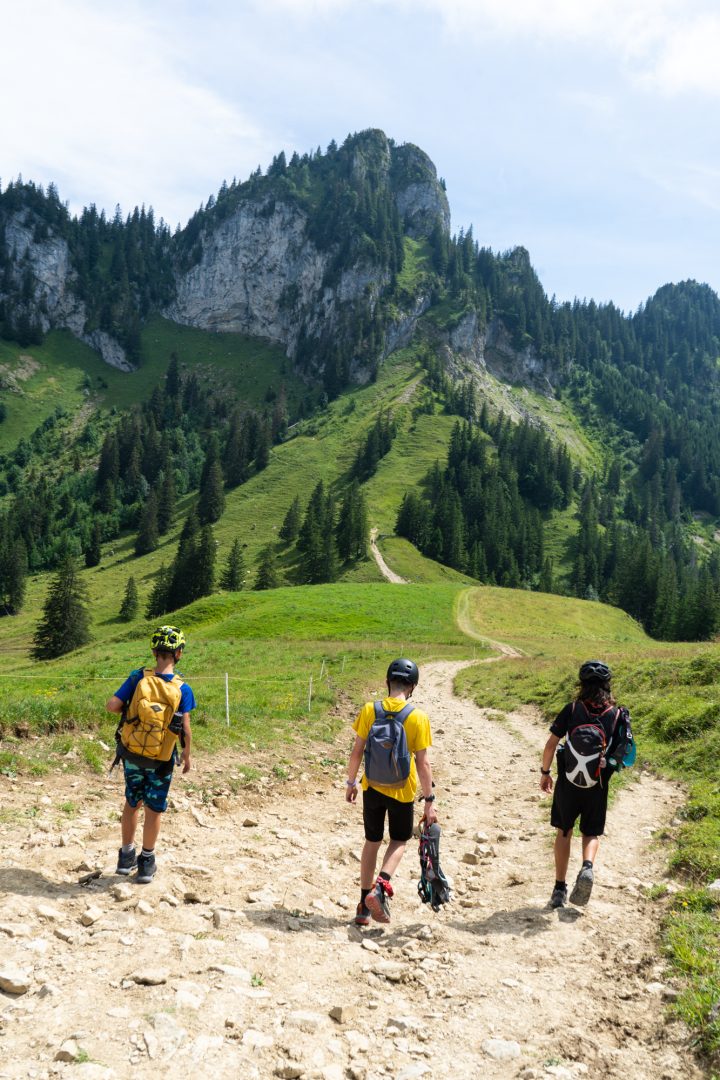
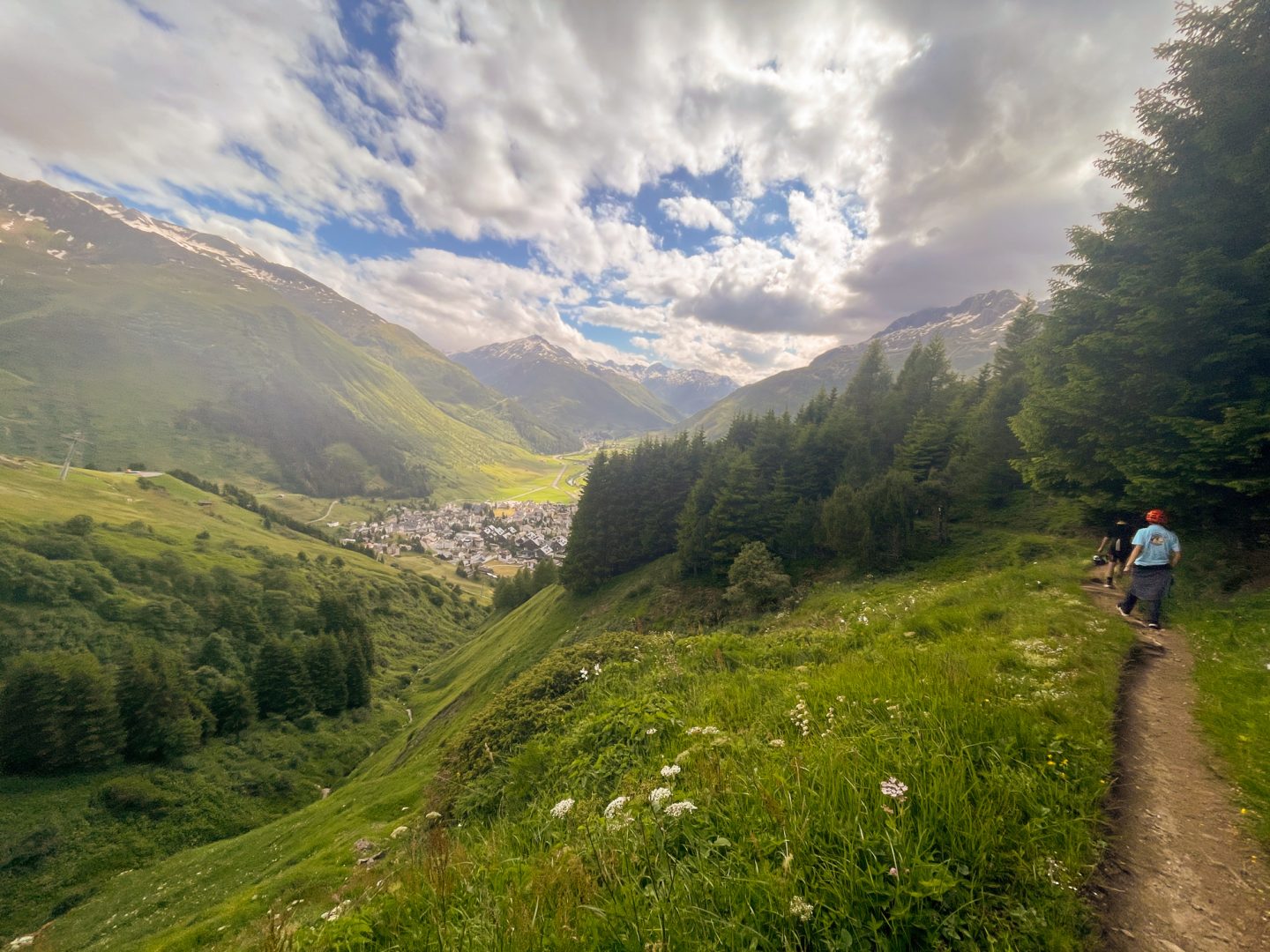
- Typical activities: high‑alpine hiking, via ferrata and glacier trips
- Safety: these outings are led by specialist, certified instructors
Safety and Staffing
Safety is a core focus: camps use certified instructors and lifeguards for higher‑risk activities and maintain clear emergency protocols.
Staffing
- Staff-to-camper ratios: commonly range from 1:6 to 1:12 depending on age and activity
- On-site medical cover: most camps provide on-site first aid and written emergency procedures
Protocols
Expect written consent and medical forms, clear arrival/departure procedures and specific supervision rules for water, mountain or night activities.
Costs and Preparation
Fees vary by programme type and inclusions. Plan and book ahead to secure spaces and confirm logistics.
Price ranges
- Day camps: roughly CHF 150–400 per week
- Residential camps: roughly CHF 700–4,000+ per week depending on activities and accommodation
Preparation and booking
- Booking lead time: we recommend 3–9 months in advance for popular programmes
- Documentation: confirm insurance, complete medical forms and check any consent requirements
- Logistics: check equipment rental options and transfer services before travel
Key Takeaways
- Season and formats: Camps run June–September, sessions are 1–8 weeks, ages 6–17, grouped as 6–9, 10–13 and 14–17 to match ability and social needs.
- Typical daily schedule: Days use 60–90 minute blocks, include a midday siesta and evening programmes; staff set lights-out by age.
- Activity and location: Lowland sites (~300–600 m) focus on lake sports; alpine sites (~1,000–2,200 m) offer high‑alpine activities with specialist instructors.
- Safety and staffing: Certified instructors and lifeguards run higher‑risk activities; typical ratios 1:6 to 1:12; on-site medical cover and emergency protocols are standard.
- Costs and preparation: Day camps ~CHF 150–400/week; residential ~CHF 700–4,000+/week. Book 3–9 months ahead and confirm insurance, medical forms, equipment and transfers.
What makes Swiss summer camps special (season, sessions, ages, altitude, value)
Season, session lengths and age groups
We, at the Young Explorers Club, run camps from June to September. Peak activity is June–August, which aligns with school holidays and the warmest weather. Session options span 1–8 week blocks so families can compare short stays and longer summer residencies. Here are the common formats and age divisions I use when planning groups:
- Session lengths: 1 week, 2 weeks, 3 weeks, 4 weeks, and full-season options up to 6–8 weeks presented as 1–8 week sessions for easy comparison.
- Ages accepted: 6–17 years, typically split into 6–9, 10–13 and 14–17.
- Grouping approach: I keep activities and social groups tight by age to match skills, attention spans and social needs.
You can get a feel for daily pacing and activities on a Typical day to see how sessions and age groups shape schedules.
Altitude, activity differences and value proposition
Camps sit between roughly 300 m at lowland lakes and 1,000–2,200 m at alpine sites. Activity choices change with altitude: expect lake sports like sailing, SUP and canoeing around 300–600 m. Above about 1,500 m you’ll see high‑alpine hiking, via ferrata and glacier trips with specialist instructors. Temperatures shift too. Lowland daytime averages sit around 20–25°C, while alpine sites are typically 5–10°C cooler (roughly 10–18°C). I always tell families to pack layers.
Swiss residential camps often sit at the premium end. Higher prices usually buy:
- Better staff ratios and specialist instructors
- High-quality equipment and facilities
- Strong safety and hygiene standards
Many providers report tangible camper benefits such as improved independence, outdoor skills and language progress. Providers commonly claim language gains of 1–3 CEFR sub-levels for intensive language weeks, but you should check each camp’s claims and assessment methods. I also advise verifying current season prices, cancellation policies and any medical or insurance requirements before booking.

A sample “Day in the Life” timetable (times, durations, meals, bedtimes)
Printable timetable (typical day)
Use the timetable below as a printable template for packing, arrival planning and setting expectations for your camper. I include typical timings, meal structure and where rest fits into the day.
- 07:00–08:00 — Wake-up and cabin time (30–60 minutes for washing, dress and light tidy).
- 08:00 — Breakfast (hot or continental; we serve balanced options).
- 09:00–12:00 — Morning activities (2–3 activity blocks; each block 60–90 minutes).
- 12:30–14:00 — Lunch, siesta and free time (time for a relaxed meal and rest).
- 14:00–17:30 — Afternoon activities (usually two 60–90 minute blocks, including skill sessions).
- 17:30–18:30 — Optional waterfront or free-swim (seasonal; lifeguards on duty).
- 19:00 — Dinner (family-style or cafeteria; we include vegetarian and allergy-aware choices).
- 20:00–21:30 — Evening programme (games, talent show, campfire — we rotate formats nightly).
- 21:00–22:30 — Lights-out by age group (see guidance below).
Meals and snacks: campers get three main meals plus one or two snacks during the day to keep energy steady. Parents: use this schedule to time medication, recommended packing and arrival window.
Activity block and bedtime guidance
We plan activity blocks at 60–90 minutes to build skills while leaving room for rest and spontaneous play. Shorter blocks (60 minutes) suit high-energy skills like climbing or team games. Longer blocks (75–90 minutes) let instructors run a full progression for crafts, multi-stage hikes or water skills. We balance structured learning with free play so campers stay engaged without getting worn out.
Language-immersion or academic-style camps may add a 45–60 minute classroom session in the morning; confirm the daily schedule with camp staff before arrival. We schedule a midday siesta to reduce fatigue after active mornings and help younger campers recharge.
Bedtime by age:
- Ages 6–10 — lights-out around 21:00 to support sleep needs and recovery.
- Ages 11–13 — lights-out around 21:30, giving a bit more independence.
- Ages 14+ — lights-out around 22:00–22:30, depending on group rules and evening programme intensity.
We recommend parents review the timetable with their child before drop-off so expectations match reality. For an inside look at a camper’s routine, read Day in the Life.
Typical activities and specialist programmes (types, frequencies, group sizes, fees)
We, at the Young Explorers Club, schedule a mix of core outdoor and specialist programmes that fill most camp days. We offer hiking, rock climbing, via ferrata, mountain biking, canoeing and kayaking, sailing, stand-up paddleboarding, ropes courses and ziplines, and multi-pitch climbing. Water options include both pool sessions and lake-based activities, with lake day trips typically running one to two times per week. Activities run across beginner, intermediate and advanced tracks so campers progress at a steady pace.
We structure daily loads to match intensity. Most schedules list three to six distinct activities per day depending on how demanding each session is. Adventure-focused weeks often dedicate 60–90% of daytime hours to outdoor pursuits, while language or academic weeks usually keep 25–50% of the day in classroom-style learning. Specialist sessions such as advanced sailing or multi-pitch climbing run in smaller groups, typically six to twelve campers, so instruction can be tight and focused.
Specialist coaching may carry an extra cost. Typical additional fees range from CHF 50–500 per week for advanced coaching or certified instruction. We separate standard programme fees from specialist coaching so families can pick what fits their goals and budget.
Staffing and safety follow clear standards. Certified instructors lead high-risk activities: sailing coaches, mountaineering and climbing instructors, and certified water-safety staff for lake work. These activities have lower camper-to-staff ratios than general activities. We publish instructor credentials and expected ratios in pre-arrival materials so families can confirm qualifications before arrival.
I outline practical comparisons to help pick a programme:
- Adventure camps emphasize outdoor skills, challenge and navigation; expect more time on trails, cliffs and water.
- Language or academic camps split time between classroom sessions and applied outdoor activities, pairing practice with structured lessons.
- High-performance sports tracks (sailing, hockey) run like elite training blocks and may require prior experience.
Equipment, rentals and what we provide
Below are the common kit items and how we handle them:
- Personal clothing: layered hiking clothes, quick-dry shorts, waterproof shell, sturdy hiking shoes.
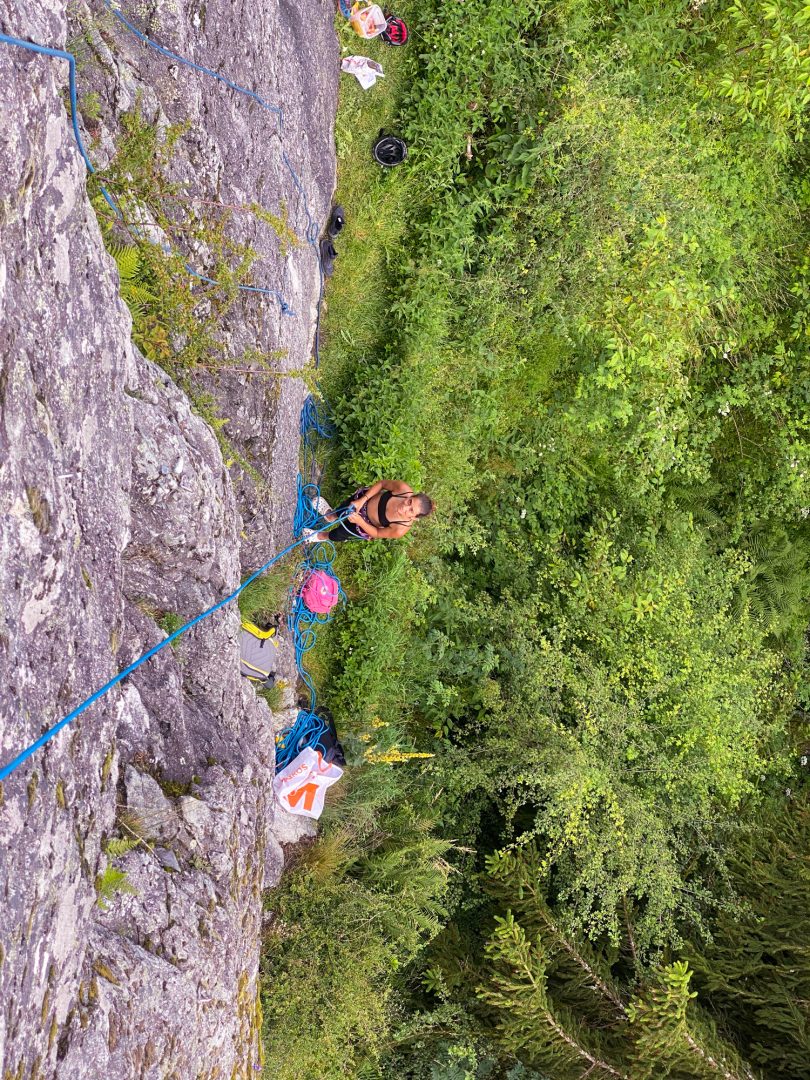
- Climbing: harness and helmet are often provided or available to rent; climbers should bring climbing shoes if they have them.
- Water sports: lifejackets are mandatory; sailing gear and neoprene layers may be required depending on conditions.
- Bikes: helmet and gloves required; mountain bikes can be rented if campers don’t bring their own.
- Extras: sunscreen, refillable water bottle, small daypack, and a basic first-aid kit.
We list exact equipment needs on booking documents and confirm rental options before camp starts. That way families can plan whether to bring specialized gear or rely on our inventory.
I emphasize small-group specialist training for faster skill gains. Programs like language immersion or STEM still use hands-on sessions, but specialist coaching in sailing, multi-pitch climbing or via ferrata demands certified instructors and tighter supervision. We set group sizes and coach ratios to match risk level and learning objectives, and we can adjust based on camper ability and demand.
For a practical look at how a day blends these options, see our camp life page for examples of typical schedules and activity pacing.
Accommodation, facilities and food (rooms, facilities, meals, allergies)
Rooming and on-site facilities
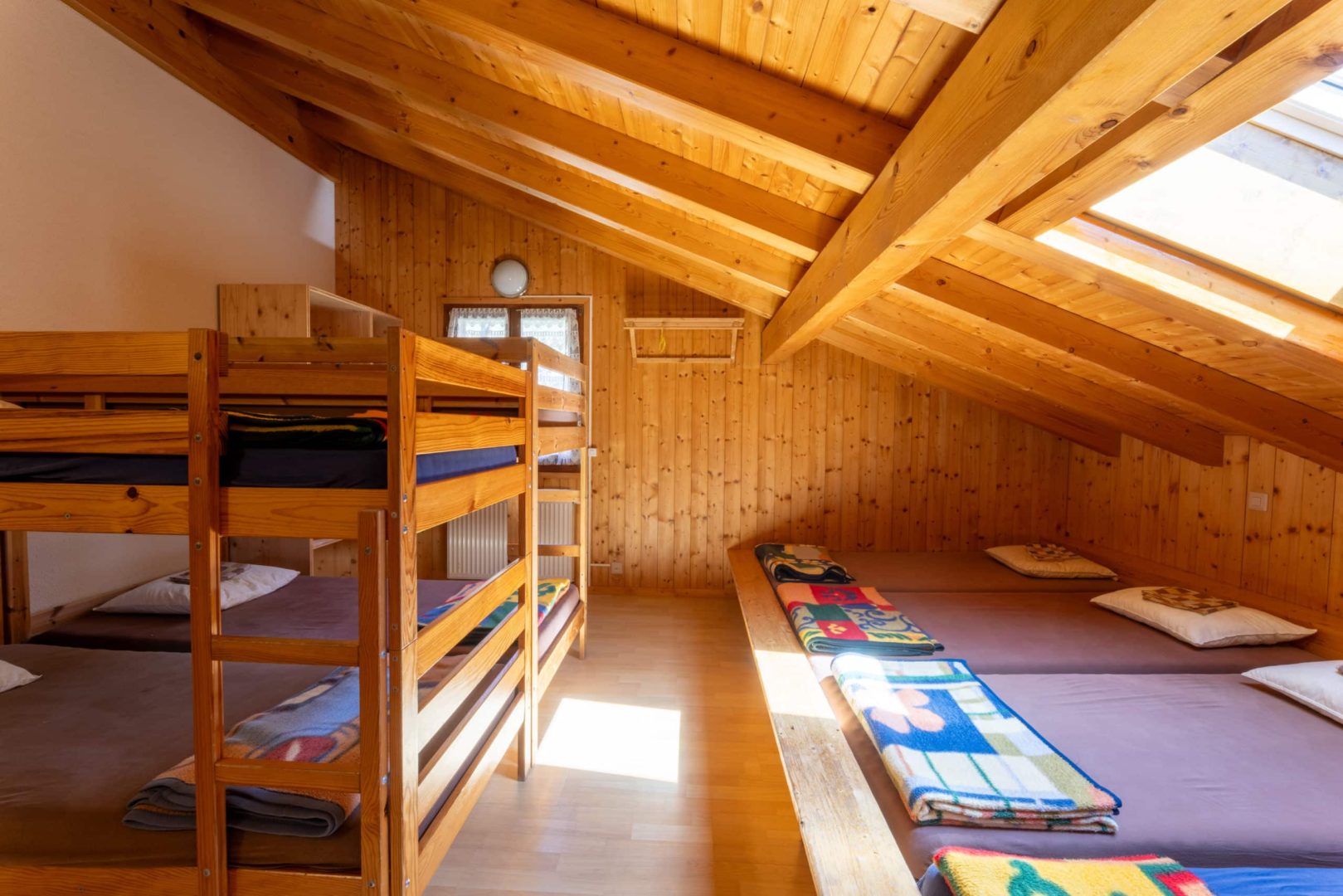
We, at the young explorers club, group campers by age and gender to keep rooms familiar and manageable. Dormitories usually hold 4–10 beds, cabins 2–6 beds, and chalets or boarding-school style dorms 6–12 beds. Typical residential rooms house 4–6 campers; that size balances privacy with social life. I recommend parents tell us roommate preferences ahead of arrival so we can accommodate friendships or special needs.
Camp sites include dedicated activity centres, sports fields, indoor gyms, lakeside docks, swimming pools and climbing walls. We keep an on-site infirmary staffed during waking hours and available for emergencies overnight. Night-time supervision consists of counsellor checks plus a resident warden; parents should ask for the exact night supervision protocol when booking.
Day camps run differently: they use community facilities and finish each day without overnight stays. For alpine weeks, expect cool nights; bring a sleeping bag rated to about 5°C. For a quick packing refresher see what to pack.
Meals, nutrition and allergy management
Meals follow an active-camp model: three main meals plus one or two snacks daily. We plan menus to support high activity, with estimated calorie ranges of 2,000–3,500 kcal/day depending on age and energy output. Typical day menus look like this:
- Breakfast: muesli, seasonal fruit, toast or eggs.
- Lunch: pasta or sandwich with a fresh salad.
- Dinner: protein source, vegetables and a carbohydrate.
- Snacks: fruit, yogurt, or granola bars.
We design kitchens to handle special diets when requested. Vegetarian, vegan, gluten-free and halal or kosher options are often available. Our kitchen staff receive training in allergen management and we operate clear allergen policies. I urge parents to list allergies and dietary restrictions on the registration form and to speak with our kitchen lead before arrival so cross-contamination controls are reviewed.
For privacy and safety, we combine physical measures and procedures: locked medication cupboards, staff-only kitchen areas, and documented meal plans when allergens are present. Night-time checks and a resident warden offer supervision without compromising camper privacy. Parents should request our written allergy protocol and night-supervision outline if they want added reassurance.
Safety, medical care and staff qualifications
We, at the young explorers club, set clear expectations for staffing and medical care so parents know what to expect.
Staff-to-camper ratios run from 1:6–1:12 depending on age and activity, and specialist activities like climbing or sailing usually operate at 1:6 or better. For a sense of daily supervision and routines, see Camp life.
All staff complete background checks (DBS or the Swiss equivalent) and child-protection training before they work with campers. Aquatic instructors hold lifeguard certification. Mountain and high-adventure leaders carry wilderness first-aid or equivalent certifications. I ask specialist instructors to provide CVs so families can verify experience and qualifications.
I require at least one certified first aider on-site 24/7. Many residential programmes also keep a dedicated nurse or medic on campus for round-the-clock care. Families must provide proof of travel and health insurance before arrival. The camp maintains public liability insurance and standard incident reporting procedures.
I provide an emergency response protocol that spells out how parents are contacted, hospital transfer procedures and medication administration. Ask camps to supply sample emergency-language that covers:
- How parents are notified
- Typical hospital transfer time from camp
- Who administers medicines and how consent is recorded
Swiss camps operate under cantonal regulations, and many international programmes adopt recognised standards (ACA-style practices) so you can compare frameworks across providers.
Parent checklist
Use this quick checklist when you’re evaluating a programme:
- Verify published staff-to-camper ratios by age and by activity.
- Request CVs for specialist instructors (climbing, sailing, high-adventure).
- Confirm lifeguard credentials for aquatic staff and first-aid/wilderness certifications for outdoor leaders.
- Ask about night supervision and whether a medic is on-site 24/7.
- Note typical hospital transfer times and how emergency transport is handled.
- Confirm that the camp requires family travel/health insurance and carries public liability insurance.
Costs, travel, packing and booking essentials
We, at the young explorers club, set clear pricing bands so families can compare options quickly: day camps CHF 150–400/week; residential standard CHF 700–2,500/week; premium or specialty residential CHF 1,800–4,000+/week. At booking we usually ask for a deposit of 10–30%, with final payment due roughly 6–8 weeks before the session.
A typical cost example helps make choices concrete:
- Base fee: CHF 1,600 for a 2‑week residential stay
- Airport transfer: CHF 150
- Equipment rental: CHF 80
We always remind families to check for extra fees like specialist coaching (CHF 50–500/week) or additional activity charges.
We organise transfers from the usual arrival points — Zurich (ZRH), Geneva (GVA) and Bern (BRN). Typical transfer times run 45–180 minutes. Transfer fees normally sit between CHF 50–200 each way and depend on distance and passenger numbers. We can coordinate arrival windows but suggest booking transfers at the same time as the session.
Please bring the essential documents: passport, signed consent form, medical form, vaccination details and travel/health insurance card. Many of our international programmes run in English, and regional offerings may use French, German or Italian. Expect international camper mixes of roughly 25–60% at many international sessions.
We recommend booking 3–9 months ahead for peak July sessions. Cancellation rules vary; many camps offer partial refunds up to 30–60 days before start. We strongly advise taking travel and cancellation insurance for protection against late changes, illness or a camp closure.
Packing essentials and rules
Pack the following basics for a typical week at a Swiss outdoor camp; see our packing checklist for an expanded list.
- Clothing: 7–10 t‑shirts, 3–4 long sleeves, 2 hiking shorts, 2 trousers, 1 warm fleece, 1 light down or waterproof jacket.
- Footwear: sturdy hiking boots, trainers/sneakers, sandals or water shoes.
- Other musts: 1 L water bottle, sunscreen SPF30+, hat, swimwear, and clearly labelled items.
- Medication: bring a dosage sheet, written consent for administration and the completed camper medical form.
We handle medication administration according to the dosage sheet and written consent you provide. For arrivals, pack passport/ID, signed consent & medical form, insurance details, medications with the dosage sheet, and transfer booking confirmation.
Before you book, ask these key questions so expectations match reality:
- Refund/cancellation timeline
- Illness coverage or pandemic contingency
- Staff CVs and instructor certifications
- Typical hospital transfer times
- Late arrival policies
We recommend travel insurance with medical evacuation for non‑EU residents and always suggest you confirm current catalogue prices and any equipment rental, specialist coaching or transfer fees with the camp before completing your booking.

Sources
MySwitzerland — Family holidays in Switzerland
MeteoSwiss — Climate of Switzerland
Swiss Federal Statistical Office (FSO) — Tourism and recreation statistics
American Camp Association (ACA) — Healthy, Safe, and Supportive Camp Standards
European Camp Association — Quality in camping / resources
Swiss Conference of Cantonal Ministers of Education (EDK) — EDK / services and guidance
Federal Office of Public Health (FOPH) — Federal health guidance and recommendations
Swiss Red Cross — First aid courses
SUVA — Safety advice and accident prevention
Comparis — Travel insurance (guidance and comparison)
Federal Office for Agriculture (FOAG / BLW) — Swiss agriculture and local produce