Summer Camp In Switzerland For Australian Families: Worth The Distance
Swiss summer camp for Australian families: premium alpine adventure with glacier access, language immersion and 22-28h travel—budget AUD8k-15k+.
Swiss Summer Camp Overview
The Swiss summer camp option offers Australian families a premium, lower-frequency choice that combines mountain and glacier access, intensive outdoor sports, structured language immersion and strong intercultural exposure rarely available at domestic camps. Families should expect substantial time and cost commitments before booking.
Travel and duration
Door-to-door travel typically runs about 22–28 hours. Trips of 2–4 weeks work best, with 3–5 days recommended for jet‑lag recovery and acclimatisation for younger children.
Typical family budget
A typical two-week family budget sits around AUD 8,000–15,000+ once flights, insurance and transfers are included. Camp fees alone can range from CHF 1,200–6,000+ per week depending on the programme and inclusions.
Who these camps suit
These programmes suit families who prioritise alpine sports, language immersion and intercultural exchange and who can commit the necessary time and funds. For lower cost, shorter travel and easier repeat attendance, consider domestic camps.
Key Takeaways
- Authentic alpine experiences: Swiss camps deliver glaciers and high‑alpine trails alongside multilingual immersion that can produce measurable language gains in 2–4 weeks.
- Plan logistics carefully: Allow 22–28 hours door‑to‑door, book generous connections, and allocate 3–5 days for younger children to settle before intensive activities.
- Budget realistically: Camp fees can range from CHF 1,200–6,000+ per week. Expect a 2‑week family trip to fall in the AUD 8,000–15,000+ bracket after flights, insurance and transfers.
- Prioritise safety and paperwork: Confirm medical screening, activity‑specific waivers, adventure insurance coverage, notarised parental consent for minors and airport pickup/UM arrangements.
- Who should choose these camps: Families able to commit time and funds who prioritise alpine sports, language immersion and intercultural exchange. Choose domestic camps for lower cost, shorter travel and easier repeat attendance.
Is it worth the distance? Quick verdict, time-cost trade-off and who should go
We judge Swiss summer camp as a premium, lower-frequency choice. It suits families who prioritise alpine immersion, outdoor sports, language practice and intercultural exposure over shorter travel time or lower cost. Expect a significant time and money commitment. Compared with repeat domestic camps, Swiss programmes deliver mountain access, glacier and high-alpine environments, multilingual contexts and strong cultural exposure that you rarely find at home.
Time investment and logistics
Plan long travel and recovery windows. Door-to-door trips typically run 22–28 hours. Switzerland runs 8 hours behind AEST (CEST vs AEST), so jet-lag hits younger kids harder. I recommend building in a minimum of 3–5 days for adjustment before camp activities start for younger children. Typical trip lengths fall between 2–4 weeks. A common family itinerary looks like: 1 week of camp + 1 week sightseeing + three days travel each way = about 2.5–3 weeks.
Practical tips I use and recommend:
- Book flights with generous connection times to reduce stress and the chance of missed legs.
- Fly into Zurich for best access to camps near Zurich; reserve arrival days for light activity only.
- Stagger arrival so younger kids have extra rest before intensive outdoor days.
- Pack a compact recovery kit: travel pillows, electrolyte sachets, simple snacks and a familiar bedtime item.
Aim to sync sleep and mealtimes to local time within the first 24 hours. Keep the first full day quiet and avoid scheduling high-altitude outings until the second or third day after arrival for younger campers.
Cost, who should go and value guideline
Families who value the international mix, language immersion and alpine specialities often find the trip worth the price. As a guideline, expect to budget around AUD 8,000–15,000+ for a 2-week family trip (estimate). Swiss camp is usually a once-in-a-few-years premium experience; if you’d like yearly camp cycles, domestic alternatives will usually deliver better value.
Families most suited to a Swiss camp include:
- Those prioritising alpine sports and mountain access (glaciers, high trails).
- Households wanting language immersion and daily use of multiple languages.
- Parents looking for strong cultural exchange with international peers.
- Families able to commit 2–3 weeks and absorb higher travel costs.
Families who might prefer other choices:
- Those wanting yearly, low-cost summer camp attendance.
- Parents who need minimal travel time or have very young children who struggle with long flights.
- Households on tight short-term budgets where AUD 8,000+ is prohibitive.
For a concise look at typical camp spending, check our breakdown on camp cost to compare what’s included and where you can save. We recommend treating Swiss camp as an investment in a high-impact intercultural and outdoor experience rather than a routine holiday option.

Flights, routes and travel timings: what to expect and how to book
We, at the Young Explorers Club, organise travel for Australian families regularly and expect long journeys. The air distance is about ~16,800–17,200 km (Sydney/Melbourne to Zurich/Geneva) and pure flying time usually sits around 20–23 hours. Plan for overall travel of roughly 22–28 hours door-to-door on typical one-stop routings.
I outline the common routings and carriers we use so you can match times, comfort and price. There are no non-stop Australia–Switzerland flights. Most itineraries connect through:
- Singapore, Doha, Dubai or Abu Dhabi, or Hong Kong.
- Carriers commonly used include Singapore Airlines, Qantas (partner itineraries), Emirates, Qatar Airways, Etihad, Cathay Pacific and Swiss International Air Lines (via partners).
We keep three booking priorities in mind: total door-to-door time, connection comfort, and price. Typical fares in peak summer 2024 sit around AUD 1,200–2,500 return economy. Premium economy and business class add substantially. Book early — I recommend 3–6 months ahead for better availability and rates. Compare full door-to-door travel rather than only flying time; domestic transfers, airport waits and potential overnight stays change the real arrival time and family fatigue.
We often advise considering a multi-city ticket if families want side travel in Europe. That can save separate domestic legs and reduce the hassle of re-checking luggage. Also look at partner loyalty credits if you collect points on Qantas, Emirates or other alliances.
Quick route comparisons (sample SYD departures)
Below are three practical options we present to parents, including the realistic door-to-door window and peak fares — remember to build in domestic transfer times to your Australian international airport and any overnight stays.
- Option A (budget/short layover): SYD depart evening → Singapore (2h 30m layover) → Zurich. Flight time ~20–21h; door-to-door ~22–24h. Approx price: AUD 1,200–1,600 return economy (peak). Good if you want the shortest stop and lower cost.
- Option B (balanced/comfort): SYD depart evening → Doha (3h layover) → Zurich. Flight time ~21–22h; door-to-door ~23–26h. Approx price: AUD 1,600–2,000 return economy (peak). Offers competitive service and on-board comfort without the highest price.
- Option C (premium/carrier choice): SYD depart evening → Dubai/Abu Dhabi (2–4h layover) → Zurich. Flight time ~20–23h; door-to-door ~22–28h. Approx price: AUD 2,000–2,500 return economy (peak). Choose this for preferred carrier schedules or better alliance connections.
Local travel inside Switzerland matters for family logistics. Consider the Swiss Travel Pass (3, 4, 8, 15 days) to simplify rail travel and reduce ticket juggling. Typical rail times give you a sense of transfer durations:
- Zurich–Lucerne ~1 hour.
- Lucerne–Interlaken ~2 hours.
I always build buffer time for connections, especially when travelling with children. Allow extra connection hours if you have unaccompanied minors, large amounts of luggage, or need to change terminals. Domestic transfers to your Australian international airport can add several hours; plan an overnight at a domestic hub where necessary.
For detailed pre-departure planning and packing recommendations aimed at Australian families, see our summer camp in Switzerland guide, which covers visa checks, health paperwork and itinerary templates.

Types of Swiss camps, typical activities and educational gains
We, at the Young Explorers Club, run a wide range of Swiss camps that suit different interests and risk tolerances. Our main categories include language immersion, outdoor and adventure, lakesports, sports, arts/music/STEAM and short specialist academies hosted at international schools. Our age range is 7–17, usually split into juniors (7–12) and teens (13–17). We maintain staff-to-camper ratios of about 1:6–1:10 depending on activity and age group.
We design language immersion weeks with structured morning lessons and activity-based practice in the afternoons. Our programmes use CEFR placement and provide end-of-programme certificates; many campers show measurable progress within 2–4 weeks through focused tuition and constant practice. Our instruction mixes small-group grammar work, conversation labs and cultural outings so language learning stays active and practical.
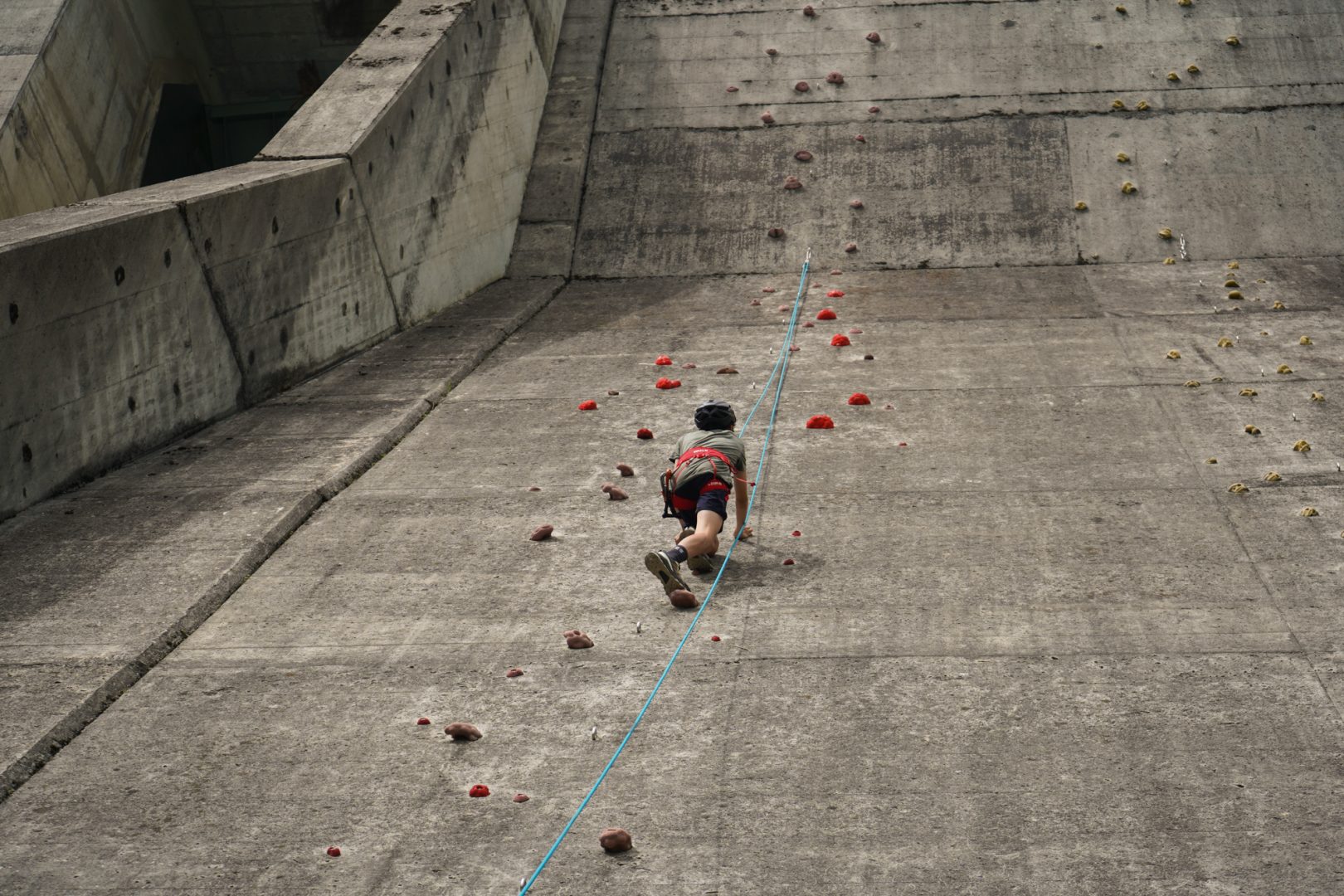
Our outdoor and adventure camps run alpine hikes, via ferrata routes, glacier walks, mountain biking, climbing and paragliding where age and medical restrictions allow. We screen fitness and medical history for high-altitude or technical activities, and we require activity-specific waivers and sometimes additional insurance. Our lakesports weeks focus on sailing, kayaking and windsurfing on Lakes Geneva, Lucerne and Zurich, combining on-water coaching with safety theory. Our sports camps concentrate on tennis, football or multisport skills. Our arts, music and STEAM options give concentrated studio time, ensembles and project work; specialist academies at international schools provide short, intensive programmes for motivated teens.
Representative camp profiles
- Week-based language immersion — Lausanne: morning language classes, afternoon cultural outings and lake activities, plus a structured evening social programme.
- Two-week alpine adventure — Bernese Oberland: multi-day hikes, via ferrata and alpine skills training with an optional weekend family meet-up.
- Sailing + English — Lake Geneva: small-group morning English tuition and afternoon sailing or kayaking, with integrated water safety theory and practice.
Our typical daily schedule follows a clear rhythm: 08:00 breakfast — 09:00 language or skills lessons — 12:30 lunch — 14:00 guided activity (hike, sailing or climbing) — 17:00 free time and light chores — 19:00 dinner — 20:00 evening social activity — 22:00 lights-out (age-dependent). Our approach balances structured learning with practical application and social time so campers build independence, confidence and intercultural competence.
We insist on clear safety procedures for technical activities: minimum-age and fitness thresholds, medical screening, certified guides and additional waivers where needed. Our bookings always advise confirming activity-specific insurance and equipment requirements before departure. For planning and travel advice see our ultimate guide.

Visas, entry, health and safeguarding: paperwork, insurance and unaccompanied minors
Australians can travel visa-free to the Schengen area for up to 90 days. Remember the 90/180-day rule: 90 days in any 180-day rolling period and check passport validity — aim for six months beyond your return date. For full border details consult our Swiss entry requirements page.
Airlines and Schengen border officials usually require extra paperwork for minors travelling unaccompanied or with one parent. You should carry a notarised parental consent letter, a copy of the child’s passport and copies of parents’ passports, the camp invitation/booking confirmation and local guardian contact details. Ask the camp to provide a formal acceptance letter and an emergency contact on arrival. We, at the Young Explorers Club, include clear arrival instructions and an emergency contact for every family; confirm this before you book. Register your trip with Smartraveller (Australian Department of Foreign Affairs & Trade) so authorities can contact you if needed.
No special vaccines are required beyond routine immunisations, but you should confirm with your GP. Swiss healthcare is excellent and expensive; buy cover that protects you from large bills. I recommend medical cover of at least AUD 1–3 million and that cancellation cover equals the total prepaid trip cost — travel insurance cancellation cover = trip cost. Make sure your policy explicitly covers adventure activities you plan to do: mountain biking, paragliding, climbing and glacier walking. Insist the policy includes cancellation/interruption, repatriation, inpatient treatment, dental emergencies and medical evacuation.
Airlines charge unaccompanied minor service fees. Expect around AUD 50–300 each way depending on airline and route. Many camps, including ours, provide airport pickup for set arrival times. Always confirm whether pickups are included, any extra fees, arrival cut-off windows and the camp’s policy for receiving an unaccompanied child.
Practical checklist for travel day
Carry the following documents and details with your child:
- Passport with at least six months validity and copies
- Notarised parental consent letter and copies of both parents’ passports
- Camp invitation/booking confirmation and formal acceptance from the camp
- Insurance policy number and emergency hotline (keep physical and digital copies)
- Airline UM booking reference and receipt for UM service fee
- Camp safeguarding policy and local guardian contact details
- Local hospital information and nearest embassy/consulate address
- Smartraveller registration confirmation and DFAT contact details
https://youtu.be/CQ0P2d38mDM
Fees, sample budgets and packing essentials
I’ll outline realistic 2024 fee ranges and what you should budget for as an Australian family. We, at the young explorers club, also give clear packing and altitude advice so you arrive prepared.
Fees and sample family budgets
Camp fees (2024 estimates): mid-range residential camps CHF 1,200–2,500 per week; premium/international boarding-school summer programmes CHF 3,000–6,000+ per week; day camps CHF 200–600 per week. Expect ancillary costs beyond the programme fee: international flights AUD 1,200–2,500 per person; travel insurance AUD 80–250 per person for 3 weeks depending on cover; local transfers CHF 50–300; visas/document fees where applicable; pocket money CHF 20–50 per week; plus excursions or specialist activity fees.
A practical 2-week family example (2 adults + 1 child) — 2024 estimate:
- Flights (3 x AUD 1,500 avg) = AUD 4,500
- Camp (1 child, 2 weeks, CHF 2,400/week ≈ AUD 3,600) = AUD 3,600
- Accommodation for parents/extra travel = AUD 1,500–3,000
- Insurance + transfers + pocket money = AUD 800–1,500
Estimated total: AUD 10,000–13,500 (very approximate; depends on choices). As a broad guideline, plan AUD 8,000–15,000+ for a 2-week family trip.
What’s usually included vs extra:
- Included: tuition, room and board, basic local excursions during programme hours.
- Extra: specialist activities (climbing guides, high-alpine trips), airport transfers outside scheduled windows, weekend host-family options, personal equipment rental or purchase.
I recommend reviewing the programme inclusions carefully and asking camps to itemise optional extras. If you want a quick deeper read on relative prices, see our piece about summer camp cost: summer camp cost.
Packing essentials and altitude considerations
Below are the items I insist families pack for alpine camps and travel.
- Layered clothing for changeable mountain weather (base layer, mid layer, insulating fleece)
- Waterproof, breathable jacket and overtrousers
- Sturdy hiking boots with ankle support and good tread
- High SPF sunscreen and lip balm — UV intensity increases with altitude
- Universal adaptor and portable charger for devices
- Spare prescription medicines in original packaging and a basic first-aid kit
- Light daypack for hikes, reusable water bottle, and a small dry bag for electronics
- Swimwear and quick-dry towel if the camp includes pools or lake activities
- Compact rain cover or poncho and a warm hat for cool evenings
- Copies of important documents (passports, insurance, medical forms) in a sealed pouch
Typical camp elevations sit between 800–1,800 m; some organised glacier hikes or high-alpine excursions go higher. I advise planning gradual acclimatisation if your child will do high-altitude activities. Move slowly on the first full day on site, keep hydration up, and watch for signs of tiredness or headache. If your child uses an inhaler or has altitude-sensitive conditions, speak with your GP and the camp medical staff before booking.
Currency and daily spending: Switzerland uses Swiss francs (CHF). Daily incidental spend can range CHF 20–100 per person depending on eating habits and souvenir choices. I also suggest getting a local SIM/eSIM on arrival or arranging a roaming plan before you leave so parents can stay in touch during transfers and off-site excursions.
Finally, don’t skimp on travel insurance. The right policy covers trip cancellation, medical evacuation from high-altitude areas, and activity-specific risks. We, at the young explorers club, always encourage families to compare cover limits and excesses rather than only price.
https://youtu.be/WNsfsFtJCWo
Swiss vs Australian camps: comparison, itineraries and decision checklist
We, at the Young Explorers Club, compare costs and practical trade-offs so families can decide fast. Swiss residential camps typically run CHF 1,200–3,500 per week; Australian residential camps usually sit between AUD 500–1,500 per week. Swiss prices reflect higher living costs, mountain logistics and an international positioning that includes language immersion and specialised guides. Australian options win on repeat affordability and lower travel time and expense.
Key differences, travel notes and sample itineraries
Swiss strengths are clear: alpine terrain, multilingual settings, glacier access and certified guides for higher-altitude activities. Language immersion here accelerates measurable progress over a 2–4 week stay. Rail connections make weekend city add-ons realistic, but plan rail days deliberately — a Swiss Travel Pass pays off for consecutive travel days (3, 4, 8 or 15) and multi-day itineraries; if you only make one or two point-to-point trips, point-to-point tickets can be cheaper.
Australian camps offer shorter transit (22–28 hours international travel vs domestic 1–3 hours) and climate alignment with school holidays. Families keep costs down and can return yearly without the same travel overhead.
I suggest two practical itineraries to combine camp and family travel. Idea A (short): 2 weeks — one week at a lake or mountain camp, five days sightseeing in Zurich/Lucerne/Interlaken and travel days. Idea B (extended): 3–4 weeks — two-week camp plus a week exploring French or Italian Switzerland (Geneva/Lugano) or nearby cities (Milan, Paris) using the rail network. For planning transport and connections, see our travel and logistics page.
Decision checklist
Below are quick lists to match goals and practical checks before you book.
If you want X, choose Y:
- Language fluency: pick a language immersion camp (2–4 weeks) and plan follow-up study at home.
- High-altitude challenge: choose an alpine adventure program with medical screening and certified guides; confirm age limits.
- Lower cost, repeatable experience: choose Australian residential/adventure camps (AUD 500–1,500/week).
- Family sightseeing plus camp: choose a 1-week camp + 1-week family stay; consider a Swiss Travel Pass for multi-day rail travel.
- Minimal travel time or younger kids: favour domestic options (international travel 22–28 hours vs domestic 1–3 hours).
- Guaranteed airport pickup/UM: confirm airport pickup policy and factor unaccompanied minor fees (AUD 50–300).
Practical items to verify before booking:
- Budget and total trip cost including flights, transfers and local transport.
- Child maturity and readiness for residential care.
- Camp accreditation, safeguarding policy and staff qualifications.
- Staff-to-camper ratio and emergency procedures.
- Airport pickup, UM support and associated fees.
- Insurance cover for adventure activities and passport/visa checks.

Sources
Australian Government — Smartraveller: Switzerland travel advice & safety
European Commission — Schengen visa policy
Swiss Federal Statistical Office (FSO) — Tourism statistics
Swiss Travel System — Swiss Travel Pass: Tickets & Passes
MySwitzerland.com — Summer in Switzerland
Great Circle Mapper — Distance SYD–ZRH (Sydney to Zurich)
Emirates — Unaccompanied minors
Singapore Airlines — Children and infant travel information
Swiss Federal Office of Public Health (FOPH) — Travel and international health
World Nomads — Travel Insurance
Allianz Partners — Travel insurance