Summer Camp In Switzerland For British Families: A Popular Choice
Swiss summer camps for British families: London–Geneva/Zurich access, residential & day options, language immersion, adventure — book July early.
Summer camps in Switzerland — a quick guide for British families
Summer camps in Switzerland are popular with British families. Short London–to–Geneva and London–to–Zurich flights plus 1–3 hour local transfers give quick access to alpine resort camps at 900–2,000 m. Camps run June–August, with July at peak capacity. Providers offer both day and residential formats and a wide range of programmes including language immersion, adventure and sports, arts and academic or leadership tracks. Reputable providers meet high safety standards and hold clear accreditation. We recommend parents confirm what’s included, staff ratios, insurance and medical cover. Book peak weeks well ahead.
Key Takeaways
- Short travel: London–Geneva ≈ 1h35, London–Zurich ≈ 1h45. Add 1–3 hour local transfers to mountain camps that offer lake and high-altitude activities.
- Programme variety: choose day or residential stays (typically 1–4 weeks). Specialised tracks include:
- Language immersion (French, German, English)
- Adventure/sports (hiking, climbing, watersports)
- Performing arts and visual arts
- Academic/leadership modules
Camps generally suit ages ~4–18.
- Safety and quality: check accreditation such as COBIS, CIS or relevant local approvals. Confirm staff qualifications, activity-specific ratios and ask for written emergency and medical protocols.
- Costs and booking: residential weeks typically cost £600–£2,500. Two-week stays usually run £1,500–£5,000. Budget for flights, transfers, insurance and kit. Book popular July weeks 6–12 months ahead.
- Measurable learning: for language modules aim for 2–4 week blocks. Expect 10–20 hours/week of classroom time plus daily practical use. Use CEFR testing to track progress.
Checklist for parents
- Inclusions: confirm meals, laundry, kit lists, local transport and excursion costs.
- Staffing: request staff-to-child ratios, DBS/Vetting or equivalent checks and activity-specific qualifications.
- Medical and insurance: check the camp’s medical cover, first-aid provision and whether your travel insurance covers activities.
- Accreditation and references: verify accreditations and ask for recent parent references or reviews.
- Emergency plans: obtain written emergency, evacuation and COVID/health protocols.
- Logistics: confirm meeting points, airport transfers, arrival/departure windows and contact details for on-call staff.
- Booking terms: understand deposit, cancellation and refund policies—especially for peak July weeks.
Bottom line: Swiss summer camps offer a compact, high-quality option for British families seeking mountain activities, languages or specialist programmes. Plan early, check safety credentials and budget for the full trip cost to ensure a smooth experience.
Why Switzerland Is a Top Choice for British Families
Swiss summer camps run primarily June–August, with July the busiest month. Families value the clear seasonality; camps schedule activities around reliable daylight and warmer weather. We, at the Young Explorers Club, highlight short travel times and straightforward transfers as major draws for UK parents.
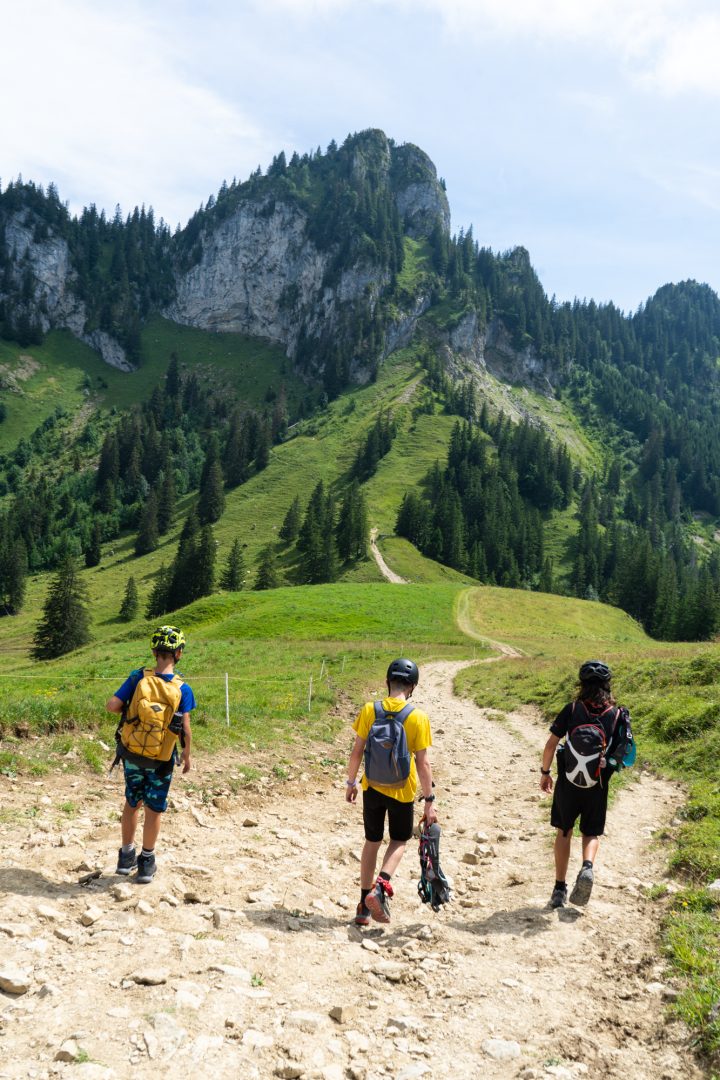
Flights are short: London–Geneva about 1h35 and London–Zurich about 1h45. Many camps then sit +1–3 hours by train or car from those airports to a mountain resort. Camps commonly operate at altitudes between 900–2,000 m, so children spend most days by lakes or in alpine meadows instead of crowded city streets. The presence of four official languages increases cultural value — French, German, Italian and Romansh appear across programmes. Switzerland also scores consistently in the top 20 of major international safety and peace rankings, which reassures parents concerned about welfare and standards.
Operationally, camps fall into two broad attendance modes: day camps for single-day participation and residential camps with overnight stays from one week up to four weeks. Booking patterns show most demand in July, so I recommend reserving spots early for peak weeks. For older teens, academic and leadership courses provide college-prep options alongside adventure and sports tracks. Language-immersion programmes are especially useful for children who want rapid progress in French or German while mixing with international peers.
Camp types and age groups — quick reference
Below are the typical formats and age brackets you’ll find across Swiss providers:
- Day camps — ideal for local families or short visits; ages vary.
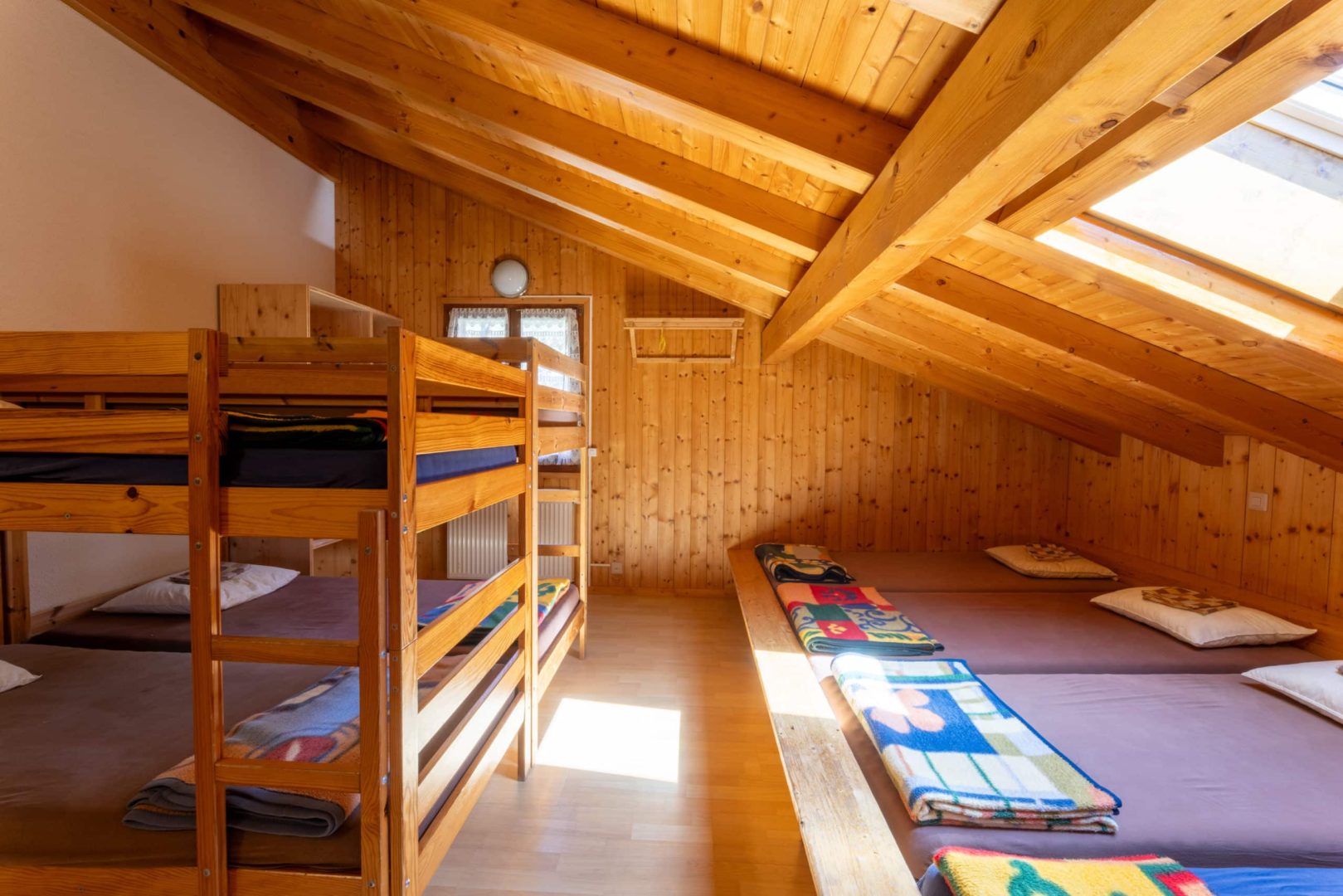
- Residential camps — stays of 1–4 weeks; full activity schedule and supervision.
- Language-immersion — daily lessons plus practical language use.
- Adventure/sports — hiking, climbing, watersports at alpine altitudes.
- Academic/leadership — focused skill-building for older teens.
Standard age categories:
- Mini: 4–6
- Junior: 7–12
- Teen: 13–17
- Leaders: 16–18
Most camps accept children aged 7–17, with many offering mini programmes from 4–6 and leadership prep for 16–18. If you want logistical tips on getting there and local transfer options, see our parents guide for practical checklists and timing advice.
https://youtu.be/WNsfsFtJCWo
Camp Types, Typical Activities and Language/Educational Benefits
We, at the young explorers club, run programmes that mix high-altitude adventure, lake sports and structured learning so British families get variety and measurable progress. Camps fall into clear types: multi-activity adventure, water-sports, academic and language-focused, performing arts, and leadership/expedition tracks. Each type has specific age ranges, safety norms and learning goals.
Activity categories and examples
Below are the main activity categories with concrete examples and typical suitability.
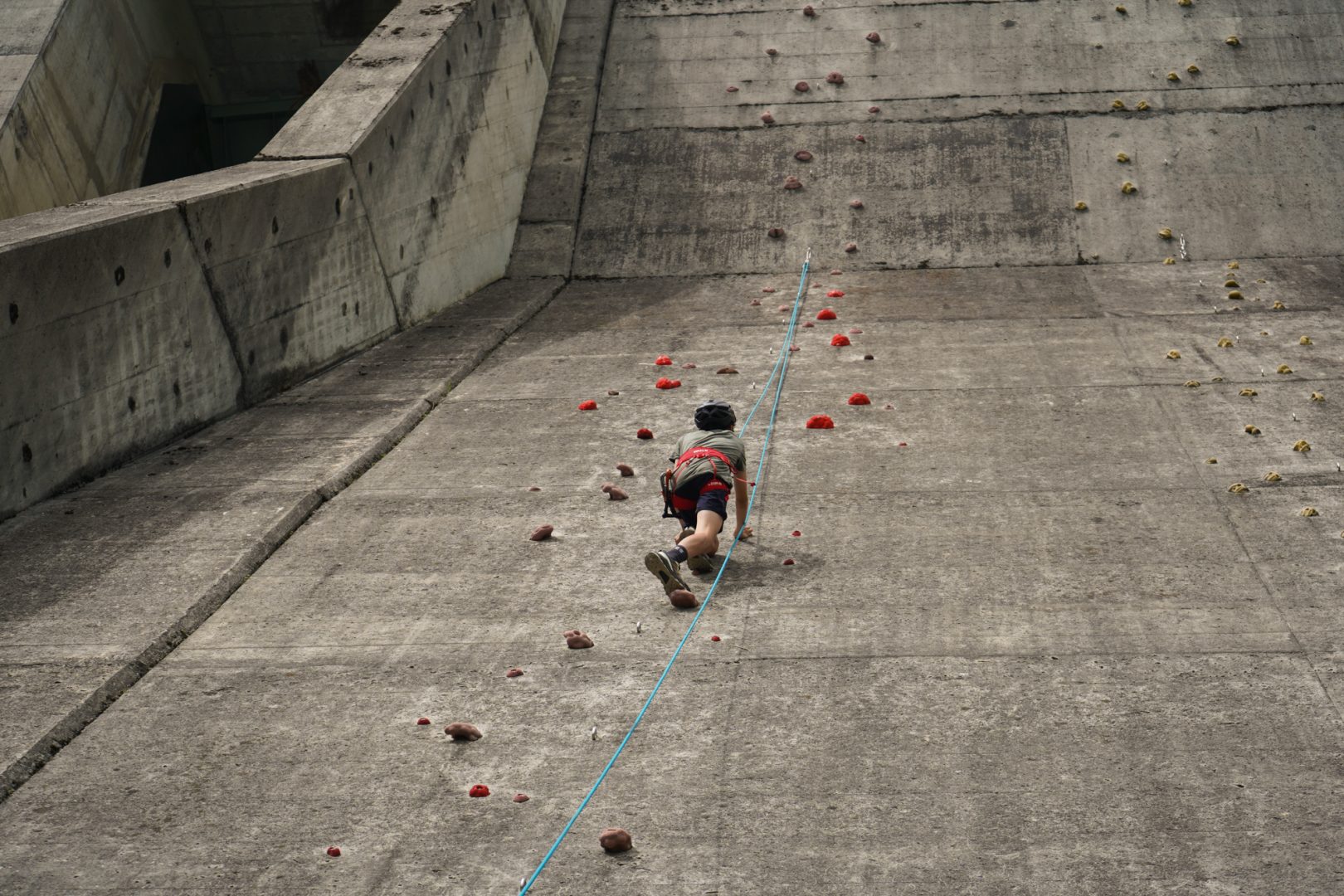
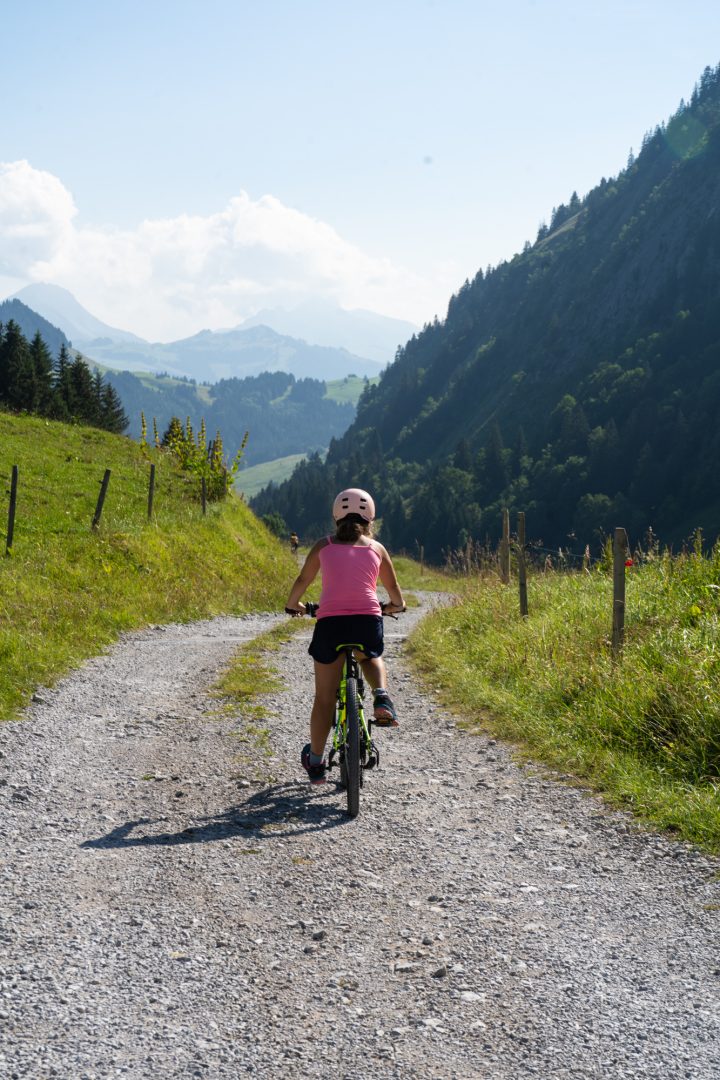
- Outdoor / adventure: hiking, mountain biking, climbing and via ferrata, alpine skills. High-altitude activities are usually for ages 10+ and include progressive safety training.
- Water sports: kayaking, stand-up paddleboarding and sailing on lakes. Most providers accept children from around 8+, with instructor ratios adjusted for younger ages.
- Sports & arts: tennis, horse-riding, performing arts and ropes courses. These are great for confidence building and cross-training.
- Education & leadership: language classes, STEAM workshops, leadership modules and expedition training. These sessions focus on practical skills, project work and group problem-solving.
Residential stays usually run 1–4 weeks and are ideal for immersion. Day camps come in 1-week blocks or daily drop-ins and work well for families who want flexibility.
I structure language and academic options so gains are clear and trackable. Many camps operate language immersion in French- or German-speaking cantons. Bilingual programmes combine English tuition with French or German lessons, which is handy for British kids who want local language exposure without losing confidence in English.
Typical session lengths for noticeable improvement are 2–4 weeks. Daily classroom contact for language modules is commonly 10–20 hours per week. I recommend using CEFR placement testing (A1–C2) at arrival and departure to quantify progress. The strongest offering model pairs 10–20 hours/week classroom teaching with daily language practice during activities — short task-based drills on hikes, vocabulary challenges on boats, and instructed reflection sessions after activities.
Specialised programmes demand different preparation and expectations:
- Mountain adventure camps emphasise altitude awareness, navigation, and gradual exposure to technical terrain.
- Water-sports camps prioritise buoyancy, rescue basics and weather reading on lakes.
- Academic and language camps schedule focused lessons alongside practical projects to reinforce classroom learning.
- Performing arts and leadership tracks integrate rehearsals, public presentations and expedition-style leadership challenges.
For British families comparing options, Swiss programmes often combine language tuition with high-altitude outdoor skills and lake sports in a single session — a contrast with many UK countryside camps that focus more on local outdoor pursuits without structured language immersion. That combination makes a Swiss stay especially suited to families hoping for both adventure and clear academic or linguistic outcomes; you can read more about choosing a summer camp in Switzerland that fits your goals.
Safety and staffing model notes I always stress: instructor-to-child ratios rise for off-trail or water-based activities, and qualified instructors run alpine and rescue modules. Equipment standards are enforced and providers typically include pre-course briefings and age-appropriate progression plans.

Costs, Value Bands and Booking Timeline
Typical price ranges and value bands
We see residential weeks priced between £600–£2,500. Two-week programmes commonly fall in the £1,500–£5,000 range. Prices vary by provider, accommodation standard and activity inclusions. Budget options sit around £600–£900 per week and usually cover day camps or basic boarding. Mid-range programmes are typically £900–£1,800 per week and cover most language and activity camps. Premium options start at about £1,800 per week and climb above £2,500 for elite boarding school stays or fully inclusive adventure packages.
Check what each price covers. Meals, laundry and airport transfers are sometimes optional extras. We recommend confirming board type and medical provision before you pay a deposit.
Extras, a worked example and booking timeline
Plan for additional costs. Typical extras include:
- International flights (return London–Switzerland £50–£250 season-dependent)
- Transfers or taxis between airports and camp
- Travel and medical insurance
- Passport or visa checks and any fees
- Pocket money for snacks or on-site purchases
- Equipment rental (bikes, specialist kit)
- Optional supervised excursions and outings
For a simple worked example in the mid-range: assume tuition at £1,200 per week = £2,400 for two weeks. Add return flights at £150, transfers £100, insurance £80 and spending/equipment £150. That brings a sample total to £2,880. This is illustrative only; always check provider inclusions and whether transfers or excursions are bundled.
Popular weeks in July fill fast. I recommend booking 6–12 months in advance for peak sessions. Read refund and cancellation policies carefully. If a deposit is non-refundable or refund windows are tight, take out cancellation insurance. Verify exactly what the camp includes before you finalise any payment — meals, linen, excursions, medical care and airport transfers are the usual details to confirm.
For practical travel advice and checklist items, see our parents’ guide.
Travel, Transfers, Health and On-site Safety
Travel and transfers
We confirm that British passport holders may stay up to 90 days in any 180-day period in the Schengen area. At the young explorers club we ask families to check passport validity rules well before travel and to buy comprehensive travel insurance that covers medical costs and evacuation. We also advise checking EHIC/GHIC applicability and related details in GOV.UK guidance.
We recommend Swiss Travel Pass options for families who plan multi-day sightseeing — the passes come in 3, 4, 8 and 15-day formats. We point out that major Swiss train routes run every 30–60 minutes and that services are punctual and frequent, which makes day trips easy to plan. We organise airport transfers from Geneva and Zurich at many sessions and offer meet-and-greet services on request; we tell parents to confirm time windows, supervision arrangements and any extra transfer fees. For step-by-step planning we link to our parents’ guide.
On-site safety, medical arrangements and parent checklist
Below is a concise checklist we ask parents to review and discuss with camp staff before arrival:
- Confirm airport pick-up time windows, supervision during transfers and transfer costs.
- Verify staff-to-child ratios for activities and ages; typical ranges run from 1:6 (climbing/younger children) to 1:12 (older groups).
- Ask whether staff hold DBS/CRB-style background checks and request emergency contact protocols.
- Request nearest hospital details, on-site first-aid arrangements and written medical protocols.
- Provide complete medical forms, vaccination records and clear medication instructions before arrival.
- Ensure insurance covers adventure activities and emergency evacuation/repatriation; confirm policy limits and contact numbers.
- Check evacuation procedures and how the camp communicates with families in an emergency.
We at the young explorers club keep written first-aid protocols on site and train staff in emergency response. We encourage parents to share any medical nuances early so we can plan medication handling and supervision. We answer questions promptly and confirm that transfers, staffing ratios and insurance specifics meet family expectations.

Accreditation, Quality Indicators and Must-Ask Questions
We, at the Young Explorers Club, expect clear accreditation and local approvals before recommending a camp. Look for recognised credentials such as COBIS and CIS, plus national school accreditations and canton education, health and safety approvals.
I check staff qualifications and safeguarding next. Demand certificates for staff first aid and safeguarding training. Ask for professional coaching qualifications where relevant — for example British Cycling or RYA sailing — and request full staff CVs so you can see experience and continuous training. Insist on a published safeguarding policy and on routine background checks for everyone who works with children.
I also value independent evidence of quality. Request parent testimonials, third-party reviews and social media posts that show recent, real-time activity. Ask camps specifically for references from previous UK families; their experiences will often highlight transport and transfer realities that sales pages leave out.
Must-ask parent checklist
Ask the camp these essentials before you book:
- Accreditation and safeguarding policy — confirm COBIS, CIS or relevant national/canton approvals.
- Staff-to-child ratios — get overall ratios and separate ratios for high-risk activities.
- Emergency procedures and nearest hospital details — ask for an example incident report and contact plan.
- Insurance and activity cover — verify public liability, activity-specific cover and emergency evacuation arrangements.
- Staff qualifications — copies of staff first aid, safeguarding training and sport-specific coaching certificates.
- References from UK families and parent testimonials — request at least two recent contacts.
How to compare camps
I recommend comparing multiple camps side-by-side in a simple spreadsheet. Columns I use include the following; put hard facts in the same row so you can spot gaps quickly. Weight the rows by what matters most to your family — safety and staff qualifications first, then activities and logistics. Check staff CVs and ask about ratio differences between day-to-day supervision and specialist sessions.
- Accreditation
- Staff-to-child ratios
- Curriculum / schedule
- Price
- Transfer options
- Insurance details
For travel and transfer planning, consult our complete parents guide for practical tips on timing, airports and cross-border arrangements.

Sample Itineraries, Family Add-ons and Notable Providers to Research
We, at the Young Explorers Club, plan sample family travel so parents can enjoy Switzerland while children attend a 2-week residential camp. The basic flow works well for British families who want a short family break around camp dates.
Tight example timeline
- Day 0 — arrive Geneva.
- Day 1 — drop child at camp.
- Day 1–14 — child at camp; parents sightseeing or stay with family add-ons.
- Day 15 — pick up child, enjoy a family weekend or return home.
Parents commonly pair the 2-week residential with a Swiss Travel Pass (3–8 days) to move easily between Geneva, Lausanne and Interlaken. Typical family add-ons that fit short windows include:
- Lake cruises
- Day hikes
- Cable car trips to scenic peaks
- Chocolate or cheese experiences
These activities let parents sightsee while the child fully engages with camp programming.
Providers and regions worth researching
Contact each provider for current dates, prices and age ranges. Notable institutions and areas to research include:
- TASIS
- Aiglon College
- Leysin American School
- Institut Montana Zugerberg
- St. George’s International School
- Local adventure camps and activity centres in Interlaken, Montreux/Vevey, Verbier and Zermatt
I recommend contacting schools directly for accreditation information and current availability.
Practical notes on logistics and timing
- Arrive at least a day before camp drop-off if flights or transfers could be delayed.
- Use the Swiss Travel Pass (3–8 days) to cover parents’ train and boat travel for short stays.
- Build in a flexible pickup window; camps often publish strict pick-up/drop-off times.
- Choose family stays in Geneva or Lausanne for easy international connections, or Interlaken for mountain-based activities.
See our parents guide for planning transport, documents and timetables before you book.
Parent action checklist
- Confirm airport transfers and specific pick-up/drop-off windows from Geneva/Zurich.
- Request accreditation, safeguarding policy and references from UK families.
- Ensure travel insurance covers adventure activities and emergency evacuation.
- Complete medical consent forms and bring copies to camp.
- Pack altitude-appropriate clothing: suncream, layers, sturdy hiking boots and swim kit.
Sources
Switzerland Tourism — Summer in Switzerland
Swiss Federal Statistical Office — Tourism statistics
Institute for Economics & Peace — Global Peace Index
GOV.UK — Foreign travel advice: Switzerland
GOV.UK — Global Health Insurance Card (GHIC)
Swiss Travel System — Swiss Travel Pass
SBB CFF FFS — Timetables & routes (Swiss Federal Railways)
Swiss Confederation (admin.ch) — Official languages of Switzerland