
The Complete Parent’s Guide To Summer Camp In Switzerland
Quick guide to choosing Swiss summer camps: travel via SBB, canton holiday dates, costs, safety checks and booking tips for parents.
Swiss Summer Camps: A Parent’s Roadmap
This guide gives parents a clear roadmap for choosing, booking, and preparing for a Swiss summer camp. We’ll highlight Switzerland’s compact geography, the fast SBB train network, and the mix of alpine, lake and urban programmes. The guide outlines practical logistics: canton-by-canton school-holiday dates, transfer options from main stations and airports, typical price bands and booking lead times. It also lists the safety, medical and accreditation checks to make before you pay.
Key Takeaways
- Leverage Switzerland’s compact size and the SBB rail network to pick regions that match activities. This cuts travel time between hikes, water sports and city programmes.
- Match camp format, session length and altitude to your child’s age, experience and health needs. Alpine programmes can sit above 2,500 m, so check medical plans and evacuation procedures.
- Confirm canton school-holiday dates and arrange transfers at major SBB stations or airports (ZRH, GVA, BSL). Book early — you’ll often need 6–12 months’ lead time. Expect deposits of 10–30%.
- Budget realistic costs: day camps CHF 150–500/week; residential CHF 700–3,000+/week; premium CHF 1,500–4,000+/week. Add flights, local transfers, insurance, gear and excursion fees.
- Verify safety and inclusion. Ask for staff first-aid and background checks. Get written medical and special-needs plans and emergency contacts. Request proof of external audits or J+S accreditation. Buy comprehensive travel and medical insurance and arrange any visas or notarised consent documents.
Choosing the Right Region and Programme
Decide whether you want a mountain, lake or city experience. Because Switzerland is small, you can combine regions easily — for example, a week of lakeside water sports followed by a few days in an alpine skills camp. Use the SBB timetable when planning transfers to minimise travel time.
Considerations by programme type
- Alpine camps: Check altitude, evacuation plans and how staff handle altitude sickness.
- Lake/Water sports: Confirm lifeguard ratios, on-site rescue equipment and swimming proficiency requirements.
- Urban/cultural: Look for partnerships with museums, language schools or universities and public-transport access.
Practical Logistics
Plan transfers, timetable alignment and holiday windows carefully.
Transfers and travel
- Major airports: ZRH (Zurich), GVA (Geneva), BSL (Basel/Mulhouse). Check camp transfer services from these airports or from main SBB stations.
- Local transfers: Camps often offer supervised taxi or minibus pickups from key stations; confirm costs, timings and where supervisors meet children.
School-holiday dates and timing
Verify canton-specific school holidays because these vary across Switzerland and influence demand. Many camps run multiple sessions across summer; popular weeks fill first.
Booking, Pricing and Lead Times
Expect to book early and to pay a deposit. Understand cancellation and refund policies in case of travel disruption.
Typical timeline
- 6–12 months ahead: Research camps, confirm dates and availability for popular weeks.
- 3–6 months ahead: Pay deposit (usually 10–30%) to secure a spot; complete medical forms.
- 1–4 weeks ahead: Final payments, travel insurance, kit lists and last-minute medical updates.
Costs to budget for
- Day camps: CHF 150–500/week.
- Residential camps: CHF 700–3,000+/week.
- Premium/expedition options: CHF 1,500–4,000+/week.
- Plus: flights, local transfers, insurance, specialist gear, optional excursion fees and visa or notarial costs for consent forms.
Safety, Medical and Accreditation Checks
Before you pay, confirm the camp’s standards and documentation.
Documents and staff credentials
- Ask for staff first-aid certificates, background checks and staff-to-child ratios.
- Request written medical protocols, emergency contact procedures and evacuation plans (especially for high-altitude or remote sites).
- Get a list of immunisation or health requirements and any protocols for contagious illness.
Accreditation and audits
Request proof of external audits or recognised accreditations such as J+S (Youth and Sport) where applicable. If the camp claims international accreditation, ask for verifiable certificates and audit reports.
Final Checklist Before Departure
- Confirm travel insurance that covers medical evacuation and activity-related risks.
- Obtain any required visas or notarised parental consent documents.
- Provide the camp with complete medical and dietary information and emergency contacts.
- Pack appropriate clothing, footwear and any specialist kit listed by the camp.
- Print and carry copies of booking confirmations, transfer instructions and local contact numbers.
Useful Next Steps
Start by shortlisting camps that match your child’s interests, then request detailed documentation on safety, staff credentials and medical protocols. Book early for peak weeks and verify all transfer options from major stations and airports.
https://youtu.be/2po0j_UFi_I
Essential facts parents need first: Why choose Switzerland and what to know right away
We at the Young Explorers Club recommend Switzerland for its compact size, safety, and outdoor variety. The country holds about 8.7 million people (2024) and has four national languages: German, French, Italian, and Romansh. That language mix shapes camp culture and may affect daily life at multi-lingual programs.
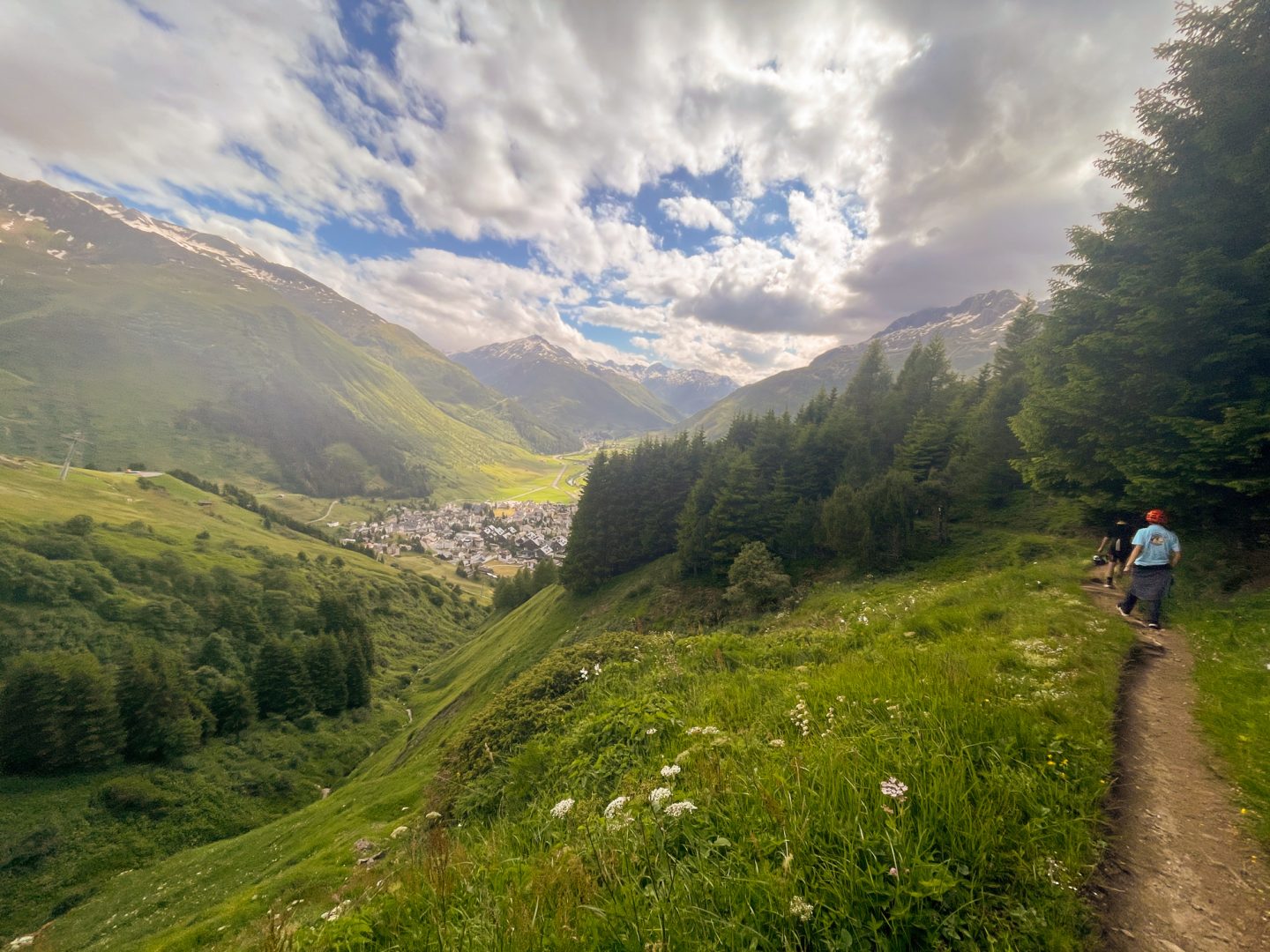
Switzerland’s geography matches most camp activities. The Alps, lakes, and meadows sit close together, so hiking, climbing, and water sports can all feature in a single week. Terrain changes fast; that lets camps offer steep alpine days and gentle lake-based sessions without long transfers. We favor camps that use local terrain to build progressive skills rather than hauling kids far every day.
The train network is a real advantage. The Swiss Travel System and SBB make multi-region trips and station pickups practical and reliable. Many camps coordinate direct collection at major train stations or arrange airport transfers. Using trains reduces travel stress and keeps itineraries predictable.
School-holiday timing varies by canton. Summer breaks usually run between late June and August and last roughly 5–9 weeks. Camps set dates to match those canton windows, so parents must check their child’s canton holiday schedule before booking. We always confirm dates early to avoid clashes with local exams or family plans.
I’ll highlight practical points you’ll want at hand before you book or pack.
Quick logistics and action items
These are the immediate checks and choices to make before you commit:
- Know your canton holiday dates and match them to camp sessions.
- Choose camps that offer station pick-up options at major SBB stations.
- Use the main airport hubs for flight planning: Zurich (ZRH), Geneva (GVA), Basel (BSL).
- Factor in transfer options: direct camp shuttles, SBB connections, or coordinated airport transfers.
- Review our packing checklist to avoid last-minute runs and forgotten essentials: packing checklist.
We recommend booking travel and transfers early, especially for sessions that start or end on peak travel days. Choose camps that publish clear arrival/departure instructions and have experience handling station pickups. Short train rides and reliable schedules mean fewer delays and calmer drop-offs.
https://youtu.be/2po0j_UFi_I
Which camp to pick: formats, activities, regions and sample programmes
We, at the young explorers club, evaluate camps by format, age fit and session length. Camps in Switzerland run as day, residential, language-focused, sports, outdoor, arts or STEM programmes. Ages typically group as 4–7, 8–12 and 13–17. Sessions most often run 1–2 weeks; 2–4 weeks are common for skill development. Boarding options can extend to 6–8+ weeks for deep immersion.
Match activities and altitude to your child’s experience and medical needs. Alpine regions such as Valais, Bernese Oberland and Graubünden specialise in hiking, climbing, mountain biking, glacier visits and even summer skiing. Lake regions — Lake Geneva/Lac Léman, Lake Zurich and Lake Lucerne — focus on sailing, kayaking and other watersports. Urban centres like Geneva, Zurich and Lausanne host language, arts and STEM weeks along with museum-based trips. Typical camp altitudes sit between 900–1,800 m. Glacier sites exceed 2,500 m, so plan for altitude exposure risk and check medical policies.
Representative programmes worth checking (verify current offerings before booking): Les Elfes International (Verbier) — adventure & multi-activity; Leysin American School Summer Programs (Leysin) — boarding-school style; TASIS — summer academic and arts; Aiglon College Summer — outdoor & leadership; International School of Geneva — summer activities; plus many regional sports-club day camps across cantons. I recommend families confirm staff ratios, medical care and recent reviews before committing. For practical selection guidance, see choose the best camp.
Comparisons, sample schedules and age guidance
Below are compact comparisons, sample weekly schedules and age-appropriate recommendations to help pick the right option:
- Day vs Residential vs Premium
- Day camp: child returns home each evening. Lower cost. Good for younger kids or locals. Typical day runs 09:00–16:00 with focused activity blocks and lunch included or packed.
- Residential: on-site accommodation and evening programme. Offers immersion and supervised independence. Typical day: 08:00 breakfast, morning skill sessions, lunch, afternoon activities/excursions, evening group time.
- Premium boarding: higher staff ratio and specialist tuition. Extras like airport transfers and laundry. Suited to families seeking premium pastoral care.
- Sample weekly schedules
- Day camp (age 8–12): 08:30–09:00 arrival; 09:00–11:30 morning activity; 11:30–12:30 lunch; 13:30–15:30 water activity or workshop; 15:30–16:30 free play/collection.
- Residential multi-activity (age 13–17): 07:30 wake; 08:00 breakfast; 09:00–12:00 workshops; 13:30–17:30 excursion (hike/raft/climb); 19:00 evening social or language session.
- Premium language/academic: 08:30–12:30 lessons (15–25 lessons/week typical); afternoons for cultural trips or electives.
- Age-appropriate activity recommendations
- Ages 4–7: supervised low-risk outdoor play, short hikes, intro water activities.
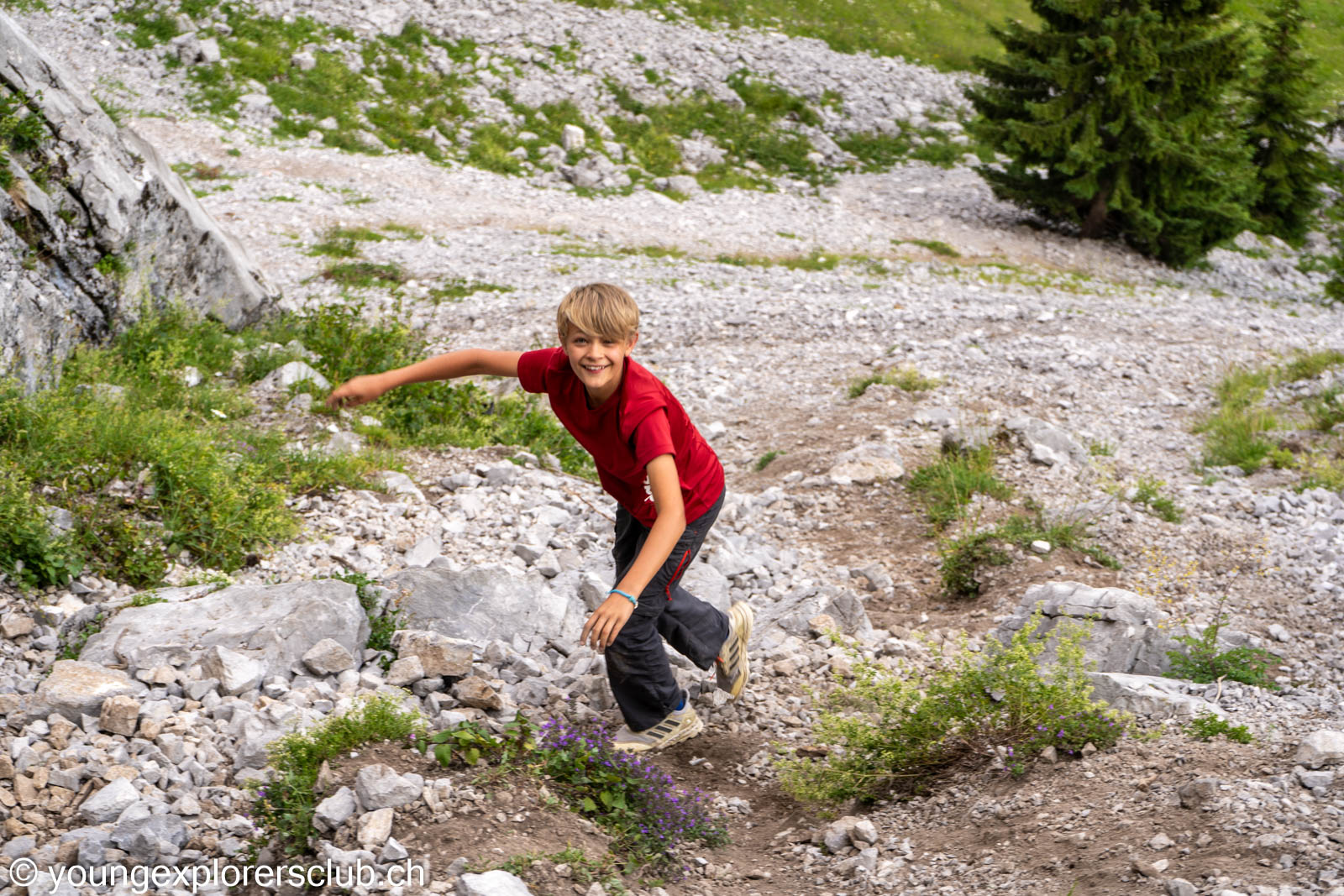
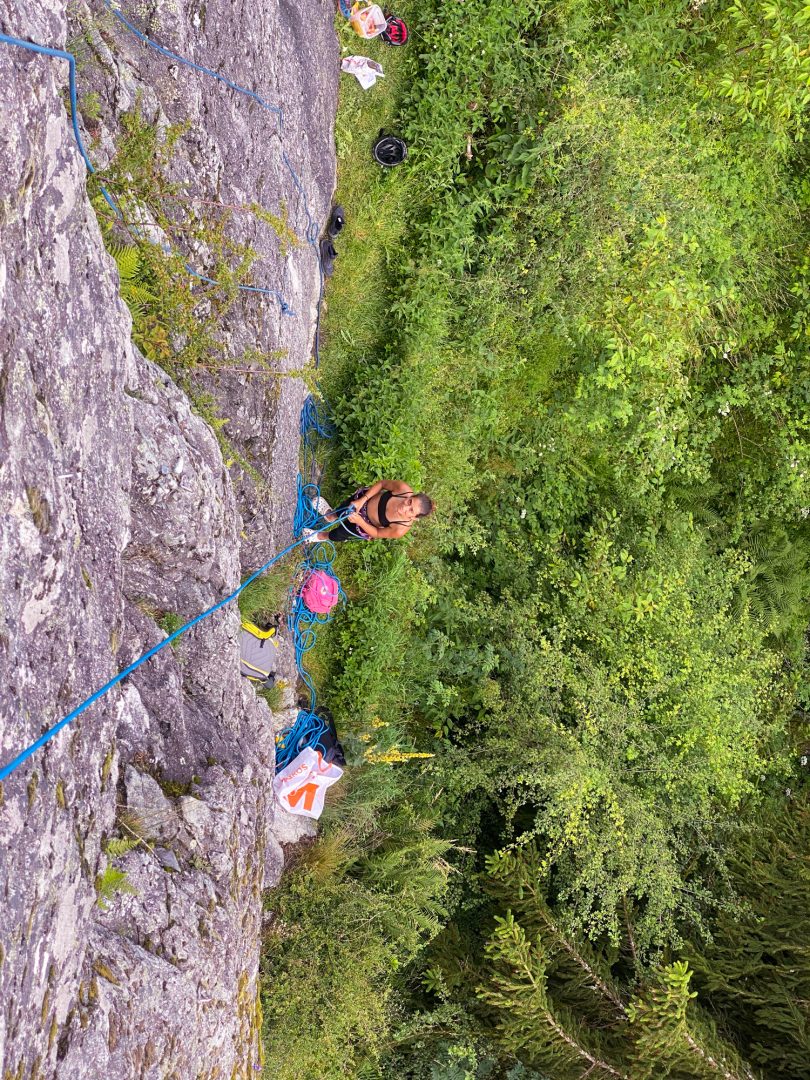
- Ages 8–12: skill-building, multi-activity days, beginner climbing and biking.
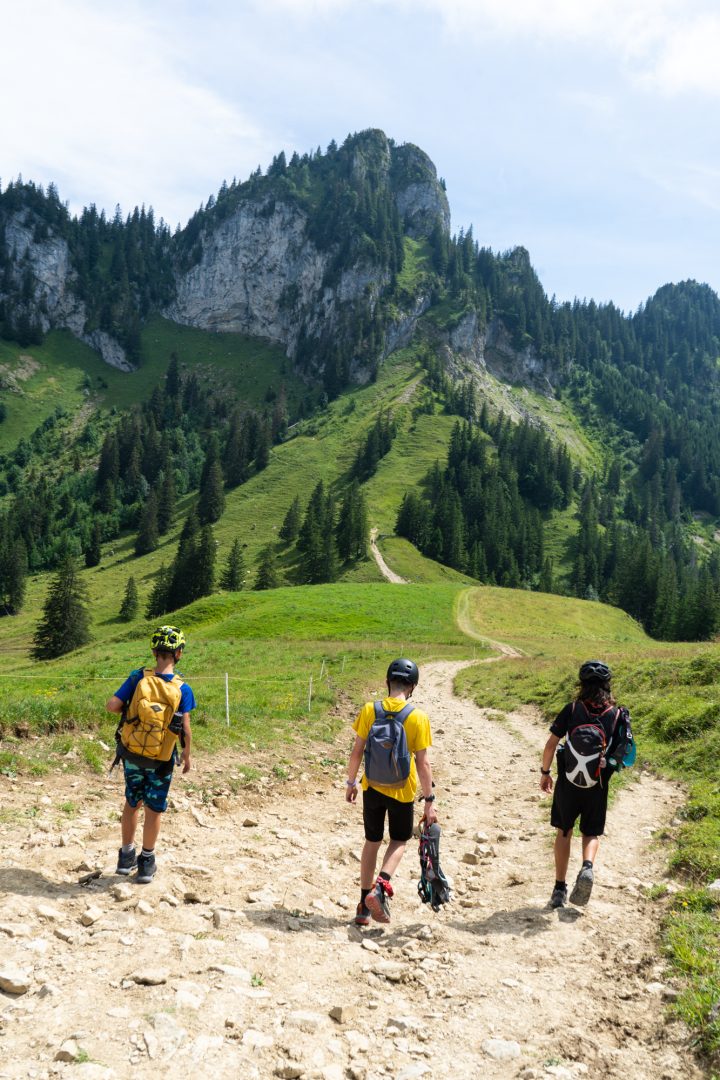
- Ages 13–17: expedition-style hikes, specialist coaching, leadership and independent travel practice.
- Recommended session length
- 1-week trial: ideal for a first residential test or trying a new activity.
- 2–4 weeks: better for real skill development and social settling.
- 6+ weeks: choose for significant language gains, deep immersion or boarding-school style programmes.

Costs, booking windows, deposits and a sample budget timeline
We, at the Young Explorers Club, break down realistic 2024 price ranges so you can plan with confidence. I list typical inclusions and extras, then walk through deposits, timing and a short illustrative budget.
Typical prices, extras and a 1-week sample budget
Below are the usual price bands and the extra items families often forget.
- Day camps: CHF 150–500 per week.
- Residential camps: CHF 700–3,000+ per week depending on program length and facilities.
- Premium boarding: CHF 1,500–4,000 per week for high-end international programs.
- Additional costs to budget: international travel (flights/train), local transfers (train/taxi), travel and medical insurance, equipment rental, off-site excursions, and visas if required.
- Typical inclusions vs common extras:
- Usually included: tuition and on-site activities, basic equipment, meals and accommodation for residential programs, and some local excursions.
- Often extra: airport transfers, special equipment rental (e.g., climbing gear), major off-site excursions, insurance and visa fees.
- Sample 1-week illustrative budget:
- Residential camp fee: CHF 1,200
- Return flights: CHF 300
- Local travel/transfers: CHF 150
- Travel/medical insurance: CHF 100
- Total illustrative budget: CHF 1,750
For packing specifics, we point families to our practical checklist on what to pack to avoid last-minute purchases: what to pack.
Booking, deposits, cancellation norms and timeline
We recommend booking early and stagger your tasks across the year. Deposits normally run 10–30% of the fee. Camps commonly set cancellation windows around 4–8 weeks before start; check each camp’s terms and conditions for exact rules and refund schedules.
We suggest a booking cadence that matches demand:
- Research: November–February
- Shortlist and register: March–May
- Arrange travel, visas and pay deposits: March–June
For high-demand international programs we advise booking 6–12 months ahead. Peak demand lands on mid-July weeks, so expect higher occupancy and fewer available spaces then.
We prompt families to complete final paperwork—medical forms, travel consent—4–6 weeks before the start date. Final payments usually follow each camp’s T&Cs, often due 4–8 weeks before arrival. We also encourage asking camps about early-bird discounts in spring, sibling or returning-camper reductions, and multi-session savings. We negotiate on your behalf when possible and will flag published discounts during the registration window.

Safety, health, staffing credentials, visas and travel logistics
I’ll cover the key health, safety and travel items parents must check before camp. We, at the young explorers club, expect every family to leave well prepared.
Healthcare and insurance
I recommend comprehensive travel and medical insurance. Swiss healthcare can be expensive for non-residents, so confirm policies cover treatment in Switzerland and international evacuation if needed. Bring both paper and digital copies of insurance documents and show them at check-in. For specifics about on-site medical arrangements, consult our guidance on medical care at camp.
Common health and safety protocols and staffing
Camps should keep first-aid trained staff on duty and publish clear emergency procedures. They’ll ask for completed medical-consent and medication administration forms before arrival. Typical staff-to-child ratios are:
- 1:4–1:8 for young children
- 1:8–1:12 for older children
Look for staff with CPR and first-aid certification, current background checks, and verifiable CVs. Ask the camp for evidence of routine safety audits and ongoing staff training. Request details about staff language abilities if instruction will be in a language other than your child’s primary tongue.
Accreditation and quality indicators
Check whether the camp uses recognized Swiss programs. J+S (Jugend+Sport) is a notable quality indicator for sports instruction and coach training. Ask for documentation of any external audits, staff certifications and sample training logs. Camps that share these materials openly usually run safer programs.
Environmental and medical risks
I advise parents to plan for local hazards. Tick-borne illnesses exist in Swiss forests; perform tick checks after hikes and pack appropriate repellents. Camps that run glacier or high-pass activities may expose kids to altitude above ~2,500 m; watch for headaches, nausea or breathing changes and disclose any pre-existing heart or respiratory conditions in advance. Ensure the camp’s medical plan covers rapid descent and evacuation if altitude illness is suspected.
Travel, visa and minor-travel rules
Non-EU/EEA families should check Schengen visa rules well ahead of travel. Minors travelling alone often need notarised consent letters and copies of custody or ID documents; follow Swiss consular guidance and carry originals plus photocopies for pick-up.
Transport and arrival flow
Below are the typical transport points and a sample arrival flow that most camps can handle:
- Major arrival airports: Zurich (ZRH), Geneva (GVA), Basel (BSL).
Inter-region travel: I recommend using the Swiss Travel System / SBB; many camps coordinate pickups at main SBB stations or arrange airport transfers.
Sample arrival flow:
- International flight to ZRH
- SBB train to the regional station
- Camp collection at the station or pre-booked transfer
Ask camps to confirm pickup logistics, meet-and-greet locations and contingency plans for delayed flights.
Preparing your child and practical day-to-day: language, inclusion, packing and parent communication
Language expectations and programme intensity
We, at the Young Explorers Club, recommend matching programme length to your goals. Short stays (1–2 weeks) give useful exposure and confidence; longer sessions (2–6 weeks) produce measurable skill gains. Camps commonly teach English, German and French, and some offer bilingual or trilingual tracks. Expect a language-focused programme to provide roughly 15–25 lessons per week; individual programmes will list exact contact hours in their materials, so check that before you book.
We advise you to choose an intensity that fits your child’s stamina. Younger children cope better with lighter daily language tasks mixed with activities. Teenagers can handle intensive immersion and more formal lessons. Ask the camp how they balance taught hours with activity-based learning and whether they use native speakers or mixed-language staff. Request a sample daily timetable if you want to judge pace.
Packing checklist
Use this packing checklist as your starting point before you add personal extras.
Must-have:
- Layered clothing (base, mid, outer) for swings in temperature
- Waterproof jacket and quick-dry trousers
- Sturdy hiking boots and comfortable trainers
- Swimwear and quick-dry towel
- Sun hat and sunscreen SPF 30–50
- Insect repellent with tick precautions
- Personal medications with written instructions and dosing schedule
- Copy of passport/ID and proof of travel insurance
- Emergency contact list and medical-consent form
Nice-to-have:
- Casual games or compact playing cards
- Binoculars for wildlife watching
- Refillable water bottle
- Small daypack for hikes
- Plug adapter and headlamp with fresh batteries
- Pocket money in CHF for tuck shop purchases
Mountain-specific:
- Gaiters for scree and long grass
- Warm base layers and lightweight insulating jacket
- Sunglasses with high UV protection
Refer to our packing checklist if you want a fuller printable list before you travel.
Inclusion and special needs
We expect parents to disclose special needs well in advance and to provide a written care plan. Camps can usually accommodate mild dietary restrictions and common learning needs, but complex medical or behavioural requirements might need specialist provision or 1:1 support. Always get written confirmation of what the camp will provide, who will deliver care, and any additional costs. Insist on a named staff contact and a clear escalation process if your child needs extra support.
Parent communication and emergencies
We recommend confirming the camp’s communication rhythm before arrival. Typical updates range from daily or weekly bulletins to photo portals or WhatsApp groups, depending on the provider. Residential camps should give you a 24/7 emergency contact number; save it in multiple places. Camps will ask for signed photo and medical-consent forms and will clarify phone policies and roaming arrangements. Some limit phone use to reduce homesickness; others allow scheduled calls. Check whether the camp prefers card or cash for small purchases and whether their on-site shop accepts cards or only Swiss Francs.
Practical tips and quick reminders
We recommend carrying Swiss Francs (CHF) for markets and small purchases. Mountain weather changes fast — pack multiple thin layers instead of one heavy coat. Confirm the camp’s phone policy and roaming advice so you can plan for contact windows. Label everything with your child’s name; this saves time and stress on arrival and pickup.
Decision checklist, sustainability and further resources to consult
We want you to pick a camp with confidence, so we recommend a simple, score-based approach that turns impressions into numbers. Use a printable grid and score each shortlisted camp 1–5 on core items, then compare totals to reveal trade-offs and clear leaders.
Selection checklist and scoring
- Age appropriateness: groupings, minimum/maximum ages and program fit.
- Language: primary instruction language and staff fluency.
- Safety: first-aid coverage, emergency plans and past incident reporting.
- Staff ratio: average staff-to-child numbers for your child’s age group.
- Cost: all-inclusive fees, extras and refundable deposits.
- Location: travel time, terrain, altitude and proximity to medical services.
- Reviews: parent feedback, recent inspection reports and alumni comments.
Score each item 1–5 (1 = poor, 5 = excellent). Add optional weights for factors that matter most to you, total the scores and compare camps side-by-side.
We at the Young Explorers Club advise keeping one column for verification notes next to each score — where you record proofs like certificates or screenshots from the camp site.
Accreditation and verification
Ask camps for explicit evidence. Verify staff first-aid certification and criminal-background checks. Confirm any J+S (Jugend+Sport) affiliation if the program claims it. Request sample staff training records or CVs and ask how the camp measures language ability for non-native speakers. Demand copies of recent safety-audit summaries or inspection reports. Cross-check any credentials with the issuing body when possible. If a camp hesitates to share these basics in writing, that’s a red flag.
Sustainability and environment
Look for programs that combine low-impact outdoor practice with active environmental education. Good signs include:
- clear waste and recycling policies,
- menus sourced from local producers,
- curriculum elements that teach nature stewardship and Leave-No-Trace habits.
Ask for examples: a weekly activity plan showing environmental lessons, supplier invoices for local food, or photos of camp waste stations. Camps that practice sustainable camping help kids learn responsibility and reduce the likelihood of negative impacts on local sites.
Recommended official sources to consult
Verify dynamic items directly with government and public-health entities. The most relevant sources are the Federal Statistical Office, the Federal Office of Public Health (FOPH), J+S (Jugend+Sport), Switzerland Tourism, Swiss consular services (visa/minor travel rules), Swiss Travel System / SBB, and WHO / ECDC for tick-borne disease guidance. Check camp dates, canton school holidays and health advisories against these sources before you finalize plans.
Practical takeaways
- Use a printable decision grid to score camps on the checklist above and keep your evidence in one folder.
- Verify dynamic items (exact fees, canton dates, visa rules, camp schedules) on camp websites and directly with the relevant government agencies listed earlier.
- Ask camps to provide written policies on inclusion, medical care and emergency procedures before you pay.
For a guided walkthrough on shortlisting and final checks, see our page on choose the best summer camp.
https://youtu.be/9np4fAZwE5Y
Sources
Federal Statistical Office (FSO) — Population
Federal Statistical Office (FSO) — Languages
Bundesamt für Gesundheit (BAG) — Zecken
European Centre for Disease Prevention and Control (ECDC) — Lyme borreliosis
World Health Organization (WHO) — Lyme borreliosis
Jugend+Sport (J+S) — Jugend+Sport (J+S)
ch.ch — Travelling with children