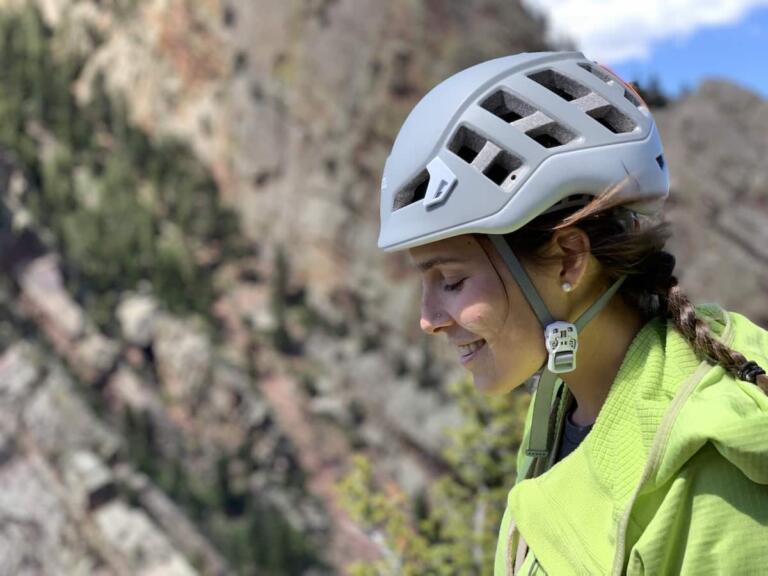
The Role Of Physical Challenges In Mental Toughness
Physical challenges build mental toughness: exercise programs that boost mood, BDNF, HRV and confidence—reduce depression risk by ~20–30%.
Physical challenges as a lever for mental toughness
Physical challenges — deliberate, graded exposures like aerobic training, progressive strength work, HIIT, cold immersion and multi-day expeditions — act as a direct lever for mental toughness. We, at the Young Explorers Club, use them to deliver acute mood lifts and staged stress exposure that build confidence, commitment, emotional control and a challenge mindset. Research and physiological data link these practices to greater neuroplasticity (BDNF and hippocampal change), better HPA-axis and autonomic regulation (higher HRV), and lower systemic inflammation. Randomized trials show small-to-moderate symptom reductions. Prospective cohort data point to about 20–30% lower depression rates among more active people.
Key Takeaways
- Immediate and lasting benefits: Structured, graded physical challenges give immediate mood boosts and lasting psychological gains — they hit the four MTQ48 dimensions: commitment, control, challenge and confidence.
- Effect size and risk reduction: Evidence shows exercise cuts depressive and anxiety symptoms by a small-to-moderate amount (Hedges’ g ≈ 0.3–0.8). More active people show about a 20–30% lower long-term depression risk.
- Mechanisms: Higher BDNF and neuroplasticity, reduced HPA overreaction, better autonomic balance (higher HRV), and lower systemic inflammation. Each mechanism supports stronger cognitive control and faster recovery under pressure.
- Practical prescription: Combine aerobic and strength training with periodic HIIT and staged exposures. Aim for WHO targets — about 150–300 minutes/week moderate or 75–150 minutes/week vigorous. Increase load slowly, roughly 10% per week. Use debriefs to turn physical strain into psychological learning.
- Safety and monitoring: Prioritize screening and coach supervision for high-risk exposures. Track adherence and simple metrics (HRV, mood/PHQ‑9, performance). Integrate exercise with clinical care when appropriate.
Mechanisms (brief)
Neuroplasticity
Exercise raises BDNF and promotes hippocampal change, supporting learning and emotion regulation — core components of enhanced mental toughness.
Stress-system regulation
Graded physical stressors reduce maladaptive HPA-axis reactivity and improve autonomic balance, typically reflected in higher resting HRV, which supports better recovery and emotional control.
Inflammation and mood
Regular activity lowers systemic inflammation, a pathway linked to mood disorders; reductions here correlate with better cognitive control and resilience under pressure.
Practical prescription
Core approach: Combine endurance and resistance training with occasional high-intensity and staged exposures to build tolerance, confidence and transferable coping skills.
- Weekly targets: Aim for WHO recommendations — ~150–300 minutes/week moderate or ~75–150 minutes/week vigorous activity.
- Mix modalities: Include aerobic sessions (running, cycling, hiking), resistance training (progressive loads), and periodic HIIT or cold exposures to vary stressors.
- Progression: Increase total load slowly (~10% per week) and periodize stress and recovery to avoid overtraining.
- Debrief: After challenging sessions or expeditions, run short structured debriefs to translate physiological strain into psychological learning (what worked, coping strategies, confidence gains).
- Adherence cues: Track simple metrics — HRV, mood scores, PHQ‑9 where appropriate, and objective performance markers — to guide progression and detect problems early.
Safety and implementation
- Screening: Run pre-participation screening to identify medical or psychiatric contraindications.
- Supervision: Use trained coaches for high-risk exposures (cold immersion, very high intensities, remote expeditions).
- Clinical integration: Coordinate with healthcare providers when participants have moderate-to-severe mood disorders or other medical comorbidities.
- Data-informed adjustments: Use simple monitoring (HRV trends, mood/PHQ‑9, sleep, performance) to tailor load and recovery.
Bottom line: Deliberate, graded physical challenges are a practical, evidence-informed route to strengthen mood, resilience and the cognitive-affective components of mental toughness. Prioritize safe progression, measurement, and clinical integration when needed to maximize benefit and minimize risk.
Why physical challenges matter for mental toughness
We, at the Young Explorers Club, use physical challenge as a direct lever for mental toughness. The World Health Organization sets a clear public-health target: 150–300 minutes/week of moderate-intensity or 75–150 minutes/week of vigorous-intensity aerobic activity (WHO Guidelines). I pair that concrete target with structured exposures that push skill and stress capacity. Prospective meta-analyses report roughly 20–30% lower incidence of depression among more active adults (Schuch et al.), which shows both mood and long-term protective effects.
Mental toughness is a multi-part profile described by Clough et al. and measured with the MTQ48. It combines Commitment, Control (emotional and life), Challenge (seeing change as opportunity), and Confidence. I design physical tasks to target those four dimensions directly. Short, intense efforts build confidence through success. Repeated, goal-focused sessions strengthen commitment. Controlled stressors — cold exposure, timed climbs, or loaded carries — refine emotional regulation and life-control.
Structured physical challenges produce two complementary effects. First, acute benefits: exercise delivers immediate mood uplift, reduced anxiety and sharper attention after a session. Second, adaptive change: regular graded stress creates stress inoculation, lowering reactivity and improving recovery over weeks and months. Those gains map to resilience constructs measured by tools like the CD-RISC, while grit (Grit Scale) tracks long-term perseverance that often accompanies sustained training. Mental toughness overlaps these measures but emphasizes control and confident performance under pressure as distinct outcomes (MTQ48).
I recommend mixing aerobic exercise and strength training to hit different mechanisms. Aerobic work improves mood and autonomic balance. Strength and skill-based tasks force focused attention, problem solving and mastery under fatigue. Both modalities increase self-efficacy and physiological tolerance to stressors.
Challenge formats and what they train
I use these formats regularly; follow the simple guidelines to scale intensity safely:
- Short high-intensity intervals (sprints, circuits): build confidence and emotional control; repeat 2–3 times per week.
- Progressive load strength sessions (graded increases, technical lifts): boost commitment and life-control; track small wins weekly.
- Skill-based obstacle runs or climbs: enhance challenge mindset and problem-solving under pressure.
- Endurance aerobic sessions (45–90 minutes moderate effort): improve baseline mood regulation and stress tolerance in line with WHO Guidelines.
- Simulated pressure tasks (timed partner challenges, judged tasks): train confident performance and reduce performance anxiety.
I integrate debriefs and reflective prompts after each challenge to convert physiological stress into psychological learning. That reflection is what turns a physical challenge into a durable increase in mental toughness.
For practical program examples on building confidence through active outdoor tasks see building confidence.

What the evidence shows: outcomes, effect sizes and striking examples
We, at the young explorers club, track the evidence so our activities have measurable mental-health impact. Randomized and controlled exercise trials consistently show small-to-moderate reductions in depressive symptoms; pooled standardized mean differences (Hedges’ g) generally sit between about 0.3 and 0.8 depending on population, study quality and dose (Cochrane and other meta-analyses). Anxiety outcomes follow a similar pattern, with pooled effects typically in the small-to-moderate range.
Longitudinal data reinforce the preventive value of regular activity. Prospective meta-analyses report roughly a 20–30% lower risk of developing depression among more physically active people, a robust finding across cohorts though heterogeneous by how activity was measured and which covariates were included (Schuch et al.). That magnitude of risk reduction is clinically meaningful at the population level.
Exercise also produces concrete brain and neurochemical changes. A randomized trial found aerobic training increased hippocampal volume by about 2% after one year, with parallel gains in memory performance (Erickson et al., 2011). Acute sessions raise peripheral BDNF and transiently boost endorphins and monoamines; meta-analytic summaries report moderate effects for exercise-induced BDNF increases (Szuhany et al.). These neurobiological shifts map onto improved learning, mood regulation and resilience to stress.
Physiological stress regulation improves with regular training. Repeated exercise blunts cortisol responses to psychosocial stressors and enhances autonomic control (improved HRV). Chronic inflammatory markers trend lower with consistent activity, and anxiety symptom reduction with training generally mirrors the small-to-moderate effect sizes seen in depression trials.
Key numeric takeaways and practical recommendations
Below are the headline figures and clear actions I recommend based on the literature:
- Effect-size range: Hedges’ g ≈ 0.3–0.8 for depressive symptom reduction (Cochrane and other meta-analyses).
- Prevention: ≈ 20–30% reduced incident depression in more active individuals (Schuch et al.).
- Neuroplasticity example: ≈ +2% hippocampal volume after 1 year of aerobic training (Erickson et al., 2011).
- Acute neurochemistry: moderate increases in peripheral BDNF after single bouts of moderate exercise (Szuhany et al.).
- Public-health dose: aim for 150–300 minutes per week of moderate activity as a practical target (WHO).
- Start simple: shorter, consistent sessions beat sporadic extremes for adherence and cumulative benefit.
- Mix modes: combine aerobic work with strength and skill-based challenges to maximize cognitive, mood and physiological gains.
- Emphasize progression and social context: group-based outdoor activities lift adherence and self-efficacy; see how outdoor challenges support that process.
- Program design: prioritize regularity and enjoyment. We embed incremental difficulty and peer support in our resilience programs to drive both adherence and measurable outcomes.
I recommend tracking baseline severity, adherence and dose when you evaluate outcomes. Effect sizes tend to widen with better adherence, higher baseline symptom burden and well-controlled study designs. Small-to-moderate group effects can translate into large individual and public-health gains when programs are scaled and sustained.

How physical challenge “toughens” the brain and mind: physiological and psychological mechanisms
We see physical challenge change the brain in measurable ways. Repeated aerobic and resistance exercise raises brain-derived neurotrophic factor (BDNF) and other neurotrophic signals, which promote plasticity in the hippocampus and prefrontal cortex (Erickson; Szuhany et al.).
That chain—BDNF increase → neuroplasticity (hippocampus, PFC) → stronger cognitive control—boosts learning, memory and top-down emotion regulation. We use this principle when structuring progressive outings so skill gains map onto cognitive gains (Erickson; Szuhany et al.).
Repeated physical stressors produce adaptations in the HPA axis. Systematic training often lowers resting cortisol and blunts peaks to acute psychosocial stress over time. Those shifts reflect improved physiological stress tolerance and reduce the intensity of worry and rumination during real-world challenges.
Aerobic and strength training also shift autonomic balance. Regular training increases parasympathetic tone and raises HRV metrics like RMSSD. Higher HRV means faster recovery and steadier emotional regulation; participants with better HRV handle setbacks with less cognitive overload. We monitor HRV trends to guide workload and recovery.
Habitual exercise lowers chronic inflammatory markers such as CRP and IL-6. Reduced systemic inflammation links to better mood regulation and may explain part of exercise’s antidepressant effects. Lower inflammation helps the brain respond to stress with clearer thinking rather than fog.
The psychological pathway is equally important. Graded physical challenges build mastery and self-efficacy. Completing harder routes, longer days or heavier loads gives tangible proof of control. That perceived control functions like a form of stress inoculation: repeated, manageable exposure desensitizes both physiological arousal and fear responses and generalizes to non-physical stressors. We reinforce skill progression and link accomplishments to broader confidence building by emphasizing small wins and objective progress—see our work on building confidence for practical program examples.
Physical tasks demand cognitive control, attentional focus and reappraisal of discomfort. You learn to label sensations, reframe fatigue as progress, and hold focus under load. Those practiced strategies transfer directly to coping with social or academic stress.
Acute exercise produces quick neurochemical boosts—BDNF, endorphins and monoamines—that lift mood and sharpen attention for hours. Chronic, repeated training yields durable adaptations: structural neuroplasticity, calibrated HPA responses, improved autonomic regulation and lower inflammation. That combination is what I call real mental toughness: faster recovery, clearer decisions under pressure, and greater emotional steadiness.
Practical tracking: simple metrics we use
-
HRV (RMSSD): measure daily or post-session with a reliable chest strap or validated wrist device; rising RMSSD and quicker post-exercise recovery indicate improving autonomic regulation.
-
Salivary cortisol: collect morning baseline and post-stress samples to track HPA changes; look for lower resting levels and attenuated acute spikes over months.
-
CRP (high-sensitivity) and IL-6: order standard lab tests quarterly or biannually to monitor chronic inflammation trends.
-
Serum BDNF: note that BDNF is mostly research-use; acute rises after sessions are common, but interpretation for individuals is limited.
-
Self-efficacy and mood logs: brief weekly scales (confidence, perceived stress, sleep quality) capture psychological transfer effects.
-
Performance progression: track objective gains (distance, load, duration, technical grade) as behavioral proof of mastery and stress inoculation.
Which physical challenges work best — types, doses and practical prescriptions
We, at the young explorers club, prioritize a mix of challenge types because different stresses build different mental skills. Each modality has a clear psychological payoff: endurance builds persistence and mood regulation, strength training raises perceived competence, HIIT develops tolerance for intense effort, cold and breathwork provide acute stress inoculation, and multi-day expeditions create prolonged challenge and social cohesion.
Endurance / aerobic training
I recommend progressive runs, rides or hikes as the backbone for mood and cognitive control improvements.
- Aim to build toward WHO targets: 150–300 minutes per week of moderate activity or 75–150 minutes per week of vigorous activity (WHO).
- Typical program: 3–5 sessions per week with one longer session to practice sustained effort and pacing.
Strength training
I prescribe 2–3 sessions weekly focused on multi-joint lifts and systematic load progression.
- Follow ACSM principles for progressive overload: increase sets/reps or load in small, planned steps.
- Expect reductions in depressive symptoms and measurable boosts in perceived competence as technique and strength improve.
High-intensity interval training (HIIT)
Use HIIT 2–3 times per week for time-efficient stress tolerance work.
- Typical format: 10–20 minutes total high-intensity work (for example, 30 seconds hard / 60 seconds easy repeats).
- Benefit: HIIT builds both physiological resilience and psychological tolerance to discomfort.
Cold exposure and breathwork
Treat these as acute stress inoculation tools. Short, supervised cold immersions of 1–3 minutes can shift tolerance to discomfort and sharpen focus.
- Safety: Require medical screening and supervision before use, especially with adolescents or people with cardiovascular issues.
Multi-day and expedition challenges
Staged backpacking trips, multi-day group expeditions or ultramarathons give prolonged stress exposure and powerful mastery signals.
- Use these for group programs or as capstone events after a staged progression. Learn more about how outdoor challenges for kids build confidence with a short primer on outdoor challenges.
8–12 week practical progression and sample week
Below is a compact, practical plan that combines modalities while managing load increases.
-
Weeks 1–4: Establish baseline volume and technique
- Aerobic: 3 sessions/week (2 moderate 30–45 min, 1 longer 60–90 min hike or ride).
- Strength: 2 sessions/week, full-body multi-joint focus (squats, deadlifts, presses), light-to-moderate loads to nail form.
- HIIT: optional 1 short session (6–10 minutes work) to introduce intensity.
-
Weeks 5–8: Increase intensity and introduce a deliberate exposure test
- Aerobic: keep volume but add one weekly session of tempo or threshold work.
- Strength: progress load by small increments per ACSM guidance; add a third session if recovery allows.
- HIIT: 1–2 sessions/week (10–20 minutes total work).
- Exposure test: schedule a 10K run, timed 10 km hike, or supervised cold dip as a controlled assessment.
-
Weeks 9–12: Consolidate gains or move to maintenance
- Decide to push for a new goal (longer event, heavier lifts) or reduce volume to a sustainable maintenance level.
- Keep at least 2 aerobic and 2 strength sessions weekly; include one high-intensity stimulus every 7–10 days.
Sample weekly template (moderate load week)
- Mon: Strength (full-body, 45–60 min)
- Tue: Easy aerobic (30–45 min)
- Wed: HIIT (20 min work) or technique session
- Thu: Rest / active recovery (mobility, breathwork)
- Fri: Strength (45 min)
- Sat: Long aerobic (60–120 min hike/ride)
- Sun: Recovery walk and optional cold exposure (if cleared)
Progression rules: increase weekly volume by no more than ~10% to reduce injury risk and avoid psychological overload. Always track RPE, mood, and sleep as objective signals for adjustment.
Safety, screening and coaching considerations
I require pre-participation screening such as the PAR-Q and ask for medical clearance when chronic conditions exist. We screen before cold immersions and high-intensity camps. Coaches should supervise complex lifts and high-risk exposures and log progressions so increases follow a plan. Keep medical checks current, progress gradually, and stop or modify any element that triggers adverse responses.
https://youtu.be/seKxX3KbGYw
Designing a program, measuring progress and expected timelines (plus risks and tailoring)
We design programs around a few simple, evidence-friendly principles: progressive overload, variability and unpredictability, repeated exposure, structured recovery and sleep, and explicit goal-setting with regular reflection. Progressive overload means we raise volume or intensity incrementally. Variability avoids boredom and trains adaptation to surprise. Repeated exposure builds tolerance to stressors; recovery protects gains. We combine objective load (minutes, sets, intensity) with subjective markers like session RPE and daily mood scores to steer decisions.
We set clear metrics before the first session. Objective markers include weekly minutes of aerobic work, number of strength sessions, and session load. Subjective markers include RPE, morning mood (0–10), and sleep hours. Use both to adjust progression rather than rigidly chasing numbers. We, at the young explorers club, pair this with resilience programs to keep kids engaged and connected.
Sample microcycle, 8‑week template and expected timelines
Below is a practical weekly microcycle and a brief 8‑week progression. Use this as a template and adapt by age, fitness and medical status.
- Weekly microcycle (sample):
- 2 strength sessions: multi‑joint lifts, focus on form and progressive load.
- 2 aerobic sessions: one interval/tempo, one long/moderate.
- 1 active recovery: mobility, walk, or light play.
- 1 deliberate challenge: timed test, cold exposure with supervision, or long hike.
- 1 rest day or very light activity.
- 8‑week template (brief):
- Weeks 1–4: technical learning and baseline volume. Keep intensity low‑moderate. Start at 2x strength and 2x aerobic per week. Increase total volume by no more than ~10% per week.
- Weeks 5–8: raise intensity—add tempo runs or intervals, increase resistance. Schedule an exposure event in week 8 (for example a 10K or a timed hike) to test adaptation and sharpen confidence.
- Expected timelines:
- Acute mood benefits: often after a single session.
- Psychological gains: commonly appear within 8–12 weeks.
- Structural brain changes (for example hippocampal volume): usually require longer monitoring—often 6–12+ months.
Measurement and monitoring strategy sits alongside programming. We recommend baseline, mid-program (optional at week 4–6), post-program (week 8 or 12), and longer follow‑up at 6–12 months for structural or physiological outcomes.
We track psychological scales and physiological markers in parallel. Psychological tools include MTQ48, CD‑RISC, the Grit Scale, PHQ‑9, GAD‑7 and the PSS. Physiological markers include HRV (morning RMSSD trends), salivary cortisol (baseline and post‑stress), serum BDNF in research contexts, CRP and VO2max. Daily brief checks (sleep hours, mood 0–10, session RPE) give the most actionable feedback.
Example data columns to record: date; PHQ‑9 score; MTQ48 total and subscales; weekly aerobic minutes; strength sessions; mean morning RMSSD; sleep hours; adherence %. Collect baseline and 12‑week measures for clearer change scores. Compare against normative brackets or clinical cutoffs to interpret meaningful change.
Risks, limitations and tailoring
Risks, limitations and tailoring are part of honest program design. Expect high early dropout in many settings—estimates up to ~50% within six months. We reduce attrition with tailored progressions, supervision and social support. Screen for contraindications: unstable cardiac disease, uncontrolled hypertension, and some active psychiatric conditions (for example active eating disorders) need medical oversight. Exercise helps mental‑health care but isn’t a universal cure; combine it with psychotherapy or medication when indicated.
Adherence and harm‑reduction tactics we use include social accountability (group sessions and coaching), short measurable goals, gamified challenges, and supervised sessions for higher‑risk exposures like cold immersion. Enforce safety practices: PAR‑Q screening, gradual progression, supervised cold exposure, hydration, and consistent sleep (7–9 hours). Refer to medical or mental‑health professionals when assessments flag risk.
We monitor cadence and act on trends. Weekly load and adherence inform short adjustments. Mid‑program checks catch poor response early. Long‑term follow‑up at six months helps evaluate durability of psychological and physiological adaptations.
https://youtu.be/MutNdlfq42Q
Sources
World Health Organization — WHO Guidelines on Physical Activity and Sedentary Behaviour
Cochrane Collaboration — Exercise for depression (Cochrane Review)
Psychological Science — Grit: perseverance and passion for long-term goals (Duckworth et al.)
AQR International — MTQ48: Mental Toughness Questionnaire
American College of Sports Medicine — ACSM’s Guidelines for Exercise Testing and Prescription
Macmillan Publishers — Spark: The Revolutionary New Science of Exercise and the Brain (Ratey)