Why Choose An International Summer Camp In Switzerland
Young Explorers Club: Switzerland’s safe Alpine summer camps offering measurable language immersion, outdoor adventure and safety standards.
Overview
Switzerland combines a low-crime environment, solid healthcare access and Alpine outdoors with structured international camp programs. Those programs focus on measurable language immersion, staged activity progression and clear safety protocols. Families get published staffing ratios and staff qualifications. Sessions typically run 1–6 weeks, with 2–4 weeks most common. Programs publish documented learning outcomes; immersive courses often deliver about +1 CEFR level after 3–4 weeks. Organised travel and visa support smooth arrival logistics. We, at the Young Explorers Club, help families compare options and manage travel details.
Key Takeaways
- Safety and medical readiness are core: low-crime setting, on-site medical staff, published nearest-hospital details and 24/7 emergency procedures.
- Measurable language gains via true immersion: small class sizes, pre/post assessments and expected CEFR progress over multi-week programs.
- Alpine adventure plus enrichment: certified instructors lead mountain and lake activities, with staged progression and environmental education.
- Clear staffing standards: recommended ratios by age and activity, criminal-background checks, sport-specific certifications and 24–40 hours of induction training.
- Practical logistics and costs: typical durations 1–6 weeks, weekly fees commonly CHF 1,000–5,000, hubs in Zurich and Geneva and organised airport and visa support.
Details
Safety & Medical
Safety is a primary focus: camps publish nearest-hospital information, maintain 24/7 emergency procedures, and often have on-site medical staff or rapid access to local healthcare. The Swiss setting provides a generally low-crime baseline for families.
Language Immersion & Learning Outcomes
Programs emphasize true immersion with small class sizes, structured curricula and pre/post assessments. Documented outcomes often show about a +1 CEFR level gain after a 3–4-week immersive session, with clear targets published for each session length.
Alpine Activities & Enrichment
Alpine programs combine mountain and lake activities guided by certified instructors. Activities use staged progression, and include environmental education components and sport-specific safety checks.
Staffing & Training
Camps provide published staffing ratios by age and activity, require criminal-background checks, and expect staff to hold relevant certifications and complete 24–40 hours of induction training before participant contact.
Logistics, Duration & Cost
Typical sessions run between 1–6 weeks, with 2–4 weeks being most common. Weekly fees commonly range from CHF 1,000–5,000. Major hubs include Zurich and Geneva. Many programs offer organised airport transfers and provide visa support or guidance to smooth arrival logistics.
How We Help
At the Young Explorers Club we help families compare program options, assess published learning outcomes and manage travel and visa details to ensure a smooth, safe and educational experience.
https://youtu.be/TxzJUThsDGE
Quick Executive Summary
We, at the Young Explorers Club, position Switzerland as the top choice for families looking for safe, active and language-focused holiday programs. An international summer camp in Switzerland pairs renowned safety with genuine multilingual immersion and world-class Alpine outdoors, making it ideal for confidence-building and language growth. I prioritize clear program structures, visible safety protocols, and progressive activity tracks that match each age group’s needs.
Highlights
- Safety first: Switzerland’s efficiency and low-crime environment let us run secure summer programs that parents trust.
- Language immersion: Daily small-group classes plus social settings create usable gains in English, French, German and more.
- Alpine adventure: Mountain hikes, lake activities and sustainable outdoor skills make the camp an authentic alpine adventure.
- Typical program lengths: 1–6 weeks, with 2–4 weeks most common.
- Age ranges and groupings: Ages 8–18 recommended; 8–12 junior, 13–15 middle, 16–18 senior/pre-university.
- Balanced days: Mornings focus on language immersion and workshops; afternoons feature sports and outdoor challenges; evenings offer supervised social and project time.
- Skill goals: We set measurable language targets, physical milestones and leadership tasks so progress is obvious.
- Family fit: Ideal for parents who want safe summer camps that emphasize activity, friends and language progress.
Safety, Health Care & Staffing
We, at the Young Explorers Club, treat safety as the non-negotiable core of every program. Switzerland‘s low crime, political stability and population of about 8.7 million make it a naturally safe destination, a position reflected in the Global Peace Index 2023.
Healthcare access is strong across Swiss regions. Major towns have short emergency response times, multilingual medical staff and hospitals that meet high clinical standards. I look for camps that operate close to definitive medical care and that publish the nearest hospital and typical ambulance response times. I also highlight medical readiness to families: clear vaccination and insurance requirements reduce risk and speed treatment.
Our medical protocols follow common best practice. We staff camps with on-site nurses or doctors, maintain 24/7 emergency procedures, and require medical insurance and up-to-date vaccinations. I insist camps advertise their on-site medical staff ratio and health policy so families can compare offerings quickly. For a direct example of the environment we run, see our international summer camp.
Staffing ratios and certifications matter for day-to-day safety and for activities with higher risk. I recommend these baseline ratios:
- Younger campers (ages 8–12): 1:4–1:8
- Teens: 1:8–1:12
- Specialty sessions (climbing, watersports): 1:4–1:8
Required staff qualifications should include standard first aid, Wilderness First Responder where appropriate, and sport-specific instructor certifications. Vetting must include criminal background checks and reference checks. Induction and ongoing training typically runs about 24–40 hours and must cover child protection (safeguarding) and first-aid refreshers. I expect camps to record training hours per staff member and to provide summaries on request.
I verify emergency planning before any booking. The essentials are clear evacuation routes, a communication tree for parents, and a named liaison at the nearest hospital. I also check whether staff-to-camper ratios change during high-risk activities and that extra medical cover is scheduled for those sessions.
Short checklist to ask a camp
- Published staff CVs and credentials, including certifications and training hours
- Exact staff-to-camper ratio by age and by activity
- The on-site medical staffing model and 24/7 emergency procedures
- Nearest hospital and typical emergency response times
- Details of criminal background checks and reference checks
- Induction training length and content (24–40 hours)
- The camp’s medical policy plus vaccination and insurance requirements

Multilingualism, Academic & Enrichment Outcomes
Overview
We, at the young explorers club, run programs in a true multilingual environment. Switzerland’s four national languages — German, French, Italian and Romansh — plus widespread English use in international camps, give learners constant, natural exposure to multiple languages. That mix makes language immersion and English/French/German immersion tracks particularly effective.
Expected Progress & Assessment
A focused, full-immersion course usually produces measurable gains. Expect roughly one CEFR level of progress after 3–4 weeks in immersive settings, though you should confirm this with each camp’s assessment data. We pair pre- and post-assessments with validated contact hours so progress is trackable and comparable across cohorts. Many camps also partner with local schools or universities to provide faculty support, accreditation and documented learning hours.
Academic Structure & Ratios
We structure academic offerings to balance intensity and attention. Typical academic class sizes range from 10–18 students. Standard student-to-instructor ratios sit around 1:8–1:12. For intensive language or boarding language groups we tighten ratios to roughly 1:6–1:10. That setup lets instructors run small-group speaking practice, differentiated grammar work and rapid feedback cycles.
Enrichment Tracks
Enrichment tracks complement language work and improve transferable skills. Common combinations include:
- language + STEM (robotics, coding) for applied vocabulary and project-based problem solving;
- creative arts to boost expressive language and cultural fluency;
- leadership modules that focus on public speaking, teamwork and intercultural negotiation;
- pre-university preparation with academic writing, research skills and critical thinking.
What to request and measure before you commit
Please ask camps for the following documents so you can verify academic quality and expected outcomes:
- Teacher credentials and CVs, showing language teaching certifications or university appointments.
- Accreditation status and any academic partnerships with schools or universities.
- Sample syllabi that list weekly topics and learning objectives.
- Contact hours per week for language instruction and total academic hours.
- Pre/post assessment methods and sample reports used to measure CEFR progress.
- Historical learning outcomes by cohort (for example, average CEFR progress).
- Typical class sizes and student-to-instructor ratios, including figures for intensive language groups.
We recommend reviewing those materials alongside live demos or sample lesson recordings when available. For a wider orientation to program types and benefits, consult our International summer camp overview.

Alpine Outdoors, Activities, Facilities & Accommodation
We choose sites across the Alps to give campers genuine mountain access. The Swiss Alps cover roughly 60% of the country and include peaks such as Dufourspitze (4,634 m) and the Matterhorn (4,478 m). Typical camp elevations sit between valley camps at 700–1,200 m and mountain campuses at 1,500–2,200 m, and elevation directly shapes what activities make sense and how quickly kids acclimatize.
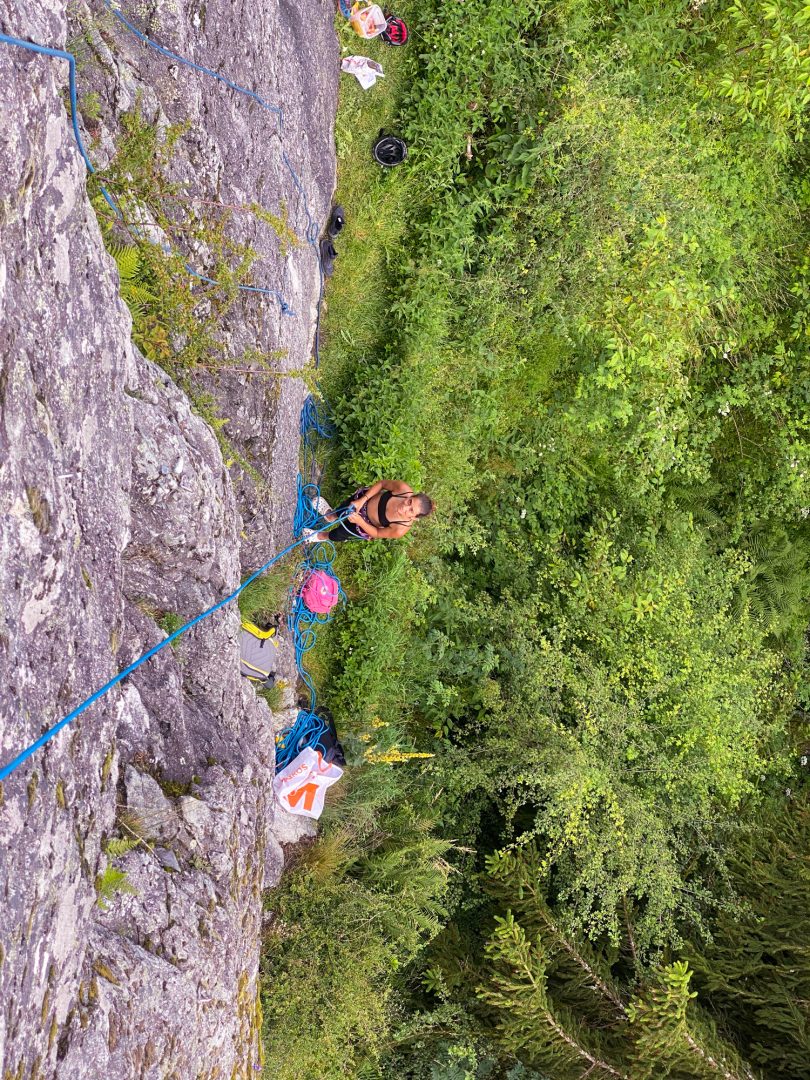
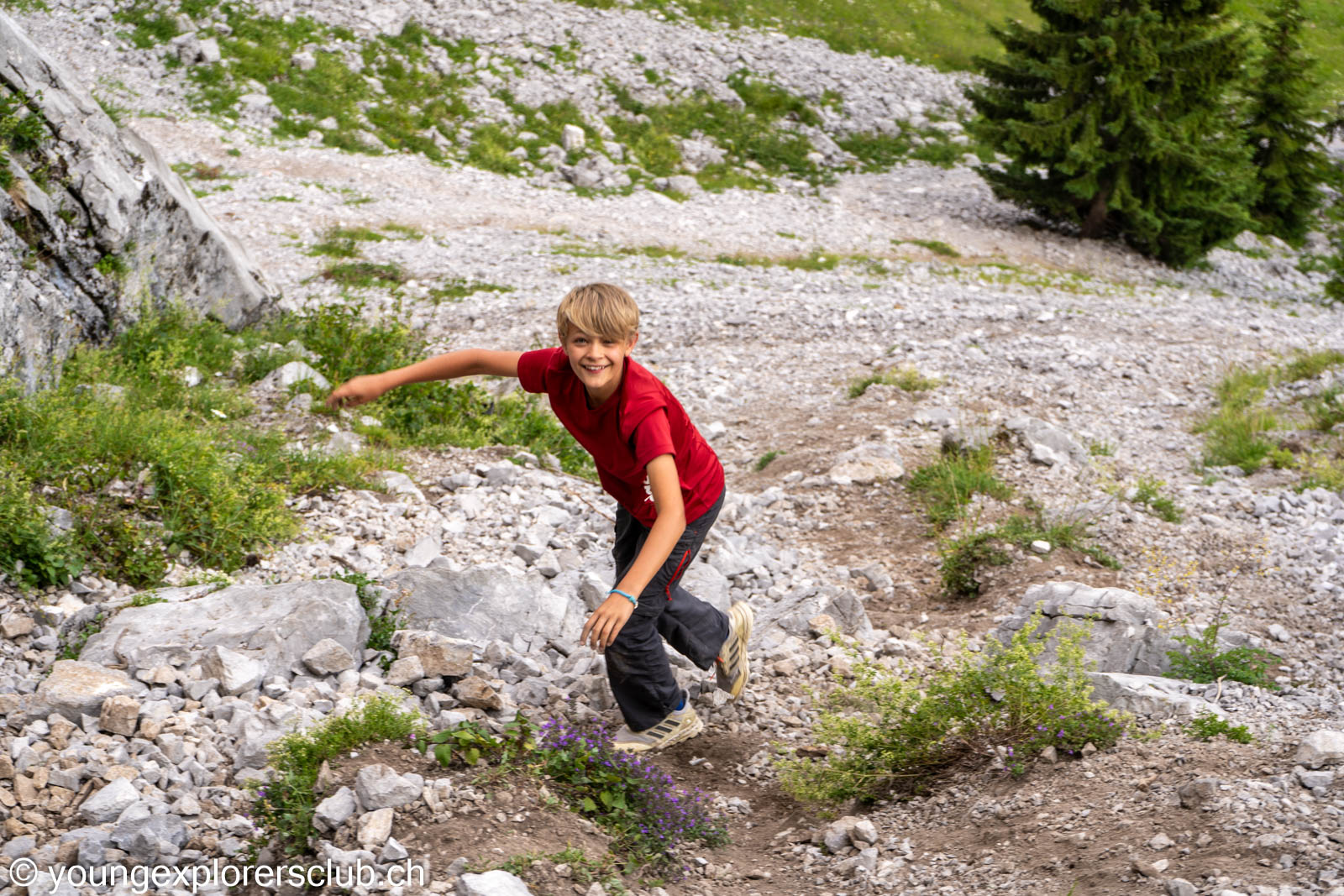
I plan programs that mix alpine hiking, climbing, mountain biking and lake activities like canoeing or kayaking. We include ropes courses, via ferrata, paragliding and summer skiing/snowboarding at select high-altitude venues, with age and skill restrictions in place. Environmental education is woven into every day so campers learn local flora, weather patterns and safe route choice while building outdoor skills.
Typical activities and a sample day
Below is a practical snapshot of what an adventure day looks like at camp:
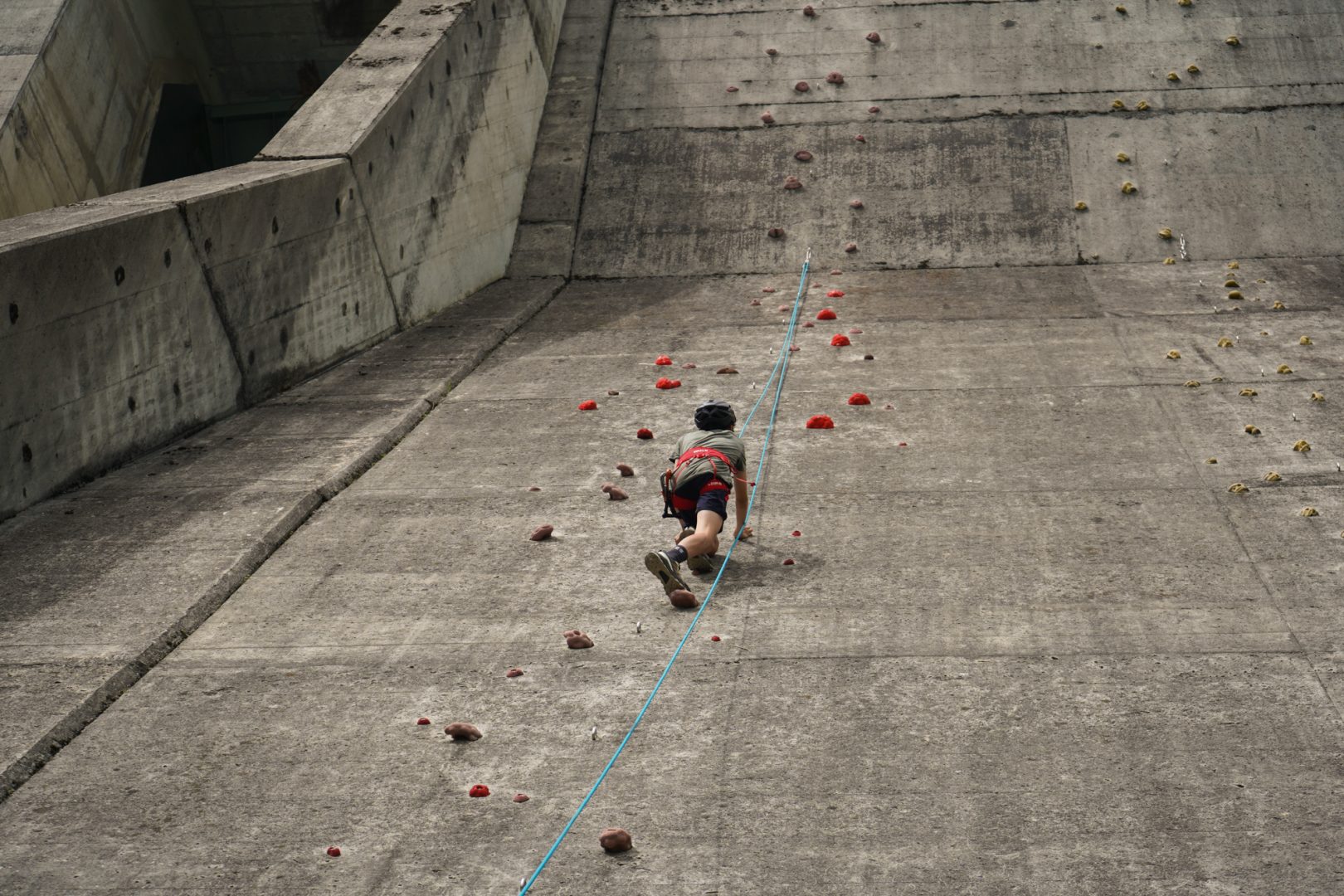
- Morning: skill session — technical instruction, safety drills, gear checks (e.g., knots, harness fit, helmet checks).
- Midday: supervised excursion — alpine hike, lake paddle or guided climb with certified staff.
- Afternoon: skills practice or electives — mountain biking loops, environmental workshop, or free-choice activities.
- Evening: debrief and learning outcomes — reflection, route review and short safety briefing for next day.
I schedule skill-focused mornings to reduce risk during longer midday excursions. We limit high-exertion outings in the first 24–48 hours at altitude to help campers adapt. For high-risk activities such as paragliding or via ferrata, I require documented prior experience or run a staged progression that proves competency.
Safety is non-negotiable. We use certified guides and instructors and demand sport-specific qualifications from any third-party provider. Equipment standards are strict: helmets and harnesses must meet recognized safety criteria, be regularly inspected and sized for each camper. We also enforce clear age and skill rules for specialist activities and supply written emergency and evacuation plans to parents on request.
Accommodation & facilities
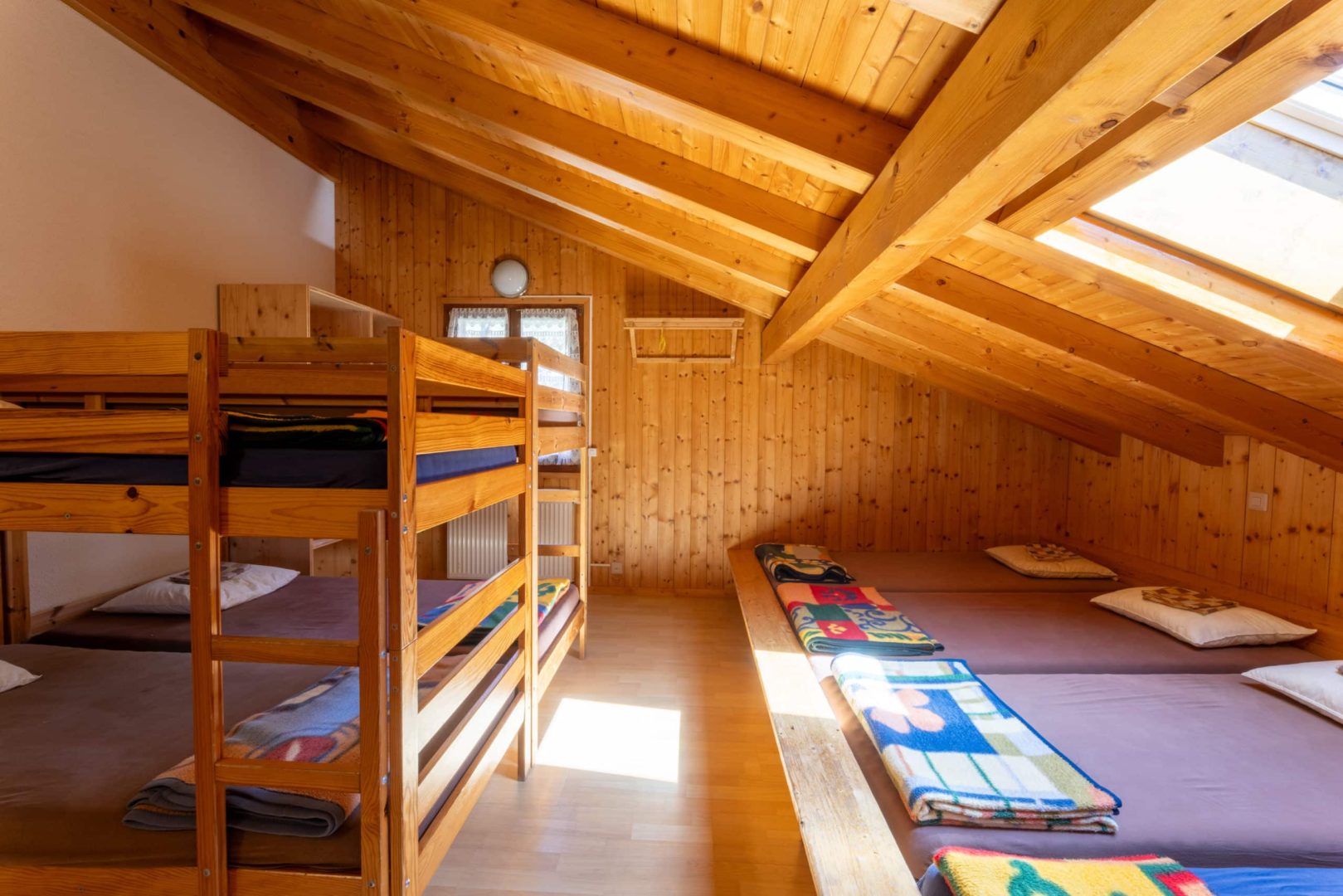
I base accommodation choices on comfort and practicality. Many camps operate from boarding-school campuses or mountain chalets with dorm-style rooms or shared cabins. Typical room occupancy ranges from 2–6 students per room or cabin; premium programs may offer single rooms. Heating and ventilation are standard, but I always highlight altitude-related comfort factors so families can prepare.
Meal service normally includes three meals plus snacks daily, and we handle dietary accommodations for allergies and religious or cultural needs. I recommend asking camps for photos and floorplans, confirmation of smoke detectors and evacuation routes, and specifics about on-site medical facilities. Compare standard versus premium inclusions carefully — linen, Wi‑Fi and laundry are common differentiators — and get a written list of what’s included before you commit.
Costs, Value, Travel Logistics & International Exposure
Costs & Value
I break down prices clearly so families can judge value. Typical tuition range for Swiss summer camps runs CHF 1,000–5,000 per week depending on program intensity and boarding level. Full multi-week academic or pre-university sessions typically range CHF 4,000–12,000+. Those are averages — always verify with each camp.
Below I list what’s usually included and excluded, plus practical price comparisons and money-saving tips.
- Typical inclusions you should confirm with any booking:
- Tuition and instruction
- Accommodation and meals
- Local excursions and on-site activities
- In-country insurance where provided
- Basic camp transfers from agreed pickup points
- Common exclusions to budget for:
- International airfare
- Visa fees and related paperwork
- Local transfers not listed in the package
- Special equipment or premium excursions
- Cost breakdown and comparative value:
- Switzerland: CHF 1,000–5,000 weekly; highest accommodation and staffing standards; activity intensity often high with alpine-specific sports and small staff-to-student ratios.
- United Kingdom: generally lower weekly fees on average; similar academic options but fewer high-mountain outdoor programs.
- United States: similar premium academic camps in boarding-school settings; fees vary widely by region and facility standard.
- Austria: often slightly less expensive than Switzerland for alpine activities but with fewer English-native staff in some programs.
- Ways to offset cost:
- Ask about scholarships and financial aid early.
- Look for multi-week discounts and early-bird rates.
- Factor shared-room versus single-room options into your budget.
I suggest families check our guidance on how to choose before confirming dates or deposits.
Travel Logistics & International Exposure
I handle logistics so travel feels simple. Switzerland’s two major international hubs are Zurich (ZRH) and Geneva (GVA). Both offer fast connections by road and Swiss rail, and typical airport-to-camp transfers average 1–3 hours depending on location. For example, Zurich to a central Switzerland camp usually takes about 1–2 hours; Geneva to Valais camps often falls in the 1.5–2.5 hour range.
Many camps provide invitation letters and organised transfers to support Schengen visa processes. I always tell families to request those documents early. Camps that offer Schengen visa support often include recommended pickup windows and meet-and-greet services at the airport.
International exposure is a core part of the value proposition. Programs commonly attract students from 30–70+ nationalities. A typical nationality mix might look like:
- Europe 40–60%
- Americas 10–30%
- Asia 10–30%
That mix creates a multilingual, multicultural environment where students build language skills and global friendships. I point families to the program’s nationality breakdown before booking; it helps set expectations for language immersion and peer learning. For a clearer picture of the benefits, see our page on international camps and how they shape confidence and language growth.
Operational tips I recommend:
- Plan flights that arrive during official camp transfer windows.
- Keep passport, visa documents, and medical forms in both paper and digital formats.
- Notify the camp of late arrivals well ahead of time so they can arrange private transfers if needed.
- Use Swiss rail connections for flexible arrival options if you plan independent travel before or after camp.
At the Young Explorers Club I stress transparent pricing and clear logistics so families can compare costs, judge value, and arrive with confidence.

How to Choose, Sample Program Templates & Practical Tips for Parents and Students
We cut straight to what matters when choosing an international summer camp in Switzerland. We, at the Young Explorers Club, focus on safety, outcomes and value so families can compare options with confidence. For a broader overview of an international summer camp, see this international summer camp.
Key checklist — what to verify before you book
Below are the core items I expect any reputable camp to answer clearly:
- Define goals: confirm whether the program prioritises language progress, outdoor adventure, academic prep or a mix.
- Verify accreditation and membership: look for recognised bodies such as the European Camp Association.
- Review safeguarding and health policies: ask for written child protection and medical emergency plans.
- Check staff credentials and ratios by age/activity: get CVs, qualifications and clear ratios for dorms and activities.
- Ask for a sample syllabus and measurable outcomes: request pre/post assessments and KPIs for language or skills.
- Inspect facilities, accommodation photos and safety systems (camp inspection): confirm fire alarms, secure perimeters and on-site medical facilities.
- Confirm meal plans and allergy protocols: request sample menus and written allergy management procedures.
- Understand inclusions/exclusions and cancellation policy: know what’s covered — transfers, excursions, insurance, materials.
- Read parent reviews and request references: check recent testimonials and speak to past parents for firsthand feedback.
- Confirm visa/transfer support: ask about invitation letters, airport transfers and assistance with permits.
Model program templates
Copy these placeholders and fill them with the camp’s details:
- Program name — Ages — Duration — Contact hours/week — Ratio — Price — Key outcomes — Certifications.
Example template filled:
- Program: Summer English & Leadership
- Ages: 13–17
- Duration: 2‑week duration
- Contact hours/week: 20 contact hours/week
- Ratio: 1:8 staff ratio
- Price: CHF 2,500–4,500 for 2 weeks
- Key outcomes: +1 CEFR level (speaking), leadership certificate
- Certifications: first aid, Safeguarding, sport-specific
I always recommend camps publish at least one student success story or measurable outcome per program type so parents can evaluate real impact during a camp comparison.
Practical tips and timelines for parents and students
Packing — Pack smart:
- Clothing: bring layered clothing; sturdy hiking shoes; rain gear.
- Sun & electronics: reliable sun protection; plug adapters Type C & J.
- Essentials: a refillable water bottle; quick-dry swimwear.
- Medications: keep personal medications accompanied by a completed medical form and physician notes.
- Labelling: label everything.
Administrative timeline: enrol 3–6 months ahead to secure places, book flights and start visa paperwork. Confirm medical forms and insurance 4 weeks prior. Check passport validity — plan for passports with at least 6 months left.
Emergency and contact procedures
Confirm a 24/7 camp emergency line and a designated parent-contact protocol. Verify who the on-site medical lead is and where off-site care is located. Request a step-by-step description of how parents will be notified for incidents and routine updates.
What to ask the camp — quick questions for parents
- Request staff CVs and vetting proof.
- Ask the exact staff-to-child ratio per cabin and per activity.
- Ask for examples of pre/post assessments.
- Confirm emergency, medical and evacuation procedures.
- Request sample menus and room photos.
- Ask for up-to-date parent reviews or references.
Pricing, refunds and extras
Ask exactly which extras are optional and which are mandatory. Confirm whether transfers, insurance, visas, certain excursions or certification fees are included. Get cancellation terms in writing and note any deadlines for partial refunds.
Operational red flags to watch for
- Vague answers about safeguarding or no written health policy.
- Refusal to share staff vetting or references.
- Missing facility photos or no evidence of camp inspection.
- Unclear assessment methods for language or skills.
We keep these checks tight so families can compare options objectively and choose a program that matches goals, budget and comfort level.

Sources
Federal Statistical Office (FSO) — Federal Statistical Office (FSO)
UNESCO World Heritage Centre — Switzerland
Institute for Economics & Peace — Global Peace Index
EF Education First — EF English Proficiency Index
Federal Office of Public Health (FOPH) — Home
Switzerland Tourism (MySwitzerland) — Facts & figures
European Camp Association — Camps Europe
International Camping Fellowship — Home
State Secretariat for Migration (SEM) — Entry and residence (Einreise)
Zurich Airport — Zurich Airport