
Why Singaporean Families Value Risk-managed Adventure
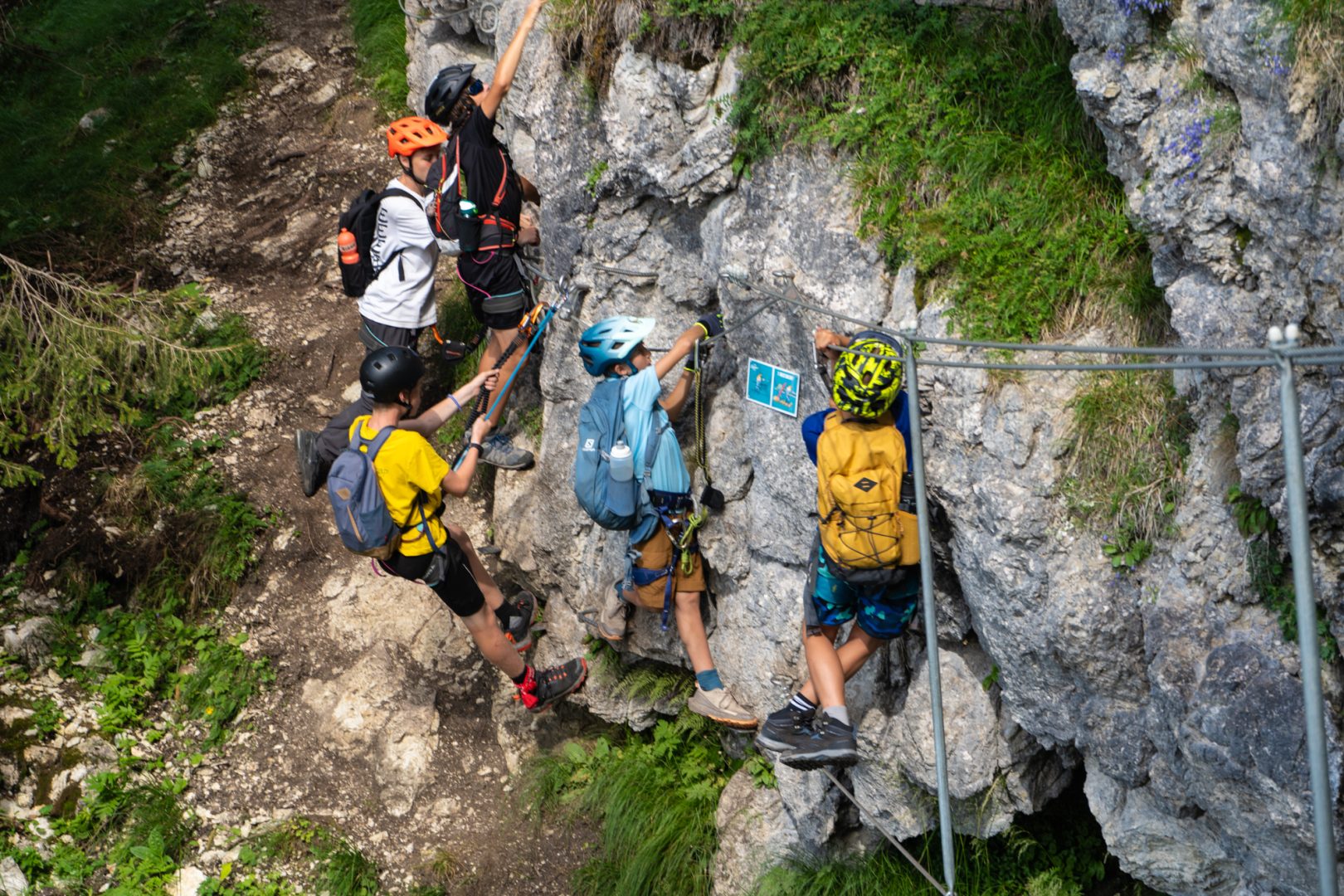
Singaporean families prefer risk-managed adventure: instructor-led, insured short trips that deliver child development and safety controls.
Singaporean families prioritize risk-managed adventure
Overview
Singaporean families prioritize risk-managed adventure: new, instructor-led activities that pair measurable child development with clear safety records. With low fertility, higher household incomes and an older median age, each outing gains value, pushing parents to invest in quality over quantity. Long working hours and time scarcity increase demand for short, well-planned, insured trips with trained providers and flexible booking.
Parents want clear risk controls that reduce physical, financial and scheduling exposure while delivering measurable developmental outcomes. We’re clear: confirm credentials and policies before you book.
Key Takeaways
- Risk-managed adventure = new family activities plus planning, insurance and professional providers to cut physical, financial and scheduling risk.
- Demographics and economics (low fertility, higher incomes, older median age) create an “investment per child” mindset that favors higher-quality, measurable experiences.
- Strong public safety, visible certifications and regulated providers raise parental trust and make supervised risk acceptable.
- Families prefer guided small-group programs with clear safety protocols, comprehensive insurance, flexible scheduling and explicit learning outcomes (resilience, motor skills, confidence).
- We recommend operators document risk controls and offer flexible booking; we also urge parents to verify instructor qualifications, insurance coverage and child-to-instructor ratios.
Recommendations
For operators
- Document risk controls clearly (written protocols, incident reporting, equipment checks).
- Publish instructor credentials, background checks and child-to-instructor ratios.
- Offer comprehensive insurance options and transparent refund or rescheduling policies for disruptions.
- Design short, modular programs with measurable learning outcomes (e.g., resilience, coordination, confidence).
- Provide flexible booking windows and clear communication to accommodate time-scarce families.
For parents
- Verify qualifications: ask for instructor certifications and DBS/background checks where relevant.
- Check insurance: confirm the provider’s public liability and child-specific coverage.
- Confirm ratios and supervision: ensure child-to-instructor ratios match advertised standards.
- Review cancellation and refund policies to limit financial and scheduling exposure.
- Look for measurable outcomes (developmental goals) and short, well-structured sessions that fit busy schedules.
Bottom line: Singaporean families value adventurous, developmental experiences that are professionally provided and risk-managed. Always confirm credentials and policies before you book.
https://youtu.be/4yjhBlgkw1U
Snapshot: core claim and lead facts
We, at the young explorers club, assert that Singaporean families value adventure that balances novelty, child development and safety — what we call “risk‑managed adventure.” We define risk‑managed adventure as novel activities families undertake while actively reducing physical, financial and scheduling risk through planning, insurance and professional providers.
Lead facts
Key figures that explain urgency and scale:
- Population (end‑2023): 5.64 million
- Median age (2023): ~42.7 years
- Total fertility rate (2023): ~1.05
- Median monthly household income from work (2022): SGD 9,520
- Safety snapshot: Singapore ranks among the safest countries/territories (top‑20 on recent Global Peace Index reports) and records very low violent/criminal rates; homicide rate typically ~0.2 per 100,000 in recent years
Those numbers clarify demand drivers. Low fertility and higher household incomes push parents to prioritise quality over quantity in family travel and child development. Strong public safety lowers baseline risk, so families can focus on calibrated novelty. Busy work schedules and an older median age create a premium for experiences that respect time and reduce planning burdens. We design programs that help families manage small risks through structured activities, trained staff and clear insurance options.
Practical implications
Practical implications I recommend you note:
- Choose providers who document risk controls: request written procedures, staff certifications and incident records.
- Offer flexible booking: flexible cancellation or rescheduling reduces scheduling risk for busy families.
- Embed developmental goals: design activities that build resilience, motor skills and social confidence alongside fun.
- Be transparent on safety and cost structures: clear breakdowns of safety measures and pricing increase trust and uptake.
That combination — documented risk controls, flexibility, and developmental focus — explains why risk‑managed adventure resonates with Singaporean families balancing safety, child development and work‑life balance.
https://youtu.be/
Economic and demographic drivers shaping family choices
We, at the Young Explorers Club, watch how money and time shape family decisions in Singapore. We see median monthly household income from work at SGD 9,520, and we know the high cost of living compresses leisure budgets and free hours. Parents trade quantity for quality; they pay more when they expect a clear return on both time and money.
We design programs around smaller family units and older median ages. Singapore’s population sits near 5.64 million, the median age is roughly 42.7 and the total fertility rate is about 1.05. Household size averages around 3.0 persons. Those figures drive an “investment per child” mindset: families plan further, spend more per activity, and prefer curated, higher‑quality experiences over many low‑cost outings.
We translate that behavior into practical choices. Families opt for:
Program traits families prioritize
We encourage these features because they match what parents value:
- Guided small-group trips with trained leaders and clear risk management.
- Comprehensive insurance and transparent safety briefings.
- Longer, higher-quality sessions that justify travel and absence from work.
- Enrichment outcomes—skill-building, resilience and confidence—measured and communicated.
- Flexible scheduling and premium logistics to save parents time.
We structure our adventures to reflect purchasing power and social patterns. Families with fewer children invest in deeper, professionally run experiences. They prefer insured, guided trips that minimize logistical friction and maximize developmental gains. We emphasize skill transfer and growth; that focus helps justify the higher spend per outing.
We use programming that both builds skills and reassures parents. By linking adventure to measurable benefits like confidence and independence, we meet the parental demand for high-value time investments. For parents interested in how outdoor programs develop self-reliance, see our piece on building confidence.
We price and market offerings to reflect these demographics and constraints. Premium single- or multi-day adventures, clearer safety protocols, and curated educator-to-child ratios align with the expectation that each experience must deliver significant value.

Safety culture, public trust and the regulated adventure economy
We see safety metrics shape demand for managed adventure. Singapore recorded an intentional homicide rate of about 0.2 per 100,000 in 2022 (Singapore Police/SingStat, 2022). That low figure, alongside a top‑20 placement on the Global Peace Index, lowers baseline fear and makes families more willing to accept calculated, supervised risks.
Strong public trust in infrastructure, emergency services and certified operators amplifies that effect. Faster, reliable emergency response and visible regulation signal predictable outcomes. That signaling encourages parents to choose activities with trained guides, certified gear and operator liability coverage. UNODC data show Singapore’s violent‑crime profile in 2022 sits well below regional and OECD averages (UNODC, 2022), which reinforces public confidence in outdoors and urban adventure options.
Regulation and certification matter in practice. Licensing and inspection regimes administered by agencies such as NParks, the Maritime and Port Authority and the Sentosa Development Corporation set minimum standards for land, water and urban operations. Certified guides and operator licensing reduce perceived hazards by creating clear accountability chains. We, at the Young Explorers Club, use those same benchmarks when we hire staff and design emergency protocols.
How trust and rules change behaviour
- Visible qualifications: licensed guides and posted certifications make parents comfortable.
- Standardised equipment: mandated gear and maintenance logs cut unknowns.
- Clear emergency protocols: rehearsed evacuation and medical plans reduce anxiety.
- Third‑party oversight: inspections and licensing remove ambiguity about operator competence.
- Insurance and waivers: transparent coverage reassures families about financial and medical contingencies.
Practical checks for operators and parents
Operators should document training records, publish incident‑response plans and invite third‑party audits. Keeping records current and publicly accessible increases perceived accountability.
Parents should verify licenses, ask about guide‑to‑child ratios and confirm emergency response times. For specific advice on evaluating operator practices and safety expectations, consult this guide to evaluating summer camp safety standards. We emphasise clear communication: operators that explain risks, outline mitigation steps and clarify insurance terms earn trust quickly and increase family uptake of adventurous programming.
Parenting values: enrichment, resilience and risk literacy
We, at the young explorers club, see Singaporean parents place child development at the top of the list. They treat enrichment and resilience as extensions of formal education. That shapes demand for learning-rich adventures — programs that teach outdoor skills, nature literacy, leadership and problem solving rather than pure recreation. MSF surveys and household expenditure data consistently show education and enrichment rank highly among parental spending priorities, so families are willing to pay for clear learning outcomes.
Spending priorities drive program design. Parents expect measurable skill gains and safe progression. They prefer sessions with explicit objectives: knot-tying and navigation, guided ecology walks, scenario-based problem solving and leadership tasks. Families look for providers who can show instructor credentials, age-graded curricula and session plans that map to developmental goals. We point them to resources on how camps help kids manage small risks and why structured programs build durable gains in confidence and competence.
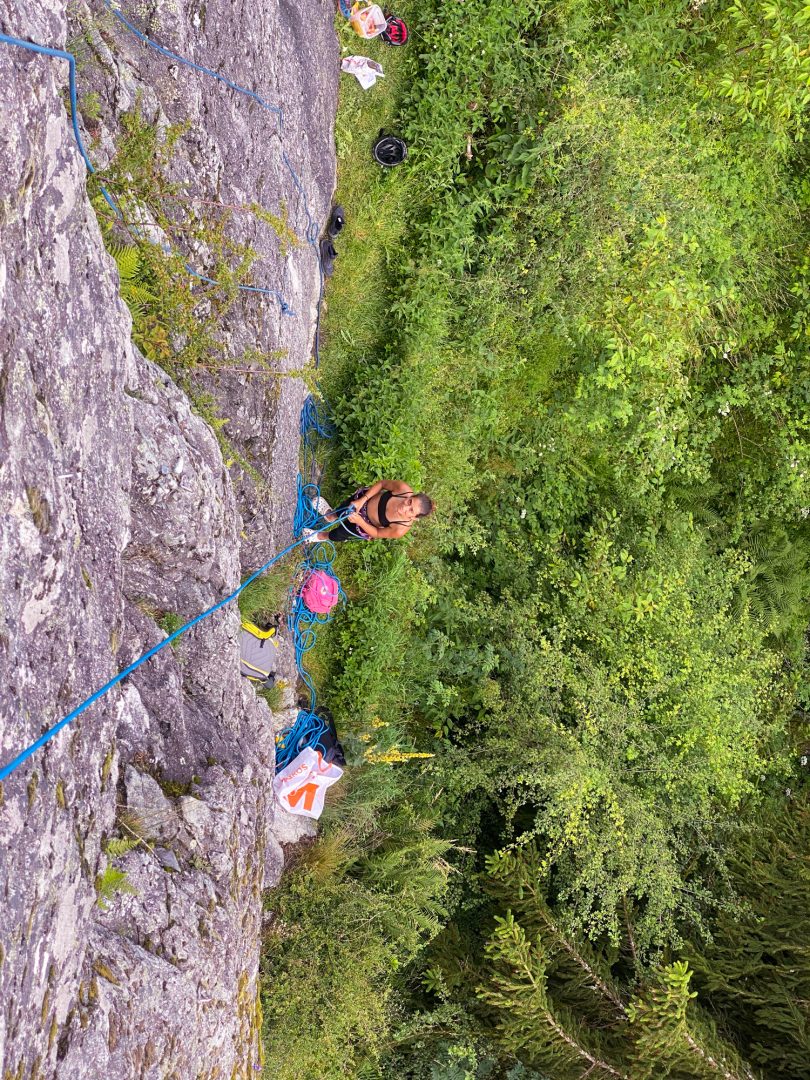
Risk literacy shows up in concrete choices. Parents mitigate hazards by booking certified instructors for activities like mountain biking, choosing structured Outward Bound or NParks family programmes, and preferring guided nature trails instead of unguided treks. They consult information on safety standards and learn how to evaluate camp safety before they commit. This produces a market for higher-cost, higher-accountability offerings with documented safety practices.
I use a simple comparative frame to explain the trade-offs: a playground offers spontaneous play and low booking overhead, but it often lacks institutional oversight, clear skill progression and predictable supervision. A supervised ropes course costs more, runs on a schedule, uses certified instructors and safety gear, and delivers explicit resilience and motor-skill outcomes while reducing uncontrolled risk. Parents choose according to the balance between learning objectives and acceptable residual risk, and they frequently favour predictable, instructor-led experiences.
How parents practice risk literacy
- Verify instructor certifications and program insurance before booking; check for explicit learning outcomes linked to age groups.
- Insist on age-appropriate gear and pre-activity gear checks; demand providers show maintenance logs.
- Start with guided, incremental challenges that build skill and confidence rather than sudden exposure to extremes. See our notes on building confidence.
- Choose programmes with clear curricula, like resilience programs or a family adventure format that mixes adult supervision and child autonomy.
- Use community resources — a parents guide or provider reviews — to judge how well offerings balance freedom with structure.
- Prefer activities that embed outdoor learning principles and promote healthy independence in staged steps.
Time scarcity, work patterns and the premium on short, well‑planned breaks
We see average weekly hours for employed residents are roughly in the 41–44 hours/week range (MOM release). At the Young Explorers Club, we know limited annual leave usage and sustained work intensity push families to squeeze more value from short breaks. This pattern, we believe, explains why families maximise weekend breaks and favour micro‑adventures and short getaways of 1–3 days. To meet demand, we package short, high‑value escapes that cut logistical risk and boost novelty, like our short getaways.
Why families choose short breaks
- Scheduling risk drops: we use only one school day for a two‑night Fri–Sun plan.
- Logistics vanish: parents relax because we provide guided, insured packages.
- Per‑day value rises: families get more activity and learning per leave day when we concentrate programs.
- Work‑life impact falls: we minimise disruption compared with a DIY five‑day itinerary.
Evidence and booking trends
We track booking and tourism data that show short‑haul travel and weekend package demand rose strongly after COVID. STB reports outbound travel in 2023 rebounded to roughly 90–95% of 2019 levels (STB). We design programs around that rebound by offering compact, insured adventures that fit tight schedules and limited leave. We suggest confirming the MOM weekly hours and the exact STB rebound figures before final publication.

What families choose: popular adventures, sample itineraries and the market that enables them
We, at the Young Explorers Club, see Singaporean families favour short, accessible adventures that balance excitement with clear safety controls. Top local picks are straightforward to access and rich in learning moments:
- MacRitchie — TreeTop Walk and guided nature programmes.
- Pulau Ubin — family cycling and mangrove walks.
- Bukit Timah — short hikes suitable for children.
- East Coast Park — family cycling and water sports.
- Sentosa — Mega Adventure Park zipline, iFly, Universal Studios and the S.E.A. Aquarium.
Regional favourites usually stay within short‑haul travel windows — Johor and Tioman in Malaysia, Bintan, Batam and Bali in Indonesia, and Phuket in Thailand — most reachable by ferry or flights under four hours.
Public and private supports make these choices practical. Major insurers active in Singapore include Great Eastern, NTUC Income, AIA, MSIG, AIG and Allianz; families typically prioritise medical evacuation, activity coverage (ropes/zipline/sea sports) and trip cancellation. Programmes and operators that provide structured, risk‑managed options include Outward Bound Singapore, NParks family programmes and Sentosa adventure providers, often supported by certified local guides. Gear and kit are easy to source from retailers like Decathlon Singapore and Royal Sporting House. We also rely on booking and review platforms such as Klook, Trip.com, Viator, Agoda and TripAdvisor to compare options and check recent feedback. For thoughts on how camps encourage resilient, independent kids, our notes on healthy independence are a useful read.
Sample itineraries and cost guidance (estimates — verify before publishing)
- Guided Pulau Ubin family cycling tour: duration 3–6 hours, estimated cost SGD 80–200 per family, risk level: low, recommended ages 5+.
- Sentosa zipline (Mega Adventure Park): duration 30–90 minutes, estimated cost SGD 30–60 per person, risk level: low–medium, recommended ages 6+.
- Weekend guided nature + learning micro‑adventure (nearby Indonesian island): duration 2 nights, estimated cost SGD 300–900 per family depending on inclusions, risk level: medium (sea travel), recommended ages 7+.
We suggest families factor transport, guide fees and basic kit rental into budget lines. Short‑haul stays often cut lodging costs and reduce travel fatigue for kids. For choosing providers, use independent reviews and platform ratings; a quick look on TripAdvisor or Klook can reveal trends in safety and service.
Practical checklist for families
-
Insurance policy checks:
-
Confirm limits for medical evacuation.
-
Check activity exclusions for ropes, zipline and sea sports.
-
Verify child coverage and age limits.
-
Confirm trip cancellation and delay clauses.
-
-
Operator questions to ask:
-
Instructor qualifications and certifications.
-
Child‑to‑instructor ratio.
-
Emergency protocols and on‑site first aid provision.
-
Details of insurance and liability coverage held by the operator.
-
Frequency of equipment maintenance and records.
-
-
On logistics and comfort:
-
Transport times (aim for under four hours for regional trips).
-
Packing lists for wet weather and sun protection.
-
A simple family emergency plan that lists local hospital contacts and embassy or consulate info.
-
-
Practical extras we recommend:
-
Bring personal first‑aid basics.
-
Photocopies of insurance and passports.
-
A lightweight change of clothes for sea or water activities.
-
We encourage families to review recent trip reports and to prioritise operators with clear safety briefings and documented instructor training. For a quick primer on evaluating program safety, see our guide on safety standards.
Sources
Singapore Department of Statistics — Population in Brief 2023
Ministry of Social and Family Development — Marriage and Parenthood Survey
Ministry of Manpower — Hours Worked statistics
National Parks Board — Family Nature Clubs
Singapore Tourism Board — Statistics and Market Insights
Institute for Economics & Peace — Global Peace Index 2023
United Nations Office on Drugs and Crime — Homicide Statistics
Singapore Police Force — Crime Statistics
SingSaver — Travel Insurance Guide