

How to select the best camp activities for your child
Discover a proven framework for choosing summer camp activities that promote adventure, personal growth, and confidence for children aged 8-17 in 2026.
Choosing the right summer camp activities for your child can feel overwhelming. With countless options promising adventure, education, and personal growth, how do you know which program will truly benefit your 8-17 year old? You want activities that challenge them safely, build confidence, and create lasting memories. This guide walks you through a proven, step-by-step framework to evaluate camps systematically, ensuring you select activities aligned with your child’s unique personality, your family values, and the developmental outcomes you hope to achieve. By following this structured approach, you’ll make an informed decision with confidence.
Table of Contents
- Step 1: Define Your Child’s Needs And Priorities
- Step 2: Shortlist Camps And Compare Key Factors
- Step 3: Evaluate Activities For Personal Growth And Experiential Learning
- Step 4: Visit, Involve Your Child, And Finalize Your Choice
- Explore Enriching Camp Activities With Young Explorers Club
- Frequently Asked Questions
Key takeaways
| Point | Details |
|---|---|
| Safety first | Prioritize camps with recognized accreditations and qualified staff to ensure your child’s wellbeing. |
| Know your child | Assess personality, interests, and emotional needs before exploring camp options. |
| Experiential learning works | Outdoor adventure activities promote mental health, resilience, and social skills with measurable benefits. |
| Involve your child | Including kids in the selection process increases engagement and satisfaction with camp experiences. |
| Structured comparison helps | Use checklists and comparison tables to evaluate camps objectively across key criteria. |
Step 1: Define your child’s needs and priorities
Before browsing camp brochures or websites, take time to understand what your child truly needs from a summer experience. Every child brings a unique temperament to group settings. Some thrive in large, high-energy environments while others flourish in smaller, more intimate groups. Consider whether your child is naturally outgoing or tends toward introversion, whether they seek constant stimulation or need quiet reflection time.
Start by listing your family’s goals for camp. Are you hoping to boost confidence and independence through new challenges? Do you want your child to develop specific skills like teamwork, leadership, or outdoor survival techniques? Perhaps academic enrichment or language learning ranks high on your priority list. Write these goals down and rank them by importance.
Next, identify any special considerations. Does your child have sensory sensitivities, anxiety around new social situations, or specific learning needs? Sensitive or introverted kids require smaller groups and tailored activities rather than intense boot camp environments. Understanding these needs upfront prevents mismatches that could undermine your child’s experience.
Create a simple checklist covering these areas:
- Preferred group size and social environment
- Activity intensity level your child can handle comfortably
- Specific interests or skills to develop
- Emotional support requirements
- Any therapeutic or developmental considerations
Pro Tip: Have an honest conversation with your child about what excites them and what makes them nervous. Their input at this stage provides invaluable insight into which camp philosophies will resonate. Avoid programs that emphasize forced participation or “toughing it out” if your child needs a gentler approach to building resilience.
This foundational work saves time and frustration later. When you know exactly what you’re looking for, evaluating specific camps becomes far more straightforward. You’ll quickly spot red flags and recognize genuine matches without second-guessing every decision.
Step 2: Shortlist camps and compare key factors
With your priorities clear, begin researching camps systematically rather than randomly browsing options. Create a comparison spreadsheet or table listing potential camps down the left side and key criteria across the top. This visual tool transforms an overwhelming decision into a manageable evaluation process.
Safety should anchor your comparison. Look for camps holding recognized accreditations that verify they meet established safety standards. The American Camp Association provides accreditation ensuring qualified staff and appropriate camper-to-staff ratios, particularly crucial for international adventure programs. Check staff qualifications, background screening processes, and emergency protocols. International camps should clearly outline their safety procedures for activities like climbing, water sports, or wilderness excursions.
Evaluate the camp’s educational philosophy and how it aligns with your values. Does the program emphasize competition or collaboration? Is personal growth measured by conquering challenges or by self-reflection and emotional development? Read mission statements carefully and look for concrete examples of how philosophy translates into daily activities.
Cost and schedule factors matter practically. Compare total fees including any hidden costs for equipment, excursions, or optional activities. Note session lengths and whether they fit your family calendar. Consider location and travel logistics, especially for international programs.
Review facilities and activity offerings. Does the camp provide the specific experiences you prioritized? Check whether weekly activities in Vaud or similar programs match your child’s interests and developmental stage.
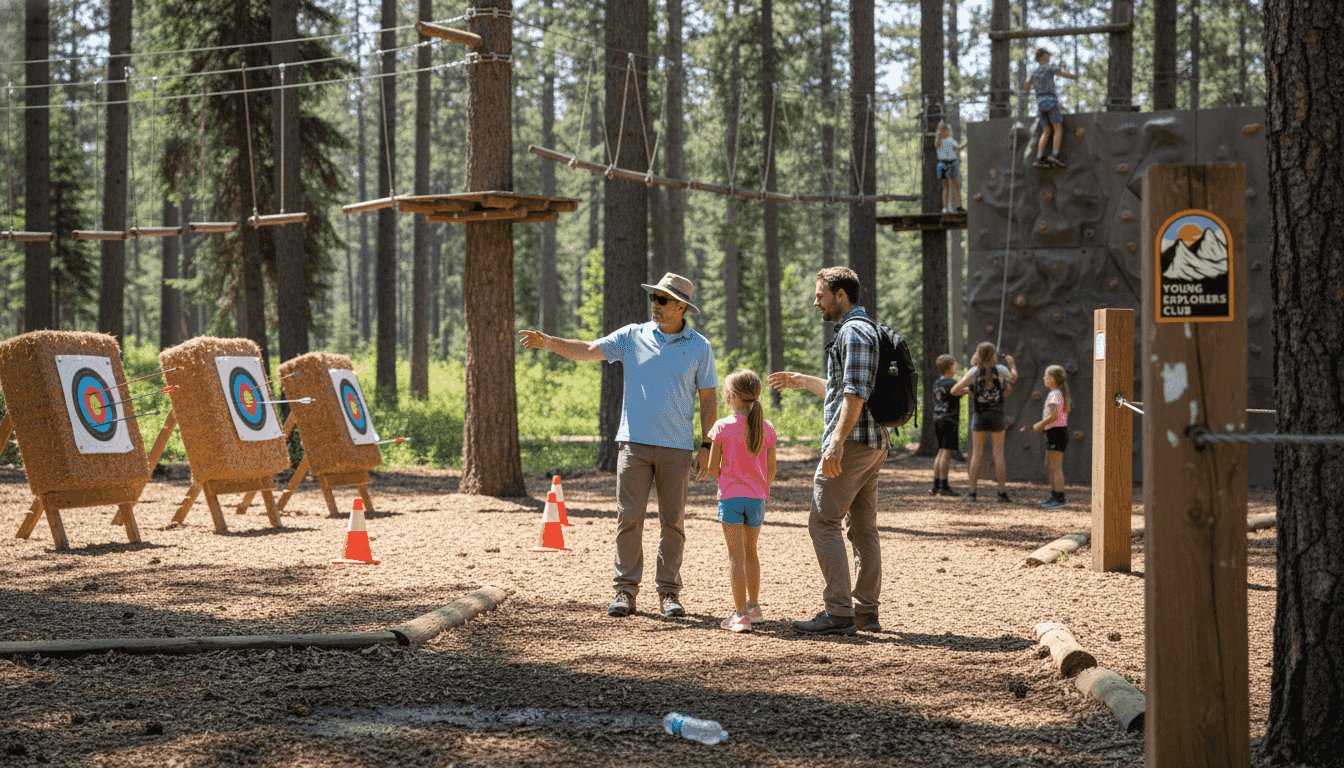
Involve your child in comparing options using your comparison table. Show them photos, describe typical days, and discuss what appeals to them about each choice. This collaborative approach increases their investment in the experience and helps surface concerns you might have missed.
Pro Tip: Contact camp directors directly with specific questions from your checklist. Their responsiveness and willingness to address concerns tells you much about their commitment to individualized care. Ask about how they handle homesickness, conflict resolution, and accommodating different learning styles.
Your shortlist should narrow to three to five camps that meet your baseline requirements. These finalists warrant deeper investigation in the next steps.
Step 3: Evaluate activities for personal growth and experiential learning
Not all camp activities deliver equal developmental benefits. Understanding which experiences truly promote growth helps you distinguish marketing claims from substantive programming. Focus on camps offering genuine experiential learning rather than simply keeping kids busy.
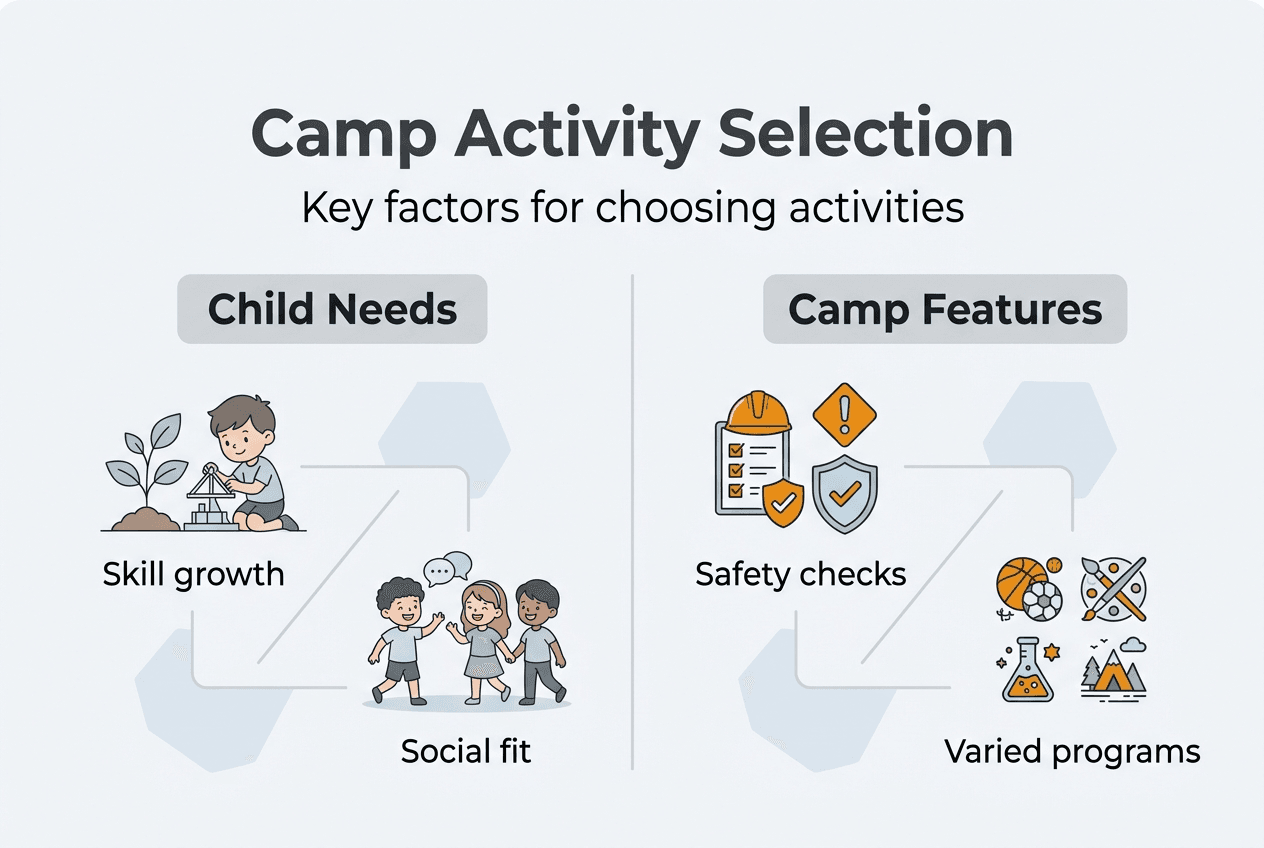
Look for programs featuring adventure-based activities embedded in natural settings. Structured nature experiences promote mental health by reducing anxiety and improving emotional regulation. Activities like hiking, rock climbing, orienteering, and wilderness survival teach practical skills while building resilience through manageable challenges. The key word is “structured” because random outdoor time lacks the intentional reflection and skill-building that maximizes benefits.
Research shows impressive long-term outcomes from quality camp experiences. 70% of parents report confidence gains and improved social skills persisting months after camp ends. These aren’t temporary boosts but foundational shifts in how children view themselves and interact with peers.
Examine whether camps offer themed programs allowing personal meaning-making. Co-created activities enhance engagement because children invest more deeply when they contribute to shaping experiences. Programs letting campers choose specializations, design group projects, or pursue individual interests within a structured framework tend to produce stronger outcomes than rigid, one-size-fits-all schedules.
Consider how activities specifically address the mental health benefits of outdoor activities you want for your child. Does the program incorporate reflection time, journaling, or group discussions helping kids process their experiences? Are there opportunities for both physical challenge and creative expression? Balance matters because children need varied ways to explore their capabilities.
Evaluate the progression of skill development. Quality programs scaffold challenges appropriately, starting with foundational skills and gradually increasing difficulty as competence grows. This approach builds genuine confidence rather than overwhelming kids or leaving them bored.
| Developmental Area | Beneficial Activities | Expected Outcomes |
|---|---|---|
| Physical confidence | Climbing, mountain biking, survival skills | Improved body awareness, risk assessment |
| Social skills | Team challenges, group projects, peer mentoring | Communication, conflict resolution, empathy |
| Emotional resilience | Managed risk activities, reflection sessions | Stress management, adaptability, self-regulation |
| Cognitive growth | Navigation, problem-solving tasks, language learning | Critical thinking, decision-making, cultural awareness |
Pro Tip: Ask camps for specific examples of how camps help children grow through their activities. Generic claims about building character mean little without concrete descriptions of the learning process and how staff facilitate growth rather than simply supervising activities.
The most effective camps integrate multiple developmental domains within single activities. A multi-day hiking expedition, for example, builds physical stamina, requires teamwork and communication, demands emotional regulation when challenges arise, and develops practical outdoor skills simultaneously. This holistic approach creates richer learning than isolated activities targeting single skills.
Step 4: Visit, involve your child, and finalize your choice
You’ve narrowed options and evaluated activities thoroughly. Now take concrete steps to verify your assessment and make a final decision everyone feels good about. Visiting camps in person provides irreplaceable insight, though virtual tours serve when distance makes physical visits impractical.
Arrange tours during active program times if possible. Observing real campers engaged in activities reveals far more than empty facilities. Watch how staff interact with children. Do they seem genuinely engaged or merely supervising? Notice whether activities match promotional descriptions and whether campers appear enthusiastic or just going through motions.
Bring your child to visits when camps allow it. Their gut reactions matter. After touring, ask what they noticed, what excited them, and what worried them. Sometimes children pick up on subtle environmental factors adults miss. Their comfort level with the physical space, staff personalities, and other campers provides valuable data for your decision.
During visits, observe camper engagement levels and the diversity of activities happening simultaneously. Quality programs offer choices rather than forcing everyone through identical schedules. Look for evidence that staff know individual campers’ names and needs, suggesting personalized attention rather than crowd management.
Follow this decision framework:
- Review your original priority checklist against each finalist camp’s offerings
- Weight safety, philosophy alignment, and activity quality most heavily
- Consider your child’s stated preferences and observed reactions during visits
- Evaluate practical factors like cost, schedule, and logistics
- Make a decision balancing all factors rather than seeking perfection in every category
No camp will excel in every dimension. Identify which factors are non-negotiable versus nice-to-have. If safety and emotional support top your list, a camp excelling there but offering fewer activity choices might outrank a program with extensive options but larger group sizes.
Pro Tip: Trust your instincts after systematic evaluation. If something feels off despite a camp checking all boxes on paper, honor that intuition. Conversely, if you feel genuinely excited about a program and your child shares that enthusiasm, you’ve likely found the right match.
Once you’ve decided, prepare your child for success. Discuss what to expect, address any lingering concerns, and frame camp as an adventure they’re ready for. This preparation phase significantly impacts how well children adapt and engage once camp begins.
“The best camp choice isn’t the most prestigious or expensive program, but the one authentically matching your child’s developmental needs and your family’s values. When those align, transformative growth becomes possible.”
Consider how the camp supports healthy peer relationships at camp through intentional community-building. Programs explicitly teaching social skills and conflict resolution prepare children for positive interactions. Similarly, evaluate whether camps provide safe spaces for growth by fostering emotional safety alongside physical safety.
Finalize enrollment promptly once decided. Popular programs fill quickly, and securing your spot eliminates the stress of continued searching. You’ve done the work to choose wisely, so move forward confidently knowing you’ve made an informed decision prioritizing your child’s wellbeing and development.
Explore enriching camp activities with Young Explorers Club
Finding a camp that truly delivers on promises of adventure, education, and personal growth doesn’t have to feel like guesswork. Young Explorers Club offers international summer camps in Switzerland specifically designed around the principles outlined in this guide. Our accredited programs combine experiential learning with outdoor adventure, creating environments where children aged 8-17 develop confidence, resilience, and practical life skills.
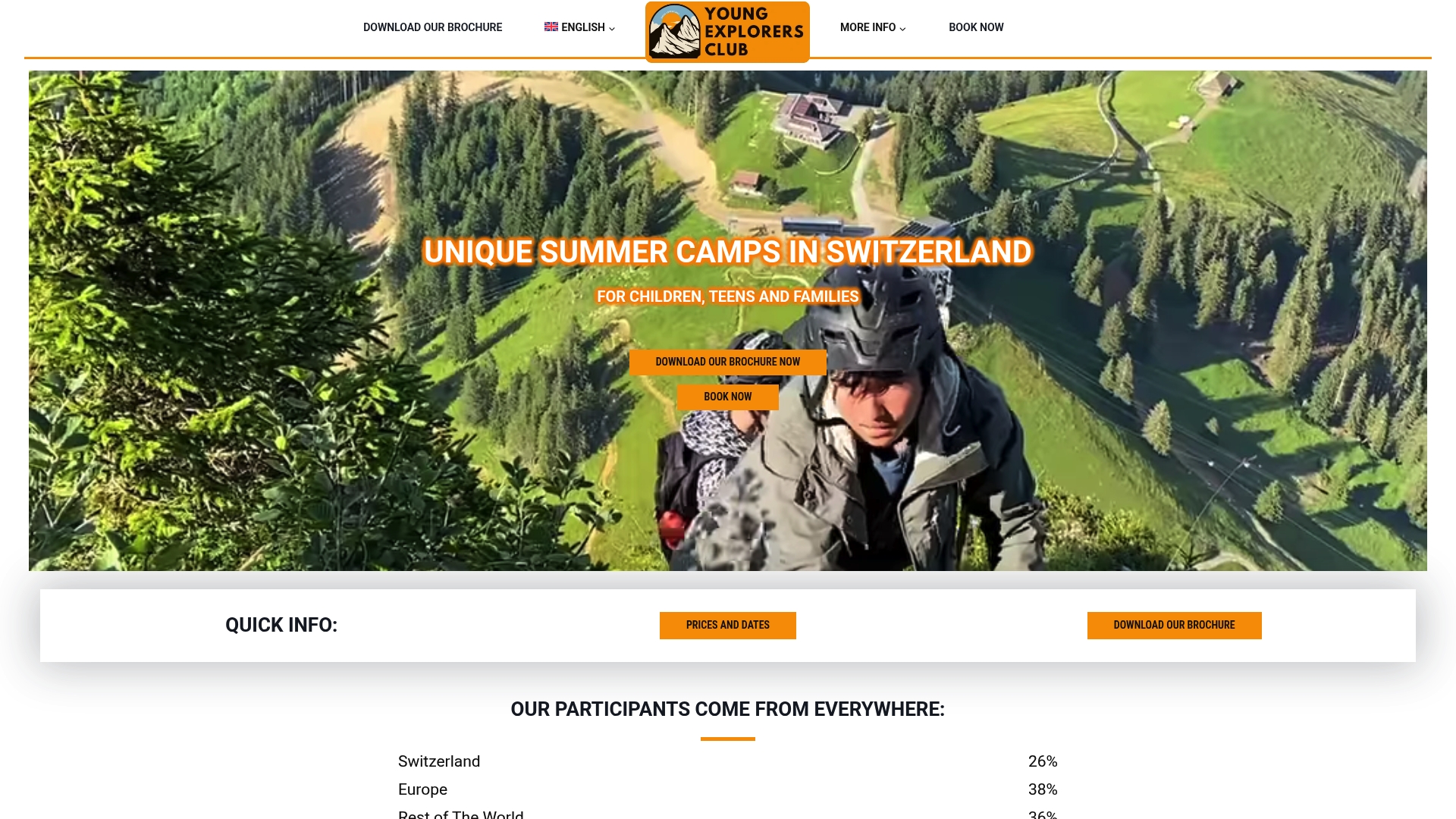
Our summer camp for teens features age-appropriate challenges from mountain biking and climbing to survival skills and team expeditions. Small group sizes ensure personalized attention, while our bilingual environment offers optional language learning woven naturally into daily activities. We maintain excellent camper-to-staff ratios and employ qualified instructors trained in both activity skills and youth development. Explore our weekly activities in Vaud to see how we create structured, meaningful experiences promoting lasting growth.
Frequently asked questions
What safety accreditations should I look for in a camp?
Seek camps holding American Camp Association accreditation or equivalent international standards verifying staff qualifications, safety protocols, and appropriate supervision ratios. For adventure programs, check certifications specific to activities like climbing instruction or wilderness first aid. Accreditation demonstrates commitment to maintaining rigorous safety standards through regular independent review.
How can I involve my child in choosing the right camp activities?
Share your shortlist with your child and review each camp’s photos, videos, and activity descriptions together. Ask which experiences excite them and which cause concern. Bring them to camp visits when possible so they can observe the environment firsthand. Their preferences should significantly influence your final choice since their engagement determines how much they’ll benefit from the experience.
What types of camp activities best support emotional wellbeing?
Structured outdoor activities combining physical challenge with reflection time promote mental health benefits of outdoor activities most effectively. Look for programs integrating adventure experiences with opportunities for creative expression, quiet reflection, and processing emotions through journaling or group discussions. Activities teaching stress management and emotional regulation through manageable risks build lasting wellbeing skills.
Are there camps that cater to sensitive or introverted children?
Yes, many quality camps recognize diverse temperaments and adjust programming accordingly. Seek programs emphasizing smaller group sizes, offering choice in activity participation, and training staff in supporting different personality types. Avoid camps promoting “toughening up” philosophies that may overwhelm sensitive children. The right environment allows introverts to engage at their own pace while still experiencing growth through appropriate challenges.
How can I be sure the camp will promote long-term personal growth?
Look for evidence-based programs explicitly focusing on skill development beyond just fun activities. Quality camps articulate clear developmental goals, train staff in facilitating growth, and incorporate reflection helping children internalize lessons learned. Research shows international summer camps boost confidence when they combine experiential learning with intentional skill-building. Ask camps for specific examples of how they measure and support lasting outcomes rather than just immediate enjoyment.
