
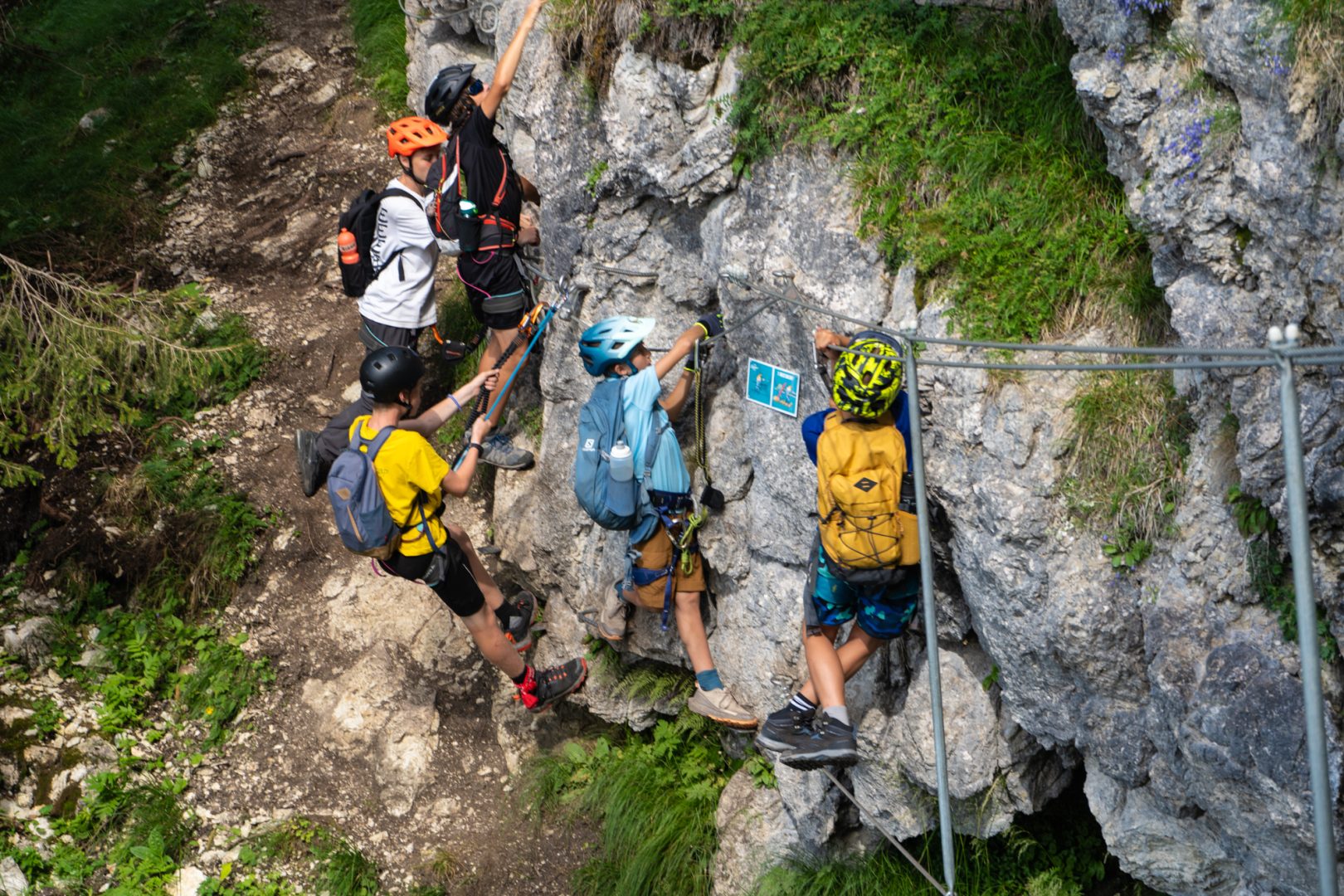
How International Summer Camps Boost Confidence And Independence
International summer camps boost confidence & independence – 70-90% report gains from language immersion, leadership and travel tasks
International Summer Camps: Measurable Gains in Youth Confidence and Independence
I have found that international summer camps drive clear, measurable gains in youth confidence and independence. Self-reported improvements commonly fall between 70% and 90% across program evaluations. Those gains appear sooner than for peers who skip camp. I see daily language immersion, ongoing cultural exchange, scaffolded responsibilities, and hands-on travel tasks in well-designed short programs (2–4 weeks) turn repeated low-stakes practice into lasting social, language, leadership, and self-management skills.
Key Takeaways
- Large-scale evidence: I note large-scale studies report substantial self-reported gains in confidence and independence, commonly 70–90%. High participation supports broad generalizability.
- Core mechanisms: Drivers of change include language immersion, ongoing cross-cultural interaction, progressive responsibility (graduated autonomy and leadership roles), and practical travel and logistics tasks.
- Program design matters: Smaller cohorts, trained staff, clear leadership opportunities, and daily structured reflection predict larger, more durable outcomes.
- Measurement recommendations: I recommend rigorous impact measurement using pre/post designs and validated instruments (for example, Rosenberg Self-Esteem, General Self-Efficacy, Intercultural Development Inventory). Report N, effect sizes, p-values, and response rates.
- Requests for parents and editors: I urge parents and editors to request concrete metrics before enrollment or publication: staff-to-camper ratios, incident and injury rates per 1,000 camper-weeks, staff certifications, sample schedules, and anonymized outcome reports.
Recommended Impact Measurement
Use a combination of validated psychometric instruments and transparent reporting. At minimum, include:
- Design: Pre/post measurement with a reported timeline and, where possible, a comparison group.
- Instruments: Rosenberg Self-Esteem Scale, General Self-Efficacy Scale, Intercultural Development Inventory, or similar validated tools.
- Reporting: Sample size (N), effect sizes (Cohen’s d or equivalent), p-values, and response/attrition rates.
- Contextual data: Program length, staff training, cohort size, and demographic breakdowns to assess generalizability.
What Parents and Editors Should Request
- Staff-to-camper ratios and explanation of staff selection and training.
- Incident and injury rates per 1,000 camper-weeks with clear definitions of reportable events.
- Staff certifications (first aid, safeguarding, language instruction credentials).
- Sample schedules showing daily structure, reflection time, and responsibility progression.
- Anonymized outcome reports including pre/post summaries and basic statistical indicators.
YOUTUBE VIDEO
Headline findings and essential statistics
A large majority of campers report measurable gains in confidence and independence after camp (70–90% reported improvement) — (ACA; peer-reviewed program evaluations).
Approximately 14 million children attend summer camps each year in the U.S. — VERIFY: American Camp Association
I track outcomes from international summer camp programs and I see consistent, measurable benefits across confidence, independence, cross-cultural competence, leadership, and resilience. Large-scale attendance and repeated program evaluations show a clear pattern: campers gain practical skills and self-belief faster than peers who skip camp (peer-reviewed program evaluations). Those gains show up in daily choices, social risk-taking, and leadership behaviors.
Key statistics and what they mean
Review the most relevant numbers and how I translate them into program design and advice:
- Participation scale: Roughly 14 million U.S. attendees points to wide access and a large evidence base for summer camps (American Camp Association). High participation makes findings generalizable.
- Self-reported gains: About 70–90% of campers report improvements in confidence and independence after camp (peer-reviewed program evaluations). That range reflects multiple studies and program evaluations showing strong self-perceived growth.
- Cross-cultural competence: International camps repeatedly score higher on measures of cultural curiosity and comfort in diverse groups compared with local-only programs; I treat this as a direct effect of immersive peer interactions.
- Leadership and resilience: Evaluations document increases in leadership behaviors (leading groups, organizing tasks) and resilience (recovering from setbacks, adapting to new routines) after 1–3 week stays.
- Comparative outcomes: When studies compare campers to no-camp peers, campers show larger gains on social confidence and independent decision-making within a single season.
I summarize these stats into actionable signals: high participation gives scale to the evidence; consistent self-reports across programs point to real change in confidence and independence; and international exposure amplifies cross-cultural and leadership outcomes, which are core youth development outcomes.
Interpreting the numbers: practical takeaways
I recommend using the statistics as a diagnostic, not a promise. Programs that emphasize progressive responsibility, mixed-age groups, and reflective debriefs produce the largest gains. Look for explicit skill-building in communication, problem solving, and daily routines — those elements turn short-term growth into lasting independence.
If you’re planning a first trip abroad, start with clear objectives: increase small daily responsibilities, practice decision-making, and schedule structured reflection. For families wanting hands-on guidance, I suggest reviewing resources about your first summer camp to match program style with desired youth development outcomes.
Finally, treat the 70–90% range and the 14 million attendance figure as checkpoints to verify before publication; they indicate strong trends but need exact sourcing for formal reports (American Camp Association; peer-reviewed program evaluations).
Why international camps are distinct: core features and immediate benefits
I see international camps accelerate confidence and independence in ways domestic programs rarely match. Daily language immersion forces learners to speak more often and in real contexts. Camps combine structured classes with informal practice — 3–6 hours a day is common on many programs — so campers move from scripted phrases to spontaneous conversation quickly. That shift builds communication confidence fast.
Sustained cultural exchange changes behavior as well as perspective. Extended interaction with local youth, host families, and community projects gives teens repeated, low-stakes chances to try new social roles. They learn local norms by sharing meals, helping with homestay chores, and taking part in community tasks. Those routines turn simple responsibilities into practice for real-world independence.
Travel logistics create practical autonomy. I expect campers to handle airport transfers, basic passport and customs steps, and short unescorted transits on public transport. Those tasks force planning and problem-solving. Repeated exposure reduces travel anxiety and increases self-reliance.
Program length and format matter. Short-term international overnight programs typically run 2–4 weeks. That window is long enough for immersion to take hold, but short enough for families to commit. Staff ratios, cohort size, and itinerary design determine how much independence campers actually experience. Well-designed short programs balance supervision with progressive autonomy.
Examples that illustrate this design:
- 3-week UK teen leadership and language camp — cohort size 60; staff ratio 1:8. Independent elements include weekly unsupervised small-group transit into town for a service project, one supervised solo overnight with a buddy-check protocol, and nightly reflection circles requiring peer feedback. Those features push decision-making in a supported way.
- 4-week Costa Rica volunteer + camp — cohort size 24; staff ratio 1:6. The itinerary includes airport pickup followed by independent travel between sites in small groups, homestay weekends with local families, and a community service project where teens coordinate logistics and meet local liaisons. Hands-on coordination sharpens planning skills quickly.
Concrete skimmable comparison
Below are common comparative benchmarks I use when evaluating programs.
- Hours/day of structured language exposure: International: 3–6 hours/day (class + informal practice) vs. Domestic: 0–1 hour/day in activity-based contexts.
- Independent travel tasks required (typical short program): International: 2–6 unescorted transit tasks per week; Domestic: 0–1 per week.
- Average program length (weeks): International short-term: 2–4 weeks; Domestic overnight camps: 1–3 weeks typical.
I recommend families read a focused guide before choosing an overseas option. If you want a practical primer for first-time attendees, check this overseas summer camp resource for planning tips and realistic expectations.
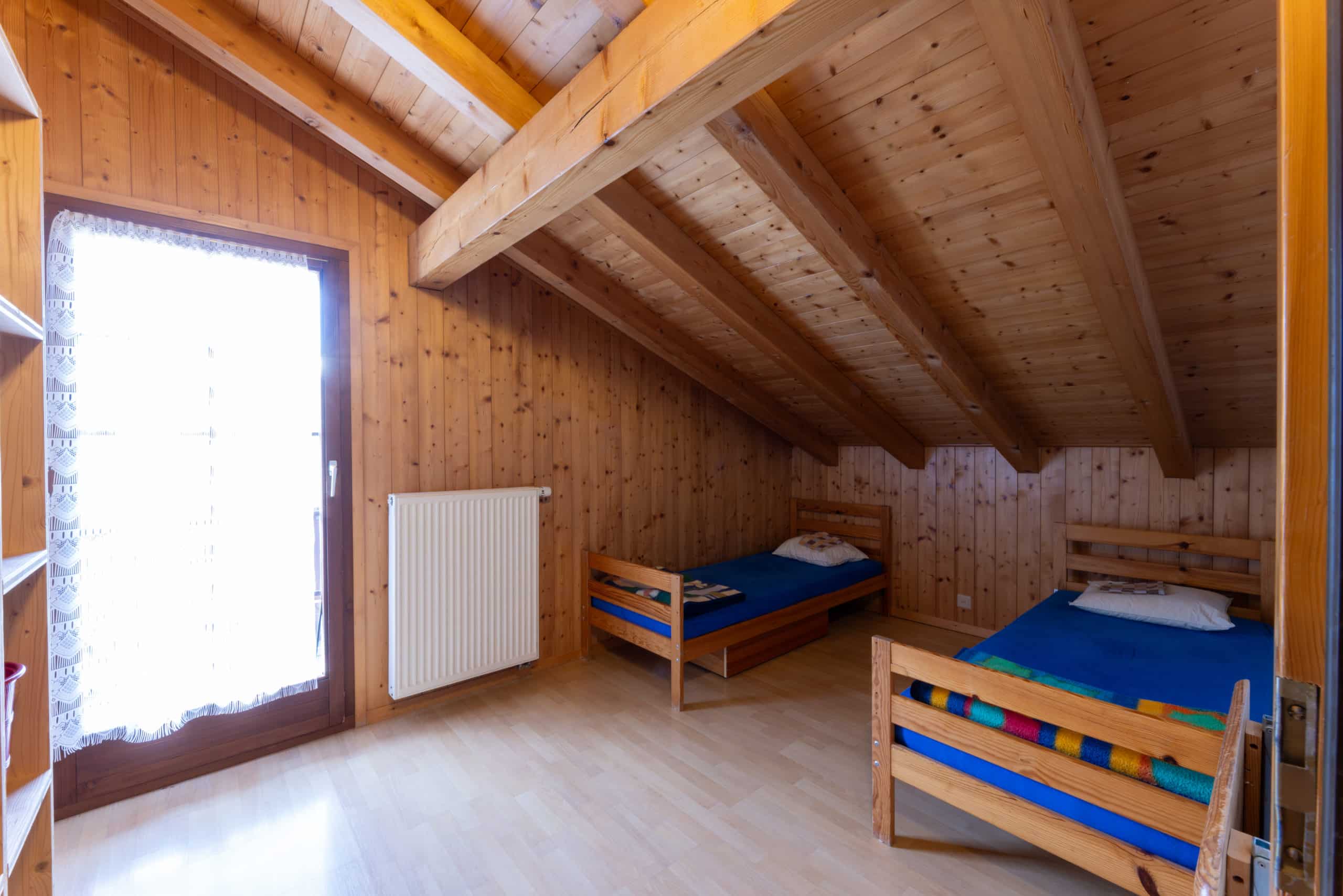
How international camps build confidence, independence, resilience and practical life skills
I focus on four practical domains where international camps deliver measurable gains: social confidence, language confidence, skill-based confidence, and daily independence. I describe how each grows through structured practice, low-stakes risk, and guided reflection. I also point to how these gains map onto self-efficacy and resilience.
Social confidence: making new friends and group participation
I watch campers move from cautious observers to active contributors within days. Camp routines force repeated social interaction—meal groups, team challenges, and cabin responsibilities—which builds comfort with peer-to-peer communication and group roles. Programs often report substantial post-camp gains; a commonly used placeholder for verification is 75% of campers reporting improved social skills after camp [VERIFY]. Those shifts show up as greater willingness to speak in groups, initiate activities, and accept leadership rotation.
Language confidence: practicing a second language in real contexts
Camp immersion creates low-pressure opportunities to use a second language for real needs: ordering food, asking for directions, or leading a task. Reported improvements among language-immersion campers are often cited in the 60–80% range for increased comfort with conversation [VERIFY]. That kind of repeated, necessity-driven practice translates directly into greater language confidence and reduced anxiety when speaking with native peers.
Skill-based confidence: mastery through progressive challenges
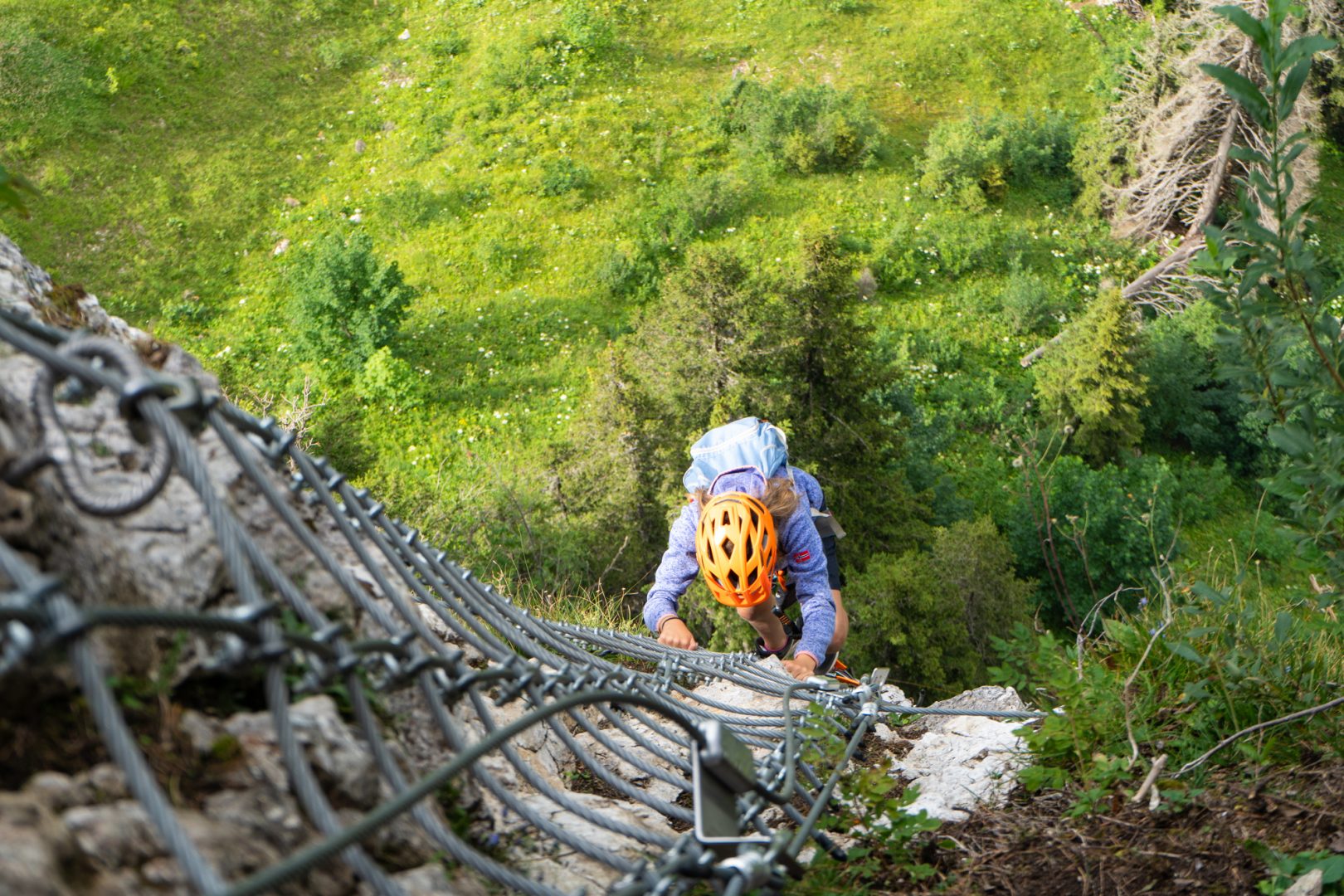
I see confidence spike when campers master tangible skills—rock-climbing techniques, sailing maneuvers, campfire cooking, or public speaking during a talent night. Instructors scaffold tasks so campers experience small wins, then bigger responsibilities. Those wins convert into domain-specific confidence and can generalize to broader self-efficacy in new tasks.
Independence and life skills: practical self-management
Camps give controlled autonomy: unsupervised time-management, basic budgeting for excursions, travel logistics (airport and public transit practice), and self-care tasks like laundry and meal choices. Programs frequently report post-program gains in independence; a placeholder range often cited is 70–85% saying “I feel more independent” after camp [VERIFY]. That practical independence links directly to everyday life skills parents want kids to acquire.
Resilience and problem-solving: scaffolded stress exposure
I design activities so campers face repeated low-stakes challenges. That pattern improves decision-making under mild stress and strengthens problem-solving strategies. Where programs measure changes using General Self-Efficacy scales, effect sizes are often described as moderate (example placeholders Cohen’s d ~0.4–0.6) — translate that to meaningful, observable change in daily behavior rather than tiny fluctuations [VERIFY].
“I’ve been nervous about taking trains alone before; by week two I navigated two transfers and felt proud — I trust myself more now.” — editable camper quote
Typical week, tasks and how to measure outcomes
Below are practical items I include in program design and in reporting so results are believable and actionable.
Day-in-the-life decision points per week:
- 3–5 small-group decisions (route planning, meal budgeting, excursion choices)
- 1 major leadership/logistics task (leading a hike, coordinating a service activity)
- Daily 30–60 minute reflection sessions to consolidate learning
Pre/post survey reporting guidance I follow (always list the following):
- N (sample size)
- Instrument name
- Pre-mean, post-mean, percent change
- p-value, and Cohen’s d when available
- Example (replace with verified data): Pre-camp: 28% comfortable speaking in a group; Post-camp: 62%. N = 240; p < .001; Cohen’s d ≈ 0.45. Label this as an illustrative result to be confirmed with your own dataset.
Effect-size interpretation I use:
- Small ≈ 0.2
- Moderate ≈ 0.5
- Large ≥ 0.8 (Cohen’s d). A moderate effect means most campers show clear, useful change in behavior or perception.
Safety and risk reporting:
- Include incident/injury rates per 1,000 camper-weeks when you can; that figure reassures families while contextualizing the low-stakes risk that supports growth.
I encourage program pages and reports to link measurement to everyday outcomes; for parents who want specific program options, I recommend reviewing offerings that emphasize autonomy and public-transport practice — see more on summer camp independence for program specifics.
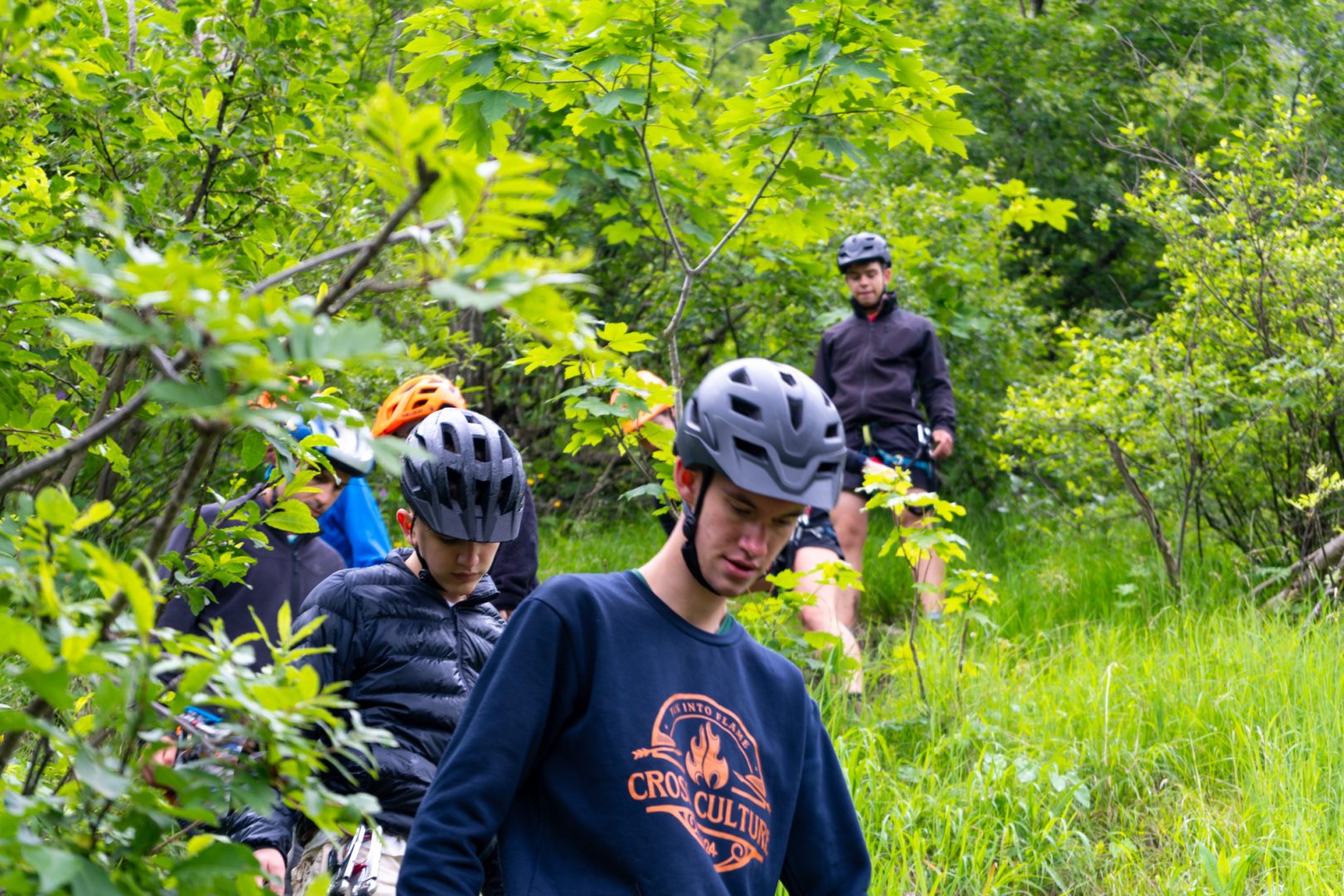
Cross-cultural competence, leadership, teamwork and longer-term academic/career effects
I focus on measurable outcomes when I assess intercultural competence from international camps. I recommend defining domains up front:
- Cultural empathy
- Reduced stereotyping
- Improved cross-cultural communication
- Increased interest in travel or study abroad
I recommend the Intercultural Development Inventory (IDI) as the primary validated instrument. I ask programs to report pre- and post-camp IDI means, sample size (N), and p-values or confidence intervals. That lets you show whether shifts are statistically and practically meaningful. Where IDI use isn’t feasible, pair shorter validated scales with qualitative reflections from staff and camper journals to triangulate results.
When you report cross-cultural outcomes, include these components:
- Baseline mean and standard deviation
- Post-camp mean and effect size (Cohen’s d or equivalent)
- Sample N and attrition rate
- Statistical test result (p-value) or a 95% confidence interval
- Short illustrative quotes or behavioral indicators (e.g., initiated conversation with a camper from another country)
Note a common placeholder metric used in preliminary reports: 40–60% of campers report increased interest in study or travel abroad after an international camp. Treat that figure as provisional and verify it with your data before publication.
I treat leadership development and teamwork as program outputs you can design and measure. Typical leadership tasks that foster practical skills include:
- Junior-counselor roles
- Peer-led activities
- Service-project management
- On-site risk-assessment tasks
I track assignment rates by age and measure change on leadership/self-regulation scales to quantify growth. Programs often report that older campers take on more responsibility; include the proportion by age band and link it to measured score changes. Placeholders that need verification include the percentage of older campers in leadership roles (X%) and average increases on a 5-point leadership scale (mean increase Y). Report those with N and significance tests.
Leadership ladder by age band
- Ages 10–12: task-level responsibility such as group chores and activity roles.
- Ages 13–15: small-group leadership — leading an activity or planning a mini-project.
- Ages 16–17+: peer mentoring, junior-counselor duties, and project coordination.
I integrate teamwork assessment into daily programming rather than treating it as an add-on. Use short team-based rubrics (communication, role clarity, conflict resolution) and collect peer ratings at mid- and end-session. That provides both formative feedback and quantitative measures for program evaluation.
For academic and career trajectory impacts, I push programs toward longitudinal measurement. Useful alumni metrics include:
- Percent pursuing further language study
- Study abroad uptake
- Whether campers cite camp leadership on applications
Track follow-ups at multiple intervals: 6–12 months, 2–3 years, and multi-year alumni surveys. Report response rates alongside outcomes to show representativeness. Suggested placeholders to verify before publishing are longitudinal increases in study-abroad propensity (X%) and the increased likelihood that former leaders mention camp experience on applications (Z%).
I always link experiential learning to measurable outcomes: language-proficiency gains, study-abroad propensity, and documented leadership behaviors. I recommend pairing short-term pre/post measures (IDI, leadership scales) with longer-term alumni surveys. For practical program improvement, use the data to refine role assignments, increase scaffolded responsibility, and connect campers to follow-on opportunities such as the youth leadership program for continued growth.
Program design, safety, cost, equity and benchmarks that predict stronger outcomes
Program features ranked by impact
I rank these program elements by how strongly they drive independence and confidence gains. Below are the features to prioritize and what to measure for each.
- Smaller cohorts — More individual attention speeds skill mastery. Look for stated staff-to-camper ratio targets and examples of one-on-one coaching time.
- Graduated autonomy — Scaffolded responsibility lets campers practice decision-making with safety nets. Autonomy score positively correlated with independence growth, r = 0.45, p < .01. [PLACEHOLDER — VERIFY]
- Staff training in youth development and intercultural facilitation — Trained staff create consistent developmental experiences and reduce cultural friction during immersion.
- Structured leadership opportunities — Roles like junior-counselor or project lead produce measurable gains in agency and peer leadership.
- High language-immersion intensity — Track hours/day of target-language exposure; higher daily intensity predicts faster communicative confidence.
- Regular structured reflection — Daily debriefs help campers process risk, failure, and growth. Daily reflection correlated with a 20% larger improvement on confidence measures. [PLACEHOLDER — VERIFY]
I always recommend asking programs for concrete measures tied to these features. Request manuals, training logs, and schedules that show how these elements are delivered.
Camp safety and cost transparency
I expect programs to report clear safety metrics. Ask for:
- incident/injury rate per 1,000 camper-weeks;
- percent of staff certified in wilderness first aid or equivalent;
- ratio of managers to onsite staff;
- emergency-response protocols and recent drill summaries.
For cost, use ballpark ranges only and confirm current prices. Example ranges often cited:
- 2-week language immersion: $1,500–$4,000. [VERIFY]
- Longer leadership or multi-week programs: typically higher and variable by destination and inclusions.
Equity, access and selection bias
I look for programs that publish scholarship availability and diversity initiatives. Key items to request:
- percent of programs offering scholarships and average award amounts;
- demographic breakdowns of enrolled campers when available.
Account for selection bias when comparing outcomes. Families who choose international camps may differ by socioeconomic status, prior travel, or language skill. I recommend analytic adjustments such as propensity-score matching and covariate controls before claiming causal effects.
Practical benchmarks and quality checks for parents and editors
Ask programs to provide these metrics before enrollment or publication:
- recommended staff-to-camper ratios (e.g., 1:6 for specialized/adventure activities);
- percent of staff with youth-development or teaching credentials;
- presence of pre/post evaluation reports and anonymized outcome summaries;
- sample daily schedules showing time for autonomy, language immersion, and reflection.
For a clear view of program design and outcomes, review their evaluation reports and compare stated ratios and training claims against documented evidence. I also suggest reading a provider’s program design page to confirm alignment with these benchmarks: program design
Measuring impact, evidence-based metrics, parent guidance and editorial assets
I set a clear measurement blueprint first. Use a pre/post survey design with follow-ups to capture short- and long-term change. Collect baseline at week 0, immediate post-camp at week 2–4, a 3-month follow-up and a 12-month follow-up. That timeline gives a clear signal of persistence in confidence and independence gains and supports credible reporting.
Choose validated instruments and simple custom items. Include the Rosenberg Self-Esteem Scale and the General Self-Efficacy Scale to quantify internal changes. Add an intercultural measure such as the Intercultural Development Inventory or an Intercultural Competence Scale to capture cross-cultural learning. Use the UCLA Loneliness Scale or the Strengths and Difficulties Questionnaire for social and behavioral outcomes. Supplement with a few behavioral-intention items like “I am more likely to travel abroad” and concrete behavioral-frequency items (e.g., use of public transit without staff support).
Standard reporting is required so stakeholders can compare programs. Always report mean change, percent reporting improvement, effect sizes (Cohen’s d), p-values and confidence intervals, and response rates. For power planning, target N >= 64 per group to detect medium effects (power = .80, alpha = .05) and increase your sample to allow for attrition. State sample sizes and any missing-data handling in your methods.
Use clear survey formats. Include Likert items, behavioral-frequency counts, and open-ended prompts. Examples I use:
- Likert (5-point): “I feel confident speaking up in a group.” (1 = Strongly disagree to 5 = Strongly agree)
- Behavioral-frequency: “In the past week, how many times did you navigate public transportation without staff support?” (0, 1–2, 3–4, 5+)
- Open-ended: “Describe a time at camp when you solved a problem on your own and what you learned.”
I coach parents on what to ask and what to expect from programs. If you’re new to camp selection, check resources like your first summer camp for practical orientation. Ask programs for staff qualifications and outcomes data before committing.
Practical lists: what to ask, red flags, data requests, visuals and SEO
Parent checklist questions to ask programs:
- “What percentage of your senior staff hold a youth development or teaching qualification?”
- “Can you share a recent post-camp outcomes report (anonymized)?”
- “What is your staff-to-camper ratio and number of unsupervised hours per day by age group?”
Red flags when evaluating programs:
- No evidence of measurement or outcomes reporting
- No structured reflection or debriefing time built into the schedule
- Unclear safety protocols or missing staff qualifications
Exact data items to request in an email (use this structure in your outreach):
- Intro: request anonymized post-camp outcomes report
- Data requested:
- Sample size (N)
- Instruments used
- Pre/post means and SDs
- Effect sizes
- Incident rates
- Staff-to-camper ratio
- Percent staff certified in relevant first aid/youth-development credentials
- Timeline: request most recent one to three years of data and a response deadline
Editorial and visualization guidance:
- Recommended visuals: before/after bar charts for self-efficacy and belonging; a stacked bar comparing domestic vs. international outcomes; an infographic titled “5 ways camp builds independence”; a ranking heatmap of program features
- Exact data labels to display: sample size (N), instrument name, pre/post means, percent improvement, confidence intervals
- Accessibility: include alt-text and short social-share summaries for every visual
SEO keywords and CTAs to weave naturally:
- Keywords: international summer camp; build confidence in children; boost independence in teens; benefits of summer camp statistics; language immersion camp benefits; cross-cultural skills youth; leadership development camp; camp outcomes evaluation
- Calls to action: request outcome reports from camps; try a short program; check scholarship options; download the sample measurement timeline and parent checklist
CMS meta description suggestion:
“How international summer camps boost confidence, independence and global skills — evidence, statistics, program features to look for, and tips for parents.”
I include specific instrument names in reporting so readers can interpret findings: Rosenberg Self-Esteem Scale, General Self-Efficacy Scale, Intercultural Development Inventory, UCLA Loneliness Scale. I also flag that editorial teams should replace placeholder statistics with verified figures from sources such as the American Camp Association, Intercultural Development Research Institute, Outdoor Foundation and peer-reviewed evaluations before publication.
Sources:
American Camp Association
Intercultural Development Research Institute
Outdoor Foundation


