Our Camp Philosophy: Adventure-based Learning Explained
Young Explorers Club: adventure-based learning using outdoor challenges and Kolb’s cycle to build leadership, teamwork, problem-solving.
Young Explorers Club — Adventure-Based Learning (ABL)
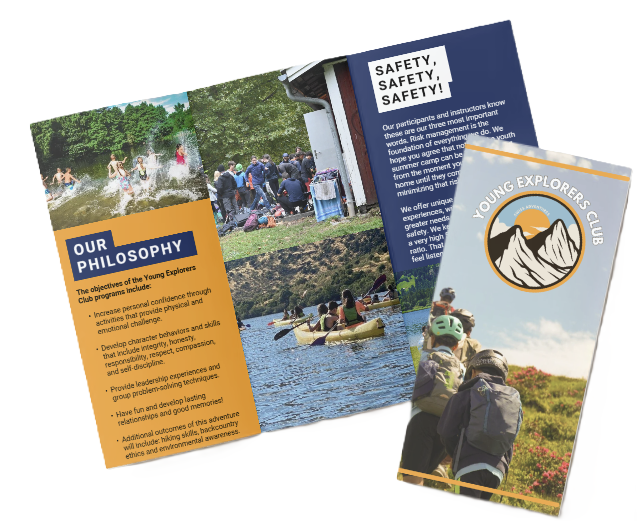
At Young Explorers Club, we run adventure-based learning (ABL). It uses managed risk, physical challenges, and outdoor activities to build transferable skills: leadership, problem-solving, teamwork, and outdoor education. We pair action-first practice with structured reflection rather than lecture-only instruction. Programs map to Kolb’s Experiential Learning Cycle (experience → reflection → concept formation → experimentation). They include low- and high-ropes, wilderness and water-based expeditions. We’re intentional about measuring outcomes across social, emotional, cognitive, physical, and mental-health domains. Safety protocols stay strict and visible.
Approach
Our approach is experiential and learner-centered. Activities are designed to create meaningful challenge and opportunity for practice, then converted into durable learning through guided debriefs and reflection. Rather than relying on lecture, we emphasize doing first and reflecting afterwards.
Program Components
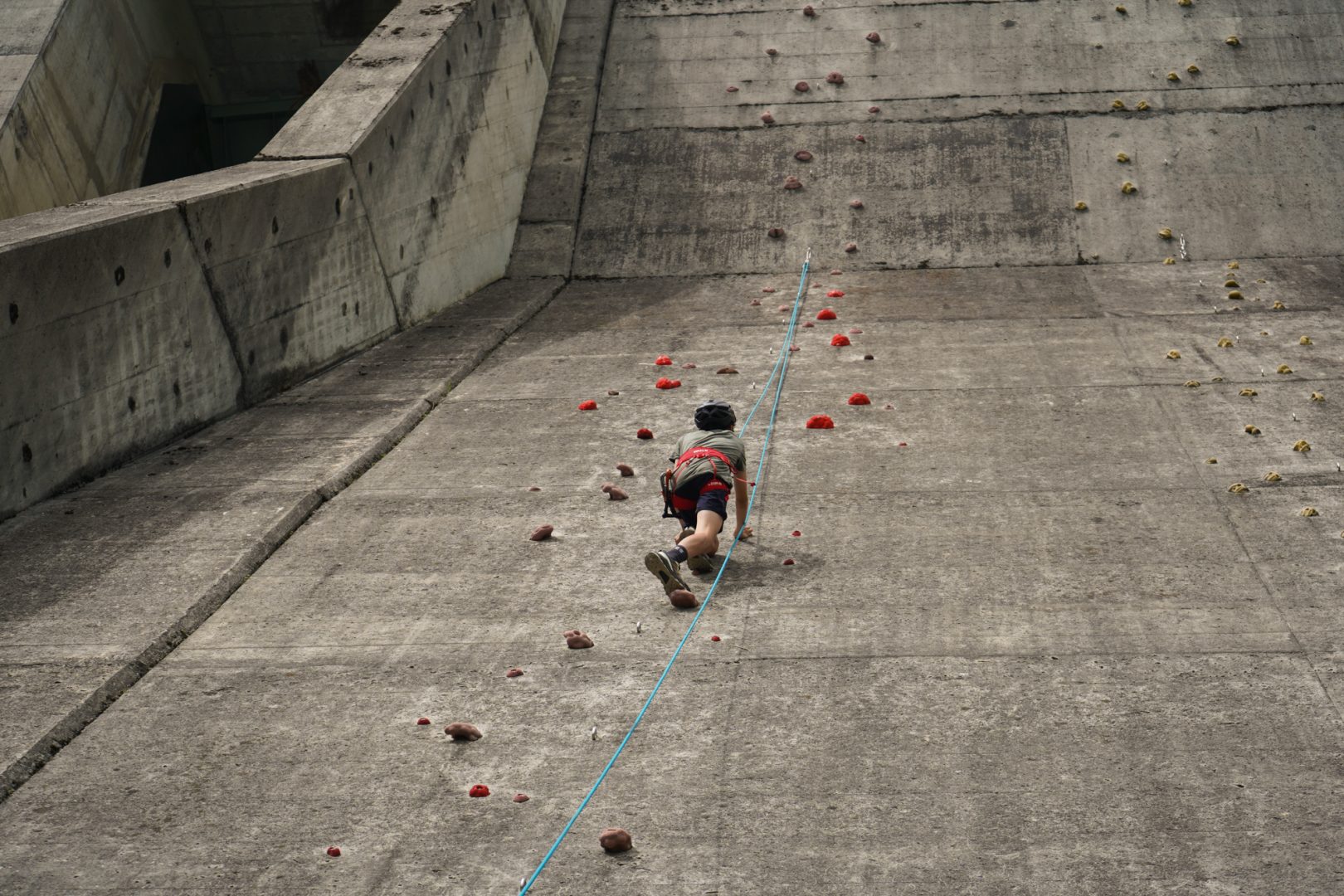
- Low- and high-ropes courses for progressive challenge and trust-building.
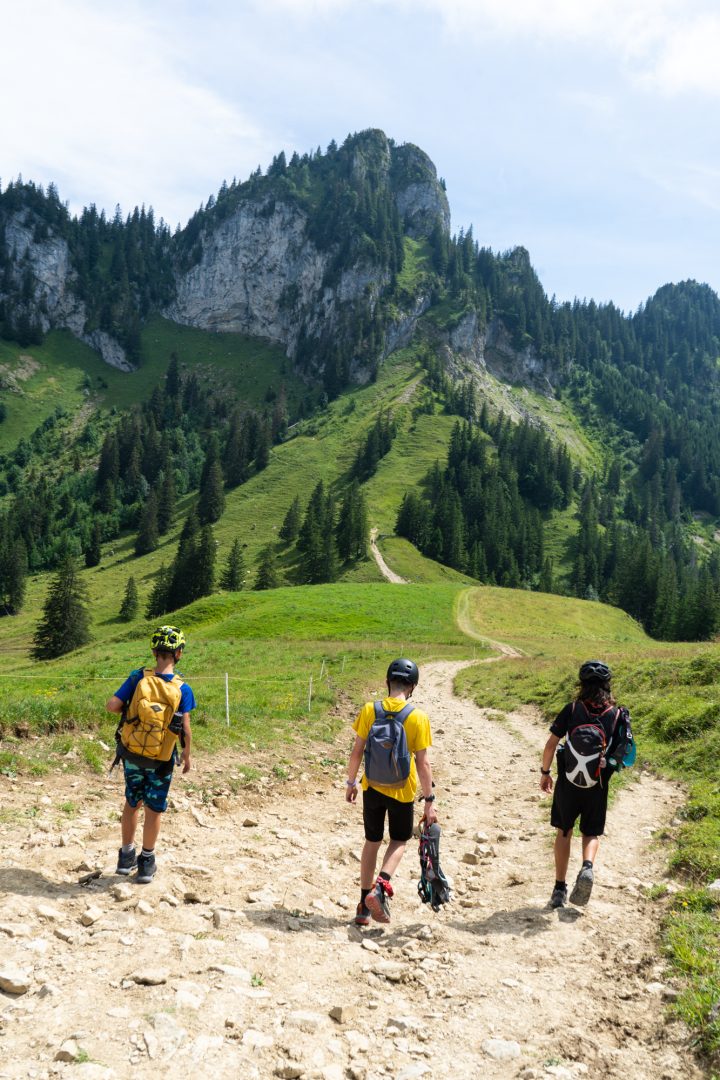
- Wilderness expeditions and overnight camping for extended immersion and autonomy.
- Water skills and expeditions for confidence, safety, and team coordination in aquatic environments.
- Orienteering and navigation practice to develop decision-making and situational awareness.
- Session structures that prioritize repeated practice plus a 30–45 minute debrief to solidify learning.
Learning Cycle
Programs intentionally follow Kolb’s four-stage cycle—from direct experience to reflection, concept formation, and experimentation—to move participants from practice to tested behavioral change. This cycle is embedded in activity design and facilitation prompts.
Outcomes & Measurement
We track outcomes across five domains using validated tools and triangulated metrics to ensure meaningful impact:
- Domains: social, emotional, cognitive, physical, and mental health.
- Measures: validated pre/post instruments, leadership counts, facilitator ratings, and MVPA (moderate-to-vigorous physical activity) minutes.
- Data use: results inform curriculum adjustments, staff training, and program improvement.
Safety & Accountability
Safety is non-negotiable. Our protocols and public accountability measures include:
- Trained staff with role-specific certifications.
- Emergency action plans and visible safety procedures.
- On-site AEDs and certified first-aid personnel.
- Transparent public metrics: incident rate, % staff certified, and parent satisfaction.
Key Takeaways
- ABL is experiential and learner-centered, emphasizing physical challenge plus guided debriefs to convert activity into durable learning.
- The program design follows Kolb’s four-stage cycle to move campers from direct practice to tested behavioral change.
- Core activities include low- and high-ropes, wilderness expeditions, overnight camping, water skills, and orienteering, with session structures that prioritize practice and a 30–45 minute debrief.
- Outcomes are tracked across five domains (social, emotional, cognitive, physical, mental health) using validated pre/post measures, leadership counts, facilitator ratings, and MVPA minutes.
- Safety and accountability are non-negotiable: trained staff, emergency action plans, on-site AEDs, certified first-aid personnel, and public metrics (incident rate, % staff certified, parent satisfaction).
https://youtu.be/y1MtieihXwk
What Is Adventure-Based Learning?
We, at the young explorers club, define adventure-based learning (ABL) as experiential, learner-centered programming that uses challenge, managed risk, and outdoor activities to teach transferable skills like leadership, problem-solving, teamwork, and outdoor education. Our approach centers physical challenge plus structured reflection, not lecture-only instruction.
Kolb’s Experiential Learning Cycle frames our design: we move learners through Concrete Experience → Reflective Observation → Abstract Conceptualization → Active Experimentation (Kolb, 1984). I use that four-stage loop to help campers turn single activities into durable learning. Sessions guide campers through direct practice, guided debriefs, principle-building, and a second trial to test new strategies.
We expect a range of program types: low-ropes and high-ropes elements, wilderness expeditions, overnight camping, water-based skills, and orienteering. Each activity emphasizes action first and sense-making second, which contrasts with classroom-only instruction that often stays cognitive. I recommend a one-page flowchart for each core activity so instructors and parents see the learning path at a glance. Learn more about our emphasis on outdoor learning and why it matters.
Sample low-ropes flow (mapped to Kolb)
-
Concrete Experience: Team completes a balance traverse or trust fall under instructor supervision.
-
Reflective Observation: Facilitated debrief where campers share what happened, emotions felt, and where breakdowns occurred.
-
Abstract Conceptualization: Group identifies takeaways (e.g., “clear communication speeds success”; “role clarity reduces conflict”).
-
Active Experimentation: Team adopts a new communication pattern and re-runs the element to test the idea.
I track measurable outcomes across five domains: social (teamwork, communication), emotional (self-efficacy, resilience), cognitive (problem solving, executive function), physical (minutes of MVPA), and mental health (perceived stress).
Practical measures include:
- pre/post validated scales
- counts of leadership opportunities
- facilitator-rated executive behaviors
- wearable or observational MVPA minutes
WHO recommends 60 minutes of moderate-to-vigorous activity per day for ages 5–17; a typical camp day (40-minute morning hike + 30-minute afternoon games) exceeds that.
Research consensus shows small-to-moderate effect sizes for outcomes like self-esteem, social skills, and leadership (Cohen’s d ≈ 0.2–0.6). Studies include randomized and quasi-experimental pre/post designs and longitudinal follow-ups, though limitations exist: small samples, heterogeneous programs, and short follow-ups.
In practice I build program logistics around safety and measurement. Typical session structures include:
- warm-up and goal-setting
- 2–3 hours of skills and challenges
- 30–45 minute debrief
- free-play
Safety essentials include staff training, standard emergency action plans, on-site AEDs, and certified first-aid personnel as non-negotiable requirements.
I report public metrics such as:
- incident rate per 1,000 camper-days
- % staff certified
- parent satisfaction targets (≥85%)

Sources
World Health Organization — Global recommendations on physical activity for health
World Health Organization — Adolescent mental health (fact sheet)
American Camp Association — Camp Outcomes
Outdoor Industry Association — 2022 Outdoor Participation Report
David A. Kolb / Learning From Experience — The Experiential Learning Cycle
Journal of Experiential Education — Journal of Experiential Education (journal homepage)
Children & Nature Network — Research & Evidence on Children and Nature
American Red Cross — First Aid / CPR / AED courses
NOLS Wilderness Medicine — Wilderness First Responder (WFR) course