
Overnight Summer Camp In Switzerland: The Residential Experience
Overnight residential summer camps in Switzerland (June–Aug): language immersion, outdoor skills, sports & cultural activities. Book early.
Overnight Residential Summer Camps in Switzerland
We run overnight residential summer camps in Switzerland from June to August. Campers stay on-site for multi-day programs that combine language immersion, outdoor skills, sports and cultural activities. Programs use organised, age-grouped and progressive activity tracks. We recommend families pick session length based on prior experience and goals (1‑week trials up to full-summer immersions). Plan bookings 3–9 months ahead. Confirm staffing, medical protocols, transfer logistics and insurance before enrolment.
Key Takeaways
Session length determines outcomes
1‑night / 1‑week tasters suit first-timers. 2–4 weeks deliver measurable language or technical gains. 6–8+ weeks enable deep immersion and leadership development.
Confirm safety
Ask for staff-to-camper ratios by age, criminal-background checks, and staff certifications (for example WFR, lifeguard, IFMGA). Request written emergency procedures and details on on-site medical care.
Budget expectations
Expect weekly fees of CHF 600–3,000 (CHF 2,000–5,000+ for premium or international packages). Check what’s included, deposit and payment terms, and transfer fees (typically CHF 50–200).
Pick location by program focus
Choose alpine sites for hiking and climbing, lakeside locations for sailing and water skills, and urban centres for arts and cultural immersion. Accommodation and facilities vary by site—confirm dorms vs cabins, dining arrangements and specialised gear availability.
Bring required documents and gear
Prepare printed immunization and medical forms, prescriptions and proof of health/evacuation insurance. Pack layered clothing and sturdy boots. Label all kit and bring Swiss plug adapters. Expect limited electronics on site.
Booking & Pre-enrolment Checklist
- Timing: Book 3–9 months ahead for best availability.
- Staffing & Safety: Request staff ratios, background checks and certification lists.
- Medical: Verify on-site medical staff, medication handling and written emergency plans.
- Transfers: Confirm transport options, pickup/dropoff points and transfer fees.
- Costs & Contracts: Understand what’s included, deposit amounts, cancellation policy and payment schedule.
- Insurance: Ensure adequate health, travel and evacuation coverage for your camper.
Packing & Documents
- Documents: Printed immunization records, medical forms, prescriptions, insurance proof and emergency contact details.
- Clothing: Layered clothing, waterproof shell, warm mid-layers, hats and gloves for alpine evenings.
- Footwear: Sturdy hiking boots plus camp shoes.
- Gear: Reusable water bottle, headlamp, small daypack; check site-specific lists for technical kit.
- Electronics: Expect limited usage—bring chargers and a Swiss plug adapter; label devices.
- Labelling: Clearly label all kit and medication.
If you’d like, I can prepare a tailored checklist and suggested session length based on your child’s age, prior experience and goals—tell me the camper’s age, experience level and desired focus areas.
Quick Essentials: What a Residential Summer Camp in Switzerland Is
We, at the Young Explorers Club, run multi-day overnight residential sessions across Switzerland during the main season (June–August). These programs put campers on-site for nights and days, mixing language immersion, outdoor skills, sports and cultural activities. Families can expect organized supervision, fixed-age groups and progressive activity tracks that build skills over time. For a closer look at daily life, see our Residential camp life overview.
Session lengths and who they’re for
Choose a session based on prior experience, language goals and independence.
- Single-night introductory programs — short exposure for first-timers and anxious campers.
- 1-week tasters — orientation, social trial and an early test of homesickness; good for kids trying overnight camp for the first time.
- 2-week sessions — quick continuity for noticeable comfort and basic skill consolidation.
- 3–4 week immersions — measurable language progress and clear technical or leadership gains.
- 6–8 week full-summer programs — deep immersion, advanced skill development and steady social bonds.
I recommend a 1-week trial if your child is new to overnight stays and a 4-week placement when you want visible language or leadership outcomes.
Age groups, camp sizes and booking rhythm
We group campers roughly by age: 7–10, 11–13 and 14–17 years, with programs adapted to developmental needs. Camp sizes vary: small camps host 20–50 campers, medium camps 50–200, and large camps 200+. Smaller groups give more one-on-one attention; larger camps offer broader activity choices and a livelier social scene. We also weigh the family’s goals: short social exposure favors smaller, intimate settings; intensive language or specialist training often works best in larger programs with dedicated instructors.
We advise parents to plan early because June–August fills quickly. If you want help selecting between options like day vs overnight camps, consult our guide on day vs overnight camps. For practical tips on easing the first trip abroad, see our page on preparing your child.

Costs, Booking Timeline & Travel Logistics
Pricing and what’s included
We, at the Young Explorers Club, structure fees to suit a wide range of families and program levels. Typical weekly rates sit between CHF 600–3,000. For premium or international packages, expect CHF 2,000–5,000+.
Below are the common inclusions and extras to factor into your budget:
- Standard inclusions: accommodation, three meals plus snacks each day, instruction, daily activities, local excursions, and basic equipment hire in many cases.
- Travel-related extras: round-trip travel to/from camp and private transfers (typically CHF 50–200 per transfer).
- Optional or specialist costs: specialist equipment rental, insurance, optional excursions and activities with extra fees.
- Payment terms: deposits usually range from 10–30% of the fee, with the balance due 30–90 days before arrival.
Booking timeline, cancellations and travel logistics
Popular sessions book early; plan to reserve 3–9 months ahead if you want specific dates or cabins. I recommend locking dates with a deposit as soon as your schedule allows. Cancellation policies vary by program, so I advise purchasing travel insurance to protect against last-minute changes.
Major international gateways are Zurich (ZRH), Geneva (GVA) and Basel (BSL). Switzerland’s rail network links those airports to regional hubs; expect transfer times from about 30 up to 180 minutes depending on the camp location. Use these sample itineraries as a guide: Geneva to Montreux/Lake Geneva ≈ 1 hour, Zurich to Interlaken/Bernese Oberland ≈ 2 hours. Camps can arrange airport pickups; ask about shared versus private transfers and confirm pricing in advance.
Passport and visa rules are straightforward for EU/Schengen nationals — no visa required. Non-EU families should check Schengen visa requirements and ensure passports meet validity rules. For practical packing and expectations, see our page on residential camp life and consider reading tips on preparing your child for an overnight stay abroad.
Staffing, Supervision, Safety Ratios & Medical Care
We, at the young explorers club, operate with clear staffing and medical rules so safety never feels optional. I’ll state the ratios, the qualifications I expect, and the emergency procedures I insist camps can demonstrate. You can read more about our daily routines on our residential camp life page.
Staffing, supervision and medical protocols
Below are the standards I require and the documents you should ask any reputable residential camp to produce.
- Staff-to-camper ratios (vary by activity risk)
- Ages 7–10: 1:4–1:6
- Ages 11–14: 1:6–1:10
- Older teens: 1:8–1:12
- Minimum pre-employment screening
- Criminal background checks and references.
- Pre-placement medical checks for roles with physical demands.
- Written verification of youth-work certifications.
- Core staff qualifications to request
- Wilderness First Responder (WFR) for backcountry trips.
- Lifeguard certification or National Lifeguard Service equivalent for water-based activity.
- IFMGA/UIAGM mountain guide for high-alpine work.
- Additional youth-work training and prior camp experience.
- On-site medical care and documentation
- Designated medic or nurse on site during camp sessions.
- Written emergency procedures and clear transfer protocols to the nearest hospital.
- Requirement for completed immunization record and a standard medical form for every camper.
- Strong recommendation for travel and medical insurance for international campers.
- Emergency response specifics I expect camps to confirm
- Clear chain of command for incidents and immediate parent/guardian notification procedures.
- Use of professional mountain rescue services for high-Alps incidents; REGA helicopter mountain rescue (Switzerland) commonly serves that role.
- Documented drill schedules and incident reports retained for review.
- Regulatory and liability items to request
- Proof of compliance with cantonal regulations and Swiss health & safety standards.
- Copy of the camp’s liability insurance and written accident procedures.
- Up-to-date staff-to-camper ratio documentation and personnel qualification files available on request.
I press camps to be transparent and to let parents inspect records before enrollment. If a camp hesitates to show staff certifications, emergency plans, or insurance documents I take that as a red flag and recommend looking elsewhere.

Activities, Programming & Developmental Benefits
We, at the young explorers club, structure residential days to be active, varied and development-focused. Days typically run from 08:00 to 21:30 with 2–4 activity blocks, lunch and rest periods, and an evening program that reinforces teamwork and reflection. Review our description of residential camp life to see a typical day in practice: residential camp life.
I schedule formal lessons alongside plenty of informal practice so skills get reinforced in real situations. Ask camps about the split between instruction and free practice; that mix determines how quickly a child progresses in language or technique. We recommend balancing focused coaching with open-play sessions for faster retention.
Research by the American Camp Association (ACA) documents clear gains in leadership, social skills and self-efficacy from camp participation. I also see social confidence rise within the first one to two weeks, and measurable language or technical skill gains after two to four weeks of concentrated programming. For parents, that timeline helps set realistic expectations and choose program length.
Certifications and awards add structure and motivation. Many residential programs offer:
- Duke of Edinburgh / International Award modules
- National or club sailing certificates
- Lifeguard and water-safety training
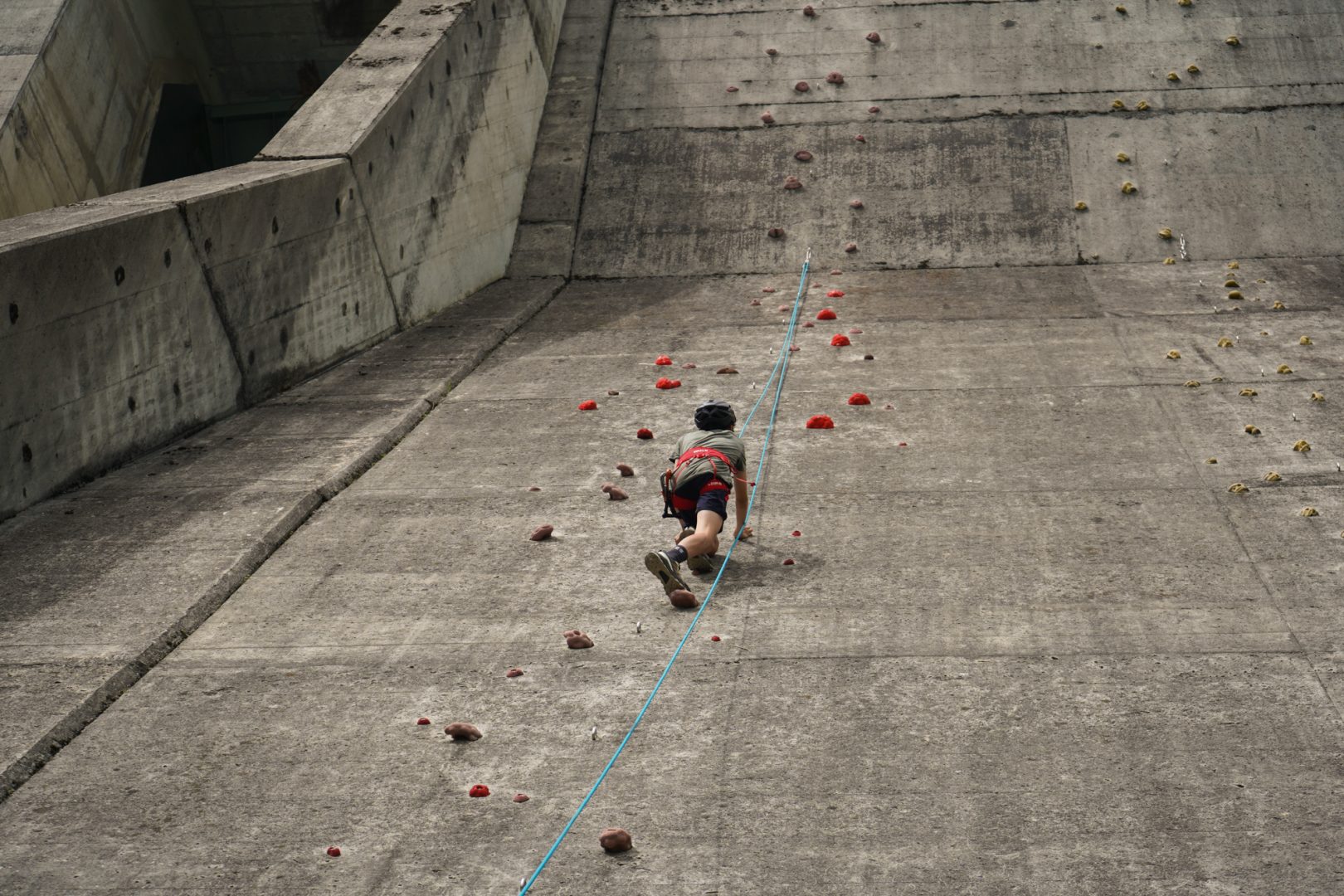
- Progressive climbing instruction taught by certified instructors
I prioritize staff credentials and session goals. Verify that instructors hold relevant certifications for climbing, lifeguarding or sailing. That protects safety and ensures the certification path is meaningful.
Core activities
Below are the activities you’ll commonly find in a Swiss residential program; they blend outdoor challenge, creative expression and language practice:
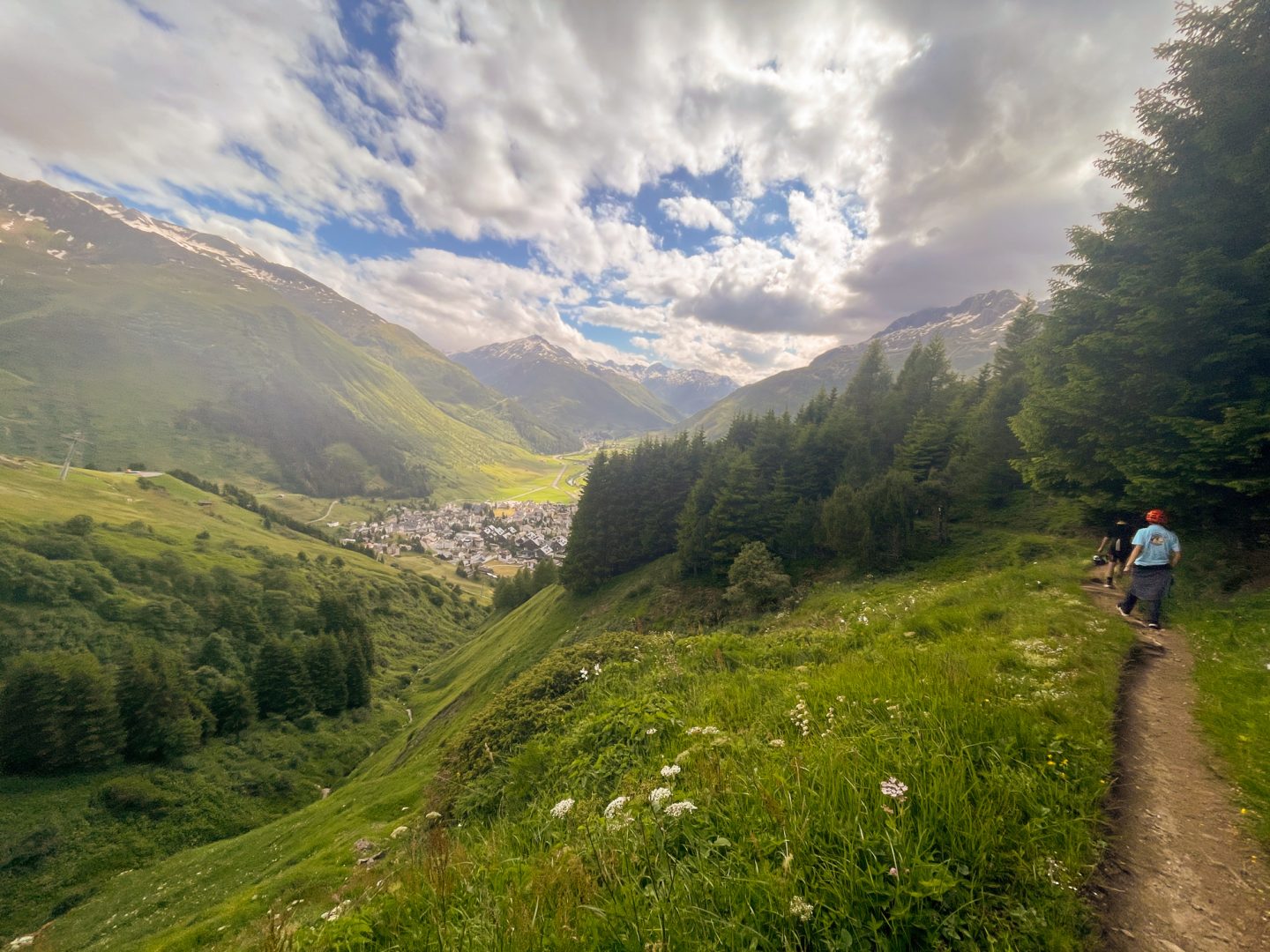
- Hiking / trekking and alpine skills
- Climbing and via ferrata progression
- Mountain biking on trails and technical sessions
- Canoeing, sailing and structured water-safety drills
- Ropes courses and team-challenge initiatives
- Team sports and cooperative games
- Arts, drama and project-based creativity
- Language immersion tracks in English, French, German or Italian
We match language intensity to ability. Beginners get scaffolded lessons plus bilingual cabins; immersion options increase contact hours for fluent or advanced learners. Evening programs double as low-pressure language practice and social bonding, which speeds conversational gains.
I focus program planning on clear developmental outcomes: social skills, leadership, practical outdoors competence and linguistic progress. Parents should ask for daily schedules, instructor qualifications, and how achievement is tracked—progress reports or awards help quantify learning and keep kids motivated. For guidance on emotional preparation and common issues like homesickness, see our resource on homesickness at camp.

Locations, Settings, Accommodation & Facilities
We, at the Young Explorers Club, run residential summer camps across Switzerland’s main regions: Bernese Oberland, Valais, Graubünden, Lake Geneva, Ticino, and the Zurich/Basel areas. Camps sit between roughly 400 and 2,500 m in altitude. Alpine programs commonly occupy 1,000–2,500 m; valley and lakeside sites typically range 400–700 m. Switzerland offers over 1,500 lakes and about 60% mountainous terrain, so the landscape you pick shapes the whole experience.
Locations and how they change the program
Alpine sites focus on hiking, climbing and guided altitude acclimatization. We schedule shorter hikes at first and build up distance and elevation to keep kids safe and confident.
Lakeside camps emphasize sailing, canoeing and water skills. We teach boat safety, introduce basic navigation and run supervised free-swim periods.
Urban and suburban locations concentrate on arts, language immersion and cultural outings. They offer the intensity of city resources without losing the camp rhythm.
Plan by activity, not just scenery. Ask which medical and emergency plans the camp has for altitude, water rescue or urban incidents. We always require documentation of staff certifications and local medical protocols.
Accommodation types, rooming and dining
Below I list the typical housing and what to check before you sign up.
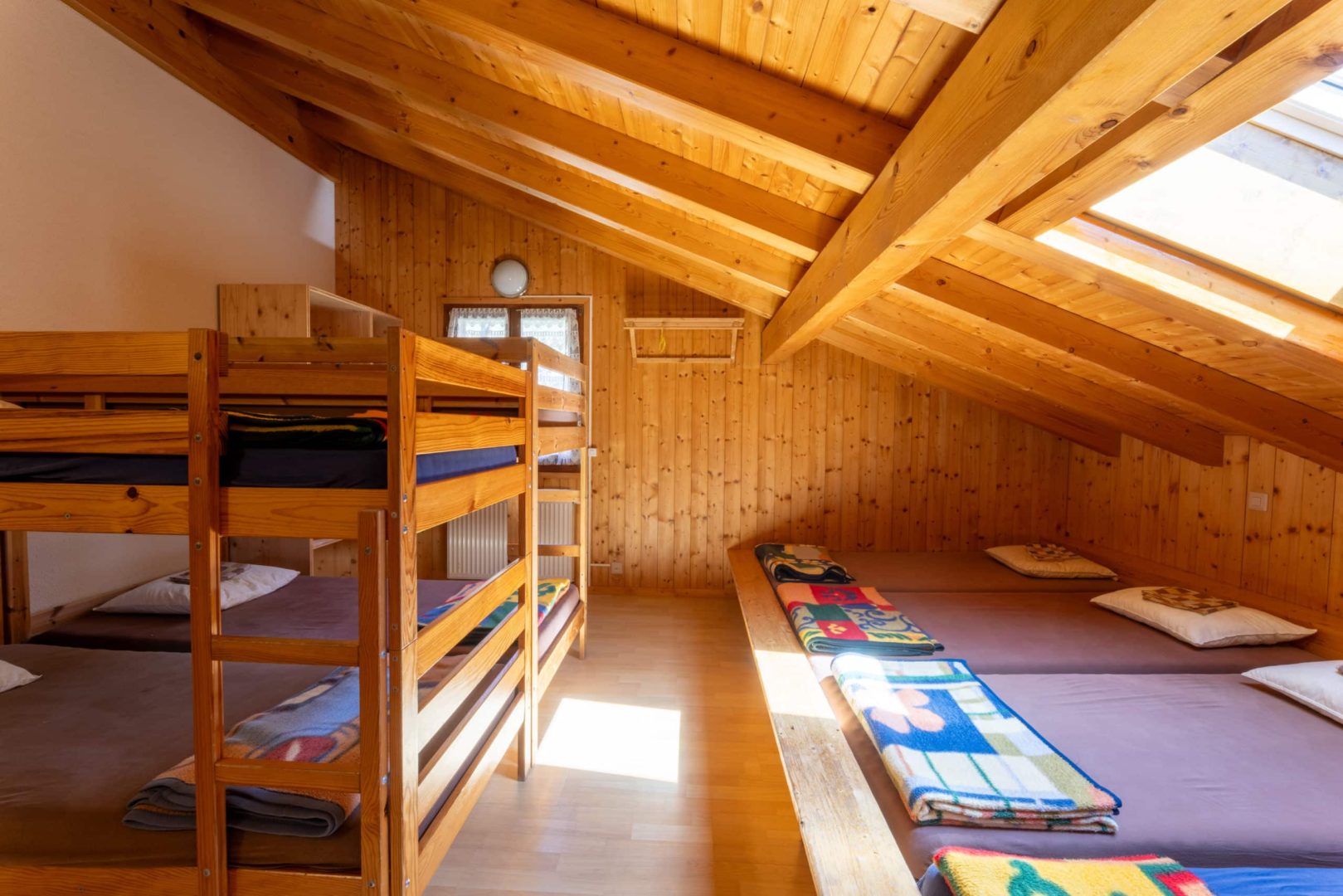
- Wood chalets and converted mountain houses: warm, communal spaces with shared bathrooms. They suit mixed-activity programs at mid-altitude.
- Dormitory-style cabins: common in lakeside and valley camps. They often hold 4–8 campers per room. Single rooms are rare.
- Platform tents and wilderness shelters: used for overnight or backcountry experiences. Expect basic facilities and strict gear lists.
- Purpose-built lodgings and sports centers: these offer larger dining halls, dedicated activity rooms and better bathroom ratios.
You should always ask for these specifics before booking:
- Typical rooming: how many campers per room and how staff are assigned.
- Bathroom ratios and whether bathrooms are ensuite, shared by floor, or centralized.
- Hygiene protocols and food-safety documentation, including kitchen inspection records.
- Allergy and special-diet handling—most camps provide vegetarian, vegan, halal and gluten-free options, but we confirm procedures and cross-contamination safeguards.
Dining at our camps includes three meals plus snacks every day. We balance calories for activity levels and rotate menus to keep variety high. If your child has dietary needs, we request full disclosure during registration and provide written meal plans on request.
We describe daily life and housing details further on our residential camp life page and we offer tips to prepare your child for an overnight experience.

Preparation, Packing, What to Ask & Sample Profiles for Comparison
I’ll cover what to pack, the paperwork to have ready, insurance priorities, practical electronics notes, how Swiss programs compare on cost and value, and the exact administrative questions to pose before you book. We, at the young explorers club, expect families to arrive prepared and confident.
Packing, documents and insurance
Pack for alpine variability: temperatures can swing quickly between 400–2,500 m. Bring layers (base, insulating mid-layer, windproof shell), sturdy hiking boots, a rain jacket, swimwear, sun protection and a small daypack. Wilderness sessions require a warm sleeping bag; label everything. Bring personal medications in original containers with clear instructions and a copy of the prescription.
Note electrical needs: Swiss AC uses Type C and Type J plugs. Pack a small adapter and a compact charger. Expect camps to limit electronics and to set phone-check times; plan for limited screen access and encourage offline activities.
Prepare these documents and copies:
- Printed immunization record and completed medical form (most camps require these).
- Allergy and medication list with administration instructions.
- Health insurance card and a photocopy.
- Parental consent and emergency contact list.
- Travel itinerary and transfer contact numbers for arrivals.
Insurance priorities I recommend:
- Emergency medical insurance that covers treatment abroad.
- Evacuation and repatriation coverage — essential for high-alpine or remote programs.
- Travel interruption/delay coverage for international arrivals.
I’ll also point you to a practical description of typical on-site life if you want a deeper look at daily rhythms: residential camp life.
Checklist & administrative questions (ask these before you pay)
Use the following checklist to verify safety, logistics and value. Ask camps to provide the listed items and answers in writing:
- Session length
- Age range
- Price range
- Staff ratio (specify by age/activity)
- Certifications and staff credentials
- Canton registration/permit numbers and accreditation details
- Written emergency procedures and sample incident reports
- Liability and accident insurance details (policy names/limits)
- Sample menus and allergen handling protocols
- References from the most recent seasons
- Transfer pricing and arrival windows (confirm CHF 50–200 typical fees)
- Sample daily schedule and supervision arrangements for night and activity periods
Also confirm transfer logistics, arrival windows and any extra costs (equipment rental, specialty tuition, exam fees). Ask how they handle homesickness and cabin assignments; for practical tips on that topic see the guide on homesickness prevention.
Cost vs. value: what to expect
Swiss camps often carry a price premium compared with some alternative destinations. That extra cost buys alpine landscapes, mountain-guiding expertise, strict safety and multilingual immersion. You’ll usually get smaller staff ratios for technical programs and access to certified mountain guides. Compare price bands against what’s included: guided climbs, transport, special certifications, and insurance coverages. For international campers, factor in travel and transfer fees plus recommended evacuation cover.
Sample profiles (JSON) for quick comparison
[
  {
    "camp_type": "Lakeside Language Camp",
    "session_length": "1-2 weeks",
    "age_range": "9-14",
    "price_range": "CHF 800-1,800 per week",
    "staff_ratio": "1:8",
    "certifications": "language teachers, basic first aid",
    "sample_daily_schedule": "08:00 breakfast; 09:00-12:00 language lessons; 13:30-17:00 water sports and games; 19:00 evening program",
    "required_equipment": "swimwear, sun protection, light daypack",
    "nearest_transport_hub": "Geneva (GVA) or Lausanne (train)",
    "who_should_choose_this_camp": "Beginner-intermediate language learners who enjoy water-based activities and prefer lower-altitude settings"
  },
  {
    "camp_type": "High-Alpine Adventure Camp",
    "session_length": "2-4 weeks",
    "age_range": "12-17",
    "price_range": "CHF 1,200-3,500 per week",
    "staff_ratio": "1:6 (younger teens) to 1:8 (older teens)",
    "certifications": "IFMGA/UIAGM mountain guides, WFR, advanced first aid",
    "sample_daily_schedule": "07:30 breakfast; 08:30-12:30 alpine skills or guided climbs; 14:00-17:30 navigation / technical workshops; 19:30 group debriefs",
    "required_equipment": "sturdy hiking boots, helmet (if not provided), layers, sleeping bag for overnight treks",
    "nearest_transport_hub": "Zurich (ZRH) or Bern / regional train",
    "who_should_choose_this_camp": "Experienced hikers and teens seeking technical mountain skills, altitude experience, and longer expeditions"
  },
  {
    "camp_type": "Urban Arts & Sports Residential Camp",
    "session_length": "1-3 weeks",
    "age_range": "7-15",
    "price_range": "CHF 600-1,500 per week",
    "staff_ratio": "1:10",
    "certifications": "coaches with youth-work credentials, first aid",
    "sample_daily_schedule": "08:30 breakfast; 09:30-12:30 arts or sports workshops; 14:00-17:00 mixed activities and excursions; 19:00 talent show",
    "required_equipment": "sports shoes, arts kit basics, casual clothes",
    "nearest_transport_hub": "Zurich (ZRH) or Basel (BSL)",
    "who_should_choose_this_camp": "Families wanting a city-based program focused on creative and team-sport development with easier travel logistics"
  }
]
Fields to request from camps (minimum)
Ask every program to confirm: session length, age range, price range, staff ratio and certifications. If a camp won’t provide those, treat that as a warning sign.
Recommended final checklist to hand to parents
- Packing list: layers, boots, rain jacket, swimwear, sleeping bag (if needed), adapter, labeled items
- Printed immunization record and completed medical form
- Photocopy of insurance and emergency evacuation info
- Travel/transfer itinerary and contact numbers
- Confirm canton registration/permit numbers and accreditation details
- Confirm transfer pricing (CHF 50–200) and arrival windows

Sources
Swiss Federal Statistical Office — Languages and religions
Switzerland Tourism — Outdoor & Adventure
American Camp Association — The Value of Camp
International Federation of Mountain Guides Associations (IFMGA) — About IFMGA
Swiss Alpine Club (SAC) — Mountain safety
REGA — Swiss Air-Rescue (REGA)
International Camping Fellowship — International Camping Fellowship (ICF)
Swiss Youth Hostels / Hostelling International Switzerland — Home
Journal of Experiential Education — Journal homepage
Journal of Adventure Education & Outdoor Learning — Journal homepage