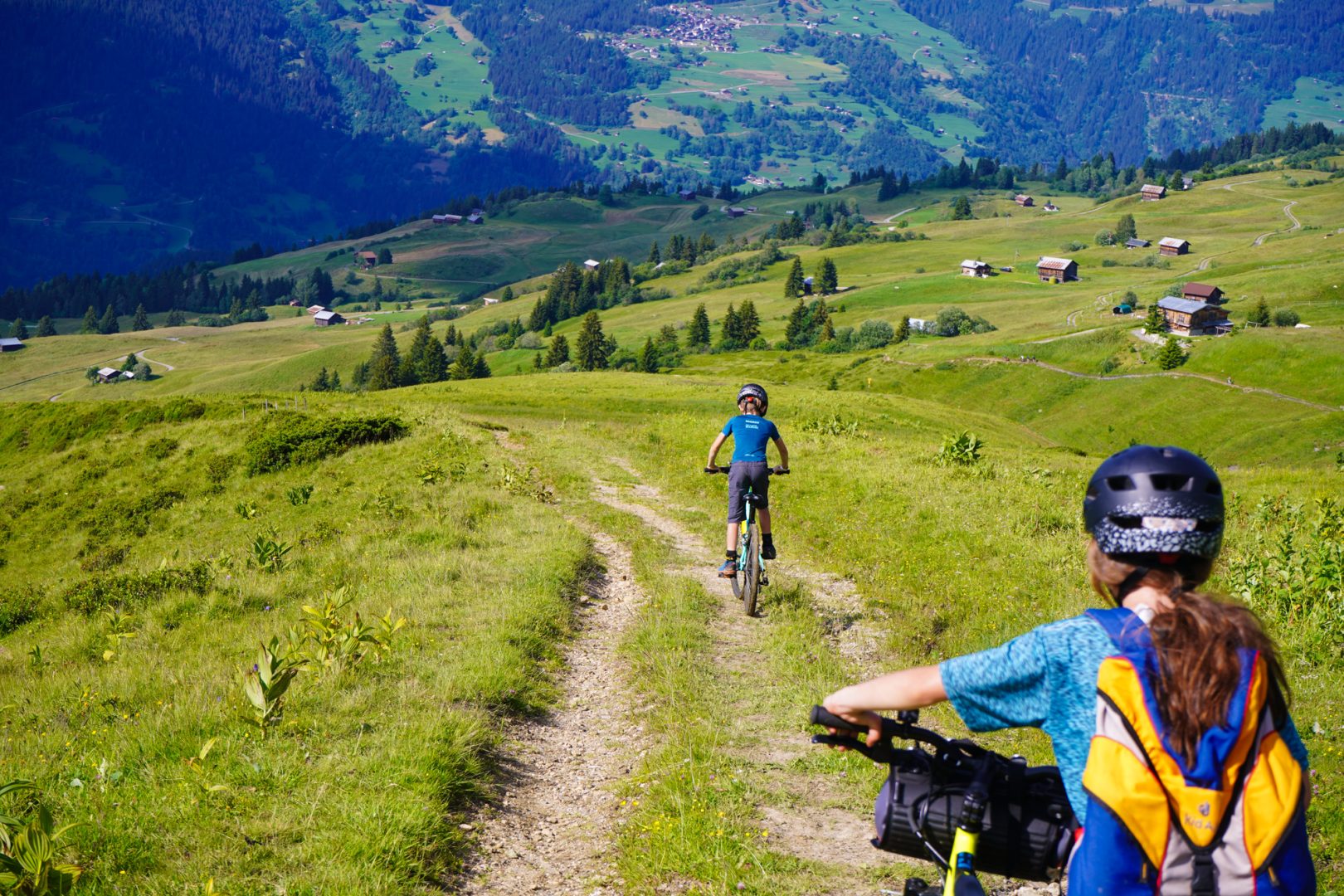
Special Needs Summer Programs In Swiss Alps
Swiss Alps special-needs summer programs: clean mountain air, adaptive outdoor therapy & robust medical support. Compare ratios, book early.
Special Needs Summer Programs in the Swiss Alps
Overview
Special needs summer programs in the Swiss Alps combine clean mountain air, consistent natural sensory settings and graded outdoor therapies. They leverage Switzerland’s established medical and tourism infrastructure to deliver measurable therapeutic benefits and rapid emergency response.
Therapeutic Advantages of the Alpine Setting
The Alpine environment offers several concrete benefits for participants:
- Lower air pollutants compared with many urban areas, which can improve respiratory outcomes.
- Calming sensory cues—consistent natural sounds, vistas and reduced sensory clutter that support regulation.
- Varied elevations and terrain for tailored outdoor therapy and graded physical challenges.
- Proximity to Swiss medical facilities and reliable transport networks for fast escalation when needed.
What Families and Providers Should Compare
When evaluating programs, request and compare concrete metrics so choices are evidence-based and safety-focused.
- Accepted diagnoses and age ranges.
- Staff:participant ratios broken down by dependency level (independent, assisted, high-dependency).
- Therapist hours per week and types of therapy offered (OT, PT, speech, behavioral).
- On-site medical capabilities including nurse presence and medical staffing model.
- Equipment specifications (hoists, accessible beds, oxygen delivery, ventilator compatibility).
- Documented transfer times to the nearest hospital and the program’s emergency protocols.
Medical and Emergency Verification
Verify medical provisions in writing. Key items to confirm include:
- Nurse presence and nurse:participant ratios.
- Availability of oxygen and ventilator support if needed.
- Nearest hospital and expected transfer times under typical and adverse conditions.
- Written emergency plans, sample incident reports or references from prior medical transfers.
Program Types and Matching Needs
Match the program type to the participant’s needs and the accommodation’s accessibility:
- Day programs for local or commuting participants with lower dependency.
- Residential programs for multi-week stays requiring overnight care.
- Respite programs for short-term caregiver relief.
- Intensive therapy blocks that prioritize therapist hours and measurable goals.
- Adaptive sports, hydrotherapy and equine therapy depending on therapeutic goals and available facilities.
Timing, Booking and Logistics
Plan early and allow time for medical clearance and logistics. Typical timelines:
- Start research: 6–12 months before the intended attendance season.
- Book: 3–6 months before peak season to secure space and staffing.
- Complete medical clearance and paperwork: allow 3–12 months depending on complexity of needs and documentation from specialists.
Practical Requests to Make to Programs
Ask programs to provide documentation so you can confirm accessibility and safety:
- Staff qualifications and relevant certificates (first aid, advanced life support).
- Photos and spec sheets of accommodation, bathrooms, hoists and therapy spaces.
- Sample schedules showing therapy blocks, free-time structure and supervision levels.
- References or testimonials from families with similar needs.
Key Takeaways
- The Alpine setting offers measurable therapeutic advantages (air quality, calming sensory cues, elevation options).
- Compare programs using explicit criteria: age range, diagnoses accepted, medical intake, staffing ratios, therapist hours and equipment lists.
- Verify medical and emergency provisions in writing: nurse presence, oxygen/ventilator availability, nearest hospital and transfer times.
- Match program type to needs—day, residential, respite, intensive therapy, adaptive sports, hydrotherapy or equine therapy—based on dependency and accommodation.
- Start research 6–12 months ahead and book 3–6 months before peak season; request staff qualifications, photos/spec sheets and sample schedules to confirm accessibility and safety.
Why the Swiss Alps are ideal for special needs summer programs
WHO estimates about 15% of the global population has a disability, and UNICEF reports at least 1 in 10 children worldwide live with disabilities. We use those figures to frame why specialised summer programs are in growing demand.
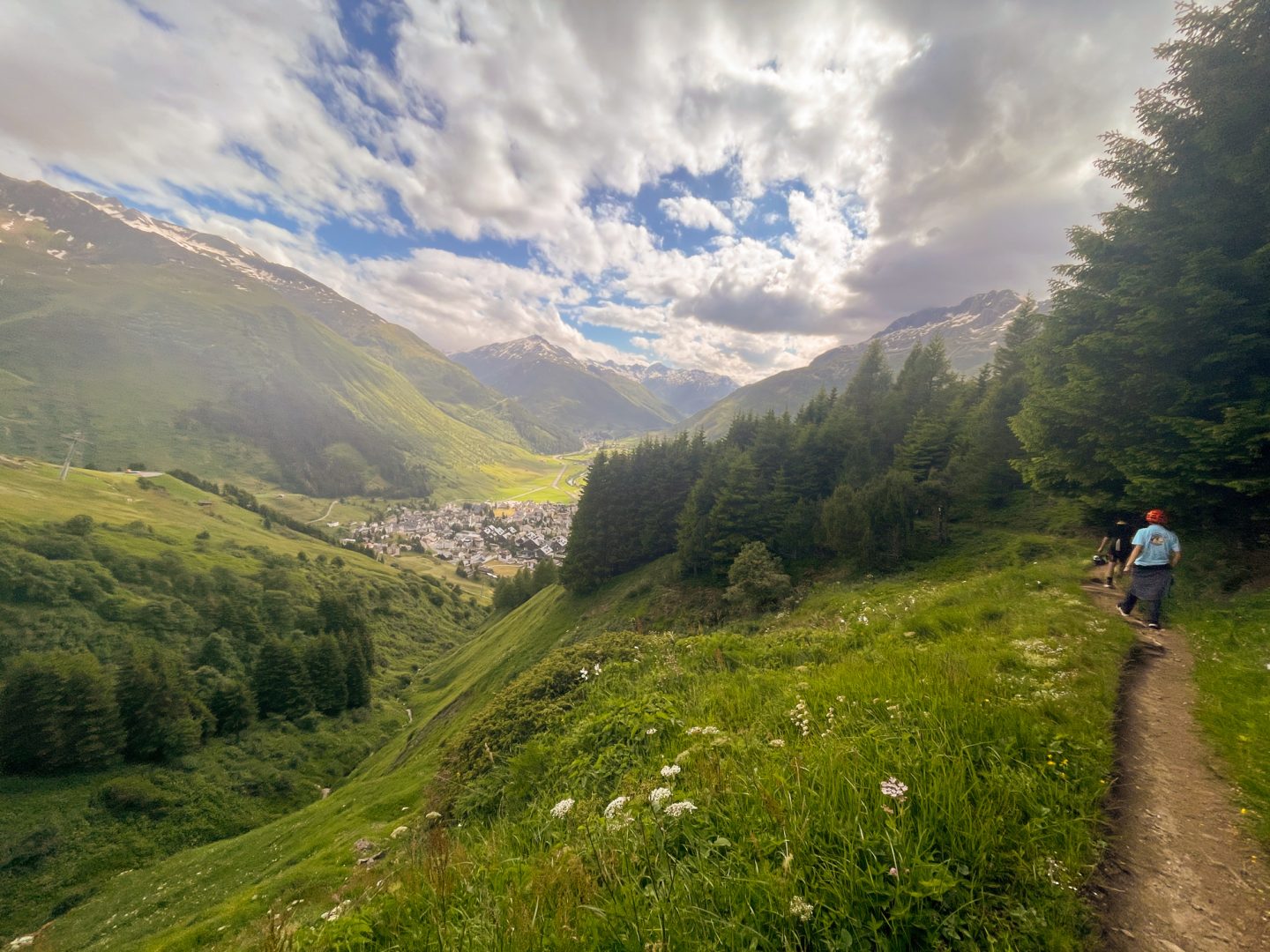
Switzerland has roughly 8.7 million people, and the Alps cover about 60% of the country. Dufourspitze rises to 4,634 m, giving camps immediate access to varied elevations and microclimates. We, at the young explorers club, pick locations that leverage that geography for therapeutic gain.
Therapeutic and practical advantages
Below are the core reasons the Alps work so well for special needs programming:
- Clean mountain air that reduces pollutants and can ease respiratory and sensory symptoms.
- Natural sensory environments with predictable, calming stimuli—streams, meadows, and conifer forests—that support regulation.
- Accessible outdoor-therapy options: graded hikes, alpine trails with handrails, gentle slope activities and nature-based occupational therapy.
- Strong rehabilitation resources and expertise, exemplified by the Swiss Paraplegic Centre — Nottwil.
- A mature medical and tourism infrastructure that means trained staff, rapid emergency response, and accessible accommodations.
Operational considerations for program leaders
We design programs around safety, accessibility and measurable outcomes. Weather varies quickly at altitude, so we schedule therapeutic sessions by microclimate and keep indoor fallback spaces ready. Transport links are excellent; mountain villages connect by rail and road to major hospitals and air ambulance services. Staff training matters: we certify instructors in adaptive outdoor skills and maintain low camper-to-staff ratios. Adaptive equipment is available locally or shipped in advance, reducing logistical friction.
We also point families toward resources that explain why the destination works for special needs children; see our guide on the safest destination for practical assurance and planning tips.

Program types, target groups and how to compare offerings
I outline the common program types you’ll find in the Swiss Alps and what each actually delivers. Options include a range of models with different staffing, clinical intensity and logistics — so always check program descriptions for exact limits and offerings.
- Day camp — single-day or multi-day daytime activities, lower accommodation needs, variable therapy input.
- Residential camp — overnight stays with full-board, higher logistical/medical requirements and onsite accommodation accessibility.
- Family respite weeks — whole-family support and breaks, often lower participant intensity but broader support services.
- Intensive therapy weeks (physio/OT/speech) — high clinical intensity focused on therapy hours rather than broad activity programming.
- Inclusive mainstream summer schools with specialist support — mainstream activities plus targeted specialist staff or aides.
- Targeted-skill programs (social skills, independence) — short, focused curricula with measurable skill goals.
- Adaptive sports camps (hiking, cycling, skiing/summer slope activities) — sport-specific equipment and trained instructors.
- Equine therapy — horse-based interventions, requires equine-specific risk management and accessibility for mounting/dismounting.
- Aquatic/hydrotherapy — pool-based therapy with specific water-access equipment and lifeguard/therapist staffing.
Suitability by target group: match needs to programs rather than relying on vague statements.
- Physical disabilities (spinal cord injury, cerebral palsy): need ramps, hoists, trained carers and explicit equipment capacities.
- Sensory impairments (visual/hearing): require communication plans and sensory-adapted activity options.
- Neurodevelopmental conditions (autism spectrum disorder, ADHD): benefit from clear routines and trained behavioural staff.
- Learning differences (dyslexia): benefit from small-group academic supports and specialist tutors.
- Complex medical needs (ventilator, gastrostomy): demand on-site medical staff, documented emergency plans and clear escalation pathways.
Providers must explicitly state suitability for each diagnosis and dependency level; vague promises are insufficient.
Essential comparison fields (request these for every program)
Below are the exact fields I require from every provider before recommending a placement:
- Age range
- Diagnoses accepted (be explicit by condition)
- Medical-intake requirements (forms, GP/specialist letters, timelines)
- Staff-to-participant ratio by dependency level (state ratios for high, moderate and mild needs)
- Therapist hours per participant per week (therapist hours/week)
- Medical staff on-site (yes/no + qualifications)
- 24/7 emergency plan details (transport, nearest hospital, duty rota)
- Equipment list with capacities (hoists, commodes, wheelchair sizes)
- Accessibility features (door widths, roll-in showers, ramp gradients)
- Cost per week (breakdown: tuition, accommodation, therapy, equipment hire)
- Sample daily schedule (activity timings, therapy blocks, quiet time)
- Max participants per session
I expect providers to show how staff ratios change by dependency level and to place those numbers side-by-side. Use the following staff-to-participant ratio guidance as a benchmark:
- High-dependency: 1:1 to 1:3
- Moderate needs: 1:3 to 1:6
- Mild support / inclusive groups: 1:6 to 1:10
If a program lists only a single ratio without qualifiers, I flag that as insufficient information.
When comparing, focus on concrete capacity data: max participants per session, exact staff:participant ratio (e.g., 1:1; 1:3; 1:6), and therapist hours/week. Ask for photographed accessibility features or an interactive video walkthrough if you need proof. Always ask providers how they manage sudden changes in dependency — for example, if a camper arrives with increased medical needs mid-session.
Timing and lead times: start to research 6–12 months ahead for international travel and complex needs, and aim to book 3–6 months ahead during peak season. Allow time for medical paperwork: 2–8 weeks depending on complexity and specialist reports. Lead time of 3–6 months is realistic for popular adaptive sports camps and residential offerings.
Search keywords that filter the right models and supports:
- day camp
- residential camp
- respite
- adaptive sports
- hydrotherapy
- equine therapy
- staff:participant ratio (e.g., 1:1; 1:3; 1:6)
- therapist hours/week
- lead time to book 3–6 months
- research 6–12 months ahead
If you need help narrowing choices, we, at the young explorers club, recommend you choose a camp that publishes full comparison fields and sample schedules up front.

Locations, altitude and seasonal considerations for families
We, at the Young Explorers Club, pick Alpine bases with clear trade-offs between accessibility and therapeutic value. Higher sites (Leysin — 1,260 m; Davos — 1,560 m; Zermatt — 1,620 m; Verbier — 1,500 m; Gstaad — 1,050 m) offer cleaner air and quiet exposure therapy opportunities. Lower valley towns like Interlaken (568 m) provide easier emergency access and shorter transfer times.
Altitude affects planning in two concrete ways. First, oxygen partial pressure falls with elevation, so exertion feels harder and recovery can be slower for some children. Second, weather swings at high elevations can shorten outdoor windows; we schedule high-intensity activities for mornings and keep flexible alternatives for afternoons.
Travel and access logistics
Travel and access logistics are straightforward but must be planned. Geneva and Zurich are the primary international gateways. Typical airport-to-resort travel ranges from about 1 to 4 hours depending on transfers. Most resorts link to Switzerland’s rail network, but the final leg often needs a shuttle or mountain railway. Always confirm transfer options with the provider before booking.
Medical guidance and clearance
We require medical clearance for children with respiratory or cardiac conditions at elevations above roughly 1,000–1,200 m. A physician note should specify activity limits and any oxygen requirements. Bring a copy of the child’s emergency action plan and familiar medications in their original containers. For complex needs, choose valley-based programs where road access and hospital transfer times are shorter.
Seasonality and program timing
Seasonality and program timing affect both weather and staffing. The Alpine summer season runs June–September, with July–August delivering the most stable weather and full program rosters. Early June and late September can be cooler and have reduced offerings. We schedule therapeutic sessions and higher-energy adventures for July–August when staff numbers and on-site medical coverage peak.
Accessibility comparison: valley towns versus high-mountain bases
Valley towns like Interlaken mean simpler rail and road transfers, easier ambulance access, and quicker pharmacy runs. High-mountain bases give a quieter environment, stronger immersion in nature therapy, and often better views, but they require extra logistics for medical support and supplies.
Practical altitude and travel comparisons
Below are the typical bases, elevations, nearest rail hubs and estimated airport travel times — use them to match medical needs and travel tolerance before you book.
- Leysin — 1,260 m — Aigle/Lausanne rail hub — 1.5–2.5 hours
- Davos — 1,560 m — Landquart/Davos Platz rail hub — 2.5–3.5 hours
- Zermatt — 1,620 m — Visp rail hub (car-free final approach) — 3–4 hours
- Verbier — 1,500 m — Martigny/Sion rail hub + shuttle — 2–3 hours
- Interlaken — 568 m — Interlaken Ost rail hub — 1–2 hours
- Gstaad — 1,050 m — Montreux/Spiez rail hub — 2–3 hours
Travel-time estimates depend on transfers and traffic; always verify provider transfer arrangements and confirm medical evacuation plans. For a quick read on why Switzerland is a strong choice for families, see our note on safest destination.
https://youtu.be/5n7h0J-X1WI
Medical, therapeutic and accessibility support — concrete checks to request
We require clear, written answers on medical and therapy provision before families commit. Short, verifiable facts reduce risk and simplify decisions. Ask for concise responses you can compare side-by-side.
Confirm these core medical items in writing:
- Whether a nurse is on-site (yes/no)
- The nurse:participant ratio
- Access to 24/7 emergency services
- The nearest hospital or paediatric unit by name and the transfer time in minutes
- Availability of oxygen, suction and ventilator support
- Whether the program accepts tube feeds/ventilators
- Medication administration policies and who administers meds
- The existence of individualized care plans and sample medical record forms
- Request copies of medication logs and consent forms
- Request written emergency transfer protocols and the contact details used for urgent transfers
Therapies and staff credentials matter as much as equipment. Verify which therapies are available — physiotherapy, occupational therapy, speech & language therapy, hydrotherapy, sensory integration therapy and psychiatric/psychological support — and ask for therapist qualifications plus weekly therapy hours per participant. I expect therapists to share their credentials and a brief treatment plan for campers with ongoing needs. For national-level rehabilitation reference, request how the program aligns with standards like those at the Swiss Paraplegic Centre (Nottwil).
Compare programs using quantifiable metrics. Focus on nurse:participant ratio, minutes to A&E, documented oxygen/ventilator availability and whether tube feeding or ventilator-dependent campers are accepted. Collect all answers in writing and include them in your selection comparisons. For guidance on choosing a program that fits medical needs, consult our guide to the best summer camp.
Copy/paste checklist for providers
Use this list to request exact wording from programs; paste the following into an email or form:
- “staff qualifications & licenses”
- “nurse:participant ratio”
- “distance to A&E in minutes”
- “whether the program accepts tube feeds/ventilators”
- “who administers meds”
- “sample medical record forms”
- nurse on-site (yes/no)
- 24/7 emergency plan
- nearest hospital (distance/time)
- availability of oxygen/ventilator support
- written emergency transfer protocols
- individualized care plan examples
We advise keeping replies attached to the camper’s file and scoring each program by those hard numbers.

Activities, adaptations, equipment, accommodation, transport and catering
We plan each activity with clear session lengths, typical group sizes, and dependency staffing so families can request exact provisions before arrival.
Sample adapted activities and staffing
Below are core activities with the session length, group ratio and dependency support we provide or recommend:
- Accessible hikes — Session: 60–120 minutes; Group size: up to 8 with mixed mobility; Staffing: 1 lead guide + 1 support per 3 high-support participants. Ask providers for the percentage and length of wheelchair-suitable trail sections before booking.
- Adaptive cycling (adaptive handcycle, recumbent trike) — Session: 45–60 minutes; Group size: 1:3 for high-support participants; Staffing: 1 cycle instructor + 1 aide for transfers.
- Low-rope course — Session: 30–45 minutes per rotation; Group size: 1:6; Staffing: 1 certified facilitator + 1 spotter for participants with balance needs.
- Rock-climbing with adaptive harnesses — Session: 45–90 minutes; Group size: 1:4; Staffing: 1 lead climber instructor + assistant trained in adaptive harness use.
- Swimming/hydrotherapy — Session: 30–45 minutes; Group size: 1:2 for assisted swimmers; Staffing: 1 lifeguard + 1 therapist or aide; ensure pool hoist availability.
- Equine-assisted therapy — Session: 30–60 minutes; Group size: 1:1 to 1:3 depending on need; Staffing: 1 therapist + 1 groom/handler for transfers.
- Arts & crafts with sensory accommodations — Session: 45 minutes; Group size: 1:6; Staffing: 1 art instructor + 1 sensory support for materials handling.
- Music therapy — Session: 30–45 minutes; Group size: 1:6 or 1:1 for intensive needs; Staffing: 1 certified music therapist.
Equipment, accommodation, transport and catering
We ask programs to supply a verified equipment inventory with spec sheets, photos, maximum weight/load and last inspection dates. Critical items include pool hoist, lifting hoist, accessible minibus, adaptive handcycle, adaptive harnesses, AAC device and a sensory room. We verify hoist certifications, weight limits and staff training in equipment operation before arrival to ensure safety and hoist accessibility.
We request detailed accommodation features: wheelchair-accessible rooms, step-free access, roll-in shower, accessible bathrooms, hoist-accessible bedrooms and clear fire egress plans. The room checklist we ask for includes room dimensions, doorway widths, bathroom fittings, hoist mounting points and confirmation of transfer space.
For transport we confirm an accessible minibus with ramp or lift and trained escorts, plus options to use SBB accessible rail service for longer transfers. We map distance and transfer times between lodging and daily activities and confirm transfer assistance for wheelchairs.
Catering must handle allergies, enteral feeds and modified textures. We require sample menus, food-handling protocols and the kitchen’s medication policy for administering or storing feeds. We also recommend that families review meal plans in advance and that staff can prepare labelled meals and accommodate AAC device cues at dining times.
We direct families to additional camp expectations such as what to expect at a Swiss outdoor camp and to request all spec sheets in writing.
Staffing, safeguarding, costs, funding, emergency planning and legal considerations
Staffing & safeguarding
We, at the Young Explorers Club, require precise staff lists and verifiable qualifications for each cohort. Ask providers to supply exact staff counts by role and CVs or a qualifications list. A clear parent query you can use is: “Please provide copies of staff qualifications, dates of last first-aid certification, and evidence of background checks.”
Request the following roles and verification evidence:
- Program director — CV, licence/registration
- Medical staff (RN/EMT) — licences, clinical hours
- Licensed therapists (OT/physio/speech) — registration and scope
- Special-education teachers — certifications, class ratios
- Support workers and activity specialists — training logs
- Trained volunteers — supervision ratios and background checks
Verify training and safeguarding records, including dates:
- Pediatric first aid & CPR (annual recertification suggested)
- Medication administration certification
- Behaviour support/de-escalation training (refresh every 6–12 months)
- Full background checks and a child protection policy on file
Ask for aggregated safety data and oversight documents: past incident/accident records, complaint summaries, external audits or safety certifications, and written confirmations of staff ratios and medical capabilities.
Costs, funding, emergency planning and legal requirements
Estimates:
- Day programs: CHF 200–1,000 per week
- Residential programs: CHF 1,200–3,500+ per week (depends on medical support and accommodation)
- Deposit commonly: 20–30%
Note: special-equipment rental and extra therapy costs may be billed separately.
Explore funding sources and required documentation:
- Family health insurance, regional disability funds, employer benefits, charitable grants, camp scholarships
- Typical paperwork: care plans and medical letters to support funding applications
Safety, emergency and insurance essentials:
- Require on-site first aid and a written evacuation plan.
- Ask for ambulance transfer time in minutes and the name of the nearest hospital.
- Insist on a written incident reporting policy.
- Recommended insurance terms: international health insurance, emergency evacuation, medical repatriation, and supplemental travel insurance covering pre-existing conditions and medical aids.
Legal and consent checklist:
- Be aware of the Swiss Federal Act on the Elimination of Discrimination against People with Disabilities (BehiG) and local safeguarding/data-protection obligations.
- Obtain parental consent, medical authorization, photographic consent, and behaviour-management agreements.
- International families should check visa and medical-letter requirements.
Verification and timelines:
- Request written confirmations of ambulance/transfer times, costs, staff ratios, and medical capabilities.
Typical planning timelines:
- Research: 6–12 months
- Book: 3–6 months
- Paperwork: medical forms 2–8 weeks; funding or visa paperwork 4–8 weeks
For guidance on selecting an appropriate programme in Switzerland, consult our guide to the best summer camp.
Sources
World Health Organization — World report on disability
UNICEF — Children with disabilities
Swiss Federal Statistical Office (FSO) — Population and households
Swiss Federal Statistical Office (FSO) — Land use and environment
MySwitzerland / Switzerland Tourism — Accessibility in Switzerland
Swiss Paraplegic Centre (Swiss Paraplegic Foundation) — Swiss Paraplegic Centre Nottwil
SBB (Swiss Federal Railways) — Assistance for passengers with reduced mobility
Leysin American School — Leysin American School