Summer Camp In Switzerland For Teenagers: Leadership And Adventure
Teen summer camps in Switzerland: staged alpine leadership & adventure (ages 13-17). Certified staff, evacuation-ready.
Summer camps in Switzerland: overview
Summer camps in Switzerland take advantage of compact geography and strong mountain infrastructure to run progressive leadership and adventure training for teens. Camps use staged elevations—lakeside starts (~370–600 m), alpine bases (1,200–2,200 m), and peaks above 4,000 m)—to support real acclimatization and pressure-tested scenarios. Programs bundle core tracks—outdoor leadership, adventure sports, language and soft-skills immersion—into 1–4 week sessions. Typical participants range from 13 to 17 years old. Camps measure skills with pre- and post-session competency metrics. Certified staff follow defined safety ratios and set clear logistics for accommodation, insurance, and evacuation. We recommend families verify medical and insurance requirements and confirm evacuation coverage before booking.
Program structure
Camps are deliberately staged by elevation to allow progressive training and genuine alpine scenarios. Common arrangements include:
- Lakeside starts at ~370–600 m for orientation, water activities, and initial teamwork exercises.
- Alpine bases at 1,200–2,200 m for multi-day skills blocks, navigation, and technical practice.
- High alpine excursions to peaks above 4,000 m for summit-style leadership challenges (staged to support acclimatization).
Core tracks commonly included: outdoor leadership, adventure sports (climbing, via ferrata, mountain biking, paddling), leadership/soft-skills, and language immersion. Expect roughly 15–25 h/week of formal instruction and 10–20 h/week of supervised activities and practice.
Assessment and outcomes
Many camps use pre- and post-session competency metrics to track progress in technical skills, decision-making, and leadership behaviours. Look for programs that publish sample outcome metrics or provide alumni feedback.
Safety and staffing
Safety standards typically require:
- Certified guides and instructors with appropriate technical qualifications.
- Wilderness First Aid or equivalent medical training for staff.
- Background checks for personnel working with minors.
- Defined staff-to-camper ratios: around 1:6 for high‑risk activities and approximately 1:8–1:12 for moderate activities.
Camps should also provide clear logistics for accommodation, transfers, insurance, and evacuation procedures—including contingency plans and local emergency contacts.
Recommendations for families
Before booking, families should:
- Verify medical and insurance requirements, including routine coverage and any pre-existing-condition policies.
- Confirm evacuation coverage; we recommend coverage of at least CHF 100,000 for helicopter or high‑alpine rescue when applicable.
- Request detailed information on accommodation, transfers, staff credentials, and emergency and evacuation plans.
- Choose programs that demonstrate transparency—itemized pricing, stated accreditation or standards, and recent references or alumni reviews.
Key Takeaways
- Switzerland’s elevation variety and dense transport network let camps stage training and offer authentic high‑alpine leadership scenarios.
- Core program tracks include outdoor leadership, adventure sports, leadership/soft‑skills, and language immersion; expect 15–25 h/week of instruction and 10–20 h/week of activities.
- Safety standards require certified guides, Wilderness First Aid training, background checks, and staff-to-camper ratios near 1:6 for high‑risk and 1:8–1:12 for moderate activities.
- Families should confirm medical and insurance requirements (evacuation coverage recommended ≥ CHF 100,000), accommodation and transfers, and clear emergency and evacuation plans.
- Pick programs that show transparency: itemized pricing, stated accreditation or standards, staff credentials, sample outcome metrics, and references from recent alumni.
Overview — Why Switzerland Is Ideal for Teen Leadership and Adventure Camps
At the Young Explorers Club, we choose Switzerland for its compact geography and reliable mountain infrastructure. Our figures show Switzerland covers 41,285 km² and has roughly 8.8 million residents (Swiss Federal Statistical Office). We rely on the fact that about 60% of the country is mountainous and that the Alps reach heights such as Dufourspitze 4,634 m and Matterhorn 4,478 m (Swiss Federal Statistical Office).
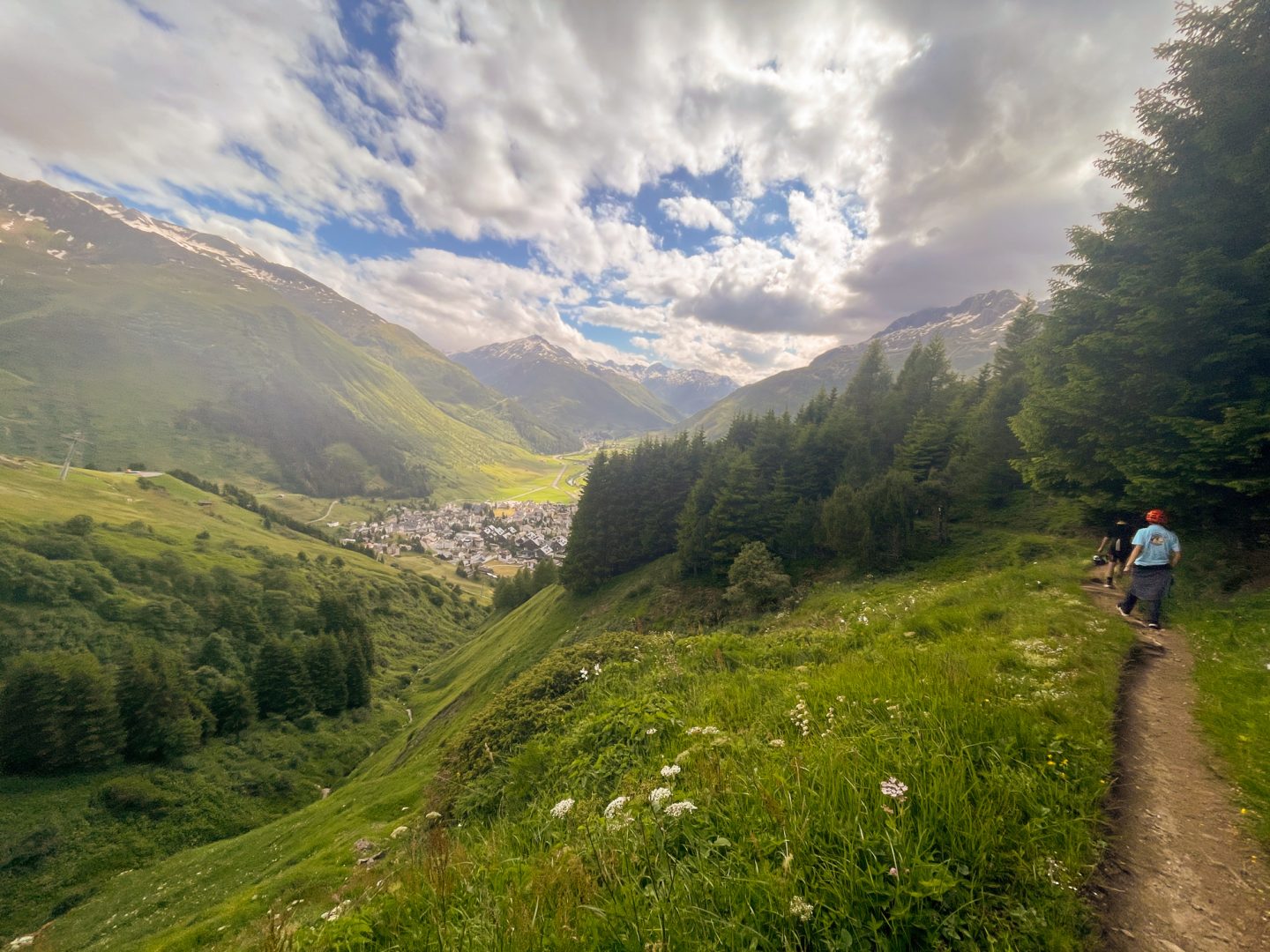
This huge elevation range—from roughly 370 m at lowland lakes to peaks above 4,000 m—gives us clear vertical stages for progressive training. Our programs use lake-side starts (370–600 m) to build fitness and technical foundations before moving to alpine bases commonly between 1,200–2,200 m. We also take advantage of language diversity—German 62.3%, French 22.8%, Italian 8.1%—to combine outdoor skill development with real-world immersion (Swiss Federal Statistical Office).
Our partners and national tourism facts & figures show tens of millions of overnight stays annually, so transport, accommodation and mountain services scale well for international programs (Swiss Federal Statistical Office). We structure leadership curricula around staged acclimatization, multi-day treks, via ferrata progressions and altitude-based risk-management drills to accelerate decision-making, communication and team trust.
Our comparison to flatter countries is simple: fewer sustained elevation gains limit authentic high-alpine treks and altitude-risk scenarios that strengthen leadership under pressure. We encourage families to explore our teen summer camps for program examples and age-specific progression.
Map / region snapshot — core bases we use
- Interlaken — ideal for water-to-mountain transitions and access to classic trekking routes.
- Verbier — high-alpine technical training and glacier-adjacent leadership scenarios.
- Davos — endurance-focused trails, conference-style leadership workshops and logistics capacity.
- Leysin — perfect for beginner-to-intermediate via ferrata and overnight acclimatization.
- Zermatt — Matterhorn approaches, high-altitude decision-making exercises and guiding practice.

Program Types, Curriculum Design and Measurable Leadership Outcomes
We design programs that blend real leadership practice with high-adrenaline adventure. For a full view of options, see our leadership development programs.
Program tracks, weekly model, target ages and credentials
Below we outline core tracks, a model weekly rhythm, target ages, recommended contact hours and common certifications:
-
Core program tracks:
- Outdoor Leadership: navigation, rope skills, risk assessment, group decision-making.
- Adventure Sports: via ferrata, rock climbing, mountain biking, white-water rafting, intro paragliding.
- Leadership & Soft Skills: team-building, public speaking, project planning.
- Language & Cultural Immersion: French, German or Italian integrated into activities.
-
Target ages and sessions:
- Typical ages 13–17 (some providers run 12–18).
- Session lengths 1–4 weeks; 2-week sessions are standard.
-
Recommended weekly contact hours:
- Structured leadership instruction: 15–25 hours/week.
- Supervised adventure activities: 10–20 hours/week.
-
Model weekly breakdown (example):
- Mornings (5 days): 3 hours/day leadership skills labs — navigation, risk assessment, decision drills.
- Afternoons (5 days): 3–4 hours/day adventure rotations — climbing, biking, rafting.
- Evenings (5 nights): 1–1.5 hours/night reflection and presentations.
- Expedition rhythm: one multi-day trek or expedition every 7–10 days.
-
Common credentialing offered (provider-dependent):
- Wilderness First Aid.
- Belay and climbing certifications.
- Activity-specific guide or instructor certifications.
Measurable outcomes approach and reporting etiquette
We measure leadership change with clear pre/post instruments and a 3-month follow-up to assess retention. Start with a baseline survey using Likert items across four competency domains: communication, decision-making, teamwork and resilience. Repeat the same battery at program end and again three months later to track sustained gains.
We recommend these metric fields in every published report:
- Competency score (0–20) per domain.
- Facilitator competency rating.
- Confidence index.
- Skills checklist (navigation, ropework, first aid).
Include mid-session check-ins that combine self-rating and facilitator notes to catch progression early.
Compare expected gains by session length:
- 1-week taster — exposure and baseline shifts in confidence and interest.
- 2-week standard — measurable short-term gains in teamwork and practical skills.
- 3–4 weeks — larger increases in decision-making and resilience with higher retention at three months.
When publishing outcomes, explicitly report sample sizes, cohort dates, methodology and follow-up rates. Share survey instruments and templates as downloadable items alongside sample n and dates so readers can evaluate validity. We also encourage providers to report facilitator training levels and certification rates when listing outcome statistics.

Adventure Activities, Safety Protocols and Staff Qualifications
We run adventure programs across the Swiss Alps that combine leadership training with technical outdoor skills. At the Young Explorers Club, our core activities and their parameters are standardized so parents and participants know what to expect.
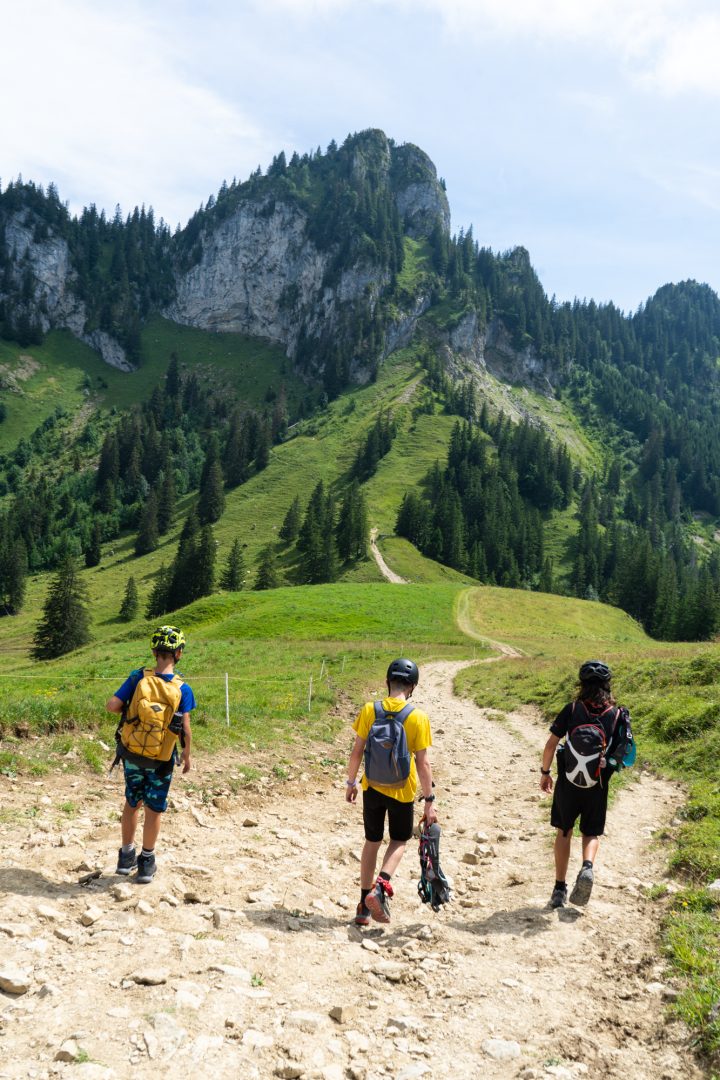
Day hiking is a staple: typical distances run 8–15 km with 300–800 m of ascent and take about 2–6 hours depending on terrain and group pace. Multi-day treks extend this format into 2–4 days with staged overnight bases and lighter day loads to manage fatigue. Via ferrata uses protected climbing routes; we require helmets and full via ferrata kits and only place teens on routes matched to their comfort with exposure. Rock climbing includes top-rope and multi-pitch where appropriate; coaches hold belay and instructor certifications. White-water rafting operates at Grade II–III for teens, usually half- to full-day trips with operator age and weight limits. Paragliding is offered as single tandem introductory flights; flight times commonly run 10–30 minutes and providers set age and weight restrictions.
Typical basecamp altitudes sit between 1,000–2,200 m. Day-hikes from those bases usually last 2–3 hours or cover 8–15 km with 300–800 m elevation gain. Risk control follows clear staff-to-camper ratios: we aim for 1:6 on high-risk activities and 1:8–1:12 for moderate activities, and we adjust ratios for group needs and terrain.
Staff composition blends local Swiss guides and English-speaking counsellors. Every leader carries activity-specific instructor or guide certification and Wilderness First Aid. Background checks and police clearance are mandatory for all staff. I always recommend parents request copies of those documents before arrival.
I verify programs against recognized standards and encourage parents to do the same. Look for accreditation and guidance from the American Camp Association (ACA), OEAP guidance, and Swiss Alpine Club (SAC) alpine safety guidance when assessing program safety and training frameworks.
Activity boxes — what to expect
- Hiking: duration 2–6 hrs; difficulty moderate; required gear: boots, poles, daypack; age limits: generally 13+; participant certifications not required.
- Via ferrata: duration 3–5 hrs; difficulty moderate–strenuous; gear: harness, via ferrata lanyard, helmet; participant need: comfortable with exposure; staff: via ferrata experience/cert.
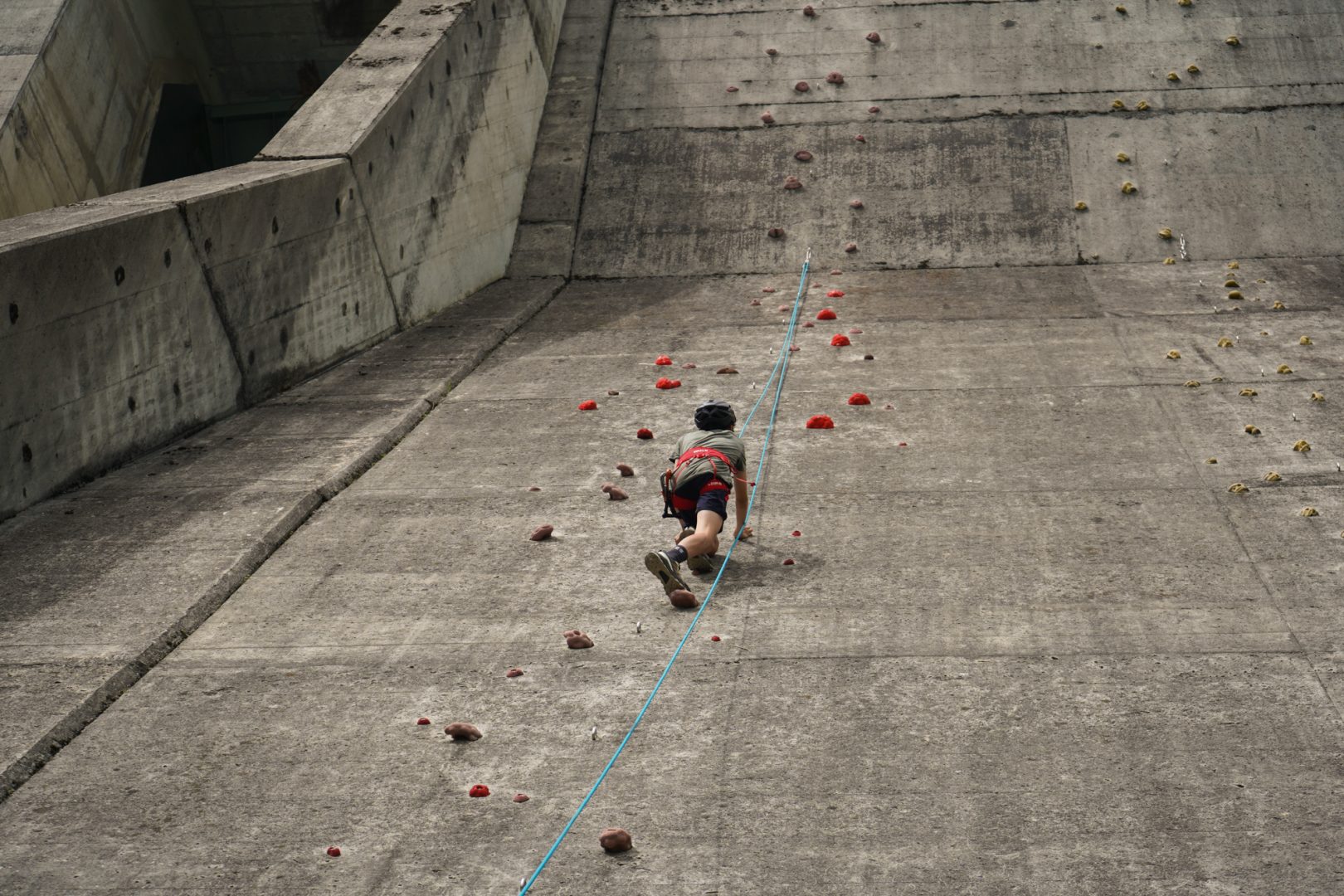
- Climbing: duration 3–4 hrs; difficulty varies by route; gear: helmet, harness, climbing shoes (rentals often available); staff: belay/instructor cert.
- Rafting (Grade II–III): duration half-day to full-day; difficulty moderate; gear: helmet, PFD; participant age/weight limits set by operator.
- Paragliding tandem: flight 10–30 mins; difficulty minimal for passengers; weight/age limits vary; medical exemptions sometimes possible.
Parents should verify staff credentials before booking. Ask for copies of:
- Wilderness First Aid certificates
- Guide/instructor qualifications
- Background checks / police clearance
- Staff CVs and references
- Evidence of accreditation such as ACA, OEAP, or SAC acknowledgement
Emergency response and evacuation plans must be published and clear. Camps should list on-site first aid capabilities, the nearest hospital, and typical evacuation timelines (mountain medevac commonly expected within 30–90 minutes depending on location; ground evacuation typically 30–120 minutes). Ensure radio/phone backups are in place. We provide named emergency contacts and a sample incident-reporting protocol on request. Please confirm these items and ask to review a recent incident-report form before you commit.
For full program listings and age-specific details, see our teen summer camps.

Logistics: Accommodation, Meals, Health, Insurance and Travel
Accommodation, meals, medical, insurance and travel logistics
We, at the young explorers club, set clear options for accommodation so families know what to expect. We offer chalet dorms and school-campus multi-bed rooms for group bonding. We place campers with vetted local families for homestays when language immersion is the goal. We also provide mixed dorms and private-room options for teens who need extra privacy. We publish homestay vetting procedures and kitchen/food-safety certifications so parents can check standards before booking.
We serve three meals a day plus snacks and emphasize locally sourced Swiss menus where possible. We can accommodate vegetarian, vegan and most allergy needs if you inform us well before arrival. We require dietary requests on registration forms so our kitchen team can plan safely.
We require medical insurance for every camper. We recommend evacuation and medical coverage of at least CHF 100,000 and advise families to carry policy documentation. We list the nearest emergency hospitals and typical transfer times for each base (commonly 30–120 minutes) and we include that information in pre-departure materials. We notify parents which hospital we use for a given region and how long typical transfers take.
We collect routine vaccine records and provider-specific health forms during registration. We require chronic-condition declarations, written medication plans and allergy action plans where relevant. We perform arrival medical checks as part of Day 1 procedures and store confidential medical notes with our medical lead.
We use Zurich (ZRH), Geneva (GVA) and Basel (BSL) as main arrival airports for most programs. We advise typical train times (approximate): Zurich–Interlaken ≈ 2–2.5 hours, Geneva–Verbier ≈ 1.5–2 hours; actual times depend on schedules and transfers. We run scheduled transfer windows and supervised arrival/departure services, and we can issue invitation letters to support Schengen visa applications for non-EU/EEA campers.
We recommend an arrival buffer day for rest and acclimation. Our typical travel timeline follows this flow:
- Arrival day — arrive at the airport by midday and join a scheduled transfer window mid-afternoon to early evening.
- Day 1 — orientation, medical checks and kit issue.
- Day 2 — full program begins.
- Departure day — morning check-out and scheduled transfers to airports.
We publish sample timelines so families can plan flights and connections.
We set indicative transfer fees so families can budget: group transfers commonly run CHF 60–150 each way depending on distance; private transfers are priced higher. We confirm exact fees with registration and provide payment options.
We post clear pre-arrival instructions and can advise on train bookings, Swiss rail cards and local transport. For full program details and schedules, see our teen summer camps for Switzerland.
Packing and medical checklist
Pack the essentials below; we check these on arrival.
- Clothing: base layers, insulating mid-layer, waterproof shell, hiking boots and several spare socks.
- Gear: daypack, refillable water bottle, headlamp and personal toiletries.
- Medical: copy of prescription medications, written medication plan, allergy action plan and vaccination record.
- Documents: passport, travel insurance policy showing evacuation coverage ≥ CHF 100,000, signed parental consent form and completed health form.
- Optional rentals: climbing shoes, helmet and sleeping bag for multi-day treks (we can arrange rentals on request).
We advise parents to scan key documents and email them ahead of travel and to label all gear. We collect medication on arrival when a written plan is provided and we store medications securely with supervision during activities.

Costs, Scholarships and Typical Pricing
Figures are indicative as of June 2026: weekly tuition commonly ranges CHF 1,200–5,000 and multi-week packages tend to be CHF 4,000–12,000. Verify current rates with each provider before booking.
We break down what usually drives those numbers so you can compare offers quickly. Program length, accommodation type, staff-to-student ratio, included certifications, seasonality and whether meals, transfers or private instruction are part of the package all push price up or down. Expect extra line-item charges for travel to/from the airport, travel insurance and evacuation coverage, special equipment rental, optional excursions, and any visa-support fees.
Many international programs provide limited scholarships and discounts. Typical reductions include early-bird discounts of about 5–15% and sibling discounts around 5–10%. Scholarships are often competitive and capped; apply early and request written eligibility criteria. We recommend asking about payment plans, deadlines, and whether discounts stack.
Transparency matters. Always get these items in writing: cancellation policy, deposit amount, refund timeline, exactly what the deposit secures, and the process for last-minute withdrawals. If a camp promises “insurance,” ask for the policy name and coverage limits. If certification is included, confirm the certifying body and any extra exam fees.
Sample packages and a parent checklist
Below are typical package tiers programs sell and the items parents should confirm in writing.
- Basic: course tuition, shared dorm accommodation, three meals per day, group transfers during designated windows; standard equipment rentals usually excluded.
- Standard: tuition, shared dorm, three meals plus snacks, group transfers, basic equipment rental included, one optional excursion included.
- Premium: tuition, private or small-room accommodation, three meals with special dietary accommodation, private transfers, full equipment supplied, additional excursions and certification fees included.
Ask providers to confirm these details before you pay. The checklist I always use includes:
- Are airport transfers included, and are they permitted only during set arrival windows?
- Are meals included, and will special diets be accommodated without surcharge?
- Is insurance and full evacuation coverage part of the package, or do we need a separate policy?
- Are equipment rentals included or charged separately, and what condition is the gear in?
- Are certification or course exam fees covered?
- What’s the cancellation and refund policy, and how long until refunds are processed?
- Can you get an itemized written quote showing each cost and any refundable vs non-refundable charges?
For side-by-side program browsing, consult our teen summer camps page to compare specifics and dates. We, at the Young Explorers Club, always tell families to request an itemized contract, verify the dates and inclusions, and confirm any promised discounts in writing before making a deposit.
How to Choose a Program — Checklist, Legal Safeguarding and Quick FAQs
Comparison checklist
Below I list the items you should score and verify before booking. Use a 0–5 score per column and compare up to six camps.
- Age range & session length: confirm ages 13–17 are accepted and check session options (1–4 weeks; 2 weeks is common).
- Price transparency & inclusions: request an itemized list showing exactly what’s included and excluded (transport, meals, equipment, excursions).
- Staff credentials & ratios: verify qualifications and on-paper ratios — 1:6 for high-risk activities; 1:8–1:12 for moderate activities.
- Medical & insurance clarity: require a summary of medical coverage and mandatory travel/medical insurance. Evacuation and medical coverage recommended ≥ CHF 100,000.
- Accreditation / standards followed: confirm adherence to ACA, OEAP or SAC standards and request inspection reports.
- Sustainability & local partnerships: ask for evidence of local provider agreements and written sustainability policies if this matters to your family.
- Verification & references: request recent alumni family contacts and inspection or accreditation reports before you pay.
-
Required documents to request:
- Parental consent form
- Safeguarding policy
- Sample staff background-check confirmation
- Insurance policy summary
- Emergency response plan
- Food-safety or homestay vetting evidence
Recommended scoring grid columns:
- Safety & accreditation
- Staff qualifications
- Program quality & curriculum
- Price transparency
- Logistics & medical readiness
- Alumni feedback
Legal, child protection and quick FAQs
We require parental consent forms and a clear safeguarding policy from every provider. Staff must show background checks or police clearance. GDPR compliance should be confirmed for EU/UK families.
What ages are accepted? — Ages 13–17 are typical; confirm any provider-specific exceptions.
What is the staff ratio? — Expect 1:6 for high-risk activities and 1:8–1:12 for moderate programming.
What are the medical and insurance requirements? — Travel and medical insurance is mandatory; health forms and chronic-condition plans must be supplied. Evacuation coverage of at least CHF 100,000 is recommended.
What languages are used at camp? — English is commonly the primary language; regional camps may offer German, French or Italian immersion.
What certifications are provided? — Wilderness First Aid and activity-specific certifications are commonly available, but confirm with each provider.
Practical next steps
- Score three to six options with the grid above before you commit.
- Ask providers to send scanned copies of staff certificates, safeguarding policy and recent accreditation or inspection reports.
- Speak with recent alumni families for on-the-ground feedback.
For program options and dates see teen summer camps and explore our youth leadership program for details on leadership-focused tracks.
Sources
Swiss Federal Statistical Office — Languages in Switzerland
Swiss Federal Statistical Office — Tourism statistics
Switzerland Tourism — Facts & figures
American Camp Association — Standards for camp programs
Outdoor Education Advisers’ Panel — OEAP national guidance
Swiss Alpine Club (SAC) — Swiss Alpine Club
Centers for Disease Control and Prevention (CDC) — Switzerland travel health
SBB CFF FFS — Timetable & travel information