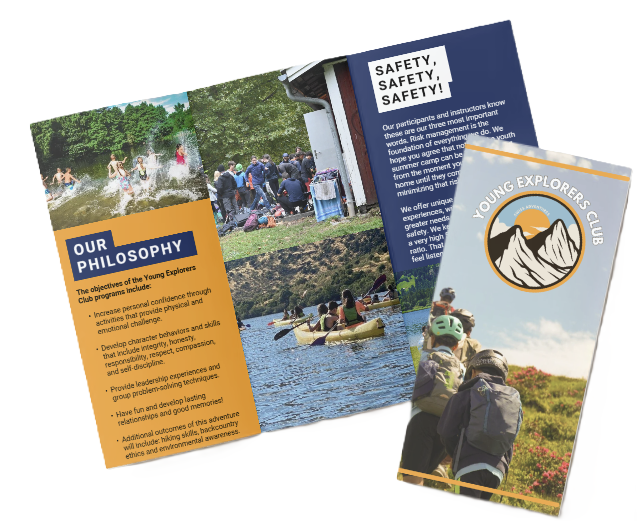
Why Camps Are More Than Just Childcare
Young Explorers Club camps blend SEL, STEM, outdoor play and trained staff for measurable growth, safety, leadership and academic gains.
Camps as Developmental Ecosystems
Camps operate as planned developmental ecosystems. They follow daily schedules, age-appropriate curricula, trained counselors, and both overnight and specialty tracks. These elements intentionally build social-emotional skills, independence, leadership, academic abilities, and physical wellbeing instead of just offering supervision.
Program Design and Outcomes
We’re applying these principles at the Young Explorers Club across our programs. When camps integrate evidence-based social-emotional learning and outdoor practices with project-based STEM and arts, stepwise challenges in small cohorts, and clear safety and training standards, they deliver measurable gains for campers. Families also see economic and workforce benefits.
Key Takeaways
- Camps use deliberate curricula, progressive challenge sequences, and trained staff to drive measurable growth in confidence, skills, and responsibility.
- Integrated social-emotional learning and outdoor practices boost attention, lower stress, and build resilience and self-efficacy.
- Project-based STEM, maker, and arts units prevent the summer slide and strengthen math, reading, and problem-solving through hands-on projects.
- Daily structured and free active play raises cardiovascular fitness, motor skills, sleep quality, and helps prevent obesity.
- High-quality camps put safety first—background checks, certifications, and clear emergency plans. They emphasize inclusion and leadership pathways while offering cost-effective seasonal enrichment for families.
https://youtu.be/qjE–ZZqCws
Camps as Developmental Ecosystems — Not Just Babysitting
We, at the Young Explorers Club, treat camp as a planned developmental environment where growth is the outcome, not an afterthought. The American Camp Association reports over 14 million attendees each year, underscoring that camp is a widespread and influential part of childhood experience (American Camp Association). “Camps are structured learning environments that foster growth and belonging,” — American Camp Association.
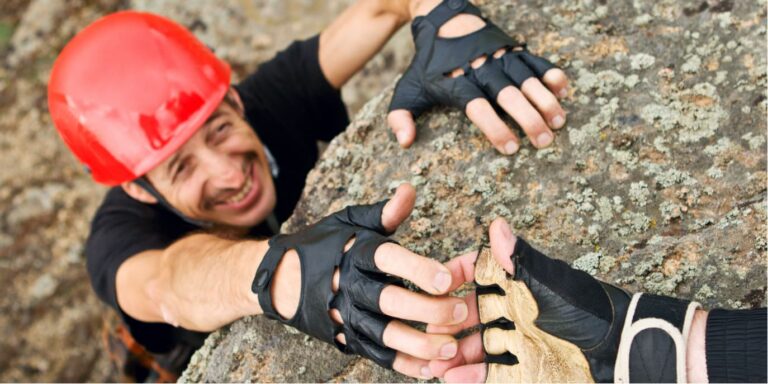
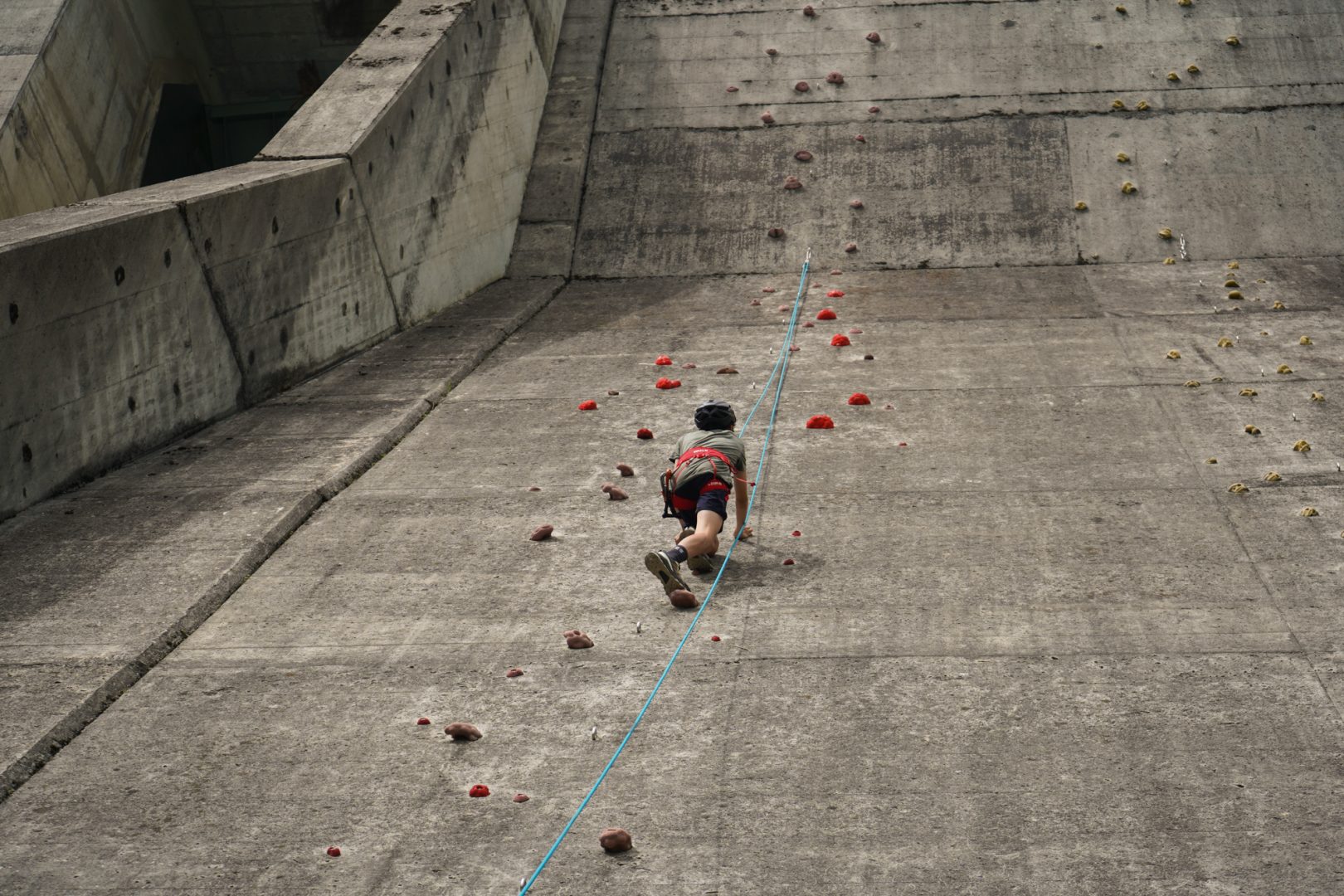
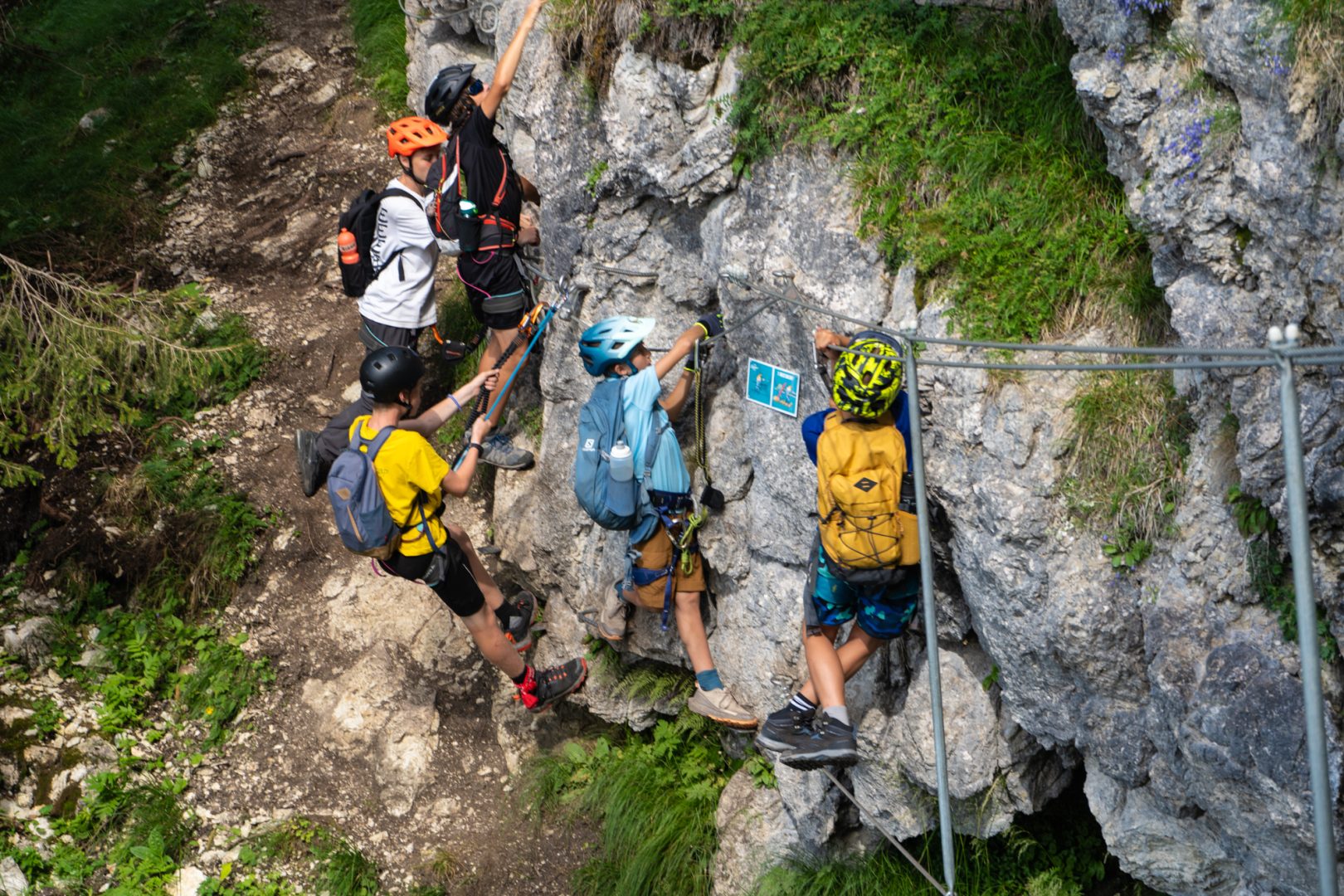
Camps operate on intentional structure. Daily schedules, age-appropriate curricula and clear behavioral expectations shape each day. Staff aren’t simply supervisors; they’re trained in youth development, positive behavior supports and activity progression. Overnight stays and specialty tracks extend learning beyond drop-off hours and force real independence practice. I design programs to move kids through progressive challenges — think skill levels on ropes courses or staged leadership roles — so achievement and confidence scale with mastery.
Key elements that distinguish camps from childcare
Below are the core design features I expect from true camp programs, with practical notes for parents and leaders on what to look for:
- Intentional skill curricula: Camps map outcomes (communication, resilience, technical skills) to activities. Look for written goals and evidence of project-based work.
- Overnight and specialized programming: Extended stays create independence. Expect routines that balance safety with opportunities for self-reliance.
- Progressive challenge and rites of passage: Programs use graduated levels so campers meet stretch goals and receive recognition. Ask about how advancement is measured.
- Trained counselors and staff development: Staff should receive training in child development, risk management and facilitation techniques. Verify training hours and topics.
- Small-group activities and peer-led learning: Stable cohorts and cabin groups build belonging and peer responsibility. Observe how leaders scaffold peer leadership.
Unlike basic childcare, which typically prioritizes supervision and routine care, camps layer clear learning goals onto fun and adventure. Camps integrate intentional curricula and project-based learning with overnight outings that build autonomy. They sequence progressive challenges to foster competence. Counselors are prepared to coach, not just watch, and small cohorts create consistent peer communities that accelerate social development. I encourage parents to ask programs about their daily schedules, staff training, and evidence of measurable outcomes before enrolling.
You can read more about our approach to structured programs, where we outline how schedules, curricula and staff development combine to deliver measurable growth.

Social-Emotional Learning, Mental Health and Resilience
We, at the young explorers club, treat social-emotional learning (SEL) as a program goal, not an add-on. Durlak et al. (2011) found school-based SEL programs produced an average gain of 11 percentile points in academic achievement and improved social-emotional skills, attitudes, behavior and classroom performance — a clear signal that SEL yields measurable returns.
SEL competencies and camp mappings
Below we map core SEL competencies to practical camp experiences that build those skills:
- Self-awareness — reflection activities, journaling, solo nature time.
- Self-management — ropes courses, goal-setting workshops, staged persistence challenges.
- Social awareness — group problem-solving tasks and explicit diversity activities.
- Relationship skills — cabin groups, conflict-resolution practice, cooperative games.
- Responsible decision-making — backcountry trip planning, camp governance, service projects.
Time in green settings complements those activities. Research by Taylor & Kuo links exposure to natural environments with improved attention and reduced stress and ADHD symptoms, which is why forest-immersive camps, canoe trips and mindfulness-in-nature practices are core elements of our daily rhythm. We intentionally combine those nature moments with discussion and reflection to support campers’ mental well-being.
I see resilience emerge in short, specific arcs. One 12-year-old camper with social anxiety chose to lead a cabin skit; she later reported less classroom avoidance. A counselor captured the change: “I watched her go from hiding at drop-off to leading group games — her resilience and confidence visibly improved over two weeks.” Our staff routinely observe measurable gains in persistence and self-efficacy after progressive-challenge activities, and we structure follow-up conversations so campers connect those wins to school and home.
Practical advice I give to staff and parents:
- Set small, concrete goals and celebrate incremental progress.
- Pair skill practice with nature breaks to restore attention.
- Create low-stakes leadership opportunities so kids can try, fail, and try again.
Those steps reflect the Durlak 11 percentile effect in everyday camp practices and turn short residential stays into durable gains in resilience, attention benefits and self-efficacy.
Academic Enrichment: Preventing the Summer Slide through STEM, Arts and Hands-On Learning
Research & Rationale
We, at the Young Explorers Club, treat summer as an academic opportunity rather than childcare alone. Research shows students facing the summer slide can lose significant ground: roughly one month of reading achievement and up to two months of math skills without engaging programming (NSLA). RAND finds that high-quality, content-rich summer programs can produce measurable gains in math and reading when programs are well-structured and targeted (RAND).
No program: ~1 month reading loss / up to ~2 months math loss (NSLA) — High-quality summer program: measurable gains in math/reading (RAND).
Project-Based Learning Approach
Project-based learning anchors our approach. We combine hands-on STEM labs, maker education and arts integration so learning feels active and meaningful. Activities like robotics and coding labs, maker projects, drama intensives and visual-arts residencies boost interest and sustain classroom motivation. Camps that mix inquiry, iteration and public presentation send skills back to the school year—students return more willing to tackle complex problems.
Concrete Program Example
A week-long STEM lab asks campers to design simple robots, collect experimental data, analyze results and present findings to peers. That sequence reinforces math practices, measurement and scientific reasoning. We pair short, focused instruction with time for tinkering so abstract concepts become tangible.
Anecdote of Impact
One camper who struggled with fractions and timed tests found confidence after measuring circuits and programming movement sequences. Hands-on measurement and basic coding transformed abstract numbers into results she could see and adjust. She went back to school more engaged in problem-solving and less anxious about math class.
What Effective Programs Include
- Project-based units that end with a public product, presentation or performance — campers apply reading and math to real outcomes.
- Small-group coaching that targets specific skills while keeping activities collaborative.
- Cross-disciplinary design: blending STEM camps with arts integration to support creativity and communication.
- Frequent formative checks so instructors adjust challenges and capture gains aligned with school standards.
- Skilled instructors who scaffold concepts, model thinking and push students to explain reasoning.
- Opportunities for reflection and documentation (lab notebooks, sketchbooks, digital portfolios) to transfer learning back to the classroom.
Program Design and Recommendations
We design our summer camps to reduce the summer slide and amplify gains in math and reading through engaging, content-rich experiences. Evidence-backed structure matters: clear learning goals, iterative projects and skilled facilitation produce measurable improvement, while the wrong format leaves skills to fade. Parents who want intentional summer learning can look for programs that emphasize project-based learning, maker education and arts residencies — and for programs like ours that blend fun with rigorous skill development.
You can read more about how summer camps support personal growth and learning.
Physical Health and Active Play — Daily Movement and Long-Term Wellbeing
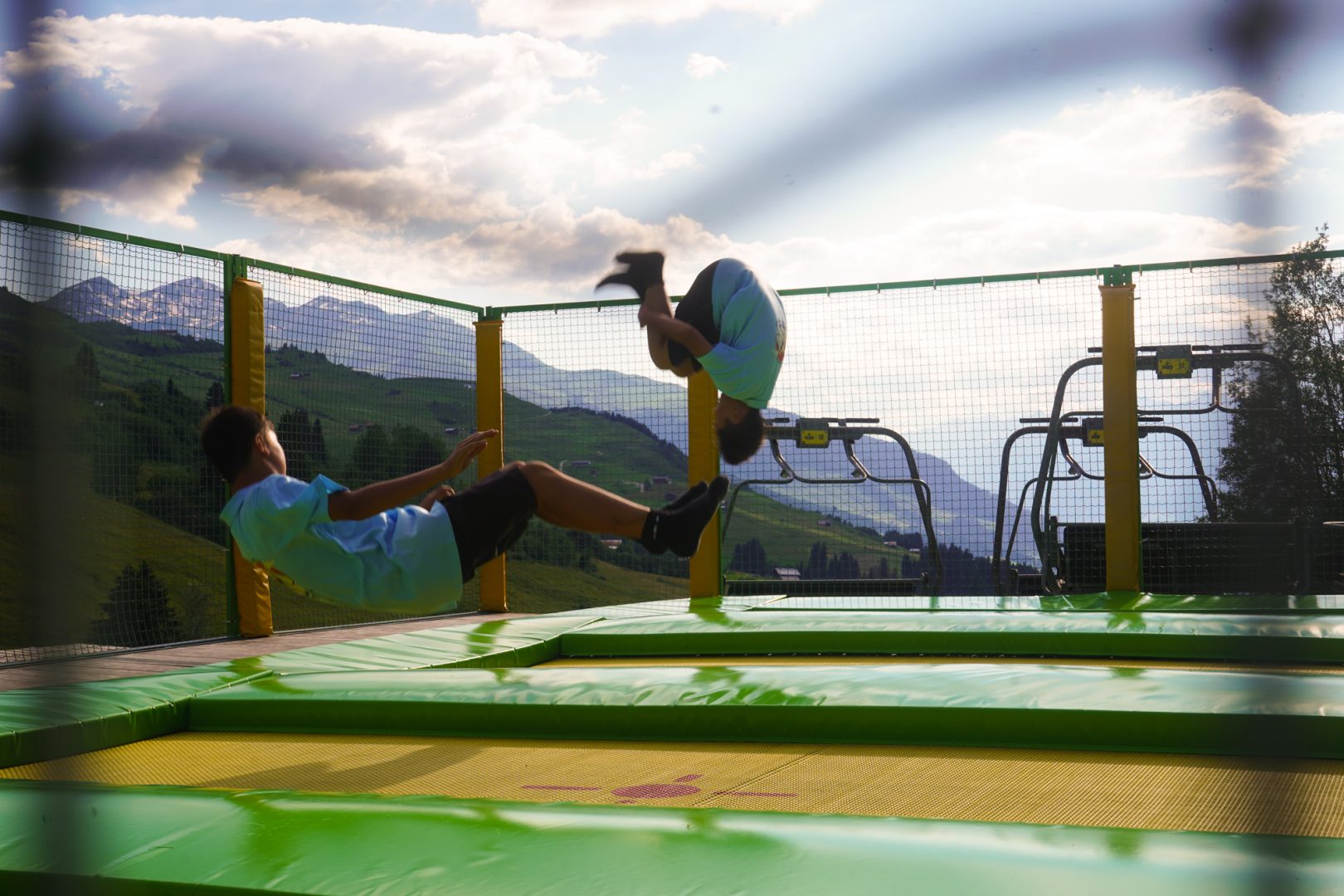
The CDC recommends children and adolescents get 60 minutes or more of physical activity each day (CDC). We design camp days to meet and often exceed that target with a mix of organized sessions and free play.
How a typical day adds up
We plan morning swims, midday hikes and afternoon games so kids accumulate far more than a single hour. A typical camp schedule often yields 2–4 hours of moderate-to-vigorous activity per day, combining structured instruction and unstructured outdoor activity. Sample camp-day accumulation: Swim 45 min + Hike 30 min + Games 30 min = 105 min (1 hour 45 minutes) — well above the CDC 60 minutes/day target.
Parents hear the difference: “Since camp, our child falls asleep faster and seems stronger and more energetic — teachers noticed more endurance at recess.”
What daily activity at camp builds
The main health gains are clear and practical. Here are the core benefits campers get from consistent active play:
- Cardiovascular fitness: sustained movement raises heart and lung capacity and builds endurance.
- Motor development: balance, coordination and fine motor skills improve through varied activities.
- Sleep quality: regular daytime exertion shortens sleep onset and increases restorative sleep.
- Obesity prevention: daily moderate-to-vigorous activity helps maintain healthy weight trajectories.
- Mental resilience: time outdoors and play reduce stress and boost mood, supporting overall mental well-being.
We deliver these outcomes by mixing instruction and choice. Coaches teach technique during swim and sport blocks, then let kids apply skills during free play. That combination reinforces motor development and keeps motivation high. We also schedule activities outdoors whenever possible to amplify the benefits of fresh air and natural terrain.
Practical advice for parents: look for camps with multiple activity blocks, clear supervision ratios and options for different ability levels. If a camper needs a slower start, we adapt intensity while keeping total daily movement high. For families interested in broader benefits, see how camps support mental well-being to understand how physical activity links to emotional health.

Inclusion, Leadership and Long-Term Impact
We, at the young explorers club, bring together children from diverse backgrounds in small-group settings. These settings foster cross-cultural friendships, empathy, perspective-taking and a true sense of belonging. The American Camp Association highlights inclusion and financial-aid programs among member camps, so we build our policies around proven practices. Read more about how camps build healthy social skills to see how peer interaction strengthens emotional growth.
Inclusion and access at camp
We offer several practical supports to make camp accessible and welcoming:
- Financial aid and sliding-scale fees to reduce cost barriers and widen participation.
- Formal inclusion supports such as trained staff, individualized accommodations and adaptive activities.
- Small-group formats and buddy systems that accelerate cross-cultural friendships and belonging.
- Program design that reflects cultural diversity in meals, celebrations and storytelling.
Each element aims to lower obstacles to participation. We measure outcomes by camper feedback and staff observations. The approach keeps groups small enough for coaches to notice, intervene and support inclusive moments.
Leadership pathways and long-term influence
We focus on leadership development from day one. The American Camp Association emphasizes leadership and responsibility as core goals, and we mirror that through structured roles. Older campers enter Counselors-in-Training (CIT) programs, take team-captain roles and lead task-based challenges. Those activities build communication, supervision and program-planning skills fast. We coach responsibility with real tasks: running activities, mentoring younger campers and helping shape daily schedules.
Our alumni data echo a clear trend. ACA alumni surveys report substantial percentages of former campers attributing leadership and career choices to camp experiences. Many cite early chances to lead as decisive. One former camper joined our CIT program, returned as summer staff, and later pursued a career in education. They point to camp mentorship and responsibility as turning points in their path.
I recommend treating camp as a long-term investment in social capital and leadership competence. We design programs that produce measurable growth in confidence, teamwork and career orientation.

Safety, Staff Training, and Economic & Family Benefits — Quality, Access and Value
We make safety measurable and transparent. We follow American Camp Association health and safety standards and keep documentation parents can review. We require background checks for every staff member, mandate CPR/first-aid certification, and maintain lifeguard certification for aquatic activities. We also enforce staff-to-camper ratios that match activity risk, and we seek accreditation because accreditation signals quality.
We train staff to act quickly and clearly. We run scenario drills for medical response and evacuation. We log training hours and certifications centrally so directors can show them on request. We audit programs seasonally to confirm compliance with ACA standards and to keep procedures current. We require that supervisors know where emergency kits, AEDs, and medication logs are kept, and we brief parents on illness policies at drop-off.
I give practical advice we use when families evaluate camps. Ask to see credentials rather than accept verbal assurances. Confirm lifeguard credentials for waterfront sessions. Request the camp’s written emergency and evacuation plans. Verify typical ratios for the activities your child will attend. Those steps separate safe programs from merely adequate ones.
Checklist for parents
Use this checklist for quick conversations with any camp director before enrollment:
- Ask whether the camp requires background checks (background checks).
- Confirm staff CPR/first-aid certification (CPR/first aid).
- Verify lifeguard credentials for aquatic activities (lifeguard certification).
- Request the camp’s emergency and evacuation plans.
- Ask about accreditation and typical staff-to-camper ratios (staff-to-camper ratio, accreditation).
We position camp as more than childcare; we view it as an investment in family stability and child development. Child Care Aware of America reports on the high cost of child care, and camps often deliver seasonal, intensive enrichment that compares favorably on a per-hour basis with center-based care. That makes camp an important tool for parental workforce participation and helps families manage child care costs without sacrificing quality.
We measure economic value in several ways:
- Lower out-of-pocket hourly cost for structured enrichment compared with many year-round options.
- Reduced missed workdays because reliable camp schedules avoid last-minute childcare gaps.
- Decreased parental stress from predictable routines and professional supervision.
- Targeted programming that advances social, emotional, and cognitive skills while parents maintain employment.
I highlight one parent’s experience because it echoes what we see: “Camp saved us on childcare costs for the summer and gave our child learning and social growth we couldn’t replicate after work.” That testimony ties to return-on-investment: camps reduce indirect costs (missed shifts, last-minute sitters) and add measurable development opportunities.
You can explore more on why camps strengthen personal growth by reading why summer camps are essential, which describes how concentrated camp experiences support independence and confidence. We document outcomes from our programs so families can compare economic value directly against alternative care. We also make billing options clear and offer guidance on employer-provided child care benefits to maximize savings.
We encourage parents to weigh safety credentials and accreditation alongside cost. A camp that meets ACA standards, maintains transparent records, and offers developmentally focused programming provides both protection and value—helping families sustain work commitments while their children gain meaningful experiences.

Sources
American Camp Association — Research & Resources
Child Development (Wiley) — The Impact of Enhancing Students’ Social and Emotional Learning: A Meta‐Analysis of School-Based Universal Interventions (Durlak et al., 2011)
National Summer Learning Association — Why Summer Learning?
RAND Corporation — Making Summer Count: How Summer Programs Can Boost Children’s Learning
Centers for Disease Control and Prevention — How much physical activity do children need?
Child Care Aware of America — Research on child care costs and affordability