Why Filipino Families Value Character Development Programs
Filipino families invest in character and SEL programs – schools, churches, caregiver training boost discipline, attendance, safer choices.
Summary
Filipino families invest in character development programs to strengthen moral grounding, discipline, respeto, and social-emotional skills. These skills support better classroom behavior, higher attendance, safer choices, and healthier household functioning. Because of strong familism, multigenerational living, and religiosity—alongside pressures such as parental migration—there is high demand for programs delivered through schools and churches. Scalable models pair caregiver training with clear, measurable SEL goals.
Key Takeaways
- Families prioritize moral grounding, discipline, respeto, and SEL, producing better school behavior, safer choices, and greater household stability.
- Evidence: local evaluations and wider studies link character and SEL programs to better conduct, higher attendance, reduced risky behavior, and academic gains. Evaluations show about an 11-percentile average improvement.
- Delivery channels: familism, multigenerational living, and religiosity make schools and faith groups trusted, high-reach delivery channels.
- Program design: effective programs align with DepEd EsP, combine short regular sessions with periodic immersive activities, train caregivers, and set clear, measurable skill goals.
- Scaling requires closing resource and teacher-training gaps and strengthening culturally adapted measurement through pilots, evaluations, sustained coaching, and partner networks.
Context and Drivers
Familial and Cultural Factors
Strong familism and frequent multigenerational living mean that family norms and household routines strongly shape child behavior. Deep-rooted religiosity also informs expectations around moral conduct and reinforces interest in programs offered by faith-based groups. At the same time, parental migration and other economic pressures increase demand for structured supports that help caregivers and substitute caregivers maintain consistent guidance.
Trusted Delivery Channels
Schools and churches are high-reach, trusted venues for delivering character development and SEL programs. Programs that operate through these channels can leverage existing routines, community legitimacy, and access to caregivers and children across age groups.
Program Design Features
- Alignment with DepEd EsP: programs that complement existing education policy and values increase uptake and sustainability.
- Short, regular sessions plus periodic immersive activities: regular contact builds habits; immersives deepen learning.
- Caregiver training: equipping caregivers creates more consistent reinforcement at home and in multigenerational households.
- Clear, measurable SEL goals: defining target skills enables tracking progress and evaluating impact.
- Scalable models: pair low-cost, replicable activities with training and monitoring systems that facilitate expansion.
Evidence and Outcomes
Local evaluations and broader studies connect character and SEL programs to a range of positive outcomes: improved conduct, higher attendance, reduced risky behavior, and measurable academic gains. Synthesized evaluations report roughly an 11-percentile average improvement on targeted educational outcomes, indicating meaningful effects when programs are implemented with fidelity.
Scaling Considerations
To expand reach while maintaining quality, programs should address several priorities:
- Close resource and teacher-training gaps: invest in materials, staffing, and practical training for educators and facilitators.
- Strengthen culturally adapted measurement: develop locally valid tools to track SEL and character outcomes.
- Pilot and evaluate: use staged pilots and rigorous evaluations to refine content and delivery before wide rollout.
- Sustained coaching: provide ongoing support and refresher coaching to preserve fidelity over time.
- Build partner networks: coordinate schools, faith groups, NGOs, and local government for shared resources and scaling pathways.
Conclusion
Filipino families and communities value character and SEL as foundations for safer, more stable households and better educational outcomes. Programs that combine caregiver training, culturally aligned content, measurable goals, and trusted delivery through schools and faith organizations show the most promise. Scaling effectively will require deliberate investment in training, measurement, coaching, and partnerships.
https://youtu.be/V0k0kCVlY_w
Why families prioritize character development: benefits and evidence
We, at the young explorers club, see why Filipino families invest in character programs. They want moral grounding, discipline and respect that translate into better school behavior and safer neighborhoods. We frame programs around social-emotional learning and character education to match those expectations. character education fits naturally with school goals and family values.
Benefits families cite and the evidence behind them
Below are the main gains families report and the research that supports those claims:
- Stronger moral grounding and discipline. Parents and teachers often report clearer routines, consistent consequences and kids who accept responsibility more readily. Local program evaluations link these changes to improved classroom conduct and attendance.
- Better classroom behavior and retention. Structured character and SEL interventions have produced measurable improvements in conduct and school attendance in several Philippine evaluations, which helps keep students enrolled and engaged.
- Improved social skills and conflict resolution. Families see children handle disagreements calmly and ask for help when needed. Teachers note fewer disruptions and faster recovery after conflicts.
- Reduced risky behavior. Community and school reports tie sustained SEL exposure to declines in substance experimentation and unsafe choices among adolescents.
- Higher academic performance. SEL programs can boost learning: Durlak et al. 2011 found an average gain of about 11 percentile points in academic achievement, along with better social-emotional skills, attitudes and behavior.
- Better long-term outcomes. Noncognitive skills link to improved employment prospects and economic gains over time, as documented by World Bank and OECD research.
The points above explain why demand stays high. Families judge programs by both perceived changes — respect, discipline, safer behavior — and measurable outcomes like attendance and test gains. We design activities to produce both kinds of impact, combining clear routines, teacher coaching and regular assessment so parents see progress in everyday life.

National context that shapes demand
We, at the Young Explorers Club, treat Philippine demographics as a strategic advantage for character development programs. The country counts 109 million people (2020 Census), with over 25 million basic education learners (DepEd). We design materials knowing adult literacy runs about 98%, so written curricula and school partnerships work well. We leverage an average household size of 4.1 to increase intergenerational reinforcement. We work with church networks, since about 80% identify as Roman Catholic (PSA), and that amplifies community reach.
Key demographic factors and practical implications
We highlight core figures that drive how we deliver programs and why families engage:
- 109 million population (2020 Census) — large scale means programs must be scalable and replicable across regions.
- >25 million basic education learners (DepEd) — schools are natural delivery partners and efficient channels for reach.
- Adult literacy ~98% — written guides, take-home activities, and teacher toolkits are effective.
- Average household size 4.1 — frequent parent-grandparent-child contact supports family-based reinforcement.
- ~80% Roman Catholic (PSA) — faith communities and parish leaders are valuable allies for messaging and endorsement.
We translate these factors into concrete program choices. We align modules with school calendars to ease adoption by teachers and produce clear, literacy-friendly materials for parents and elders so learning continues at home. We build short parent workshops that fit typical family routines and leverage larger households for follow-up practice. We cultivate parish partnerships to introduce values programming in culturally familiar frames.
We prioritize flexible delivery: classroom sessions that feed into community activities, and compact residential options that accelerate practice. We also reinforce character through self-esteem development exercises at camp, since hands-on achievement translates into confidence at school and home.
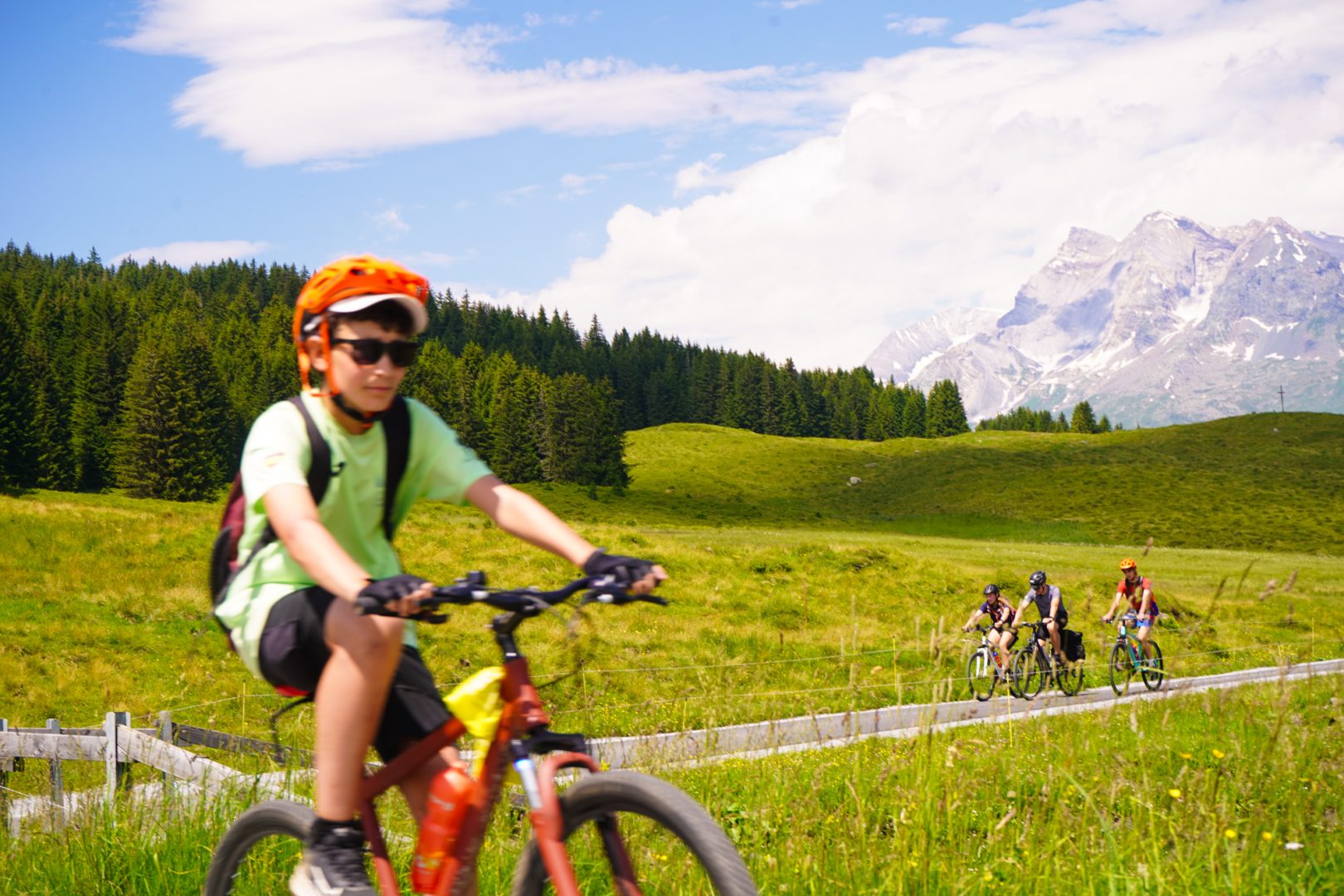
Familism, collectivism, and the church: cultural drivers of demand
Family norms and intergenerational duty
We, at the Young Explorers Club, see Filipino familism as the primary reason families invest in character programs. Parents value respeto, pakikisama and interpersonal harmony. They expect tools that reinforce obligation to elders and ongoing support for relatives. Multigenerational households are common, with an average household size of 4.1 (PSA). Those living arrangements make character training a family concern, not just an individual choice. Academic studies and SWS polling show family-value priorities rank high in program selection, so parents prefer activities that echo home expectations.
Religious influence on preference
Religious belief deepens that preference. Roughly 80% of Filipinos identify as Roman Catholic (PSA). Most Filipinos say religion is important in their lives (Pew Research Center). That high religiosity shapes moral language, daily routines and which institutions families trust to form character.
Church-linked delivery: reach, trust, and practical advantages
I recommend thinking about the church as both a validator and a distribution channel. Churches and faith-based groups — Caritas Philippines, diocesan and parish family ministries, CEAP schools, and parish catechesis and youth camps — carry moral authority and existing networks that programs can plug into. That authority often means higher enrollment and sustained participation.
Here are the main reasons church-affiliated programs scale quickly:
- Trust and legitimacy: Families trust church institutions more than many secular providers (SWS).
- Ready audiences: Parishes and CEAP schools offer built-in groups from children to parents.
- Cultural fit: Messaging that mirrors religious teaching resonates with filial duty and communal harmony.
- Operational support: Churches provide venues, volunteers and promotional channels like family ministries.
- Measurable impact: Programs linked to faith groups often report wider reach in academic literature.
We design character training to work with those dynamics. Our modules emphasize family responsibility and community cooperation, and we adapt language for parish contexts. We also integrate practical activities that parents recognize as reinforcing home values. For camps and off-site programs, I often point parents to proven approaches in character education and to methods that deliberately builds self-esteem through achievement, because those align with both family expectations and church teaching.

Socioeconomic pressures: OFW migration, remittances, and the need for resilience
We, at the Young Explorers Club, work daily with families whose choices are shaped by overseas work. Remittances now equal roughly 9–10% of GDP (World Bank / Bangko Sentral). Millions of households include at least one member working abroad, which changes who cares for children and how households function (OFW households / parental migration).
Parental migration raises two clear program demands. First, families want moral grounding and consistent caregiving for left-behind children. Second, they seek practical skills—emotional regulation, responsibility, and perseverance—that improve life chances under economic strain. I focus our programs to address both needs directly.
Caregiving shifts create specific risks and opportunities. Grandparents, aunts, or older siblings often step in as caregivers. That creates gaps in daily supervision and emotional support. I design activities that train substitute caregivers to reinforce routines and safe boundaries. At the same time, I run child-focused modules that build coping skills so youngsters manage stress and reduce risky behavior.
Poverty and inequality raise the economic value of noncognitive skills. Self-control, grit, and communication increase the returns to schooling and work in unequal contexts. I emphasize these skills because they improve social mobility and stabilize households while parents are absent.
Program design choices I recommend include:
- Short, regular sessions that fit caregiver schedules.
- Measurable skill goals (emotion regulation, task persistence).
- Caregiver training that reinforces home routines.
- Activities tied to tangible achievements to boost self-esteem.
- Monitoring that tracks behavioral outcomes, not just attendance.
What families prioritize and how we respond
Families typically ask for practical outcomes; I shape our offerings accordingly. The items below summarize what parents and caregivers prioritize and how I respond in program design:
- Emotional resilience: we teach age‑appropriate coping strategies and run group challenges to normalize setbacks.
- Responsibility: we use daily tasks and role rotations to instill accountability.
- Reduced risky behavior: we combine life‑skills lessons with mentorship to create peer support networks.
- Household functioning: we train caregivers in communication and routine-setting so homes remain stable.
- Measurable gains: we report progress to parents using simple indicators they can follow at home.
I also integrate targeted interventions like mentorship, group problem-solving, and short expeditions that foster independence while supervised. When families ask for evidence, I point to consistent improvements in attendance, task completion, and self-reported confidence. To support long-term effects, we link school goals with home plans and encourage regular caregiver feedback.
We prioritize accessible options. Families need programs that fit irregular schedules and variable remittance flows. To meet that need, I offer sliding-fee sessions, weekend modules, and digital check‑ins. I also highlight our resilience programs for parents who want focused, practical skills training for their children.
https://youtu.be/y1MtieihXwk
How character programs reach Filipino families: policy, providers, and delivery models
We at the Young Explorers Club rely on policy as the primary lever for scale. DepEd‘s Edukasyon sa Pagpapakatao (EsP) is a formal subject in basic education, and the K–12 reform (2012–2016) expanded contact time for values formation. That combination, plus more than 25 million basic education learners, creates a huge platform for in-school delivery using existing schedules and teachers.
Policy, curriculum, and measurement
We place the DepEd EsP curriculum at the core of many school efforts. Teachers pair EsP lessons with simple behavior checklists and SEL pre/post surveys to track change. Programs also reference Character Lab and the VIA Institute on Character when they design competencies and assessments. Parish and faith-based ministries supplement classroom work through catechesis, family sessions, youth camps and couples’ ministries, which often reinforce the same values language used in schools. Several NGOs, including Save the Children Philippines and World Vision Philippines, run afterschool curricula, mentoring schemes and parenting workshops that plug into school or community calendars. We coordinate content so that families encounter consistent messages across these settings.
Typical delivery models and session frequency
Below are the common program formats I see in the Philippines and how families experience them:
- School-based EsP classes: weekly lessons during the formal timetable, reinforced by project work and advisory moments.
- Character-building clubs and Scouts units: extracurricular meetings, usually weekly or biweekly, focused on skills and group challenges.
- Civic engagement projects and periodic campaigns: month-long or term-long projects that connect classroom values to community action.
- Parish and faith programs: weekend sessions and seasonal youth camps that deepen family participation.
- NGO afterschool programs and parenting workshops: regular sessions after school or evening workshops for caregivers.
- Private enrichment and summer camps: intensive short programs during school breaks that concentrate on leadership and personal growth.
We often recommend mixing weekly school exposure with weekend or periodic immersive activities. Parents typically engage through PTMs, parish family sessions, and community workshops, which helps transfer learning from program settings into the home. I also advise using simple pre/post measures and behavior checklists so teachers and program leaders can show progress to families and local policymakers.
We link practice to outcomes by integrating short, observable goals into each session. For example, camps that target confidence and responsibility connect well with ongoing EsP themes and with our work on self-esteem development.
https://youtu.be/MO0jS3NJzys
Barriers, measurement gaps, and opportunities for scale
Barriers and measurement gaps
We at the young explorers club see five practical barriers that slow scale and reduce impact. Below I list them and why they matter.
- Resource constraints in public schools: limit time, materials, and monitoring.
- Teacher training gap: few teachers get sustained coaching in values pedagogy.
- Measurement challenge: character and moral grounding are often underdefined and undermeasured.
- Rural access gap: remote communities lack reliable delivery channels and digital infrastructure.
- Inconsistent training: values pedagogy varies widely across providers and parishes.
Measurement is the weakest link. Outcomes like resilience, responsibility, and self-worth get named but rarely defined, which makes comparison impossible. I recommend baseline and endline SEL measures, tracking school attendance, disciplinary incidents, and parent surveys. Use validated SEL and character-assessment tools and adapt them culturally so questions map to Filipino family priorities. For family-facing outcomes include indicators such as parent satisfaction and observable behavior changes. When I cite targets for pilot effect sizes, I aim for Durlak-type results (Durlak).
Opportunities and pathway to scale
I recommend a practical three-step pathway that balances rigor with local realities.
- Pilot: run small pilots through trusted channels—DepEd schools, CEAP institutions, and parish programs. Test local adaptation and aim for Durlak-type effect sizes (Durlak). Use blended delivery so remote sites get content via low-bandwidth digital modules plus intermittent in-person coaching.
- Evaluate: measure pre/post SEL and behavioral indicators families care about: attendance, classroom behavior, and parent reports. Include a short parent survey and school disciplinary logs. Use culturally adapted, validated tools for credibility.
- Integrate and scale: align curricula with DepEd anchors and partner with parishes and NGOs to expand reach. Donor funding should underwrite teacher training and monitoring systems, not just materials. Invest in teacher coaching, standardized but culturally adapted measurement, and partnerships with trusted providers to overcome trust and access barriers.
Operational tips I follow:
- Prioritize teacher coaching over one-off workshops.
- Build simple dashboards that report attendance and incident trends.
- Phase digital rollout by connectivity tier.
- Keep parent communication central—families drive uptake.
- For programs emphasizing confidence and autonomy, link content to measurable gains in self-esteem and independence as families recognize them; see our work on self-esteem development for practical parallels.

Sources
Pew Research Center — Religion & Public Life (Philippines country analyses and religiosity research)
World Bank — Personal remittances received (% of GDP) — Philippines
Bangko Sentral ng Pilipinas — External Statistics / Remittances data
Department of Labor and Employment (DOLE) — Overseas Employment and OFW statistics
OECD — Skills for Social Progress: The Power of Social and Emotional Skills
World Vision Philippines — Publications & program reports (life skills, child protection)
Caritas Philippines — Programs and community family ministry initiatives
Boy Scouts of the Philippines — Official site (youth character development programs)
Character Lab — Research-based resources and curriculum supports for character/SEL