Why Indonesian Families Consider European Summer Options
Indonesian families choose Europe for cool, child‑friendly summers, long daylight, educational camps, halal options and safe family travel.
Indonesian families and summer trips to Europe
Overview
Indonesian families often prefer summer trips to Europe. The region’s cooler, child‑friendly climates and long daylight let families spend more time outdoors and are ideal for extended schedules. Museums, UNESCO sites and short language or activity camps deliver clear educational value. Perceived safety, expanding halal food and prayer options, plus a prestige factor, boost demand. Overlapping school holidays and mid‑to‑upper‑middle‑class budgets make longer, higher‑value trips practical despite visa and long‑haul flight logistics.
Key Takeaways
Summary points
- Cooler summers and long daylight in northern/central Europe enable family‑friendly outdoor activities and varied itineraries from beaches to Alpine hikes.
- Museums, heritage sites and short summer camps offer measurable educational enrichment that motivates longer stays.
- Perceived safety, reliable healthcare access and growing halal food/prayer options increase parental confidence.
- Visa rules, mandatory travel insurance and long flight times require early planning—apply for Schengen/UK visas 6–8 weeks ahead and book flights 3–6 months early.
- Typical 10–14 day family budgets range from about €900–€1,500 per person (budget) to €3,000+ (premium), with common family totals often around €7,000–€8,000 for multi‑city trips.
https://youtu.be/oBnHz4C4SfI
Lead snapshot: Essential thesis and headline numbers
Europe is an attractive summer choice for Indonesian families because it combines cooler, child-friendly climates and long daylight hours with rich cultural and educational experiences, varied family activities from beaches to Alpine hikes, and perceived safety and status that match mid-to-upper-middle-class decision drivers (BPS/UNWTO, national travel‑industry reports).
We at the young explorers club see this as a practical mix: climate and daylight that suit children, compact travel times between diverse attractions, and learning opportunities in museums, UNESCO sites and short summer courses that parents value. That combination often shifts the decision calculus for longer, higher‑value trips.
Key headline facts — short callouts drawn from historic reporting and recovery estimates:
- 15.3 million Indonesian outbound travellers in 2019 (BPS/UNWTO).
- 7% of outbound travellers chose Europe (BPS/UNWTO).
- Average trip length: 12 days (BPS/UNWTO).
I recommend checking the latest BPS and UNWTO releases for updated totals and recovery adjustments. For program-level choices, we at the young explorers club often highlight the benefits of summer camps as a way to combine supervised learning and family-friendly outdoor time.
Trend snapshot (2018–2023)
Quick annual snapshot of outbound recovery using official series and national tables:
- 2018: ~14.8 million outbound departures (BPS/UNWTO reporting baseline).
- 2019: ~15.3 million outbound departures (pre‑COVID peak) (BPS/UNWTO).
- 2020–2021: steep decline during pandemic travel restrictions (BPS/UNWTO).
- 2022: partial recovery, roughly 7–9 million outbound departures (BPS/UNWTO).
- 2023: further rebound toward pre‑pandemic levels, roughly 11–13 million (BPS/UNWTO).
These headline figures explain why European options regained interest quickly: longer stays and education-focused itineraries make the fixed travel overhead worthwhile.
Core motivations: climate, education, activities and decision drivers
We, at the Young Explorers Club, see climate as a primary pull for Indonesian families. Amsterdam averages 18–22°C in July and Paris about 19–25°C in July, both comfortable for children and grandparents alike. Long daylight hours across northern and central Europe let families extend sightseeing and outdoor schedules without rushing. Southern Europe delivers Mediterranean beaches and warm sea swimming, while the Alps (Swiss and Austrian) offer hiking, cable cars and family-friendly summer walking.
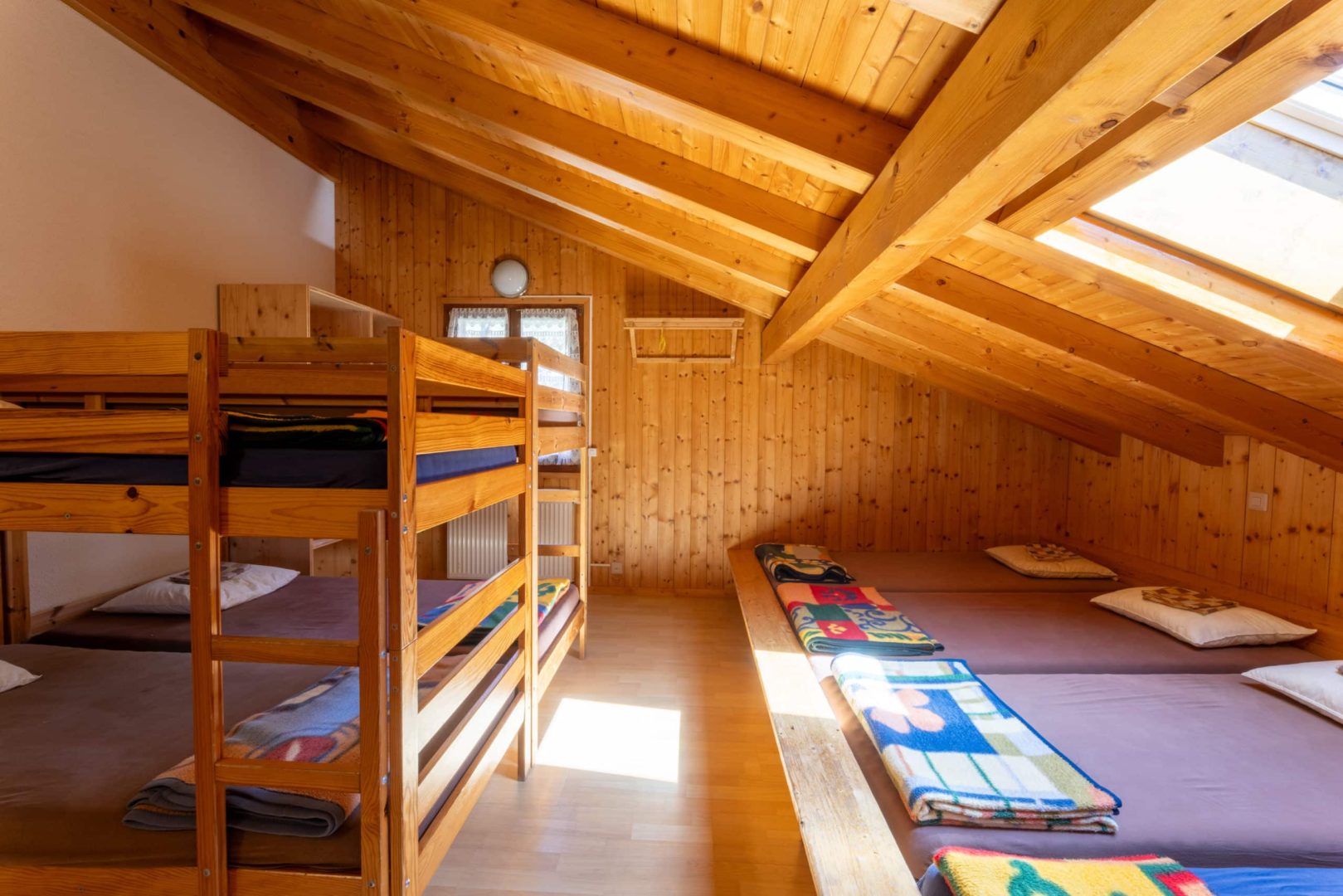
We position educational travel as a high-value motivator. Museums, historic sites and UNESCO World Heritage entries provide clear learning moments in art, history, architecture and languages. Short summer language camps or two-week activity programs typically range from about €800–€2,500 depending on level, boarding vs day options and country. We often point families toward summer camps Switzerland for combined language and mountain activity options and contact details for individual programs, since pricing and curriculum vary by school. Family-oriented festivals, outdoor concerts and children’s museum programming usually peak in June–August, which fits school break calendars.
We treat halal travel and safety as non-negotiable decision drivers. Major European cities increasingly offer halal restaurant options, Muslim prayer facilities and halal-friendly hotels, and we make that a standard booking filter for many clients. Europe also scores highly on perceived safety and healthcare access, which boosts confidence for parents planning long flights and extended stays. We use insights about halal travel Europe and safe family travel Europe when preparing itineraries and emergency plans.
Top 5 reasons Indonesian parents pick Europe (OTA/consumer trends)
We rank these top reasons based on OTA and consumer trends from Google, Expedia and Traveloka surveys:
- Educational and cultural enrichment for children (museums, heritage sites).
- Comfortable summer climate and varied family activities Europe offers.
- Safety and ready healthcare access, which reassures parents.
- Prestige and the sense of a once-in-a-lifetime family experience.
- Availability of halal food options and family facilities in major destinations.

Timing, school calendar overlap and visa & entry essentials
School calendar overlap
We plan programs around the common Indonesian school holiday June–July. Many public schools give a mid‑year break in that window, usually 2–4 weeks; private school dates and Ministry of Education announcements can vary, so we advise checking specific calendars early.
European school holidays hit their peak June–August across most countries, which creates a strong overlap for family trips and child-focused summer programmes. I often suggest families lock dates early to match both school breaks and popular camp schedules to avoid sold‑out sessions.
Schengen & UK visa essentials
We treat visa prep as a critical part of trip planning and recommend you apply visa 6–8 weeks before travel, with extra lead time in summer peaks. Key points to remember:
- Schengen visa is required for Indonesian passport holders for short stays (up to 90 days in any 180‑day period).
- Typical visa fee €80 for adults; children 6–12 commonly pay €40; under 6 travel free — note the standard visa fee €80 applies to adult applicants.
- Travel insurance €30,000 minimum medical coverage is usually mandatory for Schengen applications.
- Standard consulate processing time can be up to 15 calendar days, but delays are common in peak season.
Below is the typical documentation checklist I ask families to prepare well ahead of submission:
- Valid passport (confirm 6‑month validity rule for your destination), completed application form, passport photos.
- Proof of accommodation (hotel bookings or invitation letter) and round‑trip flight reservation.
- Travel insurance covering €30,000 medical.
- Proof of financial means (bank statements, salary slips) and a letter from employer or a school letter for children.
- Parental consent documents for minors if one parent travels without the other.
We also point families to additional reading on passport and visa requirements for more detailed, family‑focused guidance: passport and visa requirements.
I recommend gathering bank statements and employer letters early, booking refundable flights or reservations for visa submission, and buying the required travel insurance as soon as dates are fixed.
Cost and travel logistics: flights, travel time, sample budgets, accommodation & transport
We outline realistic flight options and timing so families can plan with confidence. Typical routing from Indonesia to northern Europe runs long: Jakarta–Amsterdam non‑stop is about 13–15 hours when direct services operate; one‑stop itineraries typically take 15–20+ hours. Jakarta–London usually needs one stop and lands around 15–20+ hours. Bali (Denpasar) routes to Amsterdam or London commonly exceed 18 hours with one or two stops. We recommend checking live fares and routings on Skyscanner, Google Flights or other OTAs for current connections and prices.
Common carriers used by Indonesian families include Garuda Indonesia, Singapore Airlines, Qatar, Emirates, Turkish, KLM and British Airways.
IATA timings and carrier choice affect costs and jet‑lag. We advise:
- Favor fewer connections when travelling with young children to reduce total time.
- Consider overnight segments to align sleep cycles.
- Compare airport pairs (e.g., landing in Amsterdam vs Paris) to balance flight duration and onward ground travel.
Budgeting numbers below are practical ranges for a 10–14 day family trip, economy class. Per‑person estimates: budget €900–€1,500; mid‑range €1,500–€3,000; premium €3,000+. Expect average family daily spend in major cities around €150–€300 per day for two adults plus one or two children (meals, local transport, modest attractions). Schengen visa fees currently list adults €80, children 6–12 €40, under 6 free. Prices and schedules were estimated for planning as of 2026‑03‑18; always confirm live fares and availability on booking date.
If you plan an Alpine stop or language‑focused stay, we point families to summer camps in Switzerland for program choices and safety details: summer camps Switzerland.
Sample family scenarios (approximate estimates)
-
10‑day Paris–Amsterdam, family of 4 (2 adults + 2 children): Flights (return, economy) ~€2,800; accommodation (10 nights mid‑range) ~€1,600; local transport & intercity €400; food & daily €1,800; attractions €300–€500; visas & insurance ~€390 total; estimated family total ≈ €7,000–€7,500. Estimates based on planning figures as of 2026‑03‑18.
-
14‑day Italy–Switzerland mix, family of 3 (2 adults + 1 child): Flights (return) ~€2,100; accommodation (14 nights mix) ~€2,100; intercity trains & local transport €700; food & daily €2,100; activities €400–€600; visas & insurance €200–€300; estimated family total ≈ €7,600–€8,000.
We stress these figures are planning guides. Check live fares and book flexible tickets where possible. Buy travel insurance that covers cancellations and mountain activities if you include high‑altitude outings. For transport inside Europe, regional rail passes can save money on multi‑stop itineraries and cut airport transfer time.

Popular destinations and family mini‑profiles (what to do and why)
Destination mini-profiles
Below are compact 3–5 day family plans, flight times, budgets and quick reasons families choose each spot.
-
Amsterdam & nearby (Netherlands)
Avg flight time from Jakarta: ~13–15h nonstop (when available).
Highlights: canal cruise, Anne Frank House (book months in advance), NEMO Science Museum, Keukenhof in spring or Zaanse Schans, child‑friendly cycling.
Sample budget per day (family mid‑range): €120–€220.
Best age: all ages; teens enjoy city culture. Amsterdam is frequently searched by Indonesian travellers on OTAs and Skyscanner. -
London & regional (United Kingdom)
Avg flight time from Jakarta: ~15–18h with one stop.
Highlights: Tower of London, British Museum, a family West End show, day trip to Windsor or Stonehenge.
Sample budget per day: €180–€300.
Best age: all ages; great for English immersion. -
Paris & regions (France)
Avg flight time from Jakarta: ~15–18h with one stop.
Highlights: Eiffel Tower, Louvre with kids’ trails, Versailles or Disneyland Paris (book ahead).
Sample budget per day: €160–€280.
Best age: families with young children and teens who love art and history. -
Rome, Florence, Venice (Italy)
Flight time: ~15–19h with one stop.
Highlights: Colosseum and Roman Forum, kid‑friendly food tours, Tuscan day trips.
Sample budget per day: €140–€260.
Best age: children who can handle walking and food adventures. -
Swiss/Austrian Alps (Switzerland/Austria)
Flight time to Zurich/Vienna: ~15–18h with one stop.
Highlights: mountain railways and cable cars, easy alpine hikes, lakes and hands‑on outdoor activities.
Sample budget per day: €180–€350.
Best age: active families with children 6+. We often pair mountain stays with European summer camps for extra outdoor programs. -
Barcelona & Balearics (Spain)
Flight time: ~16–20h with one stop.
Highlights: family beaches, Sagrada Família, island beach stays.
Sample budget per day: €130–€250.
Best age: all ages; ideal for combining beach and city. -
Germany & Scandinavia
Germany: efficient trains, family museums; sample budget €130–€240/day.
Scandinavia (Sweden/Norway/Denmark): top safety and nature activities; sample budget €180–€350/day.
Best age: families who value outdoor play and smooth logistics.
Booking and practical tips
Reserve flagship attractions well ahead for summer travel. Book the Anne Frank House, Eiffel Tower summit slots, Vatican tours and major musicals months before peak season. Use search trends for timing and choices; consult Google Trends and Skyscanner for real‑time popularity signals. Expect higher daily costs in big capitals; the budget figures above help set realistic expectations.
For family itineraries in Europe, plan a mix of focused museum time and open outdoor play so children stay engaged. We at the Young Explorers Club advise adding one slow day per short trip to avoid burnout and to let local discoveries happen.

Market capacity, booking behavior and practical planning checklist for families
Indonesia has a large base of potential travellers: the middle class cohort has been estimated historically at roughly 50 million+ people, and that group generates most outbound leisure demand (Brookings; national income analyses). We use Bank Indonesia and national statistics to check current income distribution when we model demand and price sensitivity for a given year.
Household economics and likely budgets
Household budgets map roughly like this. Emerging middle households can usually plan travel spend per household that works out to about €1,200–€2,000 per person. Upper‑middle households commonly budget €2,000–€4,000 per person. Affluent or premium households often plan €4,000+ per person. Use those bands to set expectations for deposit levels, optional add‑ons, and payment plans.
Booking channels and payment behaviour
Booking channels and payment behavior influence how we package offers. Urban families book online through OTAs such as Traveloka, Booking.com and Agoda, plus direct airline sites. Card usage and local e‑wallets have grown strongly, so we accept multiple payment rails to reduce friction (Bank Indonesia; payments industry reports).
For long‑haul summer travel families typically book flights 3–6 months ahead to secure availability and better fares, while accommodation and camps are often reserved several months in advance for peak weeks.
Decision drivers for families
Parents rank a short list of practical decision drivers when choosing a European option. Visa difficulty, total flight time and direct connections matter a lot. Overall cost and perceived healthcare/safety follow closely. Availability of halal food and prayer facilities is a major consideration for many families, alongside educational value or structured camp content. These priorities appear consistently in OTA consumer reports and search behaviour data.
Practical timeline and family checklist
- 9–12 months ahead: start destination research and set a savings target that matches your household’s disposable income and planned travel spend per household. Check school calendars and align camp dates early.
- 6–9 months ahead: evaluate flight routings and potential direct services; begin informal seat monitoring so you can act when fares dip.
- 3–6 months ahead: book flights — book flights 3–6 months ahead for the best mix of price and choice. Lock in major intercity transport at the same time.
- 2–3 months ahead: reserve accommodation and register for flagship attractions or camps. Start compiling visa paperwork where required.
- 6–8 weeks ahead: apply visa 6–8 weeks ahead for Schengen and UK visas; allow extra time in peak season or if your group needs additional documentation.
- 4–6 weeks ahead: finalise domestic transfers, pre‑book any special dietary requirements, and confirm camp arrival procedures.
Money, insurance and practicals
Money and currency practicals: monitor IDR/EUR and IDR/USD moves; a 5–10% swing can change affordability for a family budget. We recommend bringing €100–€300 in cash for arrival needs, relying on widely accepted credit/debit cards for daily spend, and carrying a backup travel card or ensuring local ATM access.
Insurance and health: buy travel insurance with at least €30,000 coverage to meet Schengen expectations and add COVID or medical evacuation riders if you want extra protection.
Religious and dietary needs: check halal restaurant options and nearby prayer facilities when choosing accommodation and activities; factor these into campsite or city plans.
Logistics checklist — quick actionable items to tick off
- Confirm school holiday dates with the school or MoE and align with camp weeks.
- Book flights and aim for flexible fares where possible.
- Reserve accommodation and key attractions early (three months plus for summer).
- Prepare visa documents early and apply on the recommended schedule.
- Purchase appropriate travel insurance and verify medical coverage.
We, at the young explorers club, highlight European summer camps as a useful option when families want structured activity and language exposure; consider our guide to European summer camps for deeper planning.

Sources
Badan Pusat Statistik (BPS) — Kunjungan Warga Negara Indonesia ke Luar Negeri
United Nations World Tourism Organization (UNWTO) — International Tourism Highlights
Bank Indonesia — Laporan Ekonomi Bulanan
IATA — World Air Transport Statistics (WATS)
SchengenVisaInfo.com — Schengen visa news & information
Kementerian Pariwisata dan Ekonomi Kreatif Republik Indonesia — Data Pariwisata
Think with Google — Travel insights & trends
International SOS — Travel risk & medical assistance