Why New Zealand Families Seek European Adventures
Kiwi families choose Europe for heritage, reunions and cultural learning, favouring multi‑week slow‑travel trips with base stays and rest days.
Overview
We, at the Young Explorers Club, see New Zealand families choose Europe for strong emotional ties to ancestry and family reunions. They also value Europe’s high cultural and educational offerings. The continent’s compact geography lets multi‑generation groups blend learning, heritage visits and varied leisure on one trip. Lengthy 24–30+ hour journeys lead families to plan multi‑week, well‑paced itineraries, build in base stays and one to two buffer rest days, and book ahead to manage jet lag, costs and group needs.
Key Takeaways
- Heritage, family reunions and on‑site educational experiences drive Kiwi families to visit Europe.
- Long travel times lead families to favour multi‑week trips: fewer cities, longer stays and built‑in rest days.
- Europe’s compact transport network (rail, short flights) plus diverse accommodation options make three‑generation travel and varied itineraries feasible.
- Practical planning: book flights 5–9 months ahead, reserve high‑speed train seats and popular attractions, and align travel with NZ school breaks.
- Emerging trend: families choose slow travel (fewer flights, longer stays) for deeper immersion and lower emissions.
- Typical 14–21 day family budgets vary widely from economy to mid‑range.
Practical Planning
Booking and timing
Book flights 5–9 months ahead to secure better fares and group seats. Reserve high‑speed train seats where required and pre‑book popular attractions and guided experiences to avoid sold‑out dates. Align travel windows with New Zealand school holidays when possible to maximise attendance and ease logistics.
Itinerary structure
Plan base stays of several nights, include one to two buffer rest days after long flights, and limit the number of stops to reduce transit stress. Use Europe’s efficient rail and short‑haul flights to create varied but manageable routes that suit multi‑generation groups.
Budgeting
For a typical 14–21 day family trip, budgets can range substantially depending on travel style. Expect lower costs with economy choices (self-catering, regional trains) and higher costs for mid‑range options (private transfers, guided tours, city-center hotels). Build contingency for group needs and advance bookings.
Emerging Trends
Slow travel is growing in popularity: families opt for fewer flights and longer stays to deepen cultural immersion, simplify logistics for older and younger travellers, and reduce emissions. The combination of Europe’s compact distances and strong rail networks makes this approach practical for Kiwi families seeking meaningful multi‑generation experiences.
Snapshot: scale and context of Kiwi family travel to Europe
We, at the Young Explorers Club, look at Kiwi family travel to Europe through clear numbers. New Zealand’s population sits at about 5.1 million (2023), so a relatively small base still generates a lot of movement.
Key figures
- 3.8 million outbound departures in 2019 (Stats NZ), which shows how common overseas travel is for Kiwis.
- Typical family trips run 14–28 days, reflecting the long haul required to make the journey worthwhile.
- Most Auckland–Europe itineraries take roughly 24–30+ hours one way (usually with one stop), so families plan multi-week visits to recover and enjoy the destination.
How scale and travel time shape planning
Long travel times push families to prioritise depth over breadth. I recommend pacing the itinerary: fewer cities, longer stays, and a slow rhythm that suits kids. Heritage and family ties, education opportunities, and bucket-list attractions make Europe a top long‑haul choice for many Kiwis. That mix explains why New Zealanders accept the time penalty and opt for 2–4 week trips.
I advise practical steps we use with clients:
- Build 1–2 buffer days at arrival for rest and light activities.
- Choose base cities with strong transport links so day trips feel easy.
- Combine child-friendly highlights with downtime to avoid burnout.
For route ideas and kid-focused logistics, see our family trip guide, which shows how longer stays and sensible pacing turn a long haul into lasting family memories.

Top reasons Kiwi families choose Europe (heritage, learning, variety and trends)
We see four strong reasons Kiwi families pick Europe. Heritage and family reunions top the list.
Many New Zealanders carry UK or wider European ancestry, so trips often double as family visits and genealogy expeditions. We regularly hear stories of grandparents and parents tracing family roots in a small English village or walking ancestral streets in an Italian town. Those emotional connections give trips a deeper purpose and keep extended families investing in multi‑generation travel.
Cultural and educational value drives decisions as well. Museums, historical sites and living‑language immersion in French, Italian or Spanish give immediate curriculum links. I remember students studying Roman history on site at the Colosseum and the Roman Forum; the lessons stick far better after you stand where the events happened. We advise syncing itineraries with school units to turn a holiday into a learning extension and reduce classroom disruption.
Europe’s compact geography makes three‑generation travel realistic. Short trains and regional flights let grandparents join without long transits. Family rooms and self‑catering apartments make life easier for mixed‑age groups. One family I worked with combined busy city days in London with a slower week in a countryside cottage so their grandparents could relax while kids burned energy outdoors. I recommend base stays and day trips rather than constant hotel changes; it lowers stress and keeps costs predictable.
Families pick Europe for sheer variety. You can pair city culture with beaches, mountains and theme parks inside the same trip. Iconic bucket‑list stops—Eiffel Tower, Colosseum, Vatican, British Museum, Disneyland Paris and Alpine ski resorts—fit into multi‑stop plans without huge detours. Mix active days with museum afternoons and you’ll keep both toddlers and teens engaged.
Smart picks and practical tips
- Iconic must‑sees: Colosseum, Eiffel Tower, Vatican, British Museum — plan early‑morning or late‑day visits to avoid crowds.
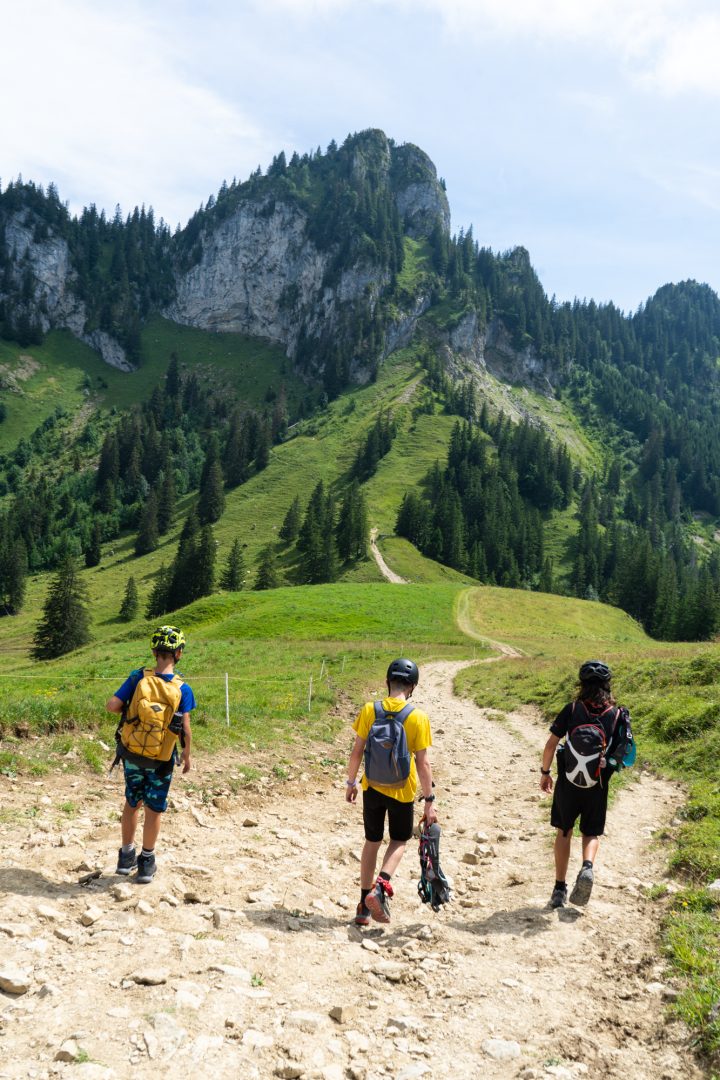
- Active/day‑trip mix: city + one Alpine day trip or coastal day for variety and energy balance.
- Accommodation: choose family apartments or family rooms; they save on meals and give grandparents a quiet space.
- Transport: prefer rail for shorter hops; it reduces airport time and makes scenic travel part of the trip.
- Booking: secure multi‑generation options and group rates; many providers offer bundled family products.
- Timing: align travel with NZ school terms or curriculum units to maximise learning and reduce missed class time.
Sustainability and slow travel are rising motivators. More families opt for longer stays, fewer flights and rail‑based itineraries to cut emissions and increase immersion. We encourage choosing longer visits in fewer locations and offsetting unavoidable flights. That approach gives kids time to absorb culture and reduces the rushed feeling that kills enjoyment.
Trends and tech change how families plan and gift experiences. Experience gifting—grandparents sponsoring an education‑focused trip—is now common. Multi‑generation booking features and trip‑management apps make coordinating passports, medical info and activities simpler. We point families to our planning guide for logistics and ideas; the guide helps you map timing, transport and family needs.
I recommend booking with a clear plan for school notice, travel insurance and emergency contacts. Align dates with NZ term breaks when possible. That keeps the trip enjoyable for everyone and preserves the educational value you came for.

When to go: seasonality, school holidays and booking windows
We, at the Young Explorers Club, recommend planning around three variables: European season, New Zealand school breaks, and booking lead times. Peak summer in Europe (June–August) is the obvious draw for Kiwi families who want reliable warm weather and long daylight. Many parents time long‑haul trips for July or the December–January break so kids miss the least school and everyone gets sun.
NZ school holidays vs European seasons — pros and cons
Below are the common windows Kiwi families use and what to expect in Europe during each.
- December–January (NZ summer) | Europe: winter
- Pros: lower prices in some places, festive markets and holiday atmospheres.
- Cons: cold in northern and central Europe, much shorter daylight hours.
- July (NZ mid‑year) | Europe: June–August (peak summer)
- Pros: best summer weather, almost every attraction and festival is running.
- Cons: big crowds and higher prices for flights and accommodation.
- April–May (shoulder) | Europe: spring
- Pros: milder weather, far fewer people at hotspots, shoulder fares often 10–30% cheaper than peak.
- Cons: weather can change quickly — layers and flexible plans help.
- Sept–Oct (shoulder) | Europe: early autumn
- Pros: warm days into autumn, harvest festivals and quieter towns.
- Cons: some seasonal closures by late October; check opening dates for smaller attractions.
Booking timing and practical tips
Book flights 5–9 months ahead for the best pricing and to secure family group seats. I find that booking earlier helps lock in adjacent seating, child discounts, and special requests like cots or bassinet spots. Reserve popular attractions — Disneyland and Vatican tours — weeks to months ahead in peak season to avoid sold‑out days. For multi‑city itineraries, book inter‑city trains or short flights well in advance to keep schedules tight.
I recommend these practical measures:
- Ask hotels for connecting rooms or family suites at the time of booking.
- Request cots and dietary needs early; providers fill these requests fast.
- Consider shoulder months if you want lower prices and easier access to sights.
We also suggest checking school term dates before finalising plans. Midweek departures sometimes cut airfare by a few percent and reduce airport crowds. If you want inspiration on pacing and age‑appropriate activities, visit our family trip guidance for ideas you can adapt to Europe.

Getting there and entry rules: flights, stopovers and visas
We know families flying from New Zealand to Europe face long journeys. Typical one‑way travel time from Auckland to major European hubs with a single stop runs roughly 24–30+ hours. Routes from Wellington and Christchurch to London sit in the same ballpark. Flights usually connect through major hubs: Singapore, Doha, Dubai, Hong Kong, and occasionally Los Angeles or other Pacific gateways.
Typical flight patterns and stopovers
Airlines commonly used on these routes include Singapore Airlines, Emirates, Qatar Airways, Air New Zealand via codeshares, and Qantas. Stopovers often split the trip into two manageable legs and can double as mini‑breaks; a 48‑hour stop in Singapore is a good example. We sometimes recommend booking a planned stopover so the family can recover, visit a city, and adjust sleep schedules before continuing.
Common city pair examples and typical arrangements:
- Auckland → London: 24–30+ hours. Usual stopovers: Singapore, Doha, Dubai. Carriers: Singapore Airlines, Qatar, Emirates, Air New Zealand via codeshares.
- Wellington → London: 24–30+ hours. Usual stopovers: Singapore, Doha.
- Christchurch → London: 24–30+ hours. Usual stopovers: Singapore, Doha, Dubai.
We advise checking baggage transfer rules on codeshare itineraries. Connections through Middle Eastern hubs often offer excellent family amenities and layover hotels. If you want a short urban break en route, consider planning a dedicated stop and learn more about planning a compact European‑Alpine style family trip for recovery and fun with resources like this family trip.
Entry rules and a before‑you‑go checklist
Schengen basics: New Zealand passport holders are visa‑exempt for short stays up to 90 days in any 180‑day period. The UK permits visits up to six months for tourism for NZ passport holders. Electronic authorisations such as ETIAS may be required for entry to Schengen states—check the current rules close to departure because these systems can change.
Before you travel, we confirm these essentials:
- Passport valid for at least six months beyond arrival.
- Travel insurance that covers medical costs and emergency evacuation.
- Proof of onward travel (return ticket or onward booking).
- Accommodation bookings or confirmed addresses for first nights.
- Visa or ETIAS checks and any electronic authorisation completed.
- Plan for 1–2 rest days at the start and end of the trip to manage jet lag.
We also recommend verifying transit visa rules for stopover countries; some hubs require transit visas for certain nationalities or connection types. Keep digital and printed copies of insurance and booking confirmations. Finally, check entry requirements again within 72 hours of departure so you don’t get tripped up by last‑minute changes in authorisation systems.

On the ground: transport options, family accommodation and attractions
I’ll cover how families move, sleep and play so you can plan with confidence. We, at the young explorers club, book trains, cars and family rooms every season and have a clear sense of what works for New Zealand families visiting Europe.
Transport options — trains, cars, ferries and short flights
High‑speed rail links across Western Europe make door‑to‑door travel smooth. Eurostar connects London with Paris and Brussels. National operators — TGV, Frecciarossa, Trenitalia and DB — run fast services between major cities. I recommend reserving high‑speed seats well before peak season. That avoids sold‑out trains and gives families adjoining seats.
A Eurail pass can work well for flexible, multi‑country trips. Compare a 5‑day pass against point‑to‑point fares for your family. Sometimes buying individual tickets saves money; other times a pass reduces stress with kids and luggage.
Car hire suits rural and Alpine itineraries. It gives freedom for scenic drives, farms and mountain villages. Laws on child car seats differ by country, so bring appropriate seats or arrange hire with the rental company. Watch for one‑way drop fees when crossing borders.
Ferries and short flights handle island legs and cross‑channel transfers. Ferries cover routes like the UK–Ireland crossing and Greek island hops. Short flights can be quicker for long distances, but they add transfers and baggage limits. I suggest balancing time savings against the extra logistics for children.
Top picks by age group and practical booking tips
Below are activity ideas matched to age. Use these when building daily itineraries or choosing accommodation.
- Toddlers: large aquariums, child‑friendly science museums, short boat trips and leafy local parks for free play.
- School‑age children: interactive museums, heritage sites like the Colosseum, and theme parks such as Disneyland Paris or Legoland Billund.
- Teens: city culture and language immersion, skiing in the Alps, and high‑adrenaline outdoor adventures.
Practical booking and packing pointers I use every time:
- Pack a compact, travel‑friendly stroller that fits train aisles and car boots.
- Reserve family rooms and travel cots as early as possible; hotels like Novotel and chains such as Premier Inn often list family options.
- Consider aparthotels or holiday apartments for self‑catering and laundry. They cut costs and keep routines for children.
- Pre‑book popular attractions and high‑speed train seats during summer and school holidays to avoid queues.
- If hiring a car, confirm child‑seat availability and any cross‑border fees in writing.
Family accommodation choices should match your itinerary. Cities suit family rooms, aparthotels and hostels with private family units. Countryside trips work best with cottages or holiday apartments. I often steer families toward apartments for longer stays so kids can nap and parents can cook.
When you want a Swiss stop or alpine base, check our practical planning ideas for a smooth family trip by visiting a concise family trip guide.

Costs, safety and practical planning tools (sample budgets and itineraries)
We, at the Young Explorers Club, give clear, practical cost ranges and safety steps so families can plan with confidence. I frame numbers by category, show a sample itinerary, and list ready-to-use checklists and templates.
Flights and accommodation
Return economy flights typically run NZ$1,500–3,000 per adult depending on season and routing. For a family of four that usually totals NZ$6,000–12,000. Family-friendly hotels or apartments run roughly €100–€300 per night; for 14 nights expect €1,400–€4,200. Daily on-the-ground spend (meals, local transport, attractions) sits around NZ$200–600 per day for a family of four. That yields a typical total budget for 14–21 days of NZ$8,000–20,000 from economy to comfortable mid-range.
Insurance and seasonality
We strongly recommend comprehensive travel insurance that includes medical evacuation and cancellation cover. Premiums typically range NZ$200–900 per family depending on duration and cover level. Peak months can push flight costs up 20–40% versus shoulder periods. Locking in flights and major bookings 5–9 months ahead reduces exposure to price swings and a 10% NZD/EUR move.
Booking and pacing rules
Book major attraction tickets weeks to months ahead, especially for museums and theme parks. Limit travel fatigue by avoiding more than two travel days in a row and including at least one free day per week. For planning inspiration and family-focused logistics, consult our family trip guide.
Sample budgets, itinerary and checklists
Below are actionable items you can copy into a spreadsheet and tweak.
-
Line-item budget example (14 days, family of four):
- Flights: NZ$8,000 (example)
- Accommodation: €2,100 (~NZ$3,600)
- Food & local transport: NZ$3,000
- Attractions & tours: NZ$1,000
- Rail/car hire: NZ$800
- Travel insurance: NZ$400
- Total (example): ~NZ$16,800
-
Sample 14-day itinerary:
- Days 1–4: London — family museums, British Museum, short day trip
- Days 5–8: Paris — Eiffel Tower, Louvre, Disneyland Paris day
- Days 9–14: French countryside (Normandy or Loire) — rest days and light touring
-
21-day variant:
Add Rome (4 nights) and Tuscany (5 nights) or extend multi-country rail legs.
-
Packing & logistics checklist:
- Travel adapters, layered clothing for variable weather, waterproofs
- Child medication kit, basic first-aid, copies of passports
- Day backpacks, extra entertainment for long flights, snacks
- Car-seats/stroller notes and photocopies of important documents
-
Safety checklist & insurance notes:
- Register travel plans and photocopy passports
- Check local rules for child seats and stroller access
- Confirm insurance covers medical evacuation, cancellation, luggage and activities (example: child ski injury requiring evacuation)
Tools and templates: We can send a downloadable sample budget spreadsheet with formulas and a family gear checklist grouped by age on request.
https://youtu.be/
Sources
Stats NZ — International travel and migration
Stats NZ — Population estimates at 30 June 2023
Tourism New Zealand — Market insights
Ministry of Education (New Zealand) — School term dates
European Commission — Schengen area and cooperation
European Commission — ETIAS (European Travel Information and Authorisation System)
Air New Zealand — Official website
IATA — International Air Transport Association
Singapore Airlines — Official site