Why Summer Camp In Switzerland Attracts Families From 50+ Countries
Young Explorers Club: Swiss summer camps — safe, accredited Alpine language immersion with international cohorts from 50+ countries.
Swiss Summer Camps — Young Explorers Club
We, at the Young Explorers Club, see Swiss summer camps attract families from more than 50 countries. They pair predictable safety, on-site medical coverage and short, reliable travel links with multi-week residential stays. Those formats deliver clear language gains in a matter of weeks. High-quality staff and authentic multilingual immersion support learning. Activity-based afternoons and Alpine outdoor programs reinforce skills. Camps also build cross-cultural friendships and offer clear health and safety guarantees.
Key Takeaways
-
Predictable safety and health infrastructure
Accredited camps staff on-site medics or partner with local hospitals. They keep written emergency plans and rely on dependable local emergency services.
-
Longer, focused immersion drives language gains
Sessions usually run 1–6 weeks, with most families choosing two weeks. Mornings focus on lessons and afternoons on activities. Learners commonly show measurable improvement within 2–6 weeks.
-
Genuine international mix
Cohorts often include 30–60% international campers from 50+ countries. That mix speeds cultural exchange and helps campers form lasting friendships.
-
Alpine outdoors and wellbeing
Easy access to lakes, trails and mountain activities boosts fitness, mood and sleep. Programs teach practical outdoor skills and follow clear risk-reduction protocols.
-
Quality, logistics and planning
Pick accredited programs with vetted staff and stated staff-to-camper ratios. Book 6–12 months ahead. We recommend arranging visas, travel insurance and airport transfers (Zurich/Geneva/Basel) early.
Headline hook and quick facts
We, at the Young Explorers Club, attract families from 50+ countries to our Switzerland summer camp programs every season. Parents pick us for safety, genuine language immersion and multi-week stays that let kids make real progress.
Our programs run 1–6 weeks with most families choosing 2-week sessions; we also offer extended 2–4 week immersive options that contrast with many domestic one-week or weekend camps. Camps welcome campers aged 7–17 and report international enrolment that typically ranges from 30%–60%, depending on whether the site is urban or a purpose-built international campus. You can read more about our international approach on our page about international summer camps.
Quick facts you can use
Here are the key points families ask about most:
- Session lengths: 1–6 weeks (typical 2-week sessions), with 2–4 week immersive options.
- Ages: camp for kids 7–17.
- International mix: 30%–60% international enrolment; 50+ countries represented.
- Core draws: safety, multilingual language immersion, alpine outdoors and adventure, high staff quality, easy travel links, strong medical infrastructure.
- Comparison: Swiss programs generally offer longer, deeper immersion than many domestic weekend or one-week offerings.
I recommend prioritizing session length and international mix when you choose a program; longer stays and higher international ratios maximize language gains and cross-cultural friendships. We staff each site with experienced leaders and medical-trained personnel. Travel times to major airports stay short, which helps families from many countries arrive and depart with ease.
Safety, health infrastructure and travel accessibility
We, at the Young Explorers Club, choose Switzerland because parents ask for predictable safety and strong public services. The country ranks high on peace and well-being indices, with low crime and dependable rule of law that reduce travel anxiety for families looking for a safe summer camp.
Camps I recommend typically have on-site medical coverage or formal partnerships with nearby clinics and hospitals; emergency response times are reliable and well-coordinated with local services. Physicians per 1,000 people are approximately 4.5 (OECD), which means children are in a health system with good baseline access to doctors. I always confirm a camp’s medical protocol, triage procedures, and how they handle after-hours emergencies.
Air travel and ground transfers are straightforward. Switzerland has three main international airports — Zurich, Geneva and Basel — served by global carriers. The national rail operator (SBB) is efficient and punctual, and camps commonly arrange transfers from major hubs. Typical camp transfers from Zurich or Geneva to many camp regions take one to three hours, which keeps travel days short and predictable.
Visa and insurance are practical items we never overlook. Many nationalities require a Schengen short-stay visa and processing can take several weeks. I advise families to apply early and to secure travel health insurance that covers medical treatment, repatriation and trip cancellation.
Checklist for parents before booking
- Medical coverage: confirm on-site medical coverage typical at accredited camps and the nearest hospital affiliation.
- Local emergency plan: ask about emergency transport and after-hours contacts.
- Physician availability: note the national physician density (approx. 4.5 per 1,000 people) as an indicator of system capacity (OECD).
- Travel logistics: verify which airport (Zurich, Geneva, Basel) the camp uses for arrivals and expected transfer time.
- Ground transfer: check if the camp arranges SBB-compatible transfers or private shuttles.
- Visa timeline: start Schengen visa applications early and track embassy guidance.
- Insurance: buy travel health, repatriation and cancellation coverage before final payment.
For extra reassurance, I direct parents to a short guide explaining why Switzerland is the safest destination for summer camps and how local systems support international groups.
https://youtu.be/5n7h0J-X1WI
Multilingual education and the international community
We, at the young explorers club, place language learning at the center of the summer experience. Our camps sit in regions where the four national languages — German, French, Italian and Romansh — are part of daily life, so kids get authentic regional exposure outside the classroom. We craft programs that combine focused tuition with real-world use, and we watch confidence grow fast.
Our daily rhythm balances formal instruction and playful immersion. We structure the day with morning language lessons of 1–3 hours and afternoon activity-based immersion that pushes kids to use new vocabulary in context. We see measurable improvement in many campers within 2–6 weeks, and we adjust pacing to each group’s level.
Daily structure and measurable outcomes
Below are the core elements I use to explain how language gains happen:
- Morning sessions: 1–3 hours of targeted language work, focusing on grammar, vocabulary and speaking.
- Afternoon activities: sports, arts, hikes and project work that demand conversational use.
- Buddy systems: multilingual pairings that accelerate practice and reduce anxiety.
- Cultural workshops: cooking, music and regional traditions that anchor words to experience.
- Regular assessment: short, practical checks that show progress week to week.
We build each element so campers practice in low-pressure, high-frequency ways. Our approach turns classroom gains into real conversation.
International mix and social impact
We recruit multicultural cohorts that reinforce both language acquisition and social skills. Our typical sending markets include the United Kingdom, United States, Germany, France, Italy, Spain, Russia, China and several countries across the Middle East, though the exact order varies by camp. We often see illustrative enrolment splits like 40% European, 20% North American, 15% Middle East/Asia and 25% local/Swiss — a mix that gives kids a genuine international peer group.
We run events that speed cultural exchange: international nights, national showcases and cooperative projects that require teams to communicate. Our multicultural camp design intentionally mixes first languages so everyone practices the target language more. We find that pairing international campers with local Swiss buddies boosts both language and cultural confidence. Families choose a language immersion camp model because it produces both measurable language progress and friendships across borders.
We promote options that let families choose the main language focus. Our programs cater to kids who want to learn English/German/French in Switzerland while also sampling Italy’s regional culture or Romansh traditions. We make it simple for parents to match goals and intensity, and we adapt for beginners through advanced learners.

Alpine outdoors, adventure programming and health benefits
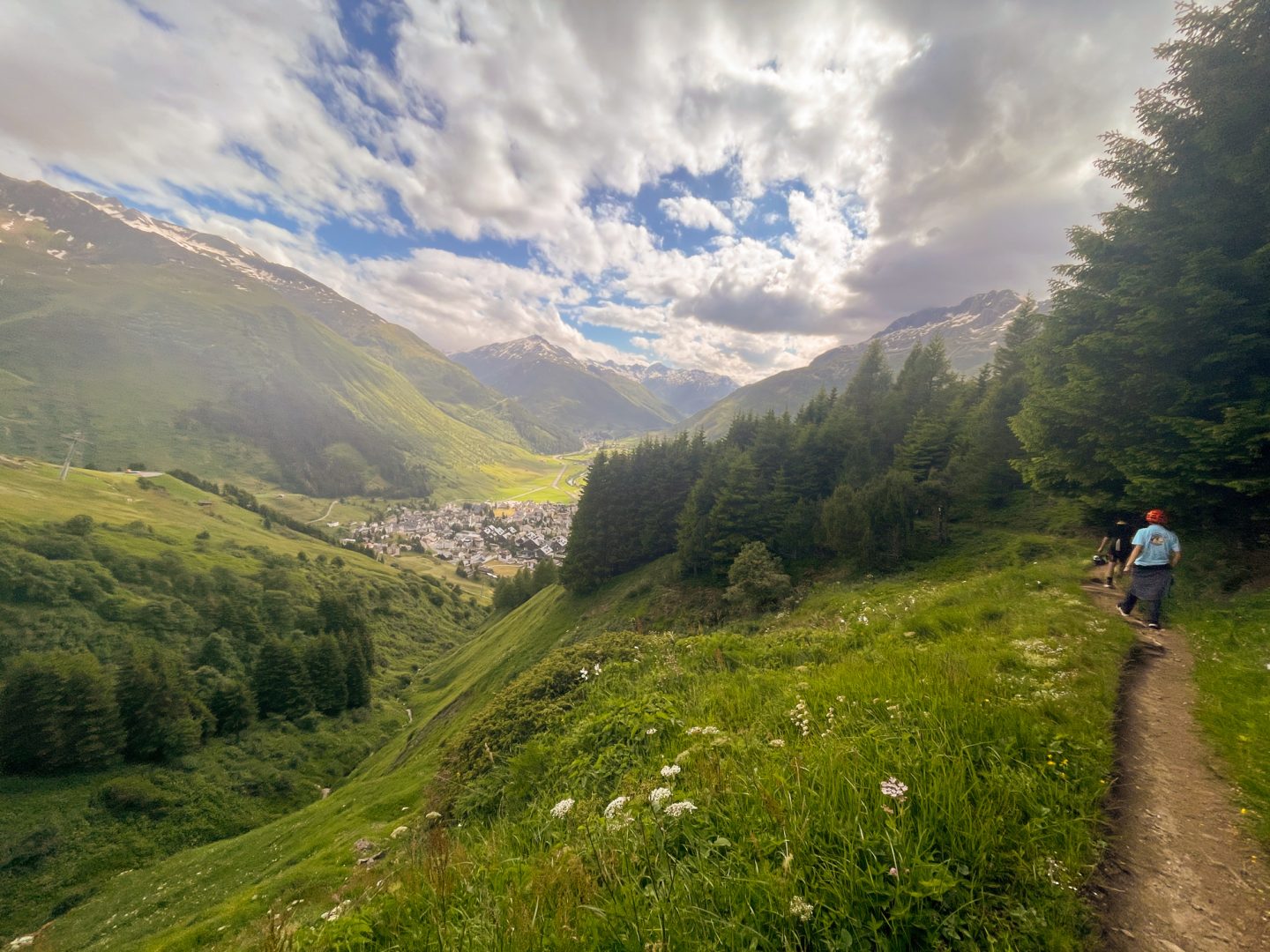
We, at the Young Explorers Club, build programs around Switzerland’s strongest assets: high peaks, clear lakes and an enormous network of trails. The country’s mountains include classic sites and the UNESCO Jungfrau-Aletsch region, while major lakes like Lake Geneva, Lake Lucerne and Lake Zurich give us long, safe waterfront seasons for kids. Those assets let me design true Alps summer camp experiences with progressive skill-building and real exposure to nature. Switzerland also offers roughly 65,000 km of marked hiking trails, so I can vary routes by age, ability and language focus.
Typical outdoor activities
Below are core activities we include to deliver balanced outdoor adventure Switzerland programs:
- Day hikes with map-and-compass skills and language prompts.
- Canoeing and lake sailing for teamwork and water safety.
- Mountain biking on graded singletrack with helmeted coaching.
- Ropes courses and high-ropes for confidence and group dynamics.
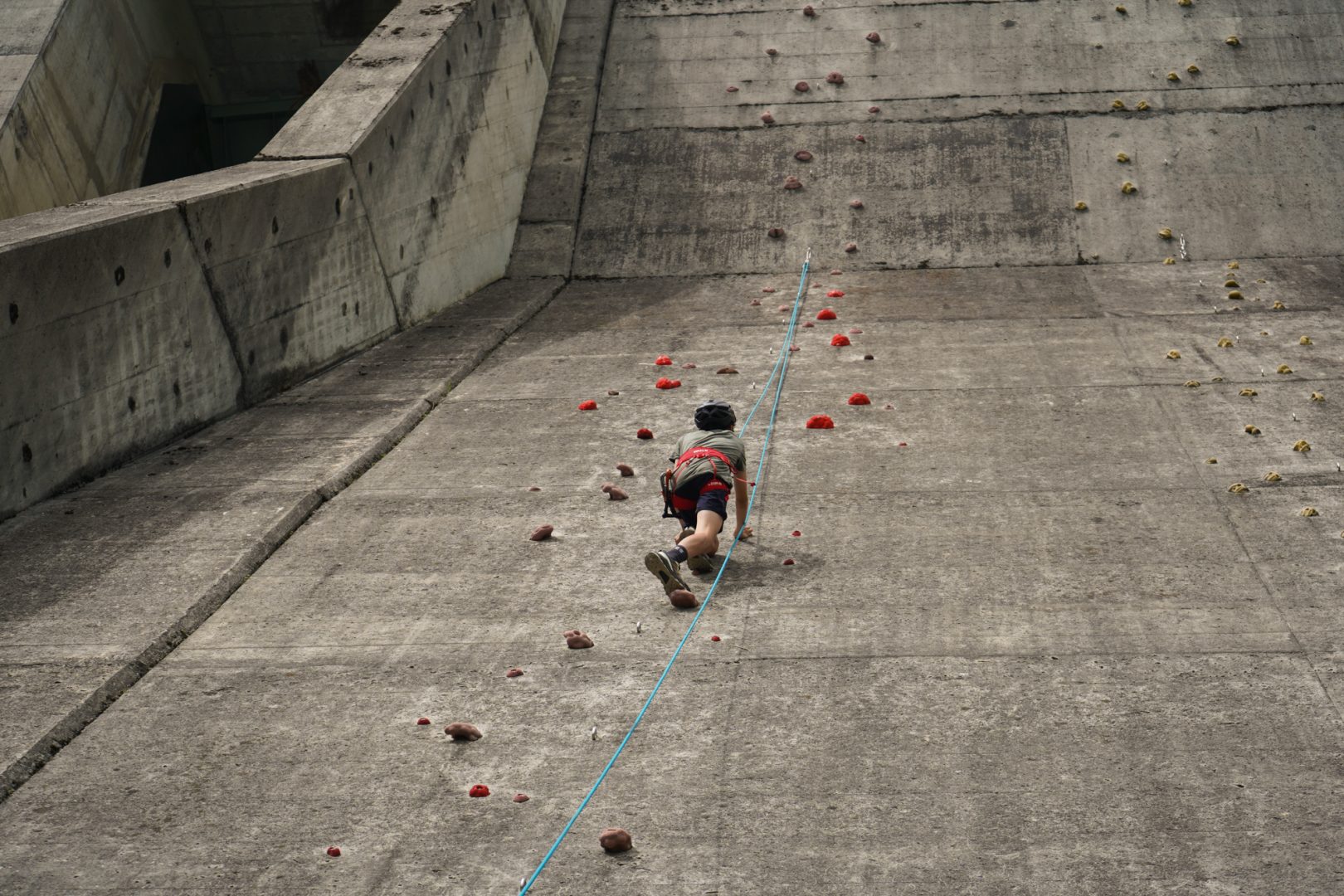
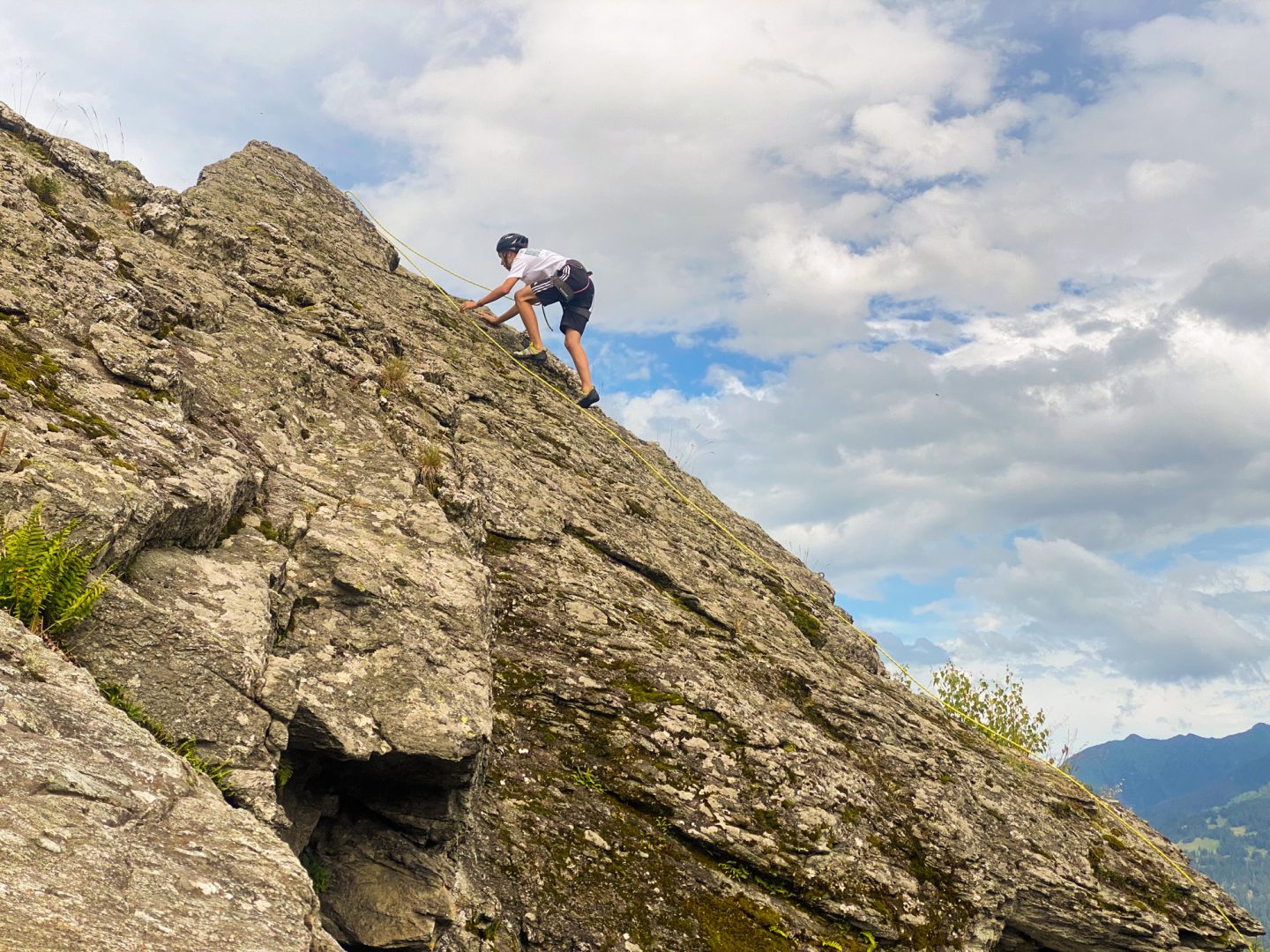
- Rock climbing and via ferrata with certified belayers.
- Glacier walks with professional mountain guides and crampons.
- Multi-day treks that combine campsites, storytelling and cultural workshops.
Health benefits and sample activity days
I plan activity cycles that raise daily physical activity while minimizing risk. Alpine air in many locations has lower pollution levels, which supports lung health and recovery. Nature exposure consistently improves mood, focus and sleep in children, so I layer quiet forest time into each day. Practical measures—gradual altitude gain, hydration protocols, sunscreen routines and routine swim-tests—keep kids healthy and able to enjoy longer excursions.
Sample activity-day examples reflect how I mix language learning with outdoor challenge:
- Half-day hike followed by a language class using trail vocabulary and reflection games.
- Full-day lake excursion with sailing, team regattas and language games on the shore.
- Multi-day guided mountain trek with taught navigation, glacier awareness and evening cultural workshops.
I always brief parents on pacing and skill goals, and I adapt itineraries for younger campers or mixed-ability groups. You can explore our international summer camps for specific session plans and sample menus.

Camp quality, accreditation, staffing and safety protocols
We, at the Young Explorers Club, set a high bar for safety and staff quality and expect the same from Swiss partners. Our selection favors camps that hold international accreditations; you can read more about our approach to camp accreditation. Many Swiss camps carry recognitions such as the American Camp Association and comply with Swiss child-protection and safety regulations.
Our teams and partner camps maintain clear, documented safety protocols. Ratios and training are non-negotiable. For younger cohorts you should expect a staff-to-camper ratio 1:4–1:8, with slightly higher ratios for teens. We insist that staff are first-aid certified, have child-safeguarding training, and hold activity-specific credentials like mountain-guide, sailing-instructor, or lifeguard certificates. Accredited programs typically provide vetted staff, written emergency plans, and regular safety drills.
Staff training, responsibilities and on-site medical care
Our staff training program covers immediate care and activity supervision. Trainers run scenario-based first-aid exercises and child-safeguarding modules. Instructors for specialist activities carry formal instructor qualifications and are assessed on practical skills before they lead groups. Supervisory staff log their qualifications and update them annually.
I frequently highlight that accredited camps document emergency planning — evacuation routes, contact protocols, and designated emergency leads. On-site medical coverage typical at accredited camps includes a qualified medic or nurse during waking hours and a clear plan for 24/7 escalation to local hospitals. We audit those arrangements before recommending a program.
Parent vetting checklist
Use this quick checklist when you evaluate a Swiss camp; it keeps the key credentials front and center:
- Confirm formal accreditation (look for national or international bodies such as the American Camp Association).
- Verify the staff-to-camper ratio; 1:4–1:8 is typical for younger children.
- Check on-site medical coverage and documented emergency plans.
- Ask for proof of background checks/DBS for all staff.
- Request evidence of first-aid certification and activity instructor qualifications for relevant roles.
- Ensure there’s a published policy on child safeguarding and incident reporting, and ask how often drills are run.

Costs, booking timelines and practical parent tips (packing, communications)
Costs and booking guidance
I’ll be direct about money. Typical camp fees range from CHF 800–3,000 per week. Two-week residential programs commonly run CHF 1,600–6,000+ depending on service level and inclusions. Book 6–12 months ahead for popular dates. Early-bird discounts and sibling discounts often reduce the headline price. I also look for scholarships when families need extra support.
Plan payments and paperwork early. Deposit deadlines lock spaces fast. Confirm what’s included — meals, excursions, airport transfers, insurance — before you pay. We, at the young explorers club, recommend checking transfer windows and specific arrival days well in advance. Many parents appreciate the extra reassurance that comes with clear cancellation and refund policies.
Packing, pre-departure checklist and communications
Pack with alpine weather layering in mind. Alpine temperature swings can be 10–20°C between valley and mountain; plan layers. Below is a compact packing list that covers essentials and common oversights.
- Layered clothing (base, insulating, water-resistant shell)
- Good hiking shoes and camp trainers
- Swim gear and quick-dry towel
- Travel plug adapters and a small power bank
- Basic meds, blister kit and prescription copies
- Photocopies of passport, visa and emergency contacts
- Vaccination records and printed insurance policy details
- A small daypack, sun hat and sunglasses
Label everything. Send duplicate documents to both camp and your own email. I suggest scanning items and storing them in a secure cloud folder for easy access.
Communications and homesickness: expect limited phone contact at many camps. Most camps provide parent updates via daily/weekly emails and photo galleries. Ask about the schedule for parent updates before departure so expectations match reality. Confirm whether the camp offers meet-and-greet or organised airport transfers and get the transfer details in writing.
I advise arranging a pre-camp video chat with staff for anxious children. Bring a small comfort item and set simple contact rules. If you want more information on safety and logistics, see why Switzerland is the safest destination for summer camps for added peace of mind.
https://youtu.be/4yjhBlgkw1U
Sources
Swiss Federal Statistical Office — Tourism statistics
Switzerland Tourism — Summer in Switzerland
Institute for Economics & Peace — Global Peace Index
World Happiness Report — World Happiness Report
EF — EF English Proficiency Index (EPI)
American Camp Association — Benefits of Camp
UNESCO — Swiss Alps Jungfrau-Aletsch
Federal Office of Public Health (FOPH) — Federal Office of Public Health
SchweizMobil — Hiking in Switzerland