
Summer Camp In Switzerland Vs. Summer Camp In The Uk: A Comparison
Compare Switzerland vs UK summer camps: alpine, multilingual Swiss boutique stays vs accessible, budget-friendly UK programmes.
Summer Camps in Switzerland vs the UK: A Comparison
We compare summer camps in Switzerland and the UK across formats, costs, activities, safety and logistics. The aim is to help families choose between alpine, multilingual Swiss programmes and more accessible, budget‑flexible UK options. Switzerland favours boutique alpine experiences with higher fees, certified mountain guides and strong multilingual exposure. The UK provides easier access, a broader set of price points, large providers and more varied themes. Expect more changeable weather and larger group sizes in the UK.
Key Takeaways
Formats and ages
- Both countries offer similar formats: day, residential, language immersion, sports, arts and leadership programmes. Sessions typically run 1–4 weeks and cover ages ~4–17 (residential commonly 7–17).
Cost and inclusions
- Switzerland: residential camps commonly sit in the CHF 1,000–4,000+ per week band, reflecting alpine safety measures, smaller groups and specialist staff. Expect higher baseline fees and fewer mass‑market budget options.
- UK: residential options often fall in the GBP 300–1,200 per week range with more budget and mass‑market choices. Be prepared for extras such as transfers, equipment hire, visas and insurance on both sides.
Activity and immersion strengths
- Switzerland emphasises alpine hiking, mountain sports (with certified guides) and regional language exposure (German / French / Italian), making it strong for outdoor alpine immersion and multilingual learning.
- UK excels at coastal and water sports, forest and heritage excursions and focused English tuition, offering broader thematic variety and easy access to inland and coastal sites.
Staffing, safety and regulation
- Switzerland: expect canton‑based checks, stringent alpine safety protocols and use of certified mountain guides for specialist activities.
- UK: regulation commonly involves DBS checks, Ofsted oversight for some providers and British Council frameworks for language courses; staffing ratios typically run ~1:6–1:12, with lower ratios for specialist activities.
Practical booking and travel considerations
- Typical booking terms: deposits commonly 10–30% with balances due 6–8 weeks pre‑start. Peak season is July–August.
- Airport hubs differ: Zurich, Geneva and Basel for Switzerland versus London, Manchester and Edinburgh for the UK. Factor local transfers and travel time into plans.
- Visa and entry: non‑EEA travellers should confirm Schengen or UK visa requirements well before booking, and allow time for any paperwork and travel insurance.
Recommendation: choose Switzerland if you prioritise boutique alpine experiences, multilingual exposure and specialist safety provision and are prepared for higher costs. Choose the UK if you need easier access, a wider range of price points and thematic variety (coastal, activity‑based or mass‑market options).
Quick comparison: formats, ages, session length and headline pros & cons
We, at the Young Explorers Club, present a compact side‑by‑side of formats, ages, session lengths and headline pros and cons for Switzerland versus the UK.
Formats, ages & session length
Residential (overnight), day camps, language immersion, adventure/sports, arts, leadership (CIT) and boarding‑school summer programmes are all widely available in both countries. We typically see ages from 4–17 covered across providers, with residential programmes commonly focused on ages 7–17. Session length normally runs 1–4 weeks; one‑week taster stays are popular, but multi‑week options suit deeper language or leadership progress. Expect prices quoted in CHF in Switzerland and GBP in the UK. For a focused look at the benefits that Swiss camps offer, we recommend this overview of the advantages of summer camp.
Headline pros & cons
Switzerland — Pros
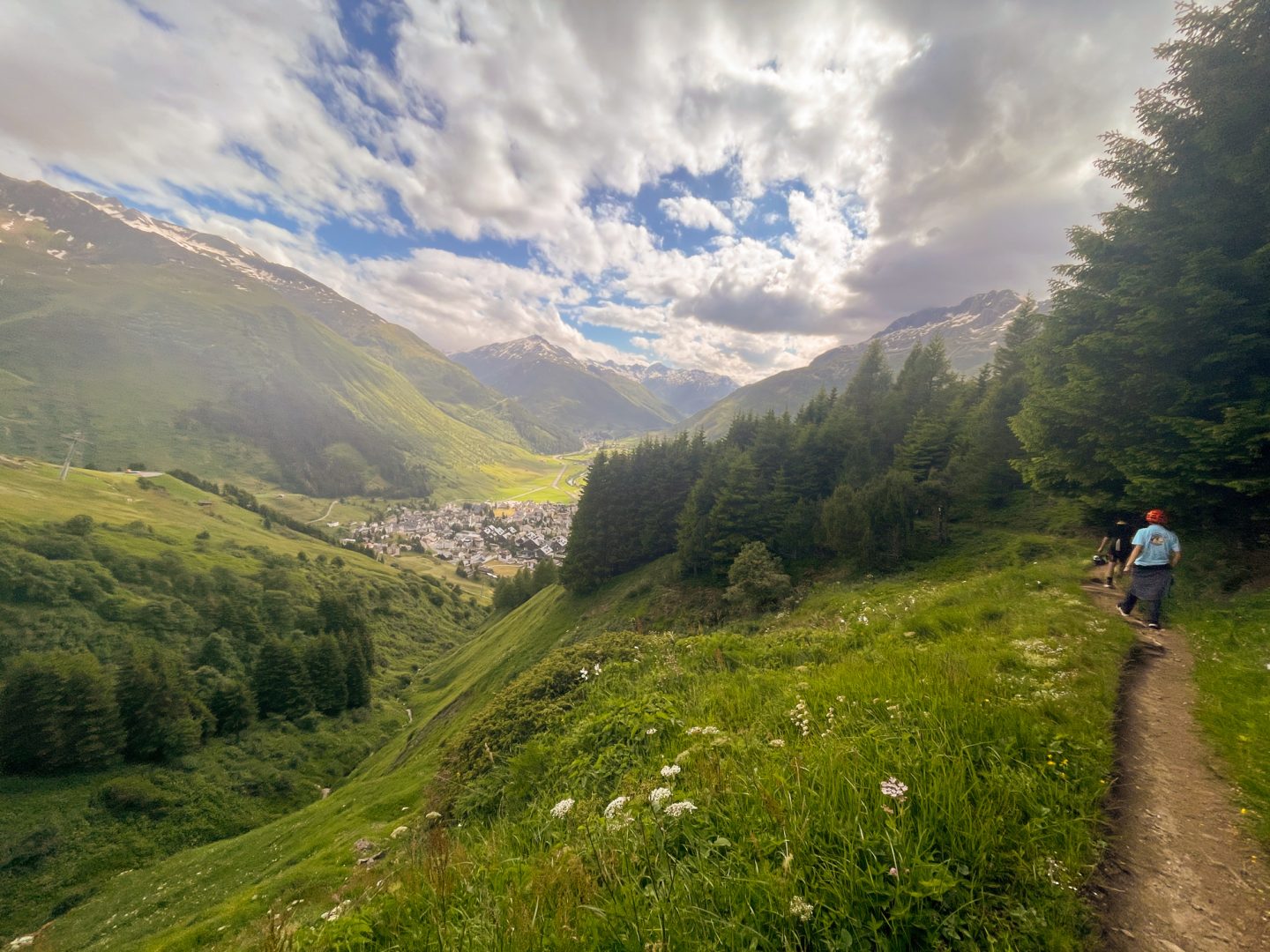
- Spectacular alpine scenery that supports real mountain sports and hikes.
- High safety standards for mountain activities, with trained staff and strict on‑site procedures.
- Multilingual exposure (German, French, Italian, English) integrated into daily life.
- Boutique and luxury options, often with smaller group sizes for more individual attention.
Switzerland — Cons
- Higher cost compared with many UK options (Switzerland: alpine, multilingual, higher cost).
- Sometimes harder to reach for families outside Europe; transfers can add time and expense.
- Regional variation: regulation and provisioning can vary by canton, so program details differ regionally.
UK — Pros
- Wide range of price points, including budget‑friendly choices and mass‑market options.
- Easy access from many countries and a large provider network; many English schools hold British Council accreditation.
- Strong variety of themes across arts, sports and language immersion.
UK — Cons
- Changeable weather that can affect outdoor schedules and activity plans (UK: accessible, budget range, changeable weather).
- Mass‑market camps can run larger group sizes, which may dilute one‑to‑one attention.

Costs and typical inclusions (what you will pay and what it covers)
We break down the realistic price bands and what those fees normally include so you can compare Switzerland and the UK side‑by‑side. Below I explain common extras and payment timing, and why Swiss residential options usually cost more.
Typical prices, what’s covered, and extra costs
Below are typical price bands and the common inclusions you should expect; exact offers vary by provider and programme.
- Switzerland: day camps ~CHF 150–500 per week; residential international camps and boarding‑school programmes typically CHF 1,000–4,000+ per week (tuition, activities, excursions). For a deeper look at cost patterns see camp costs in Switzerland.
- UK: day camps frequently ~GBP 80–300 per week; residential camps ~GBP 300–1,200 per week (activity providers like PGL/Kingswood often in GBP 350–800 per week).
- Typical inclusions (common to both markets):
- Tuition or language lessons (if advertised)
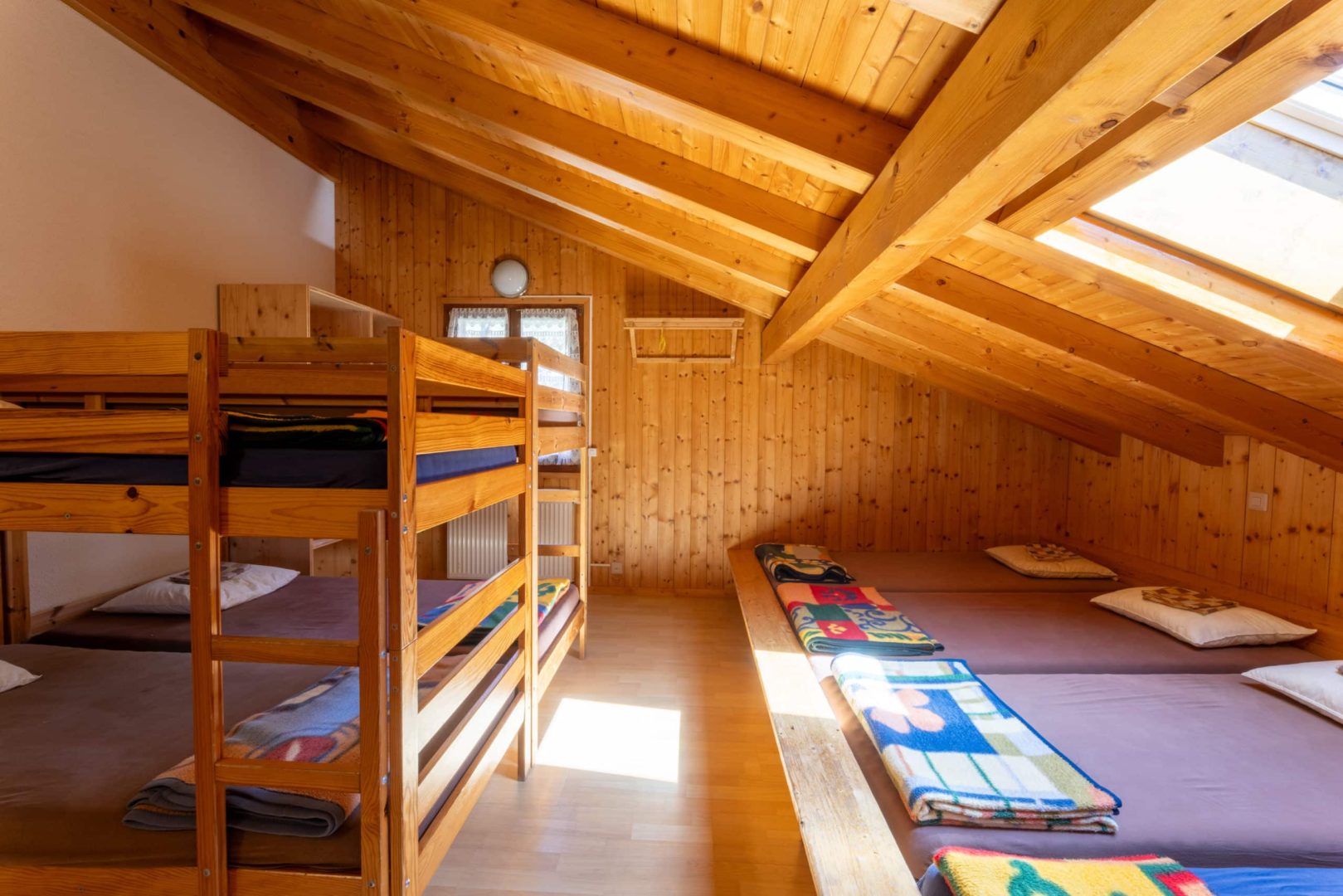
- Accommodation and full board for residential stays
- Daily supervised activities
- Equipment for included activities
- Scheduled excursions
- Premium packages may add airport transfers, special meals, or private coaching
- Extra costs to budget for: transfers (airport), equipment rental, insurance, visas, optional excursions, and deposits (often 10–30%). Expect incidental spending money for souvenirs or snacks.
We recommend you verify whether equipment and excursions are listed as “included” or “optional” in the contract. Providers often bundle some excursions but charge extras for off‑site trips or specialist coaches.
Payment timing and financial logistics matter. Typical deposits run 10–30% with the balance due 6–8 weeks before start. Ask about refund and cancellation policies, and whether a late balance incurs fees.
Exchange‑rate reminder: CHF 1,000 ≈ GBP [update at publication]. That conversion can change a family’s decision between a Swiss alpine experience and a UK programme.
Swiss residential camps often cost more for clear reasons. They hire certified mountain guides and maintain alpine facilities, run smaller instructor-to-child ratios, and face higher staffing and food costs—particularly when offering international menus and specialist safety equipment. Those elements raise the per‑child price but also raise the level of supervision and unique outdoor access.
We, at the Young Explorers Club, advise matching the price to your priorities: pick a UK option for budget flexibility and established activity providers, or choose a Swiss residential for alpine expertise and smaller cohorts.
Activities, programme offerings and language immersion
Typical activities — Switzerland vs UK
Below are the core outdoor and programme strengths you’ll find in each country.
- Switzerland: Alpine hiking, mountain biking, via ferrata, climbing and ropes courses, lake-based water sports, occasional summer-snow programmes at higher-altitude venues, and alpine safety training that emphasizes mountain awareness and first-aid preparation.
- UK: Coastal watersports and inland water-based activities, high ropes and archery, horse riding, forest-school style programmes, and history-rich excursions to castles and museums. Large holiday brands often run highly structured timetables with tight activity rotations.
We, at the young explorers club, pick partners that emphasize safety and progression. Many Swiss venues prioritize mountain-skill accreditation and guided alpine instruction. UK operators often excel at waterfront safety and curriculum-driven activity blocks.
Language immersion, class sizes and timetables
Switzerland gives you a multilingual setting — German, French, Italian and Romansh — so language exposure often depends on region. Camps there typically teach English but can deliver strong immersion in the local language if you choose a regional programme. The UK offers straightforward English immersion, with many summer schools running British Council‑accredited English programmes (British Council) aimed at international learners.
Typical class sizes for language lessons range from 6–16 students, with 8–16 common at language schools and premium camps offering 6–10 for intensive work. Language lessons usually sit in the morning, followed by practical application during afternoons and evenings.
A sample weekly timetable looks like this:
- Mornings — language lessons
- Afternoons — sports and activities
- Evenings — social and cultural events
- Weekend — full-day excursions
Inevitably, your goals should shape the choice. If you want mountain skills and multilingual exposure, Switzerland is the stronger pick. If you need concentrated English tuition with cultural excursions and waterfront programmes, choose the UK. We recommend balancing lesson intensity with activity variety; kids learn fastest when classes are focused but afternoons let them put language into practice. For deeper guidance on immersion and regional options see our Language immersion advice.

Staffing, safety standards, regulation and parent checklist
We, at the young explorers club, insist on clear staff models and verified checks before we place a child. Staffing typically runs Ratios 1:6–1:12: younger residential or adventure groups are usually 1:6–1:8, teens 1:8–1:12, and day camps often sit around 1:8–1:12. Specialist activities such as climbing or watersports bring extra qualified instructors, commonly at 1:4–1:8 for safety and focused supervision.
I assess background checks and instructor credentials as a priority. In the UK camps commonly use DBS checks and follow Ofsted and HSE safeguarding guidance, and many language programmes hold British Council accreditation. In Switzerland checks are canton‑based—expect canton police checks—and alpine activities are led by qualified instructors or certified mountain guides.
Medical coverage and on‑site support affect real readiness. Many residential camps keep a nominated first aider and fast access to local clinics or hospitals. High‑profile Swiss camps often staff a nurse or doctor on site. You should confirm medication policies and whether staff can dispense medicine.
Regulation and accreditation differ noticeably between the two countries. England and Wales may involve Ofsted inspections and the Adventure Activities Licensing Authority (AALA) for certain providers, while British Council accreditation is common for English‑language schools. Switzerland has canton regulation rather than a single national regulator; camps there often seek international accreditations or run programmes through boarding‑school partners to maintain standards.
Parent checklist (verify before booking)
Use this checklist as you compare options:
- Ask for evidence of DBS checks (UK) or canton police checks (Switzerland).
- Confirm staff‑to‑camper ratios for your child’s age and for any specialist activity.
- Request accreditation or inspection reports (Ofsted, British Council, AALA where applicable).
- Ask about on‑site medical provision, nearest hospital, and medication dispensing policy.
- Verify insurance and medical evacuation arrangements, and ask about COVID/health protocols if relevant.
- Check instructor certifications: first aid, lifeguard, RYA for sailing, and certified mountain guide for alpine work.
If you want guidance on choosing a programme that matches those criteria, see how to choose for practical steps and examples.

Travel, visas, timing, climate, food and health logistics
Airports and travel times
I’ll outline the main arrival points and typical transfer windows so you can plan flights and pickups. Many camps run dedicated airport transfers; we coordinate those at key hubs.
- Switzerland: Zurich (ZRH), Geneva (GVA), Basel (BSL). Many Swiss camps offer airport transfers from these hubs; typical transfers run 1–3 hours by train or coach (Interlaken ~2 hours from Zurich).
- UK: London Heathrow, Gatwick, Stansted, plus Manchester and Edinburgh for northern regions. Most camps sit within 1–3 hours of these airports by road or rail.
- Practical tip: book flights that arrive during daytime and allow at least one spare travel day for delays. We arrange meet-and-greets for late arrivals when possible.
Visas, timing, climate, food and health
Documentation: We handle documentation proactively and ask families to send forms well before departure. Non‑EU/EEA minors may need a Schengen visa to enter Switzerland; UK arrivals from non‑EEA countries may require a UK Standard Visitor visa or a child‑study/short‑term study visa for English programmes. Always check current immigration rules before booking. Camps commonly provide invitation letters to support visa applications. Parents must carry signed parental consent forms, medical forms and vaccination records at travel.
Timing: Switzerland’s peak season runs July–August and many programmes extend June–September. Expect Switzerland temps 10–28°C (altitude-dependent): lowland areas typically sit around 18–28°C while mountain camps hover nearer 10–20°C. The UK peak months are also July–August, with many day camps active May–September. UK temps 15–25°C; changeable weather and rain are common, so pack layers and waterproofs. We plan activities around local microclimates and advise flexible packing lists.
Health and medical logistics: Dietary needs and health logistics are straightforward if you prepare. Most camps will accommodate vegetarian, halal and common allergies, and Swiss kitchens often use local produce with continental or international menus. Residential programmes require a completed medical form, up‑to‑date immunisations and clear medication policies. Ask each camp about anaphylaxis training, allergy procedures and cross‑contamination procedures before you arrive. We keep medication protocols simple: labelled meds, instructions in writing, and an on‑site staff member responsible for administration.
Packing and preparation: I recommend you prepare documentation and health details early. To get ready effectively, consult our guide to prepare for camp which covers checklists, vaccines and packing specifics.

Camper profiles, group sizes, typical providers and booking practicalities
We, at the Young Explorers Club, see two distinct camper profiles across Switzerland and the UK. Switzerland often attracts international students, with a higher share of European and overseas families; boutique programmes frequently run with fewer than 100 campers per session. That international vs domestic camper mix and the boutique (fewer than 100) vs mass‑market sites (100–300+ participants) split affects everything from language balance to activity planning.
The UK tends to draw mainly domestic British children alongside international students attending English courses. National operators can run several hundred campers across multiple sites, with sessions commonly hosting 100–300+ participants per site. Larger sites mean busier schedules, greater activity rotation and a more standardized day‑to‑day experience.
Familiar provider profiles I point families toward include:
- Les Elfes International (Verbier) — multilingual adventure camps; typical ages 7–17; session length 1–4 weeks; price band at the Swiss residential end.
- Aiglon College Summer School — boarding‑school style leadership and academic focus for older teens; premium pricing.
- Interlaken and other Swiss adventure camps — alpine/outdoor focus with variable pricing and session formats.
- PGL (UK) — activity residentials for ages 8–17; typical weekly prices frequently GBP 350–800.
- Kingswood (UK) — activity centres and residentials with pricing and age ranges similar to PGL.
- Camp Beaumont / Activity Camps (UK) — urban day camps plus some residential options; day camps start from around GBP 80/week.
For more detail on what sets Swiss programmes apart, we point families to Swiss camps.
Booking, deposit & cancellation practicalities
Follow this booking flow and keep the payment rules in mind when you plan a camp booking:
- Enquiry → pay deposit to reserve (Deposit typically 10–30%).
- Complete paperwork: medical forms, consent, dietary and special‑needs declarations.
- Final payment due 6–8 weeks before the session starts (Balance due 6–8 weeks).
- Book transfers and flights only after final payment is confirmed.
Typical cancellation and protection rules to expect:
- Providers usually operate a sliding‑scale refund system based on how far in advance you cancel.
- Check each provider’s health and force majeure clauses before you commit.
- I always recommend travel and medical insurance to cover illness, travel disruption or last‑minute cancellation.

Sources
MeteoSwiss — Swiss climate in figures
Met Office — UK climate averages
British Council — Accreditation
HSE — Adventure activities licensing and inspection
GOV.UK — Standard Visitor visa
IFMGA / UIAGM — International Federation of Mountain Guides Associations
Federal Statistical Office (Switzerland) — Languages in Switzerland
Statista — Summer camps – Statistics & Facts
GOV.UK — Health and safety on educational visits
Federal Office of Public Health (Switzerland) — Travel medicine