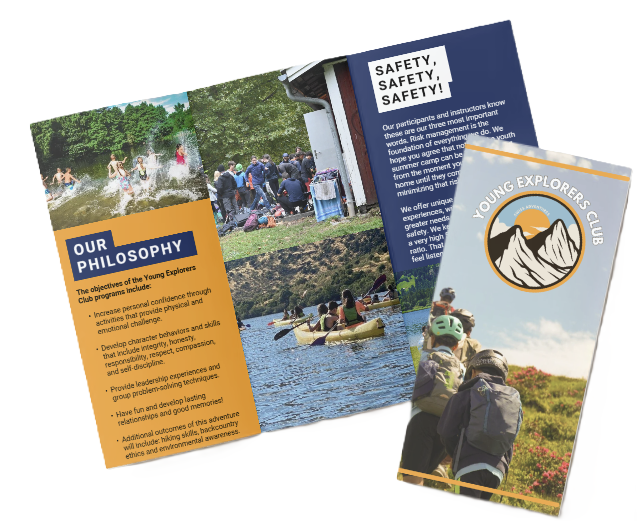
Top language learning camp ideas in Switzerland for kids
Discover the best language learning camp ideas in Switzerland for kids aged 8 to 17, blending French, German, and English immersion with outdoor adventure.
TL;DR:
- Switzerland offers camps combining outdoor adventures with immersive language learning for enhanced fluency.
- Effective camps integrate language into activities like hiking, cooking, and team challenges to boost retention.
- Matching camp themes and formats to a child’s interests and age maximizes motivation and personal growth.
Finding a summer camp that genuinely balances language learning with real outdoor adventure is harder than most parents expect. Many programs promise immersion but deliver little more than a classroom with a mountain view. The good news is that Switzerland has become a leading destination for camps that combine structured language practice with climbing, hiking, survival skills, and team challenges. When your child spends two weeks speaking French while navigating a trail or learning German through a cooking challenge, the results go far beyond vocabulary lists. This guide walks you through what to look for, which camp themes deliver the best results, and how to match the right experience to your child.
Table of Contents
- How to evaluate language learning camps in Switzerland
- Top creative language camp themes and activities
- Comparing Switzerland’s best language learning camp types
- How to match a camp to your child’s needs and personality
- Why adventure-driven language camps work best: our take
- Find the perfect Swiss language adventure camp
- Frequently asked questions
Key Takeaways
| Point | Details |
|---|---|
| Look for immersive camps | Camps that integrate language into all activities provide the most natural learning. |
| Balance learning with adventure | The best Swiss camps mix outdoor thrills with structured language practice. |
| Match camp to your child | Consider your child’s age, interests, and comfort level when choosing a camp theme. |
| Diversity boosts results | Camps with international staff and campers broaden language skills and cultural understanding. |
| Safety and credentials matter | Select camps with proper supervision, experienced staff, and clear educational goals. |
How to evaluate language learning camps in Switzerland
Choosing the right camp starts with asking the right questions. Not all language camps are created equal, and the difference between a forgettable experience and a life-changing one often comes down to a handful of key factors.
Here is what to look for when comparing options:
- Teaching method: Does the camp use communicative, task-based learning, or is it mostly grammar drills? Real immersion means using the language to do things, not just study it.
- Camp language policy: The best camps enforce a target language rule during meals, hikes, and group activities, not just during scheduled lessons.
- Group size: Smaller groups (ideally 8 to 12 per counselor) allow for more speaking time and personalized feedback.
- Balance of academics and activities: Look for a roughly 30/70 split between formal instruction and active, language-rich experiences.
- Staff credentials: Counselors should have both language teaching experience and outdoor activity certifications.
- Camper diversity: A mix of nationalities forces authentic communication. If everyone speaks the same home language, immersion breaks down fast.
- Safety standards: Check for certified first aid staff, clear supervision ratios, and transparent emergency protocols.
The most important factor is often the least visible: how deeply is language woven into everyday camp life? Adventure language camps that integrate communication into every shared challenge, meal, and activity produce the strongest results. Research confirms that integrating language into outdoor adventure boosts both confidence and acquisition in ways traditional classrooms simply cannot replicate.
For older teens, bilingual teen camps that add leadership responsibilities in the target language create an even richer environment for growth.
Pro Tip: When you contact a camp, ask specifically: “How does language learning happen outside of scheduled lessons?” A strong program will give you detailed, concrete examples. A weak one will give you vague answers about “immersive environments.”
Top creative language camp themes and activities
Once you know what to look for, the next step is finding themes that genuinely excite your child. Motivation is the single biggest driver of language acquisition, and a bored camper will not practice anything.
Here are the most effective and engaging camp themes available across Switzerland:
- Survival and wilderness camps: Teams navigate forests, build shelters, and solve problems entirely in the target language. High stakes mean real communication.
- Cooking and culture camps: Campers plan menus, shop at local markets, and prepare meals while learning food vocabulary and cultural context.
- Sports immersion camps: Football, mountain biking, and climbing sessions are coached in the target language, turning every drill into a language lesson.
- Music and performance camps: Writing songs, rehearsing skits, and performing in front of peers builds fluency and reduces speaking anxiety.
- Adventure quest camps: Scavenger hunts, map reading, and outdoor science experiments require constant communication and creative problem solving.
- Nature expedition camps: Guided hikes, wildlife observation, and environmental projects connect vocabulary to real, memorable experiences.
The power of these formats is that language retention through adventure is significantly stronger than passive study. Outdoor activities reinforce vocabulary because new words are attached to physical experiences and strong emotions, both of which are proven memory anchors.
Peer mentoring adds another layer. When older campers lead younger ones through a challenge in French or German, both groups benefit. The mentor reinforces their own skills, and the younger camper gets a relatable, low-pressure model to follow.
Immersive English and German camps that mix structured classes with spontaneous practice during shared meals and hikes consistently outperform single-format programs.
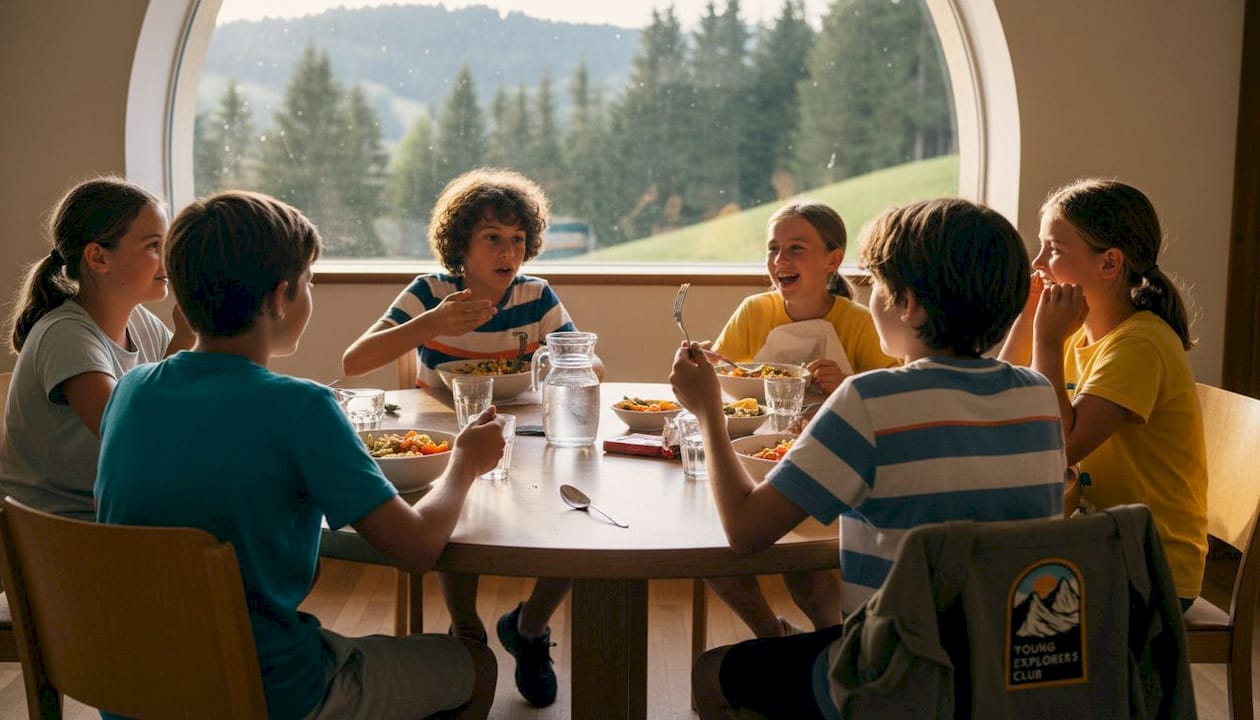
Pro Tip: Camps with multicultural staff bring natural variety to pronunciation, vocabulary, and cultural references. This exposes your child to real-world language diversity, which is far more useful than hearing only one accent or dialect all summer.
Comparing Switzerland’s best language learning camp types
With so many options, a side-by-side look helps clarify the trade-offs. International camps in Switzerland offer programs in French, German, and English with strong adventure elements, but the balance of activities varies widely.
| Camp type | Languages | Lesson ratio | Outdoor focus | Best for |
|---|---|---|---|---|
| German adventure camp | German, English | 30% lessons / 70% activity | Hiking, survival | Ages 10 to 15 |
| French and nature quest | French, English | 35% lessons / 65% activity | Nature, science | Ages 8 to 13 |
| English sports and leadership | English, French | 25% lessons / 75% activity | Football, climbing | Ages 12 to 17 |
| Music immersion camp | English, French | 40% lessons / 60% activity | Performance, arts | Ages 10 to 16 |
A useful benchmark: many leading Swiss camps follow a 40% outdoor adventure, 30% language lessons, and 30% social and cultural activities structure. This ratio keeps learning fresh without letting the academic component feel like school.
Key differences worth noting:
- Hiking and mountain safety focused camps build physical resilience alongside vocabulary
- Creative arts and language camps reduce speaking anxiety through performance and play
- Science and exploration camps connect academic content to real outdoor discovery
Reviewing bilingual summer camp benefits can also help you understand why two languages in one environment accelerates learning for both, rather than creating confusion.
How to match a camp to your child’s needs and personality
The best camp on paper is worthless if your child dreads going. Fit matters more than rankings.
Here is a simple five-step process to find the right match:
- Assess interests first. Does your child love physical challenges, creative projects, team sports, or nature? Start with what already excites them, then look for camps that build language learning around those activities.
- Weigh language goals honestly. Is the goal basic conversational confidence, academic preparation, or genuine fluency? Different camps serve different ambitions.
- Encourage trying new things. Confidence-building camps that gently push children beyond their comfort zone produce the biggest personal growth, especially when the challenge is shared with peers from different countries.
- Balance academics and fun. If your child already finds language learning stressful, a camp heavy on formal lessons will backfire. Prioritize activity-rich formats and let fluency develop naturally.
- Ask direct questions to camp organizers. Call, not just email. Ask about a typical day, how conflicts are handled, and what happens if a child struggles socially. The answers reveal the camp culture.
Matching the camp environment to a child’s personality helps maximize both language and social growth, which is why this step deserves as much attention as comparing brochures.
“Children build lasting confidence by stepping out of their comfort zones, especially in a second language.”
Age matters too. Children aged 8 to 11 thrive in playful, game-based environments. Teens aged 12 to 17 respond better to real responsibility, peer leadership, and genuine challenges that feel meaningful rather than manufactured.
Why adventure-driven language camps work best: our take
Conventional language classes have one fundamental problem: they remove all the reasons you actually need to speak. There is no urgency, no real audience, and no consequence for staying silent. A classroom is a safe place to avoid communication.
Adventure camps flip this completely. When your child needs to tell a teammate which direction to take on a trail, or explain a recipe step in French before the group can eat, the language becomes a tool rather than a subject. Mistakes are expected. Nobody laughs. Everyone is figuring it out together.
What we have seen consistently at adventure-based learning programs is that children return not just with more vocabulary, but with a fundamentally different relationship to the language. They stop being afraid of it.
The adventure setting also creates powerful memory anchors. Your child will remember the word for “rope” in German because they used it while climbing a real rock face. That kind of encoding does not happen in a textbook.
Pro Tip: Prioritize camps that build shared challenges and real-life tasks directly into the target language schedule, not just optional conversation time.
The most overlooked benefit is motivation. Children who have fun learning a language want to keep learning it when they get home. That continuation is where real fluency is built.
Find the perfect Swiss language adventure camp
Ready to give your child a summer of excitement, confidence, and real language growth? Switzerland offers some of the world’s most remarkable settings for exactly this kind of experience.
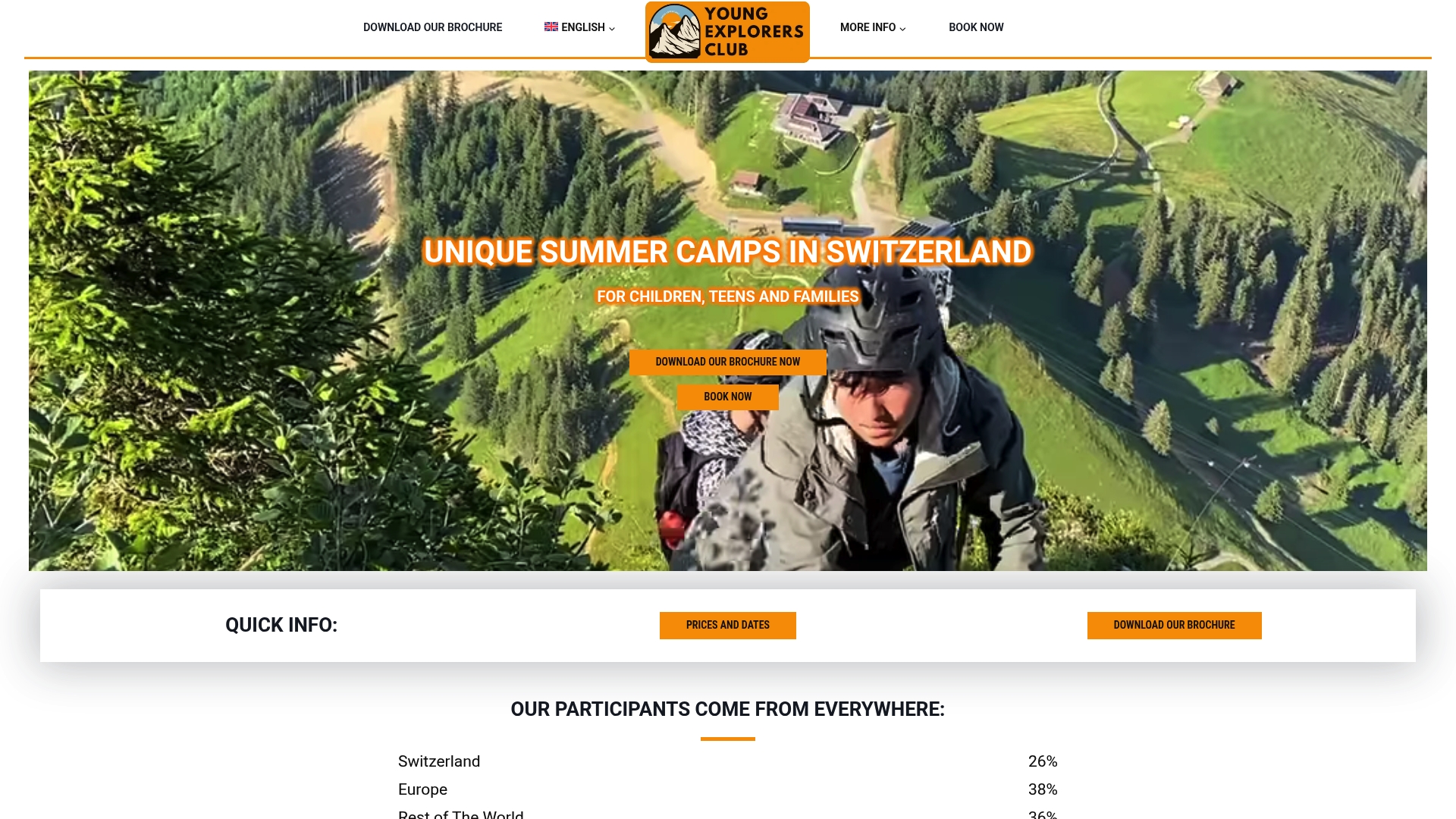
At Summer Camp Switzerland, Young Explorers Club runs immersive programs that blend outdoor adventure with genuine language learning across multiple formats and age groups. Whether your child wants to explore the Alps while learning French, build leadership skills in English, or tackle new challenges at a German summer camp, there is a program designed for them. Browse all options, compare formats, and register directly through our international summer camps page to secure your child’s spot for 2026.
Frequently asked questions
What age is best to start a language learning camp in Switzerland?
Children as young as 8 can benefit from structured language immersion, with specialized tracks available for teens up to 17 that add leadership and independence challenges for deeper growth.
Which languages can my child learn at Swiss summer camps?
Most camps offer French, German, and English, with some programs extending to Italian or bilingual combinations. Swiss international camps frequently offer all three major languages within a single session.
How do adventure activities support language learning at camp?
Adventure-based tasks require real, immediate communication, which drives active practice and deeper retention. Adventure programs accelerate language learning far more effectively than classroom-only formats because the language is used to accomplish real goals.
Are these camps safe for children who are new to outdoor adventure?
Reputable Swiss camps prioritize safety through trained staff, small group ratios, certified first aid, and clear supervision policies designed for children at every experience level.
What is the balance between language lessons and outdoor activities?
Leading camps typically blend 30 to 40% direct instruction with 60 to 70% activity-based immersion, ensuring children practice the language constantly without feeling like they are at school.