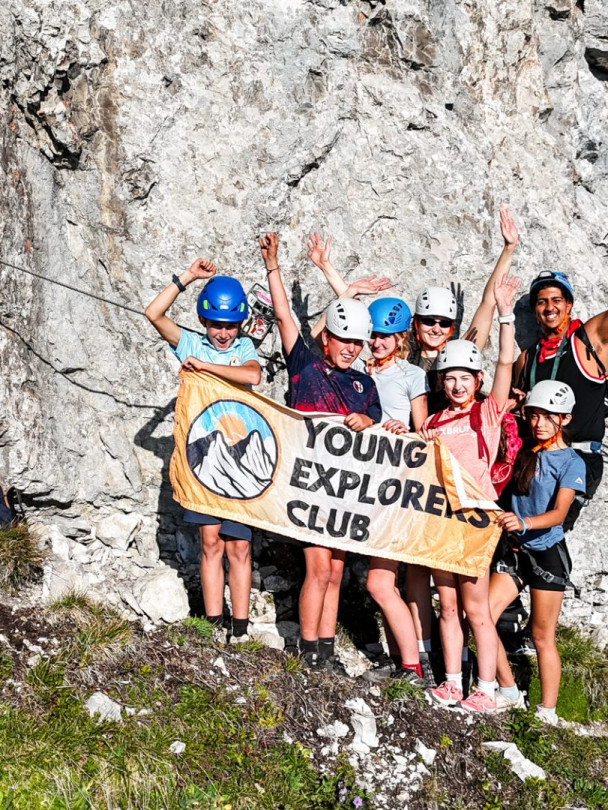
Summer German-immersion camps in Switzerland
Summer German-immersion camps place learners in German-speaking cantons such as Zurich, Bern, Lucerne, St. Gallen and Aargau. Everyday interactions at markets, on public transit, during excursions and in homestays reinforce classroom work and speed up practical listening and speaking skills. The best months run from June to August, with July typically at peak capacity. We recommend a minimum stay of two weeks. Courses of 20–30 lessons per week usually yield about 0.5–1 CEFR level gain over 2–4 weeks. Families should plan travel, visas, insurance and transfers in advance, using hubs like Zurich.
Key Takeaways
Immersion strength
German dominates daily life in these cantons. Learners get steady practice with native speakers in real situations, not just classroom drills, which accelerates conversational fluency and listening comprehension.
Timing and progress
Travel between June and August for the strongest exposure and cultural programming. Book early to secure spots—many camps fill by late spring. Aim for at least two weeks; 20–30 lessons per week produce measurable CEFR gains in short stays.
Program formats and teaching
You can choose from residential, day, family or university-prep camps. Classes usually host 8–12 students. Expect 15–30 lessons per week, depending on the program intensity and whether afternoon excursions or conversational labs are included.
Logistics and safety
Fly into Zurich or Basel and take regional trains for most transfers. Prepare a Schengen visa if required. Pack parental consent, travel insurance, medication records and emergency contacts. Camps typically provide local emergency procedures and staff contacts—confirm these before travel.
Costs and booking tips
Costs vary by format and location. Typical ranges:
- Day camps: CHF 300–900 per week.
- Residential programs: CHF 900–2,500+ per week.
Expect deposits around 20–30% and early-bird discounts of 5–15%. Budget extra for transfers, exam fees and pocket money. Book early to secure preferred dates and accommodation options.
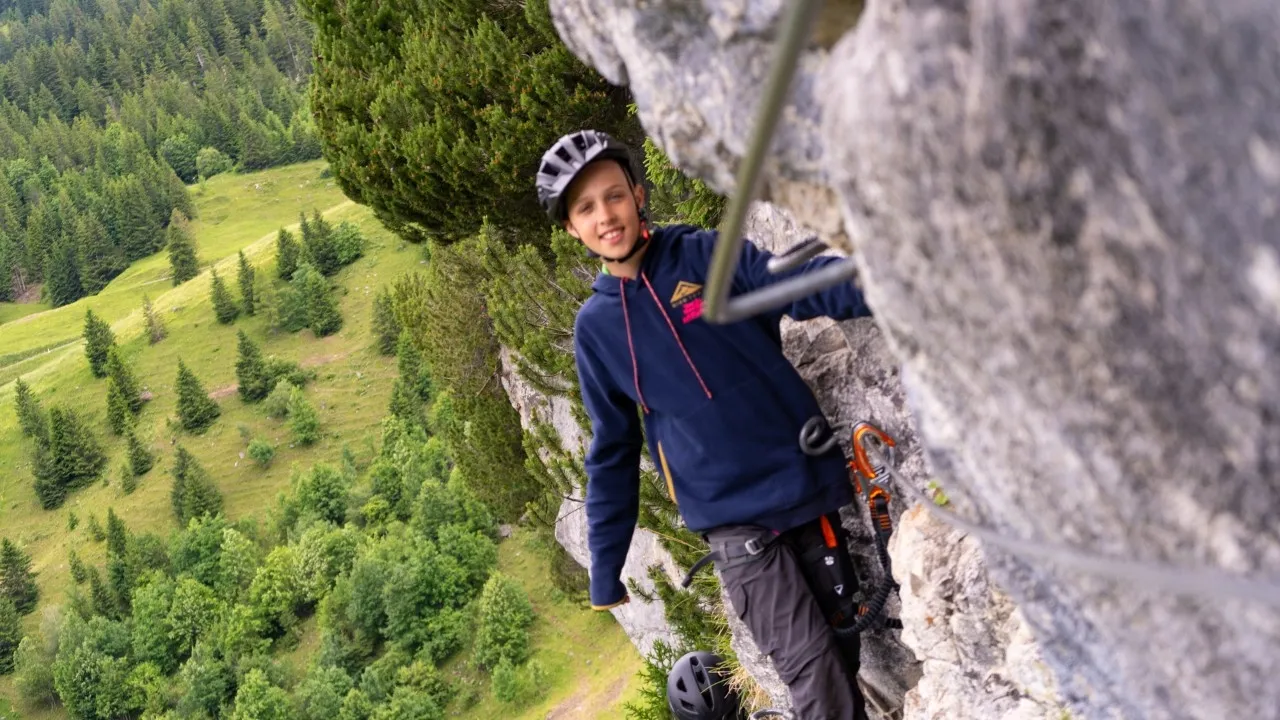 Watch on YouTube
Why Switzerland is the ideal German-immersion destination
We, at the young explorers club, pick Switzerland because German is everywhere in large parts of daily life. About 62–63% of Swiss residents speak German, while French accounts for roughly 22–23% and Italian about 8%, so immersion is concentrated in clear regions. That density means campers meet native speakers in markets, buses, museums and on hiking trails — not just in classroom drills.
Language landscape and global relevance
German in Switzerland gives learners two big advantages. First, students practice with native speakers who use both standard (Hochdeutsch) and regional expressions, which builds listening and practical speaking skills fast. Second, German is globally useful: roughly 95 million native speakers worldwide, so progress made here opens doors across Europe and in global business and science. We design activities that push campers to use German for real tasks — ordering food, asking for directions, running a group project — so language growth translates into confidence.
Best season, peak timing and recommended duration
When planning a stay, remember these practical points:
- Optimal months: June–August, with July as the busiest month. Peak dates fill quickly, so early booking prevents disappointment.
- Typical lengths: programs run 1–4 weeks. We recommend a 2-week minimum to see measurable gains in listening and speaking.
- Why two weeks works: the first week breaks through beginner hesitation; the second consolidates vocabulary and builds routine. Short stays can spark interest, but two weeks let new patterns stick.
- Booking advice: reserve space as soon as dates are set. Popular German-immersion camps in July reach capacity early.
- Regional choice: choose camps in German-speaking cantons for full exposure; partial-language areas dilute immersion and slow progress.
We staff camps with native speakers and structure days to maximize informal practice. Mornings focus on guided lessons, afternoons on outdoor projects and local interactions. Evenings include group reflection in German so learners end each day using the language. For parents making plans, our practical guide to summer in Switzerland covers logistics and expectations and helps match dates to family schedules.

Regions, arrival hubs, and travel logistics
We, at the Young Explorers Club, place most of our German-language programs in the main German-speaking cantons: Zurich, Bern, Lucerne, St. Gallen and Aargau. Camp cities you’ll see most often include Zurich, Lucerne, Bern, Basel, Interlaken (Bernese Oberland) and St. Gallen. I’ll explain practical arrival choices and the paperwork families must prepare.
Arrival hubs and getting around
Choose your arrival airport based on convenience and language region. Zurich (ZRH) is the primary gateway for German-speaking camps. Basel (BSL) sits on the border with France and Germany and can be handy for western Swiss locations. Geneva (GVA) mainly serves the French region but many international travellers still fly there and connect by rail.
I recommend trains for transfers. Switzerland’s rail network runs frequently and on time; SBB is the reliable operator I trust for intercity and local transit. For example, Zurich Airport to Lucerne is about one hour by train (SBB timetable approximations). Book connections with realistic transfer windows of 45–90 minutes to allow for passport control and luggage.
Practical tips for airport-to-camp travel:
- Fly into the airport closest to your camp if you want a shorter transfer.
- Aim for mid-day arrivals; Swiss transit runs well but late-night logistics add complexity.
- Confirm whether the camp offers airport pickup; we can usually arrange supervised transfers for minors.
- Pack a printed itinerary and key contact numbers in the child’s carry-on for easier handoff.
Visa and travel checklist
Follow this compact checklist for documents and pre-trip steps.
- Schengen short-stay visa (up to 90 days) — check SEM for requirements and application procedures.
- Parental consent letter signed by both parents or legal guardians; include emergency contact details.
- Guardian or camp contact details (name, phone, arrival plan).
- Copy of passport or national ID for the child and accompanying guardian.
- Proof of health insurance and travel insurance that covers medical evacuation.
- Any needed medication summary and physician instructions, plus authorization forms the camp requires.
- Flight itinerary and train reservations; show these to border officers if requested.
I advise scanning all documents and storing them with a trusted adult and digitally in a secure cloud folder. We, at the Young Explorers Club, also recommend parents keep photocopies separate from originals and give camp staff a set on arrival.
If you want more help deciding where to send your child based on region and travel ease, see our guide to choose the best camp for practical decision points and comparisons.
Camp types, age groups, accommodation and pastoral care
We group campers by clear age bands: 7–12, 13–17 and 18+. That keeps teaching age-appropriate and social groups tight. We run standard and intensive lesson loads: 15–30 lessons per week (standard 15; intensive 20–30), each lesson lasting 45–60 minutes. Classes average 8–12 students, so learners get regular speaking time and teacher feedback.
Program types
Below are the program formats we run so families can match goals with experience:
- Residential/boarding language camps focused on full immersion.
- Day camps for local families who want daily lessons without overnight stays.
- Family camps where parents and kids learn and explore together.
- University-prep immersion for older teens who need academic language readiness.
- Combined language + activity programs that mix lessons with sports, arts or adventure.
We also partner with established providers such as EF Education First, Berlitz and Sprachcaffe, and collaborate with trusted local Swiss camps to cover a wide range of pedagogies and activity choices. For help making a decision, I recommend you choose the best camp using our decision checklist.
Accommodation and pastoral care
Boarding, homestay, shared apartments and hotels are the common options we arrange. Boarding houses and shared apartments give peers lots of social time. Homestays add daily-life cultural exposure. Hotels suit shorter stays or families who prefer ready-made services.
We maintain staff-to-student ratios typically between 1:8 and 1:15 for minors. That ratio guides daily supervision, emergency response and evening checks. Full board is normally included, with three meals per day and dietary accommodations where needed. Our pastoral care covers:
- Daily welfare checks and designated pastoral leads;
- Bilingual staff available for first-response support;
- Structured routines: morning classes, afternoon activities, and evening clubs to keep days balanced.
Teachers plan 15–30 lessons per week around activity slots so language practice extends beyond the classroom. I ensure lesson intensity matches goals: lighter loads for activity-focused stays, higher lesson counts for fast progress or exam prep. Parents get clear arrival and contact procedures, regular progress updates, and on-site medical protocols.
Curriculum, teacher qualifications, assessment and a sample day
We align every course to CEFR levels A1–C1 and build clear hour targets so families know progress expectations. For planning I use the CEFR guidance: A1 ≈ 90–100 hours, A2 cumulative ≈ 180–200 hours, B1 ≈ 350–400 hours, B2 ≈ 500–600 hours, C1 ≈ 700–800 hours (CEFR). Instruction mixes focused skill work and real-life practice so campers move from controlled accuracy to fluent use.
We require eduQua accreditation for partner schools and hire teachers with DaF/DaZ qualifications; all staff on minors’ programs complete background checks and safeguarding training. Classroom teams pair an experienced language teacher with activity coaches so learning continues outside the lesson.
Assessment is practical and measurable. We run CEFR-aligned pre-tests on arrival and repeat them at departure to show gains. A final CEFR-aligned assessment measures listening, reading, writing and speaking. Where available we collect Goethe-Zertifikat pass rates to benchmark outcomes and report these to parents.
Morning lessons teach core grammar, vocabulary and skills. Afternoons focus on activity-based conversation practice to consolidate morning learning. Evenings host social clubs for extra speaking time and informal correction. We use short cycles of explicit instruction, immediate feedback, and task-based projects that you can see produce rapid confidence gains.
Hours, mapping and a typical day
Below I list the hour targets, weekly lesson mappings and a sample daily schedule so you can compare options.
- CEFR cumulative hours:
- A1: 90–100 hours
- A2 (cumulative): ≈180–200 hours
- B1: ≈350–400 hours
- B2: ≈500–600 hours
- C1: ≈700–800 hours
- Lesson-hours per week (class time → typical contact hours):
- 15 lessons/week → 12.5–15 teaching hours
- 20 lessons/week → 16–20 teaching hours
- 30 lessons/week → 24–30 teaching hours
Sample day (clear, repeatable routine):
- 09:00–12:30 — Morning classes: grammar, pronunciation drills, reading and structured speaking tasks
- 12:30–14:00 — Lunch and rest
- 14:00–17:00 — Afternoon activities: sport, project work, excursions with guided German practice (try our Swiss outdoor camp for practical language use)
- 17:00–19:00 — Free time and supervised study
- 19:00–21:00 — Evening social clubs: conversation circles, games, drama and film in German
We document hours, test scores and Goethe-Zertifikat outcomes to create progress reports you can trust.
Measurable outcomes, typical progress and activities for immersion
We, at the Young Explorers Club, set clear, measurable targets before each immersion session. Expect learners taking 20–30 lessons per week to make roughly 0.5–1 CEFR level progress in 2–4 weeks. Over longer stays, around 6–12 weeks, we typically see about a 1-level CEFR gain.
Assessment and tracking stay central to our approach. We recommend a mix of formal and experiential indicators so progress is visible to parents and students alike.
Success metrics to track
I introduce the metrics we collect and display for every course:
- CEFR pre/post testing to quantify level changes.
- Percentage of students achieving a one‑level gain as a headline result.
- Student satisfaction rates from end‑of‑stay surveys.
- Goethe‑Zertifikat pass rates for test‑focused groups.
- Attendance logs and records of extracurricular practice to contextualize results.
Note that a few confounding factors affect outcomes: age, prior exposure, learner motivation, and out‑of‑class practice. We flag these alongside results so families see realistic expectations.
Activities that drive immersion
We choose excursions and tasks that force real conversation and contextual vocabulary use. Signature activities include hiking and lake sports, visits to Jungfraujoch, Mount Pilatus and Rhine Falls, Maison Cailler chocolate factory tours, city cultural tours, local festivals, and Swiss cuisine workshops. I pair each outing with clear language tasks — for instance, market visits set shopping vocabulary goals, tandem conversations with local students focus on everyday phrases, and themed vocabulary scavenger hunts push retention through action. We promote homestays to guarantee daily conversational practice and faster fluency gains.
We also guide parents on selecting programmes that match learning goals; for practical advice, we point them to our resource on summer camp in Switzerland.

Costs, booking, health & safety, and packing essentials
We, at the Young Explorers Club, break the financial picture down so families can plan clearly. Day camps typically run CHF 300–900 per week. Residential stays usually fall between CHF 900 and CHF 2,500+ per week.
Expect extras such as:
- registration fee (CHF 50–200)
- airport transfer (CHF 50–200)
- exam fees
- required travel or medical insurance
Ask each provider to list what’s included — tuition, board, activities and any insurance — and to highlight mandatory extras so nothing surprises you.
Booking and discounts: I advise watching the deadlines. Early-bird discounts commonly sit between 5–15%. Deposits are usually 20–30% at booking. Book at least 2–4 months before your travel dates for general availability, and look for early-bird offers released 3–6 months ahead for the best savings. Double-check cancellation and refund policies before you pay.
Safety is a top priority. Keep emergency numbers handy:
- 112 — general EU emergency
- 144 — ambulance
- 117 — police
- 118 — fire
We require proof of travel/medical insurance and recommend taking a comprehensive policy that covers evacuation and activity-specific incidents. EHIC/GHIC cards are accepted in Switzerland, but families should confirm coverage specifics for treatments and age limits before travel. Notify us and the camp about allergies, chronic conditions and medication schedules in writing. Camps should provide clear on-site medical arrangements and staff first-aid qualifications; insist they document this.
Travel logistics matter. Arrange airport transfers and arrival times in advance. Confirm pickup charges and where staff will meet arriving participants. Keep digital and printed copies of passports, visas and insurance. We suggest a short health summary and a photocopy of prescriptions in case medical staff need it.
Packing checklist — bring these essentials
Pack these core items and store them in an accessible place during travel:
- Passport, visa (if required), travel insurance documents, EHIC/GHIC card
- Type J adapter and a small amount of CHF cash
- Layered clothing for alpine weather: base layers, fleece, waterproof jacket
- Comfortable hiking shoes and socks suitable for wet conditions
- Any prescription medications with copies of prescriptions and instructions
- Notebook, pencil and language materials for German practice
- Reusable water bottle and light snacks for day trips
- Small daypack for hikes and excursions
We recommend labelling all items and testing electronic chargers before departure. For detailed advice on how to choose a camp that fits your goals, see our short guide to choose the best camp.