

Camp Benefits and How Camps Encourage Trying New Things
Nearly 14 million children attend U.S. camps each year. More than nine in ten campers try at least one activity they’d never tried before. Camp gives kids a safe place to explore new skills. We, at the Young Explorers Club, watch staff blend structure and freedom to lower perceived risk. Programs reduce barriers by mixing structured novelty, short rotating sessions, peer acceptance of failure, and trained staff who scaffold challenges so kids feel comfortable trying new things.
Recommended session lengths by age
- Preschool: about 20–30 minutes
- Elementary: about 20–45 minutes
- Older kids: about 45–90 minutes
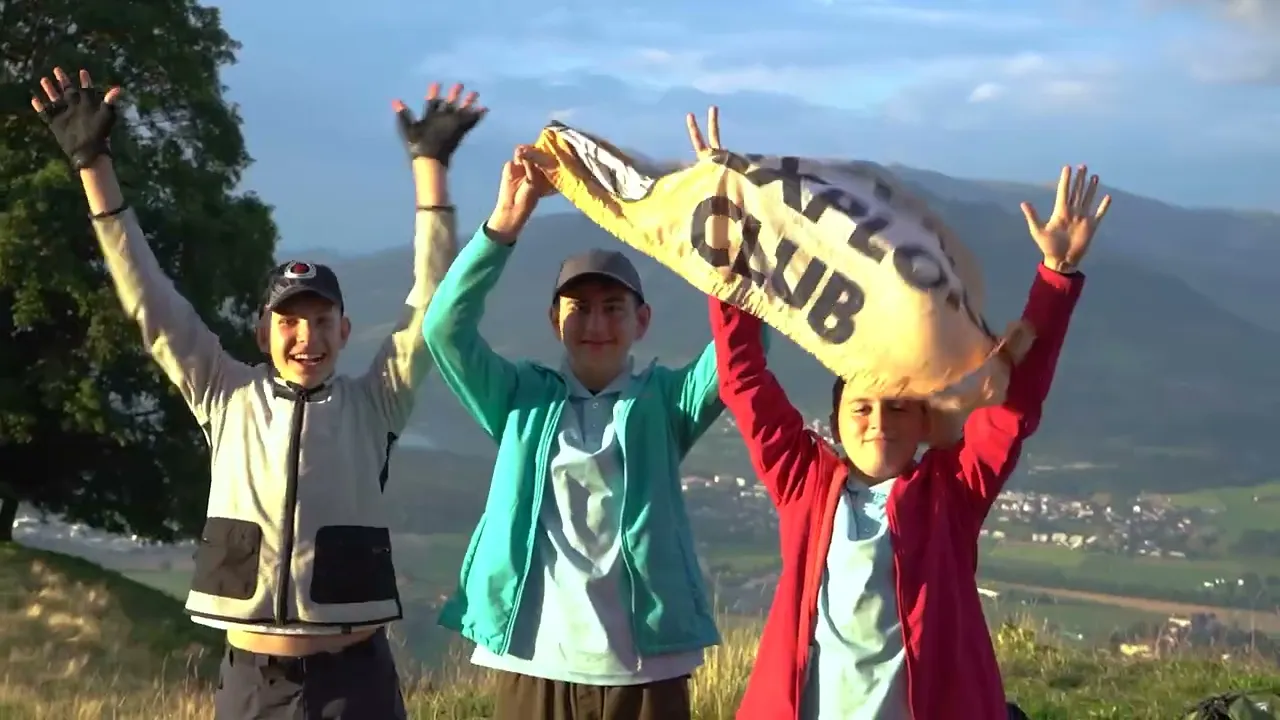 Watch on YouTube
Why Camps Are Ideal Places to Try New Things
Nearly 14 million children attend U.S. camps each year (American Camp Association). More than 9 in 10 campers report trying at least one activity they had never tried before at camp (American Camp Association research phrasing). We, at the Young Explorers Club, use those realities to create environments where trying new things feels natural and safe.
Camps lower the barrier to experimentation by combining structured novelty, peer support, and trained staff. Short sessions and rotating activities reduce the pressure of long commitments. Mixed adult supervision plus small-group encouragement lowers perceived risk of failure. That mix makes curiosity socially accepted and failure easy to recover from.
Key mechanisms that make camps low-risk
Below are the practical features that turn a camp into a launchpad for new experiences:
- Progressive, time-limited exposure: We sequence skills from simple to harder tasks and keep sessions short so kids can try without fear of wasting time.
- Rotating activities: Shifts between arts, ropes, water-based play, and games let campers sample widely in one day.
- Peer normalization of failure and curiosity: When other kids stumble and laugh it off, trying again feels normal.
- Skilled staff who scaffold learning: Counselors give immediate, constructive feedback and break tasks into doable steps.
- Small-group encouragement: A group of three to eight peers creates accountability and gentle pressure to participate.
- Mixed supervision: Adults step in where needed but let campers lead when possible, building ownership and confidence.
How we apply this and what to look for
I recommend these concrete checks for parents and camp directors who want real growth:
- Program options: Look for programs that advertise both residential camp and day camp options so families can choose based on readiness. A night or two away in a residential setting can accelerate independence; a day camp allows smaller, repeated risks.
- Session length and rotation: Ask about session length and rotation schedules. Short, varied blocks promote experimentation.
- Staff training and ratios: Verify staff training and counselor-to-camper ratios before enrolling; the right staff scaffold attempts and keep frustration productive.
- Peer-support emphasis: Seek camps that emphasize peer support and group problem-solving, since social norms shape willingness to try.
- Local availability: Consider local participation numbers and offerings for your region and verify them for 2026 to understand availability.
We build activities that prioritize skill exploration while keeping safety and fun at the center. For more on how camps encourage creative problem solving and exploration, see our page on skill exploration.

Key Benefits — Social, Emotional, Cognitive and Physical Gains
We, at the Young Explorers Club, structure days so children practice autonomy while getting steady peer and staff reinforcement. Camps build self-confidence and resilience through supported risk-taking and immediate peer feedback. ACA outcome phrasing reports growth in independence, resilience, confidence and social skills (ACA). That reinforcement matters: kids try something new, fail safely, get encouragement, and try again.
New activities expand interests and often turn into lasting hobbies or career directions. STEM-focused tracks act as an entry point into future study and jobs, creating a practical STEM pipeline. More than 9 in 10 campers report trying at least one activity they had never tried before at camp (ACA). We encourage variety so kids discover strengths and preferences they wouldn’t find at home or school. See how this fuels personal growth.
Camp routines also boost daily movement. Children and adolescents should do 60 minutes or more of daily physical activity (CDC). Our schedules—organized games, swims, hikes, and sports—push activity toward or beyond that recommendation. Regular, fun movement improves sleep, mood, and stamina, and it makes new physical skills feel achievable.
Social support plus repeated practice accelerates learning and strengthens self-concept. When peers cheer a first climb, a hesitant swim, or a tricky science build, confidence grows faster than solo effort. That combination produces measurable gains in social skills, persistence, and willingness to re-engage after setbacks.
Key figures to reference
- Nearly 14 million campers attend programs nationally (ACA).
- More than 9 in 10 campers try at least one new activity at camp (ACA).
- 60 minutes per day is the recommended activity target for youth (CDC).
We design experiences that link effort, social feedback, and skill practice so children leave with stronger self-confidence, resilience, and a broader set of interests.
Types of Camps and Concrete Activities They Offer
We, at the young explorers club, classify camps into five practical types so families can match interests with clear outcomes. Each type pushes kids to try new things through hands-on, coach-led experiences that build skills and confidence.
Outdoor / Adventure
We focus on high-engagement outdoor skills that require real problem solving and teamwork. Typical activities include rock climbing, canoeing and wilderness navigation. Sample providers worth noting are Outward Bound and NOLS (National Outdoor Leadership School). We pair safety coaching with progressive challenges so campers stretch their comfort zones without unnecessary risk. For insight on how outdoor challenges help kids grow, see our page on adventure camps.
STEM / Tech
We run beginner coding, robotics competitions and maker sessions that turn abstract concepts into physical projects. Sample providers in this space include iD Tech, FIRST Lego League camps and Code Ninjas. We design sequences where a small win (a simple robot or a working app) leads to optional higher‑difficulty tasks, keeping motivation high for both novices and advanced campers.
Arts & Performance
We offer drama improv, ensemble music workshops and visual arts intensives that push creative risk-taking. Interlochen Center for the Arts and many local arts camps are reliable providers. We emphasize process over perfection, so kids try unfamiliar techniques, perform in low-stakes settings and collaborate on group pieces.
Sports & Movement
We provide multi-sport clinics and focused soccer or basketball intensives that teach fundamentals, decision-making and sportsmanship. YMCA summer camps and Nike Sports Camps are examples of providers who concentrate on skill progression. We use drills that scale in difficulty so campers feel competence before being challenged competitively.
Leadership, Service & Specialty
We include 4‑H camps, Girl Scouts overnight camps, culinary and equestrian programs, plus regional novelty options like Destination Imagination. These specialty tracks emphasize responsibility, planning and creative problem-solving. We often combine leadership and service projects with hands-on skill sessions to deepen learning.
Many residential and day camps mix categories on site — for example, a typical overnight camp might offer STEM electives alongside adventure tracks. We always recommend verifying local program names and availability before committing, since regional offerings vary.
Representative activities I recommend
Below are concrete examples we use to help families decide which camp fits a child’s curiosity and risk level:
- Outdoor / Adventure — rock climbing belay practice, tandem canoe trips, compass-and-map navigation hikes (Outward Bound, NOLS).
- STEM / Tech — block-based coding bootcamps, LEGO robotics tournaments, open maker-table prototyping (iD Tech, FIRST Lego League, Code Ninjas).
- Arts & Performance — improv sessions, chamber or ensemble rehearsals, mixed-media studio weeks (Interlochen, local arts camps).
- Sports & Movement — skill-progressive soccer drills, small-sided basketball tournaments, multi-sport rotation weeks (YMCA summer camps, Nike Sports Camps).
- Leadership & Specialty — overnight leadership challenges, service-learning projects, beginner culinary labs, equestrian basics, Destination Imagination regional challenges (4‑H, Girl Scouts).
We encourage families to pick one primary focus and one exploratory elective so kids can concentrate yet still try something unexpected.

How Camps Introduce New Activities: Structure, Staffing and Dosage
I describe the common pedagogies I see that actually get kids trying new things and sticking with them. At the Young Explorers Club, we design programs around progressive skill ladders, low-stakes try-it stations, rotating schedules, elective-choice blocks, peer-led clubs, and short reflection periods. I map clear skill progression so each activity shows a next step. That keeps learners motivated and lets counselors celebrate small wins.
Low-stakes tryouts are central. Short, supervised stations let campers sample an activity without pressure. We use signs, simple challenges, and coach-led demonstrations. Counselors give immediate, specific praise and one quick tip. Rotating activity schedules keep energy high and reduce avoidance. Elective-choice blocks let kids opt into things they’re curious about, which increases buy-in. Peer-led clubs give older campers leadership roles; that deepens skills and builds social confidence. Every day ends with a five- to ten-minute debrief where campers reflect on what they tried and set a tiny goal for the next session.
Staffing and ratios matter as much as program design. I target counselor-to-camper ratio goals between 1:6 and 1:12 depending on age and activity intensity. Younger kids and high-risk activities push ratios toward 1:6. Older kids and low-risk stations can work at 1:12. Request staff with first aid and CPR certification and check for activity-specific credentials like lifeguard or climbing belay. I also look for background checks, youth development training, and ongoing in-camp mentoring for junior staff. Those elements reduce risk and improve learning outcomes.
Dosage drives behavior change. A single-session taster gives exposure and curiosity. A week-long intensive or repeated clinics build skill and habit. I structure dosage so campers get both: tasters that spark interest, followed by multi-day clinics or recurring elective blocks that deepen competence. That combo raises the odds a child keeps practicing after camp.
Recommended session lengths reflect attention spans and skill complexity. Use these guidelines:
- Preschool tasters: 20–30 minutes
- Elementary try-it blocks: 20–45 minutes
- Middle and older kid clinics: 45–90 minutes
A practical sample weekly flow works well in mixed-age programs. Mornings host a focused skill clinic of 45–90 minutes for concentrated practice. Midday features elective rotations made up of two 30–45 minute choice blocks so campers try multiple activities. Afternoons move to practice/play periods with looser structure and chances for peer leadership. Evenings include a short reflection/debrief where campers name one success and one next step.
Checklist to evaluate programs and a sample weekly flow
- Ask about staff training and hours: look for first aid/CPR, activity-specific credentials, and documented training time.
- Confirm counselor-to-camper ratio: expect 1:6–1:12 with lower ratios for younger kids or higher-risk activities.
- Check frequency of activity rotation: programs should offer regular try-it opportunities and repeated clinics for deeper learning.
- Verify use of progressive skill ladders and low-stakes formats: these make new activities approachable and build confidence.
- Look for elective blocks and peer-led options: choice and leadership increase engagement and retention.
- Sample weekly flow:
- Morning skill clinic (45–90 min)
- Midday elective rotations (2 × 30–45 min)
- Afternoon practice/play period with peer leadership
- Evening reflection/debrief (5–10 min)
Age Groups and Developmentally Appropriate Approaches
Program breakdown by age
I’ll outline how we structure try-it experiences so each child meets success and stays curious.
-
Ages 4–6: short, supervised exposures. Session length: ~20–30 minutes. We focus on play, sensory introduction, and smooth caregiver drop-off. Activity examples include nature sensory walks, basic art and playdough, and parent-supported swim introductions. Staff model actions and give immediate positive feedback to build confidence.
-
Ages 7–10: try-it stations with guided instruction and peer pairings. Session length: ~20–45 minutes. We offer beginner archery, robotics starter sessions, and drama games that let kids experiment without pressure. Pairing peers helps shy participants try new skills alongside a friend.
-
Ages 11–14: skill mastery opportunities and early leadership roles. Session length: ~45–90 minutes. We include managed-risk overnight or adventure programs, multi-day canoe trips, intermediate coding tracks, and ensemble music rehearsals. We push for deeper practice blocks so teens see real improvement.
-
Ages 15–18: immersive leadership, expedition-style programs and CIT pathways. Session length: flexible, often multi-day. Examples are wilderness expeditions, advanced maker projects, internships, and staff-assistant roles where teens lead activities and mentor younger campers.
Developmental notes and logistics
We design activities to be developmentally appropriate and age-appropriate throughout the schedule. Younger kids need short cycles, lots of demonstration, and constant reassurance. Older participants benefit from autonomy, choice, and roles that let them teach or lead. We build clear progression paths in our leadership tracks so a 12-year-old can see a path to a CIT role by 15 or 16.
I recommend these session-length guardrails to balance focus and fatigue: 20–30 minutes for preschool tasters, 45–90 minutes for middle/older kids. We use these ranges to plan transitions, snack breaks, and reflection time. Staff adjust pacing in real time—shortening a block when energy drops and extending a hands-on lab when momentum is high.
To support social and emotional growth, we integrate explicit coaching on teamwork and communication. For practical tips, we emphasize:
-
Modeling skills first, then letting kids try.
-
Immediate, specific praise after attempts.
-
Choice menus for older teens so they steer their learning.
We at the Young Explorers Club also highlight the value of camp culture. Evidence from program experience shows campers push boundaries faster when they feel safe and seen. For more on how camp supports peer growth, see our piece on healthy social skills. To understand how our formats differ from traditional programs and feed into leadership tracks and CIT training, review the Young Explorers difference.
We plan staff-to-child ratios, risk management, and equipment so each activity matches developmental readiness. That reduces frustration and increases willingness to try new things.

Safety, Accessibility, Cost and Questions to Ask When Choosing a Camp
Essential safety and staff credentials
We, at the Young Explorers Club, make safety nonnegotiable. Ask for written emergency-action plans, clear medical and consent policies, and proof that staff are CPR and first-aid certified. Request activity-specific credentials too — lifeguard-certified for waterfronts and climbing belay certification for ropes courses. Have camps show counselor qualifications and a summary of staff training topics.
Demand transparency on staff training hours. Ask “How many staff training hours are completed each summer?” and compare answers between programs. Verify counselor-to-camper ratios and daily supervision patterns. I recommend you request these outcome metrics from any camp before enrolling:
- Percentage of campers who tried new activities
- Percentage reporting increased confidence
- Year-over-year return rate
- Counselor-to-camper ratio
- Staff training hours
- Number of new activities offered
- Percentage of scholarship recipients
Use those numbers side-by-side when doing camp selection.
Costs vary by program type and region.
- Day camp: $150–$450 per week
- Overnight/residential camp: $800–$2,000 per week
- Specialty/STEM intensives: $400–$3,000 per week
Financial aid and scholarships can make camps accessible. Ask what percentage of campers receive financial aid; nonprofit camps often report 10–30%, but you should verify locally. Also ask about sliding-scale fees, payment plans, and whether financial-aid decisions affect camper treatment or activity access. For evidence of how camps can boost confidence and independence, see how camp builds self-esteem: camp builds self-esteem.
Parent checklist and red flags
Use this checklist when you speak with camp directors — read each question aloud if you need clear answers:
- “How do you introduce new activities?“
- “What is your counselor-to-camper ratio?“
- “What staff training do you require and how many staff training hours are completed each summer?“
- “What percentage of campers receive scholarships or financial aid?“
- “Do you have programs for reluctant or anxious kids?“
- “Can you share outcome metrics such as % who tried a new activity or % reporting increased confidence?“
Watch for these red flags and act if you see them. A camp that won’t share transparent safety policies or staff credentials is a major warning. Limited activity rotation or a refusal to provide basic outcome or financial-aid percentages suggests the program may not prioritize growth or inclusion. If medical, consent, or emergency plans aren’t written or available for review, pause enrollment until you get documentation.
We encourage you to probe gently but firmly. Ask for references from other parents and for examples of how counselors support nervous kids on day one. Insist on clear accommodations for disabilities and linguistic accessibility options. If answers feel vague, ask for specifics — dates of the next training, sample schedules showing activity rotation, or a recent report on scholarship distribution.
We’ll help you compare answers and spot inconsistencies quickly.


