Summer Camp In Switzerland: Ages, Activities, And What To Expect
Swiss summer camps (ages 4-18): day, residential, teen & language programs with alpine, water, sports and STEM; certified guides, lifeguards
Summer camps in Switzerland
Summer camps in Switzerland cover children and teens aged roughly 4–18. We run day, junior residential, teen/leadership and language/academic programmes. Cohorts usually form in 2–3 year bands. Most camps set minimum overnight ages at 7–8. Programs mix alpine, water, sports, creative, STEM and language activities. They staff IFMGA/SBV guides and certified lifeguards. Staff hold WFR or first-aid qualifications. We give clear guidance on accommodation, session lengths, packing lists, medical paperwork, travel and budgets.
Key Takeaways
Age & fit
Choose day camps for ages 4–12 and residential or teen programmes for older children. Prioritise emotional and social readiness over exact birthdate. We recommend assessing independence and previous sleepover experience.
Activities & safety
Expect multi-activity weeks or specialist tracks (alpine, water, sports, STEM, languages). Camps staff IFMGA/SBV guides, certified lifeguards and WFR/first-aid-trained personnel. Always check certifications, safety protocols and activity ratios before booking.
- Ask for proof of guide and lifeguard qualifications.
- Confirm instructor-to-child ratios for specific activities.
- Request written emergency and COVID-19 procedures if relevant.
Accommodation & timing
Options include day, shared cabins/dorms, chalets or host families. Typical sessions run 1–4 weeks, with 2–3 weeks common. Expect staff ratios around 1:6 for younger groups and 1:8–1:10 for teens.
Paperwork & packing
Submit medical forms, immunizations, consent and insurance documents before arrival. Pack layered clothing, waterproofs and swimwear; include prescriptions and altitude precautions. Use a labelled daypack and provide clear medication instructions.
- Medical: completed forms, prescriptions, allergy action plans.
- Clothing: layers, waterproof jacket, sturdy shoes, swimwear.
- Extras: sun protection, refillable water bottle, small torch, ID and emergency contacts.
Costs & planning
Budget approximately CHF 150–600/week for day camps and CHF 1,000–4,500+/week for residential or specialist camps. Book by March–April for July sessions. Allow extra time for visas, transfers and any last-minute paperwork or medical clearances.
Quick tip: Contact camps directly to confirm the latest safety standards, session dates and exact what’s included in the price (meals, transfers, equipment, insurance).
Who Attends: Ages, Minimums, and Grouping
We, at the young explorers club, run programs for a wide range of ages and independence levels. Our camps split into clear tracks so parents and guardians can match a child’s maturity to the right experience.
Day camps suit the youngest attendees. Day camps accept ages 4–12, with 5–10 being the most common. These sessions are drop-off/pick-up only. No overnight stay is required, and schedules focus on short blocks of supervised activity and rest.
Junior residential and residential camps require more social independence. Junior residential options typically serve ages 7–13. Many residential programmes accept campers from 7–8 up to 18. Verify each camp’s written policy on minimum overnight age before you book.
Teen and leadership camps expect autonomy. Teen camps take ages 13–18 and feature expedition-style, leadership and independent living elements. Participants should handle longer activity days, basic self-care, and group decision-making.
Language and academic programmes cover a wide span. Language immersion schools usually take 8–18 year olds, although some offer beginner tracks for ages 6–7. Those beginner options are useful if a child needs an introduction before joining full immersion.
Cohort grouping helps programs match peers. Most camps group children in 2–3 year cohorts (for example, 7–9, 10–12, 13–15). A typical residential camp might have 8–12 in one cabin and 13–16 in another. Check our guidance on choosing the right fit by reviewing the age groups we use at age groups.
Quick facts — what to expect
Below are the key age figures I use when advising families:
- Day camps: ages 4–12
- Residential camps: ages 7–18
- Teen camps: ages 13–18
- Age-group cohorts: 2–3 years
- Minimum overnight age: 7–8
I recommend matching a child’s emotional and social readiness to the programme more than their exact birthdate. For younger kids, choose day camps or short residential taster weeks. For teens, pick camps with clear leadership goals and solo expedition components. Always check each programme’s maturity and independence expectations in writing before enrolling.
Activities and Daily Timetables
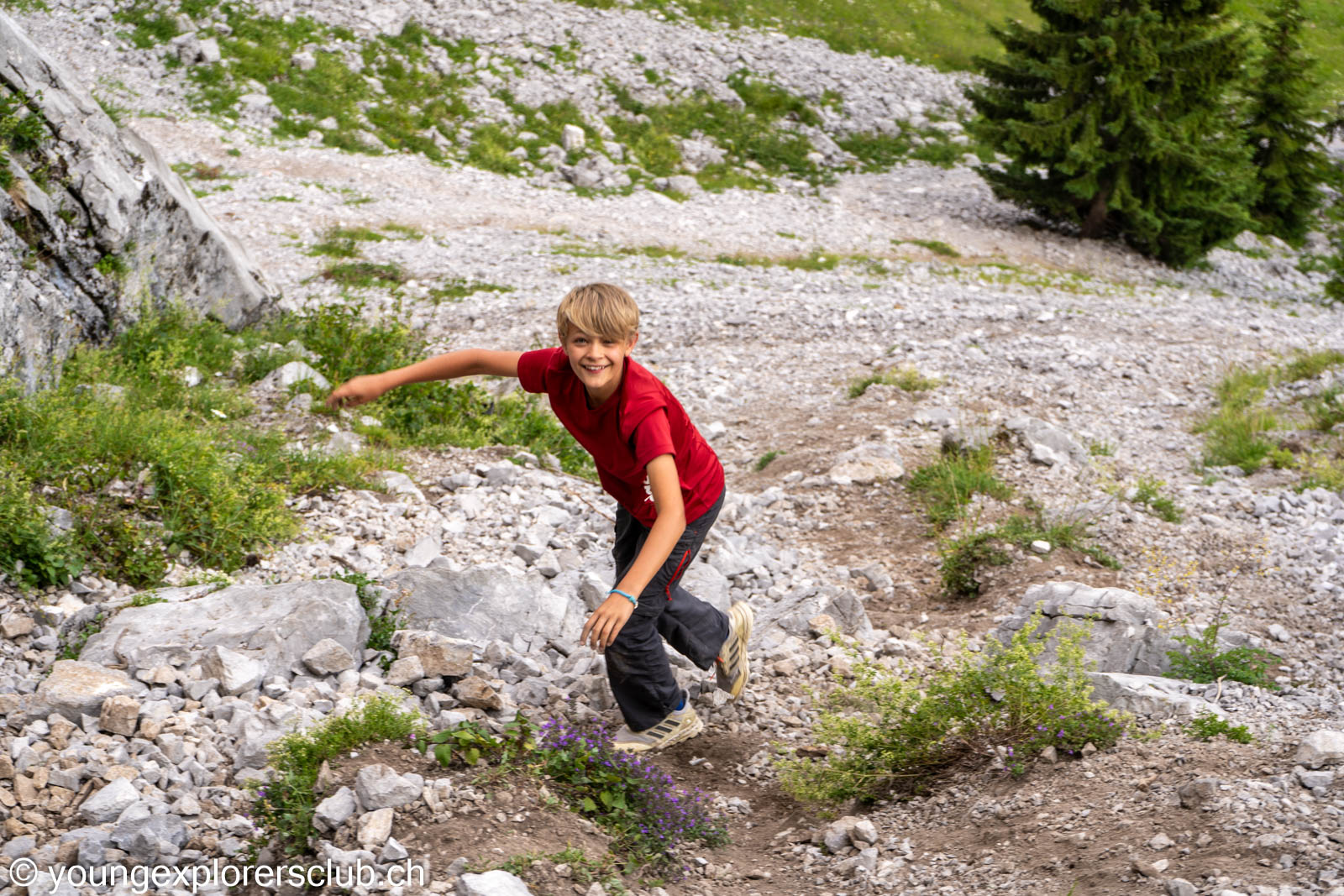
I, at the Young Explorers Club, structure days around clear activity categories so campers build skills, stay engaged, and have fun. I mix alpine and water experiences with sports, creative workshops, STEM, language immersion and leadership programs so every week offers variety and progression.
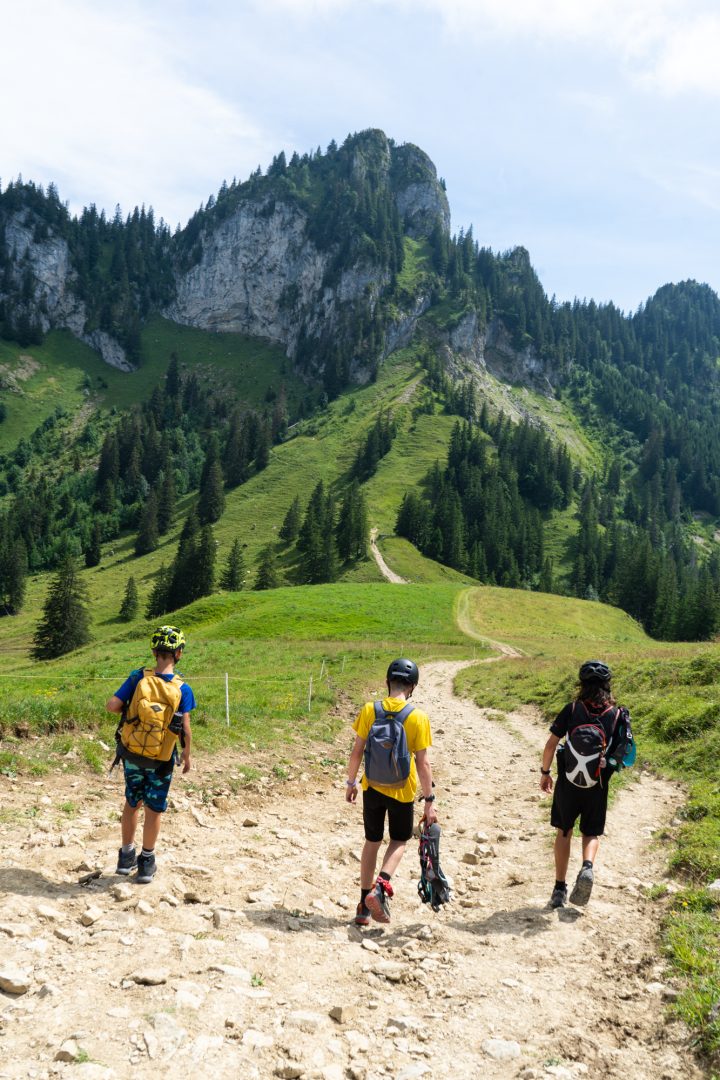
Alpine and outdoor activities focus on practical skills and exposure:
- Hiking, via ferrata, glacier introductions and alpine-ecology walks.
- Rock climbing, ropes courses, orienteering and mountain-biking skills.
Guided glacier or ice activities always run with certified guides on route-specific briefings.
Water programs emphasize safety and confidence:
- Lake swimming, sailing, canoeing and stand-up paddleboarding.
- Sessions include technique coaching and supervised free-swim slots.
Sport, creative and STEM blocks round out the schedule:
- Football (soccer), tennis, horse riding and sport-specific drills.
- Drama, music, visual arts and photography workshops.
- Coding/robotics, hands-on science experiments and language immersion in English, German or French.
Progression and safety are core priorities. I use two clear models:
- Multi-activity progression: campers move from beginner drills to supervised practice, then to independent group challenges and leadership roles.
- Specialist progression: campers focus on 1–2 core skills with a technical curriculum for advanced climbing, elite tennis, or similar.
Safety standards are non-negotiable. I require:
- IFMGA/SBV-certified mountain guides on alpine routes and for technical climbs.
- Certified lifeguards who meet national standards; Swiss swimming certifications are often required.
- Staff trained in first aid and Wilderness First Responder (WFR).
- Written risk assessments and site-specific safety briefings before any technical activity.
Program mix and daily rhythm vary by camp type. Multi-activity weeks typically rotate 3–4 activities a day to keep energy high and skills balanced. Specialist camps concentrate on 1–2 activities with longer daily practice and targeted coaching. You can read more about how we match campers to the right options on our page about age groups.
Staffing and ratios matter. I ensure activity-specific instructor-to-camper ratios for higher-risk sessions and confirm certifications for technical instruction. Expect gear checks, daily safety briefings and on-route rest points for longer excursions. I also recommend families review packing guidance before arrival; see our checklist for essentials like layered clothing, sun protection and water shoes on what to pack.
Sample Daily Timetables
Below are representative schedules that show how I balance skill sessions, breaks and supervised excursions.
-
Younger multi-activity day (day camp):
- 08:30 Arrival & warm-up
- 09:00 Morning skills session (climbing basics / arts)
- 11:00 Snack & free play
- 11:30 Supervised excursion or sports
- 12:30 Lunch
- 13:30 Quiet/creative workshop
- 15:00 Afternoon supervised excursion (lake swim or nature hike)
- 17:00 Pick-up / end of day
-
Teen expedition day (residential):
- 07:00 Wake & breakfast
- 08:00 Morning briefing & skills training (navigation/ropework)
- 09:30 Gear check & depart
- 10:00–16:00 Long trek or technical session with packed lunch and scheduled safety stops
- 17:30 Return & debrief
- 19:00 Dinner
- 20:00 Evening debrief / leadership workshop
- 22:00 Lights out (age-dependent)
I adjust each day for weather, group ability and learning goals. Expect written briefings for technical days and opportunity for campers to move into leadership roles as they gain competence and confidence.
https://youtu.be/LjKCu4dq0Zs
Accommodation, Meals, Daily Routine, and Session Lengths
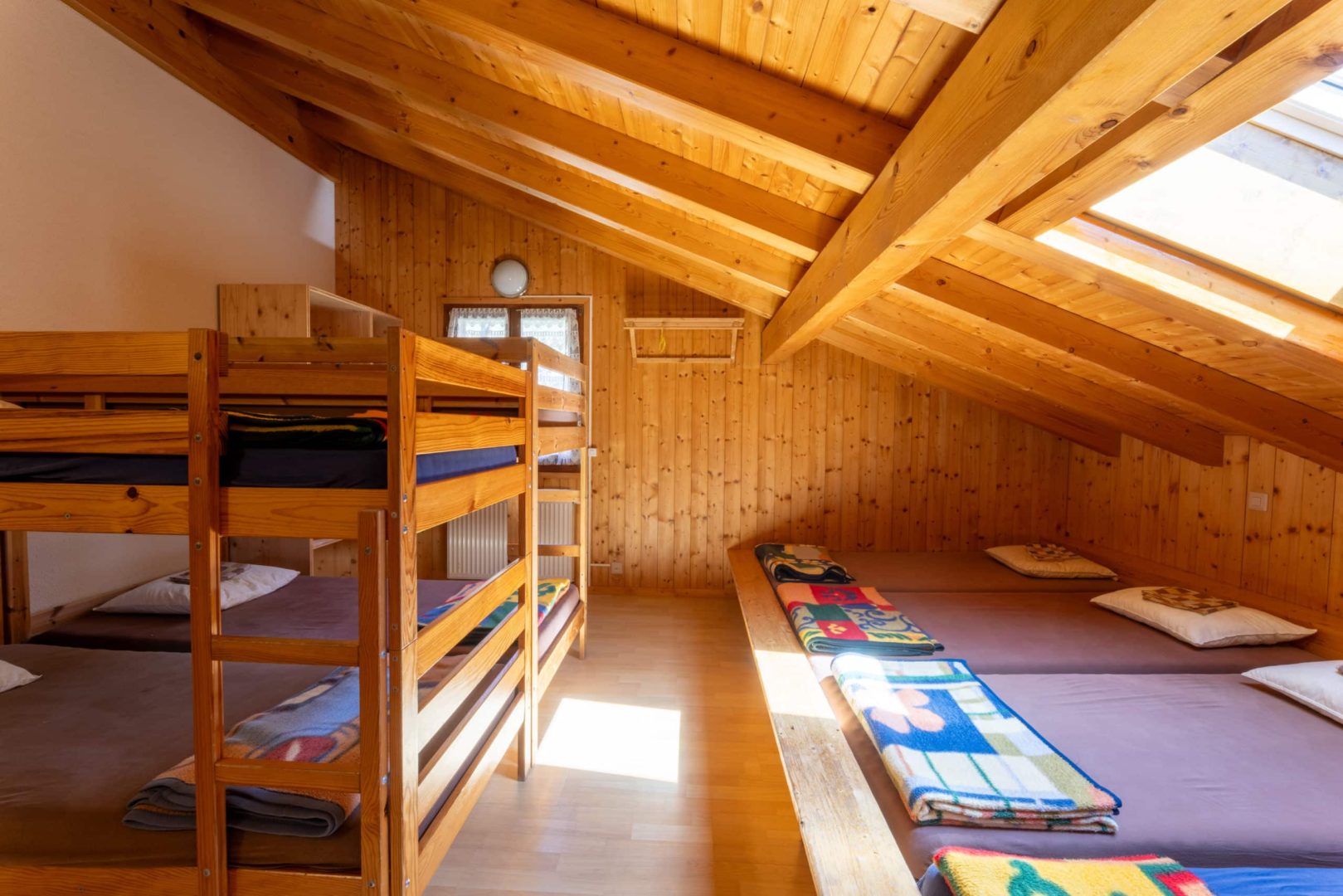
We, at the Young Explorers Club, offer several accommodation formats so families can pick the best fit by age and purpose. Day camps require no overnight stays and are the simplest option for local families or very young children. Residential chalets and dorms give campers easy access to on-site facilities and strong social immersion, though privacy is reduced. Shared cabins or rooms typically house 4–8 campers per cabin, which encourages fast bonding but means cabins need careful roommate matching. Host-family stays are used occasionally for language immersion; they deliver excellent cultural exposure but oversight and routines can vary by host.
I recommend matching accommodation to your child’s maturity and your goals. For first overnight experiences choose short residential sessions with smaller cabin groups. If language practice is the priority, consider a host-family week combined with on-site programming.
We serve three meals a day plus snacks and routinely accommodate allergies, vegetarian, vegan, and halal needs—always confirm a camp’s dietary policy before booking. Typical daily meals look like this:
- Breakfast: cereal, fresh fruit, yogurt, toast, juice.
- Lunch: a warm main (pasta, rice or a local dish) plus salad and fruit.
- Dinner: Swiss or international dishes (rösti, grilled chicken, vegetarian stew) with vegetables.
- Snacks: fruit, energy bars, crackers.
Camp kitchens balance nutrition and kid-friendly choices while introducing local flavors. We encourage parents to flag allergies early and provide clear labels. For packing advice, check our guide on what to pack for summer camp with a short list that most families find handy.
I outline staffing and supervision so you know what to expect. For younger groups staff ratios are often 1:6. Older teen groups commonly run 1:8–1:10, though ratios can change by activity and camp, so always check the safety policy. Staff are trained in first aid and activity-specific risks; we run routine briefings and living-skill sessions for campers.
Typical day timings, session lengths, and quick facts
Here are the usual daily blocks and key numbers you’ll want to note:
- Wake: 07:00–08:00
- Morning activities: 09:00–12:00
- Lunch: 12:00–13:30
- Afternoon activities: 14:00–17:00
- Evening program: 19:00–21:00
- Lights out: 21:00–22:30 (age-dependent)
- Rooms: 4–8 campers (shared cabins/rooms)
- Meals: 3 meals + snacks
- Staff ratio: 1:6 (younger); 1:8–1:10 (teens)
- Session lengths: 1–4 weeks (common 2–3 weeks)
- Day schedule: 09:00–17:00 activities
Short sessions of one week work well as tasters or for families with limited time. I advise 3+ week stays for meaningful language immersion or skill development. For a child’s first overnight stay, plan one to two weeks so they build confidence without feeling overwhelmed.
We balance structure and free time. Mornings usually host skill-focused sessions; afternoons mix sport, adventure or creative workshops; evenings bring community games or quieter activities. Staff maintain consistent routines so kids settle quickly and parents get predictable daily rhythms.
Safety, Medical, Legal, Weather, Altitude, and Packing
Medical & paperwork checklist
We, at the Young Explorers Club, handle paperwork and meds carefully so parents can relax. Bring the following items before arrival:
- Completed medical form with current medications and dosing instructions.
- Immunization records.
- Emergency contact information and signed parental consent forms (including consent to travel).
- Health insurance card copy and policy number.
- Any special education, behavioral notes, or dietary restrictions.
- Written authorization for staff to administer medication and emergency care.
- For international campers: passport copy and visa documents if required.
Please review our guidance on age groups to pick the right session for your child: age groups.
Pack the practical essentials and keep medication with clear instructions. Checklists reduce last-minute calls and ensure camp staff can act fast in an emergency.
Sample 7-day packing checklist (bring prescriptions with a copy of the prescription):
- 3–4 T-shirts, 2 long-sleeves, 2 shorts, 2 trousers
- 1 fleece, 1 warm jacket, waterproof jacket and trousers
- 1 pair hiking boots, 1 pair trainers
- Swimwear, towel, underwear and socks (7 pairs)
- Toiletries, sunscreen SPF 30+, insect repellent, basic first-aid items
- Reusable water bottle, small daypack, photocopy of passport, emergency contact card
- Prescription meds + written instructions, basic pain relief
For a full packing deep-dive and printable checklist, consult our recommended list on what to pack: what to pack.
Staff qualifications, legal, weather and altitude guidance
I require camps to staff activities with trained professionals and clear emergency plans. You should expect:
- First-aid trained staff (WFR or equivalent) on site.
- IFMGA/SBV-certified mountain guides for alpine or technical routes.
- Nationally certified lifeguards for supervised water sessions.
- Programs that run remotely maintain written evacuation plans and work with local mountain rescue and emergency services.
Non-EU/EEA campers may need a Schengen or Swiss visa; allow several weeks for processing. Camps commonly ask for parental consent for travel. I advise you to provide proof of travel insurance and local medical/accident coverage; many camps make this a condition of enrolment.
Summer weather in Switzerland varies by elevation. Lowlands typically reach 20–30 °C (68–86 °F), while mountain elevations around 1,000–2,000 m usually sit between 10–20 °C (50–68 °F), with nights much cooler. Afternoon thunderstorms are common in July and August; programs often schedule high-energy activities in the morning and leave afternoons flexible.
Most camps operate between 400 m and 1,800 m. Most kids adapt easily below 2,000 m, but watch for headache, nausea, dizziness, or fatigue. Reduce exertion and keep hydration up for the first 24–48 hours at higher elevations.
Communicable disease policies change, so check each camp’s current COVID-19 and other protocols before travel. Camps usually keep testing and isolation procedures ready and will update families with any required steps.
I make safety practical: label medications, pack layers, include waterproof gear, and supply clear emergency contacts. If you want a preview of daily life and expectations, see our page on what kids should expect.

Costs, Travel Logistics, and Booking Timeline
We advise parents to plan for clear ranges so nobody gets surprised. Typical program fees vary by format: day camps CHF 150–600 per week, residential/international camps CHF 1,000–3,000 per week, and specialty or elite programs CHF 2,000–4,500+ per week. Switzerland is one of the pricier European destinations for residential camps, so budget accordingly.
Expect these common additional expenses:
- International airfare to Switzerland.
- Airport transfers, which usually run CHF 50–300 one-way depending on distance and whether you choose private or shared service.
- Equipment rental or specialist kit for activities.
- Travel and health insurance, plus any visa fees.
- Pocket money and optional excursions.
I recommend planning travel around the main Swiss hubs: Zurich (ZRH), Geneva (GVA) and Basel (BSL). Many camps arrange paid transfers and most are reachable on excellent Swiss public transport. As an example of transit times, Geneva to the Montreux region is typically about 1–1.5 hours by train, though exact durations depend on your camp’s location.
Discounts and financial help can lower the final bill. Early-bird reductions of roughly 5–15% are common. Sibling discounts often sit around 5–10%. Some camps offer limited bursaries or scholarships; apply early if you need support. Allow extra weeks for visa processing if required.
Plan your timeline like this:
- Research popular July sessions between December and February.
- Book by March–April to secure space and get paperwork in order.
- Confirm transfer options and request a camp invitation letter early if a visa is needed.
- Buy refundable travel arrangements until camp is confirmed.
I include a compact worksheet you can copy into a spreadsheet to estimate your full cost.
Sample budget worksheet
Use these line items to build your estimate:
- Tuition / camp fee (base rate)
- Travel (airfare)
- Transfers (airport to camp)
- Equipment rental / gear
- Insurance (travel & medical)
- Visa fees
- Pocket money / extras
- Early-bird or sibling discounts (subtract)
- Contingency buffer (suggest 10–15%)
- Total estimate
Check packing and prep resources as you finalize gear and extras; see our packing checklist and advice on how to prepare for camp.
https://youtu.be/oBnHz4C4SfI
How to Choose the Right Camp, Sample Providers, FAQs, and Planning Checklist
Selection checklist & comparison metrics
Below are the key items I always ask camps to confirm before booking; use these to compare options side-by-side.
- Age appropriateness & cohort grouping — confirm exact age bands and whether groups are mixed or same-age.
- Accreditation and staff qualifications — request counts of IFMGA guides, lifeguards, and WFR/First Aid certified staff.
- Staff-to-camper ratio — insist on written ratios for each activity and for night supervision.
- Safety and medical policies — ask for emergency plans, on-site medical facilities, and nearest hospital distance/time.
- Activity mix — check whether the programme is multi-activity or specialist, and whether progression levels are offered.
- Language of instruction and support — verify primary language and availability of English support if needed.
- Price and inclusions — compare price per week and what’s included (transfers, excursions, equipment).
- Location & transport options — note travel time to the site, nearest hospital, and public transport access.
- Session length and start dates — confirm minimum session lengths and flexible start/end dates.
- References, reviews, sample schedules, and staff CVs — request these before committing.
When you compare providers, request these specific metrics from each camp:
- Price per week
- Staff-to-camper ratio
- Number of certified instructors (IFMGA / lifeguards / first aid)
- Number of activities offered
- Average cabin size (rooms 4–8 campers)
- Distance/time to nearest hospital
Providers, FAQs and planning checklist
I recommend checking different provider types to match your child’s needs: international multi-activity camps, boarding-school programmes, scout/outdoor centres, and regional outdoor providers. Representative names you can use as starting points are Les Elfes International, Aiglon College Summer Programme, Kandersteg International Scout Centre, and regional Interlaken outdoor providers — verify current offerings directly with each provider.
Common parental questions and concise answers:
- Can my child speak no local language? Yes — many international camps run in English and offer language support. Ask camps for examples of how they support non-native speakers.
- How long should a first overnight camp be? I usually recommend 1–2 weeks for a first residential experience to build confidence without overwhelming the child.
- How safe are mountain activities? Switzerland regulates technical activities tightly. Expect certified guides, documented safety procedures, and strict staff-to-camper ratios for technical sessions.
- What about homesickness? Camps use buddy systems, trained staff, and structured routines. Request the camp’s homesickness policy and examples of how they intervene.
Practical planning timeline I follow and tell parents to follow:
- Research 6–9 months before travel (Dec–Feb for summer sessions).
- Book 4–6 months before (by Mar–Apr for popular July weeks).
- Visa/immigration: allow several weeks for Schengen/Swiss visa processing where required.
- Complete medical forms and arrange travel & medical insurance 1–2 months before departure.
- Finalize packing, transfers, and confirmations 1–2 weeks before travel.
I also urge parents to take these actions:
- Request sample daily schedules, staff CVs, and copies of safety/medical policies.
- Verify staff-to-camper ratios and number of certified instructors.
- Ask about on-site medical facilities and nearest hospital access.
Quick facts I highlight in conversations:
- staff-to-camper ratio
- number of certified instructors
- booking timeline: research Dec–Feb, book by Mar–Apr
- price per week comparison
- Les Elfes International
- Aiglon College Summer Programme
- Kandersteg International Scout Centre
- Interlaken outdoor providers
- first overnight 1–2 weeks
- homesickness buddy system
To explore age-appropriate programmes and refine your choice further, check a short guide on how to choose the best camp before you request details from providers.

Sources
MySwitzerland — Family holidays & summer activities
Swiss Federal Statistical Office (BFS) — School holiday calendars by canton
Federal Office of Public Health (FOPH / BAG) — Travel and health
ch.ch — Visa: entry to Switzerland (short stays / Schengen)
International Federation of Mountain Guides Associations (IFMGA) — About the IFMGA
Swiss Alpine Club (SAC) — Mountain safety and training
Swiss Lifesaving Society (SLRG) — Lifesaving and training
Swiss Swimming — Coaching, water-safety and certification
Swiss Sailing — Training and safety standards for sailing
SBB CFF FFS — Travel by train in Switzerland (timetables & connections)
Swiss Travel System — Passes & travel information for public transport