Budget Family Travel In Switzerland
Switzerland family budget tips: expect high CHF costs – self-cater, compare Half Fare Card vs Swiss Travel Pass, limit paid mountain days.
Switzerland: Costs and Money-Saving Tips for Families
Switzerland uses the Swiss franc (CHF) and sits among Europe’s priciest countries. Families should expect higher daily costs, transparent pricing and few hidden fees. We recommend cutting expenses by self-catering, choosing the right transport pass (Half Fare Card vs Swiss Travel Pass), limiting paid mountain excursions, and planning a mix of free outdoor days and one or two splurges.
Key Takeaways
-
Plan realistic daily budgets: Low ~CHF 200–300; Mid ~CHF 350–600; Comfortable ~CHF 700+ (approx. 2024).
-
Compare transport options with the SBB planner: a Half Fare Card (~CHF 120) plus single tickets often saves money for limited long trips. A Swiss Travel Pass pays off if you take many day trips, boat rides or museum visits.
-
Save on food and lodging by booking places with a kitchenette or free breakfast. Shop at Migros, Coop, Denner or Lidl. Limit restaurant nights to one or two per week.
-
Balance one or two paid scenic days (mountain railways, Jungfraujoch) with free activities like hiking, lakes and playgrounds. That strategy can save several hundred CHF per week.
-
Practical money tips: Use cards that refund foreign transaction fees. Carry some cash for mountain huts and small vendors. Keep VAT receipts for refunds. Buy travel insurance that includes medical coverage.
Quick planning checklist
-
Decide on transport pass vs Half Fare Card using the SBB planner.
-
Book at least some nights with a kitchenette or free breakfast.
-
Plan 1–2 paid scenic days and several free outdoor days each week.
-
Bring a card with low fees, some cash, and keep VAT receipts for potential refunds.
Quick essentials and cost realities
We keep this short: Switzerland uses the Swiss franc (CHF). Signs and local names are often in the area’s language — Deutsch, Français, Italiano or Rumantsch — so read station and shop signs accordingly. Expect clear pricing and few hidden fees, but overall costs run high.
Switzerland is one of the most expensive countries in Europe and routinely ranks in the top 5–10 on cost-of-living indices (Numbeo / OECD). Accommodation, restaurants and transport cost noticeably more than in neighboring countries. Plan budgets with that in mind and set daily spending limits for your family.
Tax notes you need to factor in: standard VAT is roughly 7.7% (approximate (as of 2024)). Reduced VAT rates of about 2.5% apply to some everyday goods, and 3.7% applies to certain services (approximate (as of 2024)). Non‑Swiss/non‑EU residents can claim VAT refunds on eligible exported purchases, which is why some items may be cheaper at duty‑free or after refund paperwork.
Purchasing-power comparison: CHF purchasing power means Switzerland is generally about 20–40% more expensive than many EU neighbors for restaurants and transport (approximate (as of 2024)). Prices in this guide are labelled “approximate (as of 2024)” — verify live rates before booking or spending.
Practical, money-smart moves
Use these actions to keep costs predictable and family stress low:
- Pay with a debit or credit card that refunds foreign fees; cards are accepted almost everywhere but carry some cash for mountain huts and small vendors.
- Shop supermarkets and bakeries for one or two meals; restaurant meals add up fast.
- Buy regional or family transport passes for multi-day travel; they often cut per-person fares substantially.
- Claim VAT on larger purchases at the airport — keep receipts and get the refund forms stamped before departure.
- Book accommodation with a kitchenette and family rooms to lower nightly and food costs.
For packing tips and family-friendly planning, see our Family trip in Switzerland guide, which helps match gear and routes to budget choices. We recommend checking live exchange rates and local prices just before travel so you can adjust the plan and avoid surprises.

Sample daily budgets and a 7-day family itinerary (mid-budget example)
Daily budgets (approximate 2024)
We break costs into three realistic daily profiles for a family of four (two adults, two children ~8 and 12). All amounts are approximate (as of 2024).
-
Low-budget: CHF 200–300 per day (approximate). Typical split:
- Accommodation CHF 80–140
- Transport CHF 40–60
- Groceries/food CHF 50–80
- Activities CHF 20–30
- Incidentals CHF 10
-
Mid-budget: CHF 350–600 per day. Example mid-budget estimate CHF 450/day (approximate):
- Accommodation CHF 160
- Transport CHF 80
- Groceries/restaurant CHF 140
- Activities CHF 50
- Incidentals CHF 20
Expect cable cars, mountain railways or scenic trains to add CHF 20–120 per person per trip; for example the Gornergrat rack railway in Zermatt can range roughly CHF 20–90 per person depending on origin and discounts (approximate).
-
Comfortable budget: CHF 700+ per day (approximate). Typical split:
- Accommodation CHF 300+
- Transport CHF 120+
- Meals CHF 200+
- Activities CHF 70+
- Incidentals CHF 20+
7-day mid-budget compact itinerary and totals
Use the following sample route if you want varied scenery without overspending. We also suggest checking local family discounts and supermarket picnic options to shave costs. If you’re planning a family trip in Switzerland, this sequence balances city time, lakes, and mountains.
- Day 1: Arrive Geneva — explore parks, lakeside promenades and a museum. Many museums are included with the Swiss Travel Pass, so this can be a low-cost city day.
- Day 2: Geneva → Montreux by train — enjoy the lakeside promenade and château viewpoints.
- Day 3: Montreux → Zermatt — take the scenic rail to Täsch and enter Zermatt’s car-free village. Consider using a Half Fare Card if you don’t have a Travel Pass.
- Day 4: Zermatt — valley walks and a supermarket picnic; optional short Gornergrat trip (paid).
- Day 5: Zermatt → Interlaken — change to a more budget-friendly base town with lots of free outdoor options.
- Day 6: Day trip to Lauterbrunnen — hike to waterfalls and use the valley trails (many are free).
- Day 7: Return toward Zurich or Geneva for departure.
Estimated total for 7 days (mid-budget): roughly CHF 2,200–3,800 (approximate). Example worked total (mid-budget):
- Accommodation CHF 1,120 (7 nights × CHF 160)
- Transport CHF 560 (7 × CHF 80)
- Food CHF 980 (7 × CHF 140)
- Activities CHF 350 (7 × CHF 50)
- Incidentals CHF 140 (7 × CHF 20)
- Total ≈ CHF 3,150 (approximate)
How passes change the transport line item
We compare two straightforward options:
- Swiss Travel Pass: buy if you plan multiple day trains, boats and museum visits; the pass can reduce per-day transport and include many museum entries (approximate). Children under 16 may travel free with a Swiss Family Card where applicable.
- Half Fare Card + point-to-point tickets: this saves about 50% on most fares and pays off if you only take a few expensive journeys. For our sample route, a Half Fare Card (roughly CHF 120 per adult) plus targeted tickets can be cheaper if you don’t use long-distance routes every day (approximate).
Tip: We recommend running a quick cost comparison for your exact dates and the family’s mobility plans. Small changes—one mountain excursion or an extra restaurant dinner—can swing a mid-budget trip up or down by several hundred francs.
Transport options, passes and how to decide
The backbone of Swiss travel is SBB plus dense regional rail, bus and boat links, and we plan around that network. Children under six generally travel free when accompanied by a ticket‑holding adult — confirm the current policy on SBB before you travel. The Swiss Family Card comes free with a Swiss Travel Pass and lets children under 16 travel with a parent’s pass holder — check current terms with the Swiss Travel Pass provider.
Key passes and approximate prices
We keep these headline figures in mind (approximate as of 2024):
- Swiss Travel Pass (continuous days, 2nd class): 3‑day ~CHF 232, 4‑day ~CHF 281, 8‑day ~CHF 418, 15‑day ~CHF 513 (Swiss Travel Pass, approx. 2024). Flex options are available.
- Swiss Half Fare Card: approx. CHF 120 for one month — gives roughly 50% off most public transport fares and many mountain railways/cable cars (Swiss Half Fare Card, approx. 2024).
- Regional passes: Jungfrau Travel Pass, Bernese Oberland Pass, Tell‑Pass, Graubünden/Bernina passes — prices vary and often include local lifts and boats.
- Point‑to‑point tickets: buy via the SBB app or website; always run fares there to compare (SBB).
The Swiss Travel Pass includes unlimited travel on the national network and many museums, with some mountain transports partly discounted. The Half Fare Card cuts single‑ticket costs roughly in half and often wins on cost if you only have a few long transfers.
How we decide which pass to buy
We follow a strict, repeatable check:
- List all planned long legs and paid attractions — mountain railways, boats and museums. For sample family routes see our family trip in Switzerland guide.
- Add point‑to‑point ticket prices using the SBB timetable/pricing tool to get a total adult single‑fare sum (SBB).
- Compare three totals: (a) direct single fares, (b) Half Fare Card cost + half‑priced fares, and (c) Swiss Travel Pass price. Include museum entry savings under the Travel Pass.
- Check regional passes if you’re staying in one area — they can beat national passes when you do many local excursions.
Worked example (rough, as of 2024): typical one‑way long legs might look like Geneva → Montreux ~CHF 30, Montreux → Zermatt ~CHF 60–90, Zermatt → Interlaken ~CHF 60–90; total for main long legs ~CHF 150–210 per adult (SBB). If total single‑fare spending across a week is CHF ~210–260, the 8‑day Swiss Travel Pass (~CHF 418) only pays off if you add many extra day trips, boats or museum visits. In contrast, a Half Fare Card (~CHF 120) + reduced fares often wins for itineraries with only a few long journeys. Always run exact fares in the SBB planner and test single fares vs Half Fare vs Travel Pass before you buy.

Family accommodation types, price ranges and booking timing
At the young explorers club, we choose options that stretch the family budget without skimping on comfort. We balance nightly rates against convenience and length of stay. Families save most when they pick kitchen access or free breakfast and stay multiple nights.
Types and typical rates (approximate, 2024)
Below I list common options and the usual family price bands you can expect.
- Hostels with family/private rooms (e.g., HI Hostels): CHF 80–160 per night.
- Budget hotels (2–3 star family rooms): CHF 120–250 per night; towns outside big-city centers tend to be cheaper.
- Airbnb / self-catering apartments: CHF 80–250+ per night depending on location and season.
- Campsites / campervan parks: tent pitch about CHF 20–40 per person or CHF 30–70 per pitch; cabin options often CHF 60–120.
- Agritourism / farm stays: seasonal, family-friendly, moderate prices.
Sample low vs high season context to help planning:
- Hostel family room: CHF 90 (shoulder) → CHF 150 (high season).
- Budget hotel family room (small town): CHF 140 (shoulder) → CHF 200–250 (high season).
- 2-bedroom Airbnb in a lake or Alpine village: CHF 120 (shoulder) → CHF 220+ (high season).
Booking timing and practical savings
Book early for school holidays and the July–August peak. Peak months can raise prices roughly 20–50% versus shoulder months. Late spring and late summer/early autumn give the best value and smaller crowds.
We cut daily food costs by choosing self-catering. A kitchen can save about CHF 30–80 per day for a family. Free breakfast gives another quick saving and reduces morning time pressure. For multi-night stays, a modest apartment usually returns the greatest total saving even if the nightly rate looks higher.
We also recommend these tactics:
- Book flexible-cancellation rooms if plans might shift.
- Check small towns near major attractions for lower nightly rates and good transit links.
- Consider campervan parks or cabins for a fun, lower-cost outdoor option.
For route ideas and family-focused itineraries that pair well with budget stays, see our family trip in Switzerland guide.
https://youtu.be/V823vgQB6hk
Food, grocery costs and money-saving meal plans
We, at the Young Explorers Club, shop primarily at Migros and Coop for variety, use Denner when we want cheaper basics, and turn to Lidl or ALDI for deep-discount runs. The discount chains often beat the big two on staples, but Migros and Coop have better ready-to-eat options and family-sized offers. Choose stores based on the meal you plan to prepare.
Expect these typical retail prices (approximate, 2024):
- Milk 1 L: CHF 1.10–1.60
- Loaf of bread: CHF 2.50–4.00
- Eggs (10): CHF 3.50–5.00
- Beer 0.5 L (supermarket): CHF 1.50–3.50
- Water 1.5 L: CHF 0.80–1.50
Use these figures to draft a realistic weekly shop and watch how bulk buys lower per-meal cost.
Restaurant ranges vary by format. Budget cafés and takeaways usually run CHF 8–18 per person. A casual restaurant main course sits between CHF 20–40. Expect a mid-range family meal to total roughly CHF 60–120 for four. We budget restaurant nights strategically to keep daily costs predictable.
Practical tips and a one-day low-cost sample plan
Use the following tactics to cut food costs without sacrificing convenience or variety:
- Shop smart: compare prices between Migros/Coop and Denner or discounters for staples; buy own-brand products for big savings.
- Picnic and supermarket meals: assemble sandwiches, salads and cold platters from supermarket ingredients for fast, cheap family lunches.
- Bakeries for breakfast: grab take-away rolls or pastries in the morning to avoid café prices.
- Choose accommodation with a kitchen: pick places with a kitchen or free breakfast to slash meal expenses; check packing needs in our what to pack guide.
- Limit eating out: aim for 1–2 restaurant nights per week and self-cater the rest.
- Meal prep basics: buy one-protein, one-veg, one-carb and rotate dishes—stews, pasta bakes and stir-fries stretch ingredients and feed kids easily.
Sample low-cost family food plan (one day, approximate): bakery breakfast CHF 6 total, picnic supermarket lunch CHF 12, self-cooked dinner CHF 15 — total CHF 33 for the whole family. Cooking two of three daily meals typically saves about CHF 30–80 per day versus dining out for every meal, depending on restaurant choices and portion sizes.
Activities, attraction costs and practical family travel tips
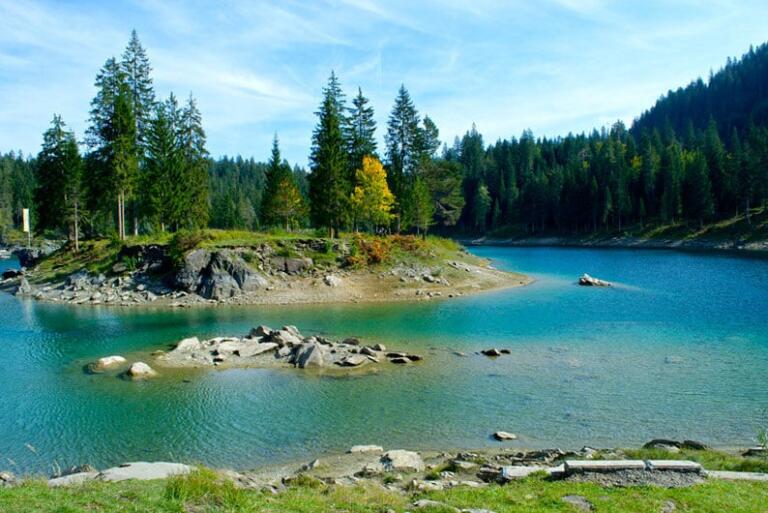
At the Young Explorers Club, we focus on a mix of free discovery and a few paid highlights so families get the most value from a trip to Switzerland. Our go‑to low-cost options are easy to plan and kid-friendly: hiking on well-marked trails, swimming at lake beaches, playground time, city walking tours, splashing at public fountains, wandering historic old towns and hunting scenic viewpoints. I encourage families to pair one paid day with two low-cost days to stretch the budget without skimping on memorable experiences. For more ideas on active outings for kids, we point families to our family activities page.
I outline typical paid ranges so you can budget quickly. Expect mountain railways and cable cars to run roughly CHF 20–80+ per adult per ride depending on the route. Major peak excursions such as Jungfraujoch commonly cost about CHF 100–200 per adult depending on where you travel from. Museums, zoos and short boat cruises usually charge CHF 10–30 per adult. I use these ballpark ranges to estimate daily costs and avoid surprises.
We use a few practical saving strategies that pay off fast:
- Buy a Swiss Travel Pass when it covers the museum entries and discounts you need. Our experience shows the pass can simplify logistics and sometimes cut overall transport and entry expenses.
- Choose one or two “big” paid scenic days and fill the in-between with nature: hikes, lake days and village walks cost very little.
- Compare family and child fares carefully. We check single vs return vs regional lift passes; sometimes a regional pass or group ticket beats single-ride pricing for mountain lifts.
I run a simple cost-comparison example for families to illustrate the straight savings. Day A might be Jungfraujoch at about CHF 180 per adult. Two adults would be CHF 360 for that one day. Day B could be a hiking day with a picnic and a lake beach, about CHF 20 total for groceries and local transport. Swapping a big paid day for a free nature day saves roughly CHF 300–700 per week for most families, depending on the excursions you skip. That difference can cover accommodation upgrades, extra meals out or rental equipment.
We share these practical travel tips to keep trips smooth and safe. Pack layers, waterproofs and sturdy walking shoes because mountain weather shifts quickly. Keep a refillable water bottle: Swiss tap water is safe and free. For steeper hikes, a child carrier usually works better than a stroller; many trails have rough sections or steps. We always recommend travel insurance with medical coverage—Swiss healthcare is excellent but can be costly; an emergency visit can run into several hundred or thousands of CHF without cover. Bring a Europe‑style plug adapter if your devices need it.
Our guidance on gear and logistics helps reduce luggage stress. Rent bulky items like car seats or specialized carriers locally when a short trip makes renting cheaper. For multi-week visits, we calculate whether bringing certain items saves money compared with rental rates. We also advise light, functional packing to move easily between towns and lifts. For detailed packing suggestions, families should consult our what to pack guide.
Packing checklist for family trips
- Layered clothing and a waterproof jacket
- Sturdy walking shoes
- Sunhat and sunscreen
- Refillable water bottle
- Basic first‑aid kit and blister care
- Child carrier for mountain hikes (or rented carrier)
- Plug adapter and copies of travel insurance and passports
- Lightweight picnic gear for inexpensive lake or trail meals
We also encourage families to explore options like visiting beautiful lakes, trying kid-friendly Swiss trails or planning a water day with our water adventures ideas to mix low-cost fun with a few splurge moments.
Sources
Swiss Travel System — Swiss Travel Pass
SBB (Swiss Federal Railways) — Tickets & offers
SBB (Swiss Federal Railways) — Children and youth travel
Switzerland Tourism — Family holidays (Family travel)
Swiss Federal Statistical Office — Tourism statistics
Numbeo — Cost of Living: Switzerland
Migros — Migros (supermarket information)
Coop — Coop (supermarket information)
Denner — Denner (discount supermarket information)
Jungfrau Railways — Jungfraujoch — Top of Europe
Zermatt Tourism — Zermatt / Matterhorn (official tourism site)