Family Summer Camp In Switzerland: Adventures For All Ages
Family summer camps in Switzerland: compact Alps, fast trains, top safety. Young Explorers Club camps run mid-June to Aug; book 3-6 months ahead
Young Explorers Club — Family Camps in Switzerland
We, at the Young Explorers Club, find Switzerland’s compact alpine layout, reliable transport network and strict safety standards let families spend more time on trails, lakes and supervised high-country activities with minimal transfers. Family camps run mid‑June to late August, with a July peak. They provide region-specific programs, clear age-appropriate activity mapping and staffing ratios that match toddlers through teens.
Key Takeaways
- Compact travel: Switzerland’s trains, cable cars and cogwheel railways cut transfer times and free up hours for activities. Multi-day travel passes speed transit and simplify planning.
- Best season: mid-June to end‑August, with a July peak. Book 3–6 months ahead for week-long sessions and teen programs.
- Region-specific offerings: Bernese Oberland (family hikes, lakes), Valais/Zermatt (glacier walks, via ferrata for older kids), Graubünden (alpine biking), Lake Geneva (paddleboarding) and Ticino (warmer lakeside camps).
- Safety & staffing: hire certified guides and stick to counselor‑to‑child ratios (typical 1:6 under 8; 1:8–1:10 for older kids). Confirm emergency access and plan acclimatization above ~2,500 m. Protect against sun exposure and ticks.
- Accommodation & budgets: vary from day camps to glamping and hotels. Expect CHF 300–1,500 per person/week or CHF 800–5,000 per family/week. Equipment rentals run CHF 10–80/day. Prioritize accessibility and check verified sustainability practices.
Timing & Booking
Season: The main camp season is mid‑June through end‑August, with the busiest period in July. For week-long family sessions and specialized teen programs, book 3–6 months in advance—peak dates can fill earlier.
Flexibility: If you need shorter transfers and more predictable weather, target early July or late August slots. For glacier activities or high-altitude acclimatization, allow extra days on arrival.
Regions & Programs
Bernese Oberland
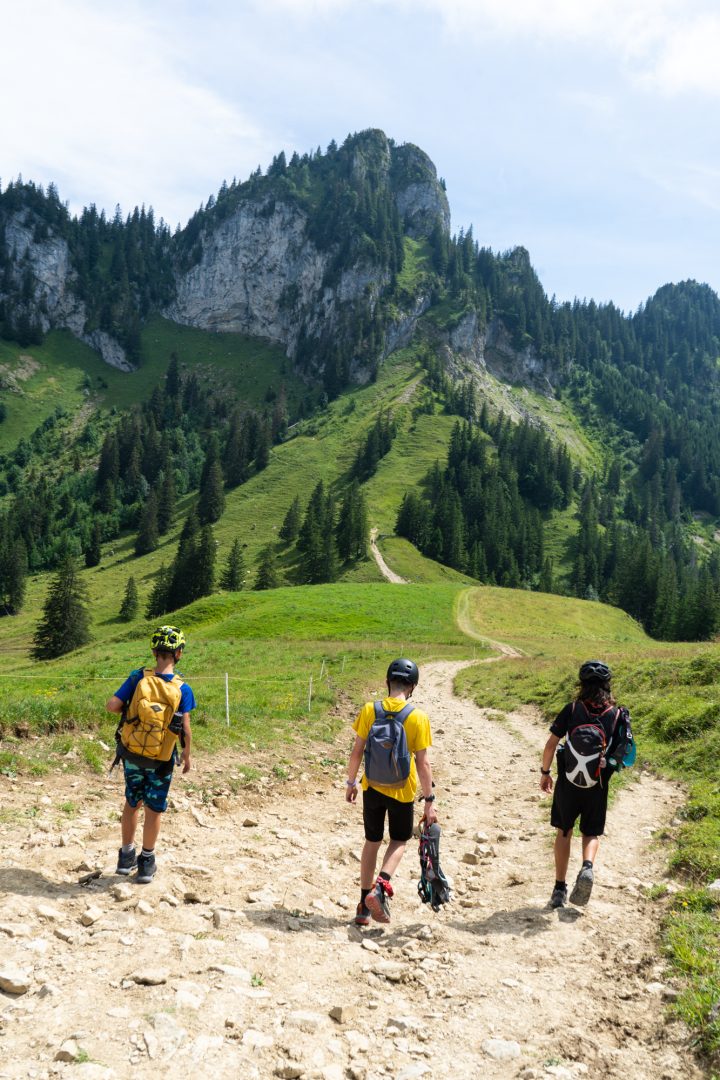
Highlights: family hikes, lakes, easy alpine routes. Great for younger children and mixed-age groups seeking scenic, well-signposted trails.
Valais / Zermatt
Highlights: glacier walks, alpine scenery, via ferrata and technical options suited to older children and teens. Confirm glacier guide availability and seasonal conditions.
Graubünden
Highlights: alpine biking, multi-day trail programs, varied terrain for intermediate-to-advanced youth groups. Ideal for families focused on active mountain sports.
Lake Geneva
Highlights: paddleboarding, waterside camps and easier, lake-based activities suitable for all ages and warmer-weather preferences.
Ticino
Highlights: warmer, Mediterranean-influenced lakeside camps, mixed activities and good options for families who prefer milder temperatures and water-centered programs.
Safety, Staffing & Health
- Staff qualifications: Use certified mountain guides and instructors where appropriate. Verify local accreditation.
- Counselor ratios: Typical ratios are 1:6 for under‑8s and 1:8–1:10 for older children; confirm provider policies.
- Emergency access: Confirm evacuation routes, nearest medical facilities and cellphone/radio coverage for each base location.
- Altitude & acclimatization: Plan acclimatization above ~2,500 m and avoid rapid ascents for younger children and first-time high-altitude participants.
- Sun & ticks: Emphasize sun protection (SPF, hats) and tick prevention/measures—carry a tick-removal tool and know local tick-borne illness guidance.
Accommodation, Costs & Equipment
Options: day camps, family-focused lodges, glamping and hotel-based programs. Choose based on desired comfort, logistics and proximity to activities.
- Typical costs: CHF 300–1,500 per person/week or CHF 800–5,000 per family/week, depending on inclusions, accommodation and activity level.
- Equipment rentals: Expect CHF 10–80/day for items such as bikes, paddleboards, crampons or helmets.
- Budget tips: prioritize packages that include meals and transport or leverage multi-day travel passes to reduce per-day transit costs.
- Sustainability: Check verified sustainability practices when choosing providers—look for local sourcing, waste reduction and certified eco-standards.
Transport & Logistics
Advantage: Switzerland’s compact geography plus trains, cable cars and cogwheel railways minimize transfer times, leaving more time for activities. Multi-day travel passes (regional or national) simplify planning and often reduce overall transit costs.
Plan: Factor in extra time for mountain transfers (cable cars, buses) and schedule arrivals to allow a gentle first day for families with young children.
Recommendations
Prioritize accessibility—both transport links and activity difficulty—when selecting a camp. Confirm staffing ratios and emergency plans, book peak weeks 3–6 months ahead, and verify sustainability claims if that matters to your family. With the right planning, Switzerland offers a safe, efficient and activity-rich environment for memorable family camps.
https://youtu.be/H5dYnfoTd30
Quick Facts & Why Switzerland Is Ideal for Family Summer Camps
We, at the Young Explorers Club, choose Switzerland because it compresses huge alpine variety, reliable infrastructure and top-level safety into a travel-friendly footprint. The compactness means less time driving and more time on trails, lakes and family activities.
Key facts at a glance
Below are the core facts I use to plan trips and explain why families relax here.
- Country size: 41,285 km².
- Highest peaks: Dufourspitze 4,634 m; Matterhorn 4,478 m.
- Official languages: German, French, Italian, Romansh.
- Best months for camps: mid-June to end‑August.
- Typical summer temps: valley towns like Interlaken 20–25 °C in July; high alpine passes 5–15 °C.
- Safety & healthcare: low crime rates and top-quality medical care make longer outdoor days realistic.
- Mountain infrastructure: widespread cable cars, cogwheel trains and well-marked trails that move families quickly and safely into high country.
- Transport convenience: extensive public transport — regional trains, boats and cable cars — plus unlimited-pass options ranging 3–15 days.
- Access time: reach alpine trailheads in 30–90 minutes from valley towns using Swiss trains and local cable cars, cutting long transfers.
I leverage those facts in three practical ways.
- Plan camps in July for steady weather while mixing valley and high-altitude activities so kids get warm-weather play and cooler alpine hikes.
- Favor bases with fast public-transport links; short transfer time lets us run half-day excursions for younger children.
- Pick locations near good clinics and staffed mountain stations so parents can relax knowing emergency access and support are nearby.
Daily rhythm recommendations:
- Morning: short ascent by train or cable car to a high meadow for easy hikes or nature games.
- Midday: picnic or lake swim in valley temperatures around 20–25 °C.
- Afternoon: guided skills session or alpine playground before a short descent.
Logistics tip: I use the Swiss Travel System and local schedules to design itineraries that minimize car use. Families appreciate that a single pass covers trains, many cable cars and boats for several days — that freedom increases time on activities and reduces logistics stress.
Safety is a constant. I make sure routes are family-appropriate and well-marked, and I confirm emergency access before we go. The strong mountain infrastructure — frequent cable cars and staffed trail junctions — means I can move groups quickly if weather or energy levels change.
For practical planning resources about staying and exploring with kids, check this link about a family trip in Switzerland that I often share: Family trip in Switzerland.

Top Regions and Signature Activities for Families
We, at the Young Explorers Club, pick regions that match different family energy levels and ages. Each area gives clear access, strong safety options, and memorable highlights that work for toddlers through teens. Before you finalize dates, consult our family camp planning checklist to match terrain, altitude and activities to your group.
Bernese Oberland / Interlaken — The classic alpine base for family hikes, lake days and easy cable-car access. Jungfraujoch tops many itineraries at 3,454 m (Top of Europe) and is reachable for most families via cogwheel trains. I recommend family-friendly trails for kids aged 5 and up, short lake swims and gentle boat trips on Thun and Brienz. Valley access keeps daily altitudes moderate, so you can introduce higher elevations gradually.
Valais / Zermatt — The Matterhorn stands at 4,478 m and provides a dramatic backdrop for older kids who want technical experiences. Glacier hikes and via ferrata routes suit tweens and teens (minimum ages usually 8–10 depending on the route and guide). For scenic access without long climbs, take the Gornergrat railway up to 3,089 m for panoramic views and easy photo stops.
Graubünden / Engadin / St. Moritz — High-alpine terrain here is perfect for active families. The Engadin high valley ranges roughly 1,800–3,000 m, so expect thinner air on long days. I steer families with tweens and teens toward alpine biking and high-trail day hikes where summit gains remain reasonable. Local lift networks shorten approach times and keep activities child-friendly.
Lake Geneva region (Montreux, Vevey) — Choose this area for lakeside camps and gentler terrain that suits younger children. Paddleboarding, beginner sailing and calm beach sessions make for full days with low altitude stress. Cultural stops in Montreux and Vevey balance water time with easy urban outings.
Ticino (Lugano) — For a warmer, lake-focused camp with Swiss‑Italian culture, plan in Ticino. The Mediterranean feel brings earlier swimming seasons, relaxed mountain trails and family-friendly cuisine. I recommend lakeside swims, short coastal hikes and village explorations that suit mixed-age groups.
Try searches such as family camp Interlaken, kids camp Zermatt, and best family camps in Switzerland Bernese Oberland Valais Graubünden when you compare options.
Activity checklist by region — quick picks for planning
Use this list to match energy levels and ages to specific outings:
- Bernese Oberland / Interlaken: family trails (ages 5+), lake swims, Jungfraujoch day trip.
- Valais / Zermatt: glacier walks with guide, via ferrata for older kids (8–10+), Gornergrat panoramic ride.
- Graubünden / Engadin / St. Moritz: alpine biking for tweens/teens, high-valley day hikes (1,800–3,000 m).
- Lake Geneva (Montreux, Vevey): paddleboarding, beginner sailing, lakeside beach days.
- Ticino (Lugano): lakeside swimming, easy family hikes, warmer weather for longer water play.
Types of Family Camps, Popular Activities and Age Suitability
We, at the young explorers club, run five core formats that fit different family rhythms and energy levels. Day camps suit toddlers and short-stay families and run most often in high season. Week-long family camps give immersion and work best for kids 6 and up. Teen programs focus on challenge and independence. Hotel-based activity weeks bundle comfort with guided outings and suit mixed-age groups. Glamping offers light camping with better facilities for families wanting outdoors plus comfort.
Age groups and activity mapping
Below I map typical age bands to recommended activities, session lengths and fitness demands so you can plan a balanced stay.
- Toddlers (3–5): family workshops, short walks, supervised splash zones — sessions 30–90 mins, low fitness.
- Children (6–9): hiking, swimming, basic ropes, family workshops — hiking 2–4 hrs (moderate), swimming variable (low), ropes 30–60 mins (moderate).
- Tweens (10–12): longer hikes, climbing introduction, mountain biking, via ferrata taster — hiking 2–4 hrs (moderate), climbing/via ferrata 1–3 hrs (higher), biking 1–3 hrs (moderate-high).
- Teens (13–17): multi-hour climbs, full via ferrata, technical mountain biking, independent trail days — sessions 1–4 hrs, higher fitness required for challenge options.
Activity notes you should use when booking:
- Hiking: recommended for ages 5+; family hikes usually 2–4 hours and demand moderate fitness.
- Swimming/water sports: suitable for all ages if child life jackets are used; session intensity varies.
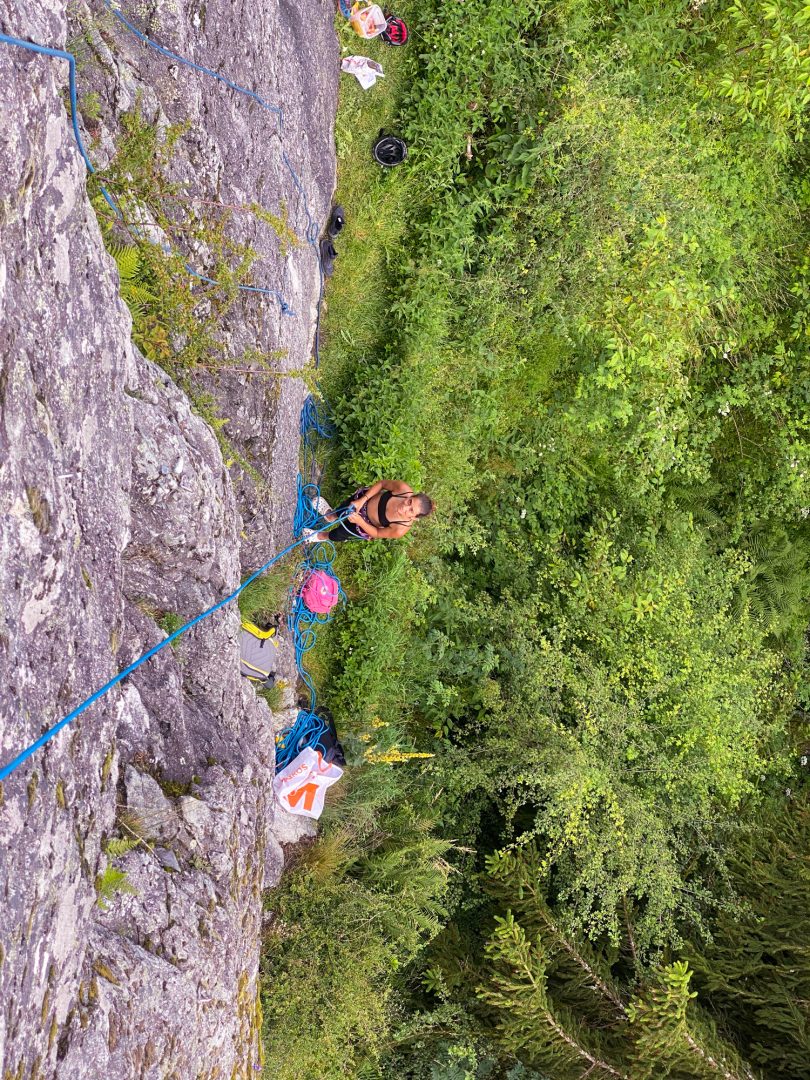
- Climbing/via ferrata: minimum age often 8–10; sessions of 1–3 hours; guides and harnesses required.
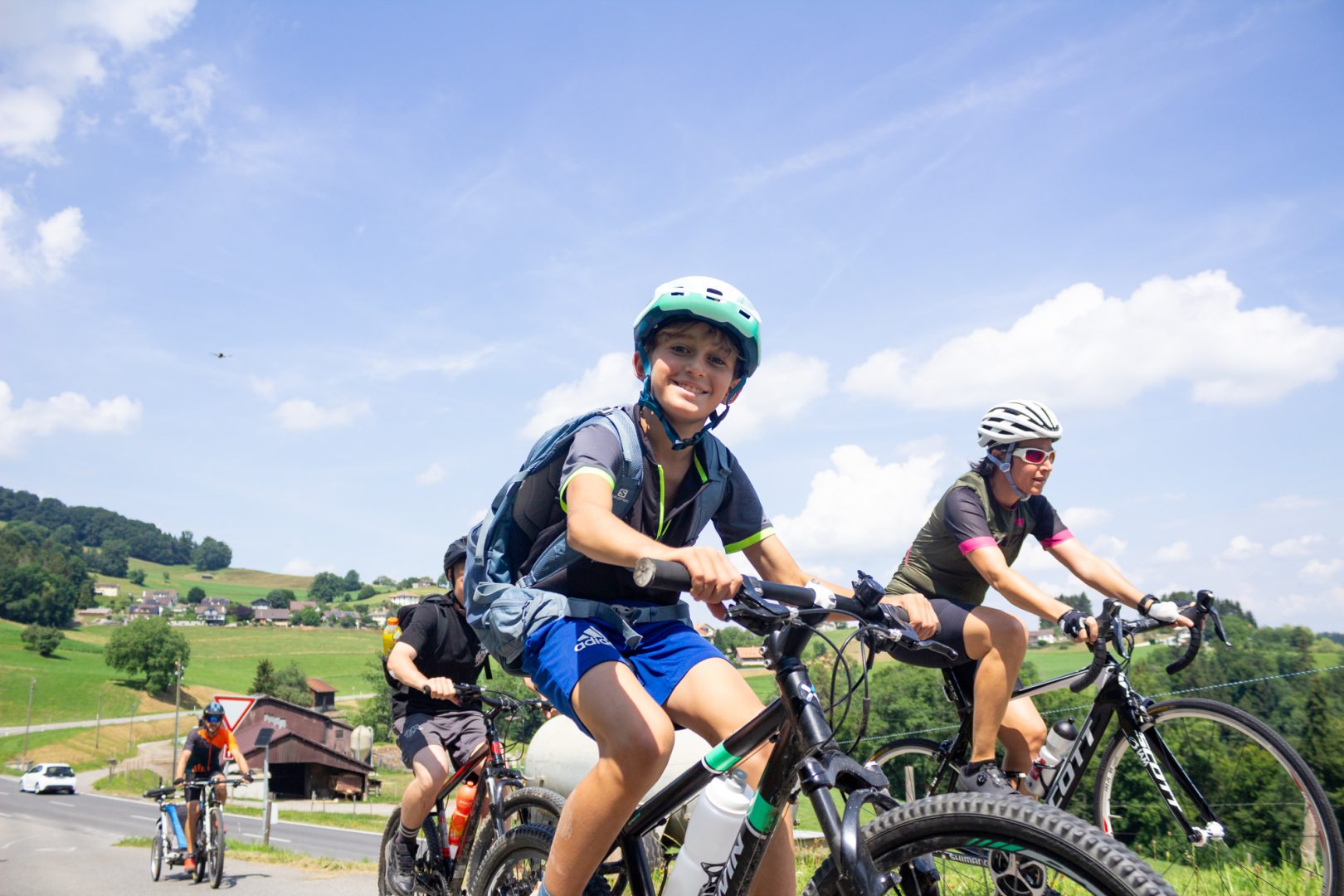
- Mountain biking: minimum age varies by program; typical sessions run 1–3 hours.
- Ropes/zipline: often 8+; 30–90 minute sessions; needs harness and supervised setup.
- Family workshops: great cross-age activity; 1–2 hours; low fitness demand.
Popularity, availability and booking advice
Activity popularity estimates you can expect:
- Hiking: ~85%
- Swimming/water sports: ~60%
- Climbing/via ferrata: ~50%
- Mountain biking: ~40%
- Ropes/zipline: ~35%
- Family workshops: ~55%
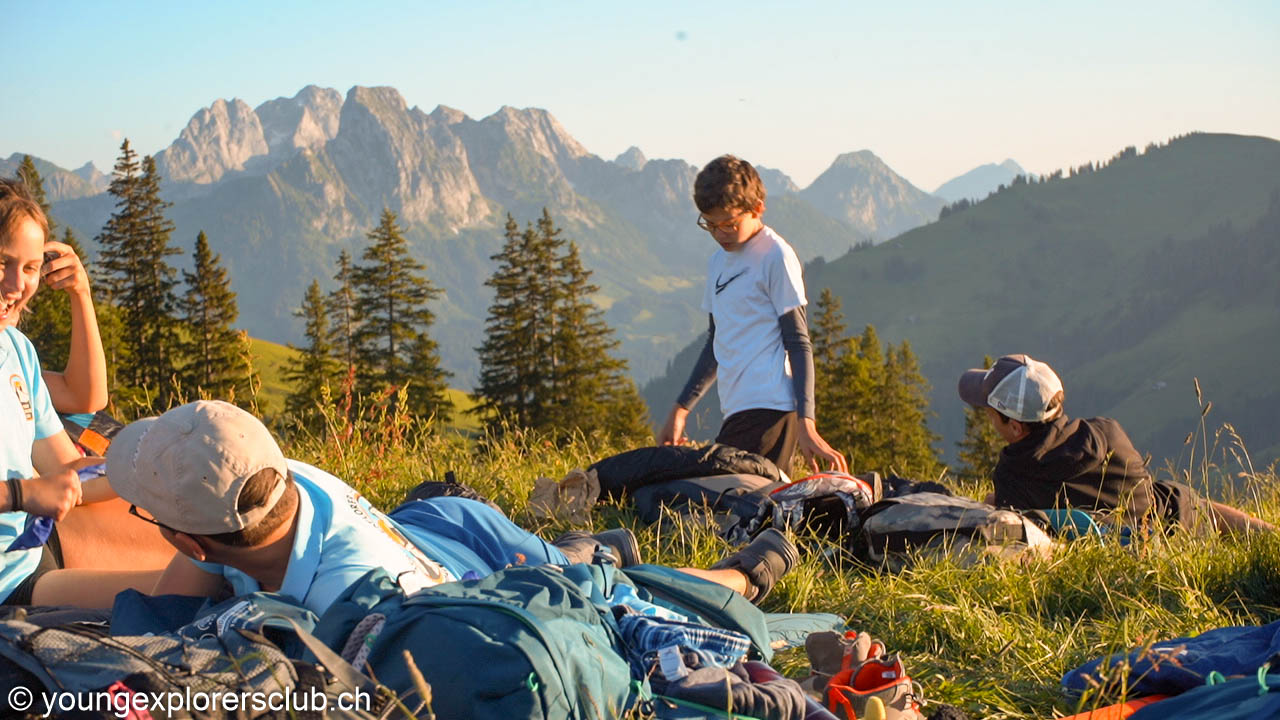
Availability peaks in July–August; hotel-based weeks and glamping fill fast. I recommend booking 3–6 months ahead, especially for week-long camps and teen programs. For multi-day stays mix mostly low-intensity options with one higher-intensity day. Keep daily lengths short and schedule rest for younger kids so energy stays high and moods stay cooperative. For detailed prep and packing tips see our family camp guide.
Daily Schedules, Staffing Ratios and Group Management
We, at the Young Explorers Club, organize groups and days so every age gets the right challenge and the right level of care. I set clear age bands — 3–5, 6–9, 10–12, 13–17 and whole-family — and align activities with developmental needs. Family slots mix group programming with dedicated family time so parents and kids share both structured learning and unstructured connection. For practical planning, see our family camp planning guide.
Age groups and staffing ratios
I assign counselors by age and ability, not just by birthday. Typical counselor-to-child ratios I use are:
- 1:6 for children under 8.
- 1:8–1:10 for older kids and standard multi-day programs.
- I keep those ratios as a baseline and tighten them for higher-risk activities (water, climbing, overnight).
Mixed-age family sessions run with extra adult leaders and clear handoffs between age-group specialists. I train staff on age-appropriate expectations: simple sensory games for 3–5-year-olds; exploratory skills and team challenges for 6–12-year-olds; autonomy, navigation and leadership for 13–17-year-olds.
I expect counselors to:
- Lead transitions and safety briefings.
- Adapt activity difficulty by ability, not just age.
- Communicate daily highlights and any incidents to families at pickup or by brief end-of-day notes.
Sample day schedules and common variations
A typical multi-day camp day follows a predictable rhythm so kids settle quickly and parents can plan around it: 08:00–09:00 breakfast; 09:30–12:00 morning activity; 13:30–16:00 afternoon activity; 18:00 family time/evening program. I structure each activity block with a warm-up, core skill session, choice-time and a cool-down.
Common variations I run include:
- Day-camp child: 09:00 drop-off; 09:30–11:30 activity; 12:00 lunch/pickup — shorter blocks and more frequent breaks.
- Family-camp family day: morning group activity split by age, midday family lunch, afternoon family hike or free time, evening family program — mixes independent child sessions with collective family moments.
- Teen program: later starts, longer independent excursions, skills clinics (e.g., wilderness first aid, rope work) and evening social/learning sessions — emphasis on responsibility and leadership.
I recommend adding a visual schedule to every family packet. A sample-day infographic or photos of activity zones helps parents imagine logistics and reduces drop-off stress. Staff wear clear ID, carry radios on larger hikes, and follow a written handover protocol at each transition to keep groups cohesive and safe.
https://youtu.be/4yjhBlgkw1U
Accommodation, Facilities, Accessibility and Green Credentials
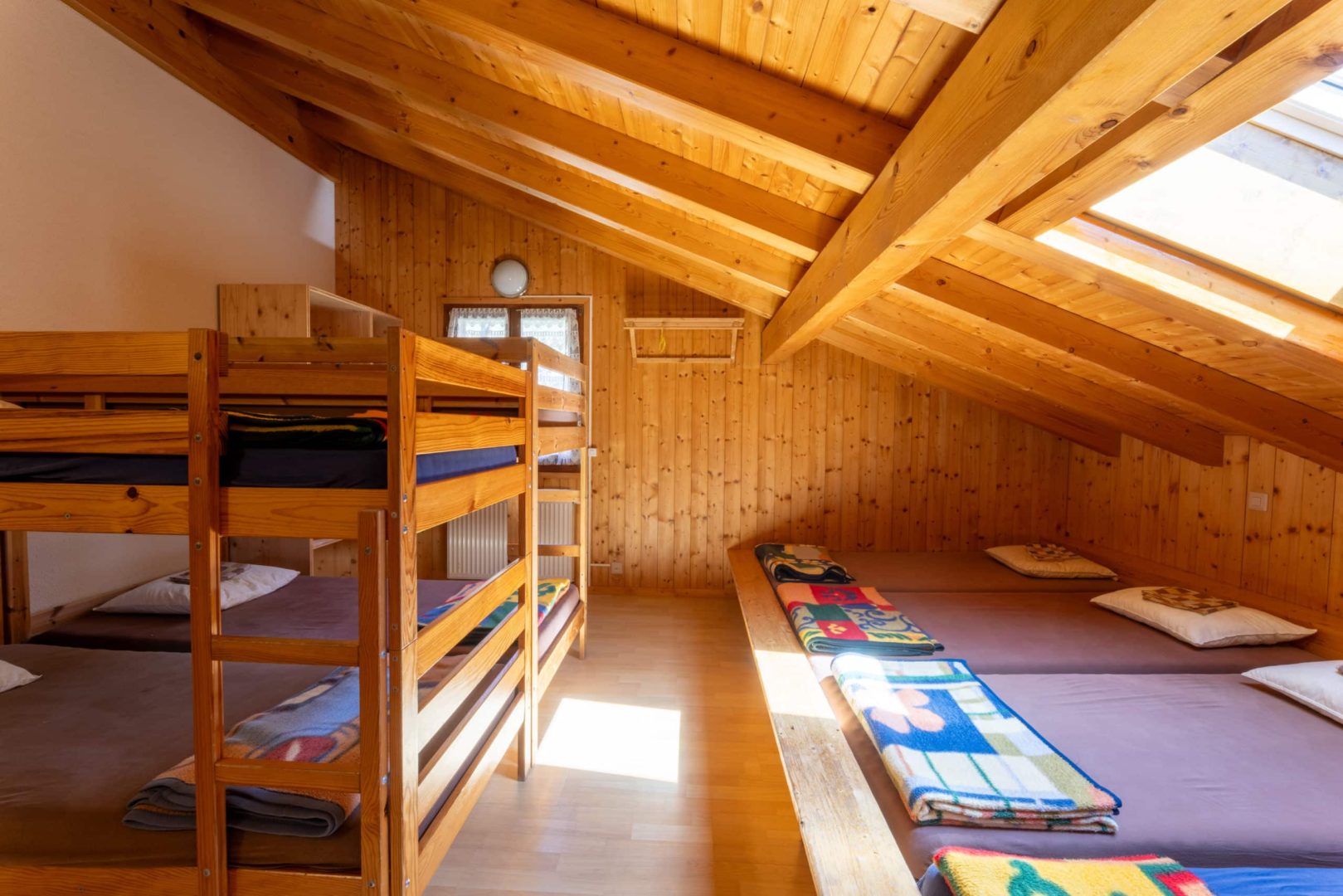
We choose accommodation to match family needs and age ranges. Chalets and self-catered apartments give flexibility for picky eaters and early bedtimes. Family hotels work best for toddlers — they usually offer nearby rooms, reliable meals and built-in babysitting or kids’ programmes. Mountain huts (refuges) are rustic and appeal to older kids and teens who want a proper alpine experience. Campsites and glamping pods sit between those options, offering outdoorsy comfort without full hotel services.
I outline typical capacities so you can plan group dynamics. Most family camps run small groups of 10–30 families, which keeps activities intimate and staff ratios high. Larger programs scale to about 100 participants and use staggered activities to preserve quality.
Parents ask about specific facilities. I focus on the essentials:
- Kids club and age-specific programming
- Indoor or outdoor pools and safe swim supervision
- Full-board or half-board meal plans
- Clear medical access and nearby emergency services
Added conveniences speed up travel days and reduce stress. Look for on-site laundry or nearby laundromats, a communal kitchen in self-catered options, and vetted babysitting services for evening outings. I also recommend checking whether camps provide secure medication storage or refrigeration for insulin.
Accessibility varies across Swiss sites, so you should always ask providers about wheelchair access and medical accommodations before booking. We advise confirming room layout, ramp or lift availability, and accessible toilet/shower facilities. If your family needs more support, ask whether a camp has trained medical staff on-site or a direct transfer agreement with a local clinic.
Pre-booking checklist
Use this checklist when you call or email a camp — it saves time and avoids surprises. I suggest ticking these items before you commit:
- Wheelchair access to bedrooms, dining areas and activity sites
- On-site medical staff or a fast connection to local healthcare
- Menu flexibility for allergies and clear allergen labelling
- Safe medication storage and staff trained in administering meds
- Transport options to the nearest hospital or clinic
- Program ages and ratios for kids club staff to children
- Laundry facilities or nearby services
- Babysitting availability and any extra fees
- Camp capacity and how activities are staggered for larger groups
I press camps about their environmental standards. Ask for recognized credentials such as Leave No Trace, Minergie (Swiss building standard) and Green Key (international eco-label). Those labels tell you something specific about building efficiency, waste practices and on-site behaviour expectations. You should also ask how the camp sources food locally, whether they track waste reduction, and if they have carbon-offsetting measures in place. This aligns with Switzerland climate goals: net-zero by 2050 (national target), so many sites are already improving energy use and food sourcing.
When you want a quick planning boost, consult our camp planning checklist to align accommodation, accessibility and green priorities with your family’s needs. We prefer camps that combine clear medical access, child-friendly facilities and verified sustainability practices because they let families relax and enjoy alpine adventures with confidence.
Safety, Health, Costs, Travel Logistics and Practical Planning Checklist
We, at the Young Explorers Club, put safety first on every family summer camp. Guides hold IFMGA/UIAGM certifications and we confirm a trained first‑aider is on every program. We also verify emergency rescue options such as Swiss air‑rescue REGA for mountain incidents.
Expect altitude effects above about 2,500 m. Allow at least one easy day for acclimatization. Watch children and adults for headaches, nausea or poor sleep. If symptoms persist, descend and seek professional care immediately.
Ticks and sun are routine Alpine hazards. Check for ticks after hikes and remove any as soon as possible. Use sunscreen SPF 30–50 and sun protection like hats and sunglasses on bright days. Bring insect repellent and treat clothing or gear if you stay longer in tick country.
Typical costs and booking notes you should expect:
- Per person per week: ranges widely from CHF 300–1,500 depending on day programs versus specialist adventure camps.
- Family package (per week): commonly falls between CHF 800–5,000 based on accommodation standard and included services.
- Equipment rental: runs about CHF 10–80 per day by item (bikes, helmets, harnesses).
- Deposits: are typically 20–30% of the total at booking.
I recommend budgeting for extras like transport, meals off‑camp, and optional guided excursions.
Travel logistics and timing:
- Major international airports: Zurich (ZRH), Geneva (GVA), Basel (BSL).
- Representative train times: Zurich–Interlaken ~2 hours; Geneva–Zermatt ~3.5–4 hours; Zurich–Zermatt ~3.5 hours.
- Swiss motorway vignette: is approximately CHF 40 per year.
I advise a train‑first approach to reduce transfers with kids; trains are punctual, comfortable and cut hassle at arrival.
I suggest booking early for July peak weeks — aim for 3–6 months ahead to secure guide availability, family rooms and rental gear. We take deposits to reserve spaces and confirm final numbers 6–8 weeks before arrival.
Download the camp checklist and request a sample itinerary to make planning quick and clear: grab our camp checklist for parents via this camp checklist, and ask us for a sample 7‑day family camp itinerary when you book.
Packing essentials and sample budget blocks
Below are the practical items I always recommend packing, plus compact budget examples to help with planning.
Packing essentials:
- Layered clothing and a waterproof jacket.
- Sturdy hiking boots and quick‑dry socks.
- Hat, sunglasses and sunscreen SPF 30–50.
- Insect repellent and a small tick removal tool.
- Child‑sized life jacket for water activities.
- Small personal first‑aid kit and any prescription meds.
- Lightweight daypack, reusable water bottle, and headlamp.
- Plan rentals for bulky items (bikes, helmets, climbing harnesses at CHF 10–80/day).
Sample budget blocks for a 1‑week stay:
- Budget/basic: day programs or simple camp + shared accommodation; minimal guided extras.
- Mid‑range: family hotel with full board + guided activities and some rentals.
- Premium: private chalet or 4★ hotel with specialist guides and private transfers.
Request our booking checklist and we’ll send tailored cost examples for your family size and activity mix.

Sources
Swiss Federal Statistical Office — Tourism statistics
Switzerland Tourism (MySwitzerland) — Family Holidays in Switzerland
Swiss Travel System — Swiss Travel Pass information
Federal Office of Public Health (FOPH) — Reisemedizin / Travel medicine
MeteoSwiss — Climate and seasonal weather data
REGA Swiss Air-Rescue — Mountain rescue in Switzerland
IFMGA / UIAGM — Guide certification standards
Leave No Trace Center for Outdoor Ethics — Family tips for outdoor ethics
Minergie — Minergie (Swiss building standard)
Green Key — Green Key (international eco-label for tourism)
World Health Organization (WHO) — Altitude illness / Altitude sickness