Junior Summer Camp In Switzerland: Programs For Younger Children
Swiss junior summer camps — safe outdoor learning, multilingual immersion for ages 4–12. Book 3–12 months ahead; pack layers.
Assessing Swiss Junior Summer Camps
We assess Swiss junior summer camps by safety, health and site quality. They combine strict safety and healthcare standards with compact alpine and lakeside settings. Children gain outdoor learning, managed-risk activities and everyday multilingual exposure. Programs for ages 4–12 use age-appropriate routines: shorter scheduled days or 1–4 week residential blocks. They mix active outdoor time with play-based language sessions and publish clear staff-to-child ratios. Parents should pack layered clothing and plan bookings 3–12 months ahead, depending on whether they’re domestic or international.
Program and age ranges
Programs typically include day camps (shorter days), short residential stays (1–2 weeks) and longer residential blocks (1–4 weeks). Tracks often include bilingual, sports, outdoor and arts/STEAM options. Schedules and session lengths are adapted for younger juniors with routines and shorter activity blocks.
Daily structure
Daily time is generally split to emphasize active outdoor time while preserving learning and rest: about 60–70% outdoor/active, 20–30% structured learning (often play-based language sessions) and 10–15% free play or rest. Clear routines and consistent staff assignments help younger children settle quickly.
Safety and healthcare
Safety and healthcare are central: camps publish staff-to-child ratios, train staff in first aid and pediatric CPR, certify activity leaders and maintain written emergency protocols. Many camps have on-site medical coverage or fast access to nearby clinics and hospitals.
Packing and practical preparation
Parents should pack layered clothing, a rain shell, sun protection, secure footwear and life vests for lake activities when provided or required. Submit medical and dietary information in advance and check whether special equipment (helmets, wetsuits) is included or must be rented.
- Pack essentials: layers, rain shell, sun hat, sunscreen, sturdy shoes.
- Safety gear: life vest for lake days, closed-toe shoes for hikes, helmet where needed.
- Documentation: medical forms, allergy details, emergency contacts, insurance info.
Booking and logistics
Book early: typically 3–6 months ahead for domestic families and 6–12 months for international families. Confirm price inclusions (meals, excursions, equipment), transport options and cancellation/transfer policies before committing. Check arrival/departure logistics and whether the camp arranges transfers from major train stations or airports.
Key Takeaways
- Safety and healthcare: camps publish staff-to-child ratios, train staff in first aid and pediatric CPR, certify activity leaders and keep written emergency protocols.
- Program types: day camps (short days), short residential stays (1–2 weeks) and longer 1–4 week options, plus bilingual, sports, outdoor and arts/STEAM tracks.
- Daily structure: favors active/outdoor time (60–70%), structured learning (20–30%) and free play/rest (10–15%) with routines and shorter sessions for younger juniors.
- Practical preparation: pack layers, a rain shell, sun protection, secure footwear and life vests for lake activities; submit medical and dietary information in advance.
- Booking timeline: book early (3–6 months domestic, 6–12 months international), confirm price inclusions, transport options and cancellation/transfer policies before committing.
Why Switzerland is ideal for junior summer camps
We, at the young explorers club, choose Switzerland for junior camps because it combines safe infrastructure, vivid outdoor learning and real language exposure in compact, accessible landscapes. Parents trust Swiss standards for safety and healthcare, and those practical advantages shape every day of our programmes.
The climate and terrain set realistic expectations for families. July averages in Zurich run about 18–20 °C and Geneva about 20–23 °C (MeteoSwiss climate averages). Expect conditions to be 5–10 °C cooler in the Alps and more changeable than Mediterranean alternatives, so pack warm layers and a reliable rain shell. I recommend planning for cooler Alpine mornings, active midday sun on lakes, and the occasional shower.
Key appeal factors
Core appeal factors that make Switzerland a standout for younger campers include the following:
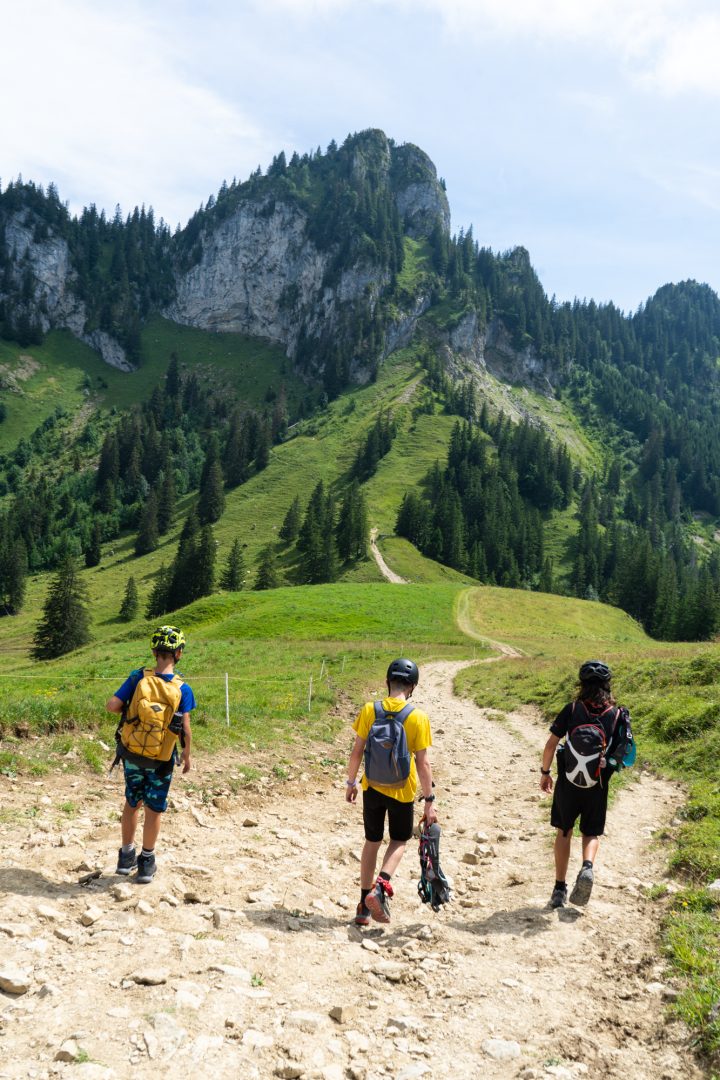
- Alpine outdoor activities: short family-style hikes, supervised lake play and beginner climbing introduce kids to movement and risk-management in controlled stages. I keep routes short and objectives simple so younger children stay confident and energized.
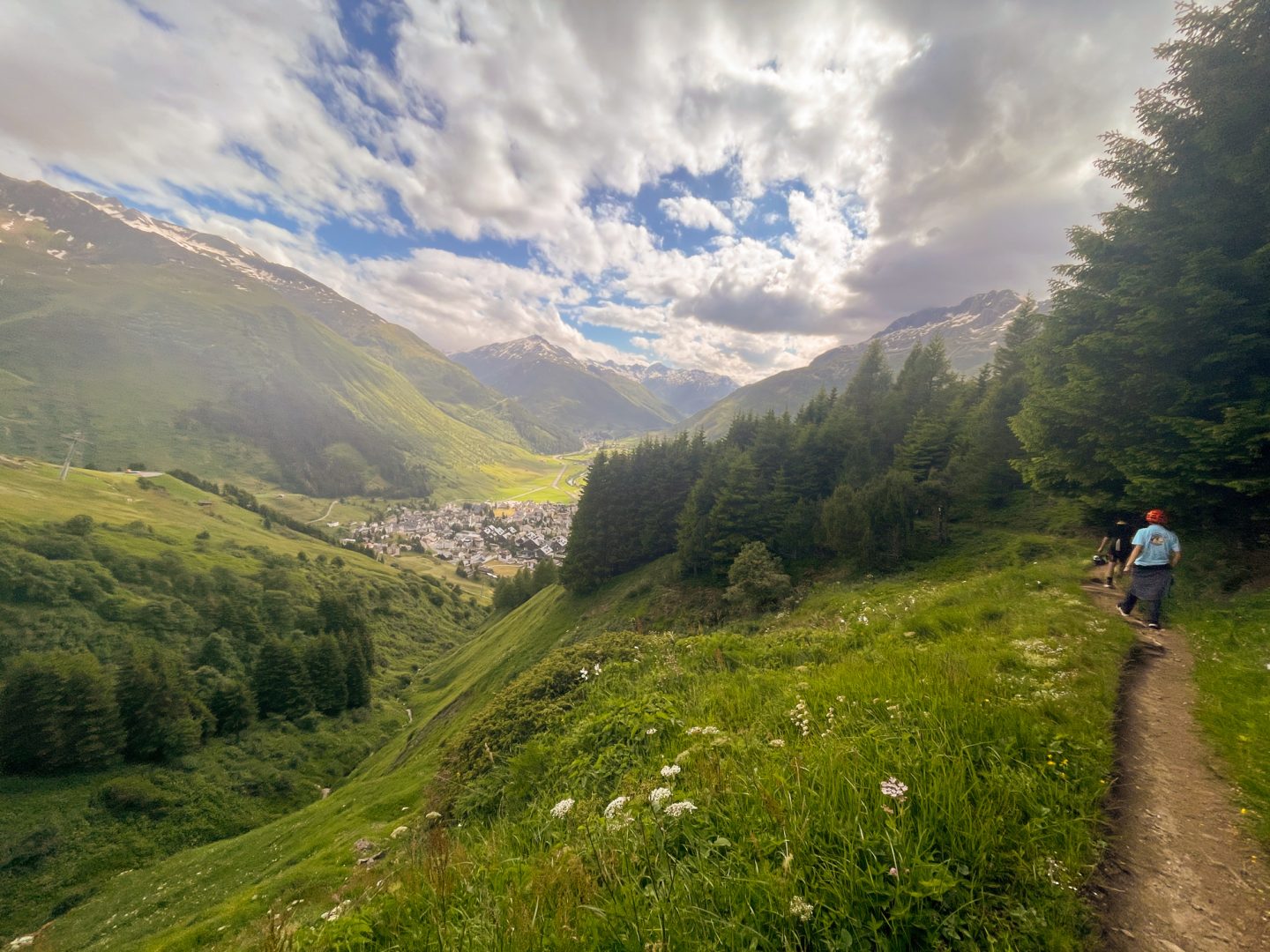
- Lakes and mountain settings: clear lakes, gentle shoreline access and low-altitude alpine meadows give us varied activity zones within short travel times. That variety helps keep younger kids engaged without long transfers.
- Multilingual environment: German, French, Italian and English are woven into daily life, so language exposure becomes natural cultural immersion as well as formal learning. Many families come specifically for that blend of outdoor education and language practice.
- Safety and healthcare standards: local emergency services, strict child-staff ratios and rigorous site checks are a constant. I plan activities around these protective measures so caregivers can feel secure.
- Family and international markets: camps serve both local Swiss families and international visitors seeking language immersion plus nature-based learning. That mix creates small-group diversity and broad cultural exposure.
I incorporate short, repeatable routines so children settle quickly and learn through play. Activity sessions are age-appropriate, with plenty of free-play and recovery time. Staff communicate daily with parents about weather, clothing needs and any medical notes.
Practical packing and planning tips I give families:
- Layers: thin base, fleece mid-layer and waterproof outer. Mountain mornings are cool even in July.
- Sun and water safety: broad-brim hats, high-SPF sunscreen and well-fitting life vests for lake time.
- Shoes: closed-toe shoes with grip for rocky paths and wet shorelines.
- Language mindset: encourage simple phrases at home so children feel confident using new words on camp.
For help matching a child’s needs to the right programme, consult our guidance on summer camp age groups.

Age groups, session lengths and booking timing
Age brackets and program fit
We, at the Young Explorers Club, group juniors to match developmental needs and energy levels. See our page on age groups for full details. Below are the common brackets and what to expect.
- Ages 4–7 (young juniors / pre-school): shorter scheduled days, clear routines, and daily nap or quiet periods for younger 4–5-year-olds. Activities run in small chunks and staff stay close.
- Ages 6–9 or 7–10 (younger juniors): more structured skill-building and mixed free-play; transition activities help those moving from pre-school formats.
- Ages 8–12 (older juniors): longer activities, group challenges, and greater independence; 10–12-year-olds handle multi-hour sessions and basic self-care tasks.
- Many camps list a core junior cohort as 6–12 to simplify grouping and staffing. Look for staff-to-child ratios by age when you compare options.
Session lengths, peak timing and booking guidance
Day camps often run in weekly modules; one week is the standard unit. Residential options typically offer 1-, 2- or 4-week sessions. Full-summer packages commonly span 4–8 weeks for families who want continuity.
Peak season runs mid-June to late August. Popular sessions — especially 2- and 4-week residential blocks — fill first. Domestic families should plan to book 3–6 months ahead. International attendees usually secure spots 6–12 months in advance. We recommend booking early if you need specific dates, age brackets or shared-room requests, because sessions fill fast.
When you search, watch for these key phrases:
- “ages 4–7”
- “6–12”
- “staff-to-child ratios by age”
- “junior campers ages 6–12”
- “session length 1–4 weeks”
- “book 3–6 months in advance (6–12 months for international attendees)”
Confirm cancellation and transfer policies and ask how programs handle mid-session adjustments for younger children.
Program types, daily life and a sample 1-week junior itinerary
We at the Young Explorers Club run clear program types for younger kids so parents can pick what fits best. Camps range from single-day adventures to short residential stays, and I list how each looks in practice.
Program types and what to expect
- Day camps: Structured 09:00–16:00 programs with a mix of active play, short lessons and rest breaks. Day camps work well for younger juniors and fit busy family schedules; see our page on day camps vs overnight camps for comparisons.
- Residential / overnight: Short-stay residential weeks (commonly 1–2 weeks) run a typical day from about 08:00–21:00, with earlier lights-out for smaller children. We keep nights calm and predictable so kids sleep well.
- Bilingual / multilingual immersion: We use play-based language learning. For under-8s we deliver 30–45 minute age-appropriate lessons and fold language into games, songs and crafts. Models include full English immersion, blended bilingual, or local-language-with-English-support; learn more about our approach on the bilingual camp page.
- Sports camps: Focused blocks for tennis, horseback riding and sailing give skill-focused sessions with certified instructors and strict safety checks.
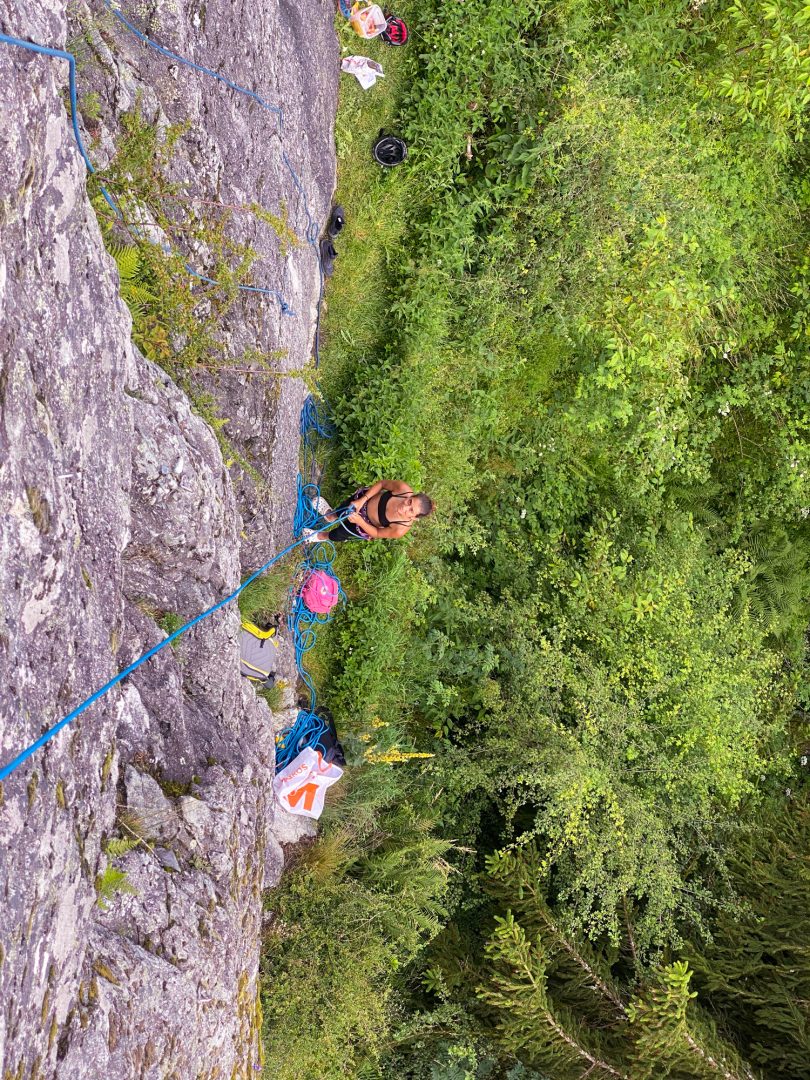
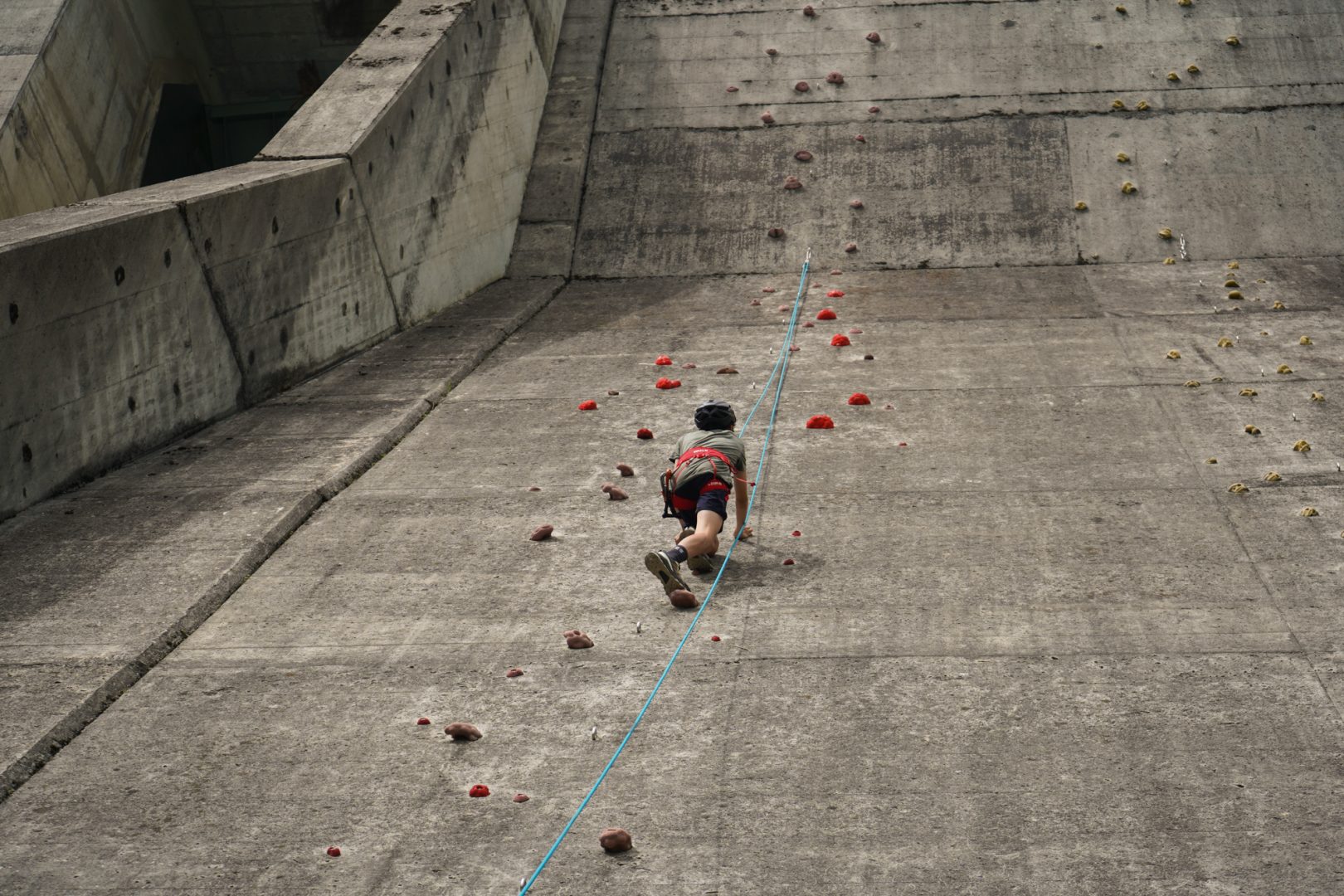
- Nature / outdoor adventure: Hiking, beginner orienteering, lake play and supervised introduction to climbing with full harness systems form the backbone of outdoor weeks. For outdoor-specific offerings see our outdoor camps.
- Arts & STEAM: Hands-on projects, nature crafts and simple engineering challenges that pair creativity with gentle problem solving.
Daily structure and time allocation
I recommend the following split for juniors: 60–70% active/outdoor time, 20–30% structured learning (language or skills), and 10–15% free play and rest. That balance keeps energy high and attention manageable.
Typical daily schedules look like:
- Day camp: 09:00 arrival, welcome and warm-up, mid-morning activity, snack and 30–45 minute language or skills session, lunch and quiet time, afternoon activity and pick-up at 16:00.
- Residential day: 08:00 breakfast, morning activities, midday rest or crafts, afternoon sports or lake time, evening games and calm group time, lights-out earlier for younger juniors.
Activity adaptations and safety
I scale every activity by age and ability. Examples:
- Water: supervised lake paddling for 6–8 year olds; guided canoeing trips for 10–12 year olds. Certified lifeguards are on duty for all water sessions.
- Climbing and horse activities: run by qualified instructors with full harnesses, helmets and activity-specific checks.
- Swimming: beginner sessions integrated with lake play; we keep lessons short and fun.
- Group sizes and staff ratios: typical ratios are 1:6 for 6–8 year olds; some older groups may be 1:8 for low-risk activities. Leaders carry radios and first-aid kits, and we maintain emergency contact and medical forms on hand.
For more on age groups and where your child fits, consult our camp age groups guide.
Sample 1-week junior itinerary (day camp 09:00–16:00)
Below I give a practical five-day example with the safety detail parents expect.
- Day 1 — Welcome & orientation (09:00–16:00): Name games, group assignments, short lakeside play and a gentle team treasure hunt. Staff ratio 1:6 for 6–8s; lifeguard on duty and standard on-site first aid available.
- Day 2 — Nature walk + treasure hunt + arts & crafts: Mid-morning 30-minute language lesson woven into the treasure hunt. Group leaders carry first-aid kits and radios; ratio 1:6.
- Day 3 — Mini-sports day: Child-friendly triathlon (short run, swim, bike) in a controlled area. Certified lifeguards supervise swimming; helmets and safety checks required. Staff ratio 1:6–1:8 depending on ages.
- Day 4 — Farm visit + cooking: Hands-on cooking with local ingredients after a supervised farm tour. Transport uses seatbelts; adult supervisors at 1:6.
- Day 5 — Mini-show & parent pick-up ceremony: Short performances, presentation of certificates and a final skills relay. Activity ratios 1:6; free-play periods 1:8. Parents briefed on pick-up procedures.
We keep every day focused on fun, clear transitions and visible safety measures. For a sample daily rhythm and more detail on what children do hour-by-hour, check what a typical day looks like.

Safety, staffing, medical care and legal requirements
We, at the Young Explorers Club, set clear standards parents can rely on for junior camps. We require transparency: every camp should publish its actual staff-to-child ratios, medical policies and emergency procedures on the landing page so families can compare options quickly. I will outline the practical minimums and legal expectations we enforce.
Operational minimums and what we require
Below are the standards we implement at our junior programs:
- Recommended staff-to-child ratios — we follow typical guidelines: 1:4 for ages 3–5, 1:6 for ages 6–8, and 1:8 for ages 9–12; camps should display their ratios clearly on promotional pages.
- Required staff qualifications — every team member holds basic first aid and pediatric CPR; staff complete background checks and child protection training; activity leads carry relevant certifications (for example, climbing instructor or lifeguard) depending on the program.
- Emergency and medical protocols — we station on-site first-aid supplies and designate trained first-aid personnel for each group; written emergency plans cover severe weather, search procedures and evacuation routes; we maintain direct relationships with local clinics and hospitals for fast transfers.
- Mandatory medical paperwork — families must submit a completed medical form that includes vaccination records, emergency contact details and medication authorization; we keep medication locked and administer it only per written instructions.
- Insurance and legal formalities — camps commonly require liability waivers and emergency medical consent forms; we strongly recommend travel and health insurance that covers medical repatriation and accidental injury for non-residents.
- Swiss regulatory compliance — cantonal regulations and child protection policies apply; background checks and parental consent forms are standard and we follow local reporting and record-keeping requirements.
We train staff on scenario drills and require periodic refreshers so response times stay sharp. We keep ratios flexible for higher-risk activities and increase supervision during transitions, water sessions and hikes. Parents should check the camp’s published ratios and certificates before booking; our online pages make those documents easy to find. For preparation tips and the paperwork checklist, see our guide on how to prepare.

Accommodation, facilities, food and dietary management
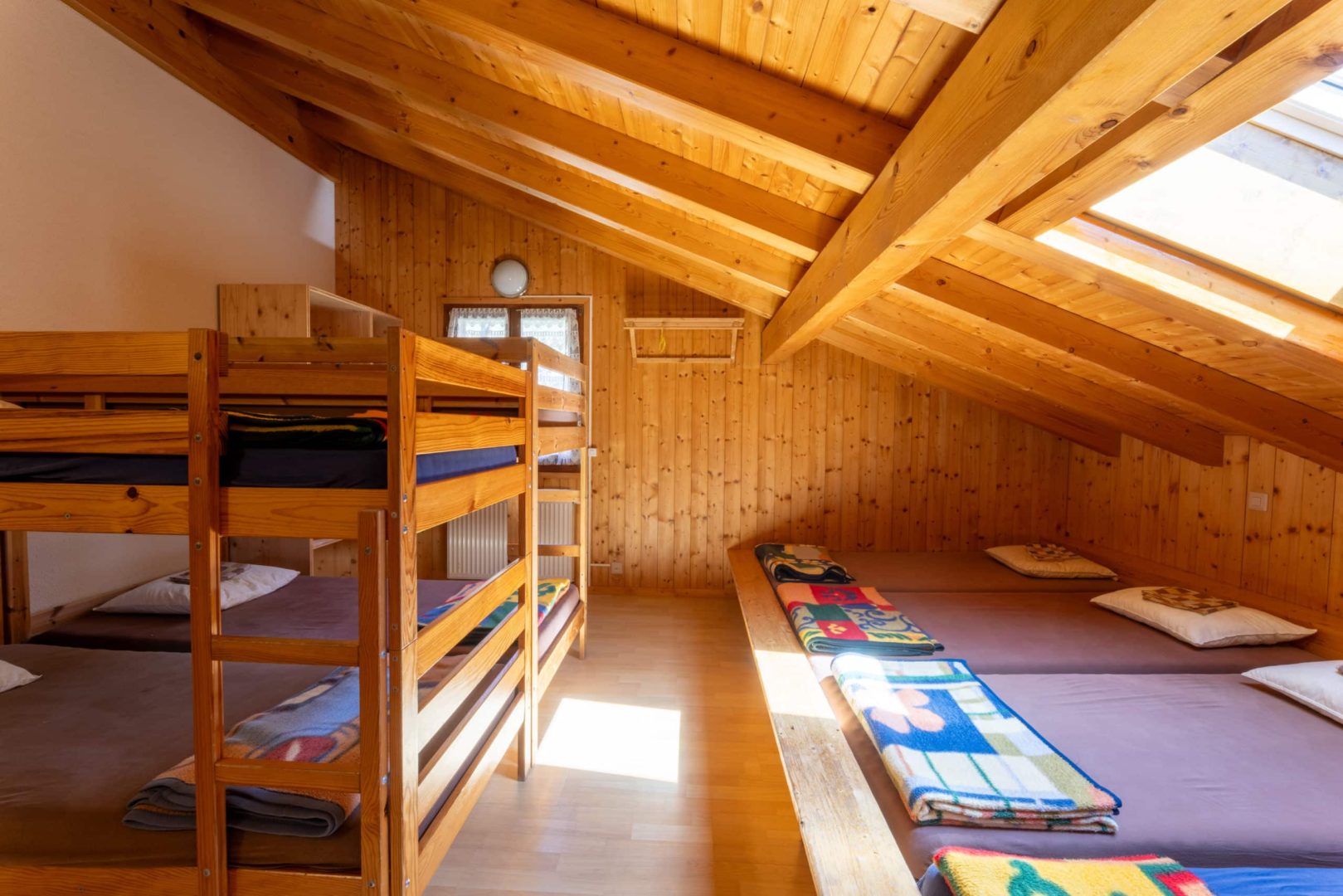
We, at the Young Explorers Club, run camps in a mix of sites: lakeside centres, mountain chalets, school campus takeovers, family-run manor houses and farm stays. Each location has a clear sleeping plan for younger children. Juniors usually sleep in shared dorms of 4–8 children, with rooms grouped by age and gender. Staff bedrooms sit adjacent to junior dorms for overnight supervision and quick access.
Residential programmes serve a midday hot meal; day camps provide either a packed lunch or a catered option. Camps commonly provide three meals plus snacks, and menus follow local healthy-eating norms with locally sourced Swiss dairy and fruit. We accommodate common allergies — nuts, gluten and dairy — and will adapt menus for special diets on request (vegetarian, halal, kosher, gluten-free). Parents must flag medical concerns during registration and submit any required support documents so we can prepare individualized plans.
Altitude and terrain affect accessibility. We recommend requesting specific accessible features — low-step entrances, grab rails and accessible bathrooms — before booking. Please submit an individualized support plan early so we can confirm staff and facilities for mobility, sensory or medical needs.
Key features, sleeping arrangements and a sample menu
Below are the practical highlights we use when planning or assessing a junior summer camp stay.
- Site types and sleeping arrangements:
- Lakeside centres with supervised swim zones and lifeguarded pools.
- Mountain chalets with close-by hiking and shaded outdoor areas.
- School campus takeovers offering gym halls and indoor rainy-day spaces.
- Family-run manor houses and farm stays for a homely atmosphere.
- Dorm-style sleeping: 4–8 children per room, grouped by age/gender; staff rooms adjacent for night checks.
- Facilities to emphasise:
- Secure fenced play areas and fenced pool perimeters.
- Child-sized dining areas and crockery for independent mealtimes.
- Indoor spaces for wet or cold days (craft rooms, soft-play halls).
- Shaded outdoor zones and covered picnic/eating areas.
- Lifeguarded pools or supervised lake zones with clear swim rules.
- Food and dietary policy snapshot:
- Three meals daily plus morning/afternoon snacks; emphasis on Swiss dairy and seasonal fruit.
- Allergy accommodations commonly include nut-free zones and separate preparation tracks for gluten or dairy avoidance.
- Special diets (vegetarian, halal, kosher, gluten-free) available on request; advance notice required.
- Clear labelling at meals and staff briefings about children with dietary plans.
- Operational distinctions:
- Residential camps include a warm midday meal to fuel afternoon activities.
- Day camps give options: bring a packed lunch or select a camp-catered meal plan.
- Staff maintain meal-time supervision and practice food-allergy protocols.
- Sample weekly menu (illustrative):
- Monday — Breakfast: porridge and fruit. Lunch: pasta with veg. Dinner: yogurt. Snacks: fruit and wholegrain biscuits.
- Tuesday — Breakfast: eggs and toast. Lunch: chicken and rice. Dinner: steamed veg and potatoes. Snacks: vegetables and hummus.
- Wednesday — Breakfast: cereal and milk. Lunch: vegetable soup and bread. Dinner: cheese and salad. Snacks: fruit and seeds.
- (Menu cycles to reflect seasonal produce and local sourcing.)
For parents deciding which camp fits their child, check our guide to summer camp age groups to align accommodation and facilities with your child’s needs and abilities.
Costs, transport, inclusion and how to choose the right junior camp
We price junior programs with clear bands so parents can compare quickly. Day camps typically run CHF 150–500 per week depending on full- or half-day options and added extras. Residential weeks range from about CHF 800 up to CHF 3,500 per week; local multi-day stays sit at the lower end, while premium international boarding-style weeks sit at the higher end. We, at the young explorers club, publish package details so families know what they’re buying — and you can see our options for younger kids on the 6–8 year camps page.
Inclusions and common extras are straightforward. Most programs include daily meals, core supervised activities, basic equipment and accommodation for residential stays. Extras that often aren’t included are airport transfers, specialist rental gear (mountain bikes, wetsuits), and personal travel insurance. We recommend budgeting for those add-ons when you compare camps.
Transport and logistics vary by location and program type. Parent drop-off remains the simplest option for day camps. Supervised shuttle services, train station pickups and local taxi arrangements are common for residential weeks. Airport transfers to Zurich and Geneva are usually available, but expect a surcharge and set arrival/departure windows. We manage clear arrival instructions and require arrival windows to keep transfers safe and punctual.
Inclusion and accessibility are non-negotiable for us. Camps should state whether they can support physical or learning needs before booking. Tell us about medical or learning requirements early so we can plan individualized support, adjust camper-to-staff ratios and, where needed, arrange specialist staff. We ask families to complete detailed medical forms and to share recent reports so care plans are effective.
Parental checklist — quick items to compare
Use this short list to vet a program before booking:
- Age-appropriate activities: check sample schedules and activity intensity for junior ages.
- Staff-to-child ratio: lower ratios for younger children mean safer supervision.
- Staff qualifications: look for first aid and pediatric CPR training plus background checks.
- Health and medical protocols: confirm vaccination, medication handling and emergency procedures.
- Sample daily schedule: ensure nap/rest times, shorter activity blocks and clear transitions.
- Food and allergy policies: request menu examples and allergen handling procedures.
- Accommodation photos and layout: expect shared dorms of about 4–8 children or age-segregated rooms.
- Price inclusions: confirm meals, activities, equipment and which transfers or rentals cost extra.
- Cancellation and refund policy: know deadlines and penalties.
- Booking lead time: plan to book 3–6 months ahead for domestic weeks and 6–12 months for international stays.
Remember that Swiss camps tend to emphasize Alpine outdoor education, multilingual settings and very high safety and healthcare standards. That often means higher price points than southern Europe, but rates are comparable to premium UK or US international camps. For a deeper look at how Swiss programs differ, check this short note on Swiss camps.

Sources
MeteoSwiss — Swiss climate in figures
Switzerland Tourism — Family holidays
Swiss Federal Statistical Office — Children and young people in Switzerland
American Camp Association — Standards and accreditation
Child Care Aware — Child‑staff ratios and supervision guidance
World Health Organization — Heatwaves
Swiss Red Cross — First aid courses
International Camping Fellowship — Resources and guidelines for camping organisations