
How Swiss Camps Develop Cross-cultural Communication
Swiss camps turn daily multilingual encounters into CEFR-aligned language gains and measurable intercultural competence with mixed cohorts.
Swiss Multilingual Camps: Model Overview
Swiss camps use Switzerland’s four national languages, cantonal variety and a large foreign‑resident population to create frequent multilingual encounters. They convert those encounters into structured learning moments for negotiation, perspective‑taking and adaptive communication. We combine mixed‑nationality cohorts, explicit language rotations and CEFR‑aligned targets with multilingual staff and measurable KPIs. This model lets programs track linguistic progress and intercultural competence. We recommend tying metrics to daily program design so staff can act on results quickly.
Program Details
Design and Activities
Programs create authentic opportunities for language use through language‑of‑the‑day rotations, target‑language blocks, culture‑share sessions and service‑learning. These activities are intentionally structured to encourage negotiation and perspective‑taking, turning everyday encounters into measurable learning moments.
Participant Mix
Core to the model is the use of mixed‑nationality cohorts, which increase the frequency of cross‑cultural interaction and force learners to practice adaptive communication in real time.
Staffing and Pedagogy
Effective camps rely on multilingual facilitators and maintain low ratios (1:6–1:12). Programs require pre‑camp intercultural training for staff and adopt task‑based experiential learning to support meaningful interaction.
Measurement and KPIs
Measurement pairs CEFR‑aligned pre/post language tests (CEFR delta, guided contact hours) with intercultural tools such as the IDI or DMIS. Teams also use behavioral checklists and clear KPI reporting so results can inform immediate program adjustments.
Scaling and Recognition
To scale and gain external recognition, camps map outcomes to CEFR and cantonal frameworks, form partnerships with schools, universities and NGOs, report cost and equity indicators, and keep quality high through staff training and published KPIs. We recommend explicit alignment to external standards to boost credibility.
Key Takeaways
- Switzerland’s multilingual population, cantonal differences and migrant communities give camps a ready setting for daily cross‑cultural communication practice.
- Programs combine mixed‑nationality cohorts, language‑of‑the‑day rotations, target‑language blocks, culture‑share sessions and service‑learning to create real opportunities for negotiation and perspective‑taking.
- Staffing and pedagogy depend on multilingual facilitators and low ratios (1:6–1:12). Programs require pre‑camp intercultural training and use task‑based experiential learning to support interaction.
- Measurement pairs CEFR‑aligned pre/post language tests (CEFR delta, guided contact hours) with intercultural tools (IDI/DMIS). Teams also use behavioral checklists and clear KPI reporting.
- To scale and gain recognition, camps map outcomes to CEFR and cantonal frameworks, form partnerships, report cost and equity indicators, and maintain quality with staff training and published KPIs. We recommend explicit alignment to external standards to boost credibility.
https://youtu.be/Hg6e28rzzfA
Swiss national context and why camps are natural hubs for cross-cultural learning
We, at the young explorers club, build programs around concrete Swiss realities. Switzerland has a population of about 8.7 million (2023) — Swiss Federal Statistical Office. The country recognizes four national languages: German, French, Italian and Romansh, with language shares roughly German ≈ 62%, French ≈ 23%, Italian ≈ 8% and Romansh ≈ 0.5% — Swiss Federal Statistical Office. It also has 26 cantons and a foreign nationals share of about 25% of the resident population — Swiss Federal Statistical Office.
Those demographic anchors shape why Swiss camps function as practical labs for cross‑cultural communication. The combination of Switzerland’s multilingualism and cantonal diversity means campers and staff regularly come from different linguistic and cultural backgrounds. Inevitable choices arise: which language to use in mixed groups, how to handle turn‑taking, which leadership style fits a task, or how direct feedback should be given. We turn these everyday frictions into intentional learning moments that teach negotiation, perspective‑taking and adaptive communication.
Comparing contexts clarifies design priorities. A more monocultural comparator, for example Japan where Japanese is the single de facto official language, highlights the contrast in language exposure and routine multilingual encounters — CIA World Factbook. That contrast helps justify program elements unique to Swiss camps: explicit multilingual tracks, mixed‑language cohort rules and staff mixes that mirror national diversity rather than a single lingua franca.
Practical implications for program design follow directly from these facts. We use them to set language targets, choose staff, and build assessment plans that measure both language gains and intercultural competence. We also integrate structured practice into daily life so skills generalize beyond classroom drills. For camps that emphasize language progression we promote multilingual summer programs that put learning in an authentic social context.
Program design and evaluation actions
Below are the concrete rules and evaluation choices we apply based on the Swiss context:
- Target languages and curriculum: prioritize German and French tracks, offer Italian modules and immersion opportunities in Romansh regions when feasible; set CEFR‑aligned targets for each track (A1–C1) to make progress measurable.
- Staff composition: recruit multilingual staff proportional to local language shares and include international hires to reflect the foreign resident share 25% (Federal Statistical Office); require cross‑cultural training and basic competency in at least two national languages.
- Cohort rules: form mixed‑nationality cohorts for daily activities, enforce rotating language roles (e.g., activity leader speaks one language, assistant uses another) to distribute speaking practice and negotiation tasks.
- Daily routines as practice: design schedules that alternate language zones and mixed zones, include explicit negotiation tasks about time management and personal space, and embed reflective debriefs after conflict or miscommunication episodes.
- Assessment and evaluation: combine CEFR language assessments with intercultural competence measures (scenario‑based evaluations, peer feedback and facilitator rubrics) to capture both linguistic and behavioral change.
- Metrics and reporting: track language progress by CEFR level shifts, quantify intercultural incidents resolved cooperatively, and report cohort diversity statistics back to stakeholders for evidence‑based adjustments.
We focus on pragmatic implementation. Staff rosters, daily activity plans and assessment calendars all flow from the same demographic logic: Switzerland’s four national languages, cantonal diversity and sizable foreign resident population create predictable learning needs. We therefore prioritize mixed‑language exposure, routine negotiation tasks and measurement strategies that reflect both language and interpersonal growth.

Camp types and design features that actively foster cross-cultural communication
Camp types and typical durations
We run several camp models that intentionally build cross-cultural skills. Below I list the common types and their usual lengths to help plan program goals and staffing.
- Language immersion camps — single day to 1-week day camps, or 1–4 week residential programs; we enforce target-language-only periods and CEFR progression through guided speaking tasks. language immersion
- International exchange camps — 6–12 week long exchange programs that blend host-family time with structured cultural workshops and reflection.
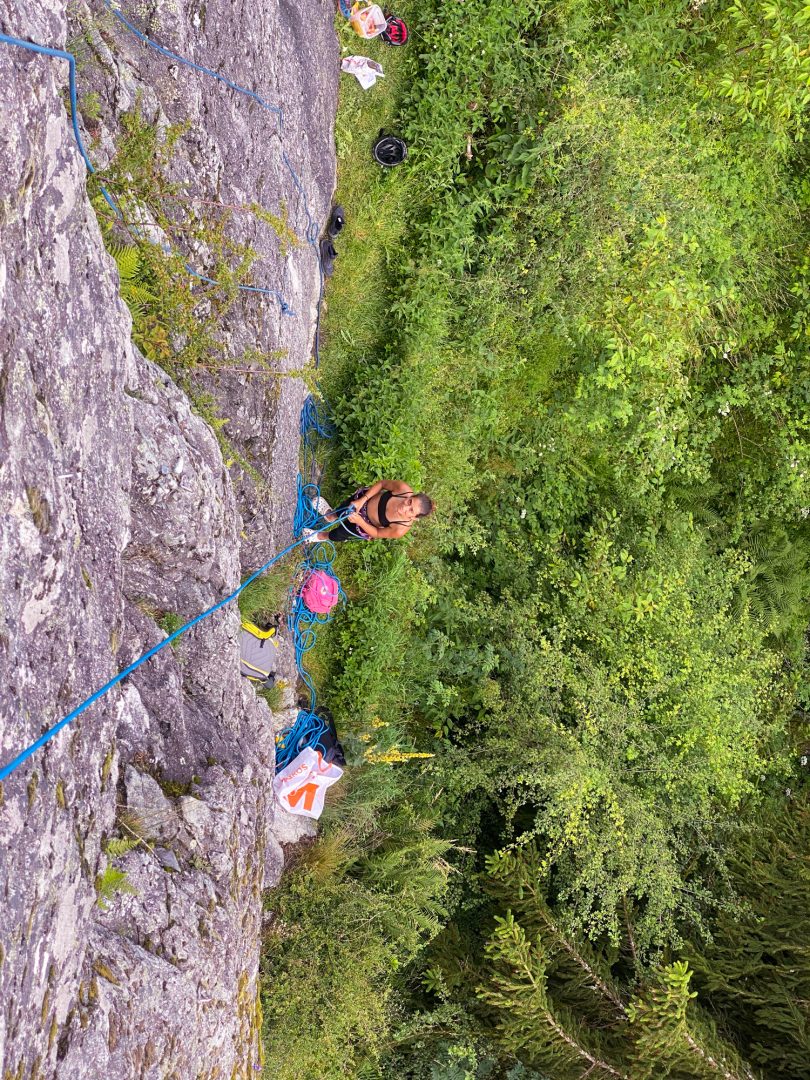
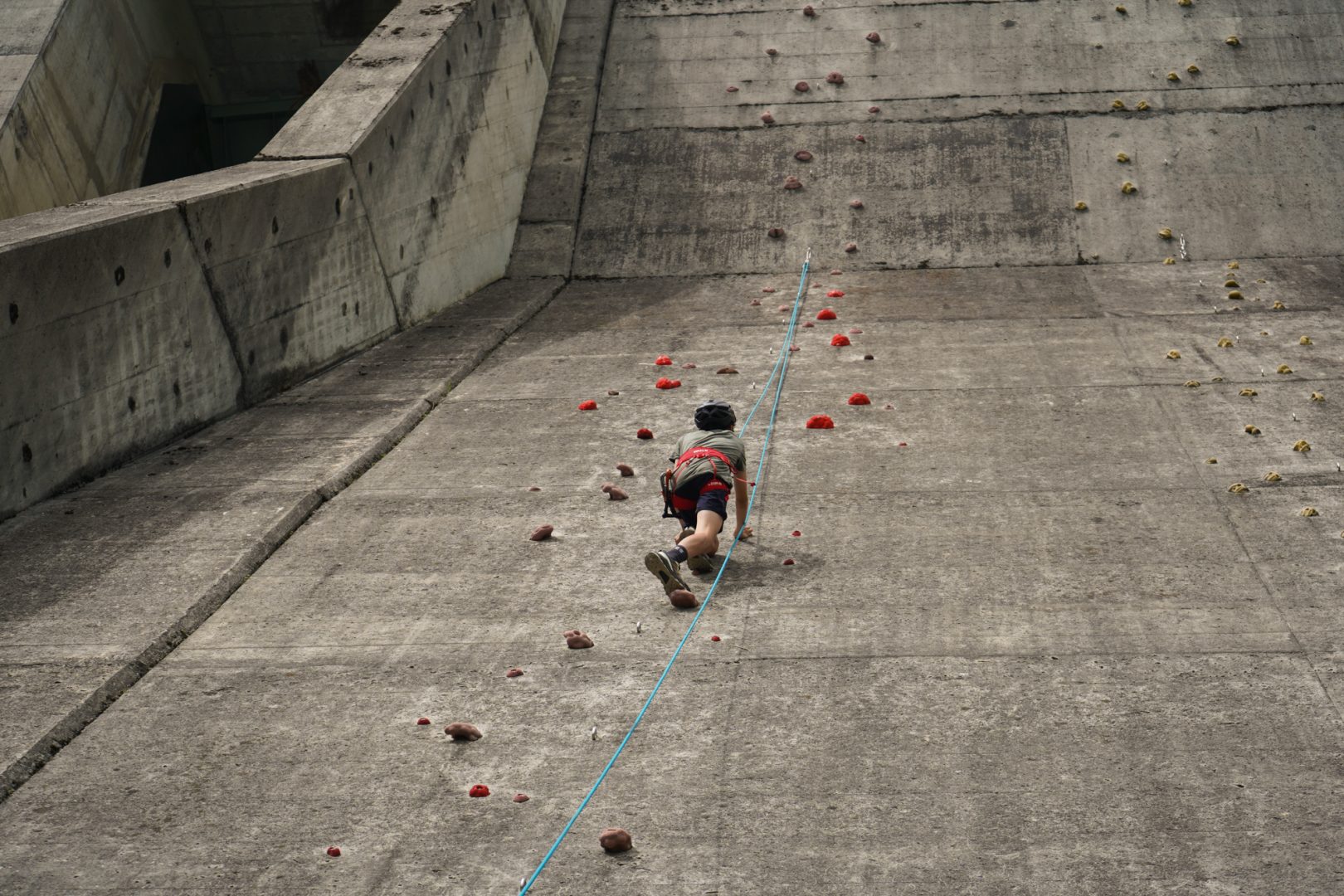
- Outdoor/adventure camps with mixed-nationality groups — usually 1–4 week residential sessions that use team challenges to expose communication and leadership styles.
- STEM and arts camps with intercultural programming — 1–4 weeks focused on collaborative projects that require negotiation of idea ownership and presentation norms.
- Leadership camps tied to international volunteer projects — often 2–12 weeks, combining service learning with leadership curricula and intercultural reflection.
Core design features and program mechanics
We design every element to create meaningful intercultural contact. Mixed‑nationality cohorts are nonnegotiable: I assign groups of 6–8 campers with at least three nationalities represented. That diversity forces real-time language choice and cultural adaptation.
Language rules are explicit and practical. We use language‑of‑the‑day rotations and target‑language‑only blocks of 2–4 hours daily for focused practice. Outside those blocks, campers get 1–3 hours of project and intercultural activities to apply skills in low‑stakes settings. Staff include multilingual facilitators who model code‑switching and scaffold conversations.
Culture‑share is programmed into daily life, not left to chance. I schedule culture‑share sessions and community dinners with rotating cultural hosts so each group teaches food, music, and rituals. Every 3–4 days we hold a culture‑night where groups prepare a 15‑minute presentation; that cadence keeps reflection frequent and skills cumulative.
Service learning links camps to local communities. Projects are short, concrete, and reflective: teams negotiate goals, plan tasks, and present impact to local partners. That sequence pushes campers to practice negotiation, turn‑taking, and accountability across cultural norms.
Each camp type uses tailored mechanisms:
- Language immersion uses CEFR‑aligned speaking tasks and peer feedback loops.
- Exchange programs alternate family immersion with structured workshops and journaling prompts.
- Adventure camps embed mixed teams in challenge courses to reveal leadership styles under pressure.
- STEM/arts projects require shared authorship and public presentations, which teach conflict resolution and presentation conventions.
We monitor progress through simple metrics: one-minute oral fluency checks, peer feedback rubrics, and post‑project reflections. Those tools let us iterate quickly and keep intercultural learning visible.

Pedagogy, curriculum design, staffing and multilingual teams
Pedagogy and assessment
At the Young Explorers Club we center instruction on task-based teaching and experiential learning. We run outdoor challenges, role plays and project work to force authentic language use. Our dialogic intercultural workshops push learners to compare perspectives and practice curiosity. I pair guided reflection—journals and daily debriefs—with mentoring and peer tutoring to close skill gaps and build confidence.
We schedule 2–4 hours of focused language practice each day and 1–3 hours of intercultural or project activities, with a 15–30 minute reflection cycle at day’s end. We set explicit CEFR targets across the A1–C2 range and use CEFR-aligned placement tests at intake and exit. For planning I note that an A1→A2 jump typically needs about 100–200 guided contact hours (CEFR). We report CEFR sublevel changes so families see measurable progress.
We assess intercultural competence with validated instruments at intake and exit, and we report group mean change and the percentage who moved at least one developmental stage using tools such as the Intercultural Development Inventory — IDI and the Developmental Model of Intercultural Sensitivity — DMIS. These measures help me spot group trends and tailor follow-up workshops.
Staffing model, training and daily module
Our staffing model relies on multilingual counselors and facilitators with high cultural competence. I keep staff‑to‑camper ratios between 1:6–1:12 depending on age and intensity, and ensure at least one culturally competent facilitator per cabin or team. We require background checks and first aid certification for all frontline staff. Mandatory pre-camp training runs 20–40 hours and covers intercultural facilitation, conflict mediation and inclusive pedagogy. I publish staff composition and total training hours to build trust; a typical breakdown might be 40% native French speakers, 35% German, 25% English/other.
Below is a sample daily module we use to balance language, culture and reflection:
- Warm-up language practice: 30–45 minutes (task-based speaking drills).
- Mixed-nationality teamwork challenge: 60–90 minutes (experiential learning with transferable language goals).
- Cultural workshop: 60 minutes (dialogic formats that reference DMIS/IDI insights).
- Mentoring/peer tutoring slot: 30 minutes (targeted language feedback).
- Evening reflection/debrief: 15–30 minutes (journals and group reflection cycles).
I hire and coach international staff to maximize cross-cultural exposure; for more on the role they play, see our piece on international staff. We track outcomes closely and iterate: placement tests, CEFR targets, reflective logs and IDI/DMIS scores feed into staff coaching and next-season curriculum design.

Measuring outcomes: language learning metrics, intercultural competence and evaluation KPIs
We, at the young explorers club, set clear, numerical expectations for both language progress and intercultural growth. For language, use CEFR as the anchor and report the CEFR delta (arrival vs departure) with N, means and standard deviations. Guided contact hours provide useful heuristics: roughly 100–200 guided contact hours are often needed to progress one CEFR level, and immersion camps of 80–160 hours typically yield about 0.5–1 CEFR level gain (presented as an expected benchmark, not a guarantee). We use CEFR‑aligned placement tests or speaking rubrics on day one and last day, and we publish average gains with variability metrics.
We recommend this measurement approach for language:
- Administer a standardized placement or speaking assessment aligned to CEFR at arrival and departure.
- Convert rubric scores to CEFR bands and compute the CEFR delta (mean ± SD) and % of participants who improved by at least 0.5 or 1 level.
- Report guided contact hours per participant so readers can relate intensity to gain; see our language immersion camps for program examples.
For intercultural competence, pair an established instrument with behavioral checks. Use the IDI or DMIS for developmental staging, and complement those with short self‑report scales (empathy, cultural curiosity) and behavioral indicators such as conflict resolution in mixed groups or leadership in mixed teams. For IDI reporting, show mean score change and the percentage who moved at least one developmental stage.
Below I list suggested quantitative KPIs with practical targets you can adopt and report transparently. I include the recommended measurement tool for each KPI and the targets used across our programs.
Suggested KPIs (template and reporting rules)
Use the following table as a reporting template; replace “Actual result” with your program’s numbers and always report sample size (N), means with SDs, percent changes and p‑values if you run formal tests.
| KPI | Measurement tool | Baseline | Target | Actual result | Sample size | Date |
|---|---|---|---|---|---|---|
| Language gain (CEFR delta) | Pre/post CEFR testing | e.g., A1 (mean ± SD) | 0.5–1 level (immersion 80–160 hours) | [report mean Δ ± SD] | [N] | [MM/YYYY] |
| % increasing cultural empathy | Self‑report empathy scale | [baseline %] | 60–80% | [actual %] | [N] | [MM/YYYY] |
| % reporting improved conflict resolution | Behavioral checklist / facilitator ratings | [baseline %] | 50–75% | [actual %] | [N] | [MM/YYYY] |
| IDI/DMIS developmental change | IDI or DMIS | Mean stage (SD) | % moving ≥1 stage | [mean Δ, % moved ≥1 stage] | [N] | [MM/YYYY] |
| Participant satisfaction (NPS) | NPS survey | [baseline NPS] | > 50 | [NPS] | [N] | [MM/YYYY] |
| Retention / return rate | Registration records | [baseline %] | 30–50% | [actual %] | [N] | [MM/YYYY] |
| Long‑term impact (% in international study/careers) | Alumni survey / records | [baseline %] | track over 3–5 years | [actual %] | [N] | [MM/YYYY] |
Below are the variables you should consider when interpreting results; include them in your reporting and use them as covariates in any formal analysis:
- Age of participants
- Prior exposure to languages and cultures
- Program intensity (guided contact hours)
- Teacher‑to‑student ratio and staff internationality
I always recommend transparent statistical reporting. Include sample size (N), means with standard deviations, percent changes, confidence intervals and p‑values if you test hypotheses. For behavioral KPIs, attach the checklist or rubric as an annex so readers can assess reliability. When you publish outcomes, show both absolute gains and effect sizes so program managers and parents can compare across formats.

Practical tools, sample case studies, and data‑privacy considerations
Tools, assessments, and quick pros/cons
Below are recommended digital and assessment tools, with quick strengths and limitations:
- Duolingo for Schools — highly accessible and motivating for daily gamified practice; limited speaking assessment and depth.
- Babbel for Business — structured modules that work well for targeted grammar and role‑play tasks; less immersive for listening from authentic media.
- Rosetta Stone Classroom — strong on pronunciation and speech recognition; higher cost and licensing.
- Memrise — excellent for vocabulary and spaced repetition; not focused on oral production.
- FluentU — video‑based content that boosts listening comprehension and cultural context; needs teacher framing for productive use.
- CEFR‑aligned placement tests (e.g., Cambridge online tests) — reliable for level placement and measurable CEFR gains.
- Intercultural Development Inventory (IDI) — validated intercultural assessment that measures attitude and development; requires licensed administration and trained interpreters for rigorous interpretation.
We, at the young explorers club, use combinations rather than single solutions. We match daily app practice with in‑camp speaking and project work. We favor short, repeatable tasks over long, one‑off sessions.
Implementation patterns, sample case study template, and data privacy
Implementation pattern we commonly use: assign an app for daily 10–20 minute home practice and run classroom/task sessions for focused speaking, role plays, and collaborative projects. We administer a CEFR placement test (Cambridge online tests are our example) at intake and exit to quantify level changes. We administer the IDI at intake and exit to measure attitudinal shifts in intercultural competence.
Sample case study template (label quantitative vs qualitative):
- Title and dates.
- Sample size N and % international participants.
- Baseline measures (CEFR level, IDI score or self‑report).
- Tools used (Duolingo for Schools, Babbel for Business, Rosetta Stone Classroom, Memrise, FluentU, CEFR test, IDI).
- Guided hours and structure (e.g., 14 days, ~90 guided hours).
- Outcome metrics (average CEFR gain, % increase in intercultural skill, other learning outcomes).
- Direct camper and staff quotes and a short “what changed” metric.
- Notes on methodology and limitations.
Hypothetical example (replace with real data when available): 2‑week German‑French‑English immersion camp in the Bernese Oberland — N = 80 campers from 12 countries; duration 14 days (~90 guided hours); average CEFR gain = 0.5 levels; 72% showed at least one‑stage increase on a self‑report intercultural scale. Measurement tools: CEFR test (Cambridge online tests) and IDI/self‑report. We include baseline measures, dates, and sample size N.
Camper quote: “I spoke every day and felt braver.” Staff quote: “Project work accelerated speaking confidence.” Label this case as hypothetical unless formal consent and data documentation exist.
Data privacy and ethics — practical steps we enforce:
- Obtain parental consent for all minors before assessments. Document consent and retention periods in writing.
- Apply Swiss data protection principles: data minimization, purpose limitation, and secure storage.
- Anonymize or pseudonymize data before reporting. Keep identifiers separate and encrypted.
- Limit access to raw data to licensed administrators (required for IDI) and trained staff.
- Maintain a clear data retention policy and delete or archive data according to documented timelines.
- When sharing aggregated outcomes, ensure no individual is identifiable and record the consent scope for each participant.
We also link digital practice to in‑camp language immersion activities to maximize transfer from app work to live interaction. If case studies are qualitative only, we label them as vignettes and avoid numeric claims like average CEFR gain or % increase in intercultural skill unless backed by documented measurement and parental consent.

Policy, partnerships, scaling and recommended metrics for decision‑makers
I align camp programming to cantonal education links so our activities can count toward second‑language requirements. Camps that map learning outcomes to CEFR (Council of Europe) offer a clear pathway for cantonal recognition. I use CEFR (Council of Europe) as the common language for syllabi, assessments and credentialing to keep expectations transparent for schools and parents.
Partnership models and formalization
I develop three practical partnership tracks that integrate with school calendars and policy goals:
- School‑credit agreements that tie camp learning objectives to CEFR levels and coordinate assessments with teachers.
- University partnerships for independent evaluation and longitudinal tracking of outcomes.
- NGO collaborations that expand service‑learning, outreach and spots for underserved groups.
To formalize each partnership I draft a Memorandum of Understanding that lists:
- learning outcomes mapped to CEFR (Council of Europe),
- assessment methods (CEFR tests; IDI),
- credit equivalence and reporting cadence,
- roles for data governance and safeguarding.
Recommended metrics for policymakers and scaling guidance
Below are the core indicators I report so funders and cantons can judge value and equity. I present them together to show cost against impact.
- Cost per student per week: transparent program and marginal cost breakdown.
- % participants from underserved backgrounds: equity indicator tied to outreach targets.
- CEFR delta: measurable gains in CEFR (Council of Europe) level during and after camp.
- IDI change: shifts in intercultural competency measured by IDI.
- Retention/return rates: year‑on‑year participant return and progression.
- Downstream indicators: % alumni in international study/careers and language use metrics.
I recommend reporting cadence at three points: end of camp (immediate CEFR delta), six months (retention and language use), and 24 months (longer‑term mobility and career indicators). Present cost per student per week alongside impact metrics and equity indicators so councils see both efficiency and social return.
Scaling considerations and operational limits
I preserve quality as we scale by keeping staffing ratios between 1:6 and 1:12 and recruiting multilingual staff early. Camps must publish KPIs and staff training hours to remain accountable. Use transparent recruitment pipelines and continuous professional development to maintain CEFR alignment, support exchange program scaling and boost international mobility outcomes.
I, at the Young Explorers Club, embed these measures into contracts and dashboards so decision‑makers can track CEFR alignment, partnerships with schools and the % participants from underserved backgrounds in one coherent view. For program models that emphasize language growth I link to resources on multilingual approaches like multilingual summer programs to guide partner expectations.
https://youtu.be/TxzJUThsDGE
Sources
Swiss Federal Statistical Office — Population and population change
Swiss Federal Statistical Office — Languages and religions
Intercultural Development Inventory (IDI) — Intercultural Development Inventory
American Camp Association — Research & resources on youth outcomes from camp
EF Education First — EF English Proficiency Index (EPI)
Cambridge Assessment English — CEFR: Common European Framework of Reference for Languages
Duolingo — Duolingo for Schools
Rosetta Stone — Rosetta Stone for Education
Swiss Conference of Cantonal Ministers of Education (EDK) — EDK (English)
Federal Data Protection and Information Commissioner (FDPIC) — Data protection in Switzerland